Whether Every Bull Terrier Litter Is Acrodermatitis Tested
It’s a truly heartbreaking situation to realize that the adorable, energetic Bull Terrier puppy you’ve brought home might be carrying a devastating genetic disease. Many hopeful owners assume that reputable breeders meticulously screen every single litter for all known genetic issues, especially one as lethal as Acrodermatitis. Sadly, the reality is far from this ideal, leaving many families anxious and scrambling for answers. This guide will walk you through the truth about Acrodermatitis testing in Bull Terrier litters, what to expect from breeders, and how you can ensure you’re making the most informed decision for your future companion.
The Reality of Acrodermatitis Testing in Bull Terrier Litters
The dream for any prospective Bull Terrier owner is to bring home a healthy, happy pup. You trust that a breeder has done everything in their power to ensure this. When it comes to Acrodermatitis (AD), a severe inherited zinc malabsorption disorder, the commitment to testing isn't always universal, despite the profound implications for affected puppies.
The Acrodermatitis Gene and Its Inheritance
Acrodermatitis in Bull Terriers is caused by a specific gene mutation, and it's inherited in an autosomal recessive pattern. What does this mean in plain language? It means a puppy will only develop the disease if it inherits two copies of the faulty gene – one from its mother and one from its father. If a puppy inherits only one copy, it becomes a "carrier." Carriers are completely healthy and show no signs of the disease themselves, but they can pass that single faulty gene on to their own offspring. This is a critical point: you can have two perfectly healthy-looking Bull Terriers produce a litter of puppies, some of whom are affected by AD, if both parents happen to be carriers. Understanding Which Gene Causes Acrodermatitis in Bull Terriers and How Acrodermatitis Is Inherited in Bull Terriers is foundational for any prospective owner.
The consequences for an affected puppy are dire. Pups born with Acrodermatitis cannot properly absorb zinc, even if they're fed a diet rich in it. This deficiency leads to a cascade of severe health problems, including profound skin lesions, immune system failure, and a complete inability to thrive. These puppies typically stop growing and usually succumb to the disease or related infections before they reach two years of age, often much earlier. It’s an agonizing condition that no one wants to witness.
Why Not Every Breeder Tests
Given the severity of Acrodermatitis, you might logically assume every responsible Bull Terrier breeder would test their breeding stock. Unfortunately, this isn't always the case. There are several reasons why some breeders might fall short on this vital step:
- Cost and Accessibility: While the cost of a DNA swab test for Acrodermatitis isn't prohibitive (you can find details on What the Bull Terrier Acrodermatitis Swab Costs), it is an added expense for a breeder. For those breeding on a tight margin or less invested in comprehensive health screening, this can be a deterrent. Also, while the test has been available since When the Bull Terrier Acrodermatitis DNA Test Arrived, awareness and accessibility might still be an issue for some, especially in more isolated regions or for less experienced breeders.
- Lack of Education or Awareness: Believe it or not, some breeders, particularly those new to the breed or those who haven't stayed current with health advancements, might genuinely be unaware of the existence of the AD test or its importance. They might rely on outdated practices or simply not belong to breed clubs that promote such screening.
- "It Won't Happen to Me" Mentality: There's a dangerous complacency that can set in, especially if a breeder has never produced an affected puppy. They might assume their lines are "clear" without ever having actually tested, believing that because their dogs look healthy, they couldn't possibly be carriers. This is a gamble with a puppy's life.
- Deliberate Omission: In some unfortunate cases, breeders might knowingly choose not to test. This could be to cut costs, or perhaps to avoid discovering a carrier status that would mean they couldn't breed a particular dog they wanted to use. This kind of practice puts profit before puppy welfare and is a huge red flag.
The critical takeaway here is that you cannot simply assume testing has been done. Verification is absolutely essential for your peace of mind and, more importantly, for the health of your future Bull Terrier.
The Critical Importance of Acrodermatitis Testing
The implications of Acrodermatitis testing extend far beyond just identifying a single affected puppy. It's about protecting entire bloodlines, ensuring the health and integrity of the breed, and saving families from unimaginable heartbreak.
Understanding the Risks for Untested Litters
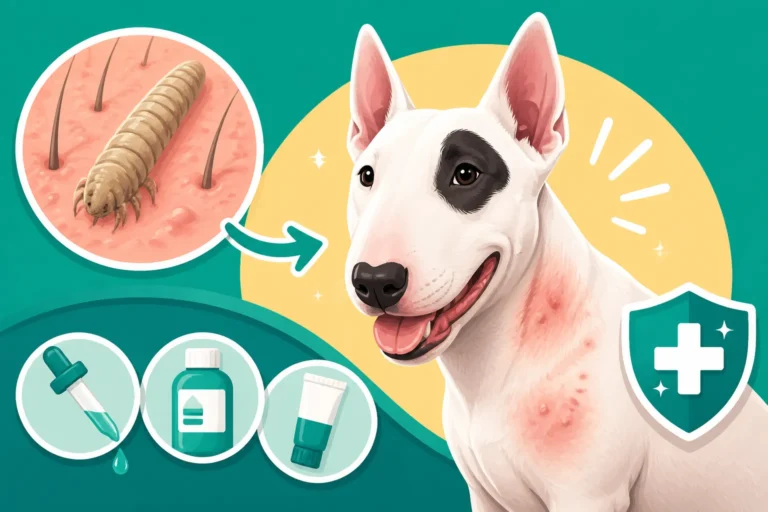
When parents are not tested for Acrodermatitis, every puppy in their litter faces an unknown risk. Imagine the excitement of bringing home a new Bull Terrier puppy, full of life and mischief, only to watch it slowly deteriorate. This is the tragic reality for puppies born with Acrodermatitis. From a young age, often within weeks or months, these puppies start to show distressing symptoms. You might notice unusual skin lesions, particularly on their paws and around their eyes and mouth, as detailed in What an Acrodermatitis Bull Terrier's Paws Look Like. They fail to grow, lagging far behind their littermates in size and development. For more information on what this devastating disease entails, consult Lethal Acrodermatitis Kills a Bull Terrier Puppy Before It Grows Up and What Lethal Acrodermatitis Does to a Bull Terrier.
These affected puppies struggle to eat and gain weight, often suffering from chronic diarrhea. Their immune systems are severely compromised, making them susceptible to every infection that comes their way, which is why Why an Acrodermatitis Bull Terrier Catches Every Infection is a common concern. Watching a puppy suffer like this is incredibly painful, and unfortunately, there is no cure. The disease is progressive and ultimately fatal, with affected puppies rarely surviving past the age of two, if they even make it that far, as discussed in The Age Acrodermatitis Kills a Bull Terrier. The thought of losing your beloved companion so young, after enduring such profound suffering, is a parent's worst nightmare.
How Testing Protects Puppies and Owners
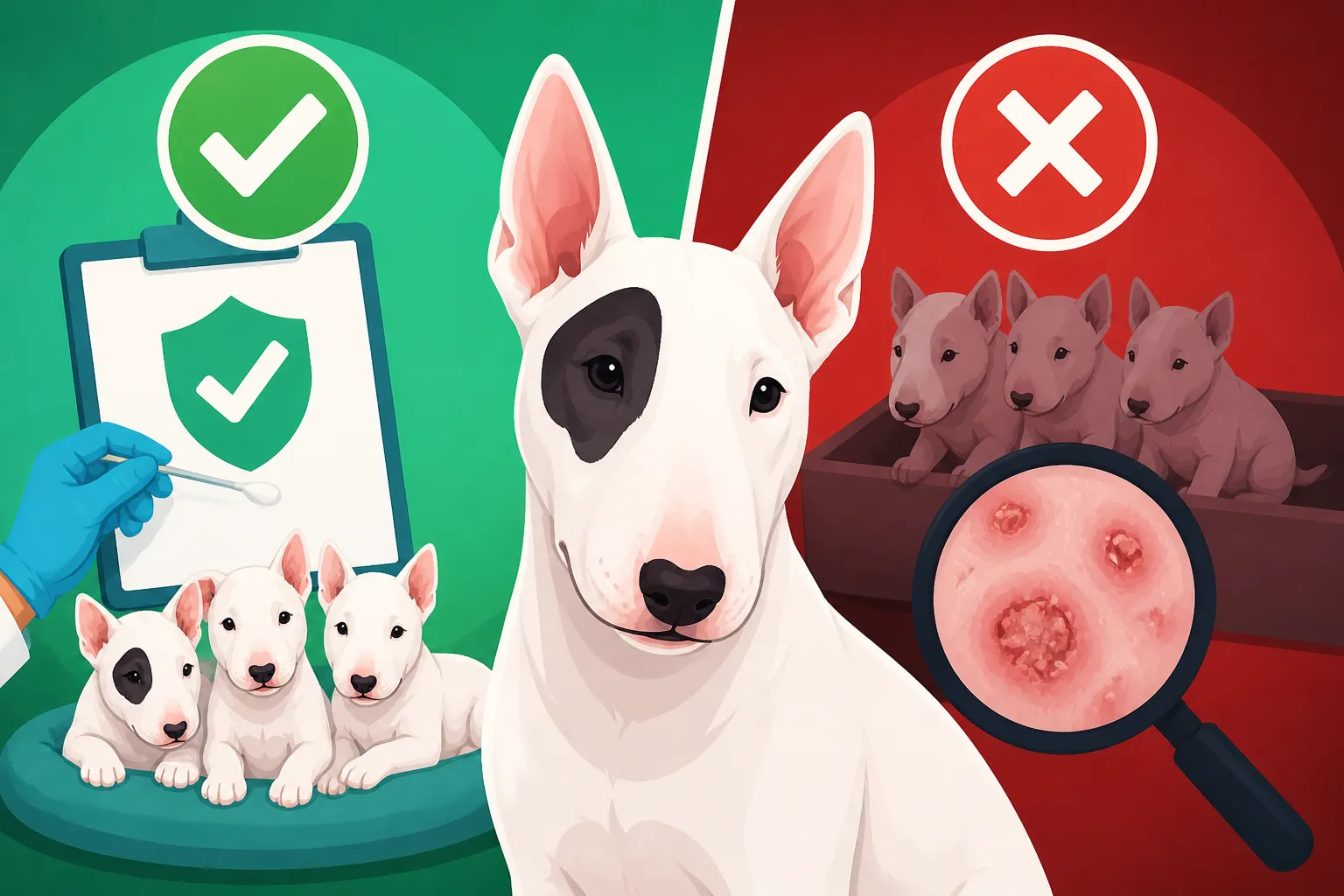
DNA testing for Acrodermatitis offers a straightforward solution to prevent this tragedy. By testing both prospective parents before breeding, a responsible breeder can identify whether their dogs are "clear," "carriers," or "affected" (though affected dogs are rarely, if ever, bred due to their severe health issues).
Here's how it works:
- Clear x Clear: All puppies will be clear. No risk of AD.
- Clear x Carrier: Approximately 50% of puppies will be clear, and 50% will be carriers. No puppies will be affected.
- Carrier x Carrier: This is the high-risk pairing. Approximately 25% of puppies will be clear, 50% will be carriers, and a heartbreaking 25% will be affected by Acrodermatitis.
- Clear x Affected: All puppies will be carriers. (Unlikely pairing due to health of affected dog).
- Carrier x Affected: Approximately 50% carriers, 50% affected. (Unlikely pairing).
Responsible breeders understand that avoiding the "Carrier x Carrier" pairing is paramount. They use the test results to make informed breeding decisions, ensuring that no puppy in their care will ever suffer from this terrible disease. This protects not only the puppies but also the future owners, saving them from the emotional devastation and immense financial burden of caring for a terminally ill dog. This proactive approach ensures that every puppy sold from their kennel has the best possible start in life, free from the shadow of Acrodermatitis. It’s also important to note that while Whether an Acrodermatitis Carrier Bull Terrier Is Affected clarifies that carriers themselves are healthy, breeding two carriers together is a massive gamble.
Finding a Responsible Bull Terrier Breeder Who Tests
The key to bringing a healthy Bull Terrier into your home is diligence in selecting your breeder. A truly responsible breeder will not only understand the importance of genetic testing but will also be transparent and eager to share the results with you.
Key Questions to Ask Prospective Breeders
When you're speaking with a potential breeder, don't be shy about asking direct and detailed questions. This isn't just a transaction; you're entrusting them with the health of a future family member. Here are the crucial questions related to Acrodermatitis:
- "Have both parents of this litter been DNA tested for Acrodermatitis?"
- "Can I see the official documentation for the Acrodermatitis test results for both the sire (father) and the dam (mother)?"
- "What are the results for each parent (e.g., Clear, Carrier)?"
- "Based on those results, what is the predicted Acrodermatitis status of the puppies in this litter?"
A reputable breeder will not only answer these questions confidently but will also provide you with hard copies or verifiable electronic results from a recognized laboratory. Don't accept vague assurances like "Oh, my dogs are all healthy" or "My lines don't have that." Demand to see the proof. A transparent breeder will be proud to share their health clearances. For a broader list of inquiries, consider Which Questions to Ask a Bull Terrier Breeder.
If a breeder seems evasive, defensive, or unwilling to provide documentation, consider it a serious red flag. There are many ethical breeders out there who prioritize health, and you owe it to yourself and your future puppy to find one.
What to Look for in Health Clearances
While Acrodermatitis testing is vital, it's just one piece of the puzzle when it comes to Bull Terrier health. A truly comprehensive health screening program for Bull Terriers should include several other tests. When you're assessing a breeder, look for the following:
- Kidney Health: Bull Terriers are prone to kidney issues, particularly Hereditary Nephritis. Responsible breeders will perform annual Urine Protein Creatinine (UPC) ratio tests on their breeding stock, and often ultrasound kidneys. Ask to see current UPC results and, ideally, ultrasound reports. What a Bull Terrier Breeder Should Have Tested and The Yearly Kidney Screen a Bull Terrier Needs for Life provide excellent insights into these necessary checks.
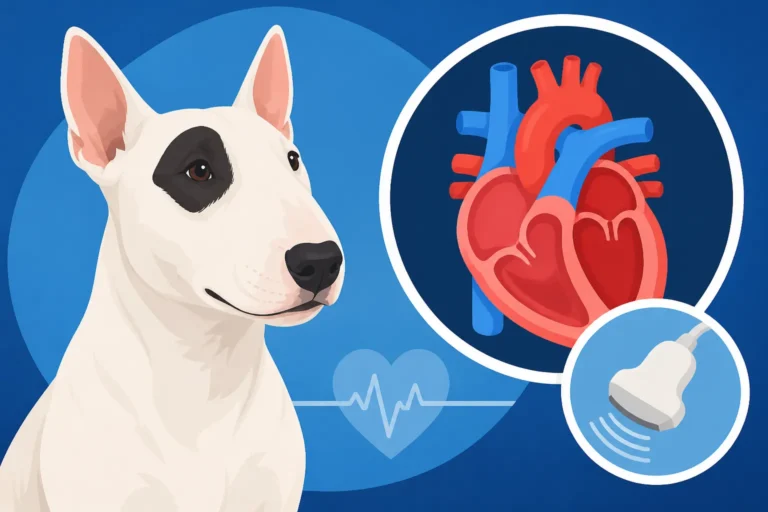
- Cardiac Health: Heart conditions like mitral valve dysplasia and aortic stenosis can also affect Bull Terriers. A breeder should provide documentation of recent cardiac evaluations, typically an echocardiogram performed by a board-certified veterinary cardiologist. The Heart Murmur a Bull Terrier Puppy Should Be Checked For is a good starting point for understanding cardiac concerns.
- Hearing (BAER testing): Especially for white Bull Terriers, inherited deafness is a significant concern. BAER (Brainstem Auditory Evoked Response) testing is the only reliable way to assess a puppy's hearing. All white Bull Terrier puppies, and often colored ones, should be BAER tested before going to new homes. Learn more from Why a White Bull Terrier Should Be BAER Tested.
- Patellar Luxation: While less common, patellar luxation (slipping kneecaps) can occur. Certifications from organizations like the Orthopedic Foundation for Animals (OFA) are valuable.
A breeder committed to health will not only perform these tests but will also be transparent about the results, whether they are "clear" or if a dog is a "carrier" for a specific condition (if they responsibly breed a carrier with a clear mate). They will also typically offer a health guarantee in their contract. Even with the most rigorous testing, unexpected health issues can sometimes arise. This is why having pet insurance, such as through Healthy Paws, can provide a crucial safety net. It offers peace of mind, knowing that you'll have financial support if your Bull Terrier faces unforeseen medical challenges down the line. It's an investment in your puppy's future, even when a breeder has done all the right things.
Navigating a Situation with an Untested or Affected Puppy
Life doesn't always go according to plan, and sometimes, despite our best efforts, we might find ourselves in a less-than-ideal situation regarding a Bull Terrier's health or testing status. Knowing how to proceed is crucial for both the dog's welfare and your own peace of mind.
If Your Puppy Came From Untested Parents
Let's say you've already brought home a Bull Terrier puppy, and only later did you discover that the breeder didn't test for Acrodermatitis, or perhaps you adopted from a rescue where the history is unknown. Don't panic, but do take action.
Your first step should be to get your Bull Terrier tested for Acrodermatitis yourself. The DNA test is simple, usually involving a cheek swab, and can be ordered directly from several veterinary genetic testing laboratories. This will determine if your dog is clear, a carrier, or, in rare and devastating cases, affected. Knowing your dog's status is incredibly important, not just for their health, but also for any future breeding decisions (should you decide to breed them, though an ethical choice would be to only breed clear dogs) or simply for your own knowledge. Whether a Bull Terrier Owner Should Test an Adult is a valid question, and the answer is yes, if the original tests are absent.
While you wait for results, be extra vigilant for any signs of Acrodermatitis. Keep an eye out for skin issues, particularly on the face and paws, failure to grow, lethargy, or frequent infections. If you notice any concerning symptoms, consult your veterinarian immediately. Early intervention, even if just for supportive care and symptom management, is vital.
Having pet insurance, like Healthy Paws, can be a lifesaver in these scenarios. If your dog comes from an untested litter and later develops a congenital or hereditary condition that wasn't identified by a breeder (and wasn't pre-existing before your policy started), a good insurance plan can help cover the often-exorbitant veterinary costs. While it can't erase the worry, it can certainly alleviate the financial stress, allowing you to focus on getting your Bull Terrier the best possible care.
Supporting an Acrodermatitis Affected Bull Terrier
If, against all odds, you find yourself with a Bull Terrier puppy diagnosed with Acrodermatitis, prepare for an incredibly difficult journey. As mentioned earlier, this condition is fatal, and there is no cure. Treatment focuses on supportive care and attempting to manage the symptoms.
Veterinarians will typically prescribe high doses of zinc supplementation, but sadly, because the issue is with the body's absorption of zinc, rather than just a dietary lack, it often provides only minimal or temporary relief, as elaborated in Whether Zinc Helps a Bull Terrier With Acrodermatitis. The skin infections will need constant attention, often requiring antibiotics, medicated baths, and topical treatments. The immune system will remain compromised, meaning every sniffle or minor cut can become a life-threatening infection. Pups will struggle to gain weight and grow, and their quality of life will often decline rapidly.
This is an emotionally and financially draining experience. The constant vet visits, medications, and specialized care can quickly add up. This is where the foresight of having robust pet insurance, like Healthy Paws, can make a tangible difference. While it won't cure your puppy, it can help cushion the immense financial blow of extensive medical care, allowing you to provide every possible comfort and intervention for your beloved Bull Terrier during their short time with you. The decision to manage or humanely euthanize an affected puppy is deeply personal and incredibly painful, made in consultation with your veterinarian, always prioritizing the puppy's quality of life.
| Breeder Type | Acrodermatitis Testing? | Kidney Testing (UPC/Ultrasound)? | Cardiac Screening (Echo)? | BAER Testing (White Pups)? | Health Guarantee? | Transparency? |
|---|---|---|---|---|---|---|
| Reputable/Ethical | Yes (both parents) | Yes (annual, verifiable) | Yes (cardiologist) | Yes (entire litter) | Yes (clear, detailed) | High (provides documentation readily) |
| Backyard/Casual | Often no | Rarely | Seldom | Unlikely | Vague or none | Low (evasive, no documentation) |
| Puppy Mill | Never | Never | Never | Never | None | Non-existent |
Important Disclaimer
The information provided in this guide is for general informational purposes only and does not constitute veterinary advice. Always consult with a qualified veterinarian for any health concerns or before making any decisions about your Bull Terrier's care.