How Acrodermatitis Is Inherited in Bull Terriers
Discovering your beloved Bull Terrier puppy is facing a life-threatening genetic condition like Acrodermatitis is truly heart-wrenching, often leaving owners feeling lost, helpless, and desperate for answers. This devastating disease, which unfortunately leads to chronic suffering and a tragically short lifespan, is a heavy burden for any Bull Terrier family to bear. This comprehensive guide aims to unravel the complexities of Acrodermatitis, specifically focusing on how it’s inherited, how to identify it, and what steps responsible owners and breeders can take to understand and ultimately work towards preventing this profound illness.
Understanding Acrodermatitis in Bull Terriers
Acrodermatitis, often referred to as LAD (Lethal Acrodermatitis), is a brutal genetic disorder unique to Bull Terriers. It's a progressive disease that impacts multiple body systems, leading to severe skin lesions, growth retardation, and a compromised immune system. For anyone who has seen a puppy suffer from this, it's an image that stays with you forever.
What Acrodermatitis Looks Like
The first signs of Acrodermatitis usually become apparent when a Bull Terrier puppy is quite young, often between 4 to 8 weeks of age. Affected puppies are typically smaller than their littermates, failing to thrive despite eating well. They might seem a bit dull or withdrawn, and their coat can look sparse or coarse, lacking the healthy sheen you'd expect from a vibrant young Bull Terrier. It's a subtle onset that can easily be missed by an inexperienced eye, making early diagnosis challenging without specific testing. This struggle for growth often leads to phrases like "Why an Acrodermatitis Bull Terrier Puppy Stops Growing," which highlights the profound impact of the disease on their development.
As the disease progresses, the visible symptoms become much more severe and distinctive. The hallmark signs often involve the paws, muzzle, and pressure points, where painful skin lesions begin to develop. These can appear as crusting, scaling, and thickening of the skin, particularly on the pads of their feet, between their toes, and around their nails. These areas become incredibly sore, often leading to lameness and discomfort. The skin around their eyes and mouth can also be affected, making eating and blinking difficult. Owners frequently notice "What an Acrodermatitis Bull Terrier's Paws Look Like" as a critical indicator.
Beyond the skin issues, affected puppies suffer from a severely weakened immune system. This leaves them incredibly vulnerable to a host of secondary infections, both bacterial and fungal, which exacerbate their discomfort and hasten their decline. Respiratory infections, gastrointestinal upsets, and generalized skin infections are common, creating a relentless cycle of illness. Tragically, many also develop neurological signs, such as tremors or uncoordinated movements, and some even have an arched palate, making nursing difficult. All these factors contribute to the devastating reality of "What Lethal Acrodermatitis Does to a Bull Terrier".
The Core Problem: Zinc Malabsorption
At its heart, Acrodermatitis isn't about a lack of zinc in a Bull Terrier's diet; it's about a fundamental inability for their bodies to properly absorb and utilize this essential mineral. Zinc is crucial for countless bodily functions, including immune response, skin health, growth, and neurological development. When a Bull Terrier has Acrodermatitis, even if they're fed a diet rich in zinc, their digestive system and cells can't transport it effectively into the body where it's needed. This leads to a severe functional zinc deficiency, despite adequate dietary intake.
This crucial distinction is why simply adding more zinc to their food doesn't solve the problem, a frustrating realization for many owners. While some conditions, like zinc-responsive dermatosis in other breeds, can be managed with oral zinc supplements, Acrodermatitis in Bull Terriers requires a deeper understanding of the genetic malfunction. This explains "Why an Acrodermatitis Bull Terrier Cannot Absorb Zinc," setting it apart from other zinc deficiency conditions.
The inability to absorb zinc leads to widespread cellular dysfunction throughout the puppy's body. Without sufficient zinc, skin cells cannot properly mature, immune cells cannot function effectively, and normal growth and development are severely stunted. This systemic failure underscores why the disease is so lethal and why typical treatments are often ineffective. It’s a genetic roadblock that current medical science cannot overcome, leading to the heartbreaking conclusion that "The Age Acrodermatitis Kills a Bull Terrier" is typically before they reach two years of age.
The Genetics Behind Acrodermatitis
Understanding the genetic basis of Acrodermatitis is paramount for both prevention and responsible breeding. It's not a random occurrence; it follows a predictable pattern of inheritance, rooted in a specific gene mutation.
Autosomal Recessive Inheritance
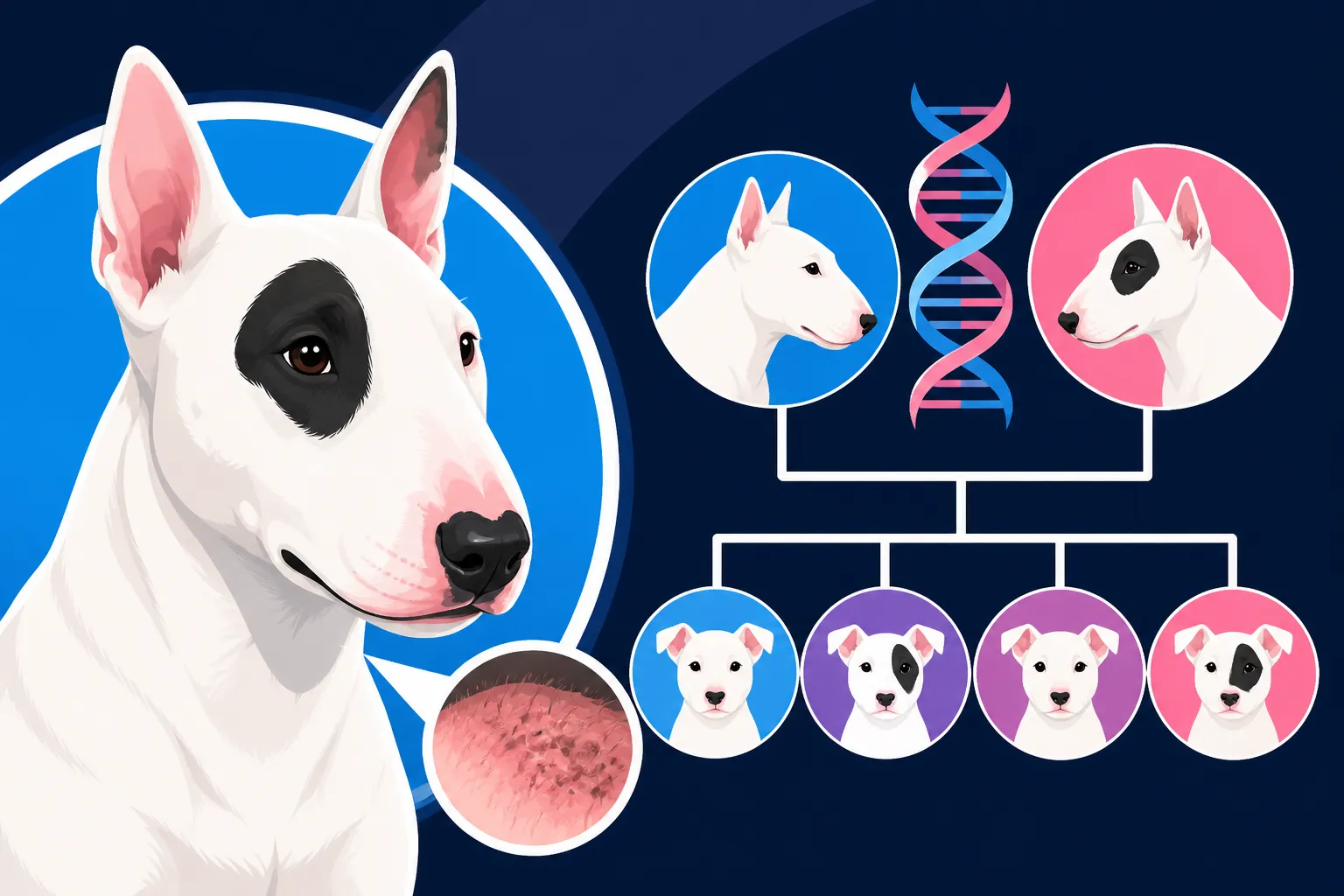
Acrodermatitis is an autosomal recessive genetic disorder. If you're not familiar with genetics, this essentially means two things: "autosomal" refers to the fact that the gene responsible is located on a non-sex chromosome, meaning it affects both male and female Bull Terriers equally. "Recessive" means that a dog must inherit two copies of the defective gene—one from each parent—to be affected by the disease.
Let's break this down further. Every gene comes in pairs, with one copy inherited from the mother and one from the father. For Acrodermatitis, there are two possibilities for each copy of the gene: a "normal" copy (let's call it 'N') and a "mutated" copy (let's call it 'A').
- A Bull Terrier that inherits two normal copies (NN) is considered "clear" – they don't have the disease and won't pass on the mutated gene.
- A Bull Terrier that inherits one normal copy and one mutated copy (NA) is a "carrier." They do not show symptoms of Acrodermatitis because the normal gene copy compensates. However, they can pass the mutated gene ('A') to their offspring. "Whether an Acrodermatitis Carrier Bull Terrier Is Affected" is a common question, and the answer is no, they typically remain healthy.
- A Bull Terrier that inherits two mutated copies (AA) is "affected" with Acrodermatitis. They will develop the disease.
Think of it like flipping a coin twice. If you need two heads to win, and each parent is a "carrier" (meaning they each have one head and one tail to pass on), then there's a chance with each "flip" (each puppy) that you'll get two heads and end up with an affected puppy. This mechanism explains why sometimes healthy parents can produce terribly sick puppies, which is incredibly confusing and distressing without an understanding of carrier status.
The SLC39A4 Gene Mutation
The specific culprit behind Acrodermatitis in Bull Terriers is a mutation in the SLC39A4 gene. This particular gene plays a critical role in cellular zinc transport. Essentially, it provides the instructions for making a protein that acts like a tiny doorman, ushering zinc from outside the cell to inside where it's needed for all those vital functions we talked about. When this gene is mutated, the "doorman" doesn't work correctly, or sometimes not at all. "Which Gene Causes Acrodermatitis in Bull Terriers" is a question that finally has a definitive answer.
This mutation, identified through extensive research, leads to the dysfunctional zinc absorption that is characteristic of Acrodermatitis. Without the SLC39A4 gene producing a functional transporter protein, zinc cannot be moved into cells efficiently, leading to the severe deficiency at a cellular level, regardless of how much zinc is present in the diet. This is a profound and unfixable flaw in the puppy's fundamental biology.
The discovery of this specific genetic mutation was a monumental step forward for the Bull Terrier breed. It allowed for the development of a reliable DNA test, empowering breeders and owners with the knowledge to identify carriers and affected dogs. "When the Bull Terrier Acrodermatitis DNA Test Arrived" marked a turning point, providing a clear path toward reducing the incidence of this tragic disease within the breed. Before this, diagnosis was often based solely on symptoms, leading to heartbreaking uncertainty.
Identifying Carriers and Affected Puppies
The ability to genetically test for Acrodermatitis has revolutionized breed health management for Bull Terriers. It removes the guesswork and offers clear answers, which is crucial for both individual dogs and the future of the breed.
DNA Testing for Acrodermatitis
The single most effective tool for preventing Acrodermatitis is DNA testing. This test can accurately determine if a Bull Terrier is clear, a carrier, or affected by the SLC39A4 gene mutation. For any responsible Bull Terrier breeder, testing all breeding stock is non-negotiable. It’s an ethical imperative to ensure no affected puppies are inadvertently produced. Prospective puppy buyers should always insist on seeing the DNA test results for both parents. If a breeder cannot provide these, it's a major red flag, potentially signaling an "What an Untested Bull Terrier Puppy Signals" warning to proceed with extreme caution.
The process for DNA testing is remarkably simple and non-invasive. It typically involves a buccal swab, where a small brush is rubbed gently inside the dog's cheek to collect saliva and epithelial cells. This sample is then sent to a specialized veterinary genetics laboratory for analysis. Results usually come back within a few weeks, clearly indicating the dog's genetic status: "clear," "carrier," or "affected." For new owners, understanding "What the Bull Terrier Acrodermatitis Swab Costs" and ensuring their puppy's parents have been tested is a vital first step in ensuring they bring home a healthy companion. Many labs, such as those associated with university veterinary programs or commercial providers like Embark or Wisdom Panel, offer these specific Bull Terrier panels.
Understanding the results is key. A "clear" dog is free of the mutation and cannot pass it on. A "carrier" dog carries one copy of the mutated gene but will not develop Acrodermatitis themselves. They can, however, pass that single mutated gene copy to 50% of their offspring on average. An "affected" dog has two copies of the mutation and will develop the disease. Knowing this information allows breeders to make informed decisions to avoid breeding two carriers together, thereby preventing the birth of affected puppies. For owners, this knowledge is power, and it gives them peace of mind, knowing that if they choose a puppy from clear parents, they're starting their journey on the best possible footing. Pet insurance providers, like Healthy Paws, often encourage and sometimes cover preventative health screenings, including DNA tests, as they can mitigate future, far costlier treatments.
Recognizing Symptoms in Untested Puppies
While DNA testing is the gold standard, sometimes a puppy may come from untested parents or a situation where testing wasn't done. In these unfortunate cases, recognizing the early signs of Acrodermatitis becomes critical for timely intervention, even if a cure isn't possible. One of the initial indicators is a general failure to thrive. Affected puppies often appear smaller and less robust than their littermates, struggling to gain weight at the same rate. Their coat might be rough or dull, and they may show less enthusiasm for play or food compared to their siblings. These subtle differences should raise immediate concern for anyone familiar with healthy Bull Terrier puppies. These initial observations are important signs a Bull Terrier puppy has Acrodermatitis.
As the disease progresses, more specific and debilitating symptoms emerge. The skin lesions around the paws are a significant red flag. You might notice thickened, crusted, or scaly skin, especially on the footpads, between the toes, and around the nail beds. These areas become inflamed, painful, and prone to secondary bacterial or yeast infections, leading to a foul odor and intense itching or lameness. The snout, lips, and sometimes the eyes can also develop similar crusting and inflammation. An affected puppy might also have an unusual gait or be reluctant to walk due to the discomfort in their feet. The appearance of "What an Acrodermatitis Bull Terrier's Paws Look Like" is often the most visually striking and heartbreaking symptom.
If you observe any of these symptoms in a Bull Terrier puppy, especially if the parents' genetic status is unknown, immediate veterinary attention is crucial. While there's no cure for Acrodermatitis, supportive care can help manage secondary infections and improve the puppy's comfort, albeit temporarily. A veterinarian can confirm the diagnosis through a physical exam, possibly skin biopsies, and ideally, a direct DNA test on the puppy itself. The prognosis, however, remains grim.
Breeding Decisions and Ethical Considerations
The knowledge gained from genetic testing places a significant ethical responsibility on Bull Terrier breeders to make informed decisions that prioritize the health and welfare of the breed.
Breeding Clear, Carrier, and Affected Dogs
Understanding the autosomal recessive inheritance pattern of Acrodermatitis allows breeders to predict the outcome of various matings.
- Clear x Clear: This is the ideal scenario. All puppies produced from this pairing will be clear (NN) and will not carry the Acrodermatitis gene. This is the safest breeding combination.
- Clear x Carrier: In this pairing, roughly 50% of the puppies will be clear (NN), and 50% will be carriers (NA). None of the puppies will be affected by Acrodermatitis. While this can introduce carrier status into a line, it's a responsible way to manage genetic diversity, particularly if the carrier parent possesses other exceptional qualities important to the breed. Any puppies produced this way should be tested before being bred themselves.
- Carrier x Carrier: This is the high-risk scenario. On average, 25% of the puppies will be clear (NN), 50% will be carriers (NA), and 25% will be affected (AA) by Acrodermatitis. This breeding combination should be avoided at all costs, as it knowingly produces puppies destined for a short, painful life. "Whether Two Bull Terrier Acrodermatitis Carriers Should Be Bred" is a resounding no from ethical breeders and breed clubs.
- Clear x Affected, Carrier x Affected, Affected x Affected: These pairings are entirely unacceptable in responsible breeding. They would produce a high percentage or even all affected puppies, deliberately causing suffering.
The ethical imperative is clear: never knowingly produce affected puppies. While eliminating carriers entirely might seem like the simplest solution, it could drastically reduce the gene pool, potentially leading to other health issues down the line. A balanced approach involves using carriers selectively, always pairing them with a clear dog, and then testing all offspring to identify new carriers and clear dogs. This way, breeders can preserve valuable genetic traits while slowly reducing the prevalence of the Acrodermatitis gene. The Bull Terrier Club of America and similar organizations worldwide have strong guidelines regarding testing and responsible breeding to improve the overall health of the breed, ensuring that "What a Bull Terrier Breeder Should Have Tested" includes Acrodermatitis.
The Impact on the Bull Terrier Breed
The discovery of the SLC39A4 gene mutation and the availability of a reliable DNA test have had a profound impact on the Bull Terrier breed, offering a tangible path toward reducing and eventually eliminating Acrodermatitis. The primary goal is to minimize the occurrence of affected puppies without excessively narrowing the breed's genetic diversity. This requires careful consideration and a commitment from breeders to utilize the testing available. By identifying carriers, breeders can make informed choices to remove affected lines or to strategically breed carriers to clear dogs, thereby gradually diluting the presence of the mutated gene in the population. This systematic approach contributes to the broader effort of "Whether Acrodermatitis Can Be Bred Out of Bull Terriers."
Breed clubs and health registries play a crucial role in promoting responsible breeding practices. They often advocate for mandatory testing of all breeding animals and encourage transparency in sharing results. For instance, the Orthopedic Foundation for Animals (OFA) collects and shares health testing data, allowing prospective owners and breeders to research the health status of Bull Terrier lines. These collective efforts aim to ensure that while desirable breed traits are maintained, the incidence of devastating genetic diseases like Acrodermatitis steadily declines. The success of these programs relies heavily on breeder adherence and a consistent demand from puppy buyers for proof of health testing.
Looking forward, the long-term vision for Bull Terrier health is one where Acrodermatitis becomes a rarity rather than a persistent threat. Continuous education for new and established breeders, along with ongoing research into canine genetics, will be vital. The more breeders commit to testing and making ethical choices, the healthier the Bull Terrier breed will become. This proactive stance not only spares individual puppies from suffering but also preserves the integrity and future well-being of this unique and beloved breed.
Life with an Acrodermatitis Affected Bull Terrier
For families who, despite all precautions, find themselves with an Acrodermatitis affected Bull Terrier puppy, the journey is one fraught with immense emotional and financial challenges.
Managing the Condition
It's a heartbreaking reality that there is currently no cure for Acrodermatitis in Bull Terriers. Once a puppy is diagnosed as affected (AA), the focus shifts entirely to supportive care aimed at managing symptoms and providing as much comfort as possible. This often involves a multi-faceted approach, but it’s a constant uphill battle. Treatment typically includes aggressive management of secondary infections, which are almost inevitable due to the compromised immune system. This means frequent veterinary visits, courses of antibiotics, antifungals, and topical medications for the skin lesions. Owners often find themselves constantly battling "Why an Acrodermatitis Bull Terrier Catches Every Infection."
Beyond infection control, managing the painful skin lesions and overall discomfort is paramount. Special medicated shampoos, soothing creams, and protective bandages for their paws might be necessary. Some veterinarians might try different forms of zinc supplementation, but as discussed, the core issue is malabsorption, so these are rarely effective in reversing the disease's progression. Pain management is also a significant consideration, as the skin lesions and general illness cause considerable suffering. Ensuring the puppy stays hydrated and receives adequate nutrition, despite often poor appetite and difficulty eating due to mouth lesions, also becomes a daily struggle. This constant need for veterinary care and specialized products can become very expensive, very quickly. It's in these trying times that having comprehensive pet insurance, like Healthy Paws, can be an absolute lifeline, helping to cover the extensive costs of chronic condition management.
The day-to-day care is intensive, demanding immense dedication and emotional resilience from owners. It’s a constant battle against progressive symptoms and declining health. Despite all efforts, the disease continues its relentless march, making it clear that management is about comfort, not cure.
Prognosis and Quality of Life
The prognosis for a Bull Terrier puppy diagnosed with Acrodermatitis is, unfortunately, extremely poor. This condition is progressive and ultimately lethal. Most affected puppies rarely survive past two years of age, and many succumb much earlier, often within their first year. The immune system remains profoundly compromised, the skin lesions worsen, and the growth retardation becomes more severe. It's a cruel reality that the vibrant, playful spirit of a Bull Terrier is tragically cut short by this genetic flaw.
The quality of life for an affected Bull Terrier is severely impacted. They endure chronic pain from their skin lesions, frequent discomfort from infections, and a general feeling of malaise due to their compromised health. They often lack the energy for normal puppy play, struggle with basic movements, and face challenges with eating and drinking. Watching a puppy suffer in this way is emotionally devastating for owners, who must constantly weigh the puppy's comfort against the relentless progression of the disease. This leads to the painful consideration of "How Long an Acrodermatitis Bull Terrier Puppy Survives."
Making the difficult decision to euthanize an Acrodermatitis affected puppy is a profound act of compassion. When treatments no longer alleviate suffering and the puppy’s quality of life is severely diminished, preventing further pain becomes the most humane choice. This is an unimaginable burden for any pet owner, but one that is often necessary to spare their beloved companion from prolonged suffering. The existence of such a devastating disease highlights the critical importance of responsible breeding and comprehensive health screening.
Preventing Acrodermatitis in Future Generations
The power to prevent Acrodermatitis lies squarely in the hands of breeders and prospective owners working together. By making informed choices, we can collectively strive to eliminate this tragic disease from the Bull Terrier breed.
Choosing a Reputable Breeder
For anyone considering bringing a Bull Terrier into their home, the most critical step in preventing Acrodermatitis is to choose a truly reputable and ethical breeder. A reputable breeder is not just someone who loves their dogs; they are someone who meticulously health tests their breeding stock, understands genetics, and prioritizes the health and welfare of every puppy they produce. They will be transparent about their breeding practices and eager to share health testing results. Always ask about the health history of both parents and their lineage.
Specifically, when it comes to Acrodermatitis, you absolutely must ask to see official DNA test results for both the sire and dam of the litter. These results should clearly state whether each parent is "clear," "carrier," or "affected" for the SLC39A4 gene mutation. An ethical breeder will only breed "clear" dogs together, or, if using a carrier for specific desirable traits, will always breed that carrier to a "clear" dog and ensure all resulting puppies are tested. Never accept a breeder's word without seeing the actual documentation. Be wary of breeders who claim their dogs are "vet checked" instead of specifically stating genetic DNA testing for known breed conditions. Asking "Which Health Tests a Bull Terrier Breeder Should Run" is crucial, and Acrodermatitis DNA testing should always be on that list.
A reputable breeder will also offer a health guarantee, stand by their puppies for their lifetime, and be a resource for you for years to come. They will ask you many questions to ensure their puppy is going to a good home. They won't rush the process or pressure you into a sale. They should be transparent about "Whether a Bull Terrier Breeder Will Show BAER Results" (for deafness) and other vital tests, including Acrodermatitis. If a breeder is evasive, unwilling to provide documentation, or has multiple litters available from untested parents, it's a clear sign to look elsewhere. Your choice of breeder is the single most important factor in bringing home a healthy Bull Terrier.
Supporting Research and Awareness
Beyond individual breeding decisions, the collective effort of the Bull Terrier community—owners, breeders, veterinarians, and enthusiasts—is vital to eradicating Acrodermatitis. Supporting organizations dedicated to canine health research, such as the Canine Health Foundation or breed-specific health trusts, contributes directly to ongoing studies that seek better understanding, improved diagnostics, and potentially, future treatments for genetic diseases. These funds often facilitate research into other debilitating conditions that affect the breed, such as Hereditary Nephritis Takes Bull Terriers in Their Prime.
Raising awareness about Acrodermatitis is equally important. Many prospective owners are unaware of this devastating condition and the critical importance of genetic testing. By sharing information, advocating for responsible breeding practices, and educating others, we can empower more people to make informed decisions. This includes encouraging all Bull Terrier owners, especially those with rescue dogs whose history might be unknown, to consider testing their adult dogs to understand their carrier status. "Whether a Bull Terrier Owner Should Test an Adult" is a valid question, especially if they are considering breeding or simply want full knowledge of their dog's genetic makeup.
Ultimately, the fight against Acrodermatitis is a long-term commitment. It requires vigilance, ethical choices, and a united front from everyone who loves Bull Terriers. By consistently promoting widespread DNA testing, supporting reputable breeders, and fostering a culture of transparency and education, we can move closer to a future where no Bull Terrier puppy has to suffer from this tragic disease. It's about preserving the health and unique spirit of this incredible breed for generations to come.
Acrodermatitis Inheritance Patterns
To illustrate how Acrodermatitis is inherited, consider the following table which uses 'N' for the normal gene and 'A' for the mutated Acrodermatitis gene.
| Parent 1 Status | Parent 2 Status | Possible Offspring Genotypes (Probability) | Offspring Phenotypes (Probability) |
|---|---|---|---|
| Clear (NN) | Clear (NN) | 100% NN | 100% Clear |
| Clear (NN) | Carrier (NA) | 50% NN, 50% NA | 50% Clear, 50% Carrier |
| Clear (NN) | Affected (AA) | 100% NA | 100% Carrier |
| Carrier (NA) | Carrier (NA) | 25% NN, 50% NA, 25% AA | 25% Clear, 50% Carrier, 25% Affected |
| Carrier (NA) | Affected (AA) | 50% NA, 50% AA | 50% Carrier, 50% Affected |
| Affected (AA) | Affected (AA) | 100% AA | 100% Affected |
Disclaimer
The information provided in this article is for educational and informational purposes only and does not constitute veterinary advice. Always consult with a qualified veterinarian for any health concerns or before making any decisions about your pet's health or treatment.