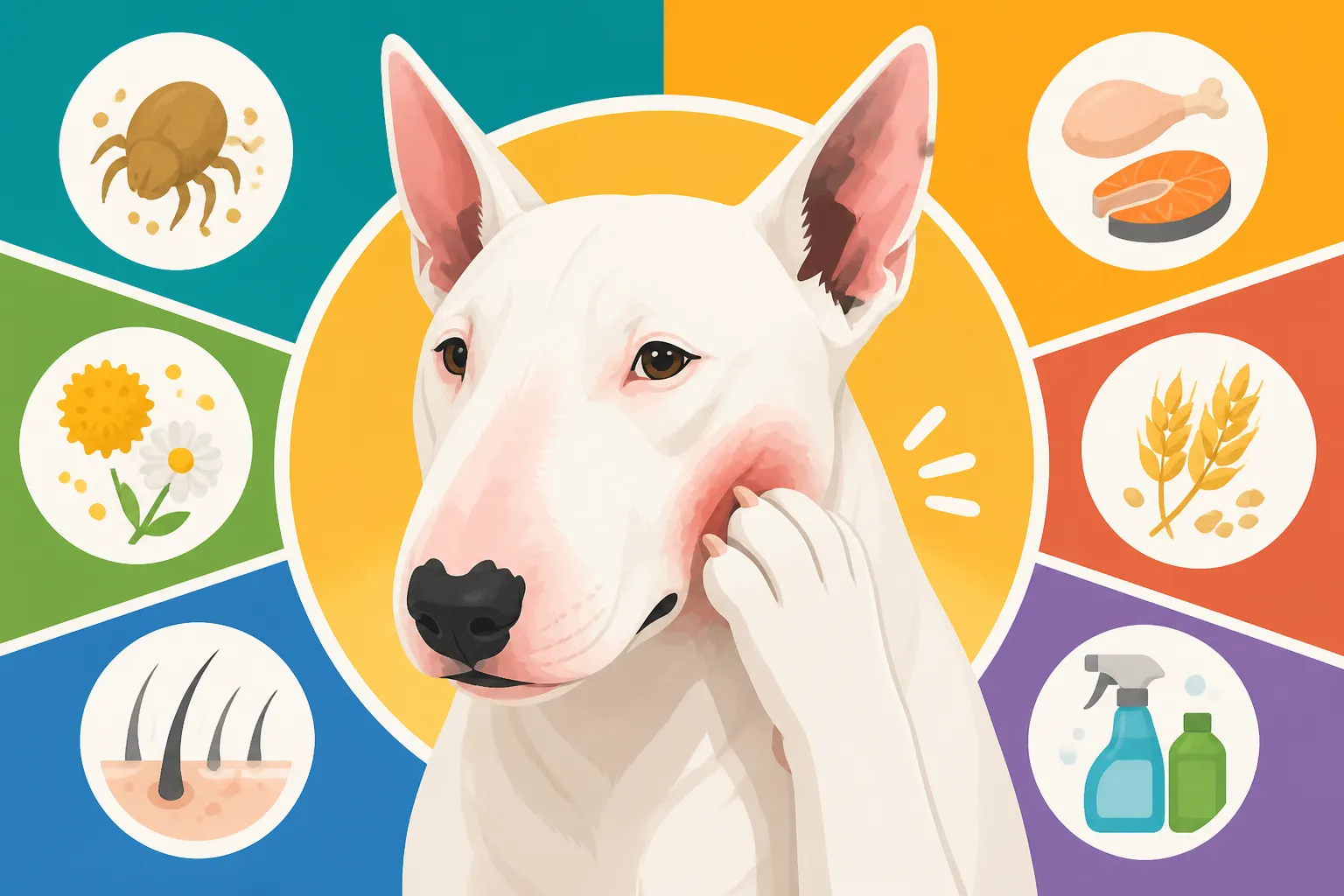
What a Bull Terrier Is Most Often Allergic To
It’s a truly disheartening experience to watch your beloved Bull Terrier constantly scratching, chewing at their paws, or rubbing against furniture, all while you feel utterly helpless. That incessant itch, the raw skin, the endless ear infections—it’s not just uncomfortable for them; it’s a constant source of worry and frustration for us as owners. This guide aims to shed light on what typically causes these allergic reactions in Bull Terriers, helping you understand the common culprits and navigate the path to bringing your quirky companion some much-needed relief.
Understanding Bull Terrier Allergies: A Common Frustration for Owners
Bull Terriers, with their unique appearance and charismatic personalities, are adored for many reasons. But, let's be real, they're also notorious for certain health quirks, and skin issues, particularly allergies, sit high on that list of common frustrations. It feels like you're constantly battling something, whether it's a new hot spot, persistent ear gunk, or the dreaded "zoomies" that turn into frantic self-chewing sessions. It's not just a minor irritation; chronic allergies can severely impact a Bull Terrier's quality of life, leading to secondary infections, discomfort, and even behavioral changes. Knowing what you're up against is the first step in winning this battle.
Many Bull Terrier owners, myself included, have spent countless hours and dollars trying to pinpoint the exact cause of their dog's misery. You start noticing the subtle signs – a little more scratching here, a bit of redness there – and before you know it, you’re in a full-blown flare-up. It's easy to feel overwhelmed by the sheer number of potential allergens out there, from the food in their bowl to the grass they roll in. This breed, in particular, seems predisposed to developing sensitivities, making it a critical area for us to understand deeply. Often, it's a combination of factors, a perfect storm that leads to itchy, irritated skin.
Why Bull Terriers Seem Prone to Skin Sensitivities
It often feels like Bull Terriers have a target on their backs when it comes to skin problems. While any dog can develop allergies, our beloved bullies seem to get the short end of the stick more frequently. This predisposition likely stems from a combination of genetic factors and their unique physiology. Their short, coarse coat, combined with often sensitive skin, provides less natural protection against environmental irritants compared to dogs with denser undercoats. This means allergens can more easily reach and irritate their skin.
Furthermore, many Bull Terriers have delicate skin that reacts strongly to even minor irritants. We all know how much a Bull Terrier loves to lean on you or rub their head against your leg; imagine that constant contact with something that makes their skin scream! This inherent sensitivity means what might be a minor sniffle for another breed can manifest as a full-blown skin eruption for a Bull Terrier. It’s a challenge that many of us face, emphasizing the need for diligent care and a proactive approach to their health. In fact, many people often discover that A Bull Terrier's Skin Is Its Weakest Point soon after bringing their new companion home.
The Usual Suspects: What Triggers Allergies in Bull Terriers?
When your Bull Terrier is scratching like there’s no tomorrow, the mind races through a hundred possibilities. Is it the new treat? Did they roll in something weird at the park? Pinpointing the exact allergen can feel like detective work, and frankly, it often is. But understanding the most common categories of allergens can help narrow down your focus and guide your conversations with your veterinarian. Generally, we're looking at environmental triggers, food sensitivities, and less commonly, contact allergens. Each type presents its own set of challenges for identification and management.
It's important to remember that allergies are an overreaction of the immune system to substances that are typically harmless. For our Bull Terriers, this means their body perceives a threat where none exists, leading to inflammation and discomfort. This immune response is why symptoms can vary so widely, from localized itching to systemic issues. And because their immune system is involved, managing allergies often requires a multi-faceted approach, tackling both the symptoms and, ideally, the underlying cause.
Environmental Allergens: Pollen, Dust, and Molds
Just like people, Bull Terriers can suffer from environmental allergies, often referred to as atopy or atopic dermatitis. These are by far the most common type of allergies seen in our breed. Think about it: your dog is constantly interacting with their environment, sniffing every blade of grass, rolling in the leaves, and lying on the carpet. All these activities expose them to airborne particles that can trigger a reaction.
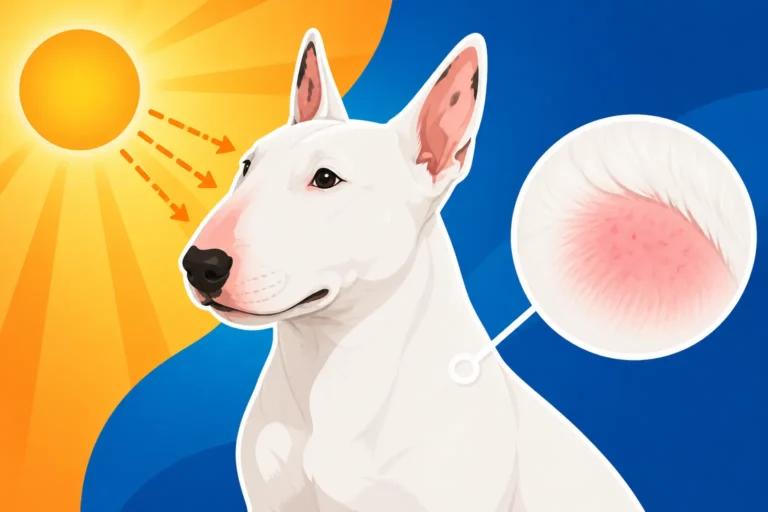
- Pollen: This is a huge one. Trees, grasses, and weeds release pollen, especially during certain seasons, turning the outdoors into an invisible minefield for allergic dogs. If your Bull Terrier starts itching furiously in spring, summer, or fall, pollen is often high on the suspect list. They can absorb it through their skin or inhale it, leading to a systemic allergic response. You might notice them rubbing their face, licking their paws excessively, or developing red, inflamed skin on their belly or armpits.
- Dust Mites: These microscopic critters live in our homes, thriving in bedding, carpets, and upholstered furniture. For Bull Terriers sensitive to dust mites, their allergies can be year-round, making it particularly frustrating to manage. Your dog might be most itchy when indoors, or after spending time lounging on a favorite rug. Regular cleaning, vacuuming with a HEPA filter, and washing bedding in hot water can help reduce their exposure.
- Molds: Indoor and outdoor molds can also be significant allergens. Molds thrive in damp environments, so areas like basements, bathrooms, or even wet leaves in the yard can harbor these triggers. If your Bull Terrier seems worse on damp days or after spending time in a musty area, mold could be a factor. Like pollen, mold spores can be inhaled or absorbed through the skin, triggering discomfort.
Dealing with environmental allergies requires vigilance. Frequent bathing with a gentle, hypoallergenic shampoo can help wash allergens off their skin. Wiping down their paws and belly after outdoor excursions, particularly if they are prone to Why Grass Makes a Bull Terrier Itch, can also make a difference. Air purifiers in the home can sometimes reduce airborne allergens, providing a cleaner environment for your sensitive bully.
Food Allergies and Intolerances: Identifying Dietary Triggers
Food allergies and intolerances are often lumped together, but there's a subtle distinction. A true food allergy involves an immune response, while an intolerance is usually a digestive issue, though both cause discomfort. For Bull Terriers, food allergies are less common than environmental allergies but can cause intense itching and gastrointestinal upset. It's a tricky area because symptoms can mimic environmental allergies, making diagnosis challenging.
The most common food allergens for dogs, including Bull Terriers, are typically proteins they've been exposed to repeatedly over time. Chicken, beef, dairy, eggs, soy, and wheat are often cited as culprits. It's rarely a reaction to grains themselves unless they contain one of these protein sources. The key is that it's usually something they've eaten consistently, not a brand-new food. This is why a sudden change in diet isn't usually the direct cause of a food allergy, but rather reveals a pre-existing sensitivity.
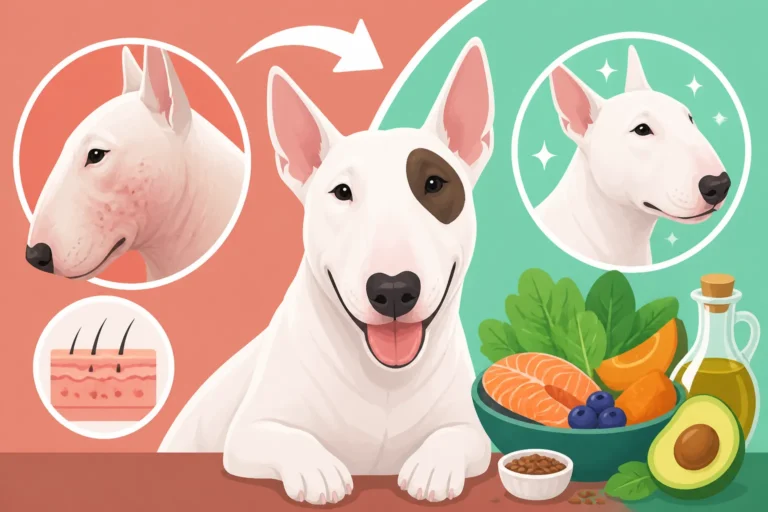
Identifying a food allergy almost always requires an elimination diet, often called a novel protein or hydrolyzed protein diet. This means feeding your Bull Terrier a food with a protein source they've never eaten before (like venison, duck, or kangaroo) or a protein that's been broken down so the immune system doesn't recognize it. This diet must be fed exclusively for 8-12 weeks – no treats, no table scraps, no flavored medications – to see if symptoms resolve. It takes immense dedication, but it's the gold standard for diagnosis. Once symptoms clear, individual ingredients are reintroduced one by one to pinpoint the exact trigger. This systematic approach, though time-consuming, is essential for truly understanding Whether a Bull Terrier's Skin Improves With Diet.
Contact Dermatitis: Reactions to Everyday Items
While less common than environmental or food allergies, contact dermatitis is another potential source of irritation for your Bull Terrier. This occurs when their skin comes into direct contact with an irritating substance, leading to localized inflammation, redness, and itching at the point of contact. Because Bull Terriers have such a short coat, their skin is more exposed, making them potentially more susceptible to this type of reaction.
Common culprits for contact dermatitis can include:
- Cleaning Products: Floor cleaners, laundry detergents, carpet deodorizers, or even residual chemicals from household sprays can cause a reaction if your Bull Terrier walks on or lies on treated surfaces.
- Plants: Certain plants in your yard or on walks can cause irritation. Poison ivy, poison oak, or even some common garden plants can trigger a localized rash.
- Flea/Tick Preventatives: While essential, some dogs can react to topical flea and tick treatments, causing redness and itching at the application site. Always monitor your dog closely after applying new products.
- Materials: Less commonly, some Bull Terriers might react to materials in their bedding, collars, or bowls, especially if the material is new or dyed.
Identifying contact dermatitis involves careful observation of where the reaction occurs on your Bull Terrier's body and what they might have come into contact with in that specific area. For instance, if the rash is primarily on their belly or chest, consider what surfaces they lie on. If it's on their paws, think about what they walk on. Once identified, the solution is usually straightforward: remove the offending agent. This might mean switching to hypoallergenic cleaning products, avoiding certain areas in the yard, or trying a different type of bedding. This proactive approach is a crucial part of The Weekly Skin Check Every Bull Terrier Needs to catch problems early.
Recognizing the Signs: How to Spot an Allergic Reaction
Knowing the potential triggers is one thing, but actually noticing when your Bull Terrier is experiencing an allergic reaction can sometimes be subtle, or conversely, overtly dramatic. Bull Terriers, with their stoic nature, might try to hide their discomfort, but once the itch takes hold, it becomes impossible to ignore. It’s not just constant scratching; allergic reactions can manifest in various ways, impacting their skin, ears, and even their digestive system. Learning to read these signs is vital for timely intervention and getting your bully the help they need.
The frustration for owners often mounts as symptoms persist or recur, despite initial attempts at home remedies. You might feel like you're constantly playing whack-a-mole with their symptoms. This is where truly understanding the spectrum of signs becomes invaluable. An allergic reaction isn't just a rash; it's a comprehensive response by their immune system, and its impact can spread throughout their body.
Skin Manifestations: Itching, Redness, and Hot Spots
The most obvious and distressing signs of allergies in Bull Terriers are usually skin-related. That frantic itching is often the first clue, but it's just the tip of the iceberg of what their skin endures.
- Intense Itching (Pruritus): This is the hallmark of most allergies. Your Bull Terrier might scratch with their paws, rub against furniture, chew at their legs or tail, or even scoot across the floor. This itching can be relentless, disrupting their sleep and yours. Many Bull Terrier owners specifically complain about itchy feet (Whether a Bull Terrier's Feet Itch), which is a classic allergy symptom.
- Redness and Inflammation: Areas of the skin that are being licked, chewed, or scratched excessively will become red, inflamed, and irritated. This can be localized to specific spots or widespread, affecting the belly, groin, armpits, and paws.
- Rashes and Bumps: You might notice small red bumps (papules) or even pustules (pus-filled bumps), indicating a secondary bacterial infection often caused by the skin's compromised barrier and constant trauma from scratching.
- Hair Loss: Chronic scratching and licking can lead to significant hair loss, leaving bald patches, especially on the flanks, legs, and belly. The skin in these areas might also appear thickened and darkened (hyperpigmentation), a sign of long-standing inflammation.
- Hot Spots (Acute Moist Dermatitis): These are acutely inflamed, red, moist, and painful skin lesions that appear suddenly. They develop when a Bull Terrier obsessively licks, chews, or scratches a particular area, often triggered by an underlying allergy, flea bite, or other irritation. Hot spots can grow very quickly and are extremely uncomfortable.
- Crusts and Scales: As the skin battles inflammation and possible infection, it can become crusty, flaky, or scaly. This is often seen in areas with chronic irritation.
It's important to remember that these skin symptoms can also overlap with other dermatological conditions, such as parasitic infestations like Demodectic Mange in a Bull Terrier. A thorough veterinary examination is always necessary to differentiate between conditions and ensure the correct diagnosis.
Other Symptoms: Ear Infections and Gastrointestinal Upset
While skin issues are front and center, allergic reactions in Bull Terriers don't always stop there. The immune system's widespread response can manifest in other, often recurring, ways that can be just as frustrating to manage.
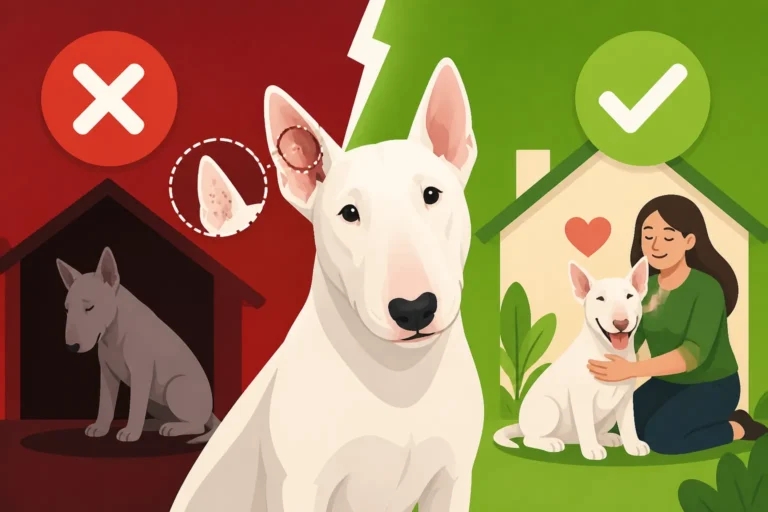
- Chronic Ear Infections: This is an incredibly common sign of underlying allergies in Bull Terriers. Instead of the typical skin itch, some Bull Terriers will primarily show their allergies through recurrent ear infections (otitis externa). You might notice redness inside the ear flap, a foul odor, excessive head shaking, or your dog pawing at their ears. The ear canals can become inflamed and itchy, creating a perfect environment for yeast and bacteria to overgrow, leading to that tell-tale gunk and smell. If your Bull Terrier seems to constantly be battling ear infections, even after treatment, it's a strong indicator that allergies might be the root cause.
- Gastrointestinal Upset: While more characteristic of food allergies, environmental allergies can sometimes contribute to GI symptoms, too. These can include chronic diarrhea, vomiting, excessive gas, or a general sensitive stomach. If your Bull Terrier frequently experiences digestive issues alongside their skin problems, it warrants investigating a potential food allergy, or at least a closer look at their diet. It's often a cycle where a compromised gut contributes to systemic inflammation, exacerbating other allergy symptoms. This can be particularly worrying for owners, leading them to constantly search for the perfect, easily digestible diet.
- Eye Irritation: Less common, but some Bull Terriers might exhibit watery, red, or itchy eyes as part of their allergic response, especially to environmental allergens like pollen. You might notice them rubbing their face more often, or discharge from their eyes.
Recognizing this broader range of symptoms is crucial because it often helps connect the dots back to an allergic cause. If you're seeing a combination of these signs, particularly recurrent ones, it's a clear signal that a comprehensive veterinary workup is needed to understand what's truly going on with your beloved Bull Terrier.
Navigating Diagnosis and Management: Getting Your Bull Terrier Relief
Once you suspect allergies, the real work begins: diagnosis and developing a management plan. This journey can feel like a marathon, not a sprint, and it requires patience, persistence, and a strong partnership with your veterinarian. There's no magic bullet for allergies, but with the right approach, you can significantly improve your Bull Terrier's comfort and quality of life. Expect to try different strategies and be prepared for some trial and error – it's all part of finding what works best for your individual dog.
It's also essential to consider the financial implications of managing chronic allergies. From vet visits and specialized diets to medications and environmental controls, the costs can add up. This is where pet insurance, like a policy from Healthy Paws, can be an absolute lifesaver. Investing in a good plan early on can help cover these ongoing expenses, ensuring you can always provide the best possible care without having to make difficult financial decisions during a flare-up.
Working with Your Veterinarian: The Diagnostic Journey
Your veterinarian is your primary partner in this battle against allergies. They will start by taking a thorough history, asking about when symptoms began, what makes them worse or better, your Bull Terrier's diet, and any other relevant details.
- Rule Out Other Conditions: Before jumping to allergy testing, your vet will want to rule out other common causes of itching and skin problems, such as fleas, mites (like Demodex), and fungal or bacterial infections. This might involve skin scrapes, cytology (examining skin cells under a microscope), or fungal cultures. Treating any secondary infections is usually the first step to provide immediate relief and make accurate allergy diagnosis easier.
- Food Elimination Diet: If food allergies are suspected, your vet will recommend a strict food elimination diet. This is the only reliable way to diagnose food allergies. It involves feeding a novel protein or hydrolyzed protein diet exclusively for 8-12 weeks. Consistency is key here; even a tiny treat can reset the process.
- Allergy Testing (for Environmental Allergies): Once other conditions and food allergies have been ruled out, your vet may recommend allergy testing for environmental allergens. There are two main types:
- Intradermal Skin Testing (IDT): This is considered the gold standard. A veterinary dermatologist injects tiny amounts of various allergens into your Bull Terrier's shaved skin. Reactions (small hives) indicate sensitivity.
- Serum Allergy Testing (Blood Test): A blood sample is sent to a lab to measure antibodies against common environmental allergens. While less sensitive than IDT, it's less invasive and more widely available through general practitioners.
Understanding What Allergy Testing Costs on a Bull Terrier is important, as these diagnostic steps can represent a significant investment. However, a proper diagnosis is the foundation for effective long-term management, preventing endless cycles of guessing and treating symptoms.
Treatment Approaches: From Medication to Environmental Control
Once a diagnosis is made, or even while working towards one, a multi-modal treatment plan is often necessary to manage your Bull Terrier's allergies.
- Medications:
- Antihistamines: Over-the-counter antihistamines (like Zyrtec or Benadryl) can sometimes provide mild relief for some dogs, but they are often not strong enough for severe Bull Terrier allergies. Always consult your vet for appropriate dosage.
- Corticosteroids: Prednisone or similar steroids are highly effective at reducing inflammation and itching, providing quick relief during flare-ups. However, long-term use has significant side effects, so they are typically used sparingly.
- Immunosuppressants: Drugs like cyclosporine (Atopica) can modulate the immune system to reduce allergic reactions, often used for more chronic cases.
- Newer Allergy Medications: Innovations like Apoquel and Cytopoint have revolutionized allergy management. Apoquel is an oral medication that targets the itch pathway, while Cytopoint is an injectable antibody that blocks a key protein involved in itching. Both are highly effective for many dogs with atopic dermatitis, providing relief with fewer side effects than steroids.
- Allergen-Specific Immunotherapy (ASIT): Often called "allergy shots" or "allergy drops," this is a long-term treatment option for environmental allergies identified by testing. Your Bull Terrier receives gradually increasing doses of the specific allergens they are sensitive to, helping their immune system build tolerance. It's not a quick fix, taking months to years to show full effect, but it can be life-changing, significantly reducing the need for other medications. Understanding What a Bull Terrier's Allergy Injections Cost can help you plan for this long-term commitment.
- Topical Treatments: Medicated shampoos (like those containing chlorhexidine for bacterial infections or miconazole for yeast) and conditioners are crucial for cleaning the skin, removing allergens, and treating secondary infections. Anti-itch sprays or mousses can also provide localized relief. Don't underestimate What a Bull Terrier's Medicated Shampoo Costs, as these can be recurring expenses.
- Essential Fatty Acids (Omega-3s): Supplements like fish oil can help improve skin barrier health and reduce inflammation.
- Environmental Controls: For dust mite allergies, regular washing of bedding, vacuuming, and using air purifiers can help. For pollen allergies, wiping down paws and body after walks can reduce exposure.
A robust pet insurance plan, such as one from Healthy Paws, can be incredibly beneficial here, covering a significant portion of the costs for these medications, specialized vet visits, and even immunotherapy, turning what could be an overwhelming financial burden into a manageable part of your Bull Terrier’s ongoing care.
Long-Term Management and Prevention
Managing Bull Terrier allergies is a marathon, not a sprint. It’s about creating a sustainable routine that minimizes exposure to triggers, supports their skin health, and provides prompt treatment for flare-ups.
- Consistent Skincare Routine: Regular bathing with appropriate shampoos, often prescribed by your vet, helps remove allergens, soothe irritated skin, and prevent secondary infections. Don't over-bathe, as this can dry out their skin, but find a balance that works for your dog. For some, weekly baths are necessary, while for others, every two weeks suffices.
- Dietary Management: If a food allergy is diagnosed, strict adherence to the appropriate diet is non-negotiable. Even small amounts of the offending ingredient can trigger a reaction. For environmental allergies, a high-quality, easily digestible diet can still support overall skin and immune health.
- Parasite Control: Keep up with year-round flea and tick prevention, as flea bite allergies can significantly exacerbate other allergic conditions. Even one flea bite can set off an intense reaction in a sensitive Bull Terrier.
- Monitoring and Adjustment: Allergies can change over time. What worked last year might not be as effective this year. Continuously monitor your Bull Terrier for new or worsening symptoms and be prepared to adjust your management plan with your vet. This might mean revisiting medications, considering immunotherapy, or exploring different environmental controls. Regular check-ups are key to staying ahead of potential issues.
- Early Intervention: Don't wait for a full-blown flare-up. At the first sign of increased itching, redness, or paw licking, reach out to your vet. Early intervention can prevent minor irritations from escalating into severe infections or hot spots, saving your Bull Terrier discomfort and you unnecessary stress and expense. Having a reliable pet insurance provider like Healthy Paws means you can get your Bull Terrier seen by a specialist or receive necessary treatments without delay, ensuring they get the care they need right when they need it most.
| Allergy Type | Common Triggers | Primary Symptoms | Diagnostic Methods | Common Treatments |
|---|---|---|---|---|
| Environmental | Pollen (trees, grasses, weeds), Dust Mites, Molds | Intense itching, redness, ear infections, paw licking, hair loss | Rule out others, Intradermal Skin Test (IDT), Serum Blood Test | Antihistamines, Steroids, Apoquel, Cytopoint, Immunotherapy, Medicated Shampoos, Omega-3s |
| Food | Common proteins (chicken, beef, dairy, eggs, soy, wheat) | Itching, skin inflammation, chronic ear infections, gastrointestinal upset (vomiting, diarrhea) | Strict Food Elimination Diet (novel/hydrolyzed protein) | Avoidance of trigger food, Hydrolyzed or Novel Protein Diet |
| Contact | Cleaning products, certain plants, flea/tick products, materials (bedding) | Localized itching, redness, rash at contact site | Observation, patch testing (less common), removal of suspected irritant | Avoidance of trigger, topical creams, medicated washes |
This comprehensive approach, combining veterinary expertise, diligent home care, and a dose of patience, is your best bet for keeping your Bull Terrier comfortable and happy, despite their allergic tendencies.
Disclaimer
Please remember that the information provided in this article is for general informational purposes only and does not constitute veterinary advice. Always consult with a qualified veterinarian for any health concerns or before making any decisions related to your Bull Terrier's health or treatment.