What the Bull Terrier Acrodermatitis Swab Costs
The crushing worry of a Bull Terrier puppy not thriving, showing strange skin lesions, or failing to grow properly is a nightmare no owner wants to face. When these heartbreaking signs point to something as devastating as Lethal Acrodermatitis (LAD), understanding the path forward, including the cost of diagnosis, becomes paramount. This guide aims to shed light on exactly what the Bull Terrier Acrodermatitis swab costs, why this test is so crucial, and how it fits into responsible Bull Terrier ownership.
Understanding Acrodermatitis in Bull Terriers
Acrodermatitis in Bull Terriers, often referred to as LAD, is a profoundly serious, inherited immunodeficiency disorder. It's not just a skin condition; it's a systemic problem that affects a dog's entire body, leading to a host of debilitating symptoms and, tragically, a very short lifespan. As a Bull Terrier owner, or someone considering bringing one of these wonderful clowns into your home, you absolutely need to be aware of this condition. It's a cruel reality that some Bull Terriers face, and understanding it is the first step towards prevention.
The Devastating Reality of This Genetic Condition
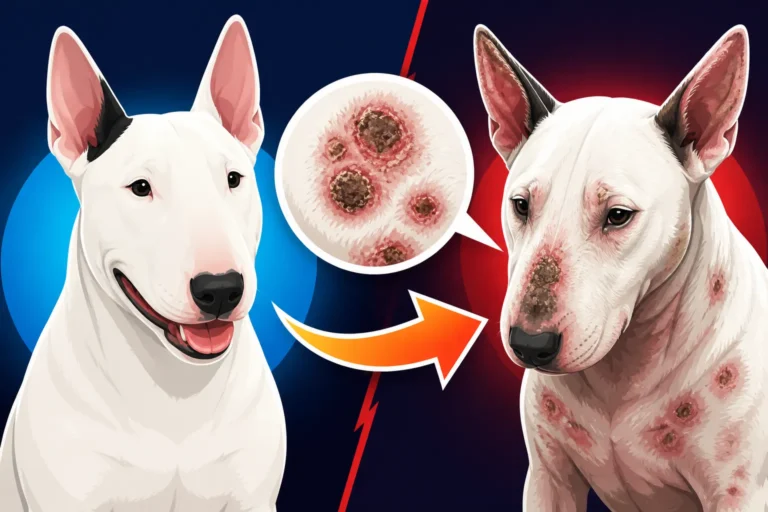
Imagine bringing home a vibrant, playful Bull Terrier puppy, full of life and mischief. Then, around 4 to 7 weeks of age, you start noticing subtle changes. Perhaps their paws look a bit red and swollen, or they have difficulty eating, even though they seem hungry. These early signs can quickly escalate into severe skin lesions, particularly on the face, ears, and feet. Their immune system, compromised by the genetic defect, struggles to fight off even common infections, leading to persistent illness.
One of the most heartbreaking aspects is that affected puppies often experience significant growth retardation; they simply stop developing at a normal pace. They might have a rough, dull coat, and their overall condition deteriorates rapidly. They become susceptible to pneumonia and other life-threatening infections. While the immediate symptoms are often visible on the skin, the underlying issue is a deficiency in zinc absorption and a severely compromised immune system. This means they cannot fight off bacteria, fungi, or viruses, making every minor illness a major crisis. Unfortunately, Lethal Acrodermatitis Kills a Bull Terrier Puppy Before It Grows Up, typically before they reach two years of age, and often much sooner.
Why Genetic Testing is Crucial for Future Generations
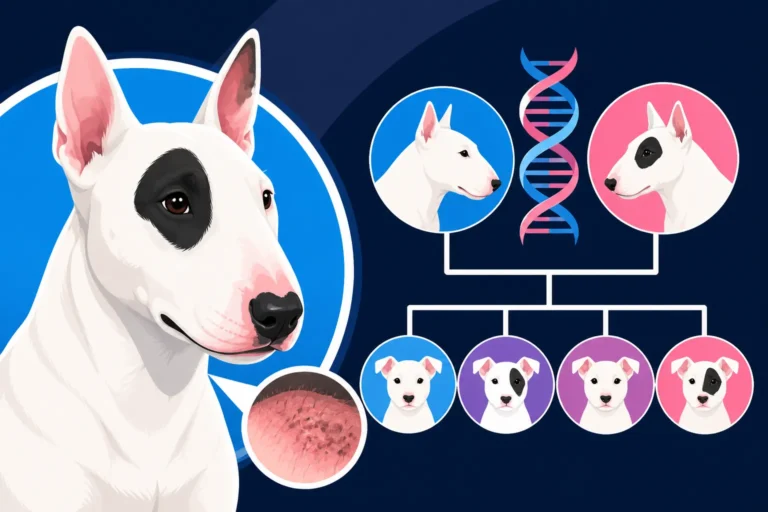
The reason Acrodermatitis is so devastating is that it's an inherited condition. It's caused by a mutation in a specific gene, and for a Bull Terrier to be affected, they must inherit two copies of this faulty gene—one from each parent. This means that even if a parent dog doesn't show any symptoms themselves (because they only carry one copy), they can still pass the gene on. If two carriers are bred together, there's a 25% chance in each litter of producing an affected puppy.
This is where genetic testing becomes a lifeline for the breed. By identifying carriers, responsible breeders can make informed decisions to avoid breeding two carriers together, thereby preventing the birth of affected puppies. Without this testing, breeders are essentially guessing, and the tragic cycle continues. The arrival of When the Bull Terrier Acrodermatitis DNA Test Arrived was a monumental step forward for the health of the breed, offering a clear way to screen dogs and protect future generations. This isn't just about avoiding a single sick puppy; it's about preserving the long-term health and integrity of the entire Bull Terrier lineage. For anyone serious about the breed, understanding and utilizing this test is not just good practice, it's an ethical imperative.
The Direct Cost of a Bull Terrier Acrodermatitis Swab
When you're looking into getting your Bull Terrier tested for Acrodermatitis, or if you're evaluating a breeder's health testing protocols, one of the first questions that comes to mind is often, "What's this going to cost me?" It's a fair question, as veterinary expenses can quickly add up, and genetic testing is an important investment in your dog's future. The good news is that for such a critical test, the cost is generally quite reasonable, especially when you consider the heartache and expense saved by preventing a life-limiting condition.
Breaking Down the Typical Price Range for DNA Testing
For a standalone DNA swab test specifically for Lethal Acrodermatitis (LAD) in Bull Terriers, you can generally expect to pay somewhere in the range of $60 to $100 USD. This price typically covers the cost of the collection kit (usually a cheek swab), the laboratory analysis, and the reporting of the results. Many reputable veterinary genetic testing laboratories offer this specific test. For instance, companies like Animal Genetics, Laboklin, and Wisdom Panel (which offers breed-specific panels that include LAD for Bull Terriers) are common choices for breeders and owners alike.
It's important to note that while some labs might offer LAD testing as an individual test, many Bull Terrier owners and breeders opt for more comprehensive genetic panels. These panels might test for several inherited conditions common to the breed, such as Primary Lens Luxation or Hereditary Nephritis, in addition to Acrodermatitis. If you choose a panel, the overall cost will be higher, usually ranging from $150 to $300 USD, but the per-test cost within the panel is often lower than ordering each test individually. This can be a more cost-effective approach if you want a broader picture of your Bull Terrier's genetic health.
Factors That Influence the Swab Test Price
While the $60-$100 range for a single LAD test is a good benchmark, several factors can influence the final price you pay:
- Laboratory Choice: Different genetic testing laboratories have varying pricing structures. Some labs might be slightly more expensive, but they might offer faster turnaround times or more detailed reports. It's worth comparing a few options.
- Individual Test vs. Panel: As mentioned, purchasing a comprehensive breed-specific panel that includes LAD will typically cost more upfront but can be more economical if you're interested in testing for multiple genetic conditions. For instance, a panel might include testing for conditions like Patellar Luxation in a Bull Terrier or even sensitivity to certain drugs.
- Shipping Costs: Don't forget to factor in any shipping costs if you're mailing the swab kit to the lab yourself. Some labs include return shipping in their kit price, while others require you to cover it separately.
- Veterinarian Involvement: While you can often order genetic tests directly from laboratories and perform the cheek swab at home, some owners prefer to have their veterinarian collect the sample. If your vet does this, there might be a small consultation or collection fee added to the lab cost. This can be a good idea for accuracy and to ensure the sample isn't contaminated.
- Location and Currency Exchange: For international customers, currency exchange rates and international shipping fees will certainly impact the total cost.
The table below provides a general idea of how costs can vary:
| Test Type | Typical Price Range (USD) | Notes |
|---|---|---|
| Standalone LAD DNA Test | $60 – $100 | Tests specifically for Acrodermatitis. |
| Breed-Specific DNA Panel | $150 – $300 | Includes LAD and other common Bull Terrier genetic conditions. |
| Vet Sample Collection Fee | $20 – $50 (optional) | Additional fee if your vet collects the swab. |
| Shipping (if not included) | $5 – $20 | Cost to mail the sample to the lab. |
Beyond the Swab: Potential Related Costs
While the swab itself is relatively inexpensive, it's important to consider other potential costs that might arise depending on the test results. If your Bull Terrier tests as a carrier, or, in the tragic event that an affected puppy is identified, the financial implications can increase significantly.
For instance, if you discover your dog is a carrier and you plan to breed them, you'll need to carefully select a mate that is clear of the LAD gene to ensure no affected puppies are produced. This might involve additional testing of potential breeding partners. A responsible breeder will have already performed Which Health Tests a Bull Terrier Breeder Should Run, including LAD, on all their breeding stock.
If, heartbreakingly, you end up with an affected puppy (which responsible breeding practices aim to prevent entirely), the costs associated with their care are astronomical. While there's no cure for Acrodermatitis, symptomatic treatment to manage secondary infections, skin issues, and nutritional support can involve frequent vet visits, specialized medications, and dietary supplements. These are palliative measures to improve comfort, but they cannot change the grim prognosis. For those fortunate enough to have pet insurance like Healthy Paws, some of these treatment costs might be covered, but genetic conditions can sometimes fall under specific clauses depending on when the policy was enacted. It really emphasizes why prevention through genetic testing is so crucial, to avoid these much larger and more painful expenses down the line.
Navigating the Results and Their Implications
Receiving the results of your Bull Terrier's Acrodermatitis DNA swab can bring a mix of emotions. Whether your dog is found to be "clear," a "carrier," or, in rare and unfortunate circumstances, "affected," understanding what these classifications mean is vital for making responsible decisions. The outcome of this simple, non-invasive test has profound implications for your individual dog and for the future of the breed. It's a moment of truth that every dedicated Bull Terrier owner and breeder should be prepared for.
What Being a Carrier Means for Your Bull Terrier
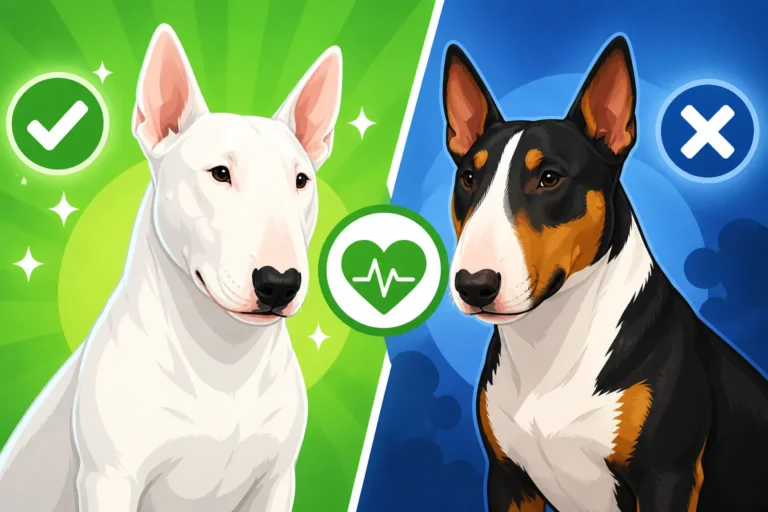
If your Bull Terrier's genetic test results come back as "carrier," it means they possess one copy of the gene mutation linked to Acrodermatitis. It's important to understand that Whether an Acrodermatitis Carrier Bull Terrier Is Affected is a common concern, but the answer is typically no. Carriers are generally healthy and do not exhibit any symptoms of Acrodermatitis. They live normal, full lives, just like any other Bull Terrier. They are simply silent carriers of the gene.
However, their carrier status is incredibly important if you plan to breed them. A carrier can pass on the faulty gene to their offspring. If a carrier dog is bred with another carrier dog, there is a 25% chance of producing an affected puppy (inheriting two copies of the faulty gene), a 50% chance of producing carrier puppies, and a 25% chance of producing clear puppies. This is why the genetic test is such a powerful tool—it allows breeders to avoid these high-risk pairings entirely. For a companion dog not intended for breeding, a carrier status has virtually no impact on their health or quality of life. Still, it's good to know for your records and for transparency if you were to ever rehome your dog.
Making Informed Decisions About Breeding
For Bull Terrier breeders, knowing the Acrodermatitis status of their breeding stock is non-negotiable for ethical practice. If you have a breeding quality Bull Terrier, testing them is paramount. When you know a dog is a carrier, you can still responsibly breed them, but you must ensure they are only bred with a dog that has tested "clear" for Acrodermatitis. When a carrier is bred with a clear dog, all offspring will either be clear or carriers, but no affected puppies will be produced. This strategy allows valuable genetic lines to continue without the risk of producing tragic, affected puppies.
This is a testament to how genetic science can genuinely improve the health of a breed. Reputable breeders will openly share the results of these tests and will only breed dogs with known genetic health statuses. They understand that Whether Two Bull Terrier Acrodermatitis Carriers Should Be Bred is a question with a very firm "no" answer, as doing so knowingly puts puppies at grave risk. For potential puppy buyers, always ask to see the genetic test results for both parents. If a breeder cannot provide them, or hesitates, that's a significant red flag.
The Role of Health Insurance like Healthy Paws in Genetic Conditions
When it comes to managing the potential costs associated with genetic conditions, even those not directly affecting a carrier dog, pet health insurance can be a critical safety net. While Acrodermatitis is largely preventable through responsible breeding and genetic testing, other unforeseen health issues can arise in any dog, including Bull Terriers. Companies like Healthy Paws are well-regarded for their comprehensive coverage, but it's vital to understand how they handle genetic or congenital conditions.
Generally, pet insurance policies will cover genetic conditions as long as they are not "pre-existing" conditions at the time you enroll your dog. This means if you enroll a puppy and they are later diagnosed with a genetic condition (that was not evident before enrollment), the treatment costs may be covered. However, if a condition, or signs of it, were present before you purchased the policy, it would likely be excluded. For a severe genetic condition like Acrodermatitis, where symptoms appear very early, it's highly unlikely insurance would cover an affected puppy if the policy was purchased after symptoms developed.
This underscores the importance of obtaining pet insurance, perhaps from a provider like Healthy Paws, early in your Bull Terrier's life—ideally when they are still a puppy and have no known pre-existing conditions. While it won't retroactively cover a known genetic defect if symptoms have already manifested, it can be invaluable for unexpected illnesses, accidents, and other conditions that may arise. When a Bull Terrier puppy is properly screened for LAD before breeding, the hope is to never face the medical costs of an affected animal, but insurance is still a wise investment for general well-being and unexpected events.
Integrating Acrodermatitis Testing into Responsible Ownership
For anyone involved with Bull Terriers, from seasoned breeders to first-time puppy owners, incorporating Acrodermatitis testing into your approach is a fundamental aspect of responsible care. It's not just about one dog; it's about contributing to the overall health and future vitality of the breed as a whole. Being proactive and informed can save immense heartbreak and financial strain, ensuring that these distinctive and beloved dogs continue to thrive for generations.
When and How to Get Your Bull Terrier Tested
The ideal time to test a Bull Terrier for Acrodermatitis is before breeding. Responsible breeders should test all their potential breeding dogs to determine their genetic status (clear, carrier, or affected). This allows them to make informed decisions about pairings, ensuring no affected puppies are produced. Many breeders will test their entire litters for LAD before they go to their new homes, providing peace of mind to puppy buyers. You should absolutely ask your breeder for documentation of these results for your puppy and its parents. If they tell you Whether Every Bull Terrier Litter Is Acrodermatitis Tested, ensure they can back it up with paperwork.
If you adopt an adult Bull Terrier or purchase a puppy whose parents weren't tested, you can still get your dog tested at any age. The process is remarkably simple and stress-free for your dog. Most genetic testing labs provide a cheek swab kit. You simply rub a sterile swab along the inside of your dog's cheek for about 30-60 seconds to collect DNA. This is non-invasive and can easily be done at home. You then mail the swab back to the laboratory, and results are typically available within a few weeks. Some labs, like those associated with the American Kennel Club (AKC) Canine Health Foundation or specific university veterinary schools, also offer these services, and your vet can help guide you to a reputable option.
Advocating for Health Testing with Breeders
If you are in the market for a Bull Terrier puppy, your role in advocating for health testing is incredibly powerful. By choosing a breeder who actively tests their breeding stock for Acrodermatitis and other genetic conditions, you are not only protecting your future puppy but also supporting ethical breeding practices. Don't be shy about asking direct questions. A good breeder will welcome your questions and be transparent about their health testing protocols.
Here are some questions you should definitely ask:
- "Have the parents of this litter been tested for Acrodermatitis (LAD)?"
- "Can I see the official genetic test results for both parents (and my puppy, if applicable)?"
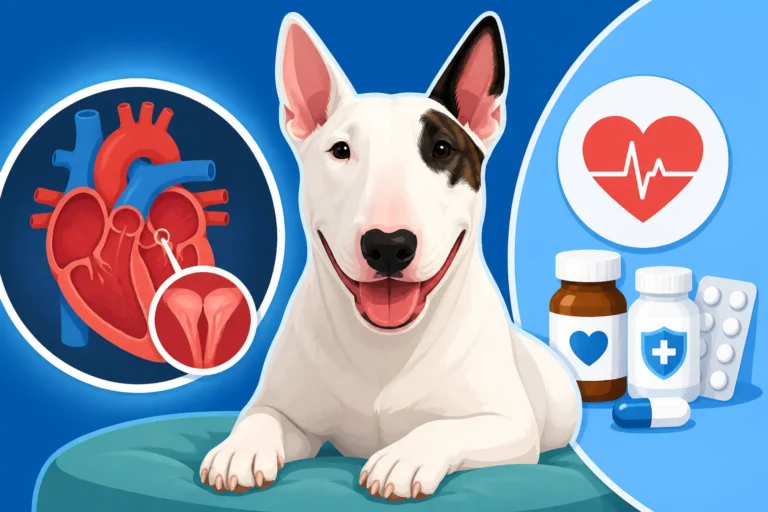
- "Are the parents also screened for other conditions common in Bull Terriers, such as Hereditary Nephritis, cardiac issues, or deafness?" (e.g., The Heart Murmur a Bull Terrier Puppy Should Be Checked For or Why a White Bull Terrier Should Be BAER Tested)
- "What is your policy or guarantee regarding genetic health conditions?"
A reputable breeder will be able to provide documentation, often from established labs, showing the "clear," "carrier," or "affected" status for LAD and other relevant health screenings. They will also be knowledgeable about What a Bull Terrier Breeder Should Have Tested in general. If a breeder makes excuses, claims the test isn't necessary, or cannot provide verifiable results, it's a strong indicator that they may not be prioritizing the health of their dogs or the breed. While the cost of the swab is relatively low, the peace of mind and the prevention of devastating illness it offers are priceless. By supporting responsible breeders, you become a part of the solution to improving Bull Terrier health.
Disclaimer
This article is for general informational purposes only and does not constitute professional advice. Laws, prices and regulations vary by location and change over time. Consult a qualified professional for guidance on your specific situation.