Which Gene Causes Acrodermatitis in Bull Terriers
One of the most heart-wrenching diagnoses a Bull Terrier owner can receive for their puppy is Acrodermatitis (AD). This devastating genetic disorder leads to severe zinc malabsorption, resulting in a host of agonizing symptoms and ultimately, a shortened life. If you’ve been told your Bull Terrier is at risk, or if you simply want to understand the science behind this condition, this guide will delve deep into the specific gene responsible for Acrodermatitis and how it impacts these beloved dogs.
Understanding the Genetic Roots of Acrodermatitis
The journey to understanding Acrodermatitis in Bull Terriers really begins at the most fundamental level: their DNA. For years, breeders and veterinarians struggled to pinpoint the exact cause of this cruel disease, only knowing it ran in families. Thanks to incredible advances in genetic research, we now have a much clearer picture, identifying the precise gene responsible for this devastating condition.
The SLC39A4 Gene and Its Crucial Role
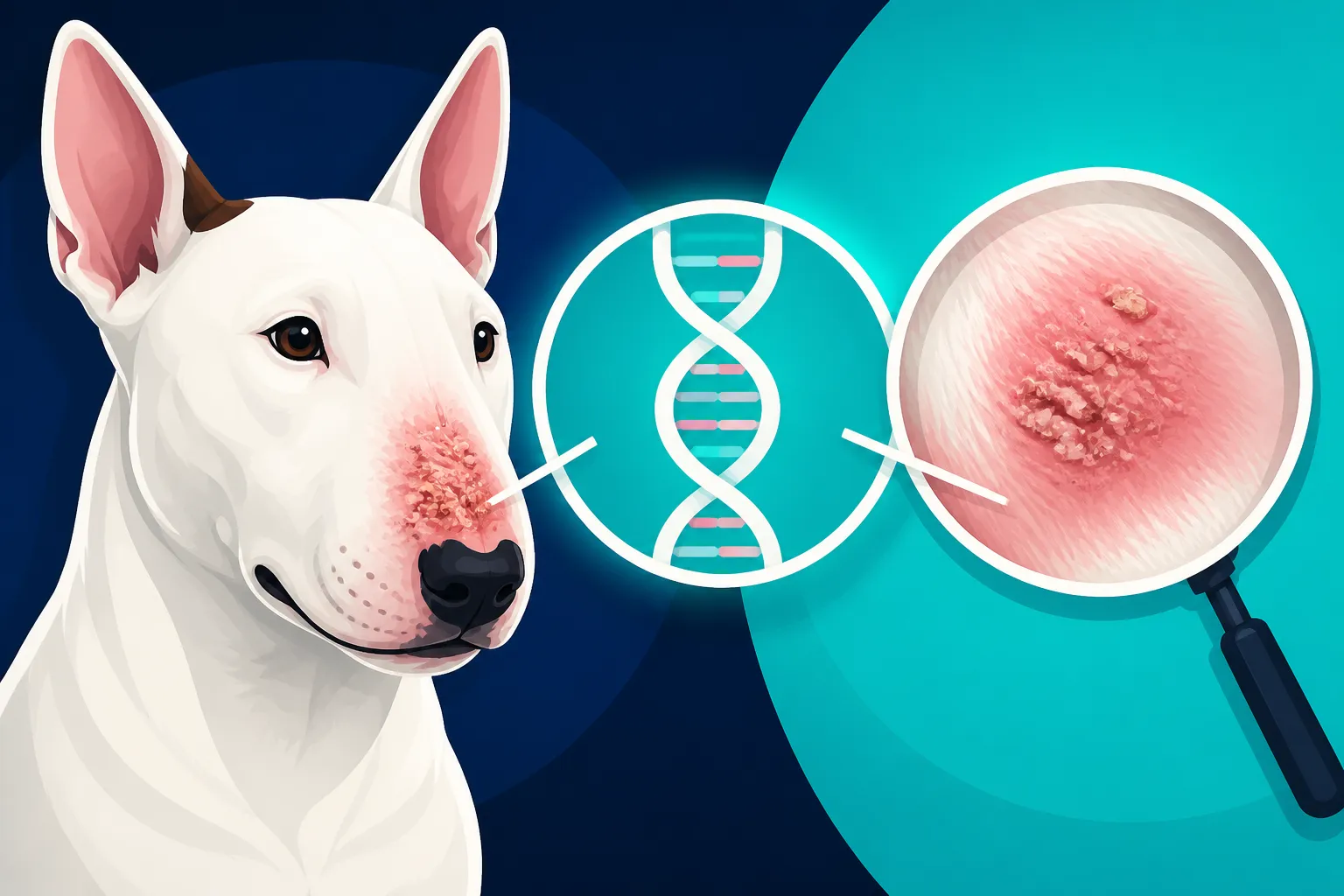
At the heart of Acrodermatitis in Bull Terriers is a specific gene known as SLC39A4. This gene isn't just some random segment of DNA; it plays a truly vital role in the proper functioning of a Bull Terrier's body, particularly when it comes to nutrient absorption. Think of the SLC39A4 gene as the blueprint for a very specific kind of protein, a transport protein. These proteins are like microscopic ferries, responsible for carrying essential nutrients across cell membranes, ensuring they get where they need to go within the body. In the case of SLC39A4, the protein it codes for is primarily involved in facilitating the uptake of zinc.
Zinc is not just another mineral; it’s an absolute powerhouse nutrient, crucial for countless biological processes. It's involved in immune system function, wound healing, protein synthesis, DNA synthesis, and even plays a part in proper growth and development. Without enough bioavailable zinc, a dog’s entire system begins to unravel. The SLC39A4 gene, therefore, is directly responsible for ensuring that zinc, once ingested, can actually be absorbed and utilized by the cells that need it. When this gene is faulty, the entire delicate balance of zinc metabolism is thrown into disarray, leading to the severe symptoms we associate with Acrodermatitis.
How the Mutation Disrupts Zinc Absorption
The problem with Acrodermatitis isn't that Bull Terriers don't ingest zinc; it's that their bodies simply cannot process and absorb it properly. The specific mutation in the SLC39A4 gene found in Bull Terriers is a single base pair deletion. This might sound like a minor change, but in genetics, even the smallest alteration can have monumental consequences. This deletion causes a "frameshift" mutation. Imagine you have a sentence, and you accidentally delete one letter from the beginning. The entire rest of the sentence becomes garbled and unreadable because the spacing and meaning are completely off.
That’s essentially what happens with the SLC39A4 gene. The deleted base pair shifts the entire "reading frame" of the genetic code, leading to the production of a truncated, non-functional transport protein. This faulty protein cannot effectively bind to or transport zinc across the intestinal cells into the bloodstream, nor can it move zinc efficiently within cells where it's needed. So, even if a Bull Terrier puppy is eating a diet rich in zinc, their body simply can't utilize it. This is why giving an Acrodermatitis Bull Terrier more zinc orally typically does not resolve the issue, as their cells are fundamentally unable to absorb it. This explains Why an Acrodermatitis Bull Terrier Cannot Absorb Zinc, regardless of dietary intake.
The Inheritance Pattern of Acrodermatitis
Understanding the gene is one thing, but understanding how it gets passed down through generations is crucial for breeders and future owners. Acrodermatitis doesn't just appear out of nowhere; it follows a very specific genetic inheritance pattern that informs how breeders approach their breeding programs and how potential owners assess the risks associated with certain pairings.
Autosomal Recessive: What It Means for Breeding
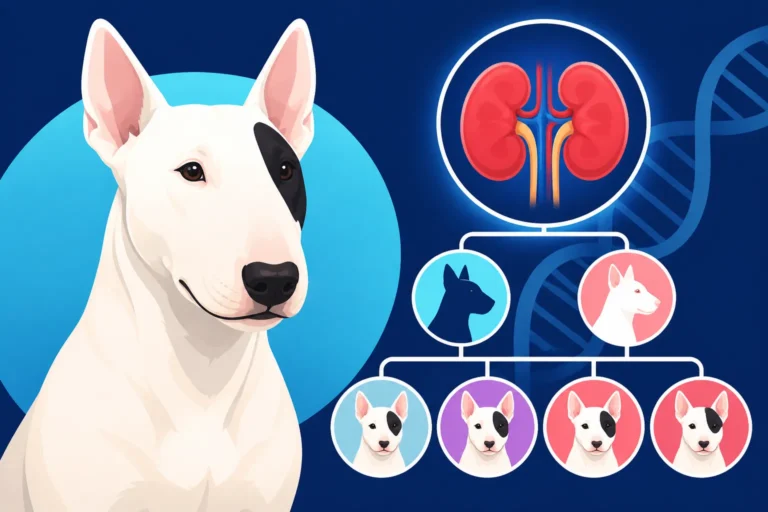
Acrodermatitis in Bull Terriers is inherited in an autosomal recessive manner. This means two critical things. Firstly, "autosomal" tells us that the gene responsible is located on a non-sex chromosome, so it affects both male and female Bull Terriers equally. There's no sex linkage involved here. Secondly, "recessive" means that a dog must inherit two copies of the faulty gene – one from each parent – to actually develop the disease.
Dogs carrying only one copy of the mutated gene are known as "carriers." These carriers are completely healthy themselves; they don't show any signs of Acrodermatitis because their single functional copy of the SLC39A4 gene is enough to produce sufficient zinc transport proteins. However, they can unknowingly pass the faulty gene on to their offspring. This is a classic case of genetic lottery, often illustrated with a Punnett square. When two carriers are bred together, there's a 25% chance with each puppy that it will inherit two copies of the faulty gene and therefore be affected by Acrodermatitis. There's also a 50% chance it will be a carrier, and a 25% chance it will be completely clear. This highlights the hidden danger of recessive genes – healthy parents can produce sick puppies. This concept is fundamental to understanding How Acrodermatitis Is Inherited in Bull Terriers.
Here's a simple breakdown of the possible outcomes when breeding:
| Parent 1 / Parent 2 | Clear (NN) | Carrier (Nn) | Affected (nn) |
|---|---|---|---|
| Clear (NN) | 100% Clear (NN) | 50% Clear (NN), 50% Carrier (Nn) | 100% Carrier (Nn) |
| Carrier (Nn) | 50% Clear (NN), 50% Carrier (Nn) | 25% Clear (NN), 50% Carrier (Nn), 25% Affected (nn) | 50% Carrier (Nn), 50% Affected (nn) |
| Affected (nn) | 100% Carrier (Nn) | 50% Carrier (Nn), 50% Affected (nn) | 100% Affected (nn) |
Key: N = Normal gene, n = Acrodermatitis gene
This table clearly illustrates why responsible breeders go to such lengths to avoid breeding two carriers together, even if both appear perfectly healthy.
Identifying Carriers and Affected Puppies
The good news is that we no longer have to guess. The advent of genetic testing has been a game-changer for the Bull Terrier breed. A specific DNA test is now available to identify whether a Bull Terrier is clear, a carrier, or affected by Acrodermatitis. This simple test typically involves a buccal (cheek) swab collected by a veterinarian or even at home, which is then sent to a specialized laboratory. When the Bull Terrier Acrodermatitis DNA test arrived, it provided breeders with an invaluable tool to make informed breeding decisions and significantly reduce the incidence of this tragic disease.
Reputable Bull Terrier breeders will routinely test their breeding stock for the SLC39A4 gene mutation before planning any litter. If a dog is identified as a carrier, it doesn't necessarily mean they can't be bred. However, it means they absolutely must be bred only to a dog that has tested "clear" for the gene. This pairing ensures that no puppy in the litter will inherit two copies of the faulty gene, and therefore, no puppy will be affected by Acrodermatitis. While some puppies may still be carriers, they will be healthy, and future generations can continue to be screened. The critical takeaway here is to ensure that a puppy will never inherit two copies of the faulty gene. This is why the question of Whether Two Bull Terrier Acrodermatitis Carriers Should Be Bred is met with a resounding "no" from responsible breeders. This proactive approach helps to safeguard the health of the breed and prevents the devastating outcome of Lethal Acrodermatitis Kills a Bull Terrier Puppy Before It Grows Up.
The Broader Impact of the SLC39A4 Mutation
The SLC39A4 gene mutation is far more insidious than just causing a skin problem. Its fundamental disruption of zinc absorption has a cascading effect throughout the entire body, leading to a spectrum of severe and ultimately fatal issues for affected Bull Terriers. Understanding this broader impact helps to fully grasp the severity of Acrodermatitis.
Why An Acrodermatitis Bull Terrier Cannot Absorb Zinc
As we discussed, the defective SLC39A4 gene results in a non-functional zinc transporter protein. This isn't just a minor inefficiency; it's a profound failure at the cellular level. Zinc is absorbed primarily in the small intestine, and these specific transporter proteins are the gatekeepers. If the gates are broken, zinc cannot pass through from the digested food into the intestinal cells, and from there, into the bloodstream to be distributed to the rest of the body.
This systemic lack of absorbed zinc means that all the crucial, zinc-dependent processes mentioned earlier simply cannot function correctly. Imagine trying to build a house without enough nails – every step of construction would falter. Similarly, every system in a Bull Terrier's body relies on zinc for proper development and maintenance. This leads to a profound and progressive zinc deficiency that impacts every organ and tissue, leading to the clinical signs characteristic of Acrodermatitis. It’s not just a superficial issue; it’s a deep, metabolic crisis. The body is literally starved of a vital nutrient, no matter how much is available in the diet. This is the core tragedy behind What Lethal Acrodermatitis Does to a Bull Terrier.
Recognizing the Signs of Zinc Deficiency
Because zinc is so integral to so many bodily functions, the signs of Acrodermatitis are varied and debilitating. Often, the first noticeable symptoms appear in young Bull Terrier puppies, typically between 6 weeks and 6 months of age, which is around The Age Acrodermatitis Kills a Bull Terrier. Owners might initially notice skin lesions, particularly on the pressure points and extremities. What an Acrodermatitis Bull Terrier's Paws Look Like is often one of the most striking initial indicators, characterized by thickening, redness, cracking, and crusting of the paw pads. Similar lesions can appear around the eyes, mouth, nose, and genital areas.
Beyond the dermatological issues, affected puppies often exhibit signs of failure to thrive. They might be smaller than their littermates, show stunted growth, and have a generally unthrifty appearance. Their immune systems are severely compromised, making them highly susceptible to secondary bacterial and fungal infections that further complicate their condition. You might also notice behavioral changes, such as lethargy or a lack of the typical Bull Terrier puppy zest for life. Neurological signs, including tremors or ataxia (incoordination), can also develop as the disease progresses.
It's a heartbreaking cascade of symptoms, often leading to a poor prognosis despite extensive veterinary care. Recognizing these early signs, which are detailed further in Signs a Bull Terrier Puppy Has Acrodermatitis, is critical, though sadly, effective treatment beyond supportive care and managing secondary infections is limited. Early diagnosis through genetic testing can prevent affected puppies from ever being born, sparing families this profound grief.
Managing the Genetic Challenge in Bull Terriers
Dealing with a genetic disease like Acrodermatitis requires a multi-pronged approach, focusing heavily on prevention through informed breeding, but also on supportive care and responsible pet ownership. The goal is to eradicate the disease while ensuring any affected dogs receive the best possible quality of life for their short time.
The Importance of Genetic Screening
For current and prospective Bull Terrier owners, understanding the value of genetic screening cannot be overstated. When considering a puppy, asking breeders about their SLC39A4 testing protocols is not just a good idea – it's absolutely essential. Reputable breeders will be transparent and eager to share the genetic test results for both parents of a litter, proving they are either "clear" or that one parent is a "carrier" and the other is "clear." They should also be able to provide documentation showing that the specific puppy you are interested in is either clear or a carrier, but definitely not affected.
The cost of a Bull Terrier Acrodermatitis Test is a small investment compared to the emotional and financial burden of caring for an affected puppy. Early and accurate genetic testing, such as through platforms offered by laboratories like Animal Health Trust (AHT) or UC Davis Veterinary Genetics Laboratory, gives invaluable information. This is also where good pet insurance, like a policy from Healthy Paws, can become incredibly valuable. While it might not cover pre-existing conditions if a diagnosis is made before enrollment, some policies might offer coverage for diagnostic tests or subsequent management if you enroll your puppy early and the condition isn't noted as pre-existing at that time. It's always worth checking the specifics of any policy. This proactive screening dramatically reduces the chances of heartbreak for families and contributes to the overall health of the breed.
Responsible Breeding Practices
The backbone of managing Acrodermatitis lies in responsible breeding. Breeders hold the key to eliminating this devastating disease from the Bull Terrier gene pool. The strategy is straightforward: never breed two carriers together. Ideally, breeders should strive to breed clear-to-clear dogs, ensuring that all offspring are clear of the gene entirely. If a valuable breeding dog is a carrier, they can still be responsibly bred to a clear mate, knowing that half the litter will likely be carriers, but none will be affected. The carrier puppies can then be retested as adults, and their owners can make informed breeding decisions if they choose to continue their lines.
Ongoing vigilance is crucial. The fact that How Many Bull Terriers Carry the Acrodermatitis Gene shows it's still present in the population means that continued testing is imperative. Breeders should always aim to produce dogs that are not just phenotypically sound (look healthy), but also genotypically healthy (have sound genetics). This long-term commitment involves meticulous record-keeping, open communication with puppy buyers, and a dedication to improving the health of the breed with each generation. While zinc supplementation might offer some temporary symptomatic relief for affected puppies, as discussed in Whether Zinc Helps a Bull Terrier With Acrodermatitis, it is not a cure, and the focus remains on genetic prevention. By adhering to these ethical breeding practices and utilizing the reliable tests available, the Bull Terrier community can work towards a future where Acrodermatitis is a rarity, not a looming threat.
Disclaimer
Please remember that this article provides general information and insights into the genetic aspects of Acrodermatitis in Bull Terriers. It is not a substitute for professional veterinary advice. If you have concerns about your Bull Terrier's health or suspect any medical condition, please consult a qualified veterinarian immediately. Only a veterinary professional can accurately diagnose and recommend appropriate treatment for your pet.