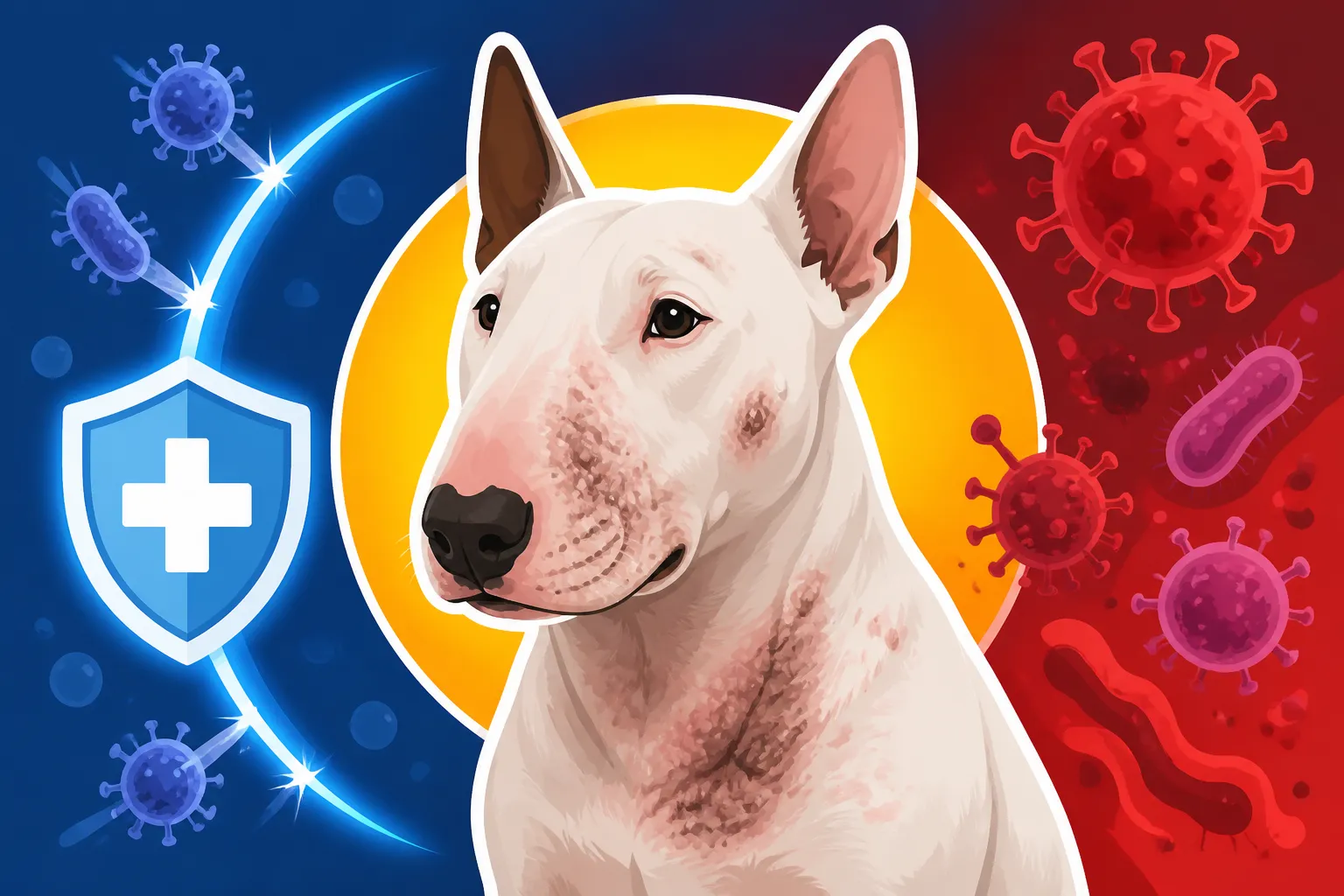
Why an Acrodermatitis Bull Terrier Catches Every Infection
It’s heartbreaking to watch a Bull Terrier puppy struggle with recurrent infections, feeling like you’re constantly battling one problem only for another to pop up. For owners of Bull Terriers with Acrodermatitis (LAD), this constant cycle of illness isn't just frustrating; it’s a terrifying reality. This guide will delve deep into why these special pups are so susceptible to every bug going around, exploring the underlying causes and offering practical insights into managing their delicate immune systems.
The Compromised Foundation: Understanding Acrodermatitis and the Immune System
When you hear about Acrodermatitis, your mind probably jumps straight to the characteristic skin lesions and foot issues, but that's really just the tip of the iceberg. This devastating genetic condition goes far beyond superficial problems; it fundamentally undermines a Bull Terrier’s ability to fight off disease. It’s not just a skin condition; it’s a systemic immune deficiency that leaves these puppies incredibly vulnerable.
The Root Cause: Zinc Malabsorption and Immune Dysfunction
The core of Acrodermatitis in Bull Terriers lies in a severe inability to properly absorb zinc from their diet. This isn't just about getting enough zinc in their food; it's about their bodies simply not being able to utilize it effectively. Zinc is an absolutely critical mineral, playing a starring role in countless bodily functions, especially in the immune system. Without adequate zinc, the development and function of immune cells are severely hampered. We're talking about T-cells, B-cells, natural killer cells, and even macrophages—all the front-line defenders that patrol your dog's body, looking for invaders. When these cells aren't working right, it's like sending soldiers into battle without their weapons.
Because their immune systems are compromised from such an early age due to this inherent deficiency, these puppies struggle to mount an effective defense against even common pathogens. Their bodies can't produce enough antibodies, or the ones they do produce aren't as effective. They essentially operate with a constantly suppressed immune response, making them a welcoming host for bacteria, viruses, and fungi that a healthy dog would easily shrug off. This explains Why an Acrodermatitis Bull Terrier Cannot Absorb Zinc and is the primary reason for their extreme susceptibility.
How the Skin Barrier Breaks Down
Beyond the systemic immune issues, Acrodermatitis directly attacks the body’s first line of defense: the skin barrier. Healthy skin acts as a robust shield, preventing microorganisms from entering the body. However, in Bull Terriers with Acrodermatitis, the skin itself is gravely affected by the zinc deficiency. Zinc is vital for healthy skin cell production and integrity. Without it, the skin becomes fragile, thin, and prone to cracking and scaling.
Imagine a brick wall designed to keep out intruders. In a normal dog, the bricks (skin cells) are strong and tightly mortared (intercellular lipids). In an Acrodermatitis Bull Terrier, the bricks are crumbly, and the mortar is weak or missing in places, creating countless tiny breaches. These microscopic cracks and lesions allow bacteria, yeast, and other pathogens to bypass the protective layer and gain easy access to underlying tissues. This direct compromise of the physical barrier makes A Bull Terrier's Skin Is Its Weakest Point, turning routine environmental exposure into a high-risk situation for infection.
The Cascade of Common Infections
Living with a Bull Terrier suffering from Acrodermatitis means constantly being on alert for new infections. It's not just one type of infection; it's a revolving door of various microbial invaders, each presenting its own challenge. The sheer variety and stubbornness of these infections can be incredibly disheartening for owners.
Bacterial Skin Infections and Their Stubborn Nature
Bacterial skin infections, often referred to as pyoderma, are incredibly common and persistent in Acrodermatitis Bull Terriers. These can range from superficial issues like pustules and crusts to deep, painful folliculitis and even cellulitis. The compromised skin barrier, combined with a weakened immune system, provides the perfect breeding ground for bacteria like Staphylococcus pseudointermedius, which normally lives harmlessly on the skin. What would be a minor irritation for another dog can quickly escalate into a severe, widespread infection in an Acrodermatitis pup.
Treating these infections is a constant uphill battle. While antibiotics might clear up one flare-up, the underlying immune deficiency and skin fragility mean recurrence is almost inevitable once the medication stops. You might find yourself on a continuous cycle of antibiotics, which can lead to antibiotic resistance over time, making future treatments even harder. Owners often describe the feeling of constantly managing symptoms rather than curing the problem, a frustrating reality given What Lethal Acrodermatitis Does to a Bull Terrier. This constant need for medication and vet visits can add significant stress and cost, making a strong pet insurance plan like those offered by Healthy Paws incredibly valuable for offsetting these chronic medical expenses.
Fungal and Yeast Overgrowths
Beyond bacteria, fungal and yeast infections are also rampant. Malassezia yeast, which typically resides on canine skin and ears without causing trouble, often seizes the opportunity in a compromised Bull Terrier. An overgrowth leads to itchy, greasy, red skin, a characteristic musty odor, and thick, discolored patches, especially in skin folds, paws, and ears. These yeast infections can be maddeningly persistent and contribute significantly to a puppy's discomfort.
Dermatophytosis, or ringworm, caused by specific fungi, is another common culprit. While not technically a worm, it causes circular lesions, hair loss, and scaly skin. Because the immune system is unable to effectively control the fungal proliferation, these infections can spread quickly and be notoriously difficult to eradicate entirely. It requires diligent topical treatments, oral antifungals, and strict environmental decontamination, which can be exhausting for owners and stressful for the puppy.
Secondary Infections: The Never-Ending Cycle
Perhaps the most exhausting aspect of Acrodermatitis is the "never-ending cycle" of secondary infections. It’s not just skin; these puppies are prone to infections anywhere their immune system is supposed to be working. Ear infections are incredibly common, often a mix of bacteria and yeast thriving in the warm, moist environment of the ear canal. Respiratory infections, urinary tract infections, and even gastrointestinal upsets can become frequent occurrences.
What begins as a simple scratch or a mild cold can quickly spiral into a severe problem requiring intensive veterinary intervention. The immune system is just too weak to put up a decent fight. It feels like you’re always playing catch-up, rushing your precious puppy to the vet for yet another issue. This constant barrage of illness also contributes to Why an Acrodermatitis Bull Terrier Puppy Stops Growing, as their little bodies are constantly expending energy fighting off infections rather than developing properly.
Proactive Management and Support for Acrodermatitis Bull Terriers
Navigating life with an Acrodermatitis Bull Terrier is undeniably challenging, but there are proactive steps you can take to manage their health and improve their quality of life. It requires a dedicated, multi-faceted approach, constant vigilance, and a strong partnership with your veterinary team.
Working with Your Vet: A Multi-faceted Approach
Your veterinarian will be your most important ally. This isn't a condition where you can rely on quick fixes; it demands a long-term, comprehensive strategy. Expect frequent visits and a range of diagnostic tests to pinpoint specific infections and monitor your Bull Terrier's overall health. This might include skin scrapings, fungal cultures, bacterial cultures with sensitivity testing to ensure the right antibiotics are chosen, and regular blood work to check organ function and monitor their general immune status.
It’s essential to communicate openly with your vet about all symptoms, no matter how minor they seem. A tiny scratch can turn into a serious infection in these puppies. Don't hesitate to ask about specialist referrals; a veterinary dermatologist or internal medicine specialist can offer advanced diagnostics and treatment options. These specialized consultations, while adding to costs, can be crucial for tailoring the most effective management plan. Having pet insurance like Healthy Paws can truly alleviate the burden of these frequent, and often expensive, specialist visits and ongoing treatments.
Environmental Control and Daily Care
Minimizing exposure to pathogens in the environment is paramount for an Acrodermatitis Bull Terrier.
Here's how you can make a difference:
| Aspect | Recommendation | Purpose |
|---|---|---|
| Hygiene | Regular, gentle bathing with medicated or soothing shampoos (as advised by vet). | Removes allergens and surface bacteria/yeast, maintains skin health. |
| Bedding | Wash bedding frequently in a gentle, hypoallergenic detergent. | Reduces accumulation of allergens, dust mites, and microbial contaminants. |
| Cleaning | Keep your home meticulously clean; vacuum regularly. | Minimizes environmental allergens and potential pathogens. |
| Outdoor Exposure | Avoid areas with high allergen counts or known parasite risks. Consider protective gear like dog booties in specific conditions. | Reduces exposure to irritants, sharp objects, and soil-borne pathogens. |
| Stress Reduction | Maintain a consistent routine, provide comfort, and avoid stressful situations. | Stress can suppress the immune system, making your dog even more vulnerable. |
Beyond this, remember that your Bull Terrier's feet are especially vulnerable. Since they are prone to painful lesions on their pads, consider wiping their paws after every walk, and inspect them daily for any cuts, redness, or swelling. Early detection is key to preventing minor issues from becoming major infections.
Nutritional Support and Supplementation
While the core problem for Acrodermatitis Bull Terriers is zinc malabsorption, not necessarily zinc deficiency in the diet, working with your vet on appropriate supplementation is vital. High-quality, bioavailable zinc supplements, often at much higher doses than typically recommended for healthy dogs, are crucial. However, blindly supplementing can be dangerous, so always follow your vet's guidance. They might also recommend other supplements to support overall immune function and skin health, such as Omega-3 fatty acids or probiotics.
Feeding a high-quality, easily digestible diet is also important. Some vets might suggest hypoallergenic diets if allergies are suspected to be contributing to skin irritation, though allergies are a separate issue from Acrodermatitis itself. The goal is to provide optimal nutrition to support what little immune function they do have, without introducing additional stressors. It's a delicate balance, and nutritional advice should always come from a veterinary professional who understands the specific challenges of Whether Zinc Helps a Bull Terrier With Acrodermatitis.
The Emotional and Financial Toll on Owners
Let’s be honest, living with a Bull Terrier puppy affected by Acrodermatitis is emotionally and financially draining. The constant worry, the sleepless nights, the endless vet visits, and the often-grim prognosis can take a huge toll. It's heart-wrenching to see your beloved puppy in discomfort, struggling to thrive. The average lifespan of a Bull Terrier with Acrodermatitis is tragically short, usually Lethal Acrodermatitis Kills a Bull Terrier Puppy Before It Grows Up before they even reach adulthood. This reality hangs heavy over every decision you make.
Financially, the costs can quickly spiral out of control. Between diagnostic tests, specialized medications, prescription diets, and potential emergency visits, you're looking at a significant investment. This is precisely why pet health insurance isn't just a suggestion; it’s an absolute necessity for these pups. Companies like Healthy Paws offer comprehensive plans that can cover a large portion of the expenses related to chronic conditions, allowing you to focus on your Bull Terrier's care without the added burden of overwhelming vet bills. Don't wait until issues arise; getting coverage early can provide invaluable peace of mind when facing a condition as challenging as Acrodermatitis. Knowing What the Bull Terrier Acrodermatitis Test Costs and budgeting for the long-term care needs will help prepare you for the journey ahead.
Disclaimer
This article is for general informational purposes only and does not constitute professional advice. Laws, prices and regulations vary by location and change over time. Consult a qualified professional for guidance on your specific situation.