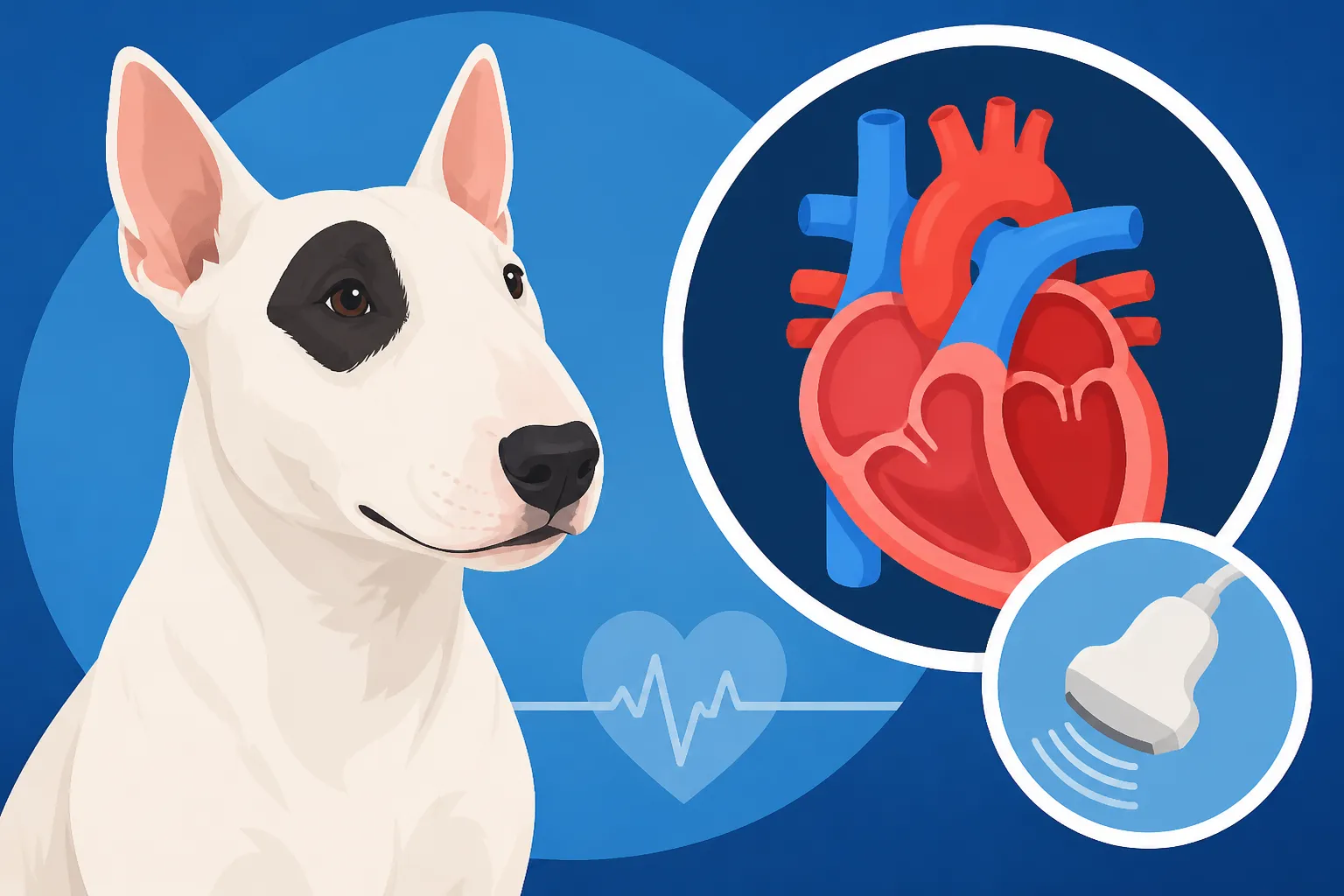
When a Bull Terrier Should Have an Echocardiogram
It’s a truly frightening moment for any Bull Terrier owner when your vet mentions the word "murmur." Suddenly, your quirky, clownish companion is associated with a serious, often silent, health threat. Heart disease, particularly certain congenital conditions, is a real and present danger for our beloved bullies, and understanding when and why your Bull Terrier should have an echocardiogram is absolutely crucial for their long-term health and your peace of mind. This guide aims to pull back the curtain on heart health for Bull Terriers, offering a comprehensive look at what you need to know and how to advocate for your dog.
The Heartbreaking Reality of Bull Terrier Heart Health
Bull Terriers, with their distinct appearance and robust personalities, unfortunately, come with a predisposition to certain health challenges, and cardiac issues are high on that list. It’s not fair, but it’s a reality we, as their guardians, must face head-on. Many owners feel blindsided by a heart diagnosis, especially when their dog seems perfectly fine on the outside, and that’s precisely why proactive screening is so vital.
Why Bull Terriers Are Prone to Cardiac Issues
Unlike some breeds where heart disease might be a general concern, Bull Terriers have specific genetic predispositions that make them more susceptible to certain conditions. This isn't just bad luck; it's a known characteristic of the breed that responsible breeders and owners acknowledge and address. The specific lineage and breeding practices over generations have inadvertently concentrated certain genetic markers that contribute to these heart problems. It means that while a heart murmur might be benign in another breed, in a Bull Terrier, it often warrants a much closer look due to the underlying statistical risk. Understanding these breed-specific risks is the first step in ensuring your Bull Terrier gets the best possible preventative care.
For example, when you read about the breed's origins and how James Hinks Built the Bull Terrier in Birmingham in the 1860s, it becomes clear that early breeding focused heavily on appearance and temperament, with less emphasis on inherited health conditions, simply because the science wasn't there yet. This historical context helps explain why certain conditions persist in the breed today.
Understanding Mitral Valve Dysplasia
One of the most common and concerning heart conditions seen in Bull Terriers is Mitral Valve Dysplasia (MVD). Imagine the mitral valve in your dog's heart as a tiny door that controls blood flow between two chambers. In MVD, this door is malformed; it might be thickened, misshapen, or simply not close properly. This abnormality allows blood to leak backward, forcing the heart to work much harder to pump blood efficiently. Over time, this extra workload can lead to the heart enlarging and eventually failing.
The frustrating part about MVD is that affected dogs often show no outward symptoms in the early stages. They might be bouncing around, full of life, while their heart is silently struggling. This is why a simple stethoscope check, while a good first step, isn't always enough to catch MVD. To truly understand What Mitral Valve Dysplasia Does to a Bull Terrier, a detailed imaging technique like an echocardiogram is essential. It provides a visual of the valve's structure and function, allowing cardiologists to assess the severity of the condition and recommend appropriate management strategies before it progresses too far.
The Risks of Aortic Stenosis
Another significant cardiac concern for Bull Terriers is Aortic Stenosis (AS). This condition involves a narrowing of the aorta, the main artery carrying oxygen-rich blood from the heart to the rest of the body. Think of it like a kink in a garden hose; the heart has to generate much higher pressure to push blood through that narrowed opening. This increased pressure puts immense strain on the heart muscle, particularly the left ventricle, which can thicken and become less efficient over time.
Aortic stenosis can range from mild to severe. In severe cases, it can significantly reduce the heart's ability to pump enough blood, leading to exercise intolerance, fainting spells, and even sudden cardiac death. What makes AS particularly insidious is that, like MVD, it can be present without obvious symptoms in its early stages. Many owners are shocked to learn that their seemingly healthy, energetic bully has a heart defect that could severely impact their life or even cut it short. Understanding What Aortic Stenosis Does to a Bull Terrier is critical for owners and breeders alike, as early detection through an echocardiogram can make a monumental difference in managing the condition and extending the dog's quality of life.
The Critical First Echocardiogram for Puppies
When you bring a Bull Terrier puppy into your home, you're not just getting a new pet; you're committing to a lifetime of care, and that care starts with ensuring they have the healthiest possible beginning. For this breed, that absolutely includes a thorough cardiac check, and a specialist echocardiogram is the gold standard for that. It’s a vital step, often overlooked by less reputable breeders, that can set the stage for your dog's future health.
Timing Is Everything for Initial Screening
So, when exactly should this crucial first heart check happen? The optimal time for a Bull Terrier puppy to receive its initial echocardiogram by a board-certified veterinary cardiologist is between 8 and 12 weeks of age. This window is important because it’s early enough to detect significant congenital heart defects like MVD and AS before they potentially cause irreversible damage or manifest with severe clinical signs, yet late enough that any "innocent" or physiological murmurs (which are common in fast-growing puppies and often resolve on their own) have had a chance to fade.
A general veterinary practitioner might pick up a murmur during a routine puppy check-up, but only a specialist can truly differentiate between an innocent murmur and a pathological one that requires intervention. If a murmur is detected, or even if a breeder is simply being thorough, scheduling an echocardiogram within this timeframe is non-negotiable for a Bull Terrier. This early screening isn't just about identifying problems; it's about giving your puppy the best possible start and ensuring you, as the owner, are fully aware of any potential long-term health needs right from the outset. Many discerning owners also choose to look into insurance providers like Healthy Paws around this time, ensuring comprehensive coverage for any unforeseen health challenges down the line.
What a Breeder Should Provide
When you're looking for a Bull Terrier puppy, the breeder’s commitment to health testing should be one of your top priorities. A responsible, ethical breeder will not only be transparent about the health history of their breeding lines but will also have proactively conducted relevant screenings on the puppies. For Bull Terriers, this absolutely includes a cardiac clearance by a board-certified veterinary cardiologist, performed via echocardiogram, for every puppy in the litter.
You shouldn't just take their word for it. They should provide official documentation of these screenings. This documentation typically includes a report from the cardiologist, detailing the findings of the echocardiogram and indicating whether the puppy is clear of significant heart defects. This report should specify the breed, the puppy's microchip number, and the date of the examination. If a breeder hesitates or claims a general vet check is sufficient, it should raise a significant red flag. They should also be able to explain the pedigree and discuss whether Heart Disease Runs in Bull Terrier Lines for their particular dogs. A truly dedicated breeder understands that this upfront investment in screening not only gives you peace of mind but also protects the integrity and health of the breed as a whole. Always ask for this paperwork, and if possible, speak directly with the veterinary cardiologist who performed the screening.
Decoding the Murmur Grading System
When a veterinarian auscultates (listens to) a Bull Terrier puppy's heart, they might detect a murmur. This isn't necessarily a death sentence, but it's a call for further investigation. Heart murmurs are graded on a scale, typically from I to VI, with Grade I being very soft and difficult to hear, and Grade VI being very loud, palpable, and often accompanied by a "thrill" (a vibration felt on the chest wall).
- Grade I: Barely audible, heard only in a quiet environment.
- Grade II: Soft, but easily audible with a stethoscope.
- Grade III: Moderately loud, without a palpable thrill.
- Grade IV: Loud, with a palpable thrill.
- Grade V: Very loud, with a palpable thrill, heard with the stethoscope barely touching the chest.
- Grade VI: Very loud, with a palpable thrill, heard with the stethoscope lifted slightly off the chest.
It's important to remember that the grade of the murmur doesn't always correlate directly with the severity of the underlying heart disease. A low-grade murmur could indicate a serious problem, and a high-grade murmur might, in rare cases, be less clinically significant than a lower grade one, depending on the cause. This is precisely why a specialist echocardiogram is indispensable. The echocardiogram provides a visual, real-time assessment of the heart's structure and function, allowing the cardiologist to identify the cause of the murmur and assess its true impact. A murmur alone only tells you there's turbulent blood flow; the echo tells you why. This is essential for understanding The Heart Murmur a Bull Terrier Puppy Should Be Checked For and determining its significance.
Ongoing Cardiac Monitoring for Adult Bull Terriers
The journey of caring for a Bull Terrier's heart doesn't stop after puppyhood. Even if your bully passed their initial puppy echocardiogram with flying colors, ongoing monitoring is a critical component of their health regimen, especially as they age or if they are part of a breeding program. Just like with humans, a dog's heart can develop issues over time, or a previously undetected, mild condition might progress.
Routine Echocardiograms for Breeding Dogs
For Bull Terriers involved in breeding, regular cardiac screening is not just a recommendation; it's an ethical imperative. Even if a dog was clear as a puppy, adult screenings are crucial to ensure they haven't developed any new issues or that a very mild, subclinical condition hasn't progressed to a point where it could be passed on to offspring or affect their own health. The general recommendation from breed clubs and cardiologists is for breeding Bull Terriers to have an echocardiogram performed by a board-certified veterinary cardiologist annually or every other year, at minimum.
This regular re-evaluation helps breeders make informed decisions about pairings, ensuring they are not inadvertently perpetuating genetic predispositions to heart disease. A clear adult echocardiogram provides confidence that the parent dogs are sound and reduces the risk for future generations. If a dog develops a condition later in life, even if it was initially clear, it might influence future breeding decisions. This is also important when considering Whether a Bull Terrier With a Murmur Can Be Bred, as the specifics of the murmur and the underlying condition become paramount. Regular screening is a cornerstone of responsible breeding and contributes significantly to the overall health and longevity of the Bull Terrier breed.
When Symptoms Warrant an Immediate Scan
While routine screening is important, there are times when your Bull Terrier might exhibit symptoms that demand an immediate echocardiogram, regardless of their last screening date. Our bullies are tough, and they often hide pain or discomfort, so when they do show signs, it’s usually a clear indication that something is genuinely wrong and warrants prompt veterinary attention.
Be vigilant for the following signs, which could indicate a worsening or new cardiac problem:
- Exercise Intolerance: Your normally energetic Bull Terrier tires easily during walks or playtime, or simply can't keep up like they used to.
- Coughing: Especially a persistent cough that isn't relieved by antibiotics, or one that occurs more frequently at night or when resting. This could indicate fluid buildup in the lungs.
- Difficulty Breathing: Rapid, shallow, or labored breathing, panting excessively when not exercising, or struggling to catch their breath.
- Fainting or Collapse: Sudden loss of consciousness, even for a brief moment. This is a very serious sign and requires immediate veterinary attention.
- Swollen Abdomen: Fluid retention can lead to a distended belly, often associated with right-sided heart failure.
- Weight Loss: Unexplained weight loss despite a good appetite, as the heart struggles to meet the body's metabolic demands.
If you notice any of these symptoms, don't wait for your next routine check-up. Contact your veterinarian immediately to discuss an emergency assessment, which will very likely include an echocardiogram. Early intervention can often improve prognosis and quality of life. For more detail on how often a Bull Terrier's heart should be checked, check out this guide: How Often a Bull Terrier's Heart Should Be Rechecked.
Managing an Adult Bull Terrier with a Known Condition
Receiving a diagnosis of heart disease in your adult Bull Terrier can be devastating, but it’s far from a hopeless situation. Many heart conditions can be managed effectively with proper veterinary care, allowing your Bull Terrier to live a comfortable and fulfilling life for years to come. The management plan will be highly individualized, based on the specific condition, its severity, and your dog’s overall health.
Typically, management involves a combination of:
- Medication: Depending on the diagnosis, your Bull Terrier might be prescribed diuretics to reduce fluid buildup, ACE inhibitors to dilate blood vessels and reduce the heart’s workload, or other cardiac medications to improve heart function. Adherence to the medication schedule is paramount.
- Dietary Changes: A low-sodium diet is often recommended to help control fluid retention and reduce the strain on the heart. Your vet or a veterinary nutritionist can help you select the best commercial diet or formulate a home-cooked one.
- Activity Modification: While exercise is important, strenuous activity might need to be limited to prevent over-exertion of the heart. Your vet will advise on appropriate exercise levels.
- Regular Monitoring: This will include follow-up echocardiograms, chest X-rays to check for fluid in the lungs, blood tests to monitor kidney function (as some heart medications can affect kidneys), and blood pressure checks.
It’s a team effort between you, your primary vet, and often a veterinary cardiologist. Don't hesitate to ask questions, understand the purpose of each medication, and learn to recognize signs that your dog’s condition might be worsening. With diligent care and a proactive approach, managing heart disease can allow your Bull Terrier to enjoy their life. This is especially true as you consider Caring for a Bull Terrier Past Eight, as cardiac issues can become more prevalent with age.
What to Expect During Your Bull Terrier's Echocardiogram
Hearing that your Bull Terrier needs an echocardiogram might sound intimidating, conjuring images of complex medical procedures. However, in reality, it's a non-invasive and generally well-tolerated diagnostic tool. Knowing what to expect can help ease your anxieties and prepare you and your furry friend for the appointment.
The Procedure Explained
An echocardiogram is essentially an ultrasound of the heart. It uses sound waves to create a real-time moving image of your Bull Terrier’s heart, allowing the veterinary cardiologist to visualize the heart's chambers, valves, and surrounding structures, and observe how blood flows through them. The entire procedure usually takes about 30 to 60 minutes, though it can vary.
Here’s a general overview of what happens:
- Preparation: Your Bull Terrier will typically be gently restrained on a special padded table with a "window" cut out, or lying on their side. A small patch of fur on their chest, just behind their elbow, might be shaved to ensure good contact for the ultrasound probe. This is painless and necessary for clear images.
- Gel Application: A hypoallergenic ultrasound gel is applied to the shaved area. This gel helps the ultrasound waves transmit effectively between the probe and the skin.
- Scanning: The cardiologist will then move a transducer (a small handheld probe) over your Bull Terrier’s chest. They will capture various views and measurements of the heart from different angles. They'll be looking at things like wall thickness, chamber size, valve function, and blood flow velocity.
- No Sedation (Usually): Most Bull Terriers tolerate echocardiograms very well without sedation, thanks to gentle handling and the non-invasive nature of the procedure. However, if your dog is particularly anxious or uncooperative, light sedation might be necessary to ensure clear images and a stress-free experience for everyone.
The cardiologist will often discuss preliminary findings with you immediately after the scan, offering a glimpse into your Bull Terrier's heart health. It’s a truly remarkable tool that provides invaluable information without causing discomfort to your dog.
Interpreting the Results and Next Steps
Once the echocardiogram is complete, the cardiologist will meticulously review all the images and measurements. They'll look for any abnormalities in valve structure, chamber size, heart muscle thickness, and blood flow patterns. They'll generate a detailed report, which will be sent to your primary veterinarian, and often discussed with you directly.
The results will typically fall into a few categories:
- Normal/Clear: This is the best-case scenario, indicating no significant heart disease was detected at the time of the scan. You'll discuss with the cardiologist or your vet when the next routine screening should occur, especially if your dog is a breeding animal or has a family history of heart issues.
- Mild Anomaly/Observation: Sometimes, minor structural changes or very mild murmurs might be noted that aren't currently clinically significant but warrant monitoring. The cardiologist will recommend a recheck schedule to ensure these don't progress.
- Diagnosis of Heart Disease: If a condition like MVD or AS is diagnosed, the cardiologist will explain the severity, the prognosis, and the recommended treatment plan. This might involve medication, dietary changes, and activity restrictions, as discussed earlier. They will also outline the frequency of follow-up appointments and re-echocardiograms needed to monitor the progression of the disease and adjust treatment as necessary.
It's natural to feel overwhelmed if a diagnosis is made. Don't hesitate to ask for clarification, write down questions, and seek a second opinion if you feel it's necessary. The goal is to develop a comprehensive plan to give your Bull Terrier the best possible quality of life.
Here's a quick reference table for common Bull Terrier heart conditions and their typical findings on an echocardiogram:
| Heart Condition | Common Echocardiogram Findings | Potential Clinical Signs (Early) |
|---|---|---|
| Mitral Valve Dysplasia (MVD) | Thickened, malformed mitral valve leaflets; regurgitation (backward blood flow) into left atrium; left atrial enlargement. | Often none; may have soft heart murmur on auscultation. |
| Aortic Stenosis (AS) | Narrowing (stenosis) of the aortic outflow tract; increased velocity of blood flow through the aorta; left ventricular hypertrophy. | Often none; may have systolic murmur on auscultation; exercise intolerance (later stages). |
The Cost Factor and Insurance Considerations
Let's be real, veterinary care, especially specialist care, can be expensive. Many owners worry about What a Bull Terrier's Heart Workup Costs. An echocardiogram by a board-certified veterinary cardiologist is an investment in your Bull Terrier’s health, and the price can vary significantly depending on your geographic location, the specific veterinary specialty clinic, and whether additional diagnostics (like X-rays or ECG) are performed simultaneously. Generally, you can expect an echocardiogram to cost anywhere from $500 to $1,000, or even more in major metropolitan areas or for complex cases requiring extensive consultation. Knowing What an Echocardiogram Costs on a Bull Terrier upfront can help you budget.
This is where pet insurance can be a literal lifesaver. Many owners strategically enroll their Bull Terriers in pet insurance plans, such as Healthy Paws, when they are puppies, ideally before any murmurs or health conditions are detected. This is because most pet insurance policies consider pre-existing conditions (any illness or injury that your pet had before enrolling in the policy) as ineligible for coverage. If your Bull Terrier is diagnosed with a heart condition before you have insurance, or during the waiting period, that specific condition may not be covered.
Researching pet insurance providers and understanding their policies regarding congenital conditions and pre-existing conditions is crucial. Companies like Healthy Paws are popular choices among Bull Terrier owners due to their comprehensive coverage options. Having a robust insurance policy can significantly offset the costs of diagnostic tests, medications, and follow-up care for cardiac conditions, giving you the freedom to make healthcare decisions based on what’s best for your dog, rather than solely on your wallet. It's especially important to understand Whether Insurance Excludes a Bull Terrier's Congenital Heart Defect before committing to a plan.
Disclaimer
The information provided in this guide is intended for general informational purposes only and does not constitute veterinary medical advice. Always consult with a qualified veterinarian or a board-certified veterinary cardiologist for any health concerns or before making any decisions about your Bull Terrier's medical care. Breed predispositions discussed herein highlight general trends and do not guarantee any individual dog will or will not develop specific conditions.