Whether Zinc Helps a Bull Terrier With Acrodermatitis
When you welcome a Bull Terrier into your home, you're signing up for a lifetime of clownish joy, undeniable loyalty, and often, a touch of stubborn mischief. But for some, this journey is tragically cut short by a devastating genetic condition called Lethal Acrodermatitis, or LAD. It's a cruel disease that manifests as severe skin issues, growth failure, and immune system compromise, and many owners desperately wonder if something as simple as zinc supplementation could make a difference. This guide will delve deep into the heartbreaking reality of LAD, clarifying why it's far more complex than a simple zinc deficiency and what, if anything, can be done.
Understanding Lethal Acrodermatitis in Bull Terriers
Lethal Acrodermatitis (LAD) isn't just a skin condition; it's a systemic, inherited disorder unique to Bull Terriers and Miniature Bull Terriers. Imagine a puppy that struggles to thrive from birth, whose skin never quite heals, and whose immune system seems constantly under attack. That's the tragic reality for a Bull Terrier born with LAD. It's a condition that, despite its name, is sadly always fatal, often before the dog reaches two years of age.
What is Acrodermatitis?
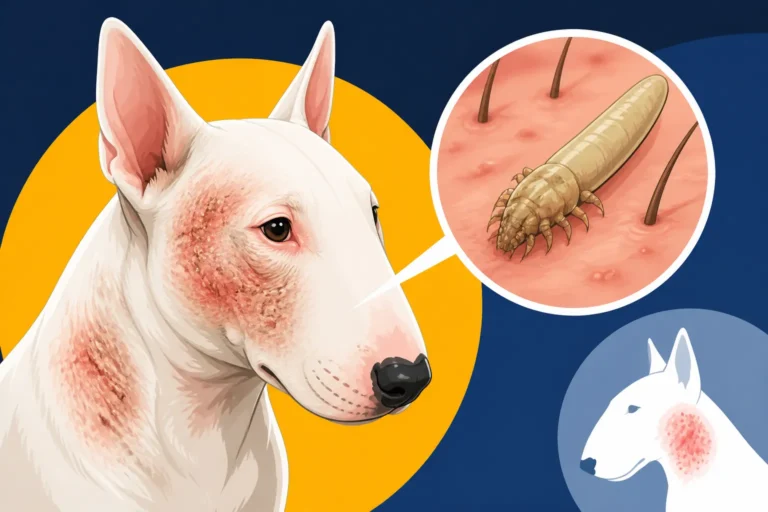
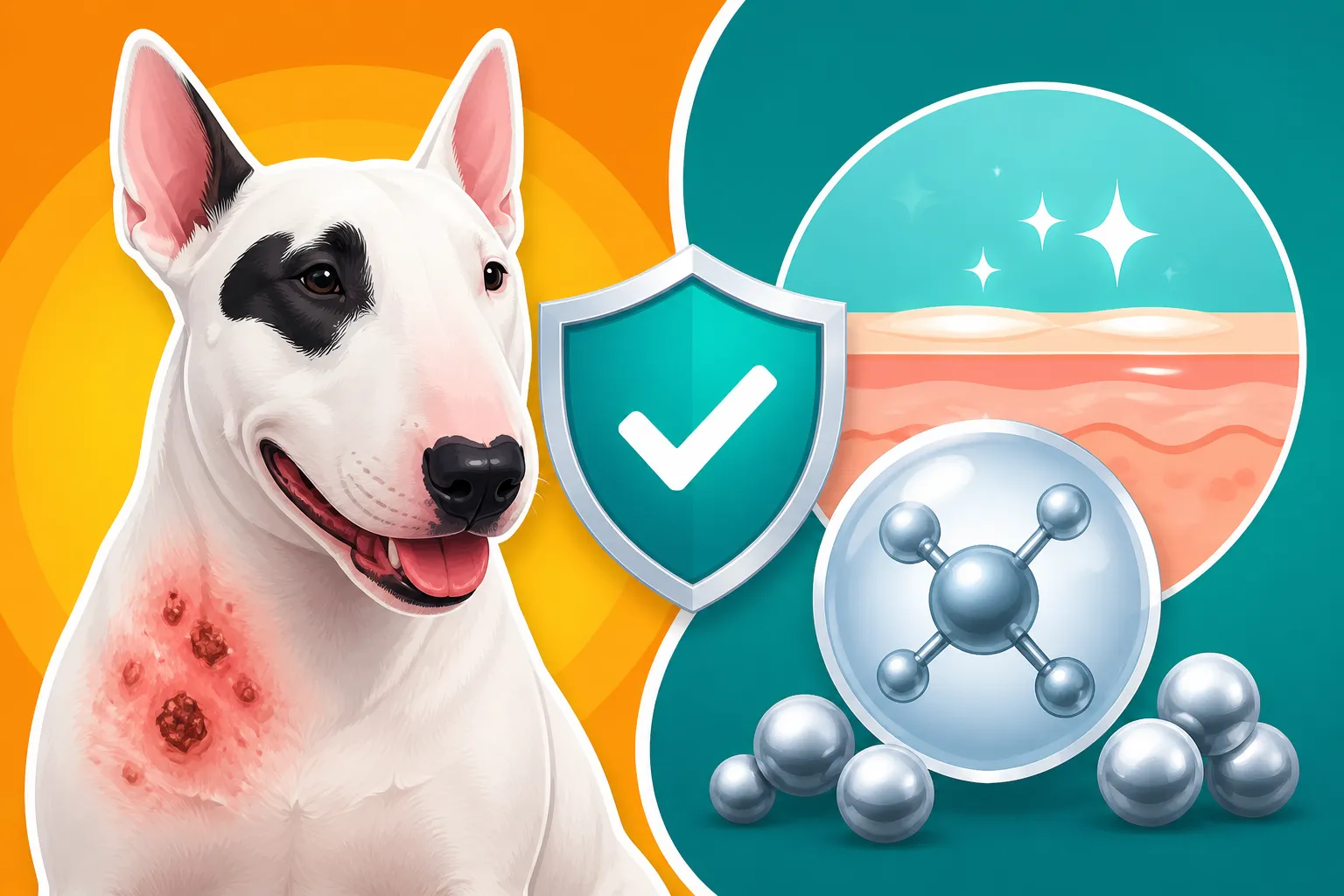
At its core, Acrodermatitis in Bull Terriers is a severe immunodeficiency and growth retardation syndrome. The name "acrodermatitis" refers to the prominent skin lesions that typically appear on the extremities – the paws, snout, and around the eyes and mouth. These aren't just minor irritations; we're talking about painful, crusting, oozing lesions that are prone to chronic secondary infections. It’s a relentless assault on the body, severely impacting the puppy's ability to grow and develop normally. Think of it as a constant battle the body simply isn't equipped to win, leading to widespread systemic issues rather than just localized skin problems.
The Genetic Roots of the Problem
Unlike many other health issues that can sometimes be managed with diet or lifestyle changes, LAD is genetically determined. It's an autosomal recessive disorder, which means a puppy must inherit two copies of the faulty gene – one from each parent – to be affected. If a Bull Terrier inherits only one copy, it's considered a carrier and will not show symptoms of the disease itself, but can pass the gene on to its offspring. The specific mutation responsible for LAD has been identified in the MKLN1 gene. This discovery was a huge breakthrough for breeders, offering a way to prevent affected puppies through genetic screening. Knowing Which Gene Causes Acrodermatitis in Bull Terriers has been crucial for responsible breeding practices, helping to avoid tragic outcomes.
Why Zinc Absorption is Critical
Here's where the confusion often arises: while LAD leads to clinical signs that resemble severe zinc deficiency, the underlying problem isn't a lack of zinc in the diet. Instead, the genetic mutation in affected Bull Terriers impairs their ability to absorb and metabolize zinc properly at a cellular level. So, even if a Bull Terrier with LAD is consuming a diet rich in zinc, or is given zinc supplements, its body simply cannot utilize that zinc effectively. It’s like having a perfectly good key but a broken lock – the key is useless. This crucial distinction is why treating LAD isn't as straightforward as giving a zinc tablet. The mechanism behind Why an Acrodermatitis Bull Terrier Cannot Absorb Zinc is complex, involving the cellular pathways that transport and utilize this vital mineral, and unfortunately, these pathways are fundamentally flawed in affected dogs.
The Misconception of Simple Zinc Deficiency
It’s completely understandable why an owner, seeing their Bull Terrier suffering from skin lesions and stunted growth, might immediately think of zinc deficiency. Many other breeds can indeed suffer from a condition called zinc-responsive dermatosis, where simple dietary supplementation works wonders. However, LAD is a different beast entirely, and this distinction is vital for understanding why standard zinc treatments are ineffective.
Acrodermatitis is More Than Just Low Zinc
When a Bull Terrier has LAD, the problem isn't merely having insufficient zinc in its diet, or even a low level of zinc circulating in its blood, although low levels can be a consequence of the underlying absorption issue. Instead, it's a failure at the cellular level to properly process and utilize zinc. Zinc is a trace mineral essential for countless bodily functions, including immune system health, skin integrity, and normal growth. For a dog with LAD, these fundamental processes break down because the cells themselves cannot effectively take in and use the zinc, regardless of how much is presented to them. This cellular malfunction cascades into the myriad of symptoms characteristic of What Lethal Acrodermatitis Does to a Bull Terrier. The skin lesions, the compromised immunity, the poor growth – these are all manifestations of this deep-seated cellular dysfunction, not just a simple nutritional oversight.
How the Body Processes Zinc
In a healthy dog, dietary zinc is absorbed through the intestines, transported in the bloodstream, and then taken up by cells throughout the body, where it acts as a cofactor for enzymes involved in DNA synthesis, protein metabolism, and immune function. The body has intricate mechanisms to regulate zinc levels, ensuring enough is absorbed and utilized without becoming toxic. For a Bull Terrier with LAD, this finely tuned system is broken. The specific genetic mutation affects the transport of zinc into cells, meaning that zinc struggles to get past the cellular "gatekeepers." It’s trapped outside, unable to perform its crucial roles within the cells. This is a fundamental barrier that no amount of oral zinc supplementation can overcome because the core issue is not availability but usability.
Why Dietary Zinc Supplements Alone Don't Work
Given the cellular absorption defect, merely increasing the amount of zinc in an affected Bull Terrier's diet or through oral supplements generally provides no benefit. The zinc, though present, cannot cross the cellular membrane barrier effectively to reach the metabolic pathways where it’s needed. Owners, understandably desperate, often try various zinc products, from over-the-counter supplements to prescription-strength options. While it might offer a sliver of hope, the tragic reality is that these efforts are typically futile in altering the course of LAD. High doses of zinc can even lead to zinc toxicity, causing other severe health problems, without addressing the underlying absorption defect. Therefore, while zinc is central to the disease's manifestation, supplemental zinc does not help a Bull Terrier with Acrodermatitis in the way it would for a dog with a simple dietary deficiency.
Recognizing the Signs and Diagnosing Acrodermatitis
The early recognition of LAD is crucial, not for cure, but for early management and to avoid unnecessary suffering. Because it's a progressive and eventually fatal disease, understanding the symptoms and getting a definitive diagnosis is important for both the affected puppy and the responsible management of breeding lines.
Early Symptoms to Watch For
Puppies with LAD typically begin showing signs between 4 weeks and 6 months of age. One of the most common and distressing initial indicators is their failure to thrive. They are often noticeably smaller and weaker than their littermates, struggling to gain weight and grow. The characteristic skin lesions are a hallmark symptom. These often start on the feet, leading to crusting, scaling, and painful cracking, making the puppy reluctant to walk or play. Over time, similar lesions appear around the mouth, eyes, nose, and on the ears. Affected puppies are also prone to recurring bacterial and fungal infections, often resistant to standard treatments, due to their compromised immune systems. This constant struggle against infection severely impacts their overall health. For a comprehensive look, you can read more about Signs a Bull Terrier Puppy Has Acrodermatitis and What an Acrodermatitis Bull Terrier's Paws Look Like. You might also notice that Why an Acrodermatitis Bull Terrier Puppy Stops Growing is directly related to the systemic nature of the disease, impacting cellular development across the board.
The Diagnostic Journey
If you suspect your Bull Terrier puppy might have LAD, your first step is an immediate consultation with your veterinarian. They will examine the clinical signs, which, when combined with the breed and age of onset, will raise suspicion. The definitive diagnosis, however, relies on genetic testing. A simple buccal swab (cheek swab) can be sent to a specialized laboratory to test for the specific MKLN1 gene mutation. This DNA test is highly reliable and can confirm the presence of LAD. Additionally, your vet might perform skin biopsies, which can show characteristic pathological changes consistent with LAD, or blood tests to check for secondary issues like anemia or infection. The availability of Whether the Bull Terrier Acrodermatitis Test Is Reliable means breeders and owners can make informed decisions.
Differentiating from Other Skin Conditions
Because the skin lesions are so prominent, LAD can sometimes be confused with other dermatological issues in Bull Terriers, at least initially. Conditions like allergic dermatitis, fungal infections (like ringworm), or even parasitic infestations such as Demodectic Mange in a Bull Terrier might present with similar skin symptoms. However, several key factors help differentiate LAD:
- Breed Specificity: LAD is almost exclusively seen in Bull Terriers and Miniature Bull Terriers.
- Systemic Symptoms: The combination of severe skin lesions, persistent infections, and growth retardation is highly indicative of LAD, unlike most other skin conditions that don't typically cause such profound developmental issues.
- Lack of Response to Treatment: Unlike conditions that respond to antibiotics, antifungals, or even standard zinc supplementation (for true zinc-responsive dermatosis), LAD symptoms persist and worsen.
- Genetic Test: The ultimate differentiator is the DNA test, which confirms the genetic mutation specific to LAD.
A thorough veterinary examination and appropriate diagnostic tests are crucial to ensure an accurate diagnosis, preventing wasted time and resources on treatments that won't work. Remember, A Bull Terrier's Skin Is Its Weakest Point generally, so prompt investigation of any persistent skin issue is vital.
Supportive Care Strategies for Bull Terriers with Acrodermatitis
Given that there is no cure for Lethal Acrodermatitis, the focus shifts entirely to supportive care. The goal is to maximize the puppy's comfort and quality of life for as long as possible, managing the challenging symptoms that arise from its compromised health. It's a demanding and emotionally draining journey for owners, requiring dedication and frequent veterinary oversight.
Managing Secondary Infections
One of the most relentless battles in caring for a Bull Terrier with LAD is against secondary infections. The damaged skin, coupled with a severely compromised immune system (another direct effect of the disease), creates an ideal breeding ground for bacteria, yeast, and fungi. These infections exacerbate the skin lesions, causing intense pain, itching, and foul odors. Vets often prescribe broad-spectrum antibiotics, antifungals, and medicated shampoos to try and keep these infections at bay. However, the recurring nature means constant vigilance, regular cleaning of affected areas, and sometimes, long courses of medication. It's a frustrating cycle, as the underlying immune deficiency means these puppies are constantly fighting an uphill battle, often catching Why an Acrodermatitis Bull Terrier Catches Every Infection. Consistent veterinary care is paramount here, and pet insurance options like Healthy Paws can be incredibly helpful in covering the recurring costs of medications, special shampoos, and frequent vet visits needed to manage these persistent issues.
Nutritional Support Beyond Zinc
While direct zinc supplementation does not resolve the root cause of LAD, comprehensive nutritional support is still vital. Because affected puppies often struggle with appetite, malabsorption, and growth retardation, ensuring they receive adequate calories and a balanced diet is critical. This might involve highly digestible foods, appetite stimulants, or even dietary supplements aimed at general immune support, such as omega-3 fatty acids for skin health. The goal isn't to cure, but to provide the best possible foundation for their compromised systems. Some owners explore specialized diets, but the primary focus remains on easily digestible, nutrient-dense options to support their fragile health and combat the general wasting associated with the disease. Though it won't reverse the LAD, good nutrition can play a role in maintaining comfort and energy levels.
Environmental Management and Comfort
Creating a clean, comfortable, and low-stress environment is essential for a Bull Terrier with LAD. Their painful skin lesions mean that soft bedding is a must, changed frequently to prevent further infection. Keeping their living areas meticulously clean can reduce exposure to pathogens. Avoiding rough surfaces or situations where they might injure their delicate skin is also important. Some owners find that protective clothing or soft boots can help shield the paws from further damage. Regular, gentle cleaning of the skin with veterinary-recommended antiseptic washes can help prevent the build-up of crusts and reduce bacterial load. Providing warmth, quiet, and consistent routines can minimize stress, which can inadvertently impact immune function. Remember, these puppies are often in discomfort, and creating a serene environment can make a significant difference to their daily well-being.
The Grim Reality and Prognosis
Discussing the prognosis for Bull Terriers with Lethal Acrodermatitis is difficult, as it's a truly heartbreaking condition. As veterinarians and experienced Bull Terrier enthusiasts, we've seen the struggle firsthand, and it's important for owners to understand the severe implications of this diagnosis.
The Inevitable Progression of the Disease
Lethal Acrodermatitis is, as its name suggests, a terminal illness. There is no cure, and all affected Bull Terriers will eventually succumb to the disease. The progression involves a worsening of skin lesions, chronic infections that become increasingly difficult to control, and a persistent failure to grow and gain weight. Internal organs can also be affected, leading to issues like diarrhea, respiratory infections, and overall systemic decline. The puppy's quality of life deteriorates steadily, marked by constant discomfort, pain, and weakness. It's a progressive disease that slowly robs the puppy of its vitality, leading to the heartbreaking reality that Lethal Acrodermatitis Kills a Bull Terrier Puppy Before It Grows Up. Tragically, most affected Bull Terriers do not live past two years of age, and many succumb much earlier, often around 6-18 months. This information about The Age Acrodermatitis Kills a Bull Terrier is important for owners to prepare for the difficult decisions ahead.
Quality of Life Considerations
For owners of a Bull Terrier with LAD, the primary focus quickly shifts from seeking a cure to maintaining the best possible quality of life. This involves rigorous pain management, vigilant wound care, and managing secondary infections as effectively as possible. Deciding when the pain and suffering outweigh the moments of joy becomes an agonizing but necessary decision. Vets can offer guidance on assessing quality of life, looking at factors like appetite, engagement with the family, ability to move comfortably, and overall demeanor. It's about finding a balance between intervention and allowing the puppy to live as peacefully as possible without prolonged suffering. Regular check-ups are vital, and having a comprehensive pet insurance plan like those offered by Healthy Paws can ease the financial burden of palliative care, allowing owners to prioritize comfort without added stress about mounting vet bills.
The Emotional Toll on Owners
Bringing home a puppy only to face a diagnosis of a fatal genetic disease is an immense emotional burden. Owners often experience a roller coaster of emotions: shock, denial, desperate hope, and eventually, profound grief. The constant care, the sight of their beloved pet in pain, and the knowledge of the inevitable outcome can be incredibly isolating and stressful. It's okay to feel overwhelmed and to seek support. Connecting with other Bull Terrier owners who have experienced LAD, or seeking counseling, can provide much-needed solace and understanding. It’s also crucial for breeders to be transparent about the genetic testing for LAD, helping to prevent more heartbreak. Understanding How Acrodermatitis Is Inherited in Bull Terriers empowers responsible breeders to make choices that safeguard the future of the breed. This journey is a testament to the deep bond between humans and their pets, and it's a reminder of the responsibilities we undertake when we welcome these special dogs into our lives.
Disclaimer
This article is intended for informational purposes only and does not constitute professional veterinary advice. Always consult with a qualified veterinarian for any health concerns or before making any decisions about your pet's medical care. Genetic conditions like Acrodermatitis require expert diagnosis and management.