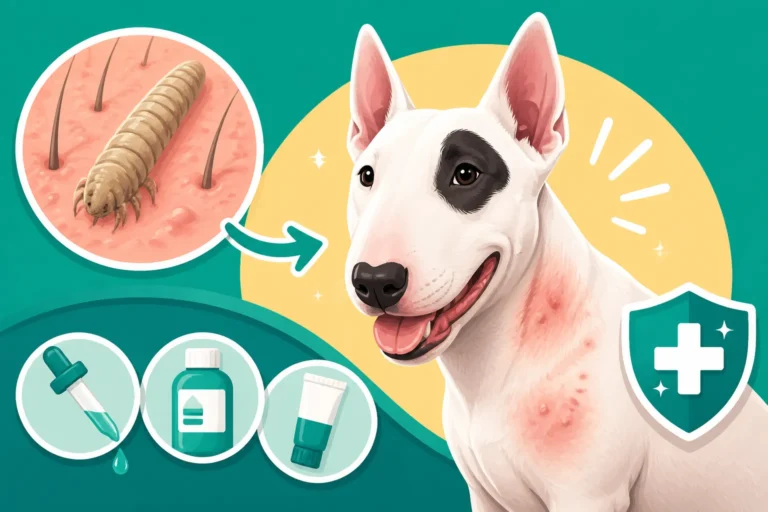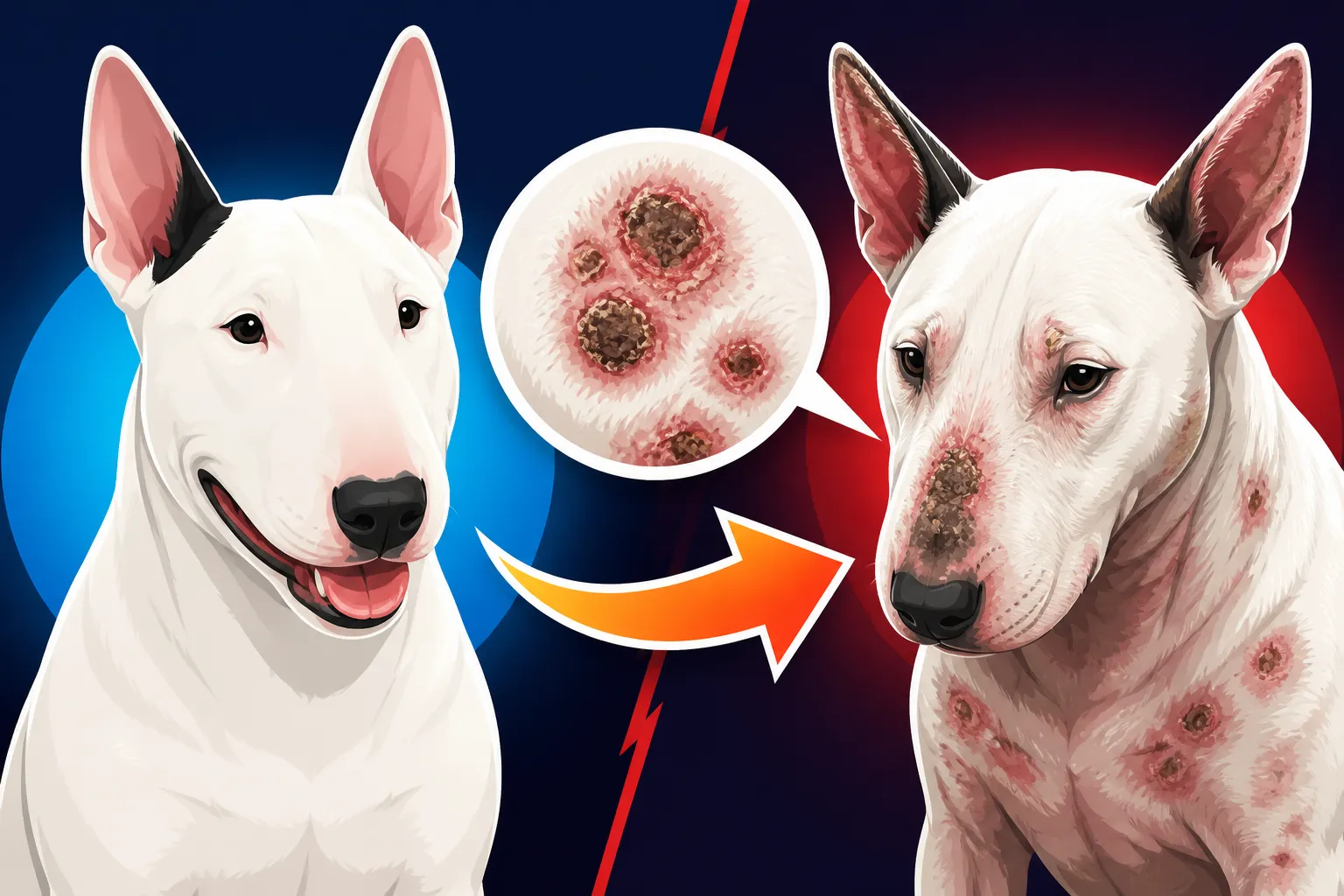
What Lethal Acrodermatitis Does to a Bull Terrier
Bringing home a Bull Terrier puppy is supposed to be a joyous occasion, a time filled with boundless energy, goofy antics, and the promise of a long, loving companionship. But for some families, that joy can quickly turn to heartbreaking worry when a rare, devastating genetic condition called Lethal Acrodermatitis (LA) rears its ugly head. This guide is here to shed light on exactly what Lethal Acrodermatitis does to a Bull Terrier, detailing the immense challenges and profound impact it has on these beloved dogs and their devoted owners.
The Devastating Nature of Lethal Acrodermatitis
When we talk about Lethal Acrodermatitis, it’s not just a minor health issue; it’s a profound, systemic breakdown that affects nearly every part of a Bull Terrier puppy's development. This condition, tragically, is exactly what its name implies: lethal. It's a cruel twist of fate that leaves families heartbroken, watching their vibrant puppies slowly succumb to a relentless illness. Understanding the fundamental mechanisms behind LA is the first step in truly grasping the ordeal these puppies and their owners face.
What Lethal Acrodermatitis Is
Lethal Acrodermatitis is an inherited disease unique to Bull Terriers, both standard and miniature. It’s characterized by severe skin lesions, particularly on the paws and around the body’s orifices, stunted growth, a compromised immune system, and a host of internal abnormalities. Imagine a puppy that simply cannot thrive, no matter how much love and care it receives. This isn’t a condition that can be "fixed" with a simple course of medication; it’s a progressive, debilitating illness that slowly diminishes a puppy's quality of life. Owners often first notice something is amiss when their puppy just isn’t growing as it should, or when unusual skin problems begin to appear.
The signs can be subtle at first, making it easy to dismiss early symptoms as common puppy ailments like allergies or minor infections. However, the unique constellation of symptoms, coupled with the Bull Terrier breed, should raise immediate red flags for any experienced veterinarian or owner. This isn’t just about itchy skin; it’s a symptom of a much deeper, more severe metabolic malfunction that slowly erodes the puppy's health from the inside out. For more on how this impacts their earliest days, you might want to read about why an Acrodermatitis Bull Terrier puppy stops growing.
The Genetic Root Cause
At the heart of Lethal Acrodermatitis lies a specific genetic mutation. This isn't something that can be caused by environment or diet alone; it's written in the puppy's DNA. Specifically, it's an autosomal recessive trait linked to a mutation in the MKLN1 gene. This means that for a puppy to be affected, it must inherit two copies of the faulty gene—one from its mother and one from its father. Both parents can be perfectly healthy carriers, showing no signs of the disease themselves, yet still pass on the gene to their offspring. This makes responsible breeding practices, including genetic testing, absolutely critical in preventing this devastating condition.
The discovery of the specific gene responsible for LA was a massive breakthrough for the Bull Terrier community, offering hope that breeders could screen their dogs and make informed decisions to avoid producing affected puppies. Before this, diagnosis was often presumptive, based on clinical signs, and the genetic link was understood but not pinpointed to a specific marker. Now, with available testing, we have a powerful tool to protect future generations. You can find more details on which gene causes Acrodermatitis in Bull Terriers.
Why Zinc is the Missing Link
While the genetic mutation is the root cause, the mechanism through which it wreaks havoc on the body is directly tied to zinc. Puppies with LA cannot properly metabolize or absorb zinc from their diet, even if they are receiving adequate amounts of it. Zinc is an absolutely vital trace mineral involved in hundreds of enzymatic reactions in the body, playing a crucial role in immune function, skin health, growth, and wound healing. Without sufficient bioavailable zinc, all these critical processes begin to fail.
It’s not a simple zinc deficiency that can be cured by supplementation, which is a common misconception. Giving more zinc orally to an LA puppy doesn't solve the problem because their bodies simply cannot utilize it effectively. This inability to absorb and use zinc properly explains the wide array of symptoms seen in affected puppies, from their compromised skin and immune systems to their failure to grow. This fundamental metabolic error makes the condition so challenging to treat and ultimately fatal. Understanding why an Acrodermatitis Bull Terrier cannot absorb zinc is key to grasping the severity of the illness.
Skin Deep and Beyond: The External Manifestations
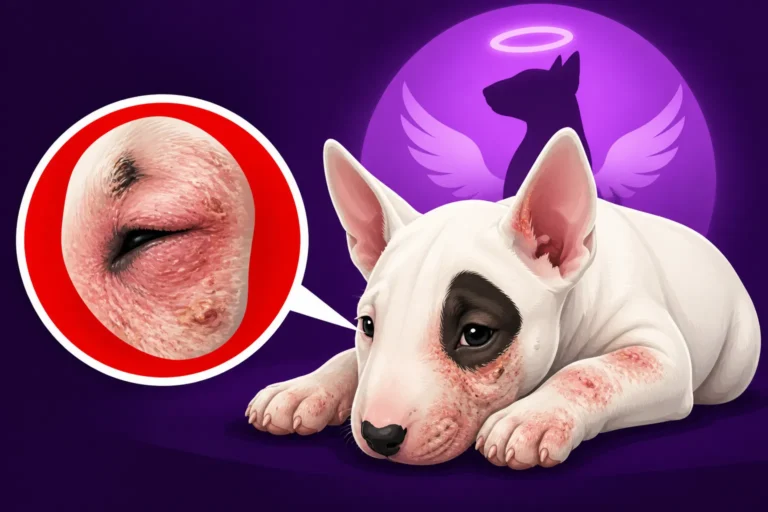
The most visually striking and often the first noticeable signs of Lethal Acrodermatitis manifest on the puppy’s skin, particularly on its extremities. These aren't just minor irritations; they are severe, painful lesions that are indicative of the body’s inability to maintain healthy tissues. Owners quickly learn to scrutinize every patch of skin, every change, because these external signs are a window into the internal battle their puppy is fighting.
The Tell-Tale Paw Lesions
One of the hallmarks of LA are the characteristic lesions that develop on the paws. These aren't just dry pads; we're talking about hyperkeratosis—a thickening and hardening of the skin—often accompanied by cracks, fissures, and erosions. The paw pads become incredibly painful, making walking difficult and uncomfortable for the puppy. They might appear reddened, swollen, and prone to secondary bacterial or yeast infections, exuding a foul odor. Imagine walking on perpetually cracked, raw, and infected feet; it’s truly debilitating.
These paw lesions are more than just a cosmetic issue; they severely impact the puppy's mobility and overall comfort. Pups might limp, refuse to walk, or constantly lick and chew at their feet in an attempt to alleviate the pain and irritation. This constant self-trauma only exacerbates the problem, creating a vicious cycle of inflammation and infection. The struggle for these puppies is very real, and their owners often describe an endless battle with bandaging and topical treatments that offer only temporary relief. To see detailed descriptions, you might want to look at what an Acrodermatitis Bull Terrier's paws look like.
General Skin Problems and Coat Issues
Beyond the paws, LA causes widespread dermatological issues across the body. The skin, particularly on the muzzle, around the eyes, and on the pressure points like elbows and hocks, often becomes dry, flaky, and crusty. Hair loss is common, leading to bald patches, and the remaining coat can be sparse and dull. The skin might feel rough and thickened, losing its normal elasticity and suppleness. These generalized skin problems are a constant source of discomfort and itchiness for the puppy.
The poor quality of the skin leaves the puppy highly susceptible to secondary infections. Bacteria and yeast find a perfect breeding ground in the compromised skin barrier, leading to recurring pyoderma (bacterial skin infection) and malassezia (yeast infection) that are difficult to clear. This means frequent vet visits, antibiotics, antifungals, and medicated baths, all adding to the emotional and financial strain on the owners. These skin issues aren’t superficial; they’re a clear indicator of a systemic problem, reminding us that A Bull Terrier's Skin Is Its Weakest Point.
Facial and Mucous Membrane Changes
The face, particularly the muzzle, lips, and areas around the eyes, also shows distinct changes in puppies affected by LA. The skin on the muzzle can become very dry, cracked, and crusted, sometimes even bleeding. The lips might appear thickened and inflamed, and the corners of the mouth can develop painful fissures. Owners often report seeing their puppy rub its face frequently due to irritation.
Internally, the mucous membranes, such as those lining the mouth, can also be affected, though this is less visible to the untrained eye. Some affected puppies have been noted to have an arched palate, which can impact their ability to suckle effectively, contributing to their failure to thrive. These facial manifestations further highlight the widespread impact of LA, affecting areas critical for eating and sensory interaction, adding another layer of difficulty to the puppy’s already challenging existence.
Internal Systems Under Attack
While the external skin lesions are heartbreaking to witness, Lethal Acrodermatitis is far more than a skin condition. Its impact reaches deep within the body, disrupting vital internal systems that are essential for growth, immunity, and overall well-being. This systemic failure explains why affected Bull Terriers struggle to thrive and ultimately succumb to the disease.
Compromised Immune System
One of the most critical and dangerous aspects of Lethal Acrodermatitis is the severe compromise of the puppy’s immune system. Because zinc is essential for proper immune cell development and function, puppies with LA have a significantly weakened ability to fight off infections. This leaves them incredibly vulnerable to a continuous barrage of pathogens that a healthy puppy would easily fend off. We're talking about a puppy that catches every infection, struggles to recover, and can become gravely ill from common environmental bacteria or viruses.
These puppies frequently suffer from recurrent bacterial skin infections, as mentioned earlier, but also respiratory infections, gastrointestinal infections, and even systemic infections that can be rapidly fatal. It’s a constant battle for veterinarians and owners to keep these puppies healthy, often requiring prolonged courses of antibiotics and intensive supportive care. The inability to mount an effective immune response is a major factor in the "lethal" aspect of LA, as secondary infections often lead to a rapid decline. This makes it crucial to understand why an Acrodermatitis Bull Terrier catches every infection.
Gastrointestinal Distress and Malabsorption
The digestive system of an LA puppy is also severely affected. Beyond the general failure to absorb zinc, these puppies often experience chronic gastrointestinal issues. They can suffer from persistent diarrhea, vomiting, and a general inability to properly digest and absorb nutrients from their food. This malabsorption isn't just limited to zinc; it can impact other essential vitamins and minerals, exacerbating their already precarious nutritional status.
This constant gastrointestinal distress contributes significantly to their stunted growth and overall weakness. Even if they manage to eat, their bodies simply aren't able to extract the necessary building blocks for healthy development. This often leads to a vicious cycle where poor nutrient absorption weakens them further, making them more susceptible to infections and other complications. Managing their diet becomes a complex challenge, and owners often wonder whether an Acrodermatitis Bull Terrier puppy can eat effectively enough to gain weight.
Respiratory and Neurological Complications
While less common than the skin and immune issues, some Bull Terrier puppies with Lethal Acrodermatitis can develop respiratory and neurological complications. Recurring respiratory infections due to their weakened immune system can lead to chronic coughing, labored breathing, and even pneumonia, which can quickly become life-threatening. The stress of constant illness further taxes their small bodies.
In some severe cases, neurological signs have also been reported, though these are typically secondary to the systemic illness rather than a direct impact on the nervous system from the zinc malabsorption itself. These can include lethargy, weakness, and a general dullness or lack of responsiveness. The sheer systemic impact of LA means that no organ system is truly safe from its reach, demonstrating just how pervasive and devastating this genetic condition truly is.
Stunted Growth and a Truncated Lifespan
Perhaps one of the most heartbreaking consequences of Lethal Acrodermatitis is its profound effect on a Bull Terrier puppy's growth and its ultimately abbreviated lifespan. These puppies don't just have skin problems; they never truly get to experience the joyful, boisterous puppyhood we expect for our dogs. They remain small, weak, and are ultimately robbed of their chance at a full life.
Failure to Thrive
From early on, puppies affected by LA demonstrate a clear failure to thrive. While their littermates are growing rapidly, gaining weight, and developing muscle, the LA puppy lags significantly behind. They appear smaller, thinner, and weaker than their peers. This stunted growth is a direct result of the chronic malabsorption, constant infections, and the body's inability to utilize essential nutrients, particularly zinc, for normal development. It's not just a matter of size; their skeletal development can be affected, and their internal organs may not develop properly.
Owners often report that their LA puppy appears listless, lacking the typical energy and playful curiosity of a healthy Bull Terrier pup. They might struggle to compete for food with their littermates, further compounding their nutritional deficits. The contrast between an LA puppy and its healthy siblings is stark and undeniable, making it painfully clear that something is profoundly wrong. This heartbreaking reality is why an Acrodermatitis Bull Terrier puppy stops growing.
The Progression of the Disease
Lethal Acrodermatitis is a progressive disease, meaning its symptoms worsen over time as the puppy continues to struggle with zinc malabsorption and the cascade of secondary problems. What might start as mild skin irritation and slight lethargy can quickly escalate into severe skin lesions, debilitating infections, and profound weakness. There are typically periods where a puppy might seem to rally, only to decline sharply again due to a new infection or worsening systemic issues.
The constant battle against illness and pain wears down both the puppy and its dedicated owners. The veterinarian, too, is often caught in a difficult position, providing supportive care and managing symptoms without being able to address the underlying cause effectively. The progression of LA paints a grim picture, with no true path to recovery, only temporary relief from acute symptoms. Knowing what the condition does helps manage expectations and focus on comfort.
The Inevitable Outcome
Given the systemic nature of the disease and the body's inability to correct the underlying metabolic defect, Lethal Acrodermatitis is, as its name suggests, fatal. Most affected puppies rarely survive past two years of age, and many succumb much earlier, often between three to seven months. The cause of death is typically due to severe secondary infections that overwhelm their compromised immune systems, or from organ failure stemming from chronic malnourishment and illness.
It is an agonizing journey for families who adopt these puppies, hoping against hope for a miracle. Despite the best veterinary care, specialized diets, and immense emotional investment, the outcome is almost always tragic. This makes understanding the age Acrodermatitis kills a Bull Terrier incredibly important for prospective owners and breeders. Pet insurance providers like Healthy Paws can sometimes offer some relief for the financial burden of extensive palliative care, but sadly, they cannot change the ultimate prognosis for these puppies.
Daily Struggles and Management Attempts
Caring for a Bull Terrier puppy diagnosed with Lethal Acrodermatitis is an immense undertaking, filled with daily challenges, emotional highs and lows, and constant vigilance. It’s a testament to the dedication of Bull Terrier owners that they pour so much love and effort into these struggling pups, even when the prognosis is grim.
Constant Discomfort and Pain
Imagine living in constant discomfort. This is the reality for an LA Bull Terrier puppy. Their raw, cracked paw pads make walking excruciating. Their itchy, inflamed skin leads to incessant scratching and chewing, often opening new wounds that invite infection. They might have a persistent cough from respiratory issues or an upset stomach from chronic gastrointestinal problems. This constant physical burden means these puppies rarely get to experience true ease or joy.
Owners spend countless hours trying to alleviate their puppy’s suffering. Topical creams, protective booties, soft bedding, medicated baths, and pain relief medications become part of the daily routine. Despite these efforts, the underlying cause of the discomfort remains, and the relief is often fleeting. The sadness of watching a puppy that should be full of playful energy struggle simply to exist is profound.
Feeding Challenges and Nutritional Support
Feeding an LA puppy is another significant hurdle. Their digestive systems are compromised, and their appetites can be poor due to general malaise or oral discomfort from facial lesions. Finding a diet that they can tolerate, that is palatable, and that offers some hope of nutrient absorption is a constant experiment. High-quality, easily digestible foods are often recommended, sometimes in conjunction with appetite stimulants or anti-nausea medications.
Veterinarians may suggest specific diets or supplements, often including types of zinc that are more readily absorbed, though success is limited. The goal is to provide as much nutritional support as possible to aid growth and bolster their weak immune systems, but the challenges of malabsorption make this an uphill battle. Pet parents often weigh whether zinc helps a Bull Terrier with Acrodermatitis, and while some forms might offer very slight symptomatic relief, they don't cure the core issue.
Palliative Care and Quality of Life
Given that there is no cure for Lethal Acrodermatitis, the focus of care shifts entirely to palliative measures. This means doing everything possible to manage symptoms, minimize pain, prevent secondary infections, and maximize the puppy's quality of life for as long as possible. This involves frequent veterinary visits, managing skin infections with antibiotics and medicated shampoos, addressing any respiratory or gastrointestinal issues, and providing comfort.
The decision of when to say goodbye is one of the hardest any pet owner faces, but for LA Bull Terrier owners, it's an agonizing reality that often comes far too soon. It’s about recognizing when the suffering outweighs the joy, and when compassionate euthanasia becomes the kindest option. The financial strain of continuous palliative care can be substantial, and this is where a good pet insurance plan from a provider like Healthy Paws can make a significant difference, allowing owners to focus on their puppy's comfort without being overwhelmed by costs.
Diagnosing and Understanding the Inheritance
The emotional and financial toll of Lethal Acrodermatitis makes accurate diagnosis and a clear understanding of its inheritance absolutely crucial. For prospective Bull Terrier owners, knowing the signs and demanding genetic testing results from breeders can prevent immense heartache. For breeders, responsible practices are the only way to safeguard the future of the breed.
Identifying the Symptoms
Early identification of LA symptoms is vital, although often challenging as early signs can be subtle. The combination of stunted growth, poor weight gain, and persistent, non-responsive skin lesions (especially on the paws, muzzle, and around the eyes) in a Bull Terrier puppy should immediately prompt suspicion of LA. Chronic or recurrent infections, particularly skin or respiratory, that don't clear up easily with standard treatments, are also significant red flags.
Veterinarians experienced with the Bull Terrier breed will often consider LA in the differential diagnosis when presented with these symptoms. A thorough physical examination, coupled with the puppy's breed and history, guides the diagnostic process. While the clinical signs are strong indicators, a definitive diagnosis relies on genetic testing, which can confirm the presence of the causative mutation. This is essential for distinguishing LA from other skin conditions or growth problems. The signs a Bull Terrier puppy has Acrodermatitis are very specific once you know what to look for.
The Importance of Genetic Testing
The most reliable way to diagnose Lethal Acrodermatitis and, more importantly, to prevent it, is through genetic testing. A simple cheek swab can determine if a Bull Terrier carries the MKLN1 gene mutation. Dogs can be clear (two normal genes), carriers (one normal, one mutated gene), or affected (two mutated genes). This test is widely available through specialized veterinary genetic laboratories.
For breeders, testing all breeding stock is paramount. A carrier dog, while healthy itself, should only be bred to a clear dog to avoid producing affected puppies. Breeding two carriers together carries a 25% chance of producing affected puppies, a 50% chance of producing carriers, and a 25% chance of producing clear puppies. This knowledge empowers breeders to make ethical choices and protects future generations of Bull Terriers from this horrific disease. You can also research whether the Bull Terrier Acrodermatitis test is reliable.
Responsible Breeding Practices
The existence of a reliable genetic test for LA places a significant responsibility on Bull Terrier breeders. Reputable breeders will actively screen their breeding dogs for the MKLN1 mutation and will be transparent about their dogs’ results. They understand that even healthy carriers should be managed carefully within a breeding program to reduce the incidence of the disease. A responsible breeder will not knowingly breed two carriers together.
Prospective puppy buyers should always ask for proof of genetic testing for LA (and other relevant health tests for the breed, such as for kidney and heart health) for both parents of any litter. This simple step can save immense heartbreak and financial burden. While it doesn't eliminate all health risks, it provides crucial information that can prevent the tragedy of Lethal Acrodermatitis. Pet insurance, like the policies offered by Healthy Paws, is an excellent safety net, but prevention through responsible breeding is always the best first line of defense against inherited diseases. For more information, please see how Acrodermatitis is inherited in Bull Terriers.
Symptom Overview of Lethal Acrodermatitis
To help visually organize the complex array of symptoms associated with Lethal Acrodermatitis, here’s a table summarizing the main categories of impact and their manifestations:
| Symptom Category | Specific Manifestations | Impact on Puppy's Life |
|---|---|---|
| Skin & Paws | Severe hyperkeratosis of paw pads, leading to cracking, fissures, erosions; redness, swelling, and pain. Generalized dry, flaky, crusty skin; hair loss; secondary bacterial/yeast infections. | Debilitating pain, difficulty walking, constant itching, recurrent infections requiring intensive treatment. |
| Growth & Development | Stunted growth compared to littermates; low body weight; failure to thrive; lack of energy and vitality. | Never reaching full size or strength; chronic weakness; reduced playful behavior; difficulty competing for resources. |
| Immune System | Severely compromised immunity; frequent and recurrent infections (skin, respiratory, gastrointestinal); poor response to treatment; susceptibility to opportunistic pathogens. | Constant illness, requiring ongoing veterinary care; high risk of systemic, life-threatening infections. |
| Gastrointestinal | Chronic diarrhea, vomiting, poor appetite; malabsorption of nutrients (especially zinc); difficulty maintaining weight. | Nutritional deficiencies; dehydration; abdominal discomfort; further contributes to stunted growth and weakness. |
| Oral/Facial | Crusting and cracking of muzzle and lips; painful fissures at mouth corners; possible arched palate. | Discomfort when eating or drinking; contributes to poor appetite and malnourishment. |
| Neurological/Behavioral | Lethargy, weakness; reduced responsiveness; dullness. (Often secondary to systemic illness rather than direct CNS effect). | Lack of normal puppy curiosity and playfulness; general malaise and reduced quality of life. |
| Lifespan | Severely shortened, typically succumbing between 3 months and 2 years of age. | Tragic, premature loss; immense emotional burden on owners. |
Disclaimer
The information provided in this article is for educational purposes only and is not intended as a substitute for professional veterinary advice. Always consult with a qualified veterinarian for any health concerns or before making any decisions related to your Bull Terrier's health or treatment.