What a Bull Terrier Breeder Should Have Tested
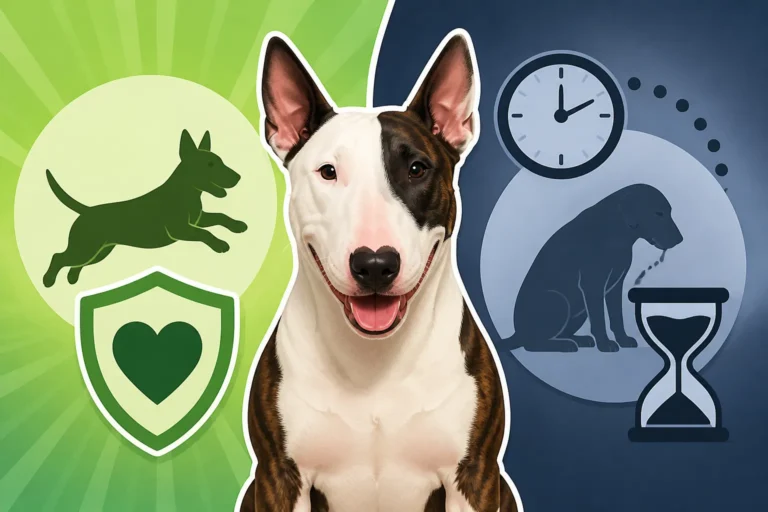
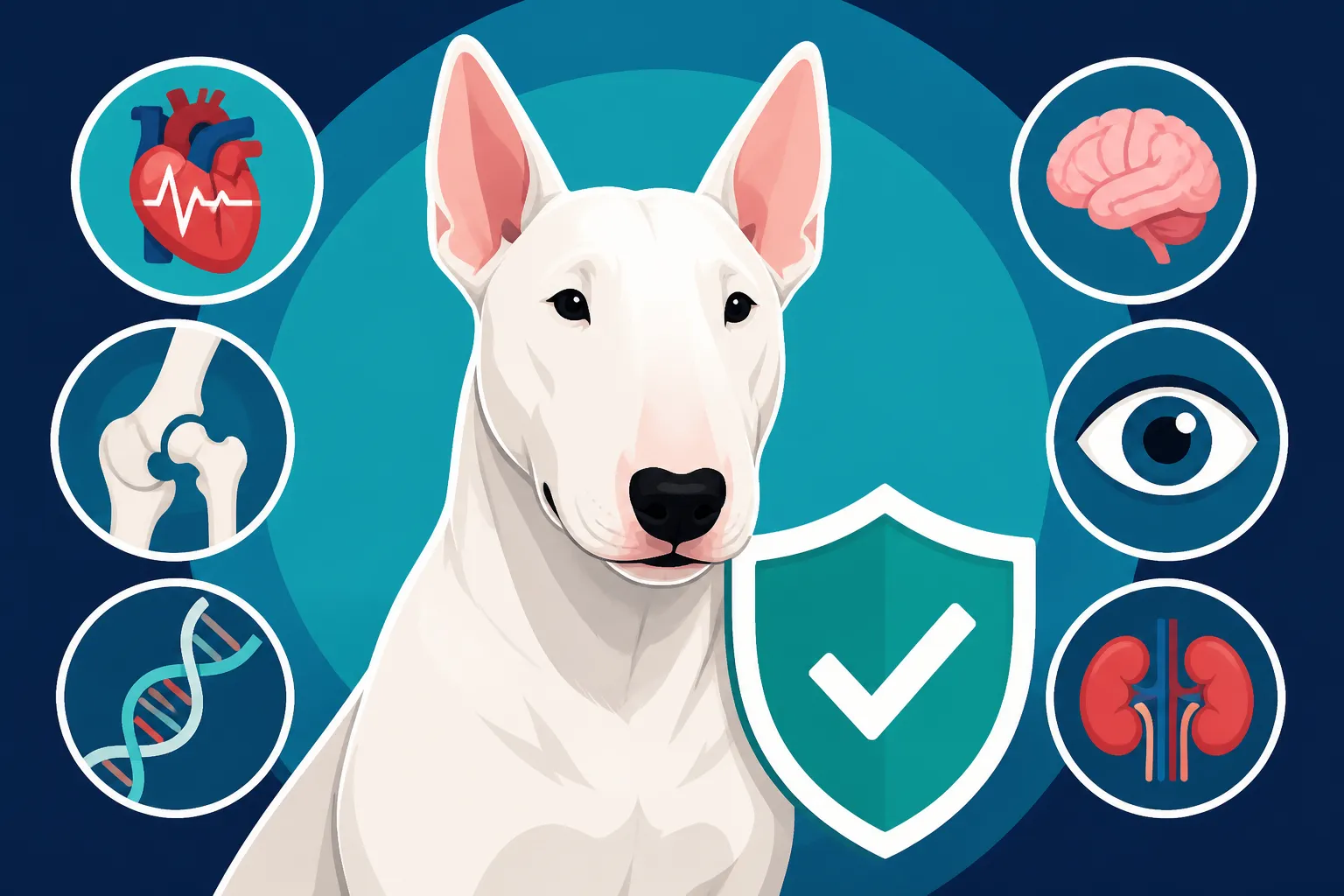
Bringing a Bull Terrier puppy home is an exhilarating experience, but the joy can quickly turn to heartbreak if your beloved new family member is struck down by a preventable genetic illness. It's a truly devastating situation, and one that often stems from a lack of responsible health screening from the breeder. This comprehensive guide will walk you through the essential health tests every reputable Bull Terrier breeder must perform on their breeding stock to ensure the healthiest possible puppies, safeguarding both your investment and your emotional well-being.
The Shadow of Hereditary Nephritis in Bull Terriers
One of the most insidious and heartbreaking conditions that can affect a Bull Terrier is Hereditary Nephritis (HN), a genetic kidney disease. It's not just a minor issue; it's a progressive, fatal condition that can steal a Bull Terrier in their prime, often before they even reach middle age. For any prospective owner, understanding that a breeder has rigorously screened for this is paramount. There's no cure for HN, only management, and it's a heavy burden to carry for both dog and owner.
Understanding the Genetic Basis of Kidney Failure
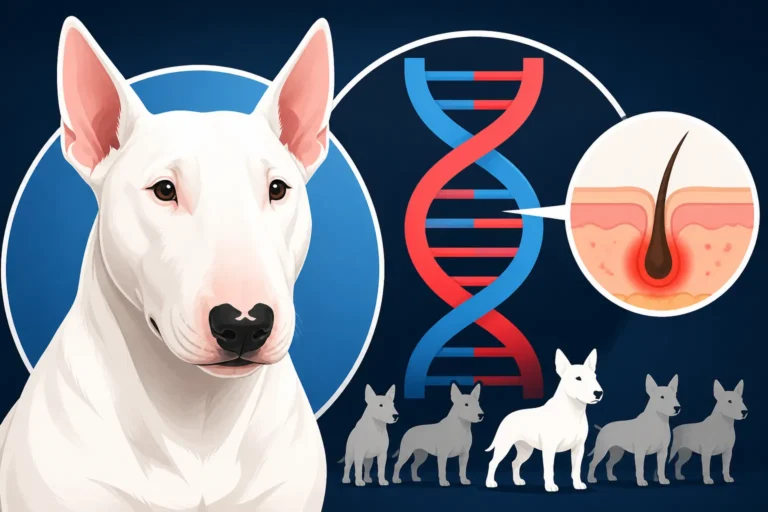
Hereditary Nephritis in Bull Terriers is typically an X-linked dominant condition, which means the inheritance pattern can be a bit tricky to grasp without a good explanation. Females have two X chromosomes, and males have one X and one Y. A male puppy only needs one copy of the faulty gene on his single X chromosome to be affected, making him much more susceptible to the severe form of the disease. Females, with two X chromosomes, often have a milder form or become carriers, but they can also be affected, especially if they inherit two copies of the faulty gene. This complex inheritance pattern makes careful genetic screening of both parents absolutely critical.
A responsible breeder won't just tell you their dogs are "healthy"; they'll provide tangible proof. This isn't about avoiding a slight inconvenience; it's about protecting a young dog from a miserable, slow decline. The age Hereditary Nephritis shows in a Bull Terrier can vary, but sadly, many dogs will start showing signs in early adulthood, between three and six years old, leaving owners grappling with huge medical bills and immense emotional distress.
The Indispensable UPC Ratio Test
The cornerstone of screening for Hereditary Nephritis in adult Bull Terriers is the urine protein-to-creatinine (UPC) ratio test. This simple, non-invasive urine test measures the amount of protein leaking into the urine, which is a key indicator of kidney damage. A high UPC ratio suggests that the kidneys are not filtering properly, a hallmark of HN. It's a proactive measure, catching potential issues long before clinical signs like increased thirst, lethargy, or weight loss become obvious.
Breeders should ideally run yearly UPC tests on their breeding animals, starting from a young age, typically around one year old, and continuing throughout their breeding career. This isn't a one-and-done test; kidney function can change over time. If a Bull Terrier's UPC can rise and fall, regular monitoring provides a clear picture of their kidney health trajectory. A consistent elevation in the UPC ratio, especially alongside other indicators, should immediately disqualify an animal from a breeding program. Don't be shy about asking a breeder to see the actual lab reports for their dogs, not just a verbal assurance. You want to see results from an accredited veterinary lab, ideally showing multiple normal readings over several years.
The Role of Renal Ultrasound Screening
While the UPC ratio is crucial, it's often complemented by a renal ultrasound. An ultrasound can visualize the kidneys, allowing a veterinarian to assess their size, shape, and internal structure. In Bull Terriers with Hereditary Nephritis, the kidneys might appear smaller than normal, or show changes in their internal architecture that indicate chronic disease. It can also identify conditions like Polycystic Kidney Disease in a Bull Terrier, though this is less common than HN.
Combining both the UPC ratio and an ultrasound gives a more complete picture of kidney health. A breeder who invests in both these screenings demonstrates a deep commitment to the health of their lines. For instance, if a dog has consistently normal UPC ratios but an ultrasound reveals some subtle abnormalities, it warrants further investigation and perhaps a decision not to breed. Remember, the goal isn't just to produce puppies; it's to produce healthy puppies with the best possible chance at a long, fulfilling life free from this debilitating disease. It's not uncommon for concerned owners to seek out insurance like Healthy Paws, but even the best insurance can't erase the heartache of a genetic disease that could have been avoided.
Ensuring a Strong Heart: Cardiac Health Testing
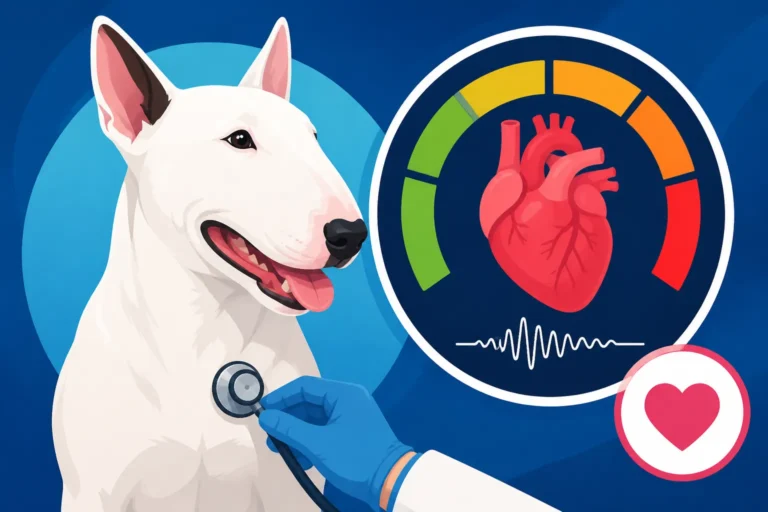
Bull Terriers, with their powerful builds and boundless energy, need strong, healthy hearts to keep up with their zest for life. Unfortunately, several cardiac conditions are known to affect the breed, some of which can be life-threatening. A responsible breeder understands the importance of screening for these issues, preventing the devastating shock of a young dog succumbing to heart disease. The Heart Murmur a Bull Terrier Puppy Should Be Checked For is an early indicator, but thorough adult screening is vital.
Screening for Mitral Valve Dysplasia
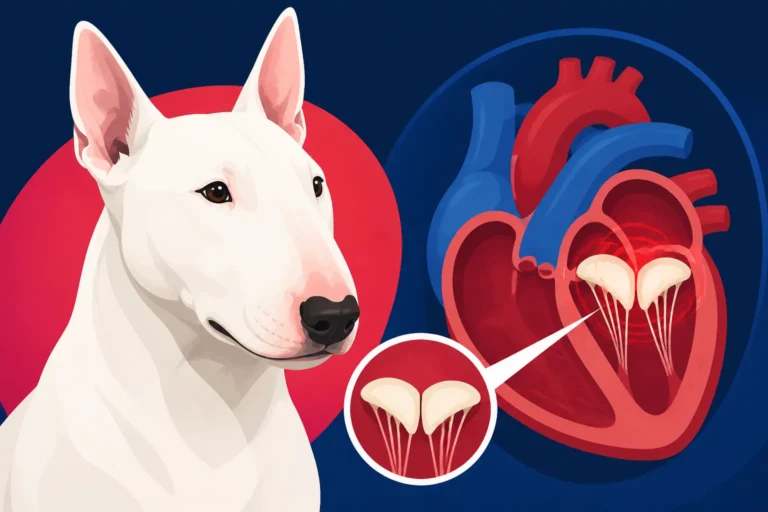
One of the primary heart conditions seen in Bull Terriers is Mitral Valve Dysplasia (MVD). This is a congenital defect where the mitral valve, which separates the left atrium and left ventricle of the heart, doesn't form correctly. This improper formation means the valve can't close tightly, leading to blood leaking backward into the atrium with each heartbeat. Over time, this leakage can cause the heart to work harder, enlarge, and eventually lead to congestive heart failure.
The severity can range from mild to severe, but even a mild case can worsen over time. A Bull Terrier with MVD may show no symptoms for years, making screening an absolute necessity for breeding animals. An experienced veterinary cardiologist can detect the characteristic murmur associated with MVD during an auscultation, but a definitive diagnosis requires an echocardiogram. Breeders committed to healthy lines will ensure their breeding stock is evaluated by a board-certified veterinary cardiologist.
Detecting Aortic Stenosis Through Echocardiography
Another significant cardiac concern in Bull Terriers is Aortic Stenosis (AS), a narrowing of the aorta just outside the heart. This narrowing forces the heart to pump harder to push blood through the constricted opening to the rest of the body. Like MVD, Aortic Stenosis can range in severity, from mild to severe, and severe cases can lead to sudden death, even in seemingly healthy, young dogs. Why Aortic Stenosis Kills a Bull Terrier Without Warning is a terrifying reality for owners.
To screen for AS, breeders should have their breeding dogs undergo an echocardiogram performed by a board-certified veterinary cardiologist. This specialized ultrasound of the heart allows the cardiologist to visualize the heart's chambers, valves, and major blood vessels, measuring blood flow velocity. They can accurately grade any stenosis present. A breeder should be able to provide clear documentation of their dogs' cardiac health, ideally a "normal" or "clear" certification from a specialist, often registered with organizations like the Orthopedic Foundation for Animals (OFA) or the British Veterinary Association (BVA). You want to see annual rechecks, especially for animals actively being bred, as some conditions can progress.
Why an Echocardiogram is Crucial
While a regular veterinarian can listen for heart murmurs, a murmur alone isn't enough to determine breeding suitability. Many puppies have "innocent" murmurs that resolve as they grow. However, a persistent or loud murmur in an adult Bull Terrier warrants further investigation. An echocardiogram provides a detailed, real-time look at the heart's structure and function. It's the gold standard for diagnosing congenital heart conditions like MVD and AS, distinguishing between benign murmurs and serious structural defects.
When a Bull Terrier Should Have an Echocardiogram is typically recommended before breeding, and often yearly for breeding animals, especially if there's any suspicion of a murmur. A breeder who skips this specialized and sometimes costly test is cutting corners, potentially passing on devastating conditions to puppies. Don't accept a general vet check as sufficient; insist on seeing reports from a board-certified cardiologist. These reports should clearly state the findings and provide a conclusion on the dog's cardiac health relative to breeding guidelines.
Addressing Lethal Acrodermatitis (LAD)
The name "Lethal Acrodermatitis" itself is chilling, and for good reason. This is a truly devastating genetic condition specific to Bull Terriers, causing severe zinc malabsorption, leading to profound immune deficiency, skin lesions, and failure to thrive. It's a condition that results in suffering and an early, inevitable death, often before the puppy even reaches one year of age. No responsible breeder would knowingly produce a puppy with LAD, which is why genetic testing is so vital.
The Genetic Root of This Devastating Condition
Lethal Acrodermatitis is an autosomal recessive genetic disorder. This means a puppy must inherit two copies of the faulty gene – one from each parent – to be affected. If a puppy inherits only one copy, they are a "carrier" and will not show symptoms themselves, but they can pass the gene on to their offspring. If two carriers are bred together, statistically, 25% of the puppies will be affected, 50% will be carriers, and 25% will be clear. This is precisely why knowing the genetic status of both parents is so crucial.
The gene responsible for LAD has been identified, and a DNA test is readily available. This test can definitively identify whether a Bull Terrier is clear, a carrier, or affected. A breeder should always test their breeding stock for the LAD gene. Ideally, a breeder would only breed a clear dog to a clear dog, ensuring no affected puppies are produced. If a carrier must be used for other valid genetic reasons (e.g., maintaining genetic diversity in a small population), they should only be bred to a clear dog. This ensures all puppies will be either clear or carriers, but none will be affected by the disease. What Lethal Acrodermatitis Does to a Bull Terrier is heartbreaking, and entirely preventable with proper testing.
Understanding Carrier Status and Breeding Decisions
Many purebred breeds have genetic conditions where carriers exist. The key is how breeders manage this information. For LAD, a Bull Terrier breeder should never breed two carriers together. This practice is simply irresponsible given the severe outcome for affected puppies. A carrier Bull Terrier is not affected by the disease themselves and lives a completely normal, healthy life. However, they carry the potential to pass the gene on.
A reputable breeder will be transparent about carrier status. They should be able to show you the results of the DNA test for LAD for both parent dogs. If one parent is a carrier, the other must be clear. While some people might shy away from a puppy from a carrier parent, as long as the other parent is clear, the risk of an affected puppy is zero. You might get a carrier puppy, but they will not develop the disease. The question of Whether two Bull Terrier Acrodermatitis Carriers Should Be Bred has a clear answer: absolutely not. The availability of the DNA test means there's no excuse for producing affected puppies.
What a Puppy With LAD Looks Like
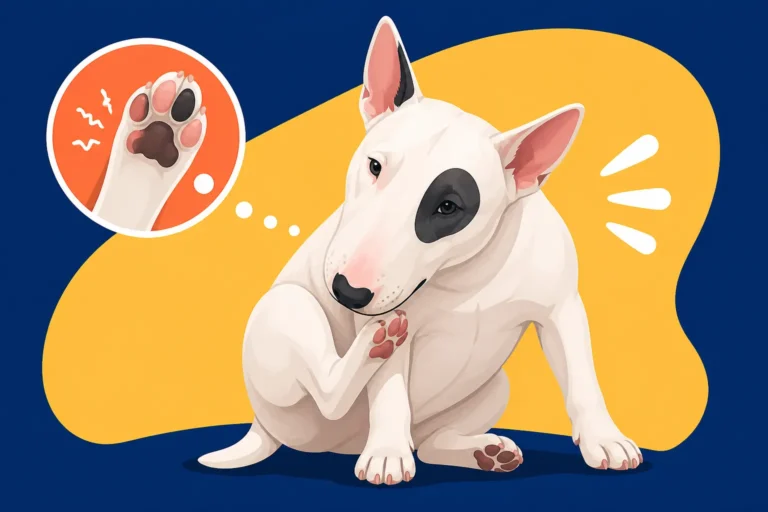
While genetic testing prevents affected puppies, it's also important to understand the clinical signs of LAD, especially if you were to encounter an untested puppy or a breeder claiming their dogs are "fine" without proof. Puppies with LAD typically start showing symptoms very early, often around 4-8 weeks of age. They usually fail to thrive, remaining smaller than their littermates. Their skin lesions are particularly striking: crusting, scaling, and thickening of the skin, especially on the paws, muzzle, and around the eyes and ears. These areas can become infected and very painful.
They often have a dull, sparse coat and frequently suffer from secondary bacterial, fungal, or viral infections due to their compromised immune system. An affected puppy cannot absorb zinc properly, leading to these myriad issues. If you see a puppy with these symptoms, run, don't walk, from that breeder. A responsible breeder, having tested their dogs, would never let an affected puppy even leave their home to avoid this suffering and prevent unknowingly passing on the issue to new owners. Knowing Signs a Bull Terrier Puppy Has Acrodermatitis is crucial for any potential buyer.
Deafness: The BAER Test for Hearing
Deafness is another significant health concern in Bull Terriers, particularly in white-coated individuals. It can be a challenging condition for both dog and owner, impacting training, safety, and daily life. Early identification is crucial for placing puppies in appropriate homes and for breeders to make informed decisions about their breeding program.
The Predisposition of White Bull Terriers
It's a well-known fact in the Bull Terrier world that white-coated dogs have a higher incidence of deafness. This isn't unique to Bull Terriers; it's a common issue in many white-coated or merle breeds (like Dalmatians, Boxers, and Australian Shepherds) due to the genetic link between pigmentation and the development of the auditory system. Specifically, the absence of pigment-producing cells (melanocytes) in the inner ear can lead to irreversible hearing loss.
While white Bull Terriers are primarily affected, deafness can occasionally occur in colored Bull Terriers, though it is far less common. Therefore, every Bull Terrier puppy, regardless of coat color, should ideally be tested. However, given the strong genetic link, it is absolutely non-negotiable for white puppies. A breeder who tells you they don't test white puppies for deafness is simply not operating ethically. How Many White Bull Terriers Are Born Deaf is a question a good breeder will know the answer to for their lines.
Understanding the BAER Test
The Brainstem Auditory Evoked Response (BAER) test is the definitive method for assessing hearing in dogs. It's a non-invasive, objective test that measures the electrical activity in the brainstem in response to auditory clicks. Small electrodes are placed on the puppy's scalp, and tiny headphones deliver sounds into each ear individually. The machine records the brain's response. If no response is detected, the ear is deaf.
The test can identify puppies that are unilaterally deaf (deaf in one ear) or bilaterally deaf (deaf in both ears). Ideally, all Bull Terrier puppies in a litter should be BAER tested before going to their new homes. The Age a Bull Terrier Puppy Can Be BAER Tested is typically around 6-8 weeks old, as their ear canals are fully open and developed by then. A responsible breeder will provide a certificate of hearing for each puppy, detailing whether they are clear, unilaterally deaf, or bilaterally deaf. This transparency allows prospective owners to make an informed decision and prepare for any special needs a deaf puppy might have. A unilaterally deaf dog can lead a perfectly normal life, but bilaterally deaf dogs require specific training methods and a very committed owner.
Breeder Responsibility Regarding Deafness
A reputable Bull Terrier breeder takes deafness seriously. They will not only test all their puppies but will also use the results to guide their breeding decisions. While breeding a unilaterally deaf dog might be considered in very specific circumstances to preserve other vital traits (and then only to a fully hearing mate), breeding a bilaterally deaf dog is generally considered irresponsible. The goal is always to reduce the incidence of genetic health problems over generations.
Don't settle for a breeder who claims they can tell if a puppy hears by clapping or stomping. That's simply not reliable enough. Only the BAER test provides an objective, scientific assessment. If you're considering a white Bull Terrier, specifically ask to see BAER test results for both parents and the entire litter. This shows their commitment to transparency and the health of their puppies. A good breeder will also offer support and guidance for raising a deaf Bull Terrier if a puppy is found to be affected.
Patellar Luxation: A Hidden Joint Issue
While not as immediately life-threatening as some other conditions, patellar luxation can significantly impact a Bull Terrier's quality of life, leading to pain, lameness, and potentially costly surgeries. This orthopedic issue, where the kneecap (patella) slips out of its groove, is something a responsible breeder should definitely screen for.
Understanding the Mechanics of Patellar Luxation
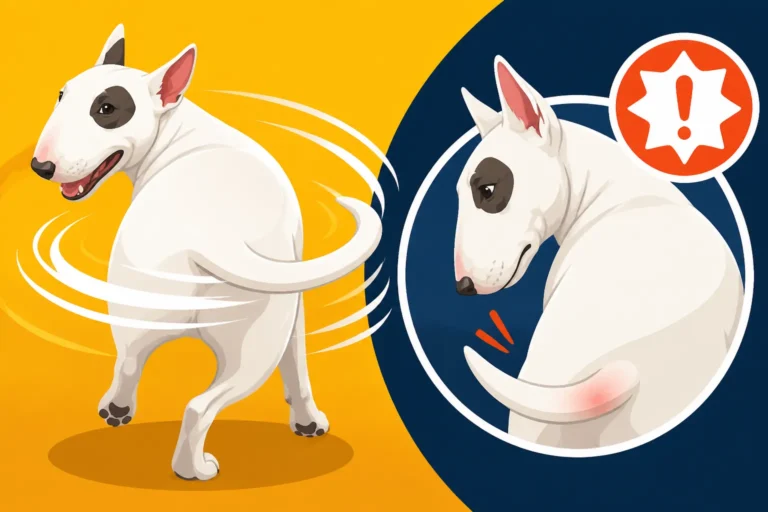
Patellar luxation occurs when the patella dislocates or "luxates" from its normal position in the trochlear groove of the femur (thigh bone). It can slip either medially (towards the inside of the leg) or laterally (towards the outside). This displacement can be intermittent or permanent and is typically graded from 1 (mild) to 4 (severe). The condition can affect one or both knees.
When the patella luxates, it can cause the dog to skip a step, hold the leg up, or even become completely lame in more severe cases. Over time, the repeated slipping can lead to degenerative joint disease, arthritis, and ligament damage. While some cases are mild and might only require conservative management, many Bull Terriers with patellar luxation will eventually need corrective surgery to alleviate pain and improve mobility.
Screening Protocols and Breeder Ethics
Screening for patellar luxation is relatively straightforward and should be a standard practice for all breeding Bull Terriers. A veterinarian can manually palpate the patellas to check for instability and determine the grade of luxation. This examination should be performed by an experienced veterinarian, and ideally, the results should be certified by an orthopedic organization like OFA or BVA.
A responsible breeder will have their breeding dogs examined for patellar luxation and will only breed dogs with normal, healthy knees. Breeding dogs with any degree of luxation, especially moderate to severe, significantly increases the likelihood of producing affected puppies. While genetic factors are complex and not fully understood, there's a clear hereditary component. Therefore, avoiding breeding affected individuals is the most ethical approach. Ask to see certificates of patella examinations for both parent dogs.
Long-Term Implications for Affected Dogs
A Bull Terrier with patellar luxation, even a mild case, might experience intermittent discomfort or stiffness after exercise. More severe cases can lead to chronic pain, difficulty jumping, climbing stairs, or even just walking. Imagine your athletic Bull Terrier being limited in their activities due to a painful knee – it's a future you'd want to avoid at all costs.
Surgical correction can be very effective, but it's an invasive procedure with recovery time and, of course, a significant cost. Post-operative care, including physical therapy, can also be extensive. By choosing a breeder who screens diligently, you greatly reduce the chances of facing these challenges. It's about proactive prevention, ensuring your Bull Terrier can enjoy a lifetime of playful romps without the burden of joint pain.
Eye Health and Vision in Bull Terriers
Bull Terriers are known for their distinctive small, triangular eyes, which are quite unique to the breed. While these eyes contribute to their iconic look, they are not immune to certain hereditary eye conditions. Protecting their vision and ensuring their comfort means responsible breeders must screen for potential problems.
Primary Lens Luxation and Other Eye Conditions
Primary Lens Luxation (PLL) is a condition where the lens of the eye dislocates from its normal position. This can happen suddenly, causing pain, inflammation, and potentially leading to glaucoma (increased pressure in the eye) or even blindness if not treated promptly. PLL is a hereditary condition, and like LAD, it's caused by a recessive gene, meaning a dog needs two copies to be affected. A DNA test is available to identify clear, carrier, and affected dogs, making it entirely preventable through careful breeding.
Beyond PLL, other eye concerns for Bull Terriers can include conditions like dry eye (keratoconjunctivitis sicca), where the eyes don't produce enough tears, leading to irritation, discharge, and potential corneal damage. While not always strictly hereditary, a genetic predisposition can exist. Entropion or ectropion (inward or outward rolling eyelids) can also occur, causing irritation and requiring surgical correction. A thorough eye examination by a veterinary ophthalmologist can detect these issues.
The Importance of Ophthalmologist Examinations
To screen for hereditary eye conditions, breeding Bull Terriers should undergo regular examinations by a board-certified veterinary ophthalmologist. These specialists perform comprehensive eye exams, often including a slit-lamp biomicroscopy and indirect ophthalmoscopy, to evaluate all parts of the eye. They look for signs of PLL, cataracts, glaucoma, retinal diseases, and other abnormalities.
These examinations should ideally be conducted annually for breeding animals, as some conditions can develop or progress with age. The results are usually certified by organizations like OFA or the Canine Eye Registration Foundation (CERF), now part of OFA. A breeder should be able to provide clear, up-to-date eye certifications for both parents. If a specific DNA test is available (like for PLL), the breeder should also provide documentation of those results, showing whether the dog is clear or a carrier. Choosing a breeder who actively screens gives you peace of mind that your puppy is less likely to face painful and vision-threatening eye problems down the line.
Preventing Inherited Eye Problems
The availability of DNA tests for conditions like Primary Lens Luxation means that affected puppies should never be produced. Breeders should use the DNA test to ensure that at least one parent is clear of the PLL gene. If a carrier is bred, it must be to a clear mate. This proactive approach prevents the immense suffering and potential blindness associated with PLL.
For other conditions, regular ophthalmologist exams help identify issues before they become severe, guiding breeding decisions to remove affected individuals from the gene pool. For example, if a dog consistently shows signs of severe dry eye or recurring entropion, a responsible breeder would carefully reconsider breeding that animal, even if surgery could correct the issue for the individual dog. The aim is always to improve the health of the breed as a whole, not just to patch up individual problems.
Other Vital Health Considerations for Bull Terriers
Beyond the major genetic conditions, there are other aspects of a Bull Terrier's health that a responsible breeder will consider and, where possible, test for. These might not have specific DNA tests, but good breeding practices and veterinary oversight play a crucial role.
Thyroid Function and Hypothyroidism
Hypothyroidism, an underactive thyroid gland, is a relatively common endocrine disorder in dogs. While it can occur in any breed, Bull Terriers can be predisposed. The thyroid gland produces hormones that regulate metabolism, so an underactive thyroid can lead to a range of symptoms including lethargy, weight gain, hair loss, a dull coat, and skin problems.
While there isn't a single definitive genetic test for generalized hypothyroidism, reputable breeders often include thyroid panels in their routine health screenings for breeding stock. This typically involves blood tests that measure levels of thyroid hormones (T4) and thyroid-stimulating hormone (TSH). Animals with consistently abnormal thyroid levels, especially if hereditary patterns are suspected in the line, should be evaluated and potentially removed from breeding programs. Timely diagnosis of Hypothyroidism in a Bull Terrier allows for lifelong medication, which can effectively manage the condition.
Ensuring Sound Structure: Patellas, Elbows, and Hips
While patellar luxation was discussed earlier as a specific concern, general orthopedic health, including hips and elbows, is also important, although hip and elbow dysplasia are less prevalent in Bull Terriers compared to some other larger breeds. However, given their sturdy build and active nature, ensuring sound joints is still a consideration.
Responsible breeders may consider screening hips and elbows through X-rays, submitted to organizations like OFA or BVA for expert evaluation and grading. While not mandated for Bull Terriers by all breed clubs, a breeder who takes this extra step demonstrates a holistic approach to structural integrity. Problems like Patellar Luxation in a Bull Terrier, though, are far more common and should be the primary focus for joint screening. These structural assessments contribute to a Bull Terrier's overall well-being and longevity.
General Wellness and Temperament Evaluations
Finally, a breeder's responsibility extends beyond specific genetic tests to the overall health, well-being, and temperament of their breeding stock. This includes regular veterinary check-ups, ensuring good nutrition, proper exercise, and excellent socialization. A dog that is chronically ill, has a poor immune system, or displays significant behavioral issues should never be bred, regardless of their genetic test results for specific diseases.
A breeder should also assess their dogs for general robustness and vitality. Are they sound in movement? Do they have good muscle tone? Are their coats healthy? Do they have stable, confident temperaments suitable for passing on to puppies? A healthy, well-adjusted parent contributes significantly to healthy, well-adjusted puppies. This holistic approach, combined with diligent genetic and health testing, is the hallmark of a truly ethical and responsible Bull Terrier breeder. This is an important part of knowing What a Bull Terrier Breeder Should Have Tested.
Why These Health Tests Are Absolutely Non-Negotiable
It might seem like a lot of tests, and indeed, it is an investment for a breeder. But these tests are not just bureaucratic hurdles; they are fundamental to the health and future of the Bull Terrier breed and, more importantly, to the individual puppies they produce. Skipping these tests is not saving money; it's placing a ticking time bomb in the lives of innocent puppies and unsuspecting owners.
Preventing Heartbreak and Financial Strain
Imagine adopting a Bull Terrier puppy, full of life and promise, only to discover at a young age they are suffering from Hereditary Nephritis or severe cardiac issues. The emotional toll of watching your beloved pet decline, experiencing pain and discomfort, is immense. It's heartbreaking. Beyond the emotional burden, the financial cost of managing chronic diseases can be astronomical. Kidney disease requires special diets, medications, frequent vet visits, and potentially expensive procedures like fluid therapy. Severe heart conditions also require lifelong medication and specialist consultations. Even with pet insurance like Healthy Paws, these costs can add up, and pre-existing conditions are rarely covered if not diagnosed early.
A breeder who has thoroughly tested their dogs significantly reduces the risk of these devastating scenarios. They are protecting you, the future owner, from preventable heartbreak and massive, unexpected veterinary bills. When you compare the cost of health testing for a breeding dog to the lifetime cost of managing a preventable genetic disease, the tests are a small price to pay.
Upholding Ethical Breeding Standards
Ethical breeding is about more than just producing cute puppies; it's about striving to improve the health, temperament, and longevity of the breed with each generation. This means making informed breeding decisions based on scientific data and health screening results. Ignorance is not an excuse when lives are at stake.
A breeder who actively tests for known genetic conditions demonstrates a commitment to the breed's well-being and a high level of integrity. They are transparent with results, willing to discuss potential risks, and prioritize health over profit or convenience. These breeders are safeguarding the Bull Terrier breed's future, ensuring it remains robust and healthy for generations to come. They understand that a healthy start is the best foundation for a happy life.
Safeguarding the Future of the Bull Terrier Breed
Every time an untested dog is bred, especially if they carry genes for serious conditions, those genes are perpetuated and spread within the breed's gene pool. This can lead to an increase in the incidence of these diseases over time, ultimately harming the entire breed. By contrast, breeders who rigorously test and make careful breeding choices contribute to a healthier future for Bull Terriers.
They are essentially acting as custodians of the breed, working to eliminate or reduce the prevalence of debilitating diseases. This long-term vision is critical for any breed to thrive. So, when you choose a Bull Terrier puppy, don't just look at the cute face; look at the health records of the parents. Your diligence helps support responsible breeding and protects the Bull Terrier breed for years to come. Understanding Which Health Tests a Bull Terrier Breeder Should Run is empowering for potential owners.
| Health Condition | Test Type | Frequency (Breeding Stock) | Certification Bodies | Why It Matters |
|---|---|---|---|---|
| Hereditary Nephritis | UPC Ratio (Urine Protein/Creatinine) | Annually | Veterinary Labs, OFA | Detects kidney damage; progressive, fatal disease. |
| Hereditary Nephritis | Renal Ultrasound | Before breeding, as needed | Veterinary Radiologist | Visualizes kidney structure for abnormalities. |
| Cardiac Health | Echocardiogram (by Cardiologist) | Before breeding, annually | OFA, BVA | Diagnoses Mitral Valve Dysplasia, Aortic Stenosis. |
| Lethal Acrodermatitis | DNA Test | Once | Accredited Genetic Labs | Identifies carriers/affected; prevents fatal disease. |
| Deafness | BAER Test | Once (as puppy) | Veterinary Neurologist | Identifies unilateral/bilateral deafness. |
| Patellar Luxation | Orthopedic Examination | Once, before breeding | OFA, BVA | Detects kneecap instability; prevents lameness/pain. |
| Primary Lens Luxation | DNA Test | Once | Accredited Genetic Labs | Identifies carriers/affected; prevents blindness/pain. |
| Eye Health (General) | Ophthalmologist Exam | Annually | OFA, CERF (OFA) | Checks for various eye diseases (dry eye, cataracts). |
| Hypothyroidism | Thyroid Panel (Blood Test) | Annually | Veterinary Labs, OFA | Screens for underactive thyroid. |
Finding a Reputable Bull Terrier Breeder
Now that you know what to ask for, the next step is finding a breeder who actually performs these tests and is transparent about their results. This isn't always easy, and it requires patience and thorough research on your part.
Research and Red Flags
Start by looking for breeders who are actively involved in the Bull Terrier community, such as local breed clubs or the Bull Terrier Club of America. These breeders are often dedicated to the welfare of the breed and adhere to higher ethical standards. Online forums and breed-specific rescue organizations can also be good resources for recommendations and advice.
Be wary of any breeder who:
- Doesn't openly discuss health testing or brushes off your questions.
- Cannot provide documented proof (certificates, lab reports) for both parent dogs.
- Offers puppies at significantly lower prices than others (often a sign of cutting corners on health testing and proper care).
- Has multiple litters available at once or breeds many different breeds.
- Allows you to take a puppy home before 8 weeks of age or without having seen the parents.
- Doesn't screen for LAD or BAER test all their puppies. These are fundamental for the breed.
A reputable breeder will ask you just as many questions as you ask them, ensuring their puppies go to suitable homes. They care about their puppies' futures.
Asking the Right Questions and Reviewing Documentation
When you speak with a breeder, don't just ask "Are your dogs healthy?" Instead, ask specific questions about each test:
- "Can I see the UPC ratio results for both parents for the last three years?"
- "Do you have current echocardiogram results from a board-certified veterinary cardiologist for both the sire and dam?"
- "What are the LAD DNA test results for both parents (clear/carrier/affected)?"
- "Are all your puppies BAER tested before going home? Can I see the certificates for this litter?"
- "Can I see the patella certifications for both parents?"
- "Do you have current eye certifications from a veterinary ophthalmologist for both parents?"
A good breeder will not only have these documents readily available but will be happy to share and explain them to you. They will be proud of their health screening efforts. You should be able to verify these results with the respective certification organizations, such as the OFA, by looking up the dogs' registered names or numbers. This level of transparency is what you should demand.
Disclaimer
This guide is intended for informational purposes only and does not constitute veterinary advice. Always consult with a qualified veterinarian for any health concerns regarding your Bull Terrier. Genetic health screening protocols can evolve, so staying informed with the latest recommendations from breed clubs and veterinary specialists is always advised.