What an Acrodermatitis Bull Terrier’s Paws Look Like
There's nothing quite as heartbreaking as watching a beloved Bull Terrier puppy struggle, especially when their tiny paws, meant for playful romps, become sore and disfigured. When you notice these visible, painful changes, it’s natural to feel a knot of worry in your stomach. This guide aims to clearly describe what an Acrodermatitis Bull Terrier's paws look like, helping you recognize the signs of this severe genetic condition early and understand its devastating impact.
Understanding Acrodermatitis: A Quick Overview
Before we dive into the specifics of what an affected Bull Terrier's paws look like, it’s important to understand the condition itself. Acrodermatitis (AD) is a truly cruel genetic disease that almost exclusively affects Bull Terriers and Miniature Bull Terriers. It's not just a skin condition; it's a systemic failure that impacts many aspects of a puppy's health, leading to immense suffering and a tragically short lifespan.
What is Acrodermatitis in Bull Terriers?
Acrodermatitis in Bull Terriers, often referred to as Lethal Acrodermatitis, is a hereditary immunodeficiency disorder. It means that the puppy's immune system isn't functioning correctly, leaving them vulnerable to infections. But the most visible and defining characteristic often revolves around their skin and, most notably, their paws. This isn't just a simple rash; it's a profound, progressive breakdown of the integumentary system and overall health. For a comprehensive look at the condition, you might find it helpful to read about What Lethal Acrodermatitis Does to a Bull Terrier.
Puppies affected by AD are often smaller than their littermates, fail to thrive, and develop painful skin lesions. They simply can't grow properly, despite eating, because their bodies aren't processing nutrients as they should. It's a condition that truly robs a puppy of a normal life, impacting their ability to play, walk, and even just exist without pain.
The Underlying Cause and Impact
The root cause of Acrodermatitis is a specific genetic mutation that impairs the body's ability to properly absorb and metabolize zinc, even if there's plenty of it in their diet. This isn't a simple zinc deficiency that can be fixed with supplements; it's a metabolic defect. If you're curious about the science behind it, delve into Which Gene Causes Acrodermatitis in Bull Terriers and Why an Acrodermatitis Bull Terrier Cannot Absorb Zinc. Without adequate zinc, the body struggles to maintain healthy skin, immune function, and normal growth.
This malfunction leads to a cascade of problems. The skin cells can't develop properly, making the skin fragile and prone to infection. The immune system, starved of essential zinc, becomes severely compromised, meaning these puppies are constantly battling bacterial, fungal, and yeast infections that a healthy pup would easily fend off. The impact is heartbreaking, as these puppies suffer from chronic discomfort, recurrent illness, and a significant lack of vitality.
The Distinctive Appearance of Acrodermatitis Paws
When you're dealing with an Acrodermatitis Bull Terrier, their paws are often the first place, or certainly the most prominent, where you'll notice something is terribly wrong. They tell a sad story of the underlying illness, becoming inflamed, crusty, and profoundly uncomfortable. These aren't just minor irritations; they are severely affected and a clear indicator of the gravity of the condition.
Swelling and Redness: The Initial Signs
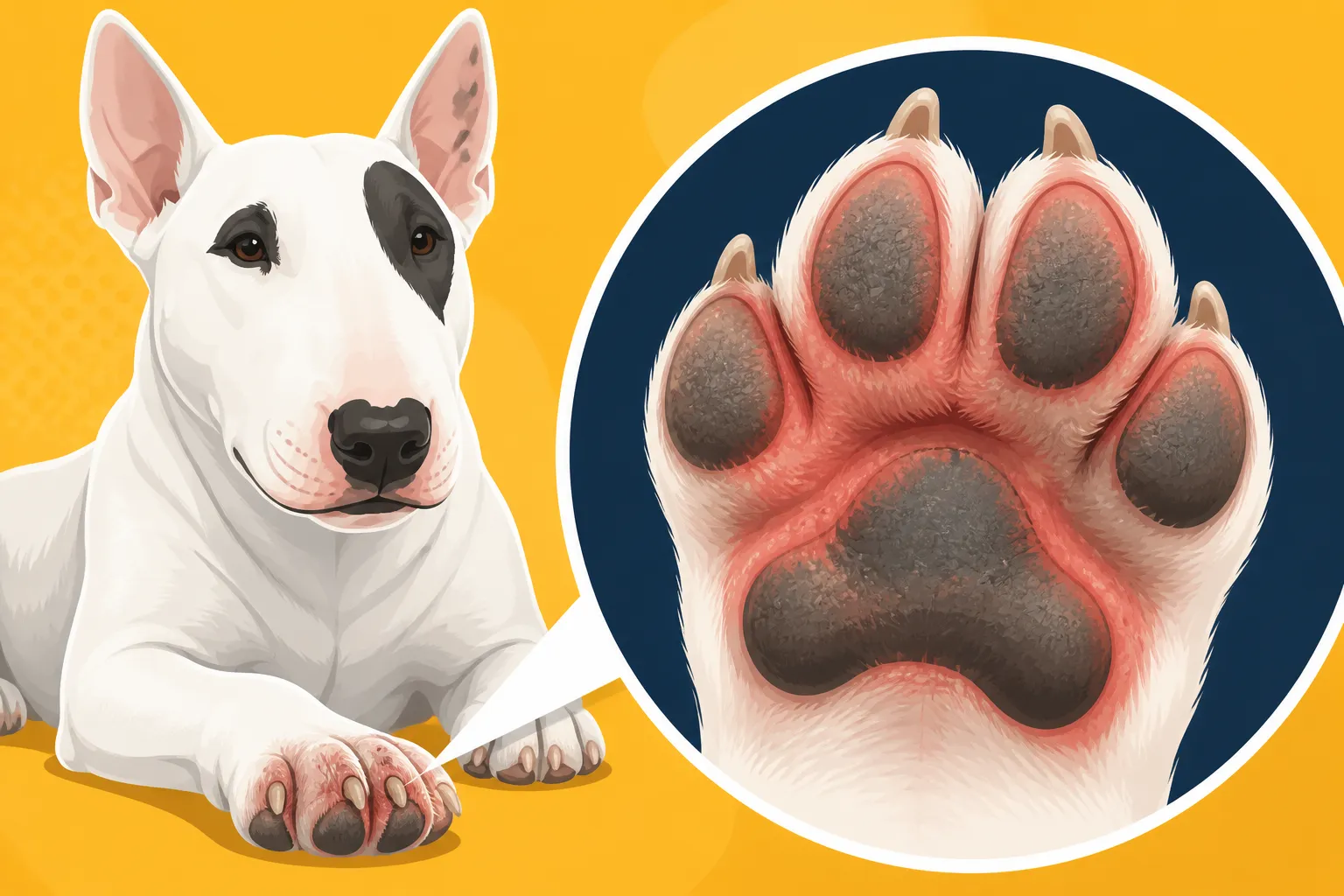
One of the earliest indicators you might spot on an Acrodermatitis Bull Terrier's paws is an abnormal amount of swelling and redness, particularly between the paw pads and around the nail beds. Imagine a puppy's paw that looks perpetually irritated, almost like it’s been stung by something or has an allergic reaction that just won't subside. The skin will appear angry red, often a stark contrast to the healthy pink or pigmented skin of unaffected areas.
This isn't just superficial; the swelling gives the paws a puffy, engorged appearance, making them feel warm to the touch. The puppy will likely show signs of discomfort, perhaps frequently licking or chewing at their paws, struggling to walk normally, or even crying out when their paws are touched. This initial inflammation is a direct result of the compromised skin barrier and the body's ineffective immune response, allowing bacteria and yeast to take hold even before more severe lesions appear.
Thickening, Crusting, and Ulceration
As the condition progresses, the initial redness and swelling give way to more severe and unmistakable signs. The skin on the paws, particularly the pads, will start to thicken and harden in an abnormal way, almost leathery to the touch. This hyperkeratosis makes the paws stiff and less flexible, contributing to the puppy's reluctance to walk. Over this thickened skin, you'll see a build-up of yellowish-brown crusts, often mixed with dried blood or pus from secondary infections. These crusts are incredibly painful and can crack, leading to open sores.
Beneath these crusts, or sometimes independently, open ulcers can form. These are deep, raw, and very painful wounds that can weep fluid, bleed, and easily become infected. The ulcers make walking excruciating, and the puppy might actively avoid putting weight on the affected paws. The constant presence of bacteria and yeast due to the weakened immune system means these lesions rarely heal completely and are often accompanied by an unpleasant odor. This particular symptom set is a hallmark of What an Acrodermatitis Bull Terrier's Paws Look Like. The visible pain and disfigurement are truly distressing for any owner to witness.
Nail Deformities and Loss
The nails of an Acrodermatitis Bull Terrier are also severely impacted. They don't just look a little rough; they become brittle, misshapen, and often grow incorrectly, twisting or flaking. In some cases, the nails may even fall out entirely, leaving the nail bed exposed and vulnerable to further infection. This is a direct consequence of the body's inability to produce healthy keratin, the protein that forms skin, hair, and nails, due to the zinc malabsorption.
The nail changes contribute significantly to the puppy's discomfort, making even simple movements painful. Imagine trying to walk with weak, crumbling, or missing nails – it's a continuous source of agony. The condition also makes the nail beds inflamed and prone to paronychia (infection around the nail), exacerbating the problem.
Here’s a quick comparison of what you might see:
| Feature | Normal Bull Terrier Paw | Acrodermatitis Bull Terrier Paw |
|---|---|---|
| Skin Color | Healthy pink or pigmented, smooth | Red, inflamed, often dark due to chronic inflammation or secondary infection |
| Texture | Soft, pliable, flexible pads | Thickened, hardened, leathery, stiff pads; may feel scaly or rough |
| Crusting | Absent | Present, especially between pads and around nails; yellowish-brown, often mixed with pus or dried blood; can be flaky or tightly adhered |
| Ulceration | Absent | Common, particularly on paw pads and digits; raw, open sores that may weep fluid and bleed |
| Swelling | Absent, paws are lean and defined | Present, giving a puffy, engorged appearance; noticeably larger and less defined |
| Nails | Strong, smooth, grow evenly | Brittle, deformed, misshapen, discolored, prone to breaking or falling out completely |
| Odor | Clean, no discernible smell | Often foul-smelling due to chronic bacterial and yeast infections |
| Pain Level | Puppy walks and plays normally | Puppy shows reluctance to walk, limps, licks/chews paws excessively, cries when paws are touched |
Beyond the Paws: Other Skin and Body Manifestations
While the paws are a key indicator, Acrodermatitis affects much more than just these sensitive areas. The systemic nature of the disease means that other parts of the body, particularly the skin and mucous membranes, also show severe and disheartening signs. It's a condition that truly impacts the entire well-being of the puppy, making it crucial to recognize the broader picture.
Facial and Mucosal Lesions
Beyond the paws, you'll often see similar, painful lesions appearing on other high-friction or mucous membrane areas of an affected Bull Terrier. This includes around the eyes, the corners of the mouth, the edges of the nostrils, and sometimes even around the anus and vulva or prepuce. These areas can become red, swollen, crusty, and ulcerated, much like the paws. The skin around the eyes might be raw and irritated, and the puppy might have difficulty blinking or experience excessive tearing.
The lesions around the mouth can make eating and drinking uncomfortable, further contributing to their failure to grow. Imagine having constant open sores on your lips or around your nose – it’s not only painful but also makes daily activities a struggle. These facial manifestations are particularly heartbreaking because they are so visible, constantly reminding you of the puppy's suffering and making them look perpetually unwell. It’s a stark visual contrast to the typically robust and cheerful appearance of a healthy Bull Terrier puppy.
General Skin Changes and Infection Susceptibility
The compromised zinc metabolism impacts the entire skin and coat, not just specific areas. The coat of an Acrodermatitis Bull Terrier puppy will often appear dull, sparse, and coarse, lacking the healthy sheen and density of a normal Bull Terrier. Patches of hair loss, or alopecia, can develop, particularly on the limbs and pressure points, exposing the raw, irritated skin underneath. The skin itself may be dry, flaky, and generally unhealthy, lacking elasticity and appearing fragile.
Because their immune system is severely weakened, these puppies are incredibly susceptible to secondary infections. It's a constant battle against bacteria (like Staphylococcus), yeast (like Malassezia), and even fungal infections. These infections exacerbate the skin lesions, creating a vicious cycle of inflammation, itching, pain, and further skin breakdown. It feels like they are Why an Acrodermatitis Bull Terrier Catches Every Infection, because they really do seem to pick up every opportunistic bug. This means frequent trips to the vet and a need for ongoing, often intensive, treatment to manage these persistent infections, which can be a significant financial and emotional strain on owners.
Growth Stunting and Systemic Weakness
Perhaps one of the most poignant signs of Acrodermatitis, alongside the skin and paw lesions, is the severe growth stunting. Puppies with AD simply do not grow at a normal rate; they are visibly smaller and less developed than their littermates. Despite having a healthy appetite, their bodies cannot properly utilize nutrients due to the metabolic defect, leading to a profound failure to thrive. This is Why an Acrodermatitis Bull Terrier Puppy Stops Growing.
They will often have a gaunt appearance, poor muscle development, and overall systemic weakness. Their energy levels are low, and they lack the characteristic boisterous playfulness of a typical Bull Terrier puppy. They might be lethargic, withdrawn, and spend much of their time sleeping or simply lying still, too uncomfortable or weak to engage in normal puppy activities. This growth stunting and general malaise are direct consequences of the widespread metabolic dysfunction caused by Acrodermatitis, highlighting that it is much more than just a skin condition; it's a disease that affects every aspect of their physical development.
Why Early Recognition Matters for Your Bull Terrier
Spotting the signs of Acrodermatitis early can be emotionally devastating, as it's a serious condition with a poor prognosis. However, early recognition is absolutely crucial, not just for confirming a diagnosis but for making informed decisions about your puppy's care and quality of life. The sooner you know, the sooner you can act.
The Importance of a Prompt Diagnosis
If you suspect your Bull Terrier puppy might have Acrodermatitis, perhaps after noticing some of the distinctive paw or skin symptoms, seeking immediate veterinary attention is paramount. A prompt diagnosis can save your puppy from prolonged suffering. Your vet will conduct a thorough physical examination, looking for all the classic signs we've discussed, and likely recommend a specific DNA test for Acrodermatitis. This test, often a simple cheek swab, can definitively confirm whether your puppy is affected. It’s important to understand Whether the Bull Terrier Acrodermatitis Test Is Reliable and how it can provide definitive answers.
It’s often best to get this test done even before purchasing a puppy, as a responsible breeder should have already tested their breeding stock and individual puppies. If you're seeing Signs a Bull Terrier Puppy Has Acrodermatitis, don't hesitate. Confirmation allows you to understand the gravity of the situation and begin supportive care to minimize pain and manage symptoms. This is where pet insurance, like a policy from Healthy Paws, can be incredibly valuable if secured before any symptoms appear, potentially helping with diagnostic costs and ongoing palliative care.
Managing the Symptoms and Providing Comfort
Once an Acrodermatitis diagnosis is confirmed, the focus shifts to providing the highest possible quality of life for your puppy, even if that life is tragically short. There is no cure for Acrodermatitis, and while some sources discuss Whether Zinc Helps a Bull Terrier With Acrodermatitis, it's important to remember that this isn't a simple deficiency. Supplemental zinc may provide very minor, temporary relief in some cases but will not fix the underlying metabolic issue or cure the disease.
Management involves intensive supportive care:
- Pain management: Medications to alleviate the severe discomfort from the skin lesions and ulcers.
- Infection control: Regular antibiotics and antifungals to combat the relentless secondary infections that plague these puppies due to their compromised immune systems. This often means medicated baths and topical treatments for their painful paws and skin.
- Nutritional support: High-quality, easily digestible food, though absorption remains an issue.
- Environmental control: Keeping the puppy's environment meticulously clean to reduce exposure to pathogens.
Despite all efforts, Acrodermatitis is, as its "Lethal" designation suggests, invariably fatal. Most affected puppies succumb to the disease before reaching adulthood, often by The Age Acrodermatitis Kills a Bull Terrier. The average lifespan for these puppies is tragically short, usually around 2 years, with many not even making it that long. Knowing How Long an Acrodermatitis Bull Terrier Puppy Survives can help owners prepare for the difficult decisions ahead, prioritizing comfort and freedom from pain above all else. During this incredibly challenging time, having good pet insurance support, like that offered by Healthy Paws, can ease the financial burden of palliative care, allowing you to focus on your beloved puppy's comfort. The goal is to ensure their remaining time is as pain-free and loving as possible, even when faced with such an overwhelming disease.
Disclaimer
The information provided in this article is for educational purposes only and is not intended to be a substitute for professional veterinary advice, diagnosis, or treatment. Always seek the advice of your veterinarian or other qualified animal health provider with any questions you may have regarding a medical condition.