How Often an Aging Bull Terrier’s Kidneys Should Be Checked
Senior Bull Terrier kidney disease screening schedules and tests help owners detect hereditary nephritis and failing health early.
The daily stuff, done right.
Feeding amounts by life stage, coat and skin routines, dental and nail care, exercise needs, and what changes as they age.
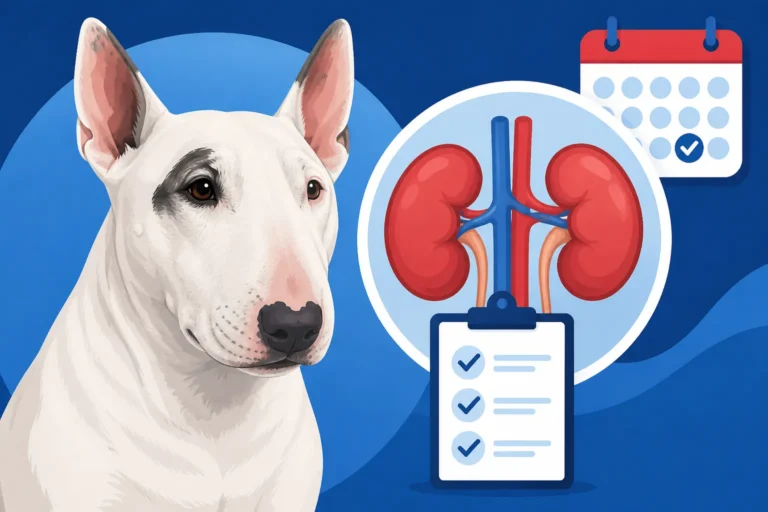
Senior Bull Terrier kidney disease screening schedules and tests help owners detect hereditary nephritis and failing health early.
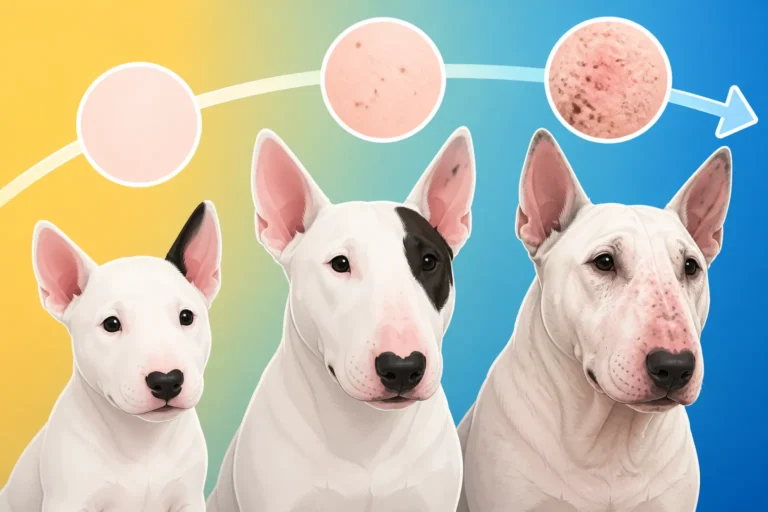
Bull Terrier skin transformations across life stages explain thinning hair, dryness, and allergies in senior dogs.
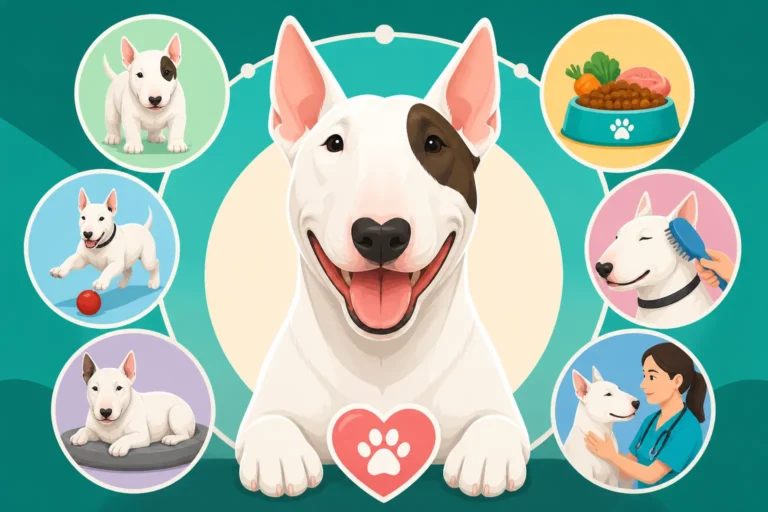
Bull Terrier lifelong care details puppy health checks, vaccinations, proper nutrition, and early socialization for every growth stage.
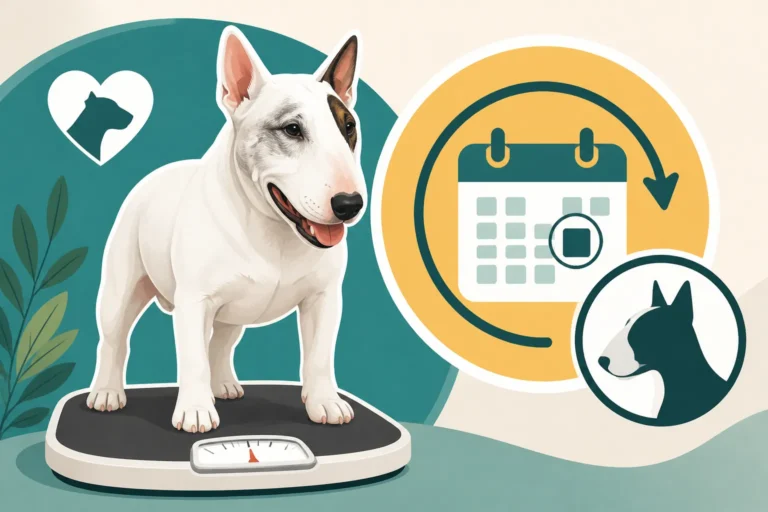
Senior Bull Terrier weight monitoring helps detect kidney disease, muscle loss, and metabolic disorders early.
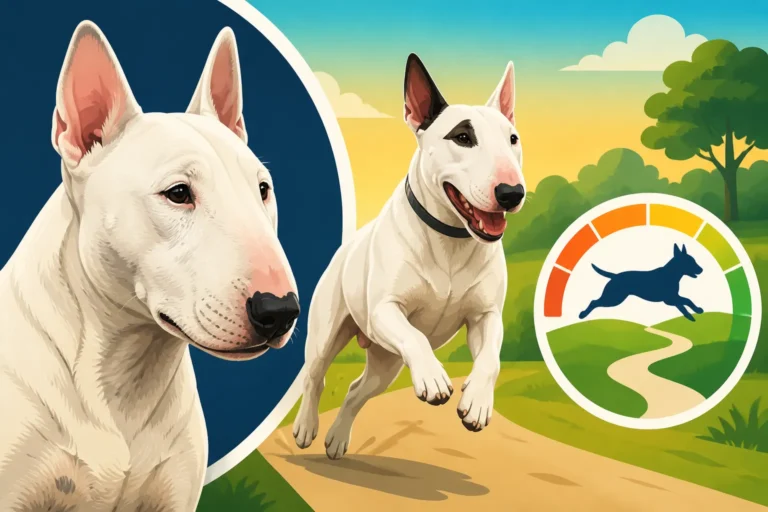
Senior Bull Terrier exercise needs, running limits, and joint health adjustments for dogs reaching eight years of age.

Aging Bull Terriers experience thinning coats, lower muscle mass, and slower metabolism that increase cold sensitivity.

Aging Bull Terriers showing hesitation and gait changes on stairs often need physical help and veterinary attention.

Senior Bull Terrier dietary changes, dental pain, and digestive health explain why aging dogs might need softer food.
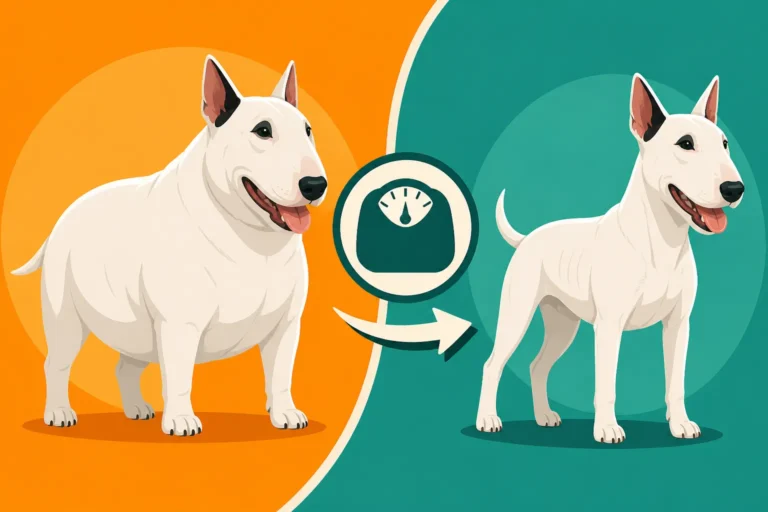
Senior Bull Terriers experience gradual weight loss from aging metabolism changes and natural muscle mass reduction over time.
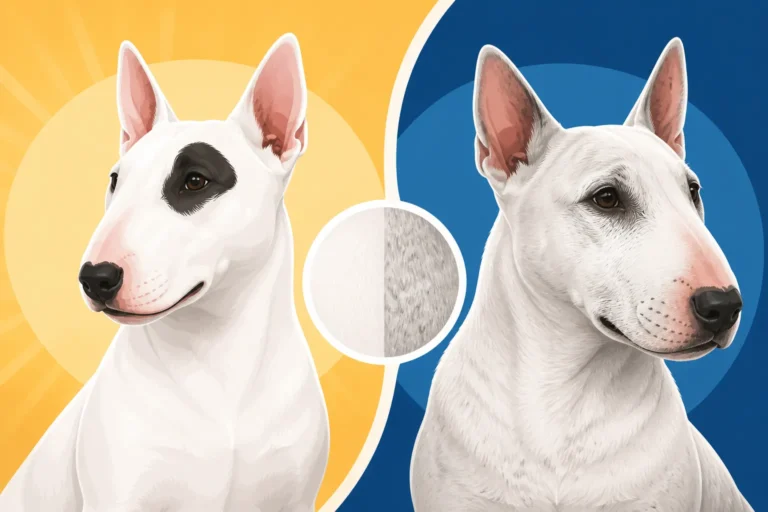
Aging Bull Terrier coat changes include softening texture, graying muzzles, fading pigmentation, dullness, and normal thinning.