The Miniature Bull Terrier Is a Different Breed
It’s a common scenario, isn’t it? You mention you’re a Bull Terrier enthusiast, and someone inevitably asks if you mean the "mini version." There's a pervasive myth out there that Miniature Bull Terriers are simply smaller editions of their Standard counterparts, perhaps just bred down in size. But as any true Bull Terrier lover knows, and as this guide will thoroughly explore, the Miniature Bull Terrier is, in fact, a distinct breed with its own unique history, characteristics, and considerations.
The Common Misconception: Not Just a Smaller Version
It's understandable why people get confused. Both the Standard Bull Terrier and the Miniature Bull Terrier share that unmistakable egg-shaped head, the muscular build, and that spark of mischievous intelligence in their triangular eyes. They both carry the "Bull Terrier" name, which often leads to the assumption that one is merely a size variation of the other, much like toy poodles are to standard poodles. However, delving into their history and breed standards reveals a much more nuanced picture.
Historical Roots and Divergent Paths
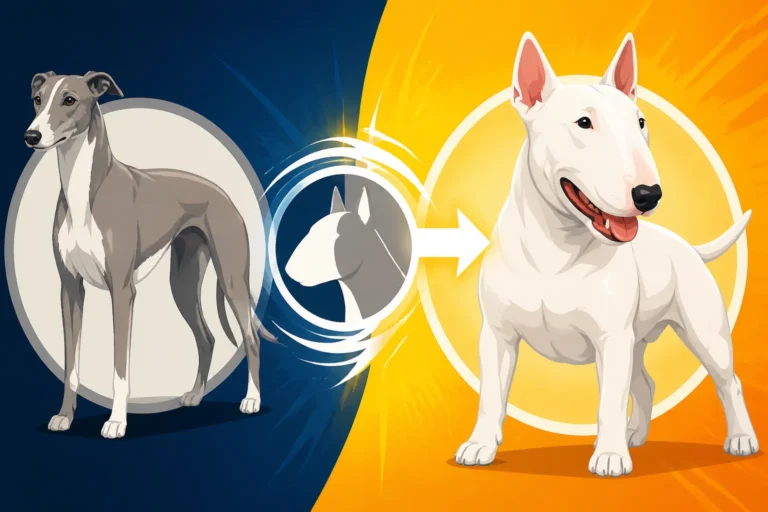
The story of the Bull Terrier begins in the 1860s, with James Hinks in Birmingham, England, aiming to create the "White Cavalier" – a refined, all-white dog that combined strength, agility, and a gentlemanly demeanor. He crossed the Old English Bulldog with the now-extinct English White Terrier and possibly other breeds, eventually producing the Standard Bull Terrier we know and love today. This was a dog designed for companionship, though its ancestors had a very different past. James Hinks Built the Bull Terrier in Birmingham in the 1860s explains this fascinating origin in more detail.
The Miniature Bull Terrier, however, didn't simply emerge as a smaller offshoot from Hinks' original lines. While the desire for a smaller, more manageable version of the Bull Terrier was present relatively early on, the breed developed along its own path. For a time, breeders tried to produce smaller Bull Terriers from Standard litters, but this often led to dogs that were disproportionate or unhealthy. It took dedicated efforts and separate breeding programs to consistently produce dogs with the correct Bull Terrier type at a smaller stature, leading to its eventual recognition as a distinct breed. When the Miniature Bull Terrier Was Recognized dives deeper into this historical milestone.
Why the Distinction Matters
Understanding that the Miniature Bull Terrier is a separate breed isn't just about winning a trivia contest; it has practical implications for potential owners. It impacts everything from temperament expectations and training approaches to specific health predispositions and breed club affiliations. When you're looking for a dog, you need to know exactly what you're getting, and that includes appreciating the subtle differences that come with a distinct breed identity.
For instance, while they share many core Bull Terrier traits, the Miniature can exhibit certain characteristics more intensely or subtly due to its own genetic pool and selective breeding. Their size might also influence their exercise needs, suitability for apartment living, and interactions with children or other pets. Misunderstanding this distinction can lead to mismatched expectations and, sadly, dogs ending up in rescue when their owners realize they've got more (or less) than they bargained for. Knowing How a Bull Terrier Differs From a Miniature Bull Terrier is truly key to making an informed decision.
Understanding the Physical Differences
At first glance, it might be hard to spot the differences beyond sheer size. Both breeds embody that strong, muscular Bull Terrier essence. But look closer, and the distinct characteristics of the Miniature Bull Terrier become apparent. It's not just a scaled-down photocopy; it's a carefully crafted version of the ideal, within a smaller framework.
Size and Proportions: More Than Just Height
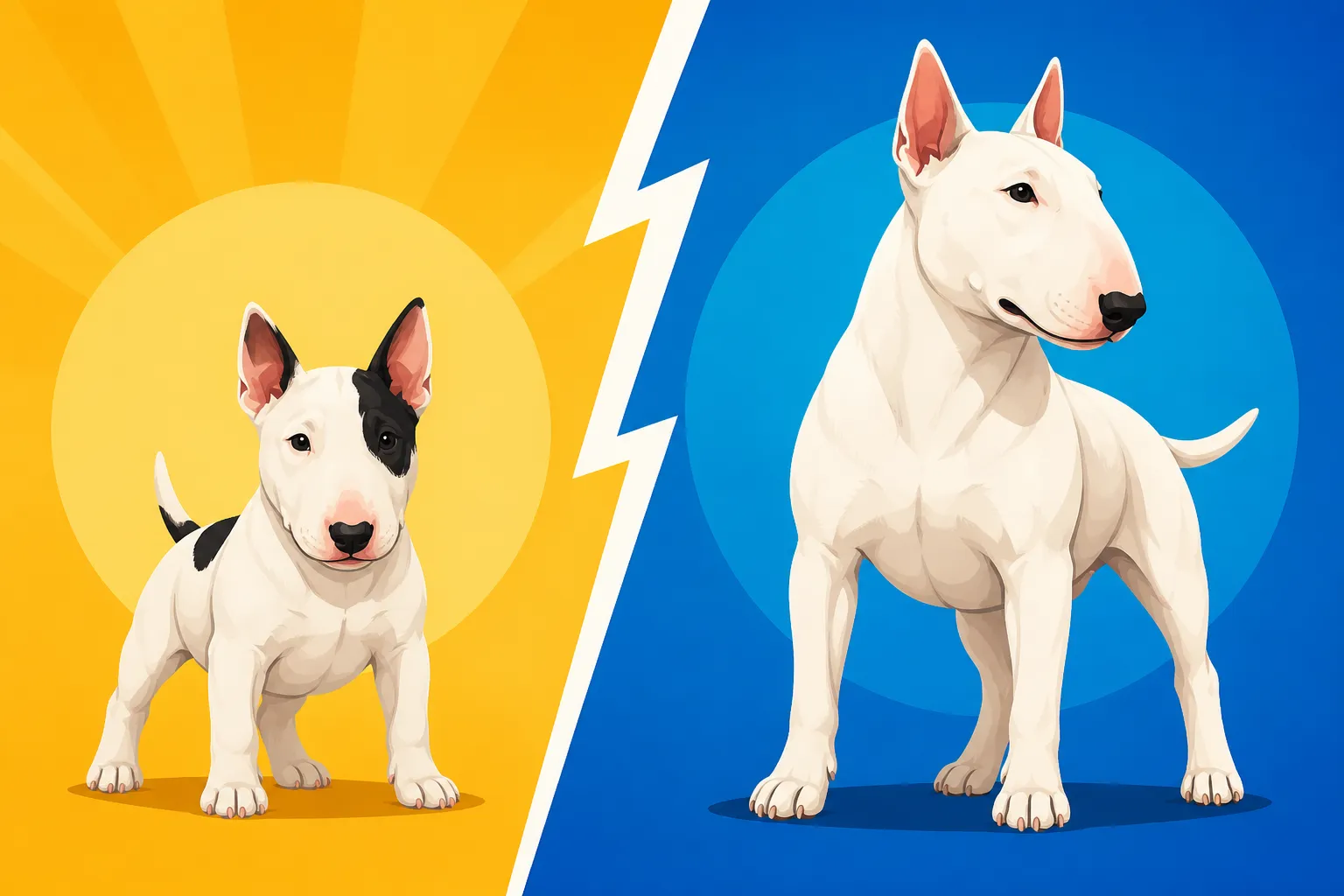
The most obvious difference is, of course, the size. A Standard Bull Terrier typically stands between 21 and 22 inches at the shoulder and can weigh anywhere from 45 to 80 pounds, sometimes more, often leaning on that higher end with their impressive muscle mass. They are substantial dogs, capable of knocking you over with an enthusiastic lean or zoomie. How Much a Bull Terrier Weighs can give you a clearer picture of their hefty presence.
The Miniature Bull Terrier, on the other hand, is specifically bred to be smaller. The breed standard usually specifies a maximum height of 10 to 14 inches at the shoulder and a weight ranging from 18 to 33 pounds. Crucially, it's not just about being shorter; they are expected to be proportionate to the Standard, embodying the same strong, compact, and muscular build, just in a smaller package. They shouldn't appear leggy or delicate, nor should they look like miniature versions of a different, stockier breed. It’s a delicate balance to achieve that perfect "mini-Bullie" silhouette. How Small a Miniature Bull Terrier Is gives a better idea of their compact stature.
Head Shape and Eye Placement in Miniatures
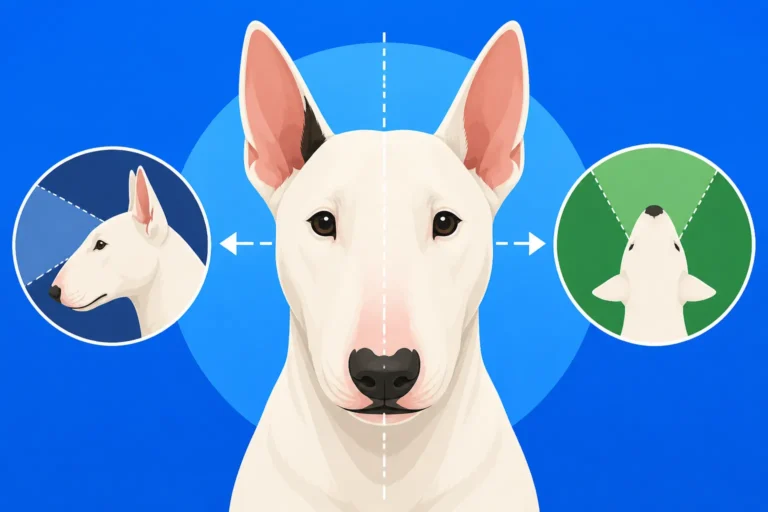
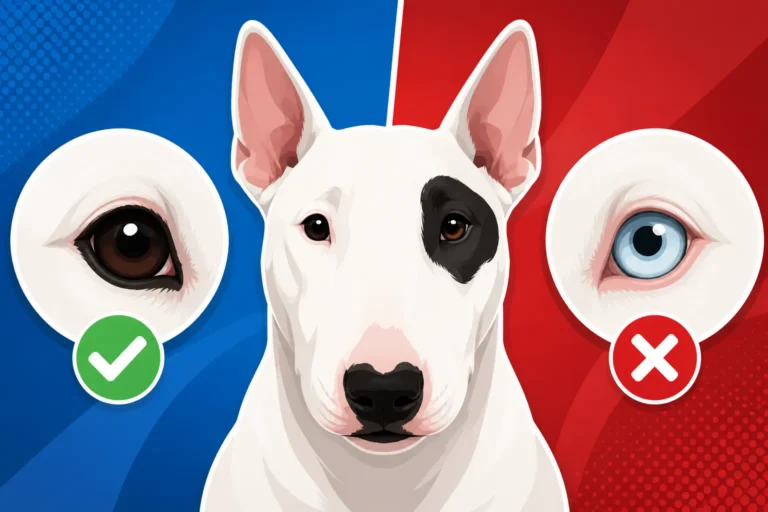
Both breeds share the iconic "egg-shaped" or "downfaced" head, a hallmark of the Bull Terrier. This unique head is what gives them their distinctive profile, curving gently from the top of the skull to the tip of the nose, without a pronounced stop. The eyes are also distinctively small, dark, and triangular, set obliquely and high on the head, giving them that keen, intelligent, and sometimes mischievous expression. The Bull Terrier Is the Only Breed With a Triangular Eye highlights this unique facial feature.
For the Miniature, achieving this signature head shape in a smaller skull requires careful breeding. Any deviation can impact their overall balance and "type." You want to see the same strong, well-filled muzzle and the deep-set eyes, just scaled down appropriately. A common fault in less well-bred Miniatures might be a more terrier-like head, or a less pronounced downface, which detracts from the desired Bull Terrier look. Reputable breeders work diligently to maintain this defining characteristic across both sizes.
Coat and Color Considerations
When it comes to coat and color, there are no fundamental differences between the Standard and Miniature Bull Terrier. Both breeds boast a short, flat, harsh-feeling coat that lies close to the skin. It’s an easy-care coat, requiring minimal grooming beyond a weekly brush to remove loose hair. You'll find them in a variety of colors, including pure white (which can have head markings), brindle, red, fawn, black, and tri-color. Any color is acceptable as long as it's not blue or liver.
Historically, the all-white Bull Terrier was championed, often referred to as the "White Cavalier." However, colored Bull Terriers gained recognition later and are now equally accepted. This applies to both sizes. So, whether you're looking at a Standard or a Miniature, you'll see the same range of striking colors. What matters most is the quality of the coat – shiny, healthy, and firm to the touch – rather than the specific hue.
Temperament and Personality: Subtle Yet Significant Variations
Anyone who has spent time with a Bull Terrier knows they have an incredibly unique personality – often described as a "three-year-old in a dog suit." They are clownish, devoted, and notoriously stubborn. While Miniatures share these core traits, their smaller size can sometimes lead to subtle differences in how these characteristics manifest in daily life. What a Bull Terrier's Temperament Is Really Like explores the core Bull Terrier personality.
Energy Levels and Playfulness
Both Bull Terrier varieties are known for their bursts of energy, often characterized by wild "zoomies" around the house or yard. They are playful, eager for interaction, and possess a boundless enthusiasm for life. However, due to their smaller stature, Miniature Bull Terriers might seem to have slightly more energy in some ways, simply because their smaller bodies can zip around with incredible speed and agility, making them seem tireless. Their play can be just as boisterous, but perhaps less likely to accidentally knock over an adult than a full-sized Standard.
They thrive on active play, whether it's chasing a ball, engaging in a flirt pole game, or roughhousing with their favorite people. Without adequate outlets for their energy, both breeds can become bored and destructive. A Miniature might be easier to tire out in a small yard or even indoors with structured play, but don't mistake their size for a low-energy couch potato. They still need significant daily exercise and mental stimulation to be happy, well-adjusted companions. You can find durable toys for their vigorous play on sites like Chewy.
Training Dynamics and Stubborn Streaks
The Bull Terrier, regardless of size, is famously intelligent but equally stubborn. They operate on the principle of "what's in it for me?" and have a knack for deciding when a command is optional. This independent streak is a core part of their charm but can be a challenge for new owners. Training requires consistency, patience, positive reinforcement, and a good sense of humor. A Bull Terrier Trains When It Sees the Point emphasizes this perfectly.
Miniature Bull Terriers carry this same stubbornness. While their smaller size might make them seem more manageable to physically control, their minds are just as independent. They are not dogs that respond well to harsh corrections or rote repetition. Instead, they thrive on engaging, short training sessions that make them think and offer high-value rewards. Some owners report that Miniatures, perhaps due to their slight increase in "terrier fire," can sometimes be even more opinionated or tenacious when they've set their mind on something. This doesn't mean they're untrainable, but it does mean you need to be smarter and more persistent than they are.
Socialization with Other Animals and People
Both Standard and Miniature Bull Terriers generally adore their people and can be incredibly affectionate, often seeking out physical closeness, whether it's leaning against your leg or trying to burrow under the covers. They are devoted family members. With children, both breeds can be wonderful companions, especially if raised with them and taught appropriate interaction. However, due to their strength and enthusiastic play, constant supervision is always recommended, especially with very young children, to prevent accidental bumps or tumbles.
When it comes to other dogs, the Bull Terrier breed historically had a reputation, and while modern breeding has greatly improved their sociability, some individual dogs, regardless of size, can still have strong dog-selective tendencies. Early and consistent socialization is paramount for both Miniatures and Standards. Introducing them to a wide variety of dogs and environments from a young age can help them develop appropriate social skills. A Bull Terrier With Other Dogs delves into this complex topic. While a Miniature might appear less intimidating to other dogs than a Standard, their inherent terrier tenacity means interactions should always be supervised, especially with same-sex pairs or small, vulnerable pets. Whether a Miniature Bull Terrier Acts the Same explores these nuances in behavior.
Health Considerations Unique to Each Breed
Responsible ownership means being aware of the health predispositions of your chosen breed. While Standard and Miniature Bull Terriers share some common health concerns, the Miniature also has a few unique challenges due to its distinct genetic history and the process of breeding for smaller size. This is a critical area where the "different breed" distinction truly shines.
Miniature Specific Health Concerns
One of the more prominent health concerns seen in Miniature Bull Terriers, but less commonly in Standards, is Primary Lens Luxation (PLL). This inherited eye condition causes the lens of the eye to dislocate, leading to pain, glaucoma, and potentially blindness if not treated. Thankfully, there is a DNA test available for PLL, allowing responsible breeders to screen their breeding stock and avoid passing the gene on. This is a prime example of why knowing you have a distinct breed matters – specific tests apply.
Another condition sometimes seen more frequently in Miniatures is patellar luxation, where the kneecap slips out of place. While it can occur in many small to medium breeds, careful screening of breeding dogs is crucial. Reputable breeders will perform patella examinations on their stock to minimize the risk. Which Problems the Miniature Bull Terrier Has Instead provides a deeper dive into these and other conditions specific to the smaller variety.
Shared Health Challenges
Both Standard and Miniature Bull Terriers are prone to certain health issues that owners need to be vigilant about. Kidney disease, particularly Hereditary Nephritis, is a significant concern for the breed as a whole. This is a serious condition that can lead to kidney failure at a young age. Regular urine protein-to-creatinine (UPC) ratio tests are crucial for early detection. The Yearly Urine Test Every Bull Terrier Owner Should Book explains the importance of this screening. Heart conditions, such as aortic stenosis and mitral valve dysplasia, also affect both sizes, necessitating cardiac auscultations and echocardiograms from a veterinary cardiologist, especially for breeding stock.
Skin issues are also common across both breeds. Bull Terriers, especially white ones, can be prone to allergies, sensitive skin, and sunburn. A Bull Terrier's Skin Is Its Weakest Point highlights this vulnerability. Demodectic mange, an immune-related skin mite condition, can also crop up, particularly in puppies or dogs with compromised immune systems. Deafness, especially in white Bull Terriers, is another well-known issue. Both sizes should undergo a BAER (Brainstem Auditory Evoked Response) test as puppies to determine their hearing status.
Importance of Responsible Breeding and Health Testing
Given these health predispositions, choosing a puppy from a responsible breeder is paramount, whether you're looking for a Standard or a Miniature. A reputable breeder will be transparent about the health history of their breeding lines and readily provide evidence of health testing for both parents. This includes DNA tests for PLL (for Miniatures), UPC ratio results, cardiac clearances, BAER test results, and patella evaluations.
Never hesitate to ask for copies of these certificates and to verify them with the relevant health registries. A breeder who dismisses health testing or claims their lines are "clear" without proof is a red flag. Expect to pay more for a puppy from health-tested parents, but consider it an investment in your dog's future health and your peace of mind. Many essential medications and specialty foods, if needed, can be ordered conveniently through online pet supply retailers like Chewy, making ongoing care a little easier.
Breed Standards and Recognition
The formal recognition of a breed by kennel clubs is what truly solidifies its identity and sets the parameters for what constitutes a "correct" example of that breed. This process underscores why the Miniature Bull Terrier is considered a breed in its own right, not merely a variant.
AKC and International Kennel Club Stances
Major kennel clubs around the world, such as the American Kennel Club (AKC) and The Kennel Club (UK), recognize the Standard Bull Terrier and the Miniature Bull Terrier as two separate and distinct breeds. This means they have their own individual breed standards, their own registration categories, and are judged in separate classes at dog shows. A Miniature Bull Terrier cannot compete in the Standard Bull Terrier ring, and vice-versa, because they are evaluated against different criteria, primarily in terms of size.
The breed standard for the Miniature Bull Terrier emphasizes that it should possess all the characteristics of the Standard Bull Terrier, but with a height limit. This isn't a loose guideline; it's a strict boundary. A dog that is too large for the Miniature standard, or too small for the Standard, would be faulted in the show ring, as it falls outside the acceptable type for either breed. This strict adherence to size, while maintaining all other aspects of Bull Terrier "type," is a testament to the dedicated breeding efforts that shaped the Miniature into what it is today.
The Journey to Separate Recognition
The path to separate recognition for the Miniature Bull Terrier was not immediate or without its challenges. Early attempts to breed smaller Bull Terriers often resulted in undesirable traits, and it took decades of careful selection to consistently produce dogs that were truly "Bull Terriers in miniature" rather than just small, poorly proportioned dogs. Breeders had to focus not only on reducing size but also on preserving the distinctive head, expression, and muscular build.
Eventually, the dedicated work paid off. The Miniature Bull Terrier gained its own official recognition, first in the UK and then by the AKC in 1991. This formal separation acknowledged the unique breeding challenges and the consistent type that had been established. It meant that breeders could focus on perfecting the Miniature without compromising the Standard, and vice versa. It also helped to clearly delineate the characteristics that define each, providing clear guidance for judging, breeding, and for prospective owners. Whether Miniature and Standard Bull Terriers Are Bred Together further clarifies why this separation is so important for breed integrity.
Living with a Miniature Bull Terrier
Bringing any dog into your home is a big commitment, and understanding the practicalities of living with a Miniature Bull Terrier is essential. While they share many characteristics with their larger cousins, their size can make a difference in day-to-day management and suitability for various households.
Exercise Requirements and Mental Stimulation
While smaller than a Standard, a Miniature Bull Terrier is still a lively, active dog that needs regular exercise. They aren't content to be couch potatoes all day. Expect to provide at least 45-60 minutes of vigorous exercise daily, which could include brisk walks, enthusiastic games of fetch, or structured playtime in a securely fenced yard. However, their smaller size means they might reach their physical limits sooner than a Standard, and care should be taken not to over-exercise a puppy or a senior.
Beyond physical activity, mental stimulation is absolutely crucial for a Bull Terrier of any size. Their intelligence and stubbornness mean they need a "job" or something to puzzle over. Puzzle toys, training sessions, scent work, or even just teaching new tricks can help satisfy their active minds. Boredom is the enemy of a Bull Terrier, and a bored Bull Terrier is often a destructive one. Providing a variety of engaging toys, perhaps sourced from Chewy, can help keep their minds occupied when you can't actively play with them.
Suitability for Different Lifestyles (Apartment vs. House)
One of the main advantages of the Miniature Bull Terrier's smaller size is its potential suitability for apartment living. While a Standard Bull Terrier can certainly adapt to an apartment if they receive sufficient exercise, a Miniature might find it more comfortable. Their compact size makes navigating smaller spaces easier, and they are generally less likely to inadvertently knock over furniture or small children than a rambunctious Standard.
However, "apartment-friendly" does not mean "lazy." They still need their outdoor adventures and regular opportunities to burn off energy. A secure outdoor space, even if it's just a small patio, can be a bonus, but daily walks and trips to a dog park or open field (if they are well-socialized) are non-negotiable. For families with larger homes and yards, a Miniature Bull Terrier will certainly enjoy the extra space, but remember that a yard is not a substitute for active engagement with their people.
Grooming and Daily Care
The good news for potential Miniature Bull Terrier owners is that their grooming needs are very low, just like the Standard. Their short, smooth coat requires minimal maintenance. A quick brush once or twice a week with a rubber curry brush or a shedding blade is usually sufficient to remove loose hair and keep their coat shiny. They are moderate shedder, so don't expect a completely hair-free home, but it's manageable.
Bathing is only needed when they are visibly dirty or if they develop a skin condition that requires medicated shampoo. Regular checks of their ears, eyes, and nails are important. Their nails grow quickly and are very strong, so consistent trimming is essential to prevent them from becoming overgrown and causing discomfort. Many Bull Terrier owners opt for a Dremel tool for nail care, as their nails can be tough to clip. Given their predisposition to skin sensitivities, always keep an eye out for any redness, itching, or abnormal patches during your weekly check.
The Cost of Ownership: Miniature vs. Standard
Thinking about adding a Bull Terrier to your family means thinking about your budget. The costs associated with ownership can be substantial, and while the Miniature is smaller, many of the expenses are surprisingly similar to those of a Standard Bull Terrier, with a few key differences.
Initial Purchase Price Considerations
When it comes to the initial purchase price, a well-bred Miniature Bull Terrier puppy from a reputable breeder often commands a price similar to, or sometimes even slightly higher than, a Standard Bull Terrier. This is largely because the dedication, health testing, and selective breeding required to produce a healthy, typey Miniature are just as rigorous, if not more so, given the specific challenge of maintaining breed type in a smaller size. Breeders of Miniatures also invest heavily in health screening for conditions like PLL, adding to their costs.
Be wary of puppies advertised at unusually low prices. These often come from backyard breeders or puppy mills who cut corners on health testing, proper nutrition, and early socialization, leading to potential behavioral issues or costly health problems down the line. Remember, What a Bull Terrier Costs to Buy in 2026 (though prices vary) is an investment in a healthy, well-adjusted companion, regardless of size.
Ongoing Veterinary and Supply Costs
For both Standard and Miniature Bull Terriers, ongoing veterinary care is a major part of the budget. This includes annual wellness exams, vaccinations, parasite prevention (flea, tick, heartworm), and routine dental care. While medication dosages for a Miniature might be smaller and thus slightly less expensive than for a Standard, the cost of veterinary appointments and diagnostic tests remains largely the same. Regular health screenings, such as the yearly UPC test for kidney health, are crucial for both.
Food costs for a Miniature will generally be less than for a Standard simply because they eat less. However, if your Miniature requires a specialized diet due to allergies or other health issues, the per-pound cost can still add up. Essential supplies like leashes, collars, beds, and toys are also necessary. While a Miniature might not destroy a bed quite as quickly as a full-sized Bull Terrier, they are still powerful chewers, so investing in durable items is wise. Sites like Chewy offer a wide range of robust toys and beds designed to withstand even the most determined Bull Terrier.
Insurance and Unexpected Expenses
Pet insurance is highly recommended for both Bull Terrier varieties, given their propensity for certain genetic health conditions and their often-enthusiastic, accident-prone nature. Premiums for a Miniature might be slightly lower than for a Standard, but it's crucial to compare policies carefully to ensure coverage for potential breed-specific issues like kidney disease or cardiac problems. Many policies have waiting periods, and pre-existing conditions are typically excluded, so it's best to enroll your puppy as early as possible.
Beyond insurance, it's always wise to have an emergency fund for unexpected veterinary expenses. A Bull Terrier's curiosity can sometimes lead to ingesting foreign objects or encountering injuries during adventurous play. Remember, they are incredibly stoic dogs and can hide pain remarkably well, so any subtle change in behavior warrants a vet visit. The peace of mind that comes from knowing you can afford quality care if your beloved Miniature faces an unexpected health crisis is invaluable.
Making the Right Choice: Which Bull Terrier is for You?
Deciding between a Standard and a Miniature Bull Terrier is a significant decision, and it’s not one to be taken lightly. Both are wonderful, quirky, and demanding companions. The "better" choice truly depends on your individual lifestyle, living situation, and experience with strong-willed breeds.
Assessing Your Lifestyle and Experience
First, be honest about your experience with dogs, especially those with a strong, independent terrier temperament. Bull Terriers are not ideal for first-time dog owners who aren't prepared for consistent training, management of their stubborn streak, and dedication to early socialization. While a Miniature is smaller, they still pack all the Bull Terrier personality into a compact body. Whether a Bull Terrier Suits a First Time Owner is a valuable read before making any commitments.
Consider your living space. Do you live in an apartment or a house with a yard? While a Miniature can certainly thrive in an apartment with sufficient exercise, a Standard might feel cramped without more space. Think about your activity level. Are you an active person who enjoys daily walks, hikes, or training activities? Both breeds need physical and mental engagement, but the sheer power of a Standard might require more robust handling during walks, whereas a Miniature might be easier to manage on a leash, especially for individuals with less upper body strength. How Much Exercise a Bull Terrier Actually Needs can help you determine if your lifestyle aligns with their needs.
Researching Breeders and Rescue Organizations
Once you've decided which size might be a better fit, the next crucial step is to find a responsible source for your new companion. For a puppy, this means seeking out reputable breeders who prioritize health, temperament, and adherence to the breed standard. Visit their kennels, ask for health clearances for both parents, and don't be afraid to ask a million questions. A good breeder will also ask you many questions to ensure their puppies are going to suitable homes. This is true for both Standard and Miniature varieties, as the commitment to ethical breeding is the same. Which Health Tests a Bull Terrier Breeder Should Run gives you an excellent checklist for what to look for.
Alternatively, consider adopting from a breed-specific rescue organization. Many wonderful Bull Terriers, both Standard and Miniature, end up in rescue through no fault of their own. Rescues often do thorough health checks, provide behavioral assessments, and can help match you with a dog whose personality and needs align with your family. Adopting an adult dog can sometimes mean skipping the most intense puppy phases, and rescue organizations often have a wealth of knowledge to share. Adopting a Bull Terrier From Rescue offers comprehensive guidance on this rewarding option.
Long-Term Commitment and Expectations
Owning a Bull Terrier, whether Standard or Miniature, is a long-term commitment, typically spanning 10 to 14 years. These are not short-lived breeds. The Ten to Fourteen Years a Bull Terrier Gets is a significant portion of your life. During this time, you will be responsible for their health, training, socialization, and overall well-being. They thrive on companionship and want to be a central part of family life. They are not dogs that do well left alone for long periods or relegated to the backyard.
Be prepared for the Bull Terrier's unique personality – their clownish antics, their stubbornness, their immense loyalty, and their occasional mischief. They will challenge you, make you laugh, and fill your life with unparalleled joy. Understanding that the Miniature Bull Terrier is a truly distinct breed with its own specific characteristics will ensure you embark on this journey with realistic expectations and the best possible foundation for a successful, loving relationship.
| Feature | Standard Bull Terrier | Miniature Bull Terrier |
|---|---|---|
| Height (at shoulder) | 21-22 inches (approx.) | 10-14 inches (max.) |
| Weight | 45-80+ pounds | 18-33 pounds |
| Breed Status | Recognized as a distinct breed (AKC, KC) | Recognized as a distinct breed (AKC, KC) |
| Primary Lens Luxation (PLL) | Less common | More common (DNA test available) |
| Patellar Luxation | Less common | More common |
| Overall Build | Muscular, powerful, substantial | Muscular, powerful, compact (miniature scale) |
| Temperament | Clownish, devoted, intelligent, stubborn | Clownish, devoted, intelligent, stubborn (often described as more tenacious) |
| Apartment Suitability | Can adapt with sufficient exercise | Generally more suited due to size |
| Exercise Needs | High, requires robust handling | High, but can be managed in smaller spaces |
Disclaimer
This article is for general informational purposes only and does not constitute professional advice. Laws, prices and regulations vary by location and change over time. Consult a qualified professional for guidance on your specific situation.