What a Bull Terrier Weighs and How Tall It Stands
One of the first things a prospective Bull Terrier owner often wonders, after falling in love with that unmistakable egg-shaped head and those mischievous eyes, is just how big these clowns in a dog suit actually get. It's a valid concern, especially for families with limited space or those who need to understand the sheer physical presence and strength of this unique breed. This guide is here to demystify the size of the Bull Terrier, diving deep into what the breed standard truly means, the typical ranges you can expect, and how to ensure your beloved companion grows up healthy and strong, without veering into unhealthy extremes.
Understanding the Bull Terrier Standard for Size
When we talk about a dog breed's size, the official breed standard is always our starting point. For the Bull Terrier, unlike some other breeds, the standard from organizations like the American Kennel Club (AKC) is quite unique. It doesn't actually provide specific height or weight limits in terms of exact numbers, which can be a bit confusing for new owners used to breeds with clear cut-offs. Instead, the Bull Terrier standard emphasizes overall balance, substance, and type.
The "Substance and Symmetry" Mandate
The Bull Terrier standard states that there should be "no limit on weight or height," but rather that the dog should have "maximum substance for its size compatible with quality, sex, and individuality." What does this actually mean for you as an owner? It means that a Bull Terrier should look powerful and well-built, with good bone and muscle, but it should also be proportionate. A Bull Terrier that's incredibly tall but spindly, or very short but obese, wouldn't be considered true to type, even if it falls within some imagined weight range. The emphasis is on a harmonious, athletic, and robust build.
For instance, a breeder might describe a male Bull Terrier as having excellent "bone," meaning he has strong, thick leg bones rather than delicate ones, contributing to that desired "substance." This is particularly important because the Bull Terrier is a powerful, active breed, and its structure needs to support its energetic nature. Without these qualities, a dog might struggle with activities or appear fragile, which is not characteristic of the breed's historical purpose or modern-day temperament. It's about looking at the whole picture, not just a number on a scale.
Ideal Proportions and Athletic Build
While there are no hard numbers, the standard implicitly calls for an athletic build. A Bull Terrier should appear agile and capable, not cumbersome. Think of a well-conditioned athlete: strong, muscled, but not bulky to the point of hindering movement. This means a moderate length of body, a deep chest, and well-angulated hindquarters that allow for powerful propulsion. Their movement should be free and easy, without any signs of stiffness or awkwardness, which a dog that is either too large, too small, or poorly proportioned might exhibit.
It's a common mistake for people to assume that "no limit" means "the bigger, the better," but this isn't the case. An oversized Bull Terrier, while impressive in stature, might struggle with joint issues later in life or lack the characteristic agility of the breed. Conversely, an undersized Bull Terrier might lack the power and robust appearance expected. The "sweet spot" is often a medium to large-sized dog that carries its weight with confidence and capability, embodying the strength and spirit the breed is known for. This is where understanding the breed's history and original intent, as a robust companion, helps immensely.
Average Height and Weight Ranges for Bull Terriers
Despite the official standard's lack of specific figures, there are certainly typical ranges that most healthy, well-bred Bull Terriers fall into. These averages can give prospective owners a more concrete idea of what to expect when bringing one of these magnificent dogs into their home.
Typical Height for a Standard Bull Terrier
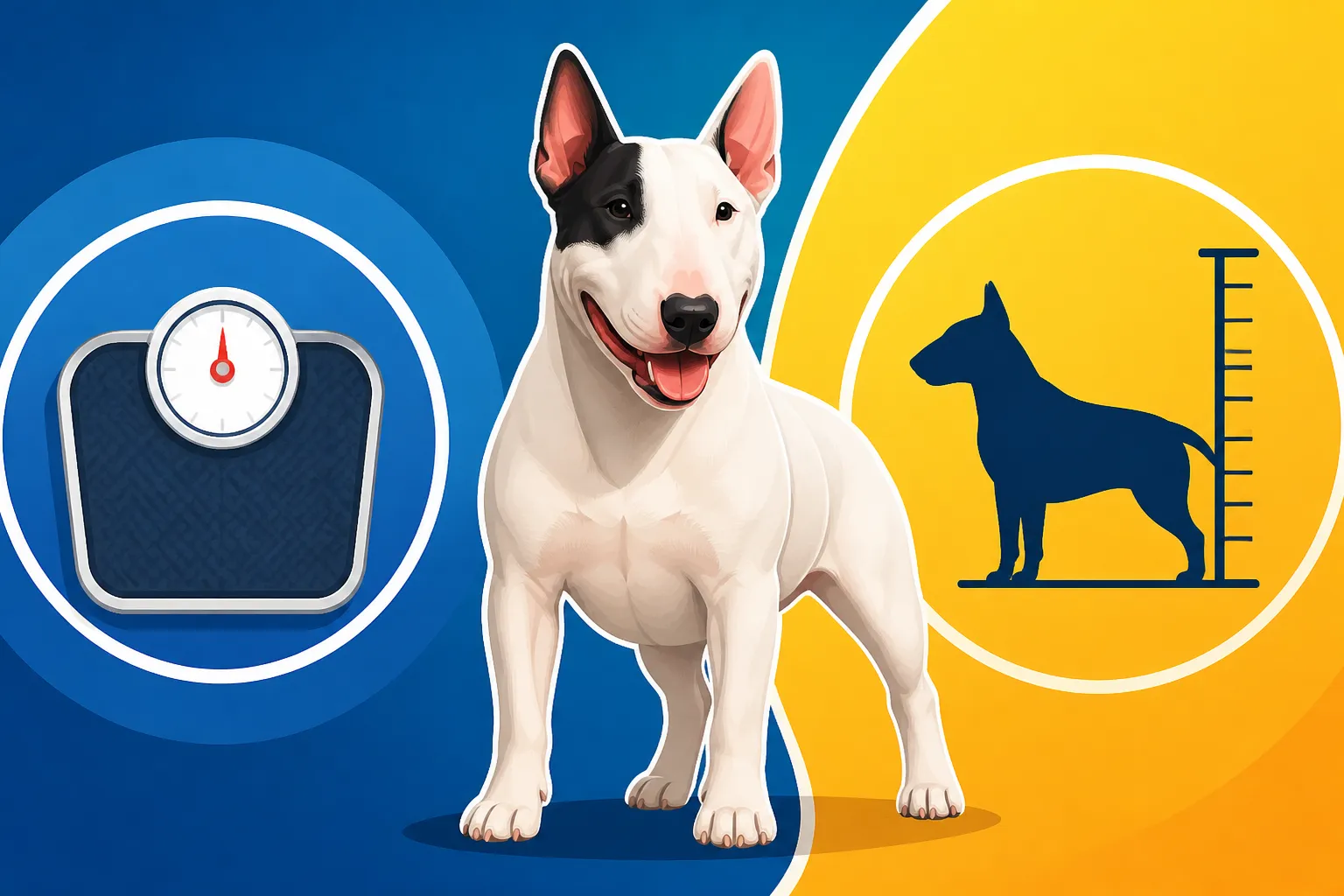
Most male Bull Terriers will stand somewhere between 21 to 22 inches at the shoulder, with females typically being a bit smaller, often ranging from 19 to 21 inches. These are just averages, of course, and you'll encounter individuals slightly outside these ranges. It's important to remember that genetics play a massive role here; a puppy from two larger parents is likely to be on the larger end of the spectrum, while offspring from smaller parents might be more compact.
When you're looking at a puppy, it's virtually impossible to tell its adult height with absolute certainty. Reputable breeders often have a good idea based on their lines and the parents' sizes, but nature can always throw a curveball. What matters more than an exact height is that the dog is well-proportioned for its frame. A Bull Terrier who is 23 inches tall might look absolutely stunning and perfectly balanced if they carry the right amount of substance and muscle to match their height, whereas a 20-inch dog that is all leg and no body might look awkward. The phrase "built like a brick outhouse" comes to mind when describing a well-put-together Bull Terrier, indicating a solid, compact, yet powerful frame. You can read more about this in How Tall a Bull Terrier Stands.
Typical Weight for a Standard Bull Terrier
Similarly, when it comes to weight, there's a range rather than a strict number. A healthy adult male Bull Terrier typically weighs between 55 to 65 pounds, while females usually weigh between 45 to 55 pounds. Again, these are averages, and a strong, well-muscled male might weigh a bit more, even up to 70 pounds, without being considered overweight, provided he maintains a lean, athletic condition. The key is condition, not just the number on the scale.
It’s about striking the right balance. Imagine an athlete: they might be heavy due to muscle, but they are undeniably fit. The same applies to your Bull Terrier. A dog that is 60 pounds but visibly carries too much fat is far less healthy than a 70-pound dog that is all muscle and bone. Feeling for ribs and observing their waistline is far more important than a rigid weight number. Many owners get caught up in the numbers, but a healthy weight for one Bull Terrier might be slightly different for another due to individual genetics and build. For a deeper dive into this, see How Much a Bull Terrier Weighs.
Size Variation within the Breed
It's also worth noting that there can be variations even within litters. You might have a "runt" who ends up being a perfectly normal-sized adult, or a "big boy" puppy who grows into a slightly larger-than-average, but still perfectly healthy and proportionate, adult. These variations are normal and part of the genetic tapestry of the breed. It's not uncommon to see a male who is noticeably stockier or taller than his female littermates even as an adult. This natural diversity is part of what makes each Bull Terrier so unique, so don't get too fixated on predicting exact adult size from a tiny puppy. Enjoy the journey of watching them grow and develop into their magnificent adult form.
| Sex | Typical Height (at shoulder) | Typical Weight (healthy adult) |
|---|---|---|
| Male | 21-22 inches | 55-65 pounds |
| Female | 19-21 inches | 45-55 pounds |
Note: These are average ranges. Individual Bull Terriers may be slightly outside these figures and still be perfectly healthy and proportionate.
Factors Influencing a Bull Terrier's Size
While genetics lay the foundation for a Bull Terrier's potential size, several other factors can significantly influence how big they actually get and how they carry that size. Understanding these elements can help owners ensure their Bull Terrier grows into a healthy, well-conditioned adult.
The Role of Genetics and Lineage
The genetic blueprint inherited from their parents is the primary determinant of a Bull Terrier's ultimate height and weight. If both parents are on the larger end of the breed spectrum, their puppies are likely to follow suit. Conversely, if the parents are smaller, their offspring will typically be more compact. This is why looking at the parents and even grandparents of a puppy can give you a good indication of what to expect. Reputable breeders will be transparent about the size of their breeding dogs and can often provide insight into the typical size of previous litters.
However, it's not always a straightforward equation. Recessive genes can sometimes lead to a puppy being significantly smaller or larger than both parents. Environment and nutrition during crucial growth phases also play a pivotal role in whether a dog reaches its full genetic potential. A dog with the genes for a large build might not fully express that size if it experiences malnutrition or significant health issues during its puppyhood. This interconnectedness means that while you can predict a range, there are always variables at play. This is why choosing a puppy from a breeder who prioritizes healthy, proportionate dogs over extreme sizes is crucial.
Nutrition and Diet During Growth
Proper nutrition is absolutely critical for a Bull Terrier puppy's development. Feeding a high-quality, balanced diet specifically formulated for large-breed puppies (or at least a good all-life-stages food that supports healthy growth) is essential. Overfeeding, especially with high-calorie or growth-promoting formulas not suited for their breed type, can lead to excessively rapid growth. This can put undue stress on a puppy's developing bones and joints, potentially leading to orthopedic issues like hip dysplasia or patellar luxation later in life. Why a Bull Terrier Puppy Should Grow Slowly highlights this concern.
Conversely, underfeeding or providing a diet lacking essential nutrients can stunt growth and prevent a Bull Terrier from reaching its full genetic potential. It's a delicate balance. Always follow the feeding guidelines provided by your veterinarian or the dog food manufacturer, adjusting for your puppy's individual activity level and metabolism. Brands like Chewy offer a wide selection of high-quality puppy foods that can support healthy, steady growth. Regular weight checks at vet visits can also help monitor growth and ensure your puppy is on the right track. Remember, healthy growth isn't about being the biggest, but about being strong and sound.
Exercise and Activity Levels
The amount and type of exercise a Bull Terrier receives, particularly during its developmental stages, can influence its physique. While appropriate exercise is crucial for muscle development and overall health, over-exercising a growing puppy can be detrimental. High-impact activities like excessive jumping, long runs on hard surfaces, or strenuous agility work before their growth plates have closed can lead to injury and potentially impact their adult size and joint health.
A growing Bull Terrier needs plenty of moderate exercise, like daily walks, supervised playtime in a securely fenced yard, and mental enrichment. This helps build strong muscles and keeps them at a healthy weight, supporting their skeletal structure as they grow. Once fully mature, Bull Terriers are robust and enjoy more vigorous activities, but moderation is key during puppyhood. A well-exercised, lean dog will typically appear more athletic and well-proportioned than a sedentary, overweight one, even if they share similar genetic potential for size. This proper development contributes to their overall wellness throughout their The Ten to Fourteen Years a Bull Terrier Gets.
Overall Health and Environment
Chronic health issues, parasites, or poor living conditions during puppyhood can significantly impact a Bull Terrier's growth. A puppy constantly battling intestinal worms, for example, won't be able to absorb nutrients properly, leading to stunted growth and a failure to thrive. Similarly, environmental stress or lack of appropriate care can contribute to poor development. Regular veterinary check-ups, prompt treatment for any illnesses, and a safe, stimulating environment are vital for ensuring your Bull Terrier grows as nature intended.
Moreover, certain medical conditions, even as an adult, can affect a Bull Terrier's weight. Conditions like hypothyroidism can lead to unexplained weight gain, while kidney disease, a common concern in the breed, can lead to weight loss in advanced stages. Staying vigilant about your Bull Terrier's overall health and consulting your vet at the first sign of any unusual changes is paramount. Proactive care ensures they can maintain an appropriate size and weight throughout their life, allowing them to live life to the fullest.
Growth Stages of a Bull Terrier Puppy
Watching a Bull Terrier puppy grow is a fascinating journey. They transform from small, clumsy bundles of joy into powerful, athletic adults in a relatively short period. Understanding these growth stages can help owners anticipate changes, ensure proper care, and celebrate each milestone.
From Newborn to Weaning (0-8 Weeks)
During the first few weeks of life, Bull Terrier puppies grow at an astonishing rate. They are completely dependent on their mother for nutrition and warmth. Newborns are tiny, weighing just a pound or so, but they rapidly gain weight, often doubling it in the first week. Their eyes and ears open around two weeks, and they start to explore their immediate surroundings. By three to four weeks, they're waddling, playing with littermates, and starting to try solid food. This is a crucial period for early socialization and developing motor skills.
By the time they are six to eight weeks old, Bull Terrier puppies are typically weaned and much more independent. They are still relatively small but chunky, with developing personalities. This is often the age when puppies begin to go to their new homes. At this stage, they are growing rapidly, and consistent, high-quality puppy food is vital. They still have a very distinct "puppy" look with rounder features, larger paws that they might not quite grow into yet, and a less defined adult musculature. Ensuring they have a healthy start sets the stage for their entire growth trajectory.
Rapid Growth and Adolescence (2-12 Months)
The period between two and twelve months is when your Bull Terrier puppy will experience its most significant growth spurts. This is when they shoot up in height and start to fill out, gaining substantial muscle mass. You'll literally see them grow from week to week. By six months, many Bull Terriers have reached a good portion of their adult height, though they will continue to gain substance and width for several more months.
During this adolescent phase, their energy levels will be sky-high, and their appetite will match. It's crucial to provide appropriate exercise – not too much, not too little – to support healthy bone and joint development. This is also when their signature strong jaw will begin to fully develop, and they will need durable chew toys to satisfy their instincts. You'll notice their head starting to take on more of that characteristic egg shape, and their musculature will become much more defined as they transition from a gangly teenager to a more refined young adult. It's an exciting time, but also one where careful management of diet and exercise is paramount. When a Bull Terrier Reaches Full Weight is generally around this period, though they'll continue to mature.
Maturation and Full Adulthood (1-3 Years)
While a Bull Terrier might reach its full height and a good portion of its weight by 12-18 months, they are still maturing well beyond that point. Mentally, they can be "three-year-olds in a dog suit," as the saying goes, until they are closer to two or even three years old. Physically, they will continue to fill out and gain muscle mass, especially males. Their chests will broaden, and their bone structure will become even more substantial.
This slower, later maturation means that while they might look like an adult at a year old, they are still developing. Their coordination will improve, and their energy might become slightly more focused, though a Bull Terrier's zest for life rarely diminishes! During this period, maintaining a healthy weight becomes even more important. As their growth plates close, the risk of growth-related injuries decreases, but the risk of obesity increases if their diet isn't adjusted to match their activity level. For practical advice on managing their intake, you might be interested in How Many Cups a Day an Adult Bull Terrier Eats.
Distinguishing Standard vs. Miniature Bull Terriers
It's easy to assume that a Miniature Bull Terrier is simply a smaller version of the standard Bull Terrier, but they are actually distinct breeds, recognized separately by kennel clubs. Understanding these differences, particularly in terms of size, is crucial for anyone considering either variety.
The Clear Size Distinction
The most obvious difference between the Standard and Miniature Bull Terrier is, of course, their size. While the Standard Bull Terrier has no specific height or weight limits in its standard, the Miniature Bull Terrier does. For the Mini Bull, the breed standard sets a clear height limit: they should not exceed 14 inches at the shoulder. This provides a definitive upper boundary for their size, making them considerably smaller than their standard counterparts.
There is also an unofficial "gentleman's agreement" or typical range for Miniature Bull Terrier weight, which usually falls between 18 to 33 pounds, depending on sex and bone structure. This makes them roughly half the size, or even less, than a typical Standard Bull Terrier. This size difference is not just a matter of scale; it influences everything from their exercise needs to how they interact with their environment and even their suitability for certain living situations. If you're looking for a more compact version of the Bull Terrier, the Miniature is specifically bred for that purpose. For a deeper dive, check out How Small a Miniature Bull Terrier Is.
Different Breeding Histories and Purposes
While they share a common ancestry, the Miniature Bull Terrier developed as a distinct variety with a slightly different breeding history. Early breeders aimed to create a smaller version of the Bull Terrier, perhaps for ratting or simply as a more manageable companion. This involved careful selective breeding over generations to consistently produce dogs within the desired size range. They are not simply "runts" from a Standard litter but the result of intentional breeding towards a smaller stature.
This separate breeding journey means that while they share many characteristics – the egg-shaped head, triangular eyes, and clownish personality – they are judged by their own specific standard. You cannot breed a Standard Bull Terrier to a Miniature Bull Terrier and call the offspring a Miniature, or vice-versa, for show purposes. They are two distinct entities within the broader Bull Terrier family, each with its own dedicated fan base and breeding programs.
Impact on Ownership Experience
The size difference naturally impacts the ownership experience. A Miniature Bull Terrier, being smaller, may be better suited for apartment living, as they take up less space. Their exercise needs, while still significant for a terrier, might be slightly less demanding than a 60-pound powerhouse. They might also be easier to manage on a leash for individuals who struggle with the immense strength of a Standard Bull Terrier.
However, don't let their smaller size fool you; Miniature Bull Terriers still possess all the spirit, intelligence, and often the stubbornness of their larger cousins. They are still strong-willed, require consistent training, and are prone to many of the same behavioral quirks and health predispositions as the Standard. The decision between a Standard and a Miniature often comes down to personal preference regarding size and the physical manageability of the dog. Both are wonderful companions, but their size dictates some practical considerations.
Potential Health Implications of Size Extremes
While the Bull Terrier breed standard eschews specific height and weight limits in favor of overall balance, there are certainly healthy and unhealthy extremes when it comes to size. Dogs that fall significantly outside the typical ranges, whether too large or too small, can face unique health challenges that owners need to be aware of.
Risks Associated with Oversized Bull Terriers
An oversized Bull Terrier, often referred to as "oversized" or "mega-sized," can be prone to several health issues, primarily due to the extra strain on their skeletal system and internal organs. Rapid growth in oversized puppies can exacerbate orthopedic problems like hip or elbow dysplasia, as their bones and joints may not develop properly under the increased weight. Even if they don't develop these specific conditions, carrying too much weight, whether from fat or simply an excessively large frame, can lead to premature arthritis and joint pain as they age.
Moreover, larger dogs generally have a shorter lifespan. The physiological demands of maintaining a larger body can put more stress on the heart and other organ systems. While impressive to some, intentionally breeding for extreme size is generally discouraged by responsible breeders who prioritize health and longevity over sheer bulk. An oversized Bull Terrier might also struggle with heat intolerance more than a moderately sized one, and anesthesia can be more complex due to their larger body mass. Their physical power also means they can be harder to manage on a leash, potentially leading to injuries for both dog and owner. Whether an Oversized Bull Terrier Can Be Shown often depends on how well they adhere to the "substance and symmetry" ideal, even at a larger scale.
Challenges Faced by Undersized Bull Terriers
On the other end of the spectrum, an undersized Bull Terrier can also face health challenges. If a dog is significantly smaller than the typical range and appears frail or lacking in substance, it could be a sign of underlying health issues, nutritional deficiencies during growth, or a weaker genetic background. Puppies that are severely undersized might have had trouble thriving in the litter, possibly due to parasites or congenital issues.
As adults, very small Bull Terriers might be more prone to certain injuries, particularly if they are not well-built. Their smaller stature doesn't necessarily mean they have less energy or desire to play vigorously, so a fragile frame could be a liability. While an occasional smaller-than-average Bull Terrier can be perfectly healthy, consistently breeding for diminutive size outside of the Miniature Bull Terrier standard can also lead to unintended health consequences, such as delicate bone structure or compromised organ development. It's about finding that robust, powerful medium that makes a Bull Terrier truly distinctive and capable.
The Importance of a Healthy, Balanced Build
Ultimately, the goal for any Bull Terrier, regardless of whether it's on the upper or lower end of the average size range, is a healthy, balanced, and athletic build. A Bull Terrier should be well-muscled, with good bone, and appear robust and capable. You should be able to easily feel their ribs when you run your hands over their sides, but not see them protruding dramatically. They should have a discernible waist when viewed from above, and their belly should tuck up slightly when viewed from the side.
Any significant deviation from this ideal, whether towards obesity or emaciation, suggests a health concern that needs to be addressed with a veterinarian. Responsible ownership means prioritizing your Bull Terrier's health and comfort over any aesthetic preference for extreme size. A healthy Bull Terrier is a happy Bull Terrier, capable of enjoying all the boisterous activities and affectionate cuddles the breed is known for.
Managing Your Bull Terrier's Weight for Optimal Health
Ensuring your Bull Terrier maintains a healthy weight throughout its life is one of the most important aspects of responsible ownership. Given their muscular build, it can sometimes be tricky to tell if a Bull Terrier is at its ideal weight, but getting it right is crucial for their long-term health and well-being.
Recognizing a Healthy Weight vs. Overweight
Because Bull Terriers are naturally sturdy and muscular, sometimes owners (and even vets unfamiliar with the breed) can mistake muscle for excess fat. The best way to assess your Bull Terrier's weight isn't just by looking at a number on the scale, but by performing a hands-on body condition score. You should be able to easily feel your Bull Terrier's ribs when you run your hands along their sides without pressing hard. They shouldn't be visibly protruding, but they should be palpable.
Additionally, observe your Bull Terrier from above and from the side. From above, they should have an hourglass figure, with a distinct waist tapering in behind the ribs. From the side, their abdomen should tuck up slightly, rather than hanging low or being straight across. If you can't easily feel their ribs, or if they lack a discernible waist, they are likely carrying too much weight. This is a crucial skill to develop, and your vet can show you exactly what to look for during a check-up. For more detailed guidance, see How to Feel a Bull Terrier's Ribs and Signs a Bull Terrier Is Overweight.
Dietary Management and Portion Control
Diet is the cornerstone of weight management. Feed a high-quality, balanced dog food appropriate for your Bull Terrier's age, activity level, and any specific health needs. Portion control is absolutely essential. Many owners simply fill the bowl, but this can quickly lead to overfeeding. Use a measuring cup to ensure you're giving the correct amount, based on the food manufacturer's guidelines and your vet's recommendations. Remember that these guidelines are often for intact, highly active dogs, so if your Bull Terrier is spayed/neutered or less active, they may need slightly less.
Avoid free-feeding, where food is left out all day. This makes it difficult to monitor intake and can lead to overeating. Instead, feed two measured meals a day. Treats should be given sparingly and factored into their daily calorie intake. Opt for low-calorie, healthy treats, or even use a portion of their daily kibble as rewards during training. Brands like Chewy offer a variety of specific weight management foods and lower-calorie treats that can be very helpful if your Bull Terrier needs to shed a few pounds. If your Bull Terrier is on a special diet, such as a renal diet due to kidney issues, strict adherence to veterinarian-prescribed portions is even more critical.
The Role of Exercise in Weight Maintenance
Regular, consistent exercise is vital for keeping your Bull Terrier lean and muscular. Bull Terriers are energetic dogs, and they need daily outlets for their energy. This isn't just about burning calories; it's also about maintaining muscle mass, promoting joint health, and providing mental stimulation. Daily walks, playtime in a securely fenced yard, fetch, and engaging with puzzle toys can all contribute to a healthy, active lifestyle.
However, the type of exercise matters too. While a Bull Terrier loves to run and play, make sure the exercise is appropriate for their age and physical condition. For older dogs or those with joint issues, swimming or shorter, more frequent walks might be better than long, strenuous hikes. The goal is consistent activity that keeps them moving without over-exerting them. An active Bull Terrier is less likely to become overweight and will generally have a better quality of life. If your Bull Terrier needs to lose weight, gradually increasing their exercise alongside dietary changes is the most effective approach. Getting Weight Off a Bull Terrier provides more insights into this process.
Regular Veterinary Check-ups
Regular veterinary check-ups are paramount for monitoring your Bull Terrier's weight and overall health. Your vet can accurately assess their body condition, weigh them, and make personalized recommendations for diet and exercise. They can also rule out any underlying medical conditions that might be contributing to weight gain or loss. During these visits, don't hesitate to discuss any concerns you have about your Bull Terrier's eating habits or activity levels.
As Bull Terriers age, their metabolism can slow down, and they may become less active. This often necessitates adjustments to their diet to prevent weight gain. Early detection of weight issues, whether being overweight or underweight, allows for timely intervention, helping to prevent more serious health problems down the line. A proactive approach to weight management, combining proper nutrition, adequate exercise, and regular vet care, is the best way to ensure your Bull Terrier lives a long, healthy, and happy life at its optimal size.
Disclaimer
This article is for general informational purposes only and does not constitute professional advice. Laws, prices and regulations vary by location and change over time. Consult a qualified professional for guidance on your specific situation.