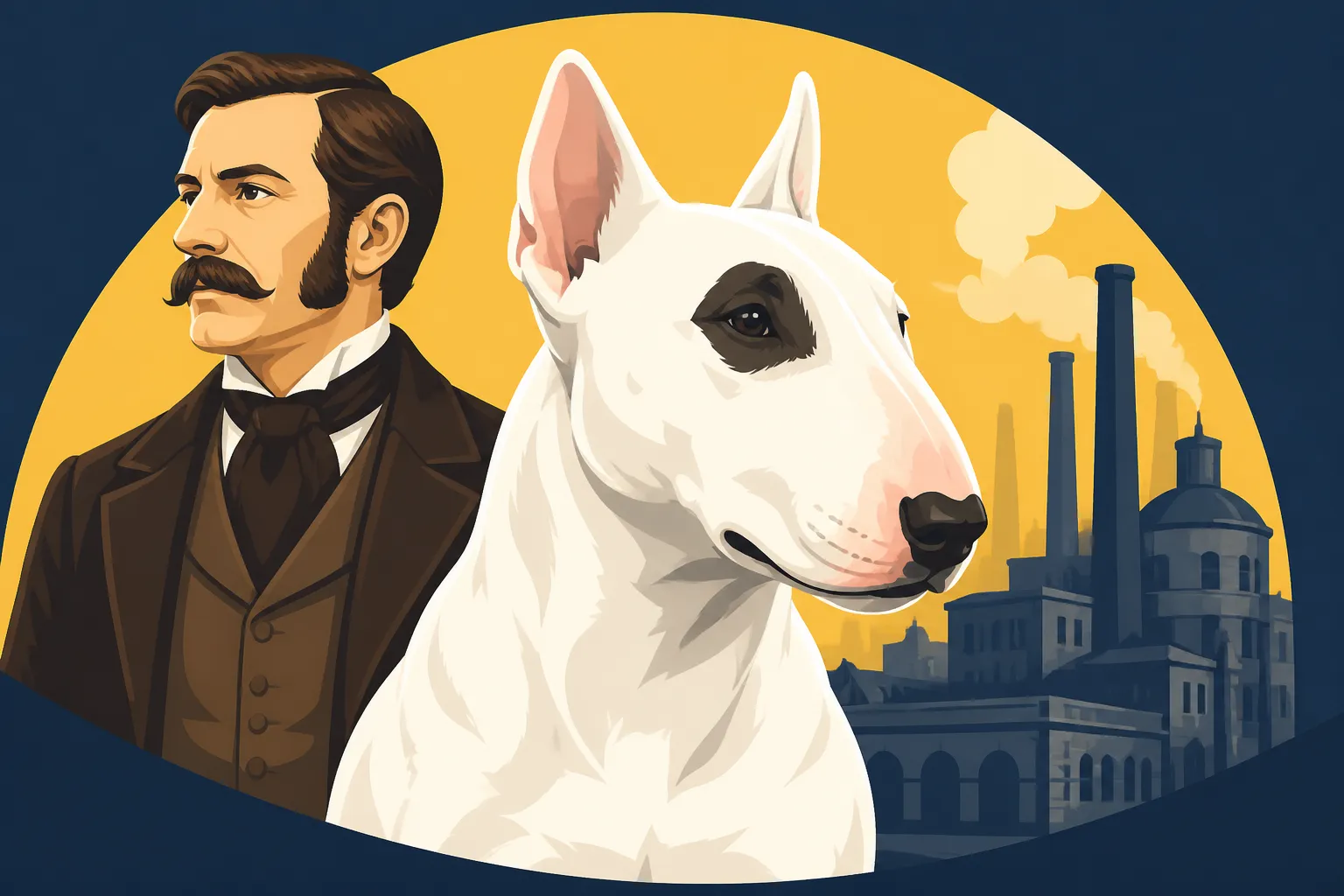
James Hinks Built the Bull Terrier in Birmingham in the 1860s
That distinctive egg-shaped head and those captivating triangular eyes often spark curiosity – what’s the story behind this truly unique dog? For many Bull Terrier enthusiasts and those just discovering the breed, understanding its origins can feel a bit shrouded in time. This comprehensive guide aims to peel back the layers of history, tracing the Bull Terrier's fascinating journey from the gritty streets of 19th-century Birmingham to the beloved companion it is today, all through the vision of its creator, James Hinks.
The Brutal Crucible: Pre-Hinks Bull and Terrier Dogs
Before the elegant "White Cavalier" graced the show rings, the landscape of dog breeding in England, particularly in urban centers like Birmingham, was far rougher. The term "Bull and Terrier" didn't refer to a distinct breed as we know it, but rather a type of dog, a working crossbreed forged from the unlikely union of the powerful Old English Bulldog and various nimble terriers. These dogs were bred for specific, often brutal, purposes, primarily blood sports that were, unfortunately, a common form of entertainment in that era. Understanding these foundational types is crucial to appreciating the genius of James Hinks.
The Old English Bulldog: A Fighting Legacy
When we talk about the "Old English Bulldog," it's important to set aside the image of today's short, stout, gentle Bulldog. The progenitor of the Bull Terrier was a vastly different animal: taller, more athletic, and incredibly powerful, bred specifically for bull-baiting. This was a barbaric sport where dogs were pitted against a tethered bull, designed to grab and hold the bull by the nose. These Bulldogs possessed immense courage, tenacity, and a powerful bite, essential traits for surviving such encounters. Their physical attributes—broad chest, strong jaws, and an unyielding grip—were paramount. They were the original "game dogs," selected solely for their fighting prowess and their ability to withstand pain and inflict damage.
Beyond bull-baiting, these dogs also found themselves in dog-on-dog combat, a grim reality that shaped their temperament and physique. They were fiercely loyal to their handlers but often aggressive towards other canines, a trait that breeders constantly sought to enhance for the "pit." While their modern descendants are known for their gentle nature, it's vital to remember the fierce, driven dogs from which they sprang. These dogs weren't pets in the modern sense; they were tools, living weapons engineered for a brutal form of entertainment, and their genetics formed the rugged foundation upon which Hinks would later build.
Terriers: The Feisty Earth Dogs
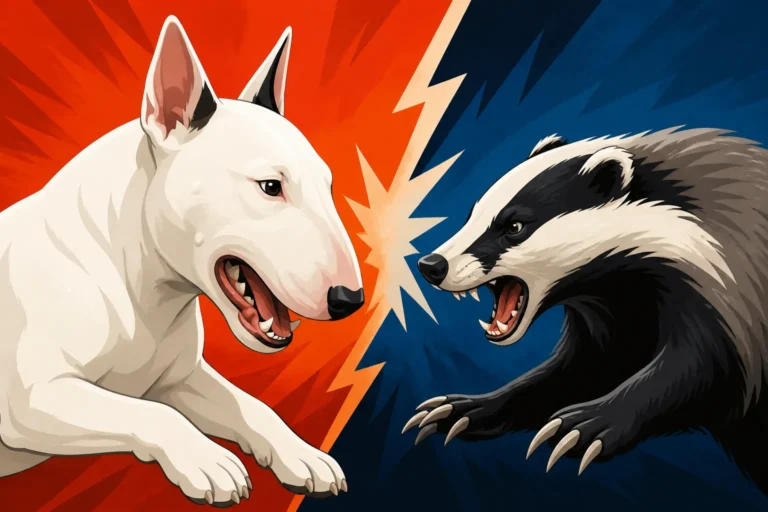
On the other side of the genetic equation were the various terriers of the era. These weren't the refined show terriers we see today; they were working dogs, bred for "going to ground" after vermin like rats, foxes, and badgers. Terriers were known for their quickness, agility, boundless energy, and an almost reckless bravery that belied their smaller stature. They had keen senses, a high prey drive, and an intense desire to engage with whatever they were sent after. Breeds like the now-extinct English White Terrier, the Black and Tan Terrier (a precursor to the Manchester Terrier), and perhaps even some early forms of the now-extant Staffordshire Bull Terrier, contributed to this mix.
These terriers brought a crucial set of characteristics to the developing "Bull and Terrier" type: speed, intelligence, and an unparalleled gameness. They were lean, muscular, and quick-thinking, able to navigate tight spaces and react instantly. While the Bulldog provided brute strength and staying power, the terrier contributed agility and that sharp, quick, decisive nature. The combination was intended to produce a dog that had the Bulldog’s power and grip, but with the terrier’s speed and feistiness—a more versatile, and arguably more deadly, fighting machine.
The Hybrid: A New Breed for a Brutal Sport
The deliberate crossing of these two distinct types—the heavy, tenacious Bulldog and the agile, feisty Terrier—led to the "Bull and Terrier" dog. These dogs were not standardized in appearance; their looks varied widely, reflecting the diverse genetic pool from which they sprang. However, they consistently shared a common purpose: to excel in blood sports, primarily dog fighting, which had begun to supersede bull-baiting in popularity as it was easier to conceal from authorities. You can learn more about this era in our post What the Bull and Terrier Was.
The breeders of these "Bull and Terrier" dogs were looking for a specific blend: a powerful bite, incredible stamina, and an unwavering drive to win, regardless of injury. They wanted a dog that was fearless and determined. These dogs were raw, unrefined, and often ferocious, a far cry from the sophisticated "White Cavalier" that would later emerge. This was the existing canine landscape into which James Hinks stepped, observing these powerful, if unlovely, dogs and envisioning something new, something that would retain the strength but add a layer of elegance and refinement.
James Hinks: The Visionary of Birmingham
Every great breed has a foundational figure, and for the Bull Terrier, that figure is undoubtedly James Hinks. Hinks wasn't just a dog breeder; he was a businessman with an eye for potential, operating out of the bustling, industrial city of Birmingham in the mid-19th century. His ambition went beyond merely creating another fighting dog; he aimed to create a gentleman's companion that possessed strength and courage but also had a striking appearance and a more agreeable temperament.
Who Was James Hinks?
Born in 1829, James Hinks was a well-known figure in the dog world of Birmingham, England. He was a dog dealer, likely starting with the working terriers and bull-and-terrier crosses that were common in the area. His profession as a "bird and animal dealer" meant he had a keen understanding of animal breeding and an extensive network within the canine community. Hinks was pragmatic and had a clear vision. He saw the existing Bull and Terrier dogs, admired their gameness and power, but also recognized their lack of aesthetic appeal and often volatile nature. He aimed to refine this raw material, creating a dog that could still hold its own, but also be presentable, even fashionable. To dive deeper into the man behind the breed, check out Who James Hinks Was.
Hinks's genius lay not just in his breeding choices, but in his understanding of the market. The brutal blood sports were slowly, though not entirely, falling out of favor, and a new demand was emerging for companion animals that conveyed status and strength without necessarily being pit fighters. He sought to create a dog that embodied both strength and elegance, a true "white cavalier" among canines. His establishment in Birmingham became the epicenter of this ambitious breeding program, marking the beginning of the Bull Terrier as a distinct breed.
The Ideal Dog: Strength, Beauty, and the White Coat
Hinks's ideal Bull Terrier was a stark departure from the motley "Bull and Terrier" dogs. He envisioned a dog of pure white, clean lines, and a muscular, athletic build, retaining the courageous spirit of its ancestors but with a more refined aesthetic. The emphasis on an all-white coat was particularly striking and became a hallmark of his early breeding program. At the time, an all-white coat was considered a mark of purity and distinction, and it quickly set Hinks's dogs apart from their variegated predecessors. This wasn't merely a stylistic choice; it was a statement. He wanted a dog that looked clean, almost aristocratic, a stark contrast to the often battle-scarred appearance of traditional fighting dogs.
Beyond the color, Hinks also sought to balance power with agility. He wanted a dog that was robust and strong, capable of formidable feats, but also graceful and active. This dual emphasis on form and function would define the emerging Bull Terrier. He was essentially trying to package the strength and loyalty of the Bulldog with the quickness and intelligence of the terrier, all wrapped up in a visually appealing, uniform package. His goal was to create a canine athlete that also happened to be a beautiful and striking companion, appealing to a broader audience than just those involved in blood sports. Curious about this specific choice? Read Why Hinks Wanted an All White Dog.
Hinks's Breeding Philosophy and Early Methods
Hinks's method for creating his new Bull Terrier involved a carefully considered cross-breeding program. He didn't just throw dogs together; he selectively bred the existing Bull and Terrier types with the elegant, now-extinct English White Terrier and, crucially, the Dalmatian. The English White Terrier, a refined and agile dog, contributed to the sleek white coat and a more pointed muzzle than the Bulldog. The Dalmatian, known for its athleticism, stamina, and striking white coat with spots (though Hinks was breeding for unspotted white), helped to improve the Bull Terrier's conformation, add length of leg, and contribute to the distinctive head shape that would eventually evolve. You can discover more about Which Breeds Went Into the Bull Terrier.
His philosophy was clear: combine the best traits of different breeds to create a superior one. He was aiming for a dog that was tenacious and brave but also had a dignified appearance and an even temperament. This meticulous, albeit sometimes trial-and-error, approach led to the development of dogs like "Puss," a famous early Bull Terrier who epitomized Hinks's vision. Hinks understood that consistency in breeding was key to establishing a recognizable and desirable type, and he worked tirelessly to produce litters that consistently met his evolving standard.
The Birth of the White Cavalier: 1860s and Beyond
The 1860s truly marked the formal emergence of the Bull Terrier as a distinct breed. It was a time of innovation and refinement, driven by James Hinks's relentless pursuit of his ideal dog. His efforts culminated in public appearances that cemented the breed's reputation and its unique moniker, the "White Cavalier."
The First White Bull Terriers
James Hinks began showcasing his pure white Bull Terriers in the early 1860s. These dogs were instantly recognizable, standing out dramatically from the more common, piebald, or brindle Bull and Terrier types. They were powerfully built, with clean white coats, and possessed an undeniable elegance. Hinks's commitment to the all-white coat was revolutionary, and it rapidly became a defining characteristic of his strain. These early Bull Terriers possessed a distinct silhouette: a strong, muscular body, a shorter, more pointed face than today's iconic 'downface,' and ears that typically stood erect.
The demand for these striking white dogs grew quickly among gentlemen who sought a dog that was both a status symbol and a courageous companion. They were seen as refined, yet still formidable. These initial pure white specimens were the direct result of Hinks's cross-breeding efforts, combining the stamina and gameness of the old fighting stock with the elegance and appearance of other white-coated breeds. They represented a bridge between the brutal past and a more genteel future for dog breeds.
The 1862 Cremorne Show: A Defining Moment
Perhaps the most famous story solidifying the Bull Terrier's reputation came from the 1862 Cremorne Dog Show in Chelsea, London. James Hinks entered his pure white bitch, Puss, into the show, where she impressed judges with her striking appearance and refined build. But the legend of Puss didn't end in the show ring. Hinks, ever the showman and confident in his dog's gameness, accepted a challenge from another dog owner: to pit Puss against a much larger, traditionally bred Bull and Terrier bitch. This was a direct test of the new breed's mettle against the old. To learn the full story of this pivotal event, read What Happened at the 1862 Cremorne Show.
The outcome was legendary: Puss emerged victorious, allegedly without a single scratch, proving that Hinks's "cavalier" was not just a pretty face but retained the formidable courage and fighting spirit of its ancestors. This event, whether entirely true or embellished by legend, had an immense impact. It validated Hinks's breeding program, demonstrating that his refined white dogs were not merely for show but were true working animals, capable of exceptional feats of bravery and endurance. It was a marketing coup that instantly elevated the Bull Terrier's status.
The "White Cavalier" Reputation: Fact or Fiction?
Following the Cremorne triumph, Hinks's Bull Terriers quickly earned the moniker "The White Cavalier." This name wasn't just descriptive of their immaculate coat; it encapsulated their perceived character: brave, chivalrous, and fearless, yet always maintaining an air of dignity. The idea was that these dogs were noble warriors who would never start a fight but would finish one if provoked, defending their owners with unwavering loyalty. This was a clever repositioning, moving the Bull Terrier away from the image of a bloodsport participant towards that of a loyal, respectable companion. Explore What the White Cavalier Name Meant for deeper insight.
While the "never starts a fight" part might have been more aspiration than absolute reality for every individual dog, the reputation stuck. It highlighted the breed's impressive combination of strength, courage, and a calm demeanor when not challenged. This duality—the ability to be a formidable protector while also serving as a gentle family dog—is something Bull Terrier owners still admire today. The breed was quickly adopted by gentlemen, students, and even some military officers, solidifying its place as a dog of discerning owners who appreciated both its appearance and its inherent courage.
Crafting the Distinctive Look: Head, Eye, and Build
The Bull Terrier’s appearance is unmistakable, a masterpiece of unique breed characteristics that sets it apart from all other dogs. While Hinks laid the groundwork, subsequent generations of breeders meticulously refined these features, evolving the Bull Terrier into the instantly recognizable icon we know today. These distinctive traits are not just aesthetic; they are interwoven with the breed's history and purpose.
The Egg-Shaped Head and Downface
Perhaps the most defining feature of the modern Bull Terrier is its unique head: long, strong, and deep right to the end of the muzzle, forming a perfect egg shape when viewed from the front, completely devoid of a stop (the indentation between the eyes). This "downface" or "Roman finish" is exclusive to the Bull Terrier and was developed by breeders after Hinks. Early Bull Terriers, even Hinks's Puss, had a more traditional, slightly pointed muzzle with a discernible stop. The development of the downface was a gradual process, likely aimed at creating an even stronger jaw and a more singular, powerful profile. For more on this evolution, see How the Bull Terrier's Head Changed Over Time.
This specific head shape is highly prized in the breed standard and contributes significantly to the Bull Terrier's powerful jaw and unique expression. It signifies strength and determination. Achieving the perfect egg-shaped head requires careful breeding and an understanding of canine skull anatomy, and it's something Bull Terrier enthusiasts endlessly discuss and admire. It’s a feature that truly makes a Bull Terrier, a Bull Terrier, contributing to its "tough yet refined" aesthetic. The specific characteristics of this feature are detailed in What a Bull Terrier's Downface Is.
The Small, Triangular Eye
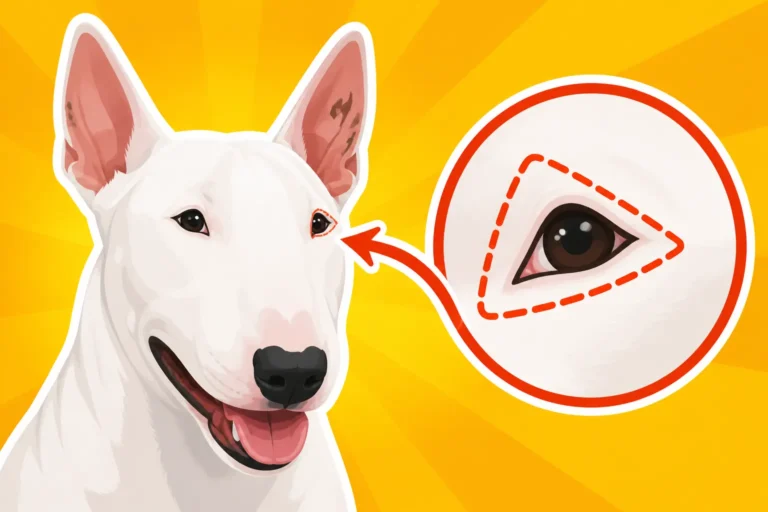
Complementing the distinctive head is the Bull Terrier's equally unique eye. Small, dark, deeply set, and triangular in shape, they give the breed a keen, intelligent, and sometimes mischievous expression. Unlike the round or almond-shaped eyes common in most breeds, the Bull Terrier's triangular eyes are a direct result of selective breeding and contribute greatly to its characteristic look. They are usually dark brown or black, conveying alertness and a certain depth of character.
This eye shape, along with the deep-set placement, helps protect the eyes during the rough-and-tumble play or work for which their ancestors were intended. It’s not just for looks; it’s a functional trait. These eyes are often described as "pin-prick" or "pig eyes" by those unfamiliar with the breed, but to an admirer, they are expressive and full of life, conveying the breed's intelligence and spirited nature. The specific reason behind this unusual shape is explored in Why a Bull Terrier's Eye Is Triangular.
The Athletic, Muscular Body
Beneath the striking head lies a body built for power and athleticism. The Bull Terrier is a squarely built dog, muscular, well-balanced, and compact, with great strength for its size. Its body is robust, with a deep chest, well-sprung ribs, and strong, well-boned legs. The neck is long and muscular, tapering to the head, giving an impression of elegance and strength. This powerful physique is a direct inheritance from its Bulldog ancestors, refined by the agility of the terriers and the elegance of the Dalmatians.
This muscular build allows the Bull Terrier to be incredibly active and agile, capable of bursts of speed and remarkable stamina. While they can be couch potatoes, they are fundamentally energetic dogs that thrive on regular exercise and mental stimulation. Their gait is smooth and free, conveying power and purpose. This athletic conformation is what gives the Bull Terrier its characteristic presence, a blend of raw power and graceful movement, making it a truly formidable and capable dog.
The Evolution of Color: From White Purity to Accepted Variety
While James Hinks originally championed the all-white Bull Terrier, the breed's journey wasn't solely monochromatic. Over time, the reintroduction of color became not just accepted but necessary, leading to the diverse range of beautiful coats we see today. This shift was driven by both practical health considerations and a recognition of the rich genetic heritage of the Bull Terrier.
The Rise and Fall of the English White Terrier
The English White Terrier played a crucial role in the early development of Hinks's white Bull Terriers, contributing to their refined appearance and pure white coat. This breed was elegant, active, and possessed a fine, short coat. However, the breeding for pure white, often involving close line-breeding to achieve and maintain the desired uniformity, came with significant health drawbacks. Deafness, in particular, became a prevalent issue in the purely white lines. The gene responsible for white coat color (the 'e' gene, or the gene for extreme piebaldism) is unfortunately linked to a higher incidence of congenital deafness.
As these health problems mounted, the English White Terrier itself began to decline. Its lack of genetic diversity and severe health issues, particularly deafness, led to its eventual extinction. This served as a cautionary tale for Bull Terrier breeders: while the white coat was beautiful, an over-reliance on it without consideration for genetic health could lead to similar problems. The challenges faced by the English White Terrier directly influenced the future direction of the Bull Terrier breed, pushing for more genetic diversity. To understand more about this, check out When the English White Terrier Died Out.
Reintroducing Color: A Necessary Step
Recognizing the health issues associated with exclusive white breeding, particularly the increased incidence of deafness, some forward-thinking breeders began to reintroduce color into the Bull Terrier lines. This wasn't a universal or immediate change; it was a contentious topic for many years, with purists holding firm to the "White Cavalier" ideal. However, the genetic imperative was clear: bringing in colored Bull and Terrier stock, and potentially other breeds like the Staffordshire Bull Terrier, helped to broaden the gene pool and reduce the prevalence of inherited health problems like deafness.
These colored dogs brought back a range of patterns, including brindle, red, fawn, and black-and-tan. While the earliest colored Bull Terriers were often less refined in head and body type than their white counterparts, diligent breeders worked to maintain the distinctive Bull Terrier characteristics while incorporating healthier genetics. It was a slow but essential process of balancing aesthetics with health, ensuring the long-term viability of the breed.
The Acceptance of Colored Bull Terriers
The formal acceptance of colored Bull Terriers into breed standards was a significant milestone, though it didn't happen overnight. For many years, white Bull Terriers and colored Bull Terriers were shown and judged separately, sometimes even considered distinct varieties. The American Kennel Club, for example, officially recognized colored Bull Terriers in 1936, decades after the white variety had been established. This marked a turning point, signaling a broader acceptance of the breed's full genetic spectrum. The journey to recognition is fascinating, and you can delve into it further with When Colored Bull Terriers Were Accepted.
Today, Bull Terriers come in a wide array of colors, including white, brindle, red, fawn, black-brindle, and tricolor, often with white markings. This diversity is celebrated, and dogs of all colors compete equally in the show ring, as long as they meet the breed standard for conformation. The move to embrace color not only broadened the aesthetic appeal of the breed but, more importantly, strengthened its genetic health, reducing the incidence of hereditary issues tied to the all-white coat. Modern breeders continue to strive for health and type, acknowledging the historical lessons learned.
The Bull Terrier's Legacy and Modern-Day Status
From its utilitarian and brutal origins, through the visionary refinement of James Hinks, the Bull Terrier has carved a unique niche in the canine world. Today, it stands as a testament to selective breeding, evolving from a fighting dog to a cherished family companion, recognized globally for its distinctive appearance and vibrant personality.
From Fighting Pits to Family Homes
The journey of the Bull Terrier from the grim fighting pits of 19th-century England to the comfortable couches of modern homes is remarkable. James Hinks's original intention to create a "gentleman's companion" played a crucial role in this transformation. By emphasizing elegance, a striking white coat, and a more stable temperament, he started the process of rehabilitating the "Bull and Terrier" image. While the breed's powerful ancestry means they still possess a strong prey drive and can be assertive, responsible breeding and dedicated training have cultivated their innate clownishness, loyalty, and affectionate nature.
Today, the Bull Terrier is renowned for its playful spirit, often described as a "three-year-old in a dog suit" due to its boundless energy and often mischievous antics. They thrive on companionship and active engagement with their families. They are far from the solitary, aggressive fighting dogs of old; instead, they seek to be central figures in their households, often leaning into their people for attention and affection. Their distinctive look and engaging personality make them popular among those seeking a unique and devoted companion.
Famous Bull Terriers in Popular Culture
The Bull Terrier's unique appearance has made it a darling of popular culture, leading to several iconic roles that have further cemented its place in the public imagination. Perhaps the most famous is Spuds MacKenzie, the "original party animal" from Bud Light commercials in the late 1980s. This charismatic Bull Terrier (often portrayed by a female dog named Honey) became a cultural phenomenon, synonymous with fun and good times, despite initial controversy over the portrayal. Spuds MacKenzie introduced the Bull Terrier to a massive audience, showing off the breed's charming and playful side.
Another recognizable Bull Terrier is Bullseye, the beloved mascot for Target. With a distinctive red bull's-eye painted around one eye, Bullseye has become an enduring symbol of the retail giant, appearing in countless advertisements and promotions. This gentle and photogenic Bull Terrier showcases the breed's friendly and approachable nature. These high-profile appearances have undoubtedly contributed to the Bull Terrier's recognition and appeal, helping to shape a more positive public perception of the breed as a quirky and lovable companion. For more on these celebrity canines, see Which Famous Bull Terriers Everyone Remembers.
Where the Bull Terrier Sits in America Today
In contemporary America, the Bull Terrier holds a steady, if not overwhelmingly popular, position in the canine world. It's not a top-ten breed in terms of registration numbers with organizations like the American Kennel Club, but it consistently maintains a devoted following. Enthusiasts are drawn to its unique aesthetics, bold personality, and intelligent, if sometimes stubborn, nature. They are often sought out by individuals or families looking for a distinct and engaging dog that stands out from the crowd.
Bull Terriers are active and require consistent training and socialization from a young age. They do best in homes where their owners understand the breed's specific needs, including ample exercise, mental stimulation, and a strong, positive leadership. Many Bull Terrier owners become lifelong devotees of the breed, appreciating their unwavering loyalty and endless capacity for clownish entertainment. Organizations like the Bull Terrier Club of America work tirelessly to promote responsible breeding, educate the public, and ensure the health and well-being of Bull Terriers across the country, advocating for health tests like those discussed in Which Health Tests a Bull Terrier Breeder Should Run and providing resources through pet supply retailers like Chewy.
Responsible Breeding Today: Lessons from History
The journey of the Bull Terrier from its initial conception by James Hinks to the modern-day companion is a testament to the power of selective breeding. However, this history also carries crucial lessons, particularly regarding genetic health and the responsibility breeders hold to safeguard the future of the breed. Ethical breeding practices are paramount to ensuring Bull Terriers continue to be healthy, well-adjusted companions.
The Importance of Health Testing
The historical challenges faced by the purely white Bull Terriers, particularly the high incidence of deafness linked to the white gene, highlighted the critical need for comprehensive health testing. Today, responsible Bull Terrier breeders prioritize a battery of health screenings for their breeding stock. These tests are designed to identify potential genetic predispositions to conditions common in the breed, such as hereditary nephritis (kidney disease), heart conditions (like mitral valve dysplasia and aortic stenosis), and patellar luxation. These tests go beyond simple physical exams.
For example, BAER (Brainstem Auditory Evoked Response) testing for deafness is crucial, especially for white Bull Terriers, but is recommended for all puppies. Regular urine protein-to-creatinine (UPC) ratio tests are vital to monitor kidney health, a known vulnerability in the breed. Cardiac exams, including echocardiograms, help screen for heart murmurs and structural abnormalities. These tests, while an investment, provide invaluable information, allowing breeders to make informed decisions that reduce the likelihood of passing on debilitating conditions. Resources for pet health, like those found on Chewy, often emphasize the importance of these screenings.
Ethical Breeding Practices
Ethical breeding goes hand-in-hand with health testing. It means that breeders don't just test their dogs; they use those results responsibly. This includes avoiding breeding two carriers of a specific genetic disease, even if the carriers themselves are healthy. It also involves selecting for good temperament, ensuring that Bull Terriers continue to be good-natured and stable companions, as Hinks originally envisioned. Ethical breeders are transparent about their dogs' health histories and test results, readily sharing them with prospective puppy buyers.
Furthermore, ethical breeding involves careful consideration of overall conformation, ensuring that the breed's unique features, like the egg-shaped head and triangular eyes, are maintained without exaggerating them to the point of compromising the dog's health or function. This balance requires deep knowledge of the breed standard, genetics, and a commitment to the long-term well-being of the Bull Terrier. It's about preserving the best qualities of the breed while actively working to mitigate its inherited weaknesses.
Preserving the Breed's Unique Qualities
Preserving the Bull Terrier's unique qualities means upholding the breed standard while ensuring genetic diversity. It's about maintaining that spirited, clownish personality, the unwavering loyalty, and the distinctive physical attributes that make a Bull Terrier so recognizable and beloved. The efforts of breed clubs and dedicated fanciers today are focused on this delicate balance. They work to educate the public about the breed's true nature, combating misconceptions often fueled by its "tough" appearance or historical associations.
By emphasizing responsible ownership, early socialization, and consistent training, they ensure that Bull Terriers continue to thrive in modern homes. The legacy of James Hinks, who dared to create a dog that was both powerful and refined, lives on in these efforts. It's a commitment to ensuring that this truly singular breed, with its incredible history and unforgettable character, continues to charm and delight for generations to come.
| Era | Key Figures/Types | Distinctive Traits (Pre-refinement) | Purpose/Role | Impact on Modern Bull Terrier |
|---|---|---|---|---|
| Pre-1860s | Old English Bulldog, various Terriers, Bull and Terrier crosses | Powerful jaws, tenacity, agility, varied coats/looks, strong prey drive | Bull-baiting, dog fighting, vermin control | Provided genetic foundation for strength, gameness, courage |
| 1860s (Hinks's Era) | James Hinks, "Puss" | Pure white coat, athletic build, more refined face (early 'stop'), upright ears, courage | Gentleman's companion, show dog, courageous | Established the "White Cavalier" ideal, introduced elegance |
| Post-Hinks Refinement | Subsequent breeders | Egg-shaped head (downface), triangular eye, muscular body, acceptance of colored coats | Show dog, family companion, performance dog | Solidified modern iconic look, improved genetic health |
Disclaimer
This article is for general informational purposes only and does not constitute professional advice. Laws, prices and regulations vary by location and change over time. Consult a qualified professional for guidance on your specific situation.