Where the Bull Terrier Sits in America Today
For anyone who has fallen head over heels for the unique charm of a Bull Terrier, it can sometimes feel like they're living in a world that hasn't quite caught up to their magnificent dogs. From breed restrictions to misconceptions about their temperament, navigating American society with a Bull Terrier in tow can be a real head-scratcher. This comprehensive guide aims to shed light on exactly where the Bull Terrier stands in America today, exploring its popularity, the challenges owners face, and the unwavering spirit of the community that loves them.
The Bull Terrier's Standing in American Kennel Club Rankings
When you look at the landscape of purebred dogs in America, the Bull Terrier holds a truly interesting position. They're not the super-popular breeds you see everywhere, nor are they so rare that most people have never heard of them. Their spot on the American Kennel Club (AKC) rankings tells a story of enduring appeal rather than fleeting trends.
Historical Popularity and Peak Periods
The Bull Terrier, often called "The White Cavalier," made its way to American shores relatively early in the history of dog shows. Once recognized by the AKC, the breed slowly but surely gained a following among those who appreciated its distinctive look and unwavering loyalty. In the early 20th century, particularly after the world wars, there was a general surge in interest in many breeds, and the Bull Terrier certainly saw its share of enthusiasts. Their reputation as a gentleman's companion, coupled with their unique appearance, helped them carve out a niche.
These early periods of growth weren't about massive, sudden popularity, but rather a steady appreciation from a dedicated segment of dog lovers. They were admired for their courage, their playful spirit, and their striking presence in the show ring. However, they never quite reached the household name status of some other breeds, which, ironically, may have saved them from the pitfalls of overbreeding that often accompany extreme popularity.
Current AKC Registration Trends
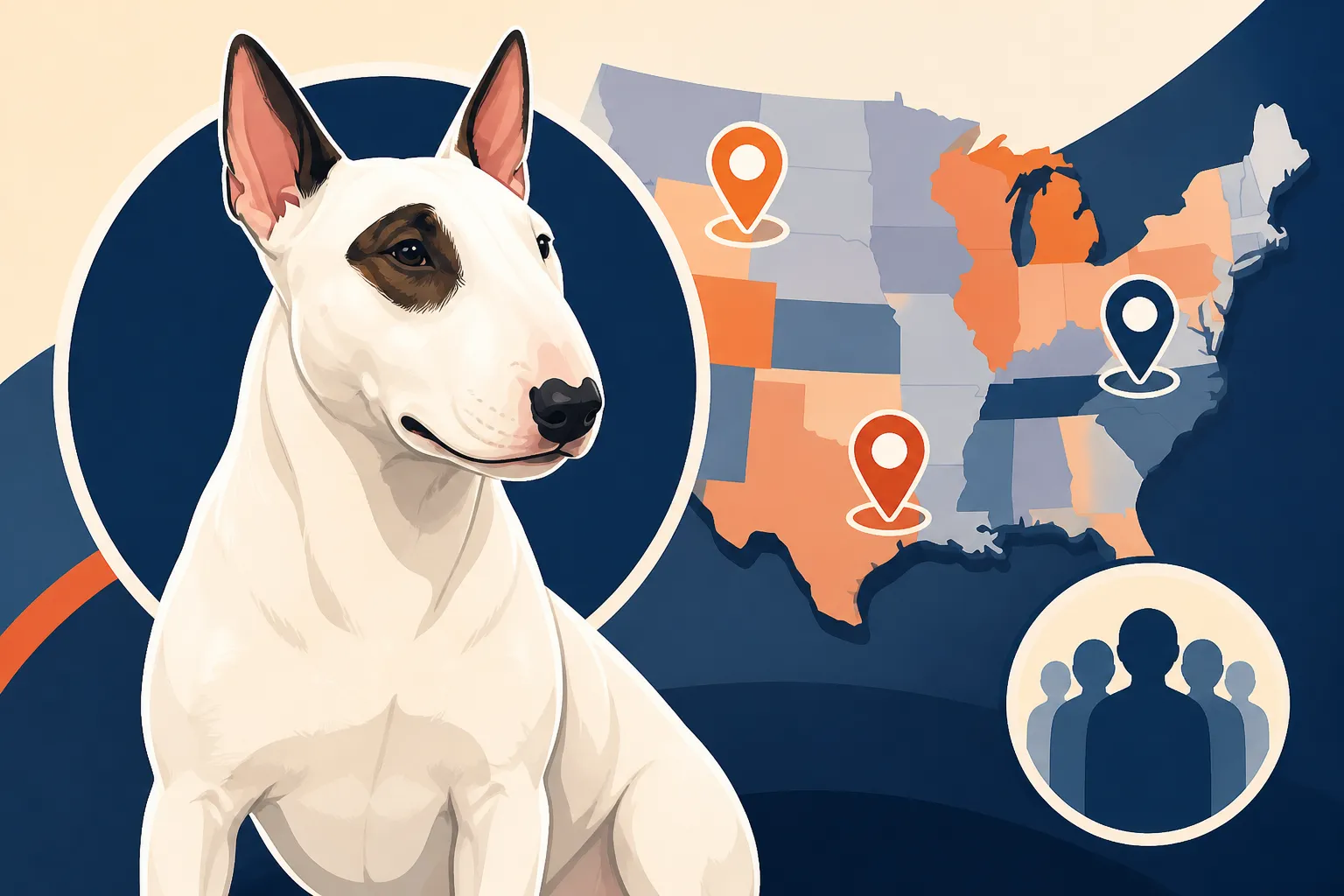
Today, if you check the Where the Bull Terrier Ranks in AKC Registrations, you'll typically find the Bull Terrier holding a comfortable, mid-range position. They aren't in the top 10, nor are they languishing at the very bottom. This steady ranking suggests a consistent, albeit not explosive, demand for the breed. It indicates a community of dedicated breeders and owners who appreciate the breed for its inherent qualities, rather than being swayed by passing fads.
A mid-tier ranking can actually be a good thing for a breed. It means there's less pressure for mass production, which often leads to cutting corners in health testing and temperament screening. For potential owners, it means that while you might need to do a bit more research to find a reputable breeder, you're less likely to encounter the consequences of widespread, irresponsible breeding that can plague more "trendy" breeds. It allows the breed to maintain a healthy, stable population, supported by thoughtful breeding practices and a strong network of enthusiasts.
What Influences a Bull Terrier's Popularity in the United States
The popularity of any dog breed is a complex tapestry woven from various threads: public perception, legal restrictions, breeder ethics, and of course, the breed's own inherent characteristics. For the Bull Terrier in America, these factors have created a unique position that is both celebrated by aficionados and misunderstood by many.
Breed-Specific Legislation and Public Perception
One of the most significant hurdles the Bull Terrier faces in America today is the pervasive issue of breed-specific legislation (BSL). Despite their affectionate and clownish nature, Bull Terriers are often lumped into the broad and often ill-defined category of "bully breeds" or "pit bull type dogs." This misconception, usually fueled by a lack of understanding and media sensationalism, leads to housing restrictions, increased insurance premiums, and outright bans in certain cities, counties, and even entire states.
For a dedicated Bull Terrier owner, navigating these restrictions is a constant, frustrating reality. Imagine finding the perfect home, only to be told your beloved companion isn't welcome because of its breed. Or being denied homeowners insurance or forced to pay exorbitant rates simply because of your dog's appearance. It's an unfair burden that forces many potential owners to reconsider, and existing owners to make difficult choices. This societal prejudice, unfortunately, acts as a significant dampener on the breed's potential for wider acceptance, despite its generally stable temperament. Knowing Whether a Bull Terrier Is Banned Anywhere is a critical piece of information for any potential owner.
Breeder Responsibility and Health Testing Awareness
In an effort to ensure the long-term health and vitality of the Bull Terrier breed, responsible breeders in America play a crucial role. They are the gatekeepers, diligently working to preserve the breed's excellent qualities while striving to eliminate hereditary health issues. This commitment to health testing is increasingly influencing the breed's standing. As more potential owners become educated about common Bull Terrier health concerns, they seek out breeders who can provide clear health clearances.
Conditions like Hereditary Nephritis Takes Bull Terriers in Their Prime or Lethal Acrodermatitis Kills a Bull Terrier Puppy Before It Grows Up are serious, and ethical breeders invest significant time and resources into screening their breeding stock. They understand that transparency about health test results, like those listed in The Five Tests a Bull Terrier Breeder Should Have Paid For, is paramount. This dedication to health, while sometimes limiting the sheer number of available puppies, ultimately strengthens the breed's reputation and ensures that the Bull Terriers entering American homes are as healthy as possible. This emphasis on wellness is a quiet but powerful factor in maintaining the breed's respected, if not wildly popular, standing.
The Draw of Unique Appearance and Personality
Despite the challenges, the Bull Terrier maintains a devoted following because of its undeniably unique characteristics. That distinct "egg-shaped" head, the small, triangular eyes, and their muscular, compact build are instantly recognizable and captivating. For many, this striking appearance is what first draws them to the breed, setting them apart from every other dog on the block.
But it's their personality that truly seals the deal. Bull Terriers are renowned for their clownish antics, their boundless enthusiasm, and their profound affection for their families. They are famously described as "a three-year-old in a dog suit" because of their playful, often mischievous, and utterly charming nature. This incredible personality, which you can learn more about in Why a Bull Terrier Is Called a Clown, ensures that once a family has experienced life with a Bull Terrier, they are often converts for life. This fierce loyalty and entertaining demeanor, combined with their striking looks, ensures that a passionate segment of the American dog-owning public will always seek out and cherish this exceptional breed, regardless of broader popularity trends or external challenges.
The "Spuds MacKenzie Effect" and Other Media Appearances
For many Americans, their first introduction to a Bull Terrier wasn't at a dog show or a local park, but on a television screen. The breed has had several memorable stints in popular culture, with one particular campaign leaving an indelible, albeit complicated, mark on its popularity.
Spuds MacKenzie: A Double-Edged Sword
In the late 1980s, the world was introduced to Spuds MacKenzie, the "original party animal" and mascot for Bud Light beer. Spuds, a white Bull Terrier, became an overnight sensation. His commercials were ubiquitous, portraying him as a cool, sunglasses-wearing dude surrounded by attractive people, often on a beach or at a party. This campaign propelled the Bull Terrier into an unprecedented level of public awareness and demand. Suddenly, everyone wanted a "Spuds dog."
The immediate effect was a massive surge in the breed's popularity, as explored in Whether Spuds MacKenzie Caused a Bull Terrier Boom. Breeders couldn't keep up with demand, and sadly, this led to a proliferation of irresponsible breeding. Backyard breeders and puppy mills jumped on the bandwagon, producing Bull Terriers without proper health screening or consideration for temperament. The result was a generation of dogs with health issues and behavioral problems that often ended up in shelters, as many impulse buyers were unprepared for the reality of Bull Terrier ownership. The campaign was ultimately retired amidst controversy and accusations of marketing to children, and you can learn more about Why the Spuds MacKenzie Bull Terrier Was Pulled. It remains a cautionary tale about the double-edged sword of sudden, intense media exposure for any breed.
Target's Bullseye and Other Recognizable Faces
While Spuds MacKenzie represents the fleeting, and ultimately problematic, side of celebrity, other Bull Terriers have achieved a more enduring and positive presence in American culture. Perhaps the most iconic example is Bullseye, the beloved white Bull Terrier mascot for the retail giant Target. Bullseye, with her signature red target painted around her eye, embodies a wholesome, family-friendly image that has resonated with millions.
Unlike Spuds, Bullseye's representation has been consistent and positive, presenting the Bull Terrier as an intelligent, loyal, and friendly companion. This consistent presence in advertising has gently reminded Americans of the breed's appealing qualities without inciting a chaotic breeding boom. If you've ever wondered Which Bull Terrier Plays Target's Bullseye, it's a testament to the character's longevity. Beyond Bullseye, Bull Terriers have occasionally appeared in films, television shows, and commercials, usually cast to highlight their unique appearance or comical personality. While these appearances don't typically cause the same explosion in popularity as Spuds did, they quietly contribute to the breed's visibility and help to normalize their presence in the American consciousness, perhaps even catching the eye of a potential owner browsing products on sites like Chewy.
Challenges and Realities for Bull Terrier Owners in America
Beyond their striking looks and lovable personalities, owning a Bull Terrier in America comes with a unique set of challenges that prospective owners must be realistic about. It's not always sunshine and rainbows; there are practical considerations that can significantly impact a Bull Terrier's life and the experience of their human family.
Housing and Insurance Restrictions
One of the most disheartening realities for Bull Terrier owners in the United States is the prevalence of breed-specific restrictions imposed by landlords and insurance companies. Despite their actual temperament, Bull Terriers are frequently miscategorized alongside other "bully breeds," leading to automatic exclusion from rental properties or exorbitant pet fees and deposits. This means finding an apartment or even a house to rent with a Bull Terrier can feel like an endless, frustrating quest, drastically limiting housing options.
Similarly, securing homeowners insurance can be a significant hurdle. Many insurance carriers maintain "dangerous dog lists" that include Bull Terriers, even if the individual dog has never shown an ounce of aggression. This can lead to higher premiums, outright denial of coverage, or the requirement to purchase a separate, often expensive, liability policy. This disproportionate targeting by the insurance industry means that knowing Whether a Bull Terrier Raises a Homeowners Premium is crucial information for any potential owner. It's a frustrating reality for dedicated owners who know their dogs are loving, well-behaved family members, and it often requires extensive searching and advocacy to find pet-friendly housing and reasonable insurance coverage.
The Commitment Required: Time, Training, and Temperament
Bull Terriers are not a "set it and forget it" breed. They are incredibly intelligent, but also famously stubborn and possess a strong will. This often earns them the affectionate moniker of "a three-year-old in a dog suit." They thrive on interaction, consistent training, and ample mental and physical stimulation. Owners who expect an automatically well-behaved dog will quickly find themselves overwhelmed. Without proper guidance and engagement, Bull Terriers can develop behavioral issues, including destructive chewing, excessive digging, or even dog-dog aggression if not socialized correctly.
Their need for companionship is also profound. Why a Bull Terrier Cannot Be Left Alone All Day is a common concern among owners. They are not dogs that do well when left unsupervised for long stretches; boredom for a Bull Terrier often translates into creatively destructive outlets. This means potential owners must be prepared to invest significant time in training, playtime, and simply being present with their dog. Group classes, puzzle toys, and consistent routines are essential to channel their immense energy and intelligence positively.
Financial Considerations and Health Challenges
While many focus on the upfront cost of a Bull Terrier puppy, the long-term financial commitment is substantial. Beyond basic food and routine vet care, Bull Terriers are prone to certain hereditary health issues that can become very expensive to manage. Conditions such as hereditary nephritis, heart murmurs, patellar luxation, or skin allergies are not uncommon in the breed. These conditions often require specialized diets, ongoing medications, regular veterinary visits, and sometimes costly diagnostics or surgeries.
For instance, managing a dog with kidney disease can involve prescription renal diets and frequent bloodwork, while severe allergies might mean expensive allergy testing and ongoing injections. It’s important for prospective owners to budget not just for the good times, but for potential health challenges as well. A detailed breakdown of What the First Year With a Bull Terrier Costs often highlights these hidden expenses. For those special diets or medications that become a part of routine care, places like Chewy can be a lifesaver, offering convenience and sometimes competitive pricing on necessary supplies. Understanding these potential costs upfront is vital for providing a Bull Terrier with a healthy and happy life without facing financial strain.
The Role of Bull Terrier Rescues and Responsible Breeders
In America, the health and future of the Bull Terrier breed are largely safeguarded by two crucial entities: breed-specific rescues and responsible breeders. Both play distinct but equally vital roles in ensuring that Bull Terriers find loving, appropriate homes and that the breed's integrity is maintained.
Bull Terrier Specific Rescues: A Vital Safety Net
Unfortunately, despite the breed's loyal and loving nature, Bull Terriers do end up in shelters and rescues. Often, these dogs are the result of impulse buys from the "Spuds MacKenzie effect" era, or they come from owners who underestimated the commitment required for the breed's unique temperament and needs. Breed-specific rescues, like those dedicated solely to Bull Terriers, serve as an indispensable safety net for these dogs. They take in Bull Terriers from various situations, providing them with veterinary care, behavioral assessment, and a safe haven until a suitable forever home can be found.
These rescues are staffed by experienced Bull Terrier owners and enthusiasts who understand the breed's specific quirks and challenges. They perform thorough evaluations and work diligently to match each dog with the right family, often providing extensive support and education to adopters. When considering Adopting a Bull Terrier From Rescue, it’s important to understand that while rescue fees cover some costs, What a Bull Terrier Rescue Fee Does Not Cover often includes complex medical or behavioral needs that arise later. Adopting from a dedicated rescue offers a fantastic opportunity to give a deserving Bull Terrier a second chance, and rescues are always in need of volunteers and donations to continue their invaluable work.
Finding an Ethical Breeder in the Current Climate
For those who choose to bring a Bull Terrier puppy into their home, finding a responsible and ethical breeder is paramount. In today's climate, where health testing is increasingly sophisticated and knowledge about breed-specific issues is more widespread, an ethical breeder stands out through their commitment to the breed's well-being over profit. These breeders focus on temperament, health, and conformity to breed standards, ensuring that each puppy has the best possible start in life.
An ethical breeder will be transparent about health clearances for both parents, including screening for heart, kidney, and patella issues, and BAER testing for deafness. They will ask you many questions, often more than you ask them, to ensure their puppies are going to appropriate homes. They will offer lifetime support and take back any dog they have bred, at any point, if the owner can no longer care for it. For advice on engaging with breeders, Which Questions to Ask a Bull Terrier Breeder is an excellent resource. Avoiding breeders who rush the process, offer multiple breeds, or don't provide health documentation is crucial for the health and happiness of your future Bull Terrier. Even if you buy from a reputable breeder, stocking up on quality food and supplies from retailers like Chewy is essential from day one to ensure a smooth transition for your new puppy.
The Bull Terrier Community and Its Future
The Bull Terrier may not top the popularity charts in America, but what it lacks in sheer numbers, it more than makes up for in the passion and dedication of its community. This vibrant network of owners, breeders, and enthusiasts is the true heart of the breed's enduring presence in the United States.
Dedicated Owners and Enthusiasts
Anyone who has ever lived with a Bull Terrier will tell you it's not just owning a dog; it's a lifestyle. Their unique personalities, boundless energy, and undeniable charm create a bond that is truly special. This connection fosters a remarkably tight-knit community across America. From national breed clubs to local meet-up groups and online forums, Bull Terrier owners find solace and support in sharing their experiences, triumphs, and even the occasional mischief-making stories.
These dedicated individuals are often the best advocates for the breed. They understand the quirks, the challenges, and the immense joy that comes with a Bull Terrier. They share tips on training, recommend the toughest toys (a must for this breed!), and offer advice on navigating everything from diet to Whether an Aging Bull Terrier Still Spins. This shared passion creates a powerful support system, proving that even if the breed isn't universally known, it is deeply cherished by those who understand it. These connections are often invaluable for new owners, helping them through the initial learning curve and providing a lifelong network of fellow Bull Terrier lovers. Knowing What Bull Terrier Owners Wish They Had Known often comes directly from these community discussions.
Advocating for the Breed: Education and Outreach
A significant part of the Bull Terrier community's efforts in America revolves around education and outreach. Given the misconceptions and breed-specific legislation challenges discussed earlier, advocacy is a constant and vital activity. Owners and breed clubs actively work to inform the public, local government officials, and policymakers about the true nature of the Bull Terrier. They strive to debunk myths, present facts about temperament and responsible ownership, and highlight the injustice of blanket bans based solely on appearance.
This advocacy takes many forms: participating in public education events, presenting data on bite statistics, sharing personal stories of well-adjusted Bull Terriers, and even engaging in legislative lobbying. The goal is to move away from fear-based stereotypes and towards a more nuanced understanding of individual dogs, regardless of their breed. By championing responsible ownership and promoting the Bull Terrier as a loving family companion, the community is working tirelessly to secure a more accepting future for the breed in America.
Ensuring the Breed's Longevity in America
The future of the Bull Terrier in America lies in the continued dedication of this community to responsible breeding, ethical ownership, and proactive advocacy. By maintaining stringent health testing standards, educating prospective owners, and actively combating breed discrimination, enthusiasts are ensuring that the unique qualities of the Bull Terrier are preserved for generations to come. The breed's steadfast presence in the AKC rankings, while not at the top, reflects a stable and healthy population that is less susceptible to the boom-and-bust cycles that can harm a breed.
The commitment of breeders to health, the tireless work of rescues, and the passionate advocacy of owners all contribute to a sustainable future. As society evolves, and hopefully becomes more enlightened about canine behavior and responsible pet ownership, the Bull Terrier stands poised to continue charming and challenging its dedicated adherents. Whether it's for training treats, enrichment toys, or dietary needs, online retailers like Chewy play a significant role in supporting breed longevity by making necessary products accessible, allowing owners to focus on the essential care and companionship that makes Bull Terriers such remarkable dogs. The Bull Terrier's distinct place in America today is a testament to its singular spirit and the unwavering love of its devoted human companions.
Disclaimer
This article is for general informational purposes only and does not constitute professional advice. Laws, prices and regulations vary by location and change over time. Consult a qualified professional for guidance on your specific situation.