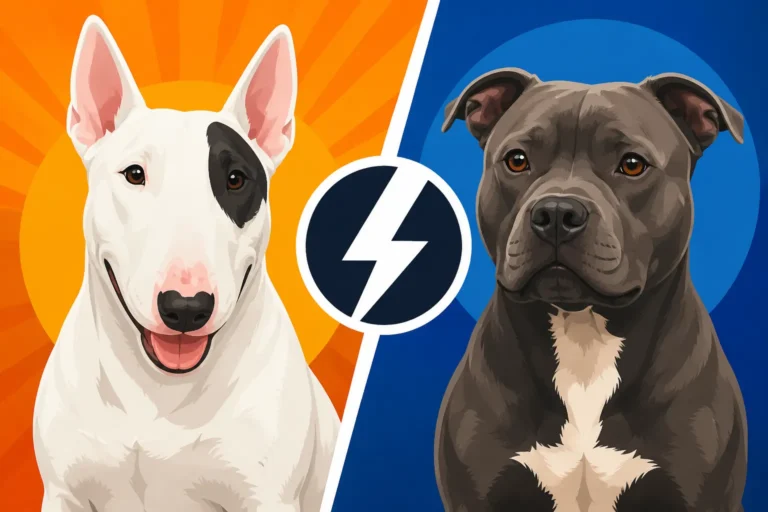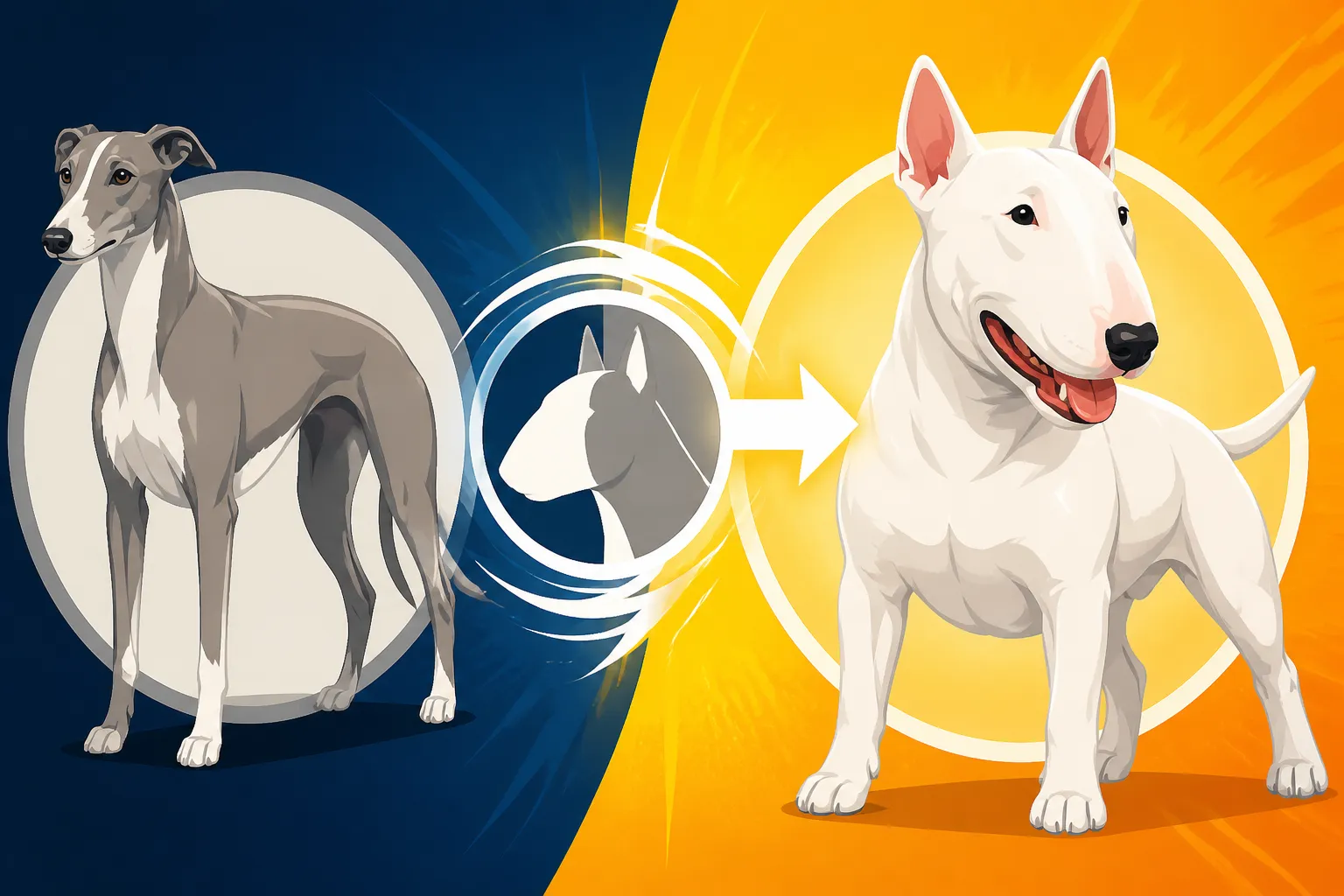
Whether a Greyhound Went Into the Bull Terrier
When you look at a Bull Terrier, it's hard not to be captivated by that unique, egg-shaped head, those piercing triangular eyes, and that powerful, athletic build. Many people, myself included, have spent hours just watching them, trying to decipher the puzzle of their ancestry. It's a common thought that such a distinctive dog must have an equally interesting, perhaps even surprising, lineage. One question that often pops up is whether the sleek, swift Greyhound played a role in shaping this formidable breed. This guide will take you on a journey through the historical records and breeding decisions that led to the Bull Terrier we adore today, exploring the truth behind the Greyhound speculation and shedding light on the actual genetic tapestry of this incredible dog.
Deconstructing the Bull Terrier's Ancestry: More Than Just 'Bull and Terrier'
The Bull Terrier, in its earliest form, wasn't born out of a single, meticulously planned breeding program with a specific vision of its modern appearance. Instead, it evolved from a type of dog, a working-class hero if you will, that served a very practical purpose in the England of centuries past. This isn't just about a dog; it's about a dog that was integral to the lives of ordinary people, designed for strength and tenacity above all else. Understanding this foundation is key to unraveling the breed's full story.
The Foundation: Old English Bulldog and Terriers
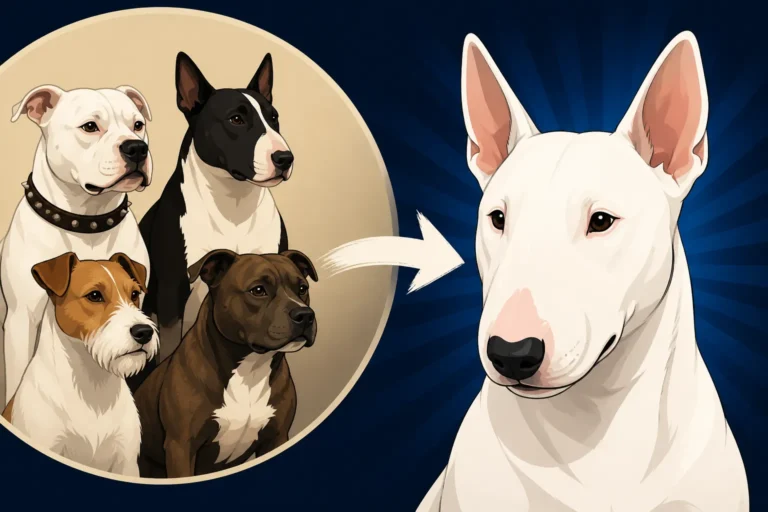
At the very heart of the Bull Terrier's lineage lies the formidable "Bull and Terrier" cross. Imagine the grit and power of the now-extinct Old English Bulldog – a truly imposing animal bred for bull-baiting, with incredible jaw strength and an unyielding grip. Pair that raw power with the feisty, intelligent, and relentless spirit of various working terriers. These were dogs bred for vermin control, to go to ground, and to never back down from a challenge. The combination produced a dog that was fiercely loyal, incredibly strong, and possessed an almost unbreakable will. This "Bull and Terrier" type was exactly what it sounds like: a blend of the bulldog's bulk and tenacity with the terrier's quickness and gameness. They weren't necessarily pretty by today's show standards, but they were exceptionally effective at their jobs, whether that was fighting, ratting, or guarding. Their function dictated their form, creating a robust, powerful animal with incredible stamina and a formidable bite.
The origins truly are steeped in the working classes, in a time when dogs were tools as much as companions. They were bred for a specific, demanding job, and their physical attributes reflected that. They were compact, muscular, and incredibly brave, a true testament to the survival of the fittest in a harsh environment. This era cemented the foundation of the Bull Terrier's core temperament: spirited, courageous, and full of life, yet also fiercely devoted to its people. This mix of breeds and purpose is the real Where the Bull Terrier Comes From. It’s a story of practicality meeting performance, long before anyone thought of refining a breed for an aesthetic ideal.
James Hinks and the Quest for the White Cavalier
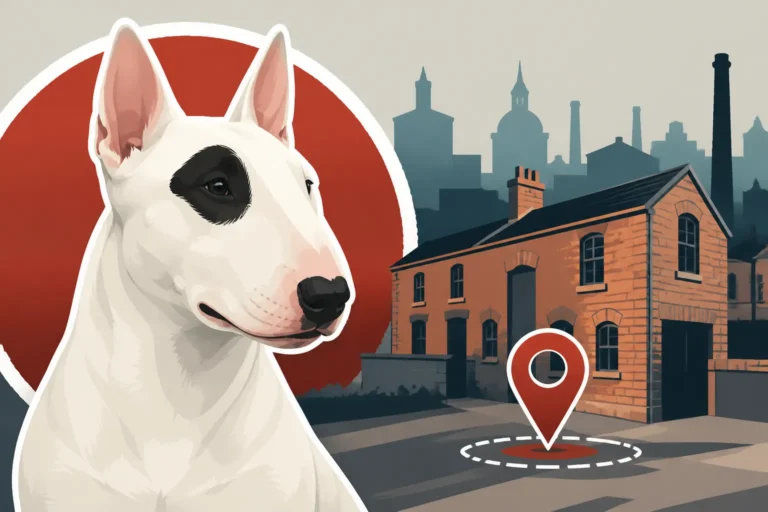
The evolution from a utilitarian "Bull and Terrier" type to the distinctly recognizable Bull Terrier breed we cherish today largely falls to one man: James Hinks. Hinks, a dog dealer from Birmingham, England, entered the scene in the 1860s with a bold vision. He wasn't just interested in a dog that could fight; he wanted a dog that embodied elegance, courage, and a distinct gentlemanly appeal. He aimed to create an all-white dog, a "White Cavalier" as it became known, that would be as beautiful and poised in the drawing-room as it was fearless in the pit (though dog fighting was falling out of favor, the qualities associated with it were still prized). This was a revolutionary idea at a time when dogs were often bred purely for performance, with appearance being a secondary concern.
Hinks' genius was in his selective breeding. He took the existing Bull and Terrier stock and began to introduce other breeds to refine its appearance, smoothing out the rough edges and creating a more symmetrical, aesthetically pleasing animal. His desire for an all-white coat was paramount, as he believed it gave the dog a regal, clean look, making it suitable for the emerging Victorian middle class who sought companion animals that reflected their status. This move marked a significant departure from the scattered, often piebald coats of the earlier Bull and Terrier types. Hinks' efforts were pivotal, essentially creating the blueprint for the modern Bull Terrier and shifting its image from a brutal pit dog to a dignified, yet still spirited, companion. He was truly the Who James Hinks Was to the Bull Terrier breed, shaping its destiny and giving it a new identity.
The Sighthound Connection: Fact or Fancy?
It’s easy to see why someone might look at a Bull Terrier and wonder if a Greyhound was part of its ancestral mix. They both possess a certain athletic sleekness, a powerful gait, and a strong, muscular frame. However, delving into the historical records of breed development paints a different picture, one where another, perhaps less obvious, breed played a more significant role in the Bull Terrier's physical refinement. The truth is often more nuanced than initial impressions suggest, and in the world of dog breeding, sometimes the most influential crosses aren't always the most apparent at first glance.
Examining the Greyhound's Potential Role
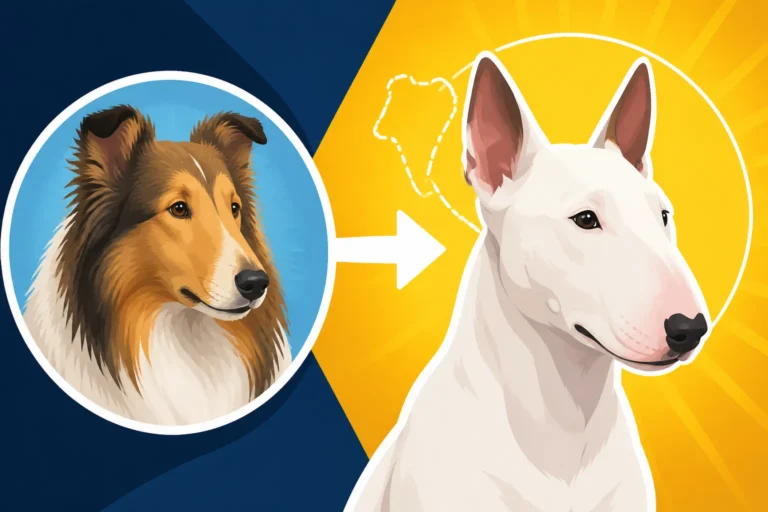
The idea of a Greyhound in the Bull Terrier's ancestry is a persistent one for many people. After all, both breeds are undeniably athletic. The Greyhound is the epitome of speed and grace, with a deep chest, a tucked abdomen, and long, powerful legs built for explosive bursts of speed. A Bull Terrier, while much more compact and muscular, also exhibits a deep chest, powerful hindquarters, and an undeniable athleticism that makes them agile and strong. You see them run, and they can really motor, particularly when they get those famous "zoomies." This common perception of athleticism might lead one to naturally assume a sighthound contribution. However, historical accounts from serious breeders and breed historians rarely, if ever, mention the Greyhound as a direct influence in the Bull Terrier's creation. The traits Hinks was looking to introduce were primarily cosmetic – refinement, length of head, and a cleaner overall silhouette – qualities he found elsewhere.
The Bull Terrier's speed and agility come more from its general terrier athleticism and its powerful, muscular build, rather than the specialized, explosive burst of a true sighthound like the Greyhound. While a greyhound’s influence would certainly lend speed, the specific structure and purpose of the early Bull Terrier didn’t align with bringing in a breed renowned for sight hunting over vast distances. The breeding records and accounts simply don't support the inclusion of Greyhounds. It's an understandable assumption given the physical prowess of both breeds, but the documented history points us in a different direction.
The Dalmatian's Documented Influence
If not the Greyhound, then what other breed contributed to the Bull Terrier's distinctive look beyond the Bull and Terrier foundation? This is where the Dalmatian steps onto the stage, and its role is far more historically documented and accepted. James Hinks, in his quest for the "White Cavalier," deliberately incorporated the Dalmatian into his breeding program. Why the Dalmatian? It brought exactly the qualities he was seeking: elegance, cleaner and more refined lines, a longer and more shapely head, and a naturally erect ear set – all contributing to a more symmetrical and aesthetically pleasing dog than the stockier, more primitive Bull and Terrier types. The Dalmatian's white coat was also a key factor in Hinks' goal of creating an all-white Bull Terrier.
The influence of the Dalmatian is crucial when discussing Which Breeds Went Into the Bull Terrier. It helped to transform the sturdy, utilitarian Bull and Terrier into the elegant yet still powerful dog we recognize today. While the Dalmatian is known for its spots, it inherently carries a gene for an all-white coat (though sometimes deaf, a trait passed to some white Bull Terriers). This allowed Hinks to achieve his desired pristine white appearance, which was central to his vision for the breed. The subtle refinement, the improved carriage, and the overall look of nobility that Hinks sought were largely thanks to the Dalmatian’s contribution, providing the grace that complemented the Bull and Terrier's existing power and gameness. This is why the question of How Much Dalmatian a Modern Bull Terrier Carries is so pertinent to breed historians.
Tracing the Traits: What Each Ancestor Contributed
Understanding the Bull Terrier's unique blend of characteristics means looking at how each foundational breed played a specific role in its development. It's a marvelous tapestry woven from strength, spirit, and surprising elegance. Each thread contributed something essential, resulting in a dog that is unlike any other. This deep dive helps us appreciate the Bull Terrier not just for its striking appearance, but for the carefully selected traits that make it such a distinctive and beloved companion.
Power and Spirit from the Bulldog Line
Let's start with the Old English Bulldog, the original powerhouse. Its contribution to the Bull Terrier is undeniable and profound. From the bulldog came that incredible, almost legendary, power and formidable jaw strength. This was a dog bred to grip and hold, possessing a fearless nature and an unwavering tenacity. The deep, muscular chest, the robust bone structure, and the sheer brute force that defines the Bull Terrier's physical presence are direct legacies of its bulldog ancestors. This strength isn't just for show; it's ingrained in their very being, giving them the ability to push through challenges, whether that's a vigorous play session or a stubborn training problem.
Beyond the physical, the bulldog also instilled a certain indomitable spirit. These were dogs that wouldn't quit, and that characteristic stubbornness and determination can still be seen in Bull Terriers today. It’s that unshakeable will, often perceived as defiance, that makes them such unique characters. They are incredibly tough, resilient, and possess a courage that sometimes borders on foolhardiness. This deep-chested, muscular frame is a direct echo of What the Old English Bulldog Gave the Bull Terrier, a foundation of raw power and unyielding determination that sets the Bull Terrier apart.
Tenacity and Drive from the Terriers
Complementing the bulldog's power were the various terriers. These feisty, intelligent, and often relentless dogs contributed the "terrier" side of the "Bull and Terrier" equation. Terriers are known for their gameness, their keen intelligence, and their intense prey drive. They were bred to hunt vermin, to go to ground, and to work independently, making them quick-thinking and highly active. The Bull Terrier's spirited personality, its unwavering focus when it decides on a task (whether that's finding a squirrel or dismantling a new toy), and its boundless energy all trace back to these terrier roots.
The terriers refined the larger bulldog into a more agile and quicker dog, better suited for a wider range of activities beyond just gripping. They brought that characteristic spark, the eagerness to engage, and a mischievous intelligence. That unwavering determination, often bordering on stubbornness, that Bull Terrier owners know so well? That's the terrier spirit shining through. It’s what gives them their zest for life, their playful antics, and their fierce loyalty. It's this combination of traits that created What the Bull and Terrier Was initially, a dog built for both power and agile pursuit.
Refinement and Form from the Dalmatian
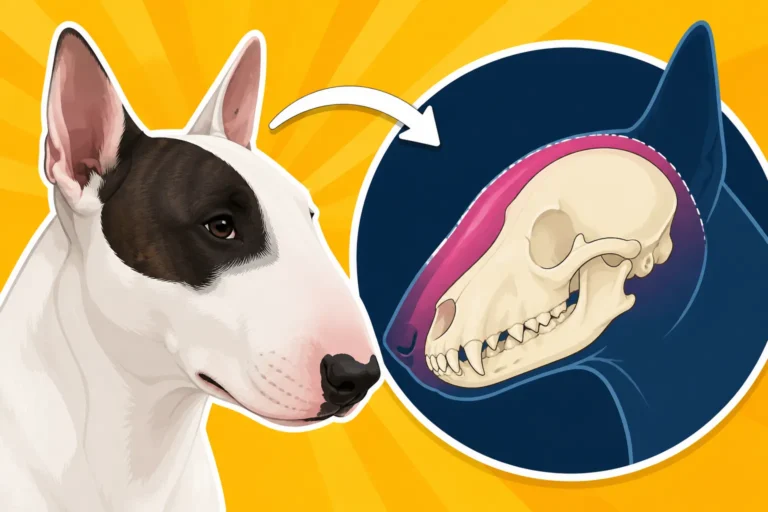
And then we have the Dalmatian, the breed that brought the "elegance" to the "White Cavalier." Hinks introduced the Dalmatian to impart specific aesthetic qualities that would transform the rugged Bull and Terrier into a more refined and visually striking animal. The Dalmatian contributed to the Bull Terrier's longer, more refined head, moving away from the broader, heavier skull of the bulldog and terrier mixes. This was a crucial step in developing the breed's iconic "downface" or "Roman finish," which became a hallmark of the Bull Terrier's distinctive profile.
The Dalmatian also contributed to a more symmetrical body, smoother lines, and likely helped to establish the naturally erect, pointed ears that are a signature feature today. Before Hinks' refinements, many "Bull and Terrier" types had semi-prick or rose ears. The Dalmatian's influence helped solidify the erect ear set, giving the Bull Terrier that alert and intelligent expression. Even the desire for the pristine white coat was influenced by the Dalmatian, which, although spotted, carries a strong white base. This refinement was paramount for Hinks, who aimed to create a gentleman's companion, a dog of both substance and sophistication. This dramatic shift in appearance is why understanding How the Bull Terrier's Head Changed Over Time is so important, as it was directly linked to this crossbreeding strategy.
Modern Bull Terrier Genetics and the Legacy of Its Forebears
In our modern age, with the advancements in genetic science, we have new ways to look at breed ancestry, going beyond anecdotal evidence and historical records. While these tools can offer exciting insights, for the Bull Terrier, they largely confirm what dedicated breeders and historians have understood for generations. The journey of the Bull Terrier from its utilitarian beginnings to the iconic breed it is today is a testament to thoughtful breeding, even if some of those early decisions involved a bit of trial and error.
How Modern DNA Confirms or Denies Early Theories
Modern canine genetic studies, while not always pinpointing every single ancestor with absolute certainty (especially for breeds with deep, multi-century histories), generally support the historical accounts of the Bull Terrier's origins. These studies typically confirm the strong genetic markers of bulldog and terrier types, along with the influence of breeds like the Dalmatian. What these studies consistently don't reveal is a significant genetic footprint from sighthounds like the Greyhound in the Bull Terrier's foundational makeup. The absence of such a signature reinforces the historical narrative: while physically agile, the Bull Terrier's ancestry lies firmly with the bulldog, various terriers, and the Dalmatian.
This doesn't mean that some isolated, undocumented crossbreeding didn't occur at some point in a specific lineage many generations ago, but it suggests it wasn't a systemic or significant part of the breed's development as undertaken by James Hinks and his successors. The genetic evidence, in conjunction with historical records, paints a cohesive picture of a breed forged from specific, identifiable stock, deliberately chosen for their attributes. This confirmation is reassuring for breed enthusiasts and helps to dispel persistent myths, allowing us to appreciate the true ingenuity behind the Bull Terrier's creation. It answers questions like Whether a DNA Test for Bull Terrier Nephritis Exists by highlighting the modern advancements in understanding breed-specific traits and diseases.
The Enduring Traits: A Testament to Thoughtful Breeding
The Bull Terrier we see today is a living testament to its diverse heritage. It’s a powerful, muscular dog with the tenacity of its bulldog ancestors, the quick wit and boundless energy of its terrier forebears, and the unmistakable elegance and distinctive head of its Dalmatian influence. This unique blend has created a dog that is endlessly entertaining, fiercely loyal, and undeniably charming. Its athleticism isn't the specialized speed of a Greyhound but rather the robust, all-around capability of a determined and powerful terrier-type dog. When you watch a Bull Terrier play, full of zoomies and joyous leaps, you're seeing that raw, unadulterated energy that has been passed down through generations.
The distinctive egg-shaped head, often referred to as having a "Roman finish" or "downface," is a direct result of Hinks’s vision and the specific crosses he made, particularly with the Dalmatian to achieve that longer, smoother profile without a "stop" (the indentation between the eyes). Similarly, the triangular eye, a Bull Terrier hallmark, and their famously erect ears are legacies of this thoughtful refinement. So, while the idea of a Greyhound contributing to the Bull Terrier might make sense visually to some, the historical and genetic evidence points to a much more complex and fascinating story of deliberate selection, where the Dalmatian, not the Greyhound, played the key role in refining its iconic appearance. Every time you marvel at a Bull Terrier's strong, unique profile, you're seeing the culmination of James Hinks’ vision and the lasting impact of specific ancestral breeds. It’s a truly magnificent example of how diverse origins can create a singularly unforgettable breed. Whether the Bull Terrier Will Stay Recognizable is a question that breeders continue to consider as they strive to maintain the integrity of this incredible lineage.
Disclaimer
This article is for general informational purposes only and does not constitute professional advice. Laws, prices and regulations vary by location and change over time. Consult a qualified professional for guidance on your specific situation.