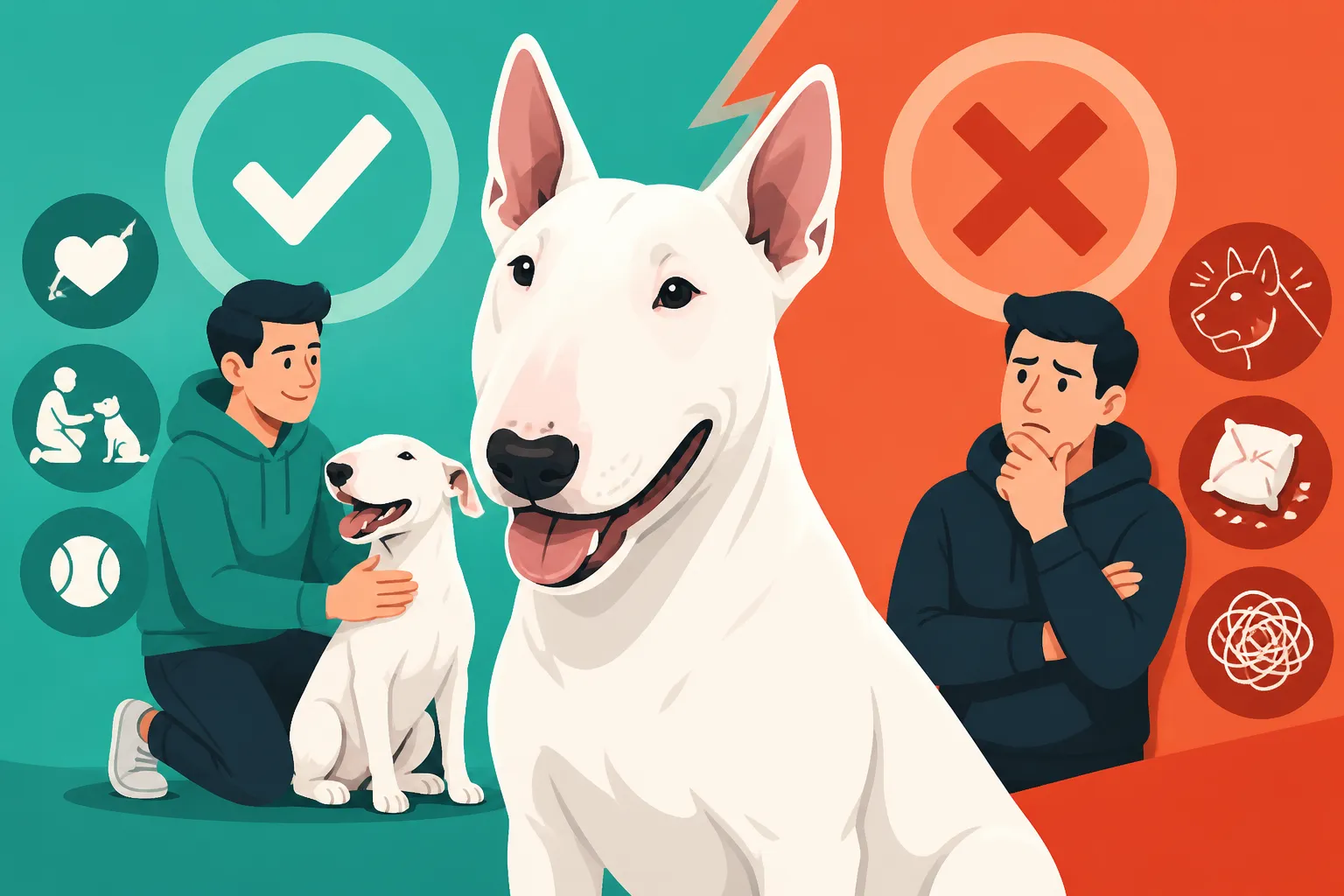
Whether a Bull Terrier Suits a First Time Owner
Thinking about bringing a Bull Terrier into your life, especially if this is your very first dog? It’s a huge, exciting step, but let’s be real: some breeds are definitely more of a "learn-as-you-go" experience than others. Many first-time owners dream of a loyal companion, but sometimes, a Bull Terrier's unique personality can throw a curveball that newcomers just aren't prepared for. This comprehensive guide is here to give you an honest, empathetic look at what it really means to own a Bull Terrier, helping you decide if you're ready for the delightful, challenging, and utterly unforgettable journey ahead.
Understanding the Unique Bull Terrier Temperament
Before you even think about training or daily routines, you absolutely must grasp the core personality of a Bull Terrier. They are unlike many other breeds, and their distinct characteristics are what make them so beloved by their devoted owners, but also a potential handful for the uninitiated. This isn't your average Golden Retriever or Labrador, and expecting them to behave like one will lead to a world of frustration for both you and your future companion.
The "Three-Year-Old in a Dog Suit" Phenomenon
Ah, the classic description: a "three-year-old in a dog suit." If you've never heard this before, prepare yourself. This isn't just a cute saying; it’s a remarkably accurate portrayal of their mental maturity and mischievous spirit. While physically a robust adult dog, a Bull Terrier often retains the boundless energy, curious nature, short attention span, and, let's be honest, the occasional tantrum of a toddler. They're constantly exploring, testing boundaries, and finding new ways to entertain themselves, which usually involves whatever you find most valuable or off-limits.
This isn't a phase they grow out of quickly, if ever. While a puppy might eventually settle into a more sedate adult rhythm in other breeds, many Bull Terriers maintain that playful, sometimes exasperating, exuberance well into their senior years. This means you need an endless supply of patience, a sense of humor, and a proactive approach to managing their environment. If you're hoping for a dog that will mature into a dignified, quiet companion by age two, a Bull Terrier might not be the right fit. For more insight into their general disposition, check out What a Bull Terrier's Temperament Is Really Like.
Their Stubborn Streak and Independent Mind
Let's talk about stubbornness. Bull Terriers are notoriously stubborn. They aren't trying to be difficult; they simply have a very strong sense of "what's in it for me?" and an independent streak a mile wide. If they don't see the immediate benefit or connection to what you're asking, they might just decide to politely, or not so politely, ignore you. This isn't malice; it's just pure, unadulterated Bull Terrier logic. They are intelligent, yes, but they use that intelligence to figure out how to get their way, not always yours.
This independent spirit means that "blind obedience" is rarely in their vocabulary. You can't just command a Bull Terrier; you have to convince them. They'll weigh your request against their own desires, and if the latter wins, you’ll be left wondering if they even heard you. This requires a different approach to training and a deep understanding of canine motivation. Understanding How Stubborn a Bull Terrier Is is crucial before bringing one home.
The Bull Terrier's Affectionate, Clownish Nature
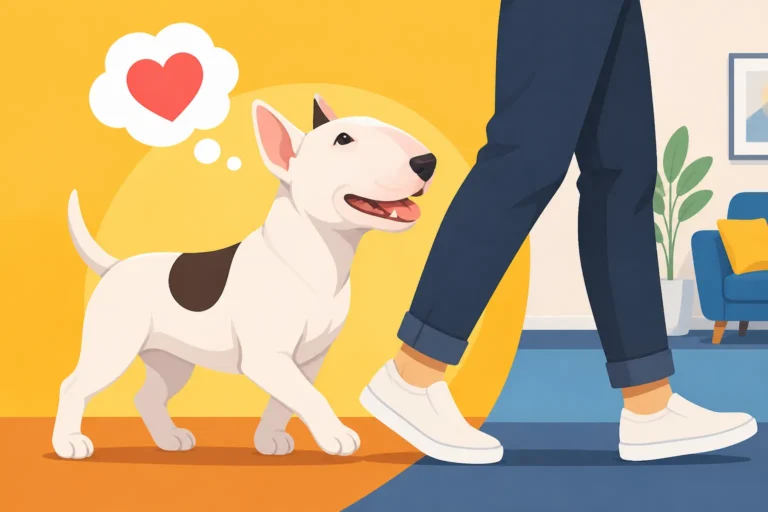
Despite their stubbornness and boundless energy, Bull Terriers are incredibly affectionate and can be the biggest clowns you'll ever meet. They thrive on human companionship and genuinely want to be part of everything you do. They'll lean into you, snuggle up on the couch, and often try to worm their way onto your lap, regardless of their size. Their goofy antics, silly expressions, and boundless enthusiasm are utterly endearing and a huge part of their charm.
This deep need for connection means they don't do well as backyard dogs or isolated pets. They need to be with their people, soaking up attention and being included in family activities. Their clownish behavior is often a bid for attention, and they'll do just about anything to make you laugh. This affectionate side is what hooks many owners, balancing out the challenges with a deep, loving bond. They might be a handful, but they're also a constant source of joy and laughter.
Training Challenges for the Uninitiated
If you're a first-time dog owner, you're likely coming into this with a blank slate, perhaps having read some generic "how-to" dog training books. The truth is, Bull Terriers often require a specialized approach that goes beyond standard obedience protocols. Their intelligence combined with their independent and sometimes mischievous nature means that what works for a Border Collie might utterly fail with a Bull Terrier.
Why Standard Training Methods Often Fall Short
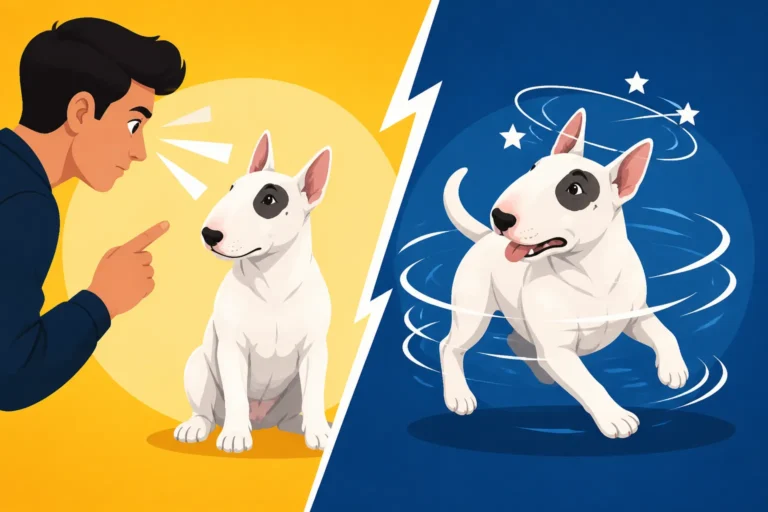
Many conventional training methods, particularly those focused on rote repetition or heavy-handed corrections, simply don't resonate with a Bull Terrier. They are smart enough to understand what you want, but their independent nature often leads them to question why they should comply. They'll quickly become bored with endless drills or shut down entirely if training feels like a chore or a punishment. A Bull Terrier thrives on engagement, variety, and the feeling that they are collaborating with you, not just blindly following orders.
This often leads to frustration for first-time owners who expect a dog to respond consistently after a few repetitions. A Bull Terrier might perform perfectly in a structured class setting, only to "forget" everything the moment they step out into the real world or decide there's something more interesting afoot. Their attention span can be short, and external distractions are often far more compelling than your earnest requests. They demand creativity and adaptability from their trainers.
The Importance of Positive Reinforcement and Engagement
For a Bull Terrier, positive reinforcement isn't just a preferred method; it's often the only effective one. They respond best to rewards-based training that makes learning fun and rewarding for them. High-value treats, favorite toys, or enthusiastic praise are far more motivating than any stern word. The key is to make training a game, a puzzle, or an exciting adventure they want to be part of. Keep sessions short, upbeat, and varied to hold their interest.
Engagement is paramount. A Bull Terrier needs to believe that you are the most exciting thing in their environment. If you can tap into their play drive and make learning an extension of their natural desire for fun, you'll see much greater success. This means being animated, unpredictable (in a good way!), and genuinely enthusiastic. Programs like those offered by BAXTER & Bella can provide a structured, positive reinforcement approach that helps first-time owners navigate these unique challenges, offering a roadmap for engagement and effective communication with their strong-willed companion. For more on what motivates them, consider why A Bull Terrier Trains When It Sees the Point.
Dealing with Leash Pulling and Body Slamming
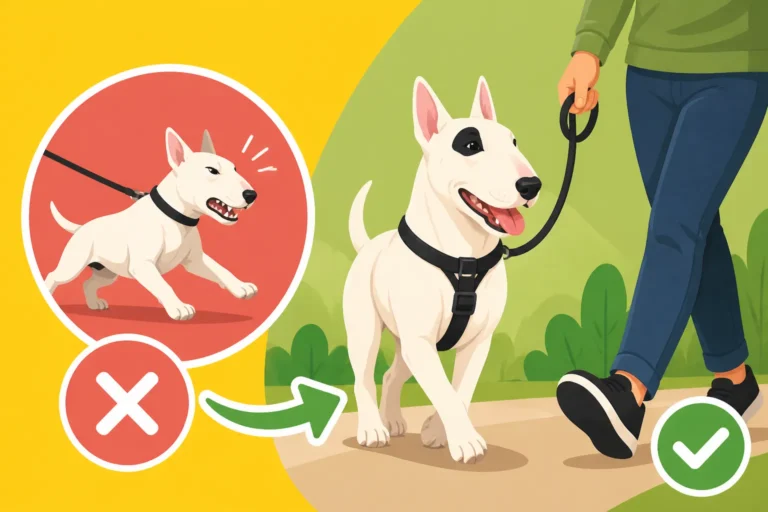
Two common physical challenges for Bull Terrier owners are leash pulling and their characteristic "body slamming." Their powerful, muscular build means they can pull with surprising force, often dragging an unsuspecting owner down the street. Teaching a Bull Terrier to walk politely on a leash requires consistency, proper equipment, and a strong understanding of how to manage their excitement and focus. This isn't just about comfort; it's about safety for both you and your dog.
Then there's the body slam. It's their unique, enthusiastic way of showing affection or inviting play, but it can easily knock a person off balance, especially children or the elderly. They don't mean to hurt you; they just don't understand their own strength and exuberance. Teaching them alternative, calmer greetings and engaging in appropriate play is crucial. This is where patience and consistent redirection come in. You'll want to explore strategies for Living With a Bull Terrier That Body Slams You for Fun and mastering Teaching a Bull Terrier to Walk Without Pulling from day one.
Exercise and Mental Stimulation Demands
Many people assume a short-coated dog like a Bull Terrier doesn't need much exercise. This couldn't be further from the truth. They are robust, energetic dogs originally bred for stamina and power, and that drive is still very much present. A bored, under-exercised Bull Terrier is a recipe for disaster, especially for a first-time owner who might not recognize the subtle (or not-so-subtle) signs of unmet needs.
More Than Just a Walk in the Park
While a daily walk is essential, it's often not enough to truly tire out a Bull Terrier. They need a combination of physical activity that challenges their muscles and mental stimulation that engages their clever minds. Think beyond a simple stroll around the block. They thrive on varied environments, sniffing out new scents, and engaging in activities that allow them to burn off steam and use their bodies. Running, vigorous play in a secure yard, or structured games can be far more effective than an hour of polite leash walking.
Moreover, their exercise needs aren't always linear. They can go from zero to sixty in a blink, performing "zoomies" that seem to defy gravity, then crash just as quickly. Understanding these energy bursts and providing appropriate outlets is key. If you're a couch potato hoping for a low-energy companion, a Bull Terrier will quickly disabuse you of that notion, likely by redesigning your living room. You should seriously consider How Much Exercise a Bull Terrier Actually Needs.
The Need for Consistent Enrichment to Prevent Boredom
A Bull Terrier with nothing to do will invent its own entertainment, and trust me, you probably won't like their choices. They are incredibly intelligent, and their minds need to be worked just as much as their bodies. Puzzle toys, training games, scent work, and interactive play are vital for preventing boredom and the destructive behaviors that often follow. These aren't optional extras; they are fundamental components of their well-being.
Leaving a Bull Terrier alone for long periods without adequate mental stimulation is a common pitfall for first-time owners. They might start by simply chewing a shoe, but it can quickly escalate to tearing apart furniture, digging craters in the yard, or even self-destructive behaviors born of anxiety. Think of enrichment as a daily requirement, not just an occasional treat. For ideas on keeping them engaged, delve into What a Bull Terrier Does When It Is Bored.
Managing High Energy and Potential Destructive Behaviors
When a Bull Terrier's energy isn't channeled appropriately, destructive behaviors are almost guaranteed. This isn't out of spite; it's simply their way of coping with pent-up energy, boredom, or anxiety. They have incredibly powerful jaws and can make short work of objects that would deter other breeds. Your sofa, favorite pair of shoes, or even drywall can become a target. This can be shocking and incredibly costly for new owners.
Managing this requires a multi-pronged approach: ample exercise, consistent mental stimulation, appropriate chew toys (and lots of them!), and strategic supervision. Crate training is often essential for their safety and the preservation of your home, particularly when you cannot supervise them directly. Investing in durable, Bull Terrier-proof toys and beds from places like Amazon can save you a lot of heartache (and money!). Prevention is always easier than trying to stop an established destructive habit.
Socialization and Living with Others
One of the most critical aspects of raising any dog, but especially a strong, high-energy breed like a Bull Terrier, is proper socialization. For a first-time owner, understanding the nuances of how Bull Terriers interact with other dogs, children, and even smaller pets is paramount to ensuring a harmonious household and preventing potential issues down the line.
Navigating Introductions with Other Dogs
Bull Terriers generally have a strong personality, and while some are perfectly amiable with other dogs, many can be particular or even dog-selective, especially same-sex pairs. They often prefer to be the "only dog" or need careful, managed introductions with canine companions. Their enthusiastic play style can also be off-putting or overwhelming to more sensitive dogs, and they might not always pick up on subtle canine social cues. This isn't aggression, but it can easily escalate if not managed correctly.
For a first-time owner, understanding dog body language and knowing when to intervene is a learned skill. Dog parks, for instance, can be risky environments for Bull Terriers, as they are often too chaotic for their intense play style and potential for dominant interactions. Instead, focus on supervised, one-on-one playdates with well-matched dogs or controlled group settings where behavior can be closely monitored. Researching How a Bull Terrier Gets On With Other Dogs before you commit is highly recommended.
Bull Terriers and the Family Dynamic: Children and Other Pets
With children, Bull Terriers can be wonderfully affectionate and tolerant, often seeing kids as fellow playmates. However, their sheer strength and enthusiasm mean they can accidentally knock over a small child with an excited bump or a playful lunge. Supervision is always critical, and children need to be taught how to interact respectfully with the dog, while the dog needs to learn gentle play. Their "three-year-old in a dog suit" mentality can sometimes mean they don't grasp their own strength.
When it comes to smaller pets like cats, rabbits, or birds, a Bull Terrier's strong prey drive can be a significant concern. While some Bull Terriers can be raised successfully with cats, it often requires careful, early socialization and constant supervision. For a first-time owner, managing a strong prey drive can be incredibly challenging and requires an unwavering commitment to training boundaries and ensuring the safety of all household members. This breed is not usually recommended for homes with small, fragile pets unless the owner has significant experience with canine behavior and management. To understand their typical interactions with kids, read How a Bull Terrier Plays With Children.
Understanding Their Prey Drive and Boundaries
The Bull Terrier was originally developed with a purpose that included gameness and tenacity. While they are no longer bred for fighting, that inherent drive can manifest as a strong prey instinct. This means squirrels, rabbits, neighborhood cats, or even fast-moving objects can trigger an intense chase response. This drive often translates to difficulty with off-leash reliability in unsecured areas, as their instinct to chase can override any training they've received.
Establishing clear boundaries and consistent training from a young age is crucial for managing this prey drive. This includes a rock-solid "leave it" command, a reliable recall, and always keeping them leashed in unfenced areas. For first-time owners, controlling a dog with such a strong natural impulse can be daunting and requires dedication. They might require specialized training with a professional who understands prey drive and how to channel it safely.
Health Considerations and Lifelong Care
Owning any dog comes with health responsibilities, but Bull Terriers, like many purebreds, are prone to certain genetic conditions that first-time owners absolutely must be aware of. Being prepared for these potential issues, both financially and emotionally, is a critical part of responsible ownership. This isn't about scaring you, but about providing a realistic picture of the commitment involved.
Common Health Issues a First-Time Owner Should Know
Bull Terriers are prone to several health issues that can be costly and require lifelong management. Hereditary Nephritis (kidney disease) is a significant concern, often striking dogs in their prime and requiring regular monitoring. Heart conditions, such as Mitral Valve Dysplasia and Aortic Stenosis, are also prevalent, often requiring echocardiograms and potential medication. Deafness, particularly in white Bull Terriers, is another common issue, requiring special consideration for communication and training. The Yearly Urine Test Every Bull Terrier Owner Should Book is just one example of the proactive care needed.
Skin issues are also very common, ranging from allergies to zinc-responsive dermatosis. Their short, sparse coat and often pink skin can make them susceptible to sunburn, especially for white Bull Terriers. A first-time owner might underestimate the dedication required for managing these conditions, which can involve special diets, medications, frequent vet visits, and a meticulous grooming routine. Getting familiar with A Bull Terrier's Skin Is Its Weakest Point is a must.
The Commitment to Regular Vet Care and Proactive Screening
Given their breed-specific health concerns, Bull Terriers require more than just annual vaccinations. They need proactive and consistent veterinary care, including regular screenings. For instance, yearly urine protein-to-creatinine (UPC) ratio tests are crucial for early detection of kidney issues, and cardiac screenings (like echocardiograms) are recommended to catch heart conditions before they become critical. If you are getting a puppy, a reputable breeder will have performed What a Bull Terrier Breeder Should Have Tested.
This proactive approach means more vet visits and potentially higher veterinary bills than you might expect for a healthier breed. For a first-time owner, navigating these medical complexities can be overwhelming. It requires finding a veterinarian who is knowledgeable about Bull Terriers and being diligent about follow-through on testing and treatment plans. This isn't a dog you can afford to skip vet appointments with.
Grooming and Nutritional Needs Beyond the Basics
While Bull Terriers have a short coat that might seem low-maintenance, their grooming needs go beyond a quick brush. Their sensitive skin often requires specific shampoos and attention, especially if allergies or other skin conditions arise. Regular nail trims are essential, and some Bull Terriers might resist this, requiring patience and desensitization from a young age. For white Bull Terriers, sun protection is paramount; they need pet-safe sunscreen on their pink skin, especially on their ears and nose, to prevent painful sunburn and reduce the risk of skin cancer.
Nutrition also plays a vital role. They are active dogs that need a high-quality diet, and if kidney issues arise, a special renal diet will become a lifelong necessity. This isn't just about feeding them any dog food; it's about providing species-appropriate nutrition tailored to their specific needs and health challenges. For first-time owners, understanding canine nutrition and the impact of diet on health can be a steep learning curve. The guide Feeding a Bull Terrier That Might Have Kidney Disease provides a detailed look at specific dietary requirements.
The Time and Financial Commitment
Let’s be brutally honest: owning a Bull Terrier is a significant commitment of both your time and your money. This isn’t a breed for the faint of heart or the shallow of wallet. For a first-time owner, the sheer scale of this commitment can be a rude awakening if not properly researched and understood beforehand.
The "Hidden Costs" Beyond the Purchase Price
The initial purchase price of a well-bred Bull Terrier puppy is just the tip of the iceberg. Many first-time owners budget for the puppy and basic supplies, but neglect to consider the ongoing and often significant "hidden costs." These include the higher vet bills due to breed-specific health issues (like kidney disease or cardiac evaluations), specialized diets, medications, and potential emergency care. A Bull Terrier is not an inexpensive dog to maintain.
Beyond health, consider the cost of indestructible toys (because they will destroy lesser ones), heavy-duty crates, and potential repairs to your home if destruction does occur. Training classes, often needed for their specific temperament, also add up. Then there's the cost of high-quality food to fuel their active bodies and perhaps special diets if health conditions demand it. It's not uncommon for their lifetime costs to run into the tens of thousands. To get a grasp on the financials, read What a Bull Terrier Costs a Month Before Any Illness and consider What a Bull Terrier Costs Over Its Lifetime.
Why They Cannot Be Left Alone All Day
Bull Terriers are incredibly people-oriented dogs who thrive on companionship. They form deep bonds with their families and genuinely suffer when left alone for extended periods. This isn't just about separation anxiety; it's about their fundamental need for engagement and interaction. Leaving a Bull Terrier by themselves for 8-10 hours a day while you're at work, without adequate exercise, mental stimulation, or a mid-day break, is a recipe for behavioral problems and an unhappy dog.
For a first-time owner, this means rethinking your daily schedule. Do you work from home? Can you afford a dog walker or doggy daycare (assuming a Bull Terrier is welcome there)? Do you have family or friends who can provide mid-day interaction? If your lifestyle demands long hours away from home and you don't have a robust support system, a Bull Terrier is likely not the right fit. They need to be part of your life, not just an adjunct to it. For insights into their alone time, consider How Long a Bull Terrier Lasts Alone Before It Chews.
Planning for a Decade (or more!) of Bull Terrier Ownership
Bull Terriers typically live for 10 to 14 years, which is a wonderful lifespan for such a robust breed. However, for a first-time owner, this means committing to a decade or more of dedicated care, financial responsibility, and emotional investment. This isn't a temporary pet; it's a long-term family member who will depend entirely on you for their well-being. The Ten to Fourteen Years a Bull Terrier Gets article expands on this lifespan.
This long-term commitment includes planning for their senior years, which may bring age-related health issues and increased vet visits. It means being prepared for lifestyle adjustments, potential housing restrictions (some landlords and insurance companies have breed-specific rules), and the unwavering dedication required to manage their unique needs throughout their lives. If you're unsure about such a long-term, intensive commitment, it's worth taking a step back and truly evaluating your readiness. Many experienced owners recommend getting pet insurance, and for a Bull Terrier, looking into Insuring a Bull Terrier Against What It Actually Gets early on is a smart move to mitigate unexpected costs.
Making an Informed Decision: Are You Ready?
So, after all this, the big question remains: Does a Bull Terrier suit a first-time owner? The honest answer is: it depends entirely on the owner. It’s not about whether you can handle a dog, but whether you can handle this dog. A Bull Terrier isn't a beginner-friendly breed by traditional standards, but a dedicated, well-researched first-time owner with realistic expectations and a strong support system can absolutely succeed.
Assessing Your Lifestyle and Experience Level
Before you bring a Bull Terrier home, do a brutally honest assessment of your current lifestyle and experience level. Do you have the time, energy, and patience to commit to consistent training, extensive exercise, and dedicated companionship? Are you prepared for potential challenges in dog-dog interactions, or their sometimes overwhelming enthusiasm? Do you have the financial stability to cover routine care, specialized diets, and unexpected medical expenses? If you hesitate on any of these points, a Bull Terrier might be too much, too soon.
Consider your personality: are you patient and resilient, able to laugh off minor mishaps, and consistent in your expectations? Or do you get easily frustrated and prefer a dog that learns quickly and responds without question? Bull Terriers need a leader who is calm, consistent, and creative, not one who is easily discouraged or quick to anger. Their sensitivity to tone means a harsh correction will shut them down, making positive reinforcement and a strong bond essential.
Seeking Guidance from Experienced Bull Terrier Owners and Mentors
One of the best things a prospective first-time Bull Terrier owner can do is connect with experienced owners, reputable breeders, and breed-specific rescue organizations. These individuals can offer invaluable insights, advice, and mentorship that you won't find in generic dog books. They can help you understand the breed's nuances, recommend specific training techniques, and guide you through potential challenges. They’ve been there, done that, and probably have a funny story about their own Bull Terrier’s latest antics.
Attending local dog shows, Bull Terrier meet-ups, or joining online communities dedicated to the breed can be incredibly helpful. Ask questions, observe interactions, and get a realistic sense of what life with a Bull Terrier truly entails. A good breeder will also vet you thoroughly, ensuring you understand the breed's needs and are prepared for the commitment. For example, a quality breeder will share information on Which Health Tests a Bull Terrier Breeder Should Run and be transparent about their dogs' health.
The Rewards of Owning this Special Breed
For all their challenges, Bull Terriers are an incredibly rewarding breed for the right owner. Their unique personalities, boundless affection, and hilarious antics create an unparalleled bond. They are loyal, devoted companions who will enrich your life with endless laughter, snuggles, and unforgettable moments. Their intelligence and zest for life make every day an adventure.
The pride and satisfaction that comes from successfully training and living with such a strong-willed, yet loving, breed is immense. They teach you patience, creativity, and the power of an unconditional bond. If you are prepared for the commitment, understand their needs, and approach ownership with an open mind and a big heart, a Bull Terrier can be the most wonderful, goofy, and loyal friend you'll ever have.
First-Time Owner Suitability: Bull Terrier vs. Other Breeds
To help first-time owners visualize the commitment, here's a quick comparison of Bull Terriers against some commonly recommended "beginner-friendly" breeds across key ownership aspects.
| Aspect of Ownership | Bull Terrier | Labrador Retriever / Golden Retriever | Cavalier King Charles Spaniel | Bichon Frise |
|---|---|---|---|---|
| Temperament | Stubborn, independent, clownish, highly affectionate, energetic. Needs strong leadership. | Eager to please, friendly, intelligent, generally easygoing. | Gentle, affectionate, adaptable, eager to please. | Cheerful, playful, charming, generally good-natured. |
| Training Ease | Challenging. Requires creativity, high motivation, and consistency. Can be "what's in it for me?" | Moderate. Respond well to positive reinforcement, keen to learn. | Easy. Very responsive, enjoys pleasing owner, quick to learn. | Moderate. Smart but can be sensitive, responds well to gentle methods. |
| Exercise Needs | High. Daily vigorous activity (running, intense play) plus mental stimulation. | Moderate-High. Daily walks/runs, needs outlets for energy. | Moderate. Daily walks, enjoys playtime, adapts to owner's activity. | Low-Moderate. Daily walks, indoor play sufficient. |
| Alone Time | Poor tolerance. Prone to separation anxiety/destructive behavior if left alone. | Moderate. Can tolerate some alone time but prefers company. | Good tolerance. Content to nap while owner is out, but needs company. | Poor tolerance. Prone to separation anxiety if left alone for too long. |
| Socialization | Crucial and ongoing, especially with other dogs due to potential dog-selectivity/prey drive. | Generally good with other dogs/people, still needs early socialization. | Very good. Friendly with everyone, needs early exposure. | Good. Friendly, needs early socialization to prevent shyness. |
| Health Concerns | Hereditary Nephritis, heart issues, deafness, skin conditions. Requires proactive screening. | Hip/elbow dysplasia, certain cancers, eye conditions. | Heart disease (MVD), syringomyelia, eye issues, patellar luxation. | Patellar luxation, dental disease, allergies. |
| Grooming | Low-medium. Short coat, but sensitive skin needs attention (sunscreen, medicated shampoos). | Medium. Regular brushing for shedding, occasional professional grooming. | High. Daily brushing, professional grooming every 4-6 weeks to prevent matting. | High. Daily brushing, professional grooming every 4-6 weeks to prevent matting. |
| First-Time Owner | Not recommended without extensive research, support, and realistic expectations. | Highly recommended. Trainable, adaptable, generally good family dogs. | Highly recommended. Great companion, adaptable to various lifestyles. | Recommended. Good for apartments, generally low impact, but grooming is key. |
Disclaimer
This article is for general informational purposes only and does not constitute professional advice. Laws, prices and regulations vary by location and change over time. Consult a qualified professional for guidance on your specific situation.