How Much Exercise a Bull Terrier Actually Needs
One of the biggest surprises for new Bull Terrier owners, and even those who've admired the breed from afar, is just how much exercise these charismatic clowns actually need. You might see their sturdy, compact build and assume they're low-key couch potatoes, but that's a mistake many quickly regret. This guide is here to shatter those myths and provide a realistic, empathetic roadmap to ensuring your Bull Terrier is physically and mentally fulfilled, preventing the common frustrations of a bored or under-exercised dog.
The Myth vs. The Reality of Bull Terrier Energy
It’s easy to look at a Bull Terrier, with their distinctive egg-shaped head and muscular frame, and picture them as a calm, dignified companion. Perhaps you've seen them napping in a sunny spot and thought, "That's the life for me and my dog!" The reality, however, is often a very different picture. While they certainly excel at napping after they've had their fill of activity, a well-exercised Bull Terrier is a happy, calm Bull Terrier. An under-exercised one, on the other hand, can be a whirlwind of delightful, yet utterly frustrating, energy.
Why Their Appearance Can Be Deceiving
Their thick-boned, powerful build might suggest a certain slowness or low-impact need, but don't let those sturdy legs fool you. Bull Terriers were originally bred for a specific kind of stamina and grit, and that heritage translates into a surprising amount of drive. They might not be built for endurance running like a Border Collie, but they have bursts of incredible speed and power. They can pivot on a dime, launch themselves into the air, and dig with astonishing efficiency. This isn't a delicate breed; it's a powerhouse, and that power needs an outlet.
The quiet moments you observe are often the direct result of adequate exercise. If you see a Bull Terrier peacefully observing the world, chances are their owner has already put in the work to burn off that boundless enthusiasm. Without that outlet, their strength and intelligence can quickly turn into destructive behaviors or incessant attention-seeking, leaving owners feeling overwhelmed and bewildered.
The "Zoomies" Phenomenon and What It Really Means
Ah, the zoomies! Every Bull Terrier owner knows them well. One minute your dog is perfectly still, perhaps even asleep, and the next they're tearing through the house or yard at warp speed, bouncing off furniture, spinning in circles, and generally acting like a furry, white-hot missile. These bursts of frantic energy, often accompanied by goofy grins and wild eyes, are endearing, yes, but they're also a clear signal.
Often, zoomies are a sign of pent-up energy that needs a healthy release. While some zoomies are simply happy exuberance, frequent or intense indoor zoomies can indicate that your Bull Terrier isn't getting enough structured physical activity. Think of it as their internal pressure cooker reaching its limit. Instead of seeing it as cute, try to interpret it as a communication: "Mom, Dad, I need to go!" These aren't just random acts of silliness; they're a physical manifestation of a breed designed for activity, seeking an outlet any way it can get one.
The Importance of Mental Stimulation Over Pure Physical Exhaustion
Here's where many well-meaning owners go astray: they focus solely on physical exercise. They might walk their Bull Terrier for an hour, thinking that's enough, only to find their dog is still bouncing off the walls. This is because Bull Terriers, with their keen intelligence and strong will, need more than just a tired body; they need a tired mind. Pure physical exhaustion can certainly help, but without mental engagement, they'll find ways to entertain themselves, and those ways rarely align with human household standards.
Imagine being forced to run a marathon every day without any interesting scenery or purpose. You'd be physically drained, but your mind might still be buzzing with boredom or frustration. It's the same for a Bull Terrier. A long walk through the same park, while good, might not engage their brains as much as a shorter walk in a novel environment with lots of new smells, or a dedicated training session. Incorporating scent work, puzzle toys, and consistent training is just as crucial as physical exertion. A Bull Terrier thrives when given a "job," even if that job is figuring out how to get treats out of a dispenser or learning a new trick. They need to think, problem-solve, and engage their formidable intellect. This dual approach to exercise is what truly creates a calm, contented Bull Terrier. Why a Bull Terrier Needs a Job is a great resource if you're looking for more ideas on engaging their intellect.
Understanding Different Stages of a Bull Terrier's Exercise Needs
Just like people, a Bull Terrier's exercise requirements change throughout their life. What's appropriate for a bouncy puppy can be detrimental to an aging senior, and what fulfills an adolescent might barely touch an adult. Understanding these stages is key to providing appropriate care and preventing injury or burnout.
Puppyhood: Building a Foundation, Not Overdoing It
Bull Terrier puppies are bundles of boundless energy, but it's critical to resist the urge to over-exercise them. Their bones and joints are still developing, and too much high-impact activity can lead to long-term orthopedic problems. Think quality over quantity during this stage. Short, frequent play sessions are far better than one long, strenuous outing.
For a young Bull Terrier puppy, say up to six months old, a good rule of thumb is five minutes of structured exercise per month of age, twice a day. So, a four-month-old puppy might get two 20-minute sessions of gentle play or walking. Focus on socialization, short walks on varied surfaces (grass, pavement, sand), and supervised play with other calm, vaccinated dogs. Let them explore, sniff, and learn about the world at their own pace. Roughhousing and forced running should be avoided. Mental stimulation through brief training sessions – learning "sit," "stay," and leash manners – is incredibly valuable and helps tire them out without stressing their growing bodies. If you're wondering How Much a Bull Terrier Puppy Should Exercise, remember that restraint is often the best policy.
Adolescence: The Peak of Energy and Challenge
Welcome to the Bull Terrier teenage years! This phase, typically from around 6 months to 2 years, is when their energy levels often peak. They've grown into their bodies, their bones are stronger, and their minds are buzzing. This is when you'll truly appreciate the phrase The Age a Bull Terrier Finally Settles – because it definitely won't be now! They have an incredible drive to explore, chew, and test boundaries. If they don't get sufficient exercise, both physical and mental, this is when destructive behaviors and mischief are most likely to surface.
During adolescence, you can gradually increase the duration and intensity of exercise. Longer walks, brisk jogs, more intense play sessions, and even some supervised off-leash time in secure areas are appropriate. However, it's still crucial to monitor for signs of fatigue and heat intolerance, especially for white Bull Terriers on warm days. Consistent training remains vital; their physical energy often comes with a dose of stubbornness, so regular engagement keeps their minds sharp and focused. This is the period when they really start to demand an active lifestyle, and meeting that demand sets the stage for a well-adjusted adult.
Adult Years: Finding the Right Balance
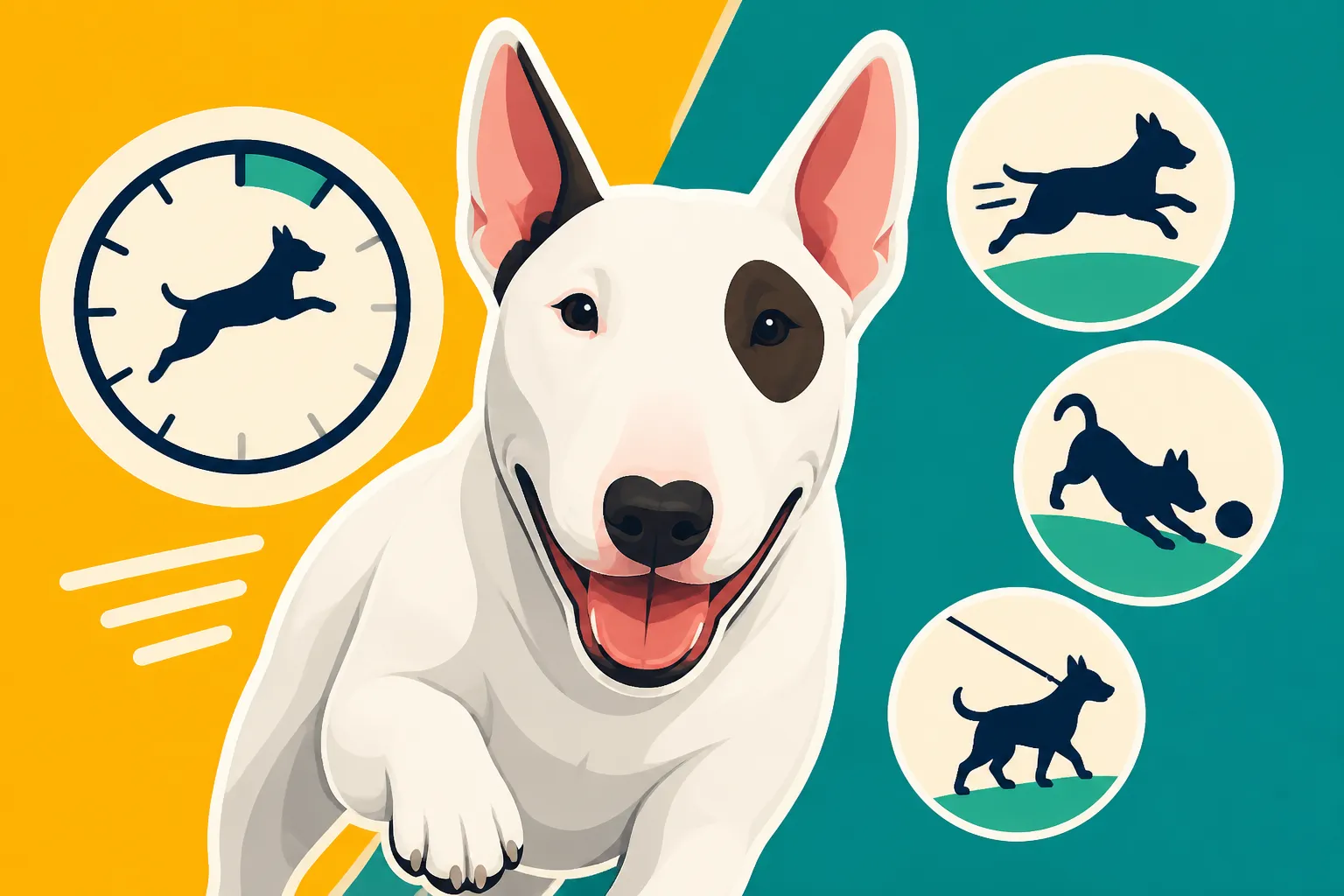
Once your Bull Terrier reaches full maturity, typically around 2-3 years of age, their exercise needs will stabilize. They'll still require a substantial amount of activity, but the frantic energy of adolescence might mellow slightly, replaced by a more predictable, powerful drive. Most adult Bull Terriers thrive on at least 60-90 minutes of dedicated exercise daily, often broken into two sessions. This isn't just a leisurely stroll; it needs to be engaging and vigorous.
This could include a brisk 45-minute walk or jog in the morning, followed by another 30-45 minutes of playtime, training, or a sniff-heavy walk in the evening. Consistency is key. Bull Terriers appreciate routine and knowing what to expect. This stage is about finding the sweet spot where they are tired but not over-exerted, mentally stimulated but not frustrated. Remember, their minds are as active as their bodies. Integrating training games, interactive toys from places like Amazon, or even enrolling in dog sports can be incredibly beneficial.
Senior Years: Adapting to Slower Paces
As your Bull Terrier approaches their senior years, typically starting around 8 years old, their exercise needs will begin to shift again. They might not have the same stamina or desire for long, intense runs. It's important to be observant and adapt their routine to their changing capabilities. Don't stop exercising them, but adjust the intensity and duration.
Shorter, more frequent walks become the norm. Gentle strolls where they can sniff and explore at their leisure are excellent. Swimming, if they enjoy it and can do it safely (many Bull Terriers aren't natural swimmers due to their build), can be a great low-impact exercise. Mental stimulation through puzzle toys and gentle training games remains important, keeping their minds sharp even if their bodies are slowing down. Pay close attention to any signs of pain, stiffness, or fatigue, and consult your veterinarian regularly to discuss appropriate exercise levels for their health status. Maintaining a healthy weight through diet and appropriate exercise is crucial for senior Bull Terriers to prevent extra strain on their joints.
Daily Exercise Requirements for a Healthy Bull Terrier
So, what does that "substantial amount" of exercise actually look like on a day-to-day basis? It's more than just letting them out in the yard. It's about providing structured activity that meets their physical and mental demands, integrating different types of movement and engagement.
Structured Walks: More Than Just a Potty Break
For a Bull Terrier, a walk isn't just about relieving themselves; it's an opportunity for exploration, mental engagement, and physical exertion. These walks should be brisk and purposeful, ideally lasting at least 30-45 minutes, twice a day for an adult. This means you should be moving at a pace that keeps their heart rate up, not just a leisurely amble where they stop every two feet.
Varying your walking routes is also highly beneficial. Exploring new neighborhoods, parks, or even dog-friendly hiking trails provides a wealth of new scents and sights, which are incredibly stimulating for a Bull Terrier. Remember, a Bull Terrier can be quite strong on a leash, so having the right equipment and training is essential. Tools like a front-clip harness can be invaluable for Teaching a Bull Terrier to Walk Without Pulling and making the experience more enjoyable for both of you. Don't underestimate the power of a good, consistent walk; it's the bedrock of their daily routine.
Playtime: Engaging Their Minds and Bodies
Beyond walks, dedicated playtime is crucial. Bull Terriers love to play, and they often prefer interactive games with their people. Think fetch, tug-of-war, or chase. These games allow them to use their powerful bodies, release energy in a fun way, and strengthen the bond with you. Aim for at least 30 minutes of vigorous playtime daily, in addition to their walks.
However, playtime with a Bull Terrier isn't just about throwing a ball. It's an opportunity for mental engagement too. Incorporate commands into your play, like "sit" before throwing the ball, or "drop it" during tug. This keeps their brains working and reinforces their training. Be mindful of the toys you choose; Bull Terriers have incredibly powerful jaws. Look for durable, high-quality toys that can withstand their chewing power. My own Bull Terrier, Buster, has destroyed more "indestructible" toys than I care to admit! Which Toys Survive a Bull Terrier is a crucial topic for any Bull Terrier owner to explore. For those moments when you're busy, consider interactive puzzle toys where they have to work to get a treat, providing both mental and physical activity.
The Role of Off-Leash Activity (and its caveats)
Off-leash time can be incredibly beneficial for a Bull Terrier, allowing them to truly run, stretch their legs, and burn off steam without the restriction of a leash. However, this comes with significant caveats. Bull Terriers have a strong prey drive and can be incredibly tenacious. Their recall might be fantastic 99% of the time, but that 1% when a squirrel or rabbit crosses their path can lead to a dangerous situation.
Therefore, true off-leash freedom should only be granted in securely fenced areas, such as a private yard with a Whether a Bull Terrier Needs a Reinforced Fence or a designated, safe dog park. Even in dog parks, careful supervision is non-negotiable, as Bull Terriers can sometimes be misunderstood by other dogs or people due to their intense play style. If you do utilize dog parks, always ensure the environment is safe and your Bull Terrier is well-socialized and responsive to commands. For those without access to secure off-leash areas, a long line (a very long leash, 30-50 feet) can provide a similar sense of freedom in open, safe spaces, allowing for running and exploration while maintaining a connection to you.
Tailoring Exercise to Your Bull Terrier's Unique Personality
While general guidelines exist, every Bull Terrier is an individual. What works for one might not work for another, and external factors play a huge role in how much and what kind of exercise is appropriate. Paying close attention to your dog's cues and adapting is essential.
Recognizing Individual Energy Levels
Just like people, some Bull Terriers are naturally more energetic than others. You might have a Bull Terrier who seems to have an endless battery, ready to go for hours, while another might be satisfied with less intense activity. Observe your dog's behavior. Are they restless after a typical walk? Are they engaging in destructive chewing or incessant barking? These could be signs they need more. Conversely, are they dragging on walks, panting excessively, or seem unusually tired afterwards? They might be getting too much, or the intensity needs to be reduced.
It's a dance of observation and adjustment. Some Bull Terriers might love a good game of fetch for 20 minutes and then be ready to settle, while others might prefer a long, meandering sniffari. Don't force them into an activity they dislike, but do ensure they're getting a sufficient outlet for their natural drives. A well-adjusted exercise routine is one that caters to their unique needs and keeps them happy and healthy, not just following a rigid schedule.
Health Considerations That Impact Exercise
A Bull Terrier's health is paramount and directly impacts their ability to exercise. Before embarking on any strenuous routine, a thorough vet check-up is always a good idea, especially for puppies and seniors. Certain breed-specific health issues can affect exercise tolerance and even make some activities dangerous.
For instance, The Heart Murmur a Bull Terrier Puppy Should Be Checked For is a real concern. Heart conditions like aortic stenosis can limit their capacity for intense exercise and even lead to sudden collapse if pushed too hard. Similarly, joint issues, patellar luxation, or even conditions like hypothyroidism can affect their energy levels and physical capabilities. White Bull Terriers are also more prone to deafness, which can affect their recall and safety in off-leash situations. Any signs of limping, excessive panting, lethargy, or reluctance to move should prompt an immediate vet visit. Your veterinarian can help you craft an exercise plan that is safe and appropriate for your Bull Terrier's individual health status. Caring for a Bull Terrier Past Eight is a must-read for anyone with an aging Bull Terrier, offering guidance on managing their changing needs.
The Weather Factor: Hot Pavement and Cold Noses
Bull Terriers, with their short coats and compact bodies, are not built for extreme weather. Both heat and cold can pose significant risks and necessitate adjustments to their exercise routine. In hot weather, especially with white Bull Terriers who can easily sunburn, exercising during the coolest parts of the day (early morning or late evening) is critical. How Well a Bull Terrier Handles Heat is something every owner should be acutely aware of. Hot pavement can burn their paw pads, and their brachycephalic (shorter-nosed) tendencies, though not as extreme as a Bulldog, can make them prone to overheating. Always carry water and offer frequent breaks.
Conversely, while they can tolerate moderate cold, prolonged exposure in freezing temperatures isn't ideal, particularly if they are older or have underlying health issues. A light dog coat might be beneficial in colder climates to keep them comfortable on walks. Rainy or snowy days also mean finding indoor alternatives or ensuring they have protective gear. Never underestimate the impact of weather; ignoring it can lead to serious health consequences for your Bull Terrier.
Beyond Physical: The Crucial Need for Mental Exercise
As we've touched upon, a Bull Terrier's impressive physical prowess is matched by an equally impressive, and often stubborn, intelligence. Neglecting their mental needs is like giving them half a workout – they'll still have energy left over, and that energy will find a release, often in ways you won't appreciate. Mental exercise is not a luxury; it's a necessity for a well-balanced Bull Terrier.
Puzzle Toys and Interactive Feeders
These are fantastic tools for engaging a Bull Terrier's problem-solving skills and keeping their minds active, especially when you can't be actively interacting with them. Instead of simply putting their meal in a bowl, consider using an interactive feeder that requires them to roll it, nudge it, or manipulate it to get their kibble. This slows down their eating and makes mealtime a challenging game.
Puzzle toys, readily available from retailers like Amazon, come in many forms, from treat-dispensing balls to more complex contraptions where your dog has to lift lids or slide compartments. These can keep a Bull Terrier occupied for surprisingly long periods, forcing them to think and strategize. Just be sure to choose sturdy, durable options that can withstand their powerful jaws. Introducing new puzzle toys regularly prevents them from becoming too easy and keeps the challenge fresh.
Training Sessions: A Bull Terrier's Favorite "Job"
For a Bull Terrier, training isn't just about obedience; it's a vital form of mental exercise and a fantastic way to bond. They thrive on having a "job" to do, and learning new commands or refining old ones engages their intellect and gives them a sense of purpose. Aim for multiple short (5-10 minute) training sessions throughout the day rather than one long, tedious one. Bull Terriers, while smart, can have short attention spans for repetitive tasks if not made fun. How Short a Bull Terrier's Training Session Has to Be is a concept to master early on.
Use positive reinforcement methods, with high-value treats and enthusiastic praise. They respond incredibly well to clear, consistent communication. Beyond basic obedience, consider teaching them fun tricks like "roll over," "bow," or "fetch specific toys." These activities burn mental energy just as effectively as a physical run and can be done indoors on a rainy day. Companies like BAXTER & Bella offer online resources and training programs that can be particularly helpful for channeling a Bull Terrier's intelligence into positive behaviors.
Exploring New Environments and Scents
Variety is truly the spice of life for a Bull Terrier. Taking them to new places, even if it's just a different park or a pet-friendly store, provides a wealth of novel sensory experiences. All those new sights, sounds, and especially smells, are incredibly stimulating for their brains. A walk that allows them to sniff extensively is often more mentally tiring than a purely physical one. This is often referred to as a "sniffari."
Let them lead you for a portion of the walk, allowing them to explore interesting scent trails. Their noses are powerful tools, and allowing them to use them fulfills an innate canine need. Visiting different dog-friendly businesses, hiking new trails, or even just exploring a new block in your neighborhood can offer immense mental enrichment. These experiences tap into their natural curiosity and desire to investigate, preventing boredom and keeping their world exciting. Whether a Bull Terrier Can Hike is an excellent question to explore, as hiking can offer both physical and mental stimulation in spades.
Consequences of Insufficient Exercise and Stimulation
Failing to meet a Bull Terrier's exercise and mental stimulation needs isn't just about a slightly restless dog. It can lead to a cascade of behavioral and health problems that are frustrating for owners and detrimental to the dog's well-being. Many of the stereotypical "Bull Terrier problems" actually stem from a lack of appropriate outlets for their energy and intelligence.
Destructive Behaviors and Boredom
A bored Bull Terrier is a destructive Bull Terrier, plain and simple. If they don't have appropriate ways to channel their energy and powerful jaws, they will create their own entertainment, and you likely won't appreciate the results. This can manifest as chewing furniture, digging up the yard, shredding pillows, or even tearing apart doorframes. They're not doing it out of malice; they're simply trying to relieve their boredom and innate urge to use their mouths and bodies. What a Bull Terrier Does When It Is Bored can be quite shocking to unprepared owners.
The cost of this destruction, both financially and emotionally, can be significant. Replacing chewed items, repairing damage, and the constant stress of coming home to a wrecked house are common frustrations. Prevention is always better than cure. By providing ample physical exercise and mental challenges, you can dramatically reduce the likelihood of these destructive tendencies emerging. Remember, their minds and bodies are built for action, and if you don't give them a productive outlet, they will find an unproductive one.
Behavioral Issues: From Nipping to Reactivity
Lack of exercise doesn't just lead to destroyed possessions; it can also contribute to a host of behavioral problems. A Bull Terrier that isn't getting enough mental and physical stimulation might become over-aroused, anxious, or even reactive. For puppies, this can mean excessive nipping and mouthiness, as they haven't learned impulse control and are channeling their frustration into physical interaction.
For older dogs, pent-up energy can manifest as excessive barking, incessant attention-seeking (pacing, nudging, pawing), or an inability to settle. They might become more prone to reactivity towards other dogs or people because they're simply too wound up to process stimuli calmly. This isn't necessarily aggression, but rather a display of frustration and overstimulation. A well-exercised Bull Terrier is generally calmer, more receptive to training, and better able to navigate social situations. If you're grappling with a Bull Terrier who exhibits Whether Bull Terrier Tail Chasing Is a Seizure behaviors, addressing exercise and stimulation is often a crucial first step, alongside veterinary consultation.
Health Risks: Obesity and Joint Strain
Beyond behavioral woes, insufficient exercise poses significant health risks. A Bull Terrier's sturdy build can sometimes mask weight gain, but obesity is a serious concern. Extra weight puts undue strain on their joints, predisposing them to conditions like arthritis or exacerbating existing orthopedic issues. It can also contribute to other health problems like diabetes, heart disease, and a shortened lifespan.
Regular, appropriate exercise helps maintain a healthy weight and keeps their muscles strong, which in turn supports their joints. It also promotes good cardiovascular health. A sedentary lifestyle, combined with their sometimes voracious appetites, is a recipe for a chunky Bull Terrier. Keeping them lean and active throughout their lives is one of the best ways to ensure The Ten to Fourteen Years a Bull Terrier Gets are as healthy and comfortable as possible. This balance of diet and exercise is fundamental to their overall well-being.
Crafting an Effective Exercise Schedule
So, how do you take all this information and turn it into a practical, sustainable plan for your Bull Terrier? It starts with a schedule, but one that remains flexible and incorporates variety to keep things interesting for both of you.
A Sample Daily Routine for an Adult Bull Terrier
Let's imagine a typical workday for a Bull Terrier owner. This is just a template, of course, but it gives you a starting point.
| Time Slot | Activity Type | Duration | Notes |
|---|---|---|---|
| 6:30 AM | Morning Relief & Brisk Walk | 30-45 minutes | Purposeful pace, sniff breaks. |
| 7:15 AM | Breakfast in Puzzle Feeder | 15-20 minutes | Mental work, slows eating. |
| 8:00 AM | Short Play/Training Session | 10-15 minutes | Quick game of fetch, review commands. |
| Mid-Day | Potty Break (if possible) | 10-15 minutes | Maybe a quick stretch or sniff. |
| 5:00 PM | Evening Structured Walk | 45-60 minutes | New route, more intense, or dog park if applicable. |
| 6:00 PM | Dinner in Puzzle Feeder | 15-20 minutes | Another mental challenge. |
| 7:00 PM | Interactive Play / Training | 20-30 minutes | Tug, fetch, new tricks, or a session with BAXTER & Bella. |
| 8:30 PM | Chewing/Puzzle Toy | 20-30 minutes | Independent quiet time. |
| 9:30 PM | Final Potty Break | 10 minutes | Calm leashed walk. |
This provides a good mix of physical exertion, mental stimulation, and structured activity. Adjust durations based on your dog's age, health, and individual energy levels. Consistency is key, but don't be afraid to swap activities to keep things fresh.
Incorporating Variety and Preventing Boredom
Following a rigid schedule without any variation can lead to boredom for your Bull Terrier, and a bored Bull Terrier is not a happy Bull Terrier. Think about adding elements that break up the monotony and introduce new challenges.
One day, your evening walk might be a brisk jaunt around the neighborhood. The next, it could be a trip to a local nature trail for a "sniffari." On weekends, explore new dog parks, try a beginner agility class, or even embark on a short, dog-friendly hike. How Far a Bull Terrier Can Run With You is a question that needs individual assessment, but integrating short runs into a varied routine can be excellent. Rotate their puzzle toys and chews, and introduce new training challenges. Consider scattering their kibble in the yard for them to "hunt" for their meal, engaging their noses. The more varied and interesting their routine, the more engaged and less likely to become destructive they will be.
When to Seek Professional Guidance for Exercise or Behavior
Sometimes, despite your best efforts, you might find yourself struggling to meet your Bull Terrier's exercise needs or managing challenging behaviors. This is when seeking professional help is not just recommended but often crucial. If your Bull Terrier is exhibiting extreme destructive behaviors, excessive barking, aggression towards other dogs or people, or if their spinning and tail-chasing seem out of control and you've ruled out medical causes (see Tail Chasing in a Bull Terrier Is a Medical Problem), a certified professional dog trainer or veterinary behaviorist can provide invaluable support.
These professionals can assess your dog's specific needs, identify underlying causes for behaviors, and help you develop a tailored exercise and management plan. They can teach you techniques for improving leash manners, building impulse control, and enhancing mental enrichment. Don't feel ashamed to ask for help; Bull Terriers are unique, powerful dogs, and sometimes an outside perspective and expert guidance are exactly what's needed to unlock their full potential and ensure a harmonious life together.
Essential Gear and Tools for Exercising Your Bull Terrier
Having the right equipment can make all the difference in safely and effectively exercising your Bull Terrier. Their strength, determination, and unique build mean that standard gear often isn't enough. Investing in quality, appropriate tools is an investment in your sanity and their well-being.
Leashes, Collars, and Harnesses for Strong Pullers
Let's be honest: a Bull Terrier on a mission can pull like a freight train. Their muscular neck and broad chest give them incredible leverage. A standard collar can put uncomfortable pressure on their throat and still not give you enough control. A flat buckle collar is fine for ID tags, but for walks, you need more.
Many Bull Terrier owners find success with front-clip harnesses, which redirect their pulling power back towards you, discouraging them from forging ahead. Brands like Blue-9 Balance Harness or Freedom No-Pull Harness are often recommended for their effectiveness and comfort. Head halters can also be very effective for strong pullers, but they require careful introduction and training to ensure your dog is comfortable with them. Avoid retractable leashes, as they offer minimal control and can be dangerous with a strong, fast-moving dog. A sturdy 6-foot nylon or leather leash is usually best. Remember, no matter the equipment, consistent training on loose-leash walking is paramount. If you're struggling with How Strong a Bull Terrier Is on a Leash, the right gear can certainly help.
Durable Toys That Withstand the Bull Terrier Chew
If there's one thing a Bull Terrier excels at, it's chewing. Their powerful jaws are designed for it, and most standard dog toys simply won't last more than a few minutes. This isn't just about wasted money; small pieces can break off and become choking hazards or cause intestinal blockages.
Invest in toys specifically designed for power chewers. Brands known for their durability include Kong (especially their Extreme line), GoughNuts, and Nylabone (but always supervise to prevent ingestion of large pieces). Hard rubber toys are often a good bet. Interactive puzzle toys should also be made of robust materials. Rotate their toys regularly to keep them novel and interesting. Having a designated "chew basket" filled with appropriate, safe chew items can redirect their chewing instincts away from your furniture.
Safety First: Reflective Gear and ID
Your Bull Terrier's safety during exercise should always be a top priority. Regardless of the time of day, ensure they are easily visible, especially if walking near roads. Reflective vests, collars, or leashes are excellent investments for early morning or evening walks. If you have a white Bull Terrier, consider a brightly colored harness or collar to make them stand out.
Always ensure your Bull Terrier wears an ID tag with your current contact information, and ideally, they should also be microchipped. Bull Terriers can be surprisingly quick and determined if they catch a scent, and even the most well-trained dog can slip a collar or dart off unexpectedly. Having proper identification significantly increases the chances of their safe return if they ever get lost. A reflective collar from a brand you trust, easily found on Amazon, combined with good training, gives you peace of mind.
Disclaimer
This article is for general informational purposes only and does not constitute professional advice. Laws, prices and regulations vary by location and change over time. Consult a qualified professional for guidance on your specific situation.