How Much a Bull Terrier Weighs
One of the trickiest things about owning a Bull Terrier, especially when you're a new Bull Terrier parent, is figuring out what a healthy weight actually looks like for these uniquely built dogs. They're so muscular and compact, not to mention those famous egg-shaped heads, that gauging their physique can feel like a guessing game. This guide is here to unravel the mystery, helping you understand the ideal weight ranges, how to assess your Bull Terrier’s condition, and what factors influence their size and heft.
Understanding the Standard Bull Terrier Weight Range
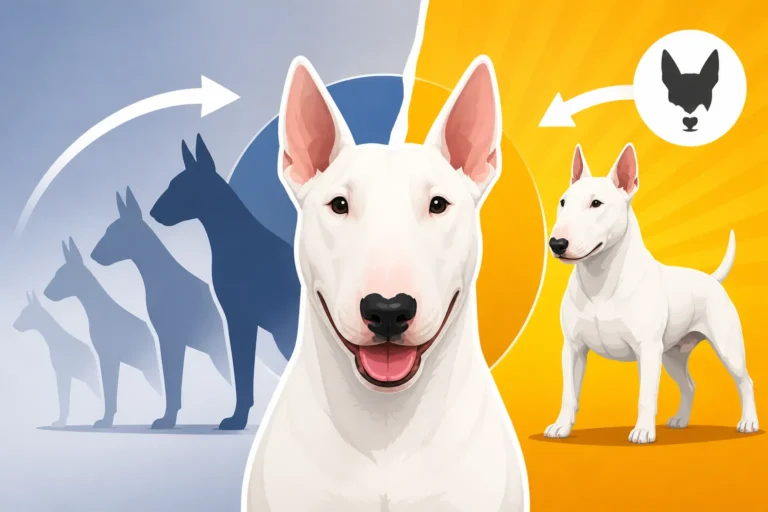
When you first look at a Bull Terrier, their distinctive silhouette immediately grabs your attention. Unlike many breeds where a specific weight range is strictly defined, the Bull Terrier standard places a strong emphasis on overall balance, substance, and proportion. It’s less about a number on the scale and more about how that number translates into a strong, healthy dog.
The Official Breed Standard for Weight and Height
For the Standard Bull Terrier, the breed standard actually states there is no weight limit, but rather that the dog should have "maximum substance for its size consistent with quality and sex." What does this mean for us, the everyday Bull Terrier enthusiasts? It means that a Bull Terrier should look powerful and well-muscled, not gangly or delicate. When a judge, or even an experienced owner, assesses a Bull Terrier, they're looking for a substantial dog that feels solid. They want to see a deep chest, well-sprung ribs, and a strong, muscular physique that moves with purpose and power. The weight should complement their height and bone structure, making them appear robust without being chunky. It's a balance, and sometimes that balance can be hard to judge from afar, which is where understanding their body condition really comes into play. You want to feel their ribs without them being visibly prominent, and see a definite tuck-up at their waist.
Average Weights for Adult Males and Females
While the official standard might be a bit vague on numbers, practical experience and observation give us a much clearer picture of what to expect for an adult Bull Terrier. Generally, adult male Bull Terriers tend to be heavier and more substantial than females. A healthy adult male Bull Terrier will typically weigh somewhere between 50 to 70 pounds (23 to 32 kg), sometimes a little more if they are particularly large and well-muscled without being overweight. Females usually fall into a range of 40 to 55 pounds (18 to 25 kg).
It's important to remember these are averages, and there's always going to be some individual variation. Just like people, dogs come in different sizes, even within the same breed. A particularly tall male might naturally be at the higher end of the scale, while a smaller-boned female might be perfectly healthy at the lower end. What matters most is that the weight is appropriate for their individual frame and that they exhibit good body condition, which we'll delve into shortly. Don't get too fixated on hitting an exact number, but rather focus on their overall health and vitality.
Bull Terrier Growth and Puppy Weight Milestones
Watching a Bull Terrier puppy grow is an incredible journey. They transform from adorable, clumsy little bundles into powerful, elegant adults surprisingly quickly. Understanding their growth curve can help you ensure they're developing properly and hitting their milestones.
Puppy Weight Expectations by Age
Bull Terrier puppies, like all large-breed dogs, experience rapid growth in their first few months, then a slower filling-out period. Here’s a general idea of what you might expect, though remember, individual genetics and diet play a huge role:
- Birth to 8 Weeks: Puppies will double and triple their birth weight rapidly. By eight weeks, when they are typically ready to go to their new homes, they might weigh anywhere from 10 to 20 pounds (4.5 to 9 kg), depending on their sex and initial size.
- 3 to 6 Months: This is often a period of significant growth spurts. They'll start to look a bit gangly, all legs and ears, as their bones are growing faster than their muscle mass. During this phase, they can put on several pounds a month, reaching 25-45 pounds (11-20 kg).
- 6 to 12 Months: Growth continues, but it starts to slow down. By a year old, many Bull Terriers will have reached most of their adult height and much of their adult weight, though they might still be a bit lean and "leggy." They could be anywhere from 40 to 60 pounds (18 to 27 kg) by their first birthday.
- 12 to 24 Months: While they might be close to their adult height, Bull Terriers often spend their second year "filling out." This means they're developing more muscle mass and their chests are deepening, giving them that characteristic powerful build. Their weight might slowly increase during this time, moving into their mature adult range. It's also during these crucial early months that managing their exercise is vital; too much strenuous activity too soon can put stress on developing joints. Make sure you're aware of How Much a Bull Terrier Puppy Should Exercise.
Factors Influencing Puppy Growth
Several factors can influence how quickly and to what size a Bull Terrier puppy grows. It's not just about what you feed them.
Firstly, genetics play the biggest role. A puppy from two larger, heavier parents is more likely to be a larger adult. Reputable breeders understand this and can give you a good estimate of a puppy's likely adult size based on the lineage. This is why looking at What a Bull Terrier Breeder Should Have Tested is so important, as health-conscious breeders will also track growth patterns.
Secondly, nutrition is paramount. Feeding a high-quality, balanced diet specifically formulated for large-breed puppies (which Bull Terriers typically qualify as during their growth phase) is crucial. These foods are designed to support steady, healthy growth, rather than rapid, uncontrolled growth that can strain developing joints and bones. Overfeeding can lead to a puppy growing too fast and potentially developing orthopedic issues, while underfeeding can stunt their growth and lead to nutritional deficiencies. Always consult your vet for personalized dietary advice, and look for quality brands that focus on ingredient integrity, like those often found on Chewy.
Lastly, activity levels and general health also contribute. Puppies that are consistently ill or don't get appropriate exercise might not grow as robustly. However, it’s a delicate balance; too much strenuous, high-impact exercise in a young pup can also be detrimental.
The Difference Between Standard and Miniature Bull Terrier Weights
It’s a common misconception that a Miniature Bull Terrier is just a smaller version of the Standard Bull Terrier. While they share many characteristics, they are recognized as distinct breeds with their own breed standards, particularly concerning size and weight.
Why Miniature Bull Terriers Have a Separate Standard
The Miniature Bull Terrier was developed for different purposes and from slightly different lines, resulting in a dog that is proportionally smaller than its Standard counterpart. The breed standard for the Miniature Bull Terrier is quite specific about size, stating that they should not exceed 14 inches (35.5 cm) in height at the shoulder, and their weight should be in proportion to their height and overall substance. This explicit height limit immediately differentiates them from Standard Bull Terriers, which have no height or weight restrictions other than being "of maximum substance."
The existence of a separate standard highlights the deliberate breeding efforts to create a smaller, yet equally sturdy and spirited, companion. They are not simply runts of a Standard litter, but a carefully cultivated breed with their own unique history and characteristics. For more on their size, check out How Small a Miniature Bull Terrier Is.
Average Weights for Miniature Bull Terriers
Given their height restriction, Miniature Bull Terriers naturally have a much lower weight range than their Standard cousins. A healthy adult Miniature Bull Terrier typically weighs between 20 to 35 pounds (9 to 16 kg).
Just like with Standard Bull Terriers, what's truly important is that the weight is proportionate to their individual height and build. A Mini Bull Terrier should still appear strong, compact, and well-muscled, just on a smaller scale. They should not look frail or delicate, nor should they appear plump and overweight. Their bone structure should be substantial enough to support their active lifestyle. Owners often find themselves checking their Mini's physique regularly to ensure they maintain that athletic, balanced appearance.
Assessing Your Bull Terrier's Ideal Weight and Body Condition
Forget the number on the scale for a moment. When it comes to Bull Terriers, a visual and tactile assessment of their body condition is far more accurate and important than a strict weight figure. Their unique build can sometimes trick the eye, making a slightly overweight Bull Terrier look "normal" to the untrained observer.
The Importance of Body Condition Scoring
Body Condition Scoring (BCS) is a standardized tool veterinarians use, and it's something every Bull Terrier owner should become familiar with. It involves evaluating your dog's physique by looking and feeling, rather than just weighing. A Bull Terrier at an ideal weight will have:
- Visible Waist: When viewed from above, you should see a clear waistline, an hourglass shape, behind their ribs. It shouldn't be a straight line from chest to tail, nor should it be an exaggerated tuck.
- Abdominal Tuck: When viewed from the side, their abdomen should tuck up, meaning it's not hanging low or parallel to the ground.
- Palpable Ribs: This is key! You should be able to easily feel their ribs when you run your hands along their sides, but you shouldn't see them protruding. It should feel like feeling the knuckles on the back of your hand when your palm is flat – easily felt but covered by a thin layer of muscle and fat. If you can't feel them without pressing hard, they're likely overweight. If you can clearly see them, they might be underweight. Getting comfortable with this tactile check is essential for dogs like Bull Terriers who can carry a lot of muscle. For a deeper dive, check out How to Feel a Bull Terrier's Ribs.
Regularly performing a BCS check will empower you to make informed decisions about your Bull Terrier's diet and exercise, keeping them in peak condition.
Signs of an Overweight or Underweight Bull Terrier
Recognizing the signs that your Bull Terrier is straying from their ideal weight is crucial for their long-term health.
Signs of an Overweight Bull Terrier:
- Difficulty Feeling Ribs: You have to press firmly to feel their ribs, or you can't feel them at all.
- No Visible Waist: From above, they look like a solid cylinder or even bulge out over their hips.
- No Abdominal Tuck: Their belly sags or hangs low when viewed from the side.
- Heavy Breathing/Less Stamina: They tire more easily during walks or playtime, or pant excessively.
- Fat Pads: You might notice fatty deposits over their hips or at the base of their tail.
Being overweight puts tremendous strain on a Bull Terrier's joints, can exacerbate conditions like patellar luxation, and increases the risk of heart disease, diabetes, and other health issues. It's a significant concern for their The Ten to Fourteen Years a Bull Terrier Gets.
Signs of an Underweight Bull Terrier:
- Visible Ribs, Spine, Hip Bones: Their bones are easily seen protruding through their coat.
- Exaggerated Waist/Tuck: Their waist is excessively narrow, and their abdomen is severely tucked up.
- Lack of Muscle Mass: Their muscles might appear wasted or undeveloped, giving them a more angular appearance.
- Low Energy/Lethargy: They may seem unusually tired or disinterested in activity.
An underweight Bull Terrier could be experiencing insufficient caloric intake, a highly active metabolism, or an underlying health issue. If your Bull Terrier is underweight, especially if accompanied by lethargy or changes in appetite, a vet visit is imperative to rule out medical conditions like parasites or digestive problems. For those with a healthy but overweight Bull Terrier, explore options on Chewy for low-calorie treats or specific weight-management foods to help get them back on track, as discussed in Getting Weight Off a Bull Terrier.
Managing Your Bull Terrier's Weight Through Diet and Exercise
Maintaining a healthy weight for your Bull Terrier is a continuous effort that involves a careful balance of diet and exercise. Given their energetic nature and muscular build, it's a commitment that pays dividends in their overall health and lifespan.
Nutritional Needs for a Healthy Weight
Feeding your Bull Terrier isn't just about filling their bowl; it's about providing the right fuel for their active bodies.
High-Quality Diet: Always opt for a high-quality dog food that lists a good source of animal protein (like chicken, beef, or lamb) as the first ingredient. Avoid foods with excessive fillers or by-products. The nutritional needs of a Bull Terrier, particularly for growth and maintenance, are best met with well-balanced formulas. Different life stages (puppy, adult, senior) have different requirements, so choose accordingly. You can find a wide range of suitable, vet-approved options on Chewy, often with detailed ingredient lists to help you make an informed choice.
Portion Control and Feeding Schedule: Free-feeding (leaving food out all day) is often a recipe for an overweight dog. It's far better to feed your adult Bull Terrier two measured meals a day. The amount will depend on the specific food's caloric content, your dog's activity level, and their individual metabolism, but general guidelines often suggest around 2-3 cups of high-quality kibble per day for an adult. Always follow the guidelines on your chosen food packaging as a starting point, and adjust based on your Bull Terrier's body condition. Remember, even healthy treats add calories, so factor them into their daily intake. For specific amounts, you might want to delve into How Many Cups a Day an Adult Bull Terrier Eats.
Hydration: Ensure your Bull Terrier always has access to fresh, clean water. Good hydration is vital for metabolism and overall health.
Exercise Routines for Weight Management
Bull Terriers are robust dogs with a surprising amount of stamina, and regular exercise is critical not only for maintaining a healthy weight but also for their mental well-being. A bored Bull Terrier is often a destructive Bull Terrier!
Daily Walks: Aim for at least two good walks a day, totaling 60-90 minutes of active movement. These aren't just potty breaks; they should be brisk walks that get their heart rate up. However, avoid walking during the hottest parts of the day, especially if you have a white Bull Terrier who is prone to sunburn.
Playtime and Mental Stimulation: Structured playtime is invaluable. Fetch, tug-of-war, and even agility exercises can provide excellent physical and mental outlets. Puzzle toys and treat-dispensing toys can also keep them engaged, helping to burn calories and prevent boredom chewing, a common Bull Terrier pastime when under-exercised. Remember, How Much Exercise a Bull Terrier Actually Needs is often more than people assume.
Tailor to Age and Health: An energetic young Bull Terrier will need more vigorous exercise than an older, senior dog who might benefit more from shorter, gentler strolls. Always be mindful of your Bull Terrier's age, any existing health conditions (such as joint issues or heart murmurs – see The Heart Murmur a Bull Terrier Puppy Should Be Checked For), and the weather conditions when planning exercise. Over-exercising a puppy can damage growing joints, while pushing an older dog too hard can be dangerous. Consistency is key, finding a routine that fits your Bull Terrier's individual needs.
Standard vs. Miniature Bull Terrier Weight Comparison
To help clarify the differences between these two wonderful, yet distinct, breeds, here's a table comparing their typical weight ranges and key considerations.
| Feature | Standard Bull Terrier | Miniature Bull Terrier |
|---|---|---|
| Average Adult Weight | 50-70 lbs (23-32 kg) | 20-35 lbs (9-16 kg) |
| Height at Shoulder | No specific limit (typically 21-22 inches/53-56 cm) | Max 14 inches (35.5 cm) |
| Weight Standard | "Maximum substance for its size" | "Weight in proportion to height and substance" |
| Age to Reach Full Weight | 18-24 months for full muscle/chest development | 12-18 months for full development |
| Key Consideration | Overall proportion, muscle, and bone structure | Strict height limit, then proportion and substance |
| Energy Level | High, needs consistent exercise | High, needs consistent exercise |
| Body Condition Score | Crucial due to muscular build | Equally crucial for health and agility |
Disclaimer
This article is for general informational purposes only and does not constitute professional advice. Laws, prices and regulations vary by location and change over time. Consult a qualified professional for guidance on your specific situation.