Lethal Acrodermatitis Kills a Bull Terrier Puppy Before It Grows Up
The heartbreak of watching a Bull Terrier puppy, full of potential and mischievous charm, slowly fade away before it even gets to experience a full life is a unique and agonizing pain. For those who have loved or are currently loving one of these incredible dogs, the thought of a genetic condition stealing away their precious puppy's future is a nightmare. This guide aims to shed light on Lethal Acrodermatitis (LAD), a devastating inherited disease that primarily affects Bull Terriers, offering a comprehensive understanding of its causes, symptoms, progression, and how responsible breeding practices are the only true preventative measure.
Understanding Lethal Acrodermatitis: A Devastating Bull Terrier Condition
Lethal Acrodermatitis (LAD) isn't just a skin condition; it's a systemic failure that impacts nearly every part of a Bull Terrier puppy's development. When you first hear the name, you might think of something manageable, perhaps a persistent itch or a rash, but the reality is far more dire. This is a cruel genetic hand dealt to certain puppies, leading to a life cut tragically short, often before they reach their first birthday.
What Exactly is Lethal Acrodermatitis
At its core, Lethal Acrodermatitis is an inherited immunological and metabolic disorder unique to Bull Terriers. It's often misunderstood because some of its most visible symptoms manifest on the skin, particularly the paws, snout, and around the eyes. However, the problem runs much deeper. Affected puppies have a severe impairment in their immune system and a critical deficiency in zinc metabolism, even if there's plenty of zinc in their diet. This isn't just about "zinc deficiency"; it's about the body's inability to properly utilize the zinc it consumes, which is a vital nutrient for countless bodily functions, especially immune response, skin health, and growth.
The severity of the condition means that affected puppies are constantly battling a range of issues. Imagine a puppy that cannot properly fight off even common infections, whose skin is constantly inflamed and prone to lesions, and whose internal organs struggle to develop correctly. This cascade of problems leads to profound suffering and, ultimately, a prognosis that is always terminal. It’s a truly devastating diagnosis that leaves owners feeling helpless and heartbroken.
Why it's So Prevalent in Bull Terriers
The tragic prevalence of LAD in Bull Terriers is rooted deeply in the breed's genetics. Unlike many conditions that might be found across various breeds, LAD is almost exclusively a Bull Terrier problem. This strong breed-specific link points directly to a specific genetic mutation that has become established within the Bull Terrier gene pool. The mutation affects how a puppy's body handles zinc, a fundamental element for growth and health.
Without responsible genetic screening, this mutation can silently pass down through generations, only revealing itself when two carrier dogs produce an affected puppy. The limited gene pool inherent in purebred dog breeding can sometimes concentrate such mutations, making it even more crucial for breeders to be vigilant and proactive in their health testing. It's not a fault of the breed itself, but a challenge that requires careful management and transparency from breeders dedicated to the health of these wonderful dogs.
The Prognosis: A Harsh Reality
The most heartbreaking aspect of Lethal Acrodermatitis is its name: "Lethal." Despite our best medical efforts, supportive care, and boundless love, the prognosis for a puppy diagnosed with LAD is invariably grave. Most affected Bull Terrier puppies do not survive past two years of age, and many succumb much earlier, often between 3 to 7 months old. This short lifespan is due to the relentless progression of the disease, which leads to chronic infections, severe organ damage, and a complete failure to thrive.
As an owner, this means preparing for an incredibly difficult journey, knowing that the time you have with your beloved companion will be agonizingly short. There is no cure for LAD; treatment focuses solely on managing the severe symptoms and providing comfort to improve the puppy's quality of life for as long as possible. This harsh reality underscores why prevention through genetic testing is not just recommended, but absolutely essential, to spare both puppies and their families from this profound suffering.
The Genetic Roots of Acrodermatitis in Bull Terriers
Understanding the genetics behind Lethal Acrodermatitis is critical for both current owners and potential puppy buyers. It's not a random occurrence, but a predictable outcome when specific genetic conditions align. This knowledge empowers individuals to make informed decisions and supports the global effort to eradicate LAD from the breed.
The Specific Gene and Inheritance Pattern
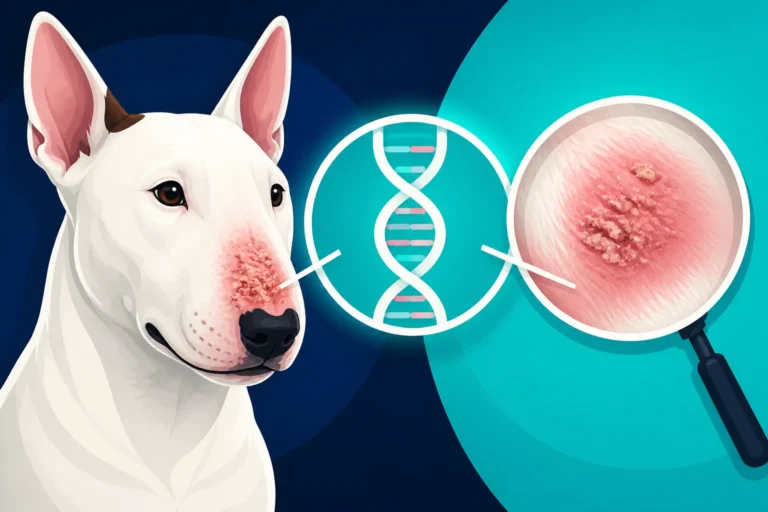
Lethal Acrodermatitis is caused by a recessive gene mutation on the MKLN1 gene. What does "recessive" mean in practical terms? It means that a puppy needs to inherit two copies of this faulty gene – one from its mother and one from its father – to develop the disease. If a puppy inherits only one copy of the faulty gene and one normal copy, it becomes a "carrier." These carriers do not show any symptoms of LAD; they are perfectly healthy dogs. However, they can pass on the faulty gene to their offspring.
This mode of inheritance is precisely why the disease can persist silently within a breed for generations. Unless both parents are known carriers and bred together, the chance of an affected puppy appearing in a litter might seem low. But without testing, breeders are essentially rolling the dice, and the stakes are incredibly high for the puppies involved. Understanding Which Gene Causes Acrodermatitis in Bull Terriers helps underscore the scientific basis of this devastating condition.
Understanding Carriers vs. Affected Puppies
This distinction between carriers and affected puppies is paramount. An "affected" puppy, having inherited two copies of the MKLN1 mutation, will develop LAD and suffer its full, lethal consequences. These are the puppies that experience the severe skin lesions, growth stunting, and immune deficiencies we've discussed. Their lives are tragically short and often filled with discomfort, as their bodies cannot utilize zinc effectively, leading to a systemic breakdown.
A "carrier" Bull Terrier, on the other hand, carries one copy of the normal gene and one copy of the MKLN1 mutation. Crucially, carriers are phenotypically normal, meaning they look and act like any healthy Bull Terrier. They do not develop LAD themselves and have a normal lifespan. The only way to identify a carrier is through genetic testing. This is why a breeder might have healthy-looking parent dogs, but still produce an affected puppy if both healthy parents are unknowingly carriers. The only way to know for sure is through a proper DNA test.
How This Genetic Fault Impacts Zinc Absorption
The MKLN1 gene plays a crucial role in a cell's ability to properly process and transport zinc. For Bull Terriers with LAD, even if they are eating a diet rich in zinc, their bodies simply cannot absorb or utilize it effectively at a cellular level. It's not a dietary deficiency in the traditional sense; it's a fundamental breakdown in the metabolic pathway. This is Why an Acrodermatitis Bull Terrier Cannot Absorb Zinc.
Zinc is not just some trace mineral; it's essential for a myriad of biological processes, including enzyme function, immune system development, skin integrity, and proper growth. When the body can't access this vital nutrient, the consequences are profound. The immune system becomes severely compromised, leaving the puppy vulnerable to opportunistic infections. Skin cells cannot properly regenerate, leading to characteristic lesions and hair loss. Growth plates and other developing tissues are also affected, leading to stunted growth. This internal chaos is what makes LAD so much more than just a dermatological issue, turning it into a systemic and ultimately lethal disease.
Recognizing the Early Signs of LAD in Puppies
Spotting the signs of Lethal Acrodermatitis early can be incredibly challenging, especially for new puppy owners or those unfamiliar with the specific nuances of the condition. Many of the initial symptoms can mimic more common puppy ailments, leading to confusion and delayed diagnosis. However, knowing what to look for can make a critical difference in providing timely supportive care.
Skin Lesions and Paw Problems
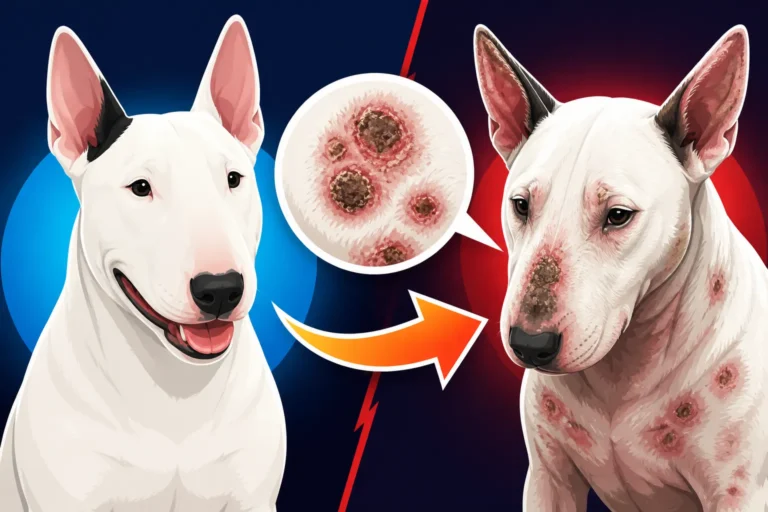
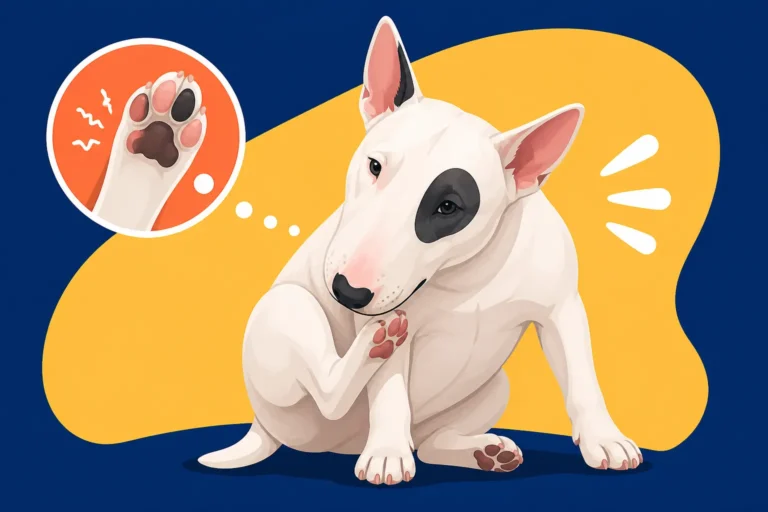
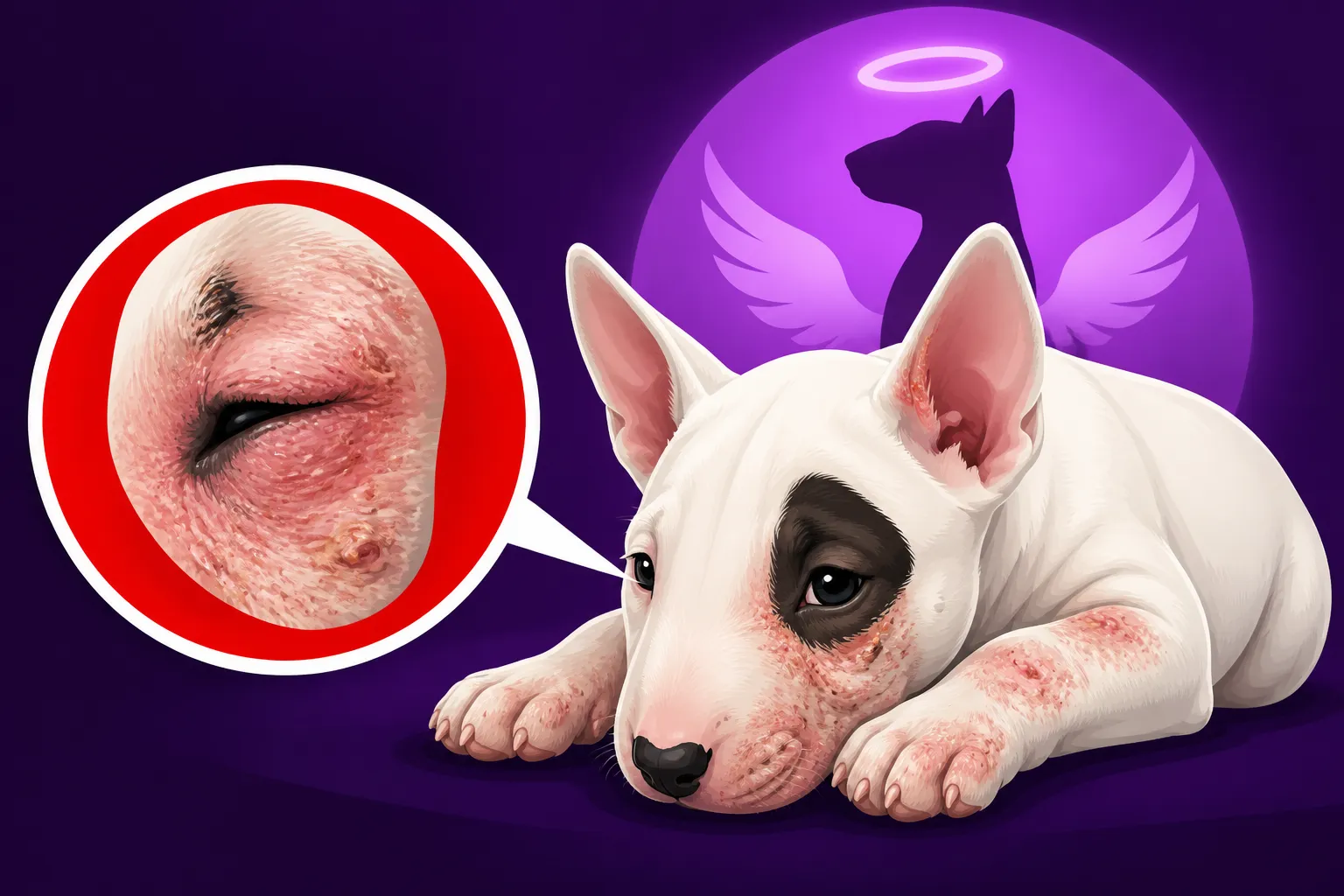
One of the most characteristic and often earliest observable signs of LAD are the distinct skin lesions and problems with the paws. Puppies might develop thickened, crusty, and inflamed skin, especially on their muzzle, around their eyes, and notably, on their paw pads. The paw pads can become hyperkeratotic, meaning they are excessively hard, cracked, and painful. This can make walking uncomfortable for the puppy, leading to lameness or a reluctance to move. Some owners describe it as their puppy's paws looking "hardened" or "scaly."
You might also notice hair loss (alopecia) and redness in these areas. Because their immune system is compromised, these skin lesions are incredibly prone to secondary bacterial or fungal infections, which only worsen the discomfort and can lead to pus, odor, and even more severe inflammation. This often leads owners to initially suspect allergies or other dermatological issues, not realizing the gravity of the underlying condition. For a detailed description, refer to What an Acrodermatitis Bull Terrier's Paws Look Like.
Failure to Thrive and Growth Stunting
Another heartbreaking hallmark of LAD is a pronounced failure to thrive. Unlike their littermates, affected puppies will often appear noticeably smaller, weaker, and generally underdeveloped. They simply do not grow at the expected rate, lagging significantly behind in both weight and height. This isn't just a slight difference; it's a profound stunting of growth that becomes more evident as they age.
Even with adequate nutrition, these puppies struggle to gain weight and build muscle mass. Their overall demeanor might be lethargic, lacking the typical boisterous energy of a healthy Bull Terrier puppy. This generalized weakness and lack of vitality are direct consequences of their body's inability to properly utilize essential nutrients like zinc, which are fundamental for normal development. Owners may notice that Why an Acrodermatitis Bull Terrier Puppy Stops Growing is tied to their inability to fully absorb key nutrients.
Increased Susceptibility to Infections
Puppies with LAD are inherently immunocompromised, meaning their immune system is severely weakened. This makes them incredibly vulnerable to a constant barrage of infections that a healthy puppy would easily fight off. You might find your LAD puppy frequently suffering from recurring skin infections, ear infections, respiratory issues like pneumonia, or gastrointestinal problems such as persistent diarrhea. It's a relentless cycle, as one infection barely clears up before another takes its place, or the same one flares back with vengeance.
This constant battle against illness further taxes their already struggling system, contributing to their failure to thrive and overall decline. It's truly devastating to witness, as you feel like you're constantly rushing to the vet for yet another issue. For more on this, consider Why an Acrodermatitis Bull Terrier Catches Every Infection. The compromised immunity is not just a symptom; it's a major driver of the disease's lethality.
The Progression of Acrodermatitis: What Happens to an Affected Puppy
Once the early signs emerge, Lethal Acrodermatitis typically follows a relentless and progressive course, worsening over time despite therapeutic interventions. The disease attacks multiple organ systems, leading to a cascade of debilitating issues that slowly but surely diminish the puppy's quality of life.
Deterioration of Skin and Coat Health
As LAD progresses, the dermatological signs become much more severe and widespread. What started as localized lesions on the paws and face can spread to other areas of the body. The skin becomes increasingly crusty, hyperkeratotic, and prone to painful cracks and fissures. Hair loss can become more extensive, leaving patches of raw, exposed skin. The constant inflammation and open sores make these puppies incredibly uncomfortable, leading to excessive licking, chewing, and scratching, which only exacerbates the problem and introduces more opportunities for secondary infections.
The chronic nature of these skin issues makes it incredibly challenging to manage, requiring diligent wound care, frequent medicated baths, and continuous antibiotic or antifungal treatments. Despite best efforts, the skin often struggles to heal properly, creating a cycle of pain and infection that is hard to break. The distinctive look of a Bull Terrier puppy with advanced LAD is heartbreaking to behold.
Gastrointestinal Issues and Eating Difficulties
Beyond the visible skin problems, LAD severely impacts a puppy's internal systems, particularly the gastrointestinal tract. Many affected puppies experience chronic or recurrent diarrhea, which further hinders their ability to absorb nutrients, even those they can process. This creates a vicious cycle of malabsorption and weight loss. Their digestive systems are simply not working efficiently.
Furthermore, the pain from oral lesions, coupled with their general weakness and malaise, can lead to significant eating difficulties. Puppies with LAD may lose their appetite, become very selective about what they eat, or simply lack the energy to consume enough food. This struggle to eat and absorb nutrients compounds their growth stunting and overall physical decline. It's a heartbreaking sight to see a once playful puppy slowly lose its desire for food and activity. Owners often wonder Whether an Acrodermatitis Bull Terrier Puppy Can Eat due to these issues.
Neurological Symptoms and Immune Compromise
In more advanced stages, LAD can manifest with neurological symptoms. While not always present, some puppies might display ataxia (loss of coordination), tremors, or even behavioral changes, reflecting the systemic nature of the zinc deficiency and its impact on brain function. These symptoms add another layer of complexity and distress for both the puppy and its owners.
The chronic immune compromise is perhaps the most dangerous aspect of progressive LAD. These puppies are literally living with a broken immune system. They struggle to fight off even the most common pathogens, leading to life-threatening systemic infections, sepsis, and organ failure. Respiratory infections, severe ear infections, and deep skin infections become constant threats. It's this inability to maintain basic health defenses that ultimately proves lethal, cutting short the life of these brave little fighters.
Diagnosing Lethal Acrodermatitis: The Path to Confirmation
When a Bull Terrier puppy presents with the concerning signs of LAD, securing an accurate diagnosis is paramount. While clinical suspicion might be high based on symptoms and breed, definitive confirmation requires specific diagnostic steps to rule out other conditions and confirm the genetic basis.
Initial Veterinary Examination and Blood Tests
If you suspect your Bull Terrier puppy might have LAD, your first step will always be a thorough veterinary examination. Your vet will look for the characteristic skin lesions, assess the puppy's growth, and check for any signs of secondary infections. They'll also likely perform a comprehensive blood panel. While there isn't a single blood test that definitively diagnoses LAD, these tests can reveal important clues. For example, bloodwork might show signs of anemia, low protein levels due to malabsorption, or elevated white blood cell counts indicative of chronic infection.
Interestingly, while zinc deficiency is a core problem, blood zinc levels in an LAD puppy might appear normal or even elevated. This is because the issue isn't a lack of zinc in the environment, but rather the body's inability to properly utilize it at a cellular level. Therefore, while blood tests are essential for assessing overall health and managing secondary issues, they are usually not conclusive for LAD on their own.
The Definitive DNA Test
The only way to definitively diagnose Lethal Acrodermatitis is through a specific DNA test. This test identifies the MKLN1 gene mutation that causes the condition. It typically involves a simple cheek swab, which is non-invasive and can be done by a veterinarian or even at home with a kit. The sample is then sent to a specialized veterinary genetics laboratory for analysis.
Receiving a positive result on this DNA test is heartbreaking, but it removes all doubt and allows owners to focus on providing the best possible palliative care. This test is also invaluable for breeders, enabling them to identify carriers and make informed breeding decisions to prevent producing affected puppies in the future. When the Bull Terrier Acrodermatitis DNA Test Arrived marked a significant turning point in managing this disease within the breed.
Differentiating LAD from Other Conditions
One of the challenges in diagnosing LAD is that its symptoms can overlap with other, more common conditions. For instance, severe zinc deficiency (zinc-responsive dermatosis) can cause similar skin lesions, but unlike LAD, it often responds to oral zinc supplementation. Allergies, bacterial skin infections (pyoderma), fungal infections (like ringworm), or even nutritional deficiencies in a poorly bred puppy can all present with similar dermatological signs and failure to thrive.
Veterinarians will carefully consider these differentials, often trying treatments for the more common conditions first while awaiting DNA test results. The lack of response to typical zinc supplementation (in cases of LAD, as opposed to true zinc-responsive dermatosis) can be a strong indicator of LAD. It's a complex diagnostic puzzle, highlighting the importance of working with a vet experienced in breed-specific conditions or seeking referral to a veterinary dermatologist. A definitive DNA test, however, cuts through all the uncertainty, providing a clear answer.
| Symptom Category | Signs Often Seen in LAD Puppies | Common Overlapping Conditions | Key Differentiator for LAD |
|---|---|---|---|
| Skin/Coat | Thickened, crusty paw pads; facial lesions; hair loss; secondary infections | Zinc-responsive dermatosis, allergies, pyoderma, fungal infections, sarcoptic mange | Lack of response to standard zinc supplementation; positive DNA test |
| Growth/Development | Significant growth stunting; failure to gain weight; lethargy | Nutritional deficiencies, congenital anomalies, severe parasitic burden | Persistence despite adequate diet; positive DNA test |
| Immune System | Recurrent infections (skin, ear, respiratory, GI); poor healing | Primary immunodeficiency disorders (rare), chronic stress, poor nutrition | Consistent pattern of severe, untreatable infections; positive DNA test |
| Gastrointestinal | Chronic diarrhea; poor appetite; difficulty eating | Parasites, dietary indiscretion, food allergies, inflammatory bowel disease | Often accompanies skin and growth issues; positive DNA test |
Managing Symptoms and Providing Comfort: Living with LAD
Once a Bull Terrier puppy receives a diagnosis of Lethal Acrodermatitis, the focus shifts entirely from cure to care. While there's no way to reverse the genetic defect, there's still a profound responsibility to manage the symptoms, alleviate suffering, and ensure the puppy's remaining time is as comfortable and joyful as possible. This is where compassionate palliative care becomes paramount.
Nutritional Support and Zinc Supplementation
Given the critical role of zinc in LAD, nutritional support is vital, though complex. While the body can't properly utilize zinc, ensuring the puppy receives a high-quality, easily digestible diet is still important. Your veterinarian may recommend a prescription diet or a specific formulation to help with malabsorption issues and provide optimal caloric intake. These puppies often benefit from palatable, energy-dense foods that can be consumed even with a reduced appetite.
Regarding zinc supplementation, it's a nuanced area. Unlike typical zinc-responsive dermatosis, simply giving more zinc orally often doesn't "fix" LAD because the problem lies in the cellular uptake, not just the dietary intake. However, some veterinarians might cautiously recommend certain forms of zinc or other supplements in an attempt to provide some available zinc to the struggling cells or to support overall health. It's not a cure, and expectations must be realistic, but it might offer a marginal benefit in symptom management for some individuals. It's crucial to follow your vet's specific advice on Whether Zinc Helps a Bull Terrier With Acrodermatitis and never self-prescribe, as excessive zinc can be toxic.
Treating Secondary Infections and Skin Care
The compromised immune system of LAD puppies means they are constantly battling secondary infections – bacterial, fungal, or yeast – that take advantage of their weakened state. Aggressive and prompt treatment of these infections is crucial for their comfort and to prevent systemic illness. This often involves courses of antibiotics, antifungals, or anti-yeast medications, sometimes for extended periods.
Beyond systemic medications, diligent topical skin care is essential. Medicated shampoos, soothing lotions, and protective balms for their sensitive paw pads can help reduce inflammation, itching, and pain. Regular cleaning of lesions to prevent further infection, followed by application of prescribed topical treatments, becomes part of the daily routine. Ensuring their living environment is clean and soft can also help prevent new skin abrasions and infections. These measures, while not curative, significantly improve the puppy's daily comfort.
Pain Management and Quality of Life Considerations
A puppy with LAD is often in chronic discomfort or pain due to skin lesions, cracked paw pads, and persistent infections. Therefore, pain management is a critical component of palliative care. Your veterinarian can prescribe appropriate pain relief medications to help keep your puppy comfortable. This might include NSAIDs (non-steroidal anti-inflammatory drugs), gabapentin, or other medications, depending on the severity and specific pain sources.
Ultimately, living with an LAD diagnosis means continually assessing your puppy's quality of life. Are they still able to enjoy short periods of play? Are they eating sufficiently? Is their pain well-controlled? There will come a point where the suffering outweighs any joy, and difficult decisions about humane euthanasia may need to be made. This is an incredibly personal and painful choice, but one made out of profound love and a desire to prevent further suffering. Focus on creating a loving, low-stress environment, full of gentle affection, warmth, and as much comfort as possible for your precious companion. This is about cherishing every moment, knowing that How Long an Acrodermatitis Bull Terrier Puppy Survives is often tragically brief.
Preventing LAD: Responsible Breeding and Genetic Testing
The truly heartbreaking reality of Lethal Acrodermatitis is that it is entirely preventable through responsible breeding practices. While it's too late for an affected puppy, the future of the breed, and the prevention of future suffering, lies squarely in the hands of ethical breeders and informed puppy buyers.
The Importance of Parent Testing
The cornerstone of LAD prevention is the genetic testing of all breeding stock. Since LAD is caused by a single recessive gene mutation, breeders can easily test their Bull Terriers to determine if they are clear, carriers, or (rarely, as affected dogs typically wouldn't live to breed) affected. Reputable Bull Terrier breeders will test their dogs for the MKLN1 mutation before breeding. They will gladly share these test results with prospective puppy buyers, often in the form of a certificate from a reputable genetic testing laboratory like the University of California, Davis (UC Davis) or Animal Health Trust (AHT) which pioneered some of the early tests.
This proactive testing means a breeder can avoid mating two carrier dogs together, which is the only way affected puppies can be produced. It's a simple, scientific solution to a devastating problem. When considering a puppy, always ask to see the LAD test results for both parents. This simple step can literally save a puppy's life and spare you immense heartache. Be wary of any breeder who dismisses the importance of these tests or claims their lines are "clear by descent" without providing verifiable test results for the actual parents.
Understanding Breeding Outcomes with Carrier Dogs
It's important to understand that carrier dogs are perfectly healthy and can still be valuable contributors to a breeding program, provided they are bred responsibly. The key is to never breed a carrier to another carrier. Here's a simple breakdown of the genetic possibilities:
| Parent 1 (LAD Status) | Parent 2 (LAD Status) | Potential Offspring | Likelihood of Affected Puppies |
|---|---|---|---|
| Clear | Clear | 100% Clear | 0% |
| Clear | Carrier | 50% Clear, 50% Carrier | 0% |
| Carrier | Carrier | 25% Clear, 50% Carrier, 25% Affected | 25% |
| Clear | Affected | 100% Carrier | 0% |
| Carrier | Affected | 50% Carrier, 50% Affected | 50% |
As you can see, only when two carriers are bred together is there a 25% chance of producing an affected puppy. By always breeding a carrier dog to a "clear" dog, a breeder can still produce healthy puppies, some of whom will be carriers, but none will be affected by LAD. This approach allows for the maintenance of genetic diversity while systematically reducing the incidence of the disease over time. It's about smart, informed breeding, not eliminating all carriers from the gene pool. If you're a breeder, knowing Whether Two Bull Terrier Acrodermatitis Carriers Should Be Bred is crucial.
The Role of the Bull Terrier Club and Ethical Breeders
Major Bull Terrier breed clubs around the world, such as the Bull Terrier Club of America (BTCA) and the Bull Terrier Club in the UK, strongly advocate for LAD testing. They actively work to educate breeders and prospective owners about the importance of genetic screening for this and other prevalent breed-specific conditions. Ethical breeders are not just passionate about the Bull Terrier "look" or temperament; they are equally, if not more, dedicated to the health and longevity of their dogs.
They invest in all recommended health testing, including LAD, Hereditary Nephritis, heart checks (like The Heart Murmur a Bull Terrier Puppy Should Be Checked For), and BAER testing for deafness, before breeding their dogs. They are transparent about their results and are committed to selecting mates that will produce the healthiest possible puppies. What a Bull Terrier Breeder Should Have Tested, including LAD, is non-negotiable. Supporting such breeders is the single most powerful action you can take as a prospective owner to ensure you bring home a healthy puppy and contribute to a healthier future for the Bull Terrier breed. The more conscientious breeders there are, the more Whether Acrodermatitis Can Be Bred Out of Bull Terriers becomes a reality rather than a distant hope.
The Emotional Toll and Support for Owners
Receiving a diagnosis of Lethal Acrodermatitis for your beloved Bull Terrier puppy is an emotionally devastating experience. It triggers a profound sense of helplessness, grief, and often, guilt. Understanding and acknowledging this emotional toll is vital for owners navigating this incredibly challenging journey.
Coping with a Terminal Diagnosis
The initial shock of a terminal diagnosis for a young puppy can be overwhelming. You brought home this tiny bundle of joy, full of hopes and dreams for a long life together, only to be told that their time is tragically limited. This isn't just sadness; it's a deep, existential grief for the future that will never be. Owners often grapple with feelings of unfairness, questioning "why my puppy?" or "why this breed?". It's a heavy burden to bear, knowing that no matter what you do, the disease will ultimately win.
Coping involves allowing yourself to feel these intense emotions – anger, sorrow, frustration, and despair. It's okay to cry, to mourn, and to acknowledge the immense pain. Many owners find themselves trying to cram a lifetime of love and experiences into the short time they have left, creating a unique pressure to make every moment count, which can also be emotionally draining. Remember that your puppy feels your love, and providing comfort and a peaceful environment is the greatest gift you can give.
Finding Support Communities
You are not alone in this painful journey. Many Bull Terrier owners have experienced the heartbreak of LAD, and there are dedicated online communities and support groups specifically for owners of dogs with chronic or terminal illnesses. Reaching out to others who understand this specific kind of grief can provide immense comfort and validation. These groups offer a safe space to share your feelings, ask questions about palliative care, and receive empathy from those who genuinely "get it."
Veterinarians and veterinary specialists can also be a source of support, providing not just medical guidance but also empathetic counsel. Don't hesitate to lean on friends and family who understand your bond with your dog, even if they don't fully grasp the specifics of LAD. Sometimes just having someone listen without judgment can make a world of difference. Companies like Healthy Paws, who provide pet insurance, might also have resources or articles that can help owners navigate these difficult times, focusing on support systems for pet parents facing serious diagnoses.
Making Difficult Decisions
As LAD progresses, there often comes a point where the puppy's quality of life diminishes significantly. Despite all efforts, the pain, chronic infections, and general malaise can become too much for a tiny body to bear. Making the decision for humane euthanasia is arguably the most difficult choice any pet owner faces, but with LAD, it's often a painful inevitability made out of love to prevent prolonged suffering.
This decision is deeply personal and should be made in consultation with your veterinarian, who can help you assess your puppy's current quality of life objectively. It's about prioritizing their comfort and peace above your own desire to hold onto them. Allowing your puppy to pass with dignity, surrounded by love, is the final act of kindness you can give. It's an agonizing moment, but it's a testament to the profound bond you share and your unwavering commitment to their well-being, even when facing the ultimate loss. Healthy Paws understands the financial and emotional stress of these diagnoses and often offers support for end-of-life care in their policies, which can ease some of the burden.
Disclaimer
The information provided in this article is for educational and informational purposes only and does not constitute veterinary advice. Always consult with a qualified veterinarian for any health concerns or before making any decisions about your pet's medical care.