Whether Acrodermatitis Can Be Bred Out of Bull Terriers
The heartbreak of watching a Bull Terrier puppy succumb to a devastating genetic illness like Acrodermatitis (LAD) is something no owner should ever have to experience. This guide will delve deep into whether it's truly possible to eradicate this heartbreaking condition from the Bull Terrier breed, exploring the science, the challenges, and the hopeful path forward for responsible breeders and dedicated owners.
Understanding Acrodermatitis in Bull Terriers
Acrodermatitis is a truly cruel inherited disorder in Bull Terriers, often referred to as Lethal Acrodermatitis (LAD) because, tragically, it is invariably fatal. For new puppy owners, witnessing this slow decline is absolutely devastating, and for breeders, it's a stark reminder of the immense responsibility they carry.
The Devastating Impact of LAD
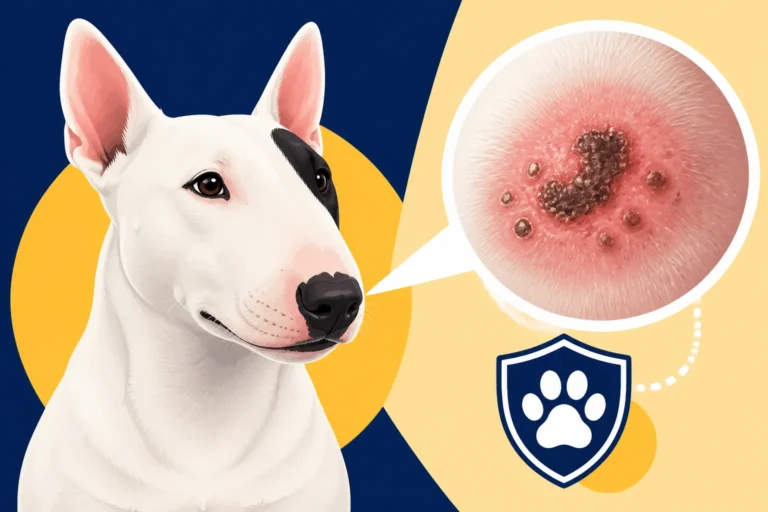
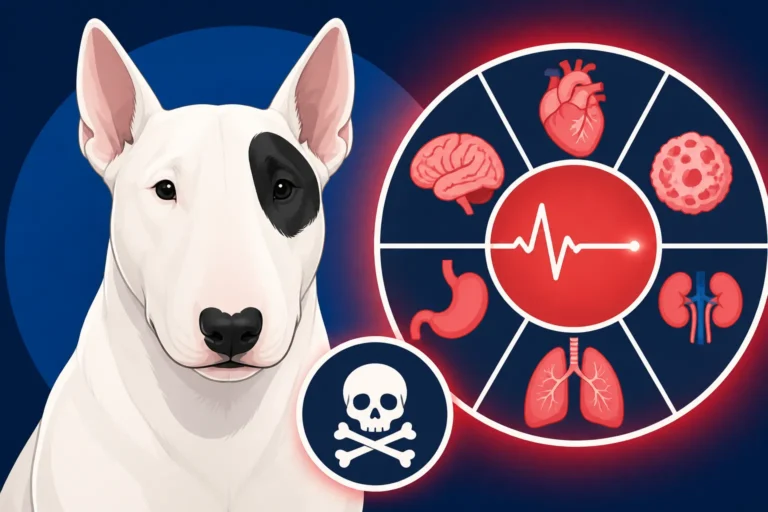
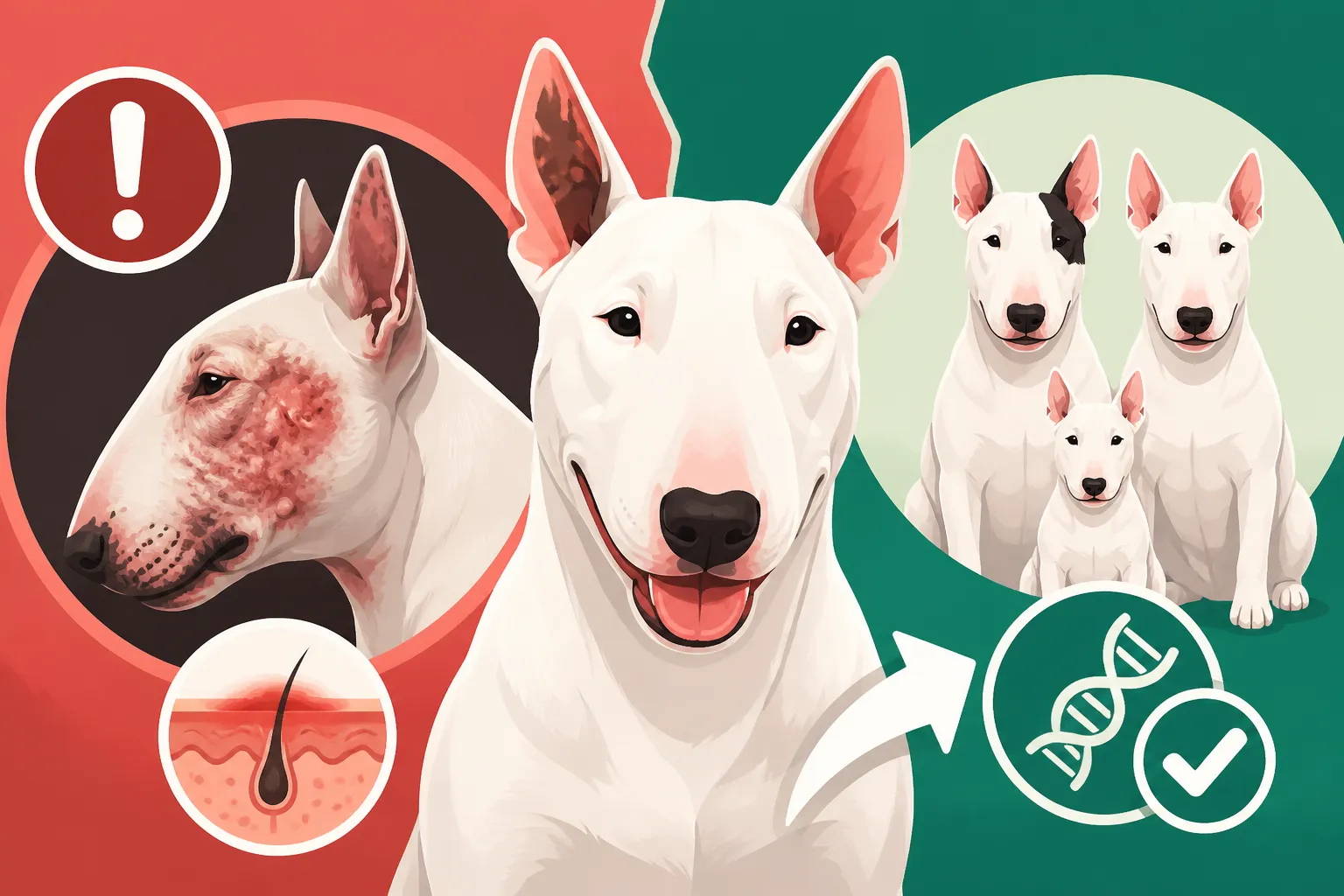
Imagine bringing home a vibrant, playful Bull Terrier puppy, full of life and mischief, only to watch it slowly, agonizingly, deteriorate. That's the harsh reality for families dealing with LAD. The condition typically manifests within the first few weeks or months of life, and the signs are unmistakable and truly heartbreaking. Puppies with LAD suffer from severe skin lesions, particularly on their paws, muzzle, and around their eyes. These areas become thickened, crusty, and incredibly painful, making even simple movements a struggle. It's not just a skin deep problem either; they often have a compromised immune system, making them susceptible to recurring infections that healthy puppies easily fend off. Many also develop chronic diarrhea and struggle to absorb nutrients, leading to stunted growth, weakness, and a general failure to thrive. It’s a vicious cycle of discomfort and illness.
The physical suffering is immense, but the emotional toll on owners is equally profound. These puppies are often smaller and weaker than their littermates, and their distinct paw issues, skin changes, and difficulty eating become evident early on. They just never seem to catch up, and as they grow, their symptoms only worsen. Despite the best veterinary care, special diets, and endless efforts from their loving families, these puppies rarely survive past two years of age, and many succumb much earlier. It’s important to understand just how dire this condition is; it’s not something a puppy might recover from. For a deeper understanding of the physical toll, you can read more about what Lethal Acrodermatitis Does to a Bull Terrier and the specific Signs a Bull Terrier Puppy Has Acrodermatitis. Ultimately, Lethal Acrodermatitis Kills a Bull Terrier Puppy Before It Grows Up, which is why prevention is so crucial.
How the Gene Is Inherited
The key to understanding if LAD can be bred out lies in its genetic nature. Acrodermatitis is an autosomal recessive inherited disorder. What does "autosomal recessive" mean in plain English? It means two important things:
- Autosomal: The gene responsible for LAD isn't on the sex chromosomes (X or Y), so it affects males and females equally.
- Recessive: A Bull Terrier needs to inherit two copies of the faulty gene – one from its mother and one from its father – to actually develop the disease.
This is where things get tricky and why responsible breeding is so vital. Dogs that inherit only one copy of the faulty gene are called "carriers." These carriers are completely healthy themselves; they don't show any symptoms of LAD. You wouldn't know by looking at them that they carry this hidden genetic secret. However, when two carriers are bred together, there's a 25% chance with each puppy born that it will inherit two copies of the faulty gene and thus be affected by LAD. There's also a 50% chance the puppy will be a carrier like its parents, and a 25% chance it will be completely clear, inheriting two normal genes. This understanding of inheritance is critical to preventing the disease. The specific gene involved in this devastating condition is known, and you can learn more about Which Gene Causes Acrodermatitis in Bull Terriers.
The fact that carriers appear perfectly healthy is why LAD persisted in the breed for so long before genetic testing became available. Breeders could unknowingly breed two carriers, producing affected puppies and contributing to the spread of the gene, even with the best intentions.
The Role of Genetic Testing in Eradication
The advent of specific DNA testing for Acrodermatitis has been a game-changer for the Bull Terrier breed. Without it, eradicating this disease would be a near-impossible task, akin to finding a needle in a haystack while blindfolded. Now, breeders have a powerful tool at their disposal to make informed decisions.
The Acrodermatitis DNA Test: How it Works
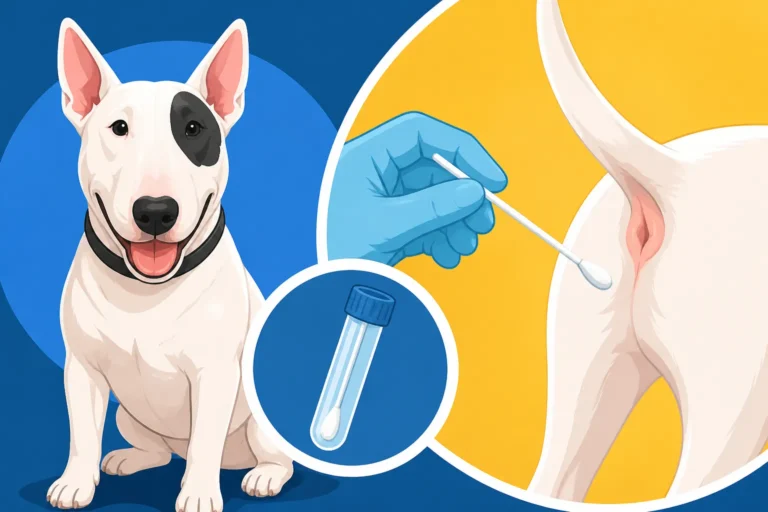
Thanks to scientific advancements, particularly around the early 2010s, a reliable DNA test for Acrodermatitis became available to Bull Terrier breeders worldwide. You can find out more about When the Bull Terrier Acrodermatitis DNA Test Arrived. This test is incredibly straightforward, which is a huge relief for breeders and owners alike. It typically involves a simple cheek swab, collected by rubbing a small brush or swab along the inside of a dog's cheek to gather cells. This non-invasive sample is then sent to a specialized genetics laboratory.
The lab analyzes the DNA from the sample to determine the dog's specific genetic status regarding the LAD gene. The results will categorize the dog into one of three groups:
- Clear (Homozygous Normal): This dog has two normal copies of the gene and cannot develop LAD or pass the faulty gene on to its offspring.
- Carrier (Heterozygous): This dog has one normal copy and one faulty copy of the gene. It will not develop LAD itself, but it can pass the faulty gene on to 50% of its offspring.
- Affected (Homozygous Affected): This dog has two faulty copies of the gene. It will develop LAD.
The accuracy of this test is very high, making it a reliable tool for breeders. If you're wondering about the cost, What the Bull Terrier Acrodermatitis Swab Costs is usually quite reasonable compared to the potential costs and heartbreak of dealing with an affected puppy. Reputable labs like those certified by the Orthopedic Foundation for Animals (OFA) or the Canine Health Information Center (CHIC) often offer these panels. This means that breeders no longer have to guess; they can know definitively their dog's status and plan their breeding programs accordingly.
Using Test Results for Responsible Breeding Decisions
The beauty of the LAD DNA test is that it empowers breeders to make truly responsible and ethical choices. The goal isn't just to react to the disease when it appears, but to prevent it entirely. Here's how breeders use these invaluable results:
- Never Breed Affected Dogs: This should go without saying, but any dog testing as "Affected" with LAD should never be bred. Their quality of life would be severely compromised, and they would pass two faulty copies of the gene to all offspring, guaranteeing affected puppies if bred to a carrier or another affected dog.
- Strategic Breeding for Carriers: This is where the nuance comes in. While the ultimate goal is to reduce the frequency of the LAD gene in the population, immediately removing all carriers from the breeding pool could severely shrink the gene pool, potentially leading to other genetic problems due to inbreeding. Therefore, carriers can still be used in breeding programs, but only under very strict conditions. A carrier must only be bred to a dog that has tested "Clear" for LAD. This pairing guarantees that no puppy born from that litter will ever be affected by LAD. Statistically, 50% of the puppies will be clear, and 50% will be carriers. This allows breeders to retain valuable characteristics, temperaments, or health attributes from a carrier dog while safely progressing toward a clear lineage.
- Prioritizing Clear-to-Clear Pairings: The most straightforward and safest breeding decision is to pair two dogs that are both "Clear" of LAD. This guarantees that all offspring will also be "Clear," thus not carrying the gene at all. As more clear dogs become available, this becomes the preferred strategy for gradually phasing the gene out of the breed.
By consistently testing all breeding stock and adhering to these principles, breeders can prevent the birth of affected puppies and slowly but surely reduce the prevalence of the LAD gene within the Bull Terrier population. It's a testament to how science can aid ethical breeding. It’s also important that Bull Terrier breeders undertake a range of health tests, not just for LAD, and Which Health Tests a Bull Terrier Breeder Should Run provides a comprehensive overview. Prospective owners should always inquire about these results, and ideally, The Five Tests a Bull Terrier Breeder Should Have Paid For should be presented.
Challenges and Realities of Breeding Out LAD
While genetic testing offers a clear pathway to eradicating LAD, the journey isn't without its complexities. "Breeding out" a genetic disease is rarely a simple, overnight process. It requires widespread cooperation, careful management of the gene pool, and an unwavering commitment from the entire breeding community.
The Persistence of Carrier Status
One of the biggest hurdles in completely removing a recessive gene like LAD from a breed is the existence of carriers. As we discussed, carriers are perfectly healthy dogs. They can live full, normal lives without ever showing a single symptom of Acrodermatitis. You might be tempted to think, "Why not just remove all carriers from breeding?" The problem is, especially in breeds with a relatively small gene pool or where the carrier rate is high, this approach can inadvertently cause more harm than good. Research has shown that How Many Bull Terriers Carry the Acrodermatitis Gene is a significant number. If too many dogs are removed from the breeding pool at once, it severely restricts genetic diversity, increasing the risk of other recessive genetic conditions emerging or exacerbating existing ones due to increased inbreeding coefficients.
Consider a hypothetical scenario: a highly desired stud dog, otherwise exemplary in health, temperament, and conformation, tests as a carrier for LAD. If this dog is immediately removed from breeding, its valuable genetic contributions to the breed are lost. Instead, by carefully breeding this carrier to a known clear bitch, 50% of the offspring will also be clear, allowing the desirable traits to be passed on without producing affected puppies. The breeder can then test the resulting puppies and prioritize breeding the clear ones in future generations. This careful, managed approach acknowledges that while the goal is to eliminate the faulty gene, it must be done thoughtfully to preserve the overall health and integrity of the breed. It's crucial to remember that Whether an Acrodermatitis Carrier Bull Terrier Is Affected is "no" – they are healthy, but can pass on the gene.
Maintaining Genetic Diversity
The balance between eliminating a specific disease gene and maintaining robust genetic diversity is a constant tightrope walk for responsible breeders. Every dog carries some faulty genes; it's a natural part of any species' genetic makeup. The challenge is identifying the serious ones, like LAD, and addressing them strategically. If breeders become overly focused on eradicating one gene at the expense of all others, they risk "bottlenecking" the gene pool. This means concentrating the genes of a few popular individuals, which can lead to a decrease in overall genetic health and an increased susceptibility to other diseases down the line.
The Bull Terrier breed, like many purebreds, already faces some genetic challenges. Therefore, any breeding strategy must consider the broader implications. Genetic diversity is the breed's insurance policy against future unknown health threats. Breeders must strive for variety in their pairings, even when making decisions about LAD. This often means working with a wider network of breeders, exchanging information, and sometimes making difficult choices about which dogs to breed and which to retire from a program. It’s a long-term commitment that goes beyond a single litter.
Here's a simplified table illustrating breeding outcomes based on LAD genetic status:
| Sire's LAD Status | Dam's LAD Status | Affected Offspring Risk | Carrier Offspring Risk | Clear Offspring Risk | Breeding Recommendation |
|---|---|---|---|---|---|
| Clear | Clear | 0% | 0% | 100% | Ideal Pairing |
| Clear | Carrier | 0% | 50% | 50% | Acceptable; test offspring |
| Carrier | Clear | 0% | 50% | 50% | Acceptable; test offspring |
| Carrier | Carrier | 25% | 50% | 25% | AVOID! |
| Affected | Any | High | High | 0% | NEVER Breed |
This table clearly shows why pairing two carriers is a definite no-go.
Ethical Considerations for Breeders
The ethical imperative for Bull Terrier breeders is clear: no affected puppies should ever be born. This means every breeding dog, whether male or female, should be tested for LAD before being considered for a breeding program. The results should be transparently shared with potential puppy buyers.
Responsible breeders are proactive. They don't just test their breeding stock; they also educate potential owners about LAD, even when they're confident their litter is clear. They understand that their decisions impact not just their own kennel, but the future of the entire breed. This might mean making hard decisions, like retiring an otherwise excellent dog from breeding if it's a carrier and suitable clear mates are unavailable, or if its genetic contribution isn't unique enough to justify the managed breeding approach.
It's also about communication and integrity within the breeding community. Breeders should openly share test results and pedigree information to help others make informed decisions. Organizations like the Bull Terrier Club of America (BTCA) strongly advocate for health testing, including LAD, and support breeders in their efforts. This collective effort is what truly drives progress in eliminating genetic diseases. For new breeders, understanding whether two Bull Terrier Acrodermatitis Carriers Should Be Bred is a fundamental ethical decision.
The Future of Bull Terriers and LAD
The path to eradicating Acrodermatitis from the Bull Terrier breed is a long-term commitment, but it's one filled with hope and achievable goals thanks to modern genetic science. Every clear puppy born is a step in the right direction, and every responsible breeding decision moves the breed closer to a future free from this devastating disease.
What Prospective Owners Can Do
As a prospective Bull Terrier owner, you have a crucial role to play in supporting the health of the breed. Your choices directly influence the decisions of breeders. Here’s how you can make a difference:
- Demand Health Testing: When you’re looking for a puppy, always ask the breeder about health testing for both parents. Specifically, inquire about LAD DNA test results. A reputable breeder will be proud to show you certificates for both parents, indicating they are "Clear" or, if a carrier was used responsibly, that the other parent was "Clear." If a breeder can't or won't provide these results, it's a major red flag, and you should walk away. It’s not just about LAD; make sure they are also testing for other common Bull Terrier issues.
- Educate Yourself: Understand what LAD is, how it's inherited, and the importance of genetic testing. The more knowledgeable you are, the better equipped you'll be to ask the right questions and evaluate breeders.
- Support Responsible Breeders: Seek out breeders who are transparent, committed to health testing, and prioritize the well-being of their dogs over profit. These are the breeders who are genuinely working to improve the breed's health. They often belong to national breed clubs, participate in health registries, and are happy to discuss their breeding philosophies.
By being informed and demanding health-tested puppies, you incentivize ethical breeding practices and help reduce the market for puppies from untested parents. This directly contributes to the long-term goal of a healthier Bull Terrier population. Even if you choose to insure your Bull Terrier with a company like Healthy Paws, which is a great idea for unforeseen illnesses, you still want to start with a puppy from health-tested parents to mitigate known risks.
Supporting Ethical Breeding Practices
The journey to breed out LAD is a collaborative effort. It requires ongoing research, education, and unwavering dedication from breeders, breed clubs, and veterinarians.
- Breed Club Initiatives: National breed clubs, like the Bull Terrier Club of America, play a vital role in setting health priorities, recommending specific health tests, and maintaining public databases of health-tested dogs. Supporting these clubs through membership or donations helps fund research and educational programs that benefit the breed. They often offer guidance on whether the Bull Terrier Acrodermatitis Test Is Reliable and which labs to use.
- Ongoing Research: While we have a DNA test for LAD, research into other genetic conditions that affect Bull Terriers continues. Supporting veterinary genetic research ensures that we can identify and address new challenges as they arise.
- Education and Mentorship: Experienced, ethical breeders often mentor newer breeders, guiding them on responsible practices, genetic testing protocols, and the nuances of managing a healthy breeding program. This passing down of knowledge is essential for the sustained health of the breed.
The short answer to whether Acrodermatitis can be bred out of Bull Terriers is a resounding yes, but it's a process, not a switch. It requires every single Bull Terrier used in a breeding program to be DNA tested for LAD, and for breeders to make responsible, educated pairing choices based on those results. Through diligent testing and mindful breeding practices, the Bull Terrier community is steadily working towards a future where this devastating disease is a relic of the past, ensuring that these incredible, clownish companions can live long, healthy, and happy lives. Pet insurance options, such as those from Healthy Paws, can provide a safety net for unexpected health concerns, but genetic testing remains the proactive step against inherited diseases like LAD.
Disclaimer
Please remember that this article provides general information and guidance. Always consult with a qualified veterinarian for specific medical advice regarding your Bull Terrier's health. Breeding decisions should be made in consultation with experienced mentors and veterinary geneticists.