How Long an Acrodermatitis Bull Terrier Puppy Survives
Finding out your beloved Bull Terrier puppy has Acrodermatitis (LAD) is a truly gut-wrenching experience. It’s a diagnosis that leaves you reeling, grappling with an overwhelming sense of helplessness, and immediately asking the most agonizing question: how long do I have with my sweet companion? This guide is here to walk you through the harsh realities of LAD, shedding light on the typical survival timeline and offering an honest look at what you can expect, helping you prepare for the difficult journey ahead.
Understanding the Cruel Reality of Acrodermatitis
Lethal Acrodermatitis, often shortened to LAD, is an inherited disease unique to Bull Terriers, and it's as devastating as its name suggests. It's not just a "skin condition" as some might mistakenly assume; it's a systemic failure rooted in a genetic inability to properly absorb zinc, even when there's plenty of zinc in their diet. This isn't like a simple zinc deficiency that can be fixed with supplements; their bodies simply cannot utilize it, no matter how much you try to give them.
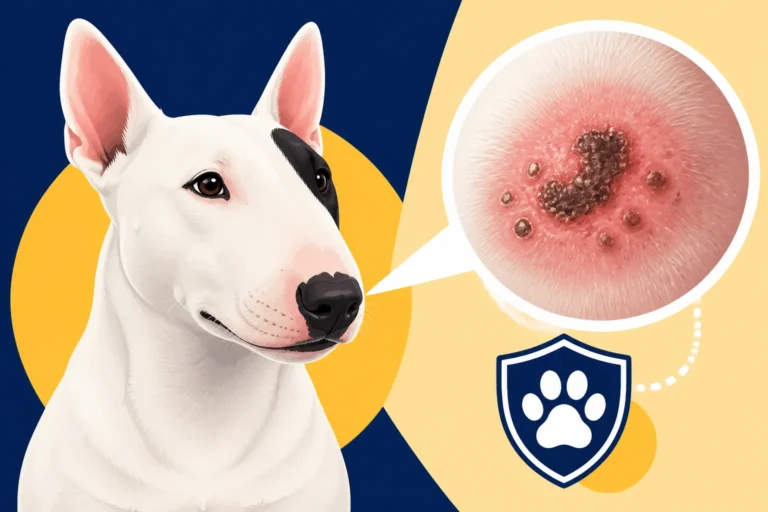
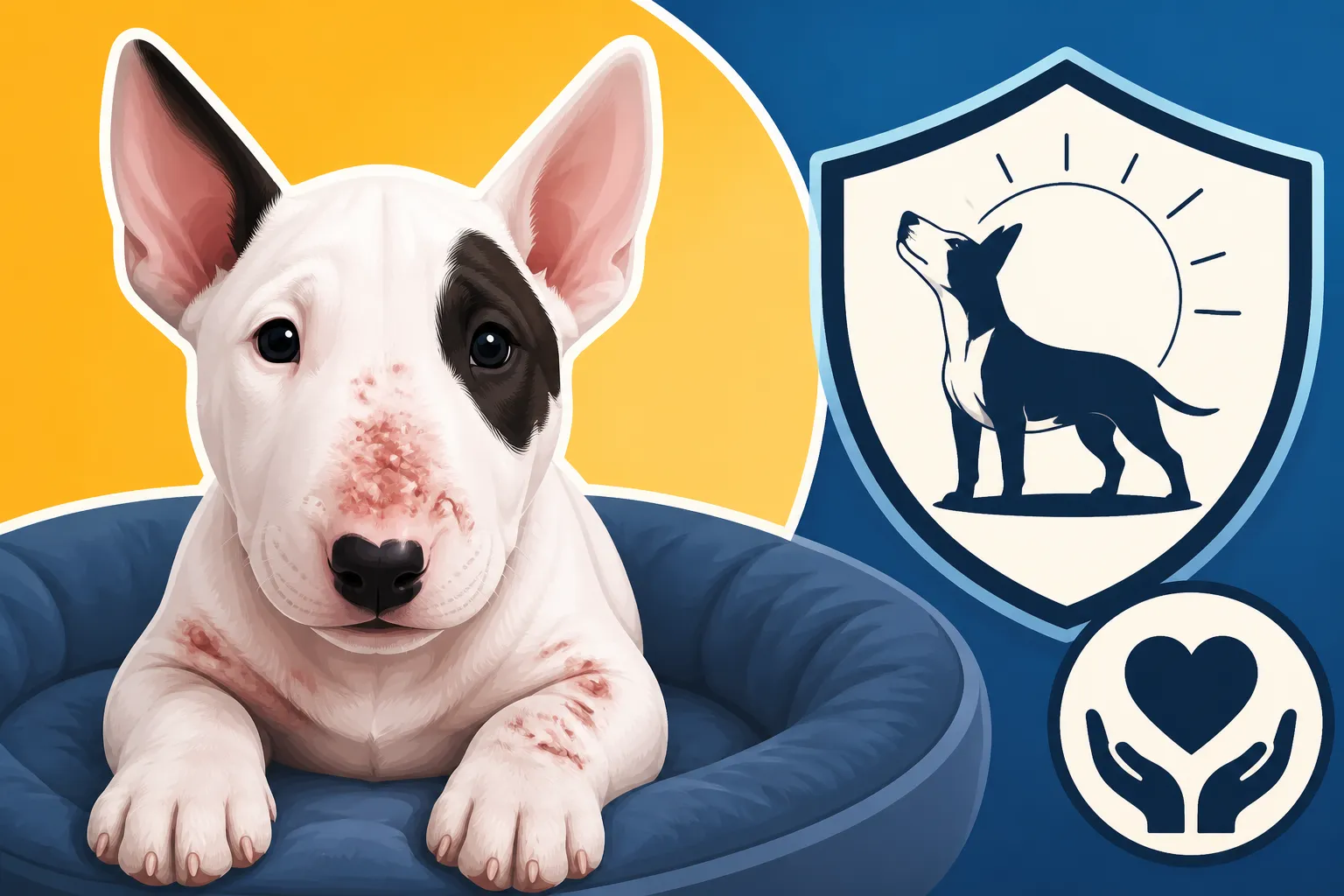
This inability to absorb zinc leads to a cascade of problems throughout the puppy's body. Imagine a tiny, vulnerable immune system that just can't get off the ground; that's what happens. Puppies with LAD often develop chronic, painful skin lesions, especially on their paws, muzzle, and around their eyes. These aren't just cosmetic issues; they're open invitations for bacterial and fungal infections that quickly become resistant to treatment. The constant pain and itching are immensely distressing for these little ones. Beyond the skin, their growth is severely stunted, they struggle to gain weight, and their internal organs, including their immune system, are severely compromised. It’s a battle on multiple fronts, and unfortunately, it's one their tiny bodies are ill-equipped to win. The disease is caused by a specific gene, and you can learn more about Which Gene Causes Acrodermatitis in Bull Terriers.
The Systemic Impact Beyond Skin Deep
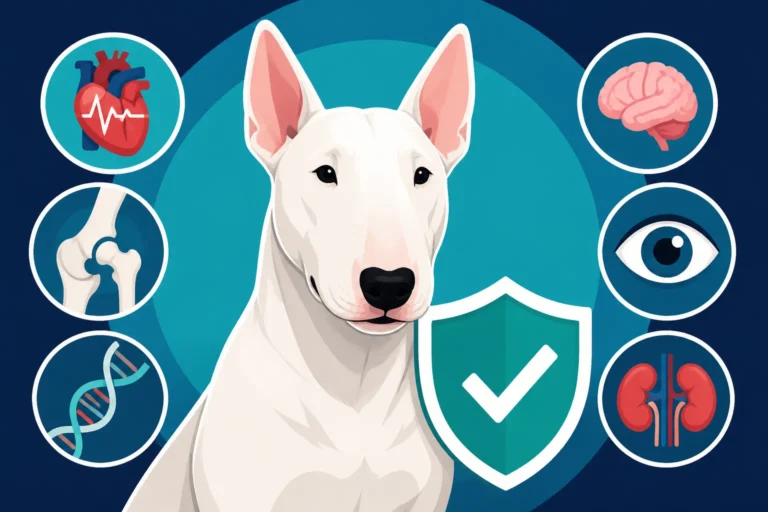
While the outward signs of LAD often manifest as skin and paw issues—sometimes described as "What an Acrodermatitis Bull Terrier's Paws Look Like"—the disease’s reach is far more profound. Every system in their body is affected because zinc is a crucial trace element for countless enzymatic processes, immune function, and cell growth. Without it, everything starts to break down. Their digestive system struggles, making it difficult for them to process nutrients, even those that don't rely on zinc. Their immune systems are so weak that even common puppy illnesses, like kennel cough or a simple skin infection, can become life-threatening.
Think of it this way: their bodies are missing a fundamental building block for healthy development and function. This isn't something that can be compensated for. They might look like typical, playful Bull Terrier puppies initially, but internally, they are facing an insurmountable challenge. This means that while you might be focused on the visible sores or the lack of growth, the real danger is the complete systemic failure that slowly, but inevitably, overtakes them. This reality is why, despite the heartbreaking desire to find a cure, veterinary science currently offers none for LAD.
Why Acrodermatitis is So Devastating
The true devastation of Acrodermatitis lies in its relentless progression and the fact that it strikes at the very beginning of a puppy's life. These aren't older dogs experiencing age-related decline; these are innocent, vibrant puppies who should be full of life, exploring the world with typical Bull Terrier zest. Instead, they face chronic pain, persistent infections, and a constant struggle just to exist. Owners often report that their Acrodermatitis Bull Terrier Puppy Stops Growing, which is a clear indicator of the severe internal issues.
It's a particularly cruel disease because it gives you glimpses of their potential, only to snatch it away. You see their loving personalities, their attempts at play, their desire for cuddles, all while knowing that their bodies are failing them. This creates an emotional rollercoaster for owners, torn between hope and the stark, painful reality. The economic burden can also be significant, as continuous vet visits, antibiotics, pain management, and specialized care can quickly add up, even when working with supportive insurers like Healthy Paws.
The Tragic Timeline: How Long Do They Typically Survive?
This is the hardest part to talk about, but it's essential to be realistic. For a Bull Terrier puppy diagnosed with Lethal Acrodermatitis, the prognosis is, tragically, terminal. There is no cure for LAD, and the disease is invariably fatal. Most puppies diagnosed with LAD do not survive past two years of age, and many succumb much earlier, often before their first birthday.
The timeline can vary slightly depending on the severity of their symptoms and the intensity of palliative care, but generally, the progression is relentless. Initially, symptoms might be subtle, perhaps just a failure to thrive compared to their littermates, or minor skin irritations. As weeks turn into months, the skin lesions worsen, become chronic, and deeply painful. Recurrent infections become the norm, and their compromised immune systems mean they literally Catch Every Infection. Despite all efforts, their quality of life deteriorates steadily, and eventually, the systemic organ failure or overwhelming infection becomes too much for their small bodies to bear.
Early Onset and Rapid Decline
Symptoms of LAD typically begin to show up between 4 to 7 weeks of age, though sometimes they can be a bit delayed, appearing up to 4 months. This early onset is part of what makes the disease so heartbreaking; you're often getting to know your new puppy, forming that unbreakable bond, just as the first signs emerge. You might notice their paws looking a bit raw or crusty, or perhaps they're just not gaining weight like their siblings. These initial signs are crucial, and any concerned owner should immediately seek veterinary attention, especially if they are familiar with Signs a Bull Terrier Puppy Has Acrodermatitis.
Once symptoms are clearly present, the decline can be surprisingly rapid. Even with the most dedicated care, including antibiotics for infections, pain relief, and attempts at nutritional support, the underlying zinc malabsorption continues to wreak havoc. Their digestive system struggles so much that they may appear to stop eating, or simply not gain weight, even if they consume food. This leads to profound weakness and a lack of energy, further impacting their ability to heal or fight off illness. The table below illustrates a general timeline, but remember, every puppy's journey is unique and can be more compressed or slightly extended.
| Age of Puppy (Approx.) | Common Symptoms | Quality of Life | Prognosis |
|---|---|---|---|
| 4-8 Weeks | Stunted growth, failure to thrive, mild skin lesions on paws/muzzle, dull coat, reluctance to play. | Can still have moments of playfulness, but overall energy is lower. | Diagnosis often confirmed via genetic testing. |
| 2-6 Months | Worsening skin lesions (crusting, cracking, bleeding) on paws, face, pressure points. Frequent secondary bacterial/fungal infections. Poor appetite, diarrhea. | Significant discomfort, intermittent pain, reduced energy, difficulty walking/eating. | Progressive decline. Focus shifts to palliative care and infection control. |
| 6-12 Months | Severe, widespread skin lesions. Chronic infections requiring aggressive antibiotic therapy. Extreme lethargy, emaciation. Systemic organ involvement. | Profoundly impacted, often in constant pain, little to no joy or energy. | Most puppies succumb within this period. Euthanasia often considered for humane reasons. |
| 12-24 Months | Rare for puppies to survive this long. If so, severe cachexia, organ failure, overwhelming infection. | Severely compromised, minimal quality of life. | Inevitable fatality. |
The Age Acrodermatitis Kills a Bull Terrier
The grim truth is that the vast majority of Bull Terrier puppies with LAD will not live to see their second birthday. Many pass away or are humanely euthanized between 6 to 12 months of age, as their quality of life diminishes to an unacceptable level. The longest reported survival times, even with intensive veterinary and home care, rarely extend beyond 24 months. These puppies are fighting a losing battle from birth.
This short lifespan is a direct consequence of the widespread systemic damage. It's not usually one single catastrophic event, but rather a gradual shutdown of their bodily functions, compounded by persistent, painful infections that defy treatment. Imagine your puppy's paws becoming so sore that walking is agonizing, or their immune system so weak that they can't recover from a simple cold. This leads to a life of chronic suffering, and as responsible pet owners, sometimes the kindest decision is to prevent further pain. This difficult reality is why reputable breeders prioritize genetic testing, as discussed in What a Bull Terrier Breeder Should Have Tested.
Managing Symptoms and Providing Comfort
While there's no cure for LAD, the focus shifts entirely to providing comfort and managing the relentless symptoms to ensure the puppy's quality of life is as good as it can possibly be for the time they have. This is an incredibly challenging path, both emotionally and financially.
Palliative care involves a multi-faceted approach. This includes aggressive management of secondary infections with appropriate antibiotics, often based on culture and sensitivity tests. Pain management is critical, as the skin lesions can be excruciatingly painful. Anti-inflammatory medications and pain relievers become a regular part of their daily routine. Special diets might be attempted to maximize nutrient absorption, although the underlying zinc malabsorption issue remains. Topical treatments for their skin, such as medicated baths and soothing creams, can provide some temporary relief, but often struggle against the deep-seated nature of the disease.
The Role of Veterinary Support and Home Care
Working closely with your veterinarian is absolutely paramount. They will guide you through the difficult decisions, from diagnostic testing to treatment protocols, and ultimately, quality of life assessments. Your vet can prescribe the necessary medications, from antibiotics to anti-inflammatories, and help you understand how to best manage your puppy's pain at home. Regular check-ups are essential to monitor for new infections, assess their comfort levels, and adjust treatments as needed.
At home, your role is to provide a clean, comfortable, and stress-free environment. This means meticulous wound care, keeping their bedding clean, and ensuring they have easy access to food and water. Soft bedding can help prevent further irritation on pressure points. Because these puppies are so prone to infection, maintaining a hygienic living space is critical. Despite their pain and weakness, many LAD puppies still crave affection and closeness, so ensuring they feel loved and safe is a profound act of compassion. While zinc supplements are often tried out of desperation, it’s important to remember Why an Acrodermatitis Bull Terrier Cannot Absorb Zinc; it's not a simple fix.
When to Consider Quality of Life
This is perhaps the most agonizing conversation an owner can have, but it's one that every owner of an LAD puppy will eventually face. As the disease progresses, there comes a point where even the most dedicated palliative care cannot maintain an acceptable quality of life. When the pain becomes chronic and unmanageable, when infections are overwhelming, when they can no longer find joy in simple activities like eating or a gentle cuddle, it’s time to consider the most compassionate decision: euthanasia.
It's a decision born of profound love, not of giving up. It means choosing to end suffering when there is no hope for recovery. Your veterinarian can help you assess your puppy's quality of life using objective measures and their own clinical judgment, but ultimately, it's a deeply personal decision that only you, as their owner, can make. Resources like veterinary hospice care or pet loss support groups can offer immense help during this incredibly difficult time. Knowing that you've done everything in your power to give them comfort and love, even in the face of such a devastating disease, is the only solace in such a painful situation.
The Emotional Toll on Owners
Living with an Acrodermatitis Bull Terrier puppy is an emotional marathon. From the moment of diagnosis, owners are plunged into a world of anxiety, grief, and often, guilt. You constantly second-guess every decision, wondering if you could be doing more, even when you know logically that you're doing everything possible. The joy of puppyhood is overshadowed by the ever-present shadow of their terminal illness.
The bond with a Bull Terrier is incredibly strong, and watching a beloved puppy suffer, knowing their time is so limited, is profoundly heartbreaking. This journey is filled with ups and downs: days where they seem a little brighter, giving you a glimmer of false hope, followed by days of severe pain and setbacks. It's a constant cycle of hope and despair that can be emotionally exhausting. It's vital for owners to acknowledge their own pain and seek support, whether from friends, family, or professional grief counselors. Remember, you're not just losing a pet; you're losing a future you envisioned, a life you hoped to share for many years. Many organizations and pet insurance providers, like Healthy Paws, recognize the immense emotional and financial strain of chronic illnesses, and having some coverage can alleviate some of the financial stress, allowing you to focus more on comfort.
Coping with Anticipatory Grief
Anticipatory grief is a very real phenomenon when facing a terminal diagnosis. You begin to mourn your puppy's loss long before it actually happens. This can manifest as sadness, anger, frustration, and even a sense of helplessness. It's okay to feel all these emotions. It’s a testament to the depth of your love for your Bull Terrier. Trying to suppress these feelings only makes the eventual loss harder.
Allow yourself to grieve, to cherish every moment, and to find comfort in providing the best possible care. Many owners find it helpful to create memories, even small ones, during this time—gentle cuddles, a favorite treat, quiet moments together. These moments aren't about denying the reality of LAD but about celebrating the life, however short, that your puppy brings into your world. Understanding How Long a Bull Terrier Puppy Survives can feel like a heavy burden, but it also provides a framework for how to maximize their remaining time.
Finding Support and Honoring Their Memory
You don't have to navigate this journey alone. Reaching out to Bull Terrier communities online or in person can connect you with others who have faced similar challenges. Sharing experiences, asking for advice, or simply expressing your feelings to someone who understands can be incredibly cathartic. Your veterinarian's office can also be a source of support, as they are often very attuned to the emotional needs of owners in these situations.
After the inevitable goodbye, honoring your puppy's memory can be a powerful part of the healing process. This might involve creating a photo album, planting a tree in their honor, or donating to a Bull Terrier rescue or research fund dedicated to preventing diseases like LAD. Though their time with you is tragically short, the love they bring into your life leaves an indelible paw print on your heart, and that connection is something to cherish forever. Discussions about topics like Whether Acrodermatitis Can Be Bred Out of Bull Terriers are crucial for the future of the breed, and your experience contributes to understanding the importance of responsible breeding.
Disclaimer
The information provided in this guide is intended for educational purposes only and should not be taken as medical advice. Always consult with a qualified veterinary professional for diagnosis and treatment options specific to your Bull Terrier.