Whether an Acrodermatitis Bull Terrier Puppy Can Eat
Watching your Bull Terrier puppy struggle to eat, losing interest in food despite its tiny, growing body needing every nutrient, is one of the most heartbreaking experiences any dog owner can face. Especially when it’s an Acrodermatitis puppy, the inability to eat properly isn't just a sign of fussiness; it's a critical indicator of a deeply serious underlying health crisis that needs immediate, comprehensive attention. This guide will walk you through why these puppies often refuse food, what you can do to encourage them, and the vital role veterinary intervention plays in their comfort and survival.
The Devastating Reality of Acrodermatitis on a Puppy's Appetite
When an Acrodermatitis Bull Terrier puppy pushes away its food, it's not a choice. It's a symptom of a profound internal struggle caused by an inherited genetic mutation that prevents the body from properly metabolizing zinc. This isn't just about a nutrient deficiency; it's a systemic breakdown that impacts every bodily function, including the desire and ability to eat. The disease is merciless, leading to a cascade of problems that make feeding a complex and often distressing challenge.
The despair of seeing your lively little puppy fade and refuse to eat is immense. Owners often try every trick in the book – different foods, hand-feeding, warming meals – only to be met with disinterest or outright refusal. This isn’t a battle of wills; it's a battle against a cruel disease. The lack of appetite quickly contributes to their failure to thrive, which is a hallmark of the condition. Many owners desperately search for answers on "Whether an Acrodermatitis Bull Terrier Puppy Can Eat" because they know it's a race against time.
How Zinc Deficiency Impacts Digestion and Appetite
Zinc is an unsung hero in the body, crucial for countless enzymatic reactions, immune function, cell division, and even taste and smell perception. For an Acrodermatitis Bull Terrier, the body simply cannot absorb or utilize zinc effectively, even if it's present in the diet. This fundamental metabolic error means that tissues and organs are starved of a critical element, leading to widespread dysfunction. Without adequate zinc, the gastrointestinal tract itself struggles, impacting digestion and nutrient absorption, which further diminishes the puppy’s hunger signals and ability to process food.
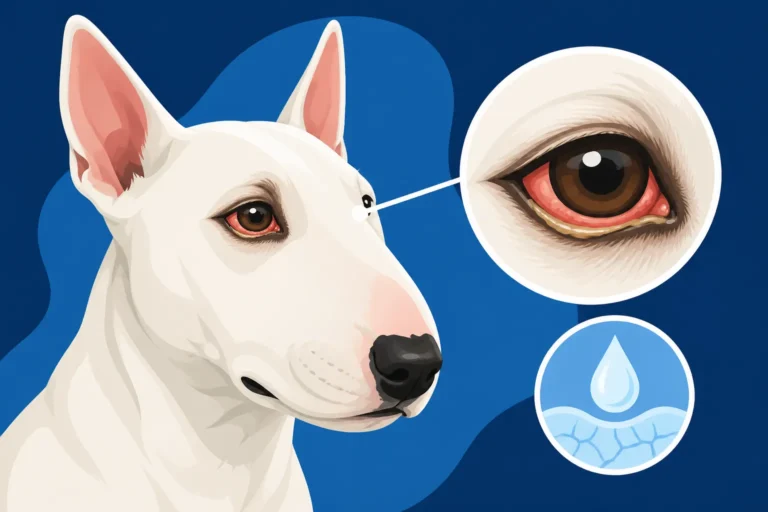
The ongoing zinc deficiency rapidly compromises the puppy's immune system, making them incredibly vulnerable to opportunistic infections. These infections, whether bacterial, fungal, or viral, can manifest anywhere, including the digestive tract. A puppy battling a systemic infection will naturally have a reduced appetite, often accompanied by lethargy, fever, and discomfort that makes eating an unpleasant experience. This creates a vicious cycle: poor zinc absorption leads to a weakened immune system, which leads to infections, which further suppress appetite and nutrient intake, exacerbating the deficiency. Understanding Why an Acrodermatitis Bull Terrier Cannot Absorb Zinc is key to grasping the severity of this issue.
Beyond the direct impact on the gut and immune system, a severe zinc deficiency also affects the senses. A puppy's sense of smell and taste, which are powerful motivators for eating, can be dulled or distorted. What might smell and taste appealing to a healthy dog could be completely uninteresting or even unpleasant to an Acrodermatitis puppy. This sensory deprivation combines with general malaise, making the act of eating less rewarding and more of a chore, if not outright painful.
Oral Lesions and Secondary Infections
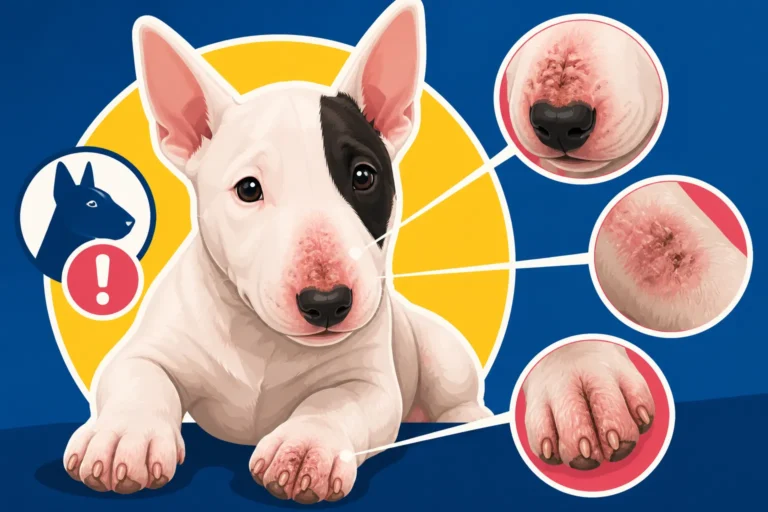
One of the most distressing and visible symptoms of Acrodermatitis, and a major reason why puppies struggle to eat, is the development of painful skin lesions, particularly around the mouth, nose, and paws. These lesions are not just cosmetic; they are raw, inflamed, and often infected. Imagine trying to eat with open sores and cracks around your lips and inside your mouth. This is the reality for many Acrodermatitis puppies. The physical act of opening the jaw, chewing, and swallowing becomes incredibly painful.
These oral lesions are highly susceptible to secondary bacterial and yeast infections, which thrive in compromised tissue. A yeast infection, for instance, can cause a foul taste in the mouth, further deterring the puppy from eating. Bacterial infections can lead to abscesses or deep tissue inflammation, making every bite agonizing. You might notice your puppy approaching their food bowl, sniffing, maybe even licking tentatively, before pulling away with a whimper or simply turning its head. This isn't stubbornness; it's a physical inability to tolerate the discomfort that accompanies eating. This physical manifestation is one of the clearest Signs a Bull Terrier Puppy Has Acrodermatitis.
Furthermore, Acrodermatitis can affect the development of the skeletal structure, including the mouth and palate. Some puppies might even present with an arched palate, which can complicate chewing and swallowing. Coupled with the painful skin lesions, this structural issue can make it nearly impossible for the puppy to pick up kibble or even lap up softer foods without significant discomfort. The entire oral cavity becomes a source of pain and an obstacle to nutrition, making the simple act of eating a monumental challenge in their short lives.
Practical Strategies for Encouraging Eating
While Acrodermatitis is a serious, ultimately fatal condition, there are practical steps you can take to make eating more comfortable and appealing for your puppy. It's about maximizing every opportunity for nutrition and alleviating as much discomfort as possible. This involves a delicate balance of food modification, environmental adjustments, and constant monitoring. Remember, these are supportive measures, not a cure for the underlying genetic condition.
The frustration of seeing your beloved Bull Terrier puppy refuse food, knowing how vital every calorie is, can be immense. It feels like a losing battle, but every small victory in encouraging them to eat is a moment of care and comfort you can provide. Don't give up on trying different approaches; sometimes, a minor change can make a significant difference in their willingness to consume something.
Making Food Appealing and Accessible
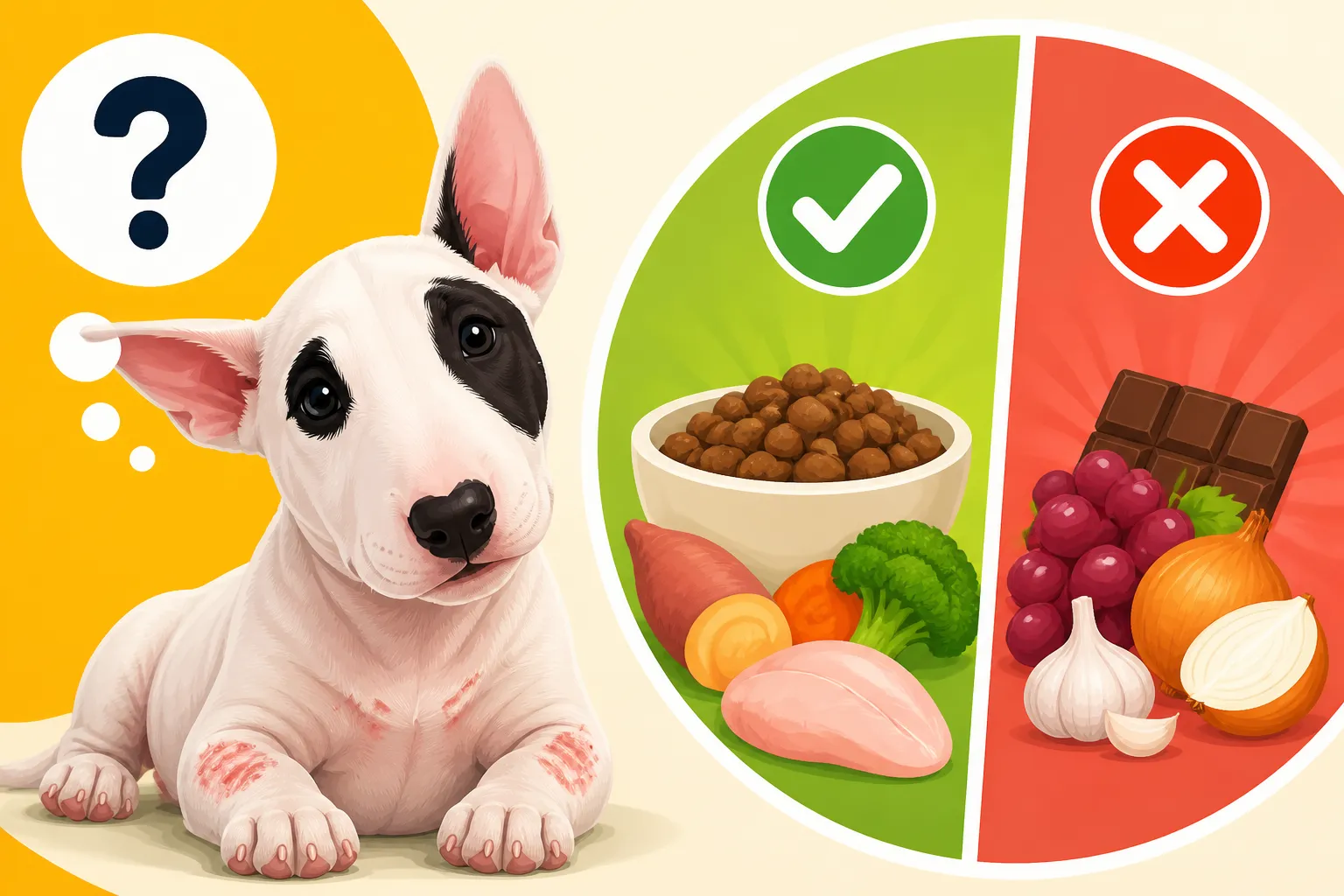
For an Acrodermatitis puppy, traditional kibble is often out of the question due to the pain of chewing and the general lack of appetite. The goal is to provide highly palatable, easy-to-consume food that still offers as much nutritional value as possible. This often means embracing soft, wet, or even liquid diets. Consider feeding warmed, canned puppy food, or mixing high-quality kibble with warm water or low-sodium chicken broth to create a gruel. Some owners have success with baby food (meat-based, without onion or garlic), or even prescription recovery diets designed for sick animals, which are highly caloric and palatable.
Presentation matters immensely. Instead of a deep bowl, try a flat plate or saucer, reducing the need for the puppy to push its sore muzzle into anything. Hand-feeding can sometimes encourage a few extra bites, as your presence and gentle coaxing can offer comfort. For puppies refusing all solid or semi-solid foods, syringe-feeding liquid diets can be a temporary solution to provide critical hydration and calories, but this must be done very carefully to prevent aspiration and should only be undertaken under veterinary guidance. The sheer dedication needed to keep an Acrodermatitis puppy fed is immense, often calling for innovative and patient feeding techniques that go far beyond what a typical puppy requires.
| Food Type/Method | Benefits for Acrodermatitis Puppy | Considerations |
|---|---|---|
| Warmed Wet Food | Highly palatable, easy to chew and swallow, increased moisture | Ensure high quality, avoid irritants |
| Kibble Soaked to Gruel | Familiar flavor, softer texture, can be high caloric | Check for complete softening, monitor for choking |
| Meat-based Baby Food | Very soft, easy to digest, often appealing | Ensure no onion/garlic, not nutritionally complete long-term |
| Prescription Recovery Diets | High caloric density, formulated for sick animals, palatable | Vet approval needed, can be expensive |
| Hand-Feeding | Encourages eating through positive interaction, control portion size | Time-consuming, requires patience |
| Syringe Feeding (Liquids) | Provides essential hydration/nutrients when refusal is complete | Risk of aspiration, vet guidance critical, temporary |
Managing Secondary Symptoms to Improve Intake
Beyond the primary issue of zinc malabsorption, an Acrodermatitis puppy's ability to eat is severely hampered by a host of secondary symptoms. Managing these can significantly improve their comfort and, consequently, their willingness to eat. Pain management is paramount. Your veterinarian can prescribe appropriate pain relief, as the oral lesions and overall inflammation are incredibly uncomfortable. Reducing pain can make the act of chewing and swallowing far less daunting.
Addressing secondary infections with appropriate antibiotics or antifungals is also critical. A course of medication to clear up a severe oral or skin infection can rapidly improve local comfort and reduce systemic illness, thereby potentially boosting appetite. Regular gentle cleaning of any skin lesions, as advised by your vet, can also help keep them from becoming more inflamed or infected. Topical treatments might also be prescribed to soothe irritated skin. Investing in good pet insurance, like a comprehensive plan from Healthy Paws, can certainly ease the financial burden of these ongoing medical treatments, allowing you to prioritize your puppy's comfort and care without added stress.
In some cases, veterinarians might consider appetite stimulants if the puppy's refusal to eat is profound and other issues have been managed. These medications can sometimes encourage a few extra bites, but they are generally a short-term solution and should only be used under strict veterinary supervision. Remember, every little bit of nutrition helps, especially for a puppy that is rapidly losing weight and strength due to a condition that affects Why an Acrodermatitis Bull Terrier Puppy Stops Growing.
The Broader Health Picture and Nutritional Support
The struggle for an Acrodermatitis Bull Terrier puppy to eat is often the most visible manifestation of a complex and progressive disease. It's a stark reminder of the underlying metabolic issues and the constant battle their tiny bodies are fighting. Understanding that this isn't just about hunger, but about fundamental cellular processes gone awry, is crucial for owners trying to navigate this devastating condition.
The average lifespan of these puppies is tragically short, often ending before six months of age, which makes every moment of comfort and nutritional support vital. For concerned owners, understanding How Long an Acrodermatitis Bull Terrier Puppy Survives can help manage expectations and focus on palliative care.
The Importance of Specialized Veterinary Care
When dealing with a condition as severe and rare as Acrodermatitis, ongoing and specialized veterinary care is not just recommended; it's absolutely essential. Your regular vet is a great starting point, but they may refer you to a veterinary dermatologist or internal medicine specialist who has a deeper understanding of complex genetic conditions and their systemic effects. These specialists can offer advanced diagnostics, help manage secondary infections more effectively, and explore every avenue for supportive care. They can also confirm the diagnosis, often through a DNA test that identifies Which Gene Causes Acrodermatitis in Bull Terriers.
These professionals can guide you on everything from appropriate pain medications to specific dietary supplements or formulations that might be more beneficial, even if direct zinc supplementation is largely ineffective due to the absorption issue. Regular check-ups will monitor the progression of the disease, assess the severity of lesions, and help manage any new secondary problems that arise. The financial implications of such intensive care can be significant, so having a robust pet insurance plan, like those offered by Healthy Paws, can be incredibly helpful in ensuring your puppy receives the best possible medical attention without adding undue stress to your already heavy emotional burden. Remember, managing this disease is about mitigating suffering, not finding a cure.
Nutritional Support Beyond Regular Meals
For puppies severely affected by Acrodermatitis who are barely eating, veterinarians may need to explore options beyond conventional food. In extreme cases, tube feeding might be considered. This involves surgically placing a feeding tube directly into the esophagus or stomach, allowing liquid nutrition to be administered directly, bypassing the painful oral cavity and the puppy's aversion to eating. While this sounds drastic, for a puppy on the brink of starvation, it can provide crucial calories and nutrients to sustain them and maintain some quality of life for a short period. This is typically a temporary measure, and the decision to pursue it is a difficult one, made in close consultation with your veterinary team.
Beyond immediate caloric intake, your vet might also recommend specific vitamin and mineral supplements, even if zinc itself isn't effectively utilized. Supporting overall health with other nutrients can sometimes help the body function marginally better. The focus will always be on quality of life and comfort. For Bull Terrier puppies with Acrodermatitis, every feeding is a struggle, and every nutrient gained is a small victory. This condition is a stark reminder of What Lethal Acrodermatitis Does to a Bull Terrier and the immense challenges it poses for both the animal and its devoted owners.
Disclaimer
The information provided in this article is intended for general informational purposes only and does not constitute veterinary advice. Always consult with a qualified veterinarian for any health concerns or before making any decisions related to your pet's care.