Which UPC Number Should Worry a Bull Terrier Owner
Finding out your beloved Bull Terrier has a concerning kidney test result can be truly unsettling, leaving you scrambling for answers about what those numbers even mean. It’s a frightening moment when you realize your dog might be facing a serious health challenge, and you deserve clear, empathetic guidance. This comprehensive guide will walk you through the nuances of the Urine Protein Creatinine (UPC) ratio, specifically detailing which numbers should prompt immediate concern for a Bull Terrier owner and what steps to take next to protect your loyal companion.
Understanding the Bull Terrier's Kidney Predisposition
The Bull Terrier, for all its clownish charm and robust appearance, carries a particular genetic vulnerability that makes regular kidney health monitoring not just advisable, but absolutely essential. It’s not just general veterinary advice; it’s a specific concern for our unique breed.
The Shadow of Hereditary Nephritis
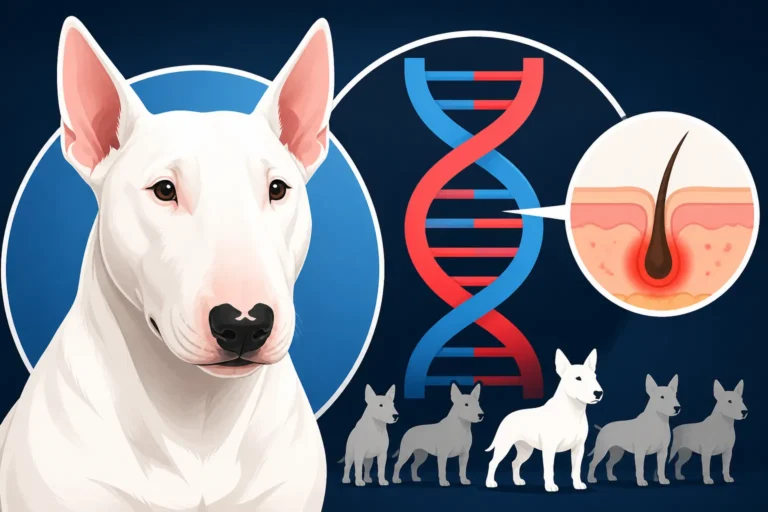
One of the most devastating health issues that can plague Bull Terriers is a condition known as Hereditary Nephritis (HN). This isn't just a generic kidney problem; it's a specific, inherited disease that often leads to kidney failure at a relatively young age. It's an insidious condition because it silently damages the kidneys, often showing no outward signs until the disease is quite advanced. Imagine your vibrant, energetic Bull Terrier suddenly slowing down, losing weight, and you have no idea why, only to find out too late that their kidneys have been failing. This inherited condition is a major reason why careful breeding and early screening are so critical. If you’re curious about the specifics of the disease, learning about What Hereditary Nephritis Does to a Bull Terrier can shed more light on its progression and impact.
The genetic basis for Hereditary Nephritis in Bull Terriers means that puppies can inherit a predisposition to the condition, even if their parents appear healthy. It's a cruel twist of genetics that can catch unsuspecting owners off guard. Understanding How Hereditary Nephritis Is Inherited in Bull Terriers is crucial for both breeders and owners to make informed decisions and prepare for potential health challenges. Because of this genetic link, we can't afford to be complacent. Every Bull Terrier owner should operate under the assumption that their dog could be at risk, even if they come from seemingly healthy lines, because the disease can lie dormant or be managed differently if caught early.
Why Proactive Kidney Screening is Non-Negotiable
Given the breed's predisposition to Hereditary Nephritis and other kidney issues, proactive screening is paramount. Waiting for symptoms to appear is often too late, as kidneys can lose a significant amount of function before any outward signs of illness become apparent. That's why regular veterinary check-ups and specific diagnostic tests are so vital. Think of it as an early warning system designed to catch problems before they become crises. This isn't about being overly anxious; it's about being a responsible, informed Bull Terrier parent.
A key part of this proactive approach involves routine urine testing. Many vets recommend The Yearly Urine Test Every Bull Terrier Owner Should Book for Bull Terriers, starting from a young age. This isn't just a quick dipstick test; it includes a more detailed analysis, and crucially, the Urine Protein Creatinine (UPC) ratio. This particular test is far more sensitive and specific for detecting early kidney damage than a standard urinalysis alone. It helps us track the subtle changes that could indicate the onset or progression of kidney disease, long before blood tests would show abnormalities. Staying on top of these screenings can truly make a difference in your Bull Terrier's lifespan and quality of life. Regular screening for Polycystic Kidney Disease in a Bull Terrier is another crucial preventative measure often done alongside these tests, as Bull Terriers can also be prone to this condition.
Decoding the Urine Protein Creatinine (UPC) Ratio
The UPC ratio might sound like a complicated scientific term, but it’s actually a straightforward and incredibly valuable tool for assessing kidney health in your Bull Terrier. It helps your veterinarian determine if your dog's kidneys are properly filtering waste and retaining vital proteins, or if something is amiss.
What Proteinuria and Creatinine Reveal
Let's break down what the UPC ratio is actually measuring. "Proteinuria" simply means there's an abnormal amount of protein in the urine. Healthy kidneys are like efficient filters; they allow waste products to pass into the urine but keep essential proteins, like albumin, in the bloodstream where they belong. If the kidneys are damaged, their filters become leaky, allowing protein to escape into the urine. This loss of protein can be an early indicator of kidney disease.
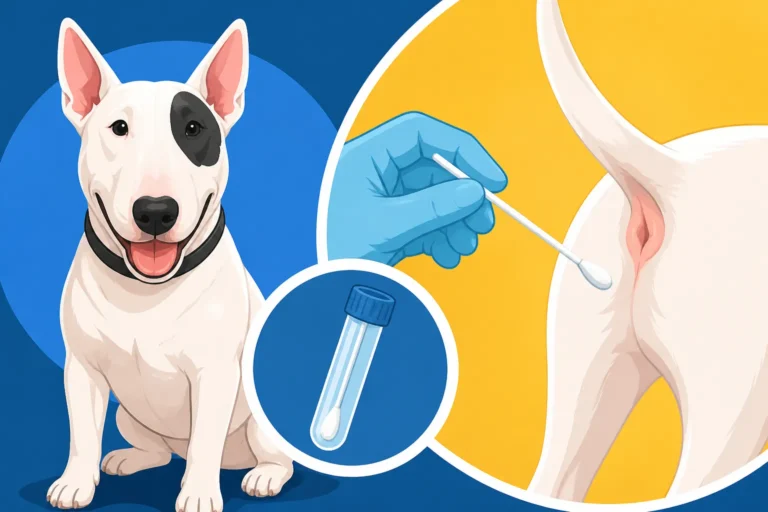
Creatinine, on the other hand, is a waste product generated from normal muscle metabolism. It's typically filtered out by the kidneys and excreted in the urine at a fairly constant rate. Because its excretion rate is stable, urinary creatinine acts as a convenient benchmark. By comparing the amount of protein to the amount of creatinine in a urine sample, the UPC ratio helps "normalize" the sample. This means it accounts for variations in urine concentration (e.g., if your dog drank a lot of water and their urine is dilute, or if they're a bit dehydrated and it's concentrated). A single, random urine sample can be used for this ratio, making it a very practical screening tool. For the best accuracy, the sample should ideally be collected first thing in the morning when the urine is more concentrated. You can learn more about How a Bull Terrier's UPC Sample Is Collected to ensure the best results.
Defining "Worrying" UPC Numbers for Your Bull Terrier
Now, let's get to the heart of the matter: what UPC numbers should genuinely worry you as a Bull Terrier owner? It's not always a black-and-white situation, but there are clear guidelines that vets follow.
Generally, a normal UPC ratio for a dog is less than 0.2. If your Bull Terrier consistently has a UPC ratio below this number, that's fantastic news, and it suggests their kidneys are doing a great job of holding onto protein. This is what we aim for in all our screening tests.
However, things start to get a bit more concerning as the number rises.
- A UPC ratio between 0.2 and 0.5 is typically considered a "borderline" or "grey area" result for dogs without systemic diseases that might cause proteinuria (like inflammation or infection). For a Bull Terrier, given their predisposition to HN, even a consistent reading in this range warrants closer monitoring and often a repeat test to confirm it's not just a temporary fluctuation. It's like a yellow light, signaling caution.
- A UPC ratio greater than 0.5 is generally considered abnormal and indicates significant proteinuria. For Bull Terriers, this is the red flag. A reading above 0.5, especially if it's consistent over multiple tests, strongly suggests underlying kidney damage and necessitates further investigation without delay. This is where real concern should kick in, and immediate action with your vet is required.
It's important to remember that the UPC ratio is a snapshot, and sometimes temporary factors like stress, fever, strenuous exercise, or even a urinary tract infection can temporarily elevate protein levels in the urine. That's why your vet will likely want to retest the UPC if the initial result is borderline or elevated, especially if there are no other obvious clinical signs. They will want to ensure it's persistent proteinuria, not just a one-off anomaly. Ignoring a consistently elevated UPC, however, could be detrimental to your Bull Terrier's long-term health. The cost of running these specific tests is usually quite manageable, and understanding What a Bull Terrier's UPC Test Costs can help you budget for this vital annual screening.
Here's a quick reference table for those critical UPC numbers:
| UPC Ratio Range | Interpretation for Bull Terriers | Recommended Action |
|---|---|---|
| < 0.2 | Normal: Kidneys are functioning well. | Continue routine annual screening. |
| 0.2 – 0.5 | Borderline/Mild Proteinuria: Elevated, but may be transient or early-stage. | Repeat test in 2-4 weeks. Investigate other causes (e.g., UTI, inflammation). |
| > 0.5 | Abnormal/Significant Proteinuria: Strong indicator of kidney disease. | Immediate comprehensive diagnostic workup. |
Navigating a Concerning UPC Result
Finding out your Bull Terrier has a high UPC can be stressful, but it's crucial to remember that it's a piece of information, not necessarily a final diagnosis of imminent kidney failure. It's a call to action, prompting your vet to dig deeper.
Distinguishing Temporary Spikes from Persistent Problems
As mentioned, a single elevated UPC result isn't always definitive. Sometimes, various factors can cause a temporary spike in urinary protein. Your veterinarian will typically recommend a repeat UPC test within a few weeks, often ensuring the dog is calm, healthy, and not overtly stressed. This helps determine if the proteinuria is transient or persistent. A persistent elevation, especially if it remains above 0.5, is far more concerning than a single, isolated reading. It's this consistency that truly sounds the alarm bells. You might wonder if Whether a Bull Terrier's UPC Can Rise and Fall, and the answer is yes, which is why retesting is so important to establish a pattern.
Think of it like this: if you have a fever for one day, it might be a passing virus. If you have a fever for a week, your doctor will start looking for a more serious underlying cause. The same principle applies to your Bull Terrier's UPC. It's about looking at the trend, not just one data point. Your vet will consider the entire clinical picture, not just the single number.
The Interplay of UPC and Clinical Symptoms
While the UPC ratio is an invaluable early indicator, it's even more powerful when considered alongside any clinical signs your Bull Terrier might be showing. Often, in the very early stages of kidney disease, dogs appear completely normal, which is why screening is so important. However, as kidney damage progresses, symptoms can start to emerge.
Keep an eye out for changes such as:
- Increased Thirst (Polydipsia) and Urination (Polyuria): This is one of the most common early signs. Your Bull Terrier might be drinking more water than usual and needing to go outside more frequently, or even having accidents indoors.
- Lethargy and Weakness: A decrease in energy, seeming tired or less enthusiastic about walks and play.
- Decreased Appetite or Weight Loss: They might turn their nose up at food they once loved, or you might notice they're losing weight despite eating.
- Vomiting or Diarrhea: Gastrointestinal upset can be a symptom as toxins build up in the body.
- Poor Coat Quality: A dull, dry, or unhealthy looking coat can sometimes be a subtle sign of underlying illness.
- Bad Breath (Halitosis): Uremic breath, which smells like ammonia, can occur in advanced kidney disease.
If your Bull Terrier is showing any of these Signs a Bull Terrier's Kidneys Are Failing and has a worrying UPC ratio, it elevates the level of concern significantly. This combination means that the kidney damage is likely progressing and requires urgent attention. Your vet will take all these factors into account when formulating a diagnostic and treatment plan.
Taking Action: Next Steps After a High UPC Reading
Once a persistent, elevated UPC ratio has been confirmed, it's time to move beyond screening and into a more comprehensive diagnostic and management phase. This is where your veterinary team will become your most important allies.
Comprehensive Diagnostics and Medical Intervention
When your Bull Terrier's UPC is consistently high, your vet will likely recommend a battery of further diagnostic tests to pinpoint the extent and cause of the kidney issue. These typically include:
- Full Bloodwork: This includes a complete blood count (CBC) to check for anemia (common in kidney disease) and a chemistry panel to assess kidney markers like Blood Urea Nitrogen (BUN), creatinine in the blood, and phosphorus levels. These blood tests provide a picture of how well the kidneys are currently functioning to remove waste products from the bloodstream.
- Blood Pressure Measurement: High blood pressure (hypertension) is both a cause and a consequence of kidney disease and needs to be managed aggressively.
- Abdominal Ultrasound: This non-invasive imaging technique allows your vet to visualize the kidneys, assess their size, shape, and internal architecture, and look for any structural abnormalities like cysts (relevant for Polycystic Kidney Disease in a Bull Terrier), stones, or masses.
- Urine Culture: To rule out any underlying urinary tract infection that could be contributing to the proteinuria.
Based on these findings, your vet will discuss potential medical interventions. These can include:
- Specialized Renal Diet: A prescription diet designed to reduce the workload on the kidneys by controlling protein, phosphorus, and sodium levels. This is a cornerstone of kidney disease management.
- Medications: Depending on the specific findings, drugs like ACE inhibitors (e.g., benazepril, enalapril) are often prescribed to help reduce protein loss through the kidneys and manage blood pressure. Phosphate binders might be used if phosphorus levels are high.
- Fluid Therapy: In some cases, subcutaneous fluids might be administered at home to help keep your dog hydrated and flush toxins, especially as the disease progresses.
It's a lot to take in, but these interventions are critical for slowing the progression of kidney disease and improving your Bull Terrier's quality of life. The costs associated with these diagnostics and long-term medications can add up, which is where having robust pet insurance like Healthy Paws can provide immense peace of mind, helping you focus on your Bull Terrier's care rather than the financial strain.
Long-Term Management and Support for Kidney Health
Managing kidney disease in a Bull Terrier is a marathon, not a sprint. It requires ongoing commitment to veterinary care, dietary changes, and medication. Regular follow-up appointments, including repeat blood and urine tests, are essential to monitor the disease's progression and adjust treatment plans as needed. Your vet will guide you on how frequently these rechecks should occur, often starting with monthly or quarterly visits.
Adherence to the prescribed renal diet is incredibly important. These diets are carefully formulated to support kidney function, and feeding anything else can undermine the benefits. If you're concerned about the specifics, delving into Which Diet a Bull Terrier With Kidney Disease Needs can provide more detailed information on appropriate nutrition. Additionally, ensuring your Bull Terrier always has access to fresh, clean water is vital for hydration.
While the diagnosis of kidney disease is tough, especially for a breed like the Bull Terrier where it can be hereditary and progress quickly, early detection through UPC screening offers the best chance for long-term management and a good quality of life. Many Bull Terriers with early-stage kidney disease, managed diligently, can live for years with a good quality of life. The thought of kidney disease can be overwhelming, but remember that insurance providers like Healthy Paws often cover treatment for chronic conditions if the policy is in place before the condition manifests, making those ongoing costs more manageable. Understanding How a Bull Terrier With Nephritis Is Managed will give you a deeper understanding of the day-to-day care involved in supporting your Bull Terrier through this challenge. While it's never easy to face a chronic illness in a pet, being prepared and proactive with screening and a good insurance plan like Healthy Paws can truly make all the difference.
Disclaimer
The information provided in this article is for educational purposes only and is not intended to be a substitute for professional veterinary advice, diagnosis, or treatment. Always seek the advice of your veterinarian or other qualified health provider with any questions you may have regarding a medical condition.