Whether a Bull Terrier’s Feet Itch
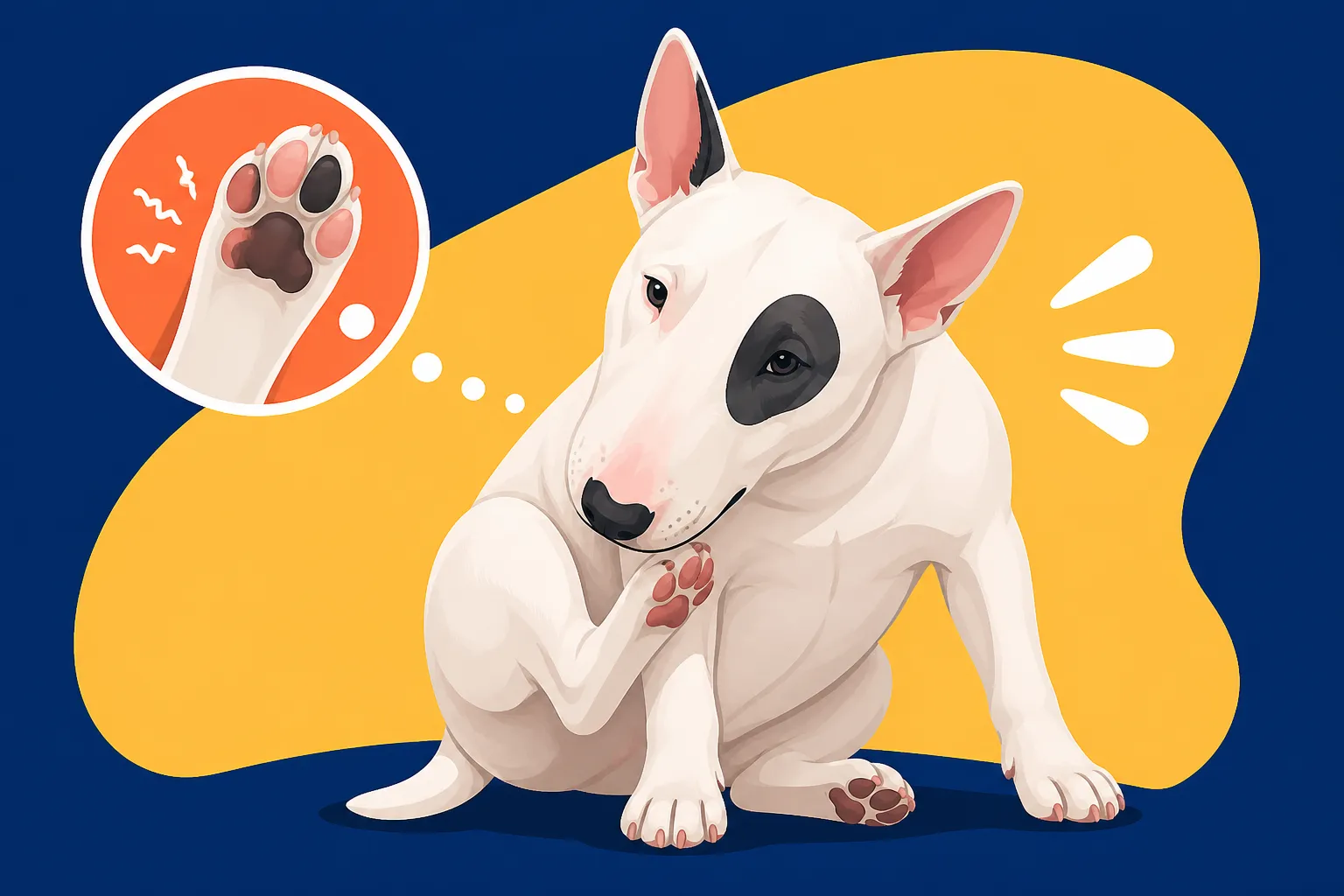
If you’ve ever watched your Bull Terrier relentlessly lick, chew, or even gnaw at their paws, you know the frustration and worry that comes with it. It’s not just a quirky habit; persistent paw itching in Bull Terriers is a common and often deeply uncomfortable problem that can signal a variety of underlying issues, from environmental triggers to dietary sensitivities. This comprehensive guide will help you understand why your beloved bully might be suffering from itchy feet, how to get to the bottom of the problem, and most importantly, how to bring them lasting relief.
Why Your Bull Terrier's Paws Might Be Itching So Much
Bull Terriers, with their unique skin and often sensitive systems, are unfortunately prone to various dermatological issues that manifest as itchy paws. It's rarely just dirt; usually, there's a deeper cause at play that needs careful investigation. When your bully starts to obsess over their feet, it’s a clear sign their body is trying to tell you something.
Environmental Allergies Atopy
One of the most common culprits behind intensely itchy Bull Terrier paws is environmental allergies, often referred to as atopy. Just like people can suffer from hay fever, our Bull Terriers can react to pollen, dust mites, molds, and even certain grasses. Their immune system overreacts to these harmless substances, leading to inflammation and intense itching. The paws are particularly vulnerable because they are in direct contact with these allergens when your dog walks outside, picking up everything from grass pollen in your backyard to dust mites from your living room carpet.
Imagine your Bull Terrier bounding through a field of freshly mown grass, their powerful little legs churning. To them, it's pure joy. But for a dog with atopy, that joy can quickly turn into misery as the allergens cling to their paw pads and between their toes, triggering an immediate and escalating itch. You might notice them licking their paws even more after a walk, or furiously chewing at them throughout the evening. This constant moisture from licking can then create a perfect breeding ground for secondary infections, making the problem even worse. It's a vicious cycle that many Bull Terrier owners know all too well, and it’s why understanding What a Bull Terrier Is Most Often Allergic To is so crucial.
Food Sensitivities
While environmental allergies get a lot of attention, food sensitivities are another significant reason a Bull Terrier might have persistent itchy paws. Unlike acute food allergies that cause immediate, severe reactions, sensitivities can manifest more subtly and chronically, often as skin problems. Certain proteins, grains, or other ingredients in their diet can trigger an inflammatory response in their body, and for many dogs, this shows up as itchy skin, particularly on the paws, ears, and belly. It’s a frustrating puzzle to solve because the symptoms can be delayed, making it hard to connect the dots between a meal and the ensuing itch.
Think about giving your Bull Terrier a new type of treat or switching their kibble. You might not see a reaction for days or even weeks. Then, suddenly, they’re gnawing at their paws like never before. Common culprits often include chicken, beef, dairy, wheat, and soy, but any ingredient can potentially be an issue. It’s not about poor nutrition; it’s about an individual dog's immune system reacting poorly to a specific protein source. If you suspect food sensitivities, you'll need a methodical approach to identifying the trigger, as simply changing brands often isn't enough if the new food contains similar problematic ingredients.
Yeast and Bacterial Infections
Secondary infections are a huge problem once the scratching and licking begin. When your Bull Terrier's paws are constantly wet from licking, or when their skin barrier is compromised by allergies, opportunistic yeast and bacteria jump at the chance to set up shop. A common yeast infection, caused by Malassezia pachydermatis, often presents with a reddish-brown discoloration of the fur between the toes, a greasy feel, and a distinctive, somewhat sweet or "corn chip" smell. These infections are incredibly itchy and can drive a dog crazy.
Bacterial infections, typically caused by Staphylococcus species, can also invade the compromised skin, leading to pustules, crusts, swelling, and even oozing. These are painful as well as itchy, making every step uncomfortable for your Bull Terrier. It’s a sad reality that the very act of trying to relieve an itch often paves the way for these secondary invaders, creating a double whammy of discomfort. Recognizing the signs of these infections early is vital, because treating the infection is just as important as addressing the underlying allergy that allowed it to take hold. A vet visit is almost always needed here to get the right medication.
Parasites and Contact Dermatitis
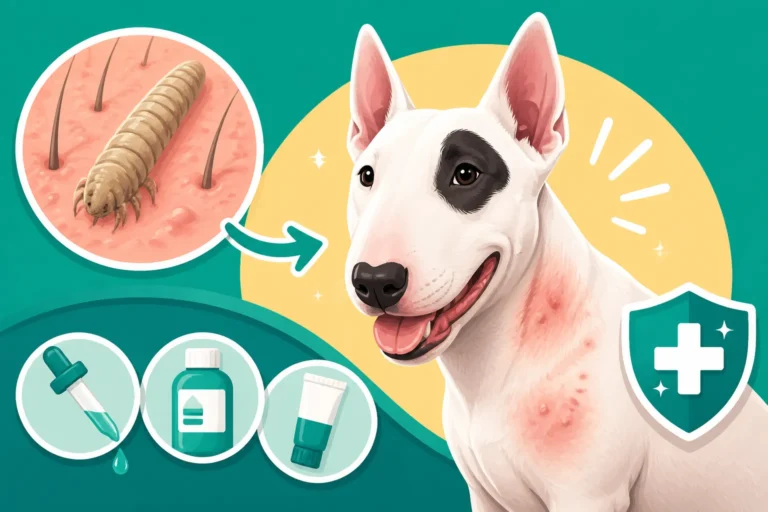
Beyond allergies and infections, other external factors can make your Bull Terrier's feet itch. Parasites, though less common as a sole cause of paw itching compared to generalized itching, can certainly play a role. Fleas, for instance, can cause intense itching anywhere on the body, and a Bull Terrier might chew at their paws if they're trying to get relief from flea bites, especially if they have flea allergy dermatitis. Mites, particularly the microscopic Demodex mite, can also cause localized itching and skin issues, though it typically manifests with hair loss and redness, as discussed in Demodectic Mange in a Bull Terrier.
Then there's contact dermatitis. This occurs when your Bull Terrier's paws come into direct contact with an irritating substance. This could be anything from certain lawn chemicals or fertilizers used in your neighborhood, road salt in winter, harsh cleaning products on your floors, or even specific plants like poison ivy (though less common for dogs). The reaction is usually localized to the area of contact. For example, if you've recently treated your lawn, you might notice your Bull Terrier's paw pads looking red and inflamed, with them chewing furiously shortly after being outside. It's less about an internal immune response and more about a direct irritation, but the result—intensely itchy feet—is the same.
Figuring Out What's Behind the Paw Chewing and Licking
Identifying the precise reason your Bull Terrier's feet itch can feel like detective work, but it's a critical step toward providing effective relief. It requires careful observation from you and thorough examination and diagnostics from your veterinarian. Don't underestimate your role in this process; your detailed notes and observations are invaluable.
Observing Patterns and Other Symptoms
Before you even step into the vet's office, you can gather a lot of useful information just by observing your Bull Terrier. When did the paw chewing start? Is it worse at certain times of the year, which might suggest seasonal environmental allergies? Does it seem to worsen after walks in particular areas, or after eating specific foods? Keep a detailed journal. Note down every time you see them excessively licking or chewing, what they ate that day, where they walked, and any other symptoms they might be showing. Are their ears also itchy, red, or waxy? Is their belly or armpits red? Are they rubbing their face? These concurrent symptoms can point towards generalized allergies rather than just a localized issue.
Also, examine their paws yourself, gently spreading their toes apart. Look for redness, swelling, hair loss, or any discolored fur (often reddish-brown from saliva or yeast). Feel for any bumps, crusts, or moistness. Don't forget to check their nails too, as sometimes issues like nail bed infections can cause paw discomfort. The more information you can provide your vet, the better equipped they will be to narrow down the potential causes and formulate a diagnostic plan. This proactive approach can save time, frustration, and money in the long run.
Veterinary Examination and Diagnostics
Once you've gathered your observations, it's time to visit your veterinarian. They will start with a thorough physical examination, paying close attention to the affected paws and other areas of the body that might indicate a systemic problem. They'll be looking for signs of inflammation, infection, and parasitic activity. Often, the first step is to rule out common secondary infections that exacerbate the itch. This usually involves cytology, where a vet will take a swab or scrape of the affected skin, stain it, and examine it under a microscope. This simple test can quickly identify the presence of yeast (which look like tiny footprints or peanuts) or bacteria, allowing for targeted treatment.
If infections are present, your vet might prescribe oral antibiotics or antifungals, along with medicated shampoos or topical treatments. If parasites are suspected, they might recommend a skin scraping to look for mites, or a course of flea prevention. If allergies are the primary suspect, your vet might discuss further diagnostics such as allergy testing (blood tests or intradermal skin testing) to identify environmental triggers. While these tests don't always provide a definitive "cure," they can help guide long-term management strategies and potentially lead to desensitization therapy. It’s an investment in your Bull Terrier’s comfort, and knowing What a Bull Terrier's Dermatologist Charges can help you prepare for these steps.
Dietary Elimination Trials
If food sensitivities are high on the suspect list, your vet will likely recommend a dietary elimination trial. This is the gold standard for diagnosing food sensitivities and it requires commitment. The process involves feeding your Bull Terrier a novel protein and carbohydrate source (ingredients they've never eaten before) or a hydrolyzed protein diet (where the proteins are broken down so small they can't trigger an immune response) for a strict period, typically 8-12 weeks. During this time, absolutely no other foods, treats, flavored medications, or even dropped crumbs are allowed. This means checking treat ingredients, being careful with chew toys, and even talking to your family about the strict rules.
After the elimination period, if your Bull Terrier's paw itching has significantly improved, you then systematically reintroduce old ingredients one by one. If symptoms return after reintroducing a specific ingredient, you’ve likely found the culprit. It's a slow and meticulous process, but it's often the most accurate way to pinpoint food triggers. Discussing a specific diet with your vet, such as a prescription food like Royal Canin or Hill's Z/D, can be beneficial, as they are formulated to be hypoallergenic. This trial can be challenging, but the relief it brings your Bull Terrier makes it incredibly worthwhile.
Bringing Relief to Those Itchy Bull Terrier Feet
Once you and your vet have a clearer picture of what's causing the itch, the next step is to implement a treatment plan. This often involves a multi-pronged approach, addressing both the immediate symptoms and the underlying causes. Getting your Bull Terrier comfortable again is the priority, while working on long-term solutions.
Addressing Underlying Allergies
For Bull Terriers with environmental allergies, managing the itch involves several strategies. Antihistamines, though often less effective for severe canine allergies than they are for humans, might be tried for mild cases. However, for more pronounced symptoms, your vet might prescribe medications specifically designed to target the allergic response. These can include corticosteroids (like prednisone), which are very effective at reducing inflammation and itching quickly, but come with potential side effects with long-term use. Newer medications like Apoquel (oclacitinib) and Cytopoint (lokivetmab injection) offer more targeted relief by blocking specific itch pathways, often with fewer side effects than steroids, and can be life-changing for many dogs.
Beyond medication, if allergy testing identified specific environmental triggers, your vet might recommend allergen-specific immunotherapy (ASIT), often called allergy shots or sublingual drops. This involves gradually exposing your Bull Terrier to tiny, increasing amounts of the allergens they react to, aiming to desensitize their immune system over time. This is a long-term commitment, often taking 6-12 months to see significant results, but it’s the only treatment that can potentially modify the course of the allergy rather than just managing symptoms. It’s about building tolerance, and for many Bull Terriers, it offers the best chance at long-term relief from that incessant itch. You might also want to explore whether an antihistamine (When a Bull Terrier Needs an Antihistamine) is appropriate for their specific case.
Treating Infections
If your Bull Terrier’s itchy paws have developed secondary yeast or bacterial infections, these must be treated aggressively. For yeast infections, your vet will typically prescribe oral antifungal medications, which can take several weeks to clear the infection. In conjunction, topical treatments like medicated shampoos containing ingredients like miconazole or chlorhexidine are highly effective. You might need to bathe your Bull Terrier’s paws (or their whole body, if the infection is widespread) a few times a week initially, ensuring the shampoo has contact time on the skin as directed.
For bacterial infections, a course of oral antibiotics is usually necessary. The specific antibiotic will depend on the type of bacteria identified through cytology or culture. Again, medicated shampoos containing chlorhexidine are excellent at reducing bacterial load on the skin and can support the oral antibiotics. It’s crucial to complete the full course of antibiotics, even if the symptoms appear to improve quickly, to prevent recurrence and antibiotic resistance. Failure to clear these secondary infections will only allow the itching to persist, regardless of how well you're managing the primary allergy. Proper hygiene and targeted treatments, often including a good medicated shampoo that Which Shampoo Suits a Bull Terrier's Skin, are paramount.
Soothing Topical and Oral Medications
While you’re working on the underlying causes and treating infections, there are immediate steps you can take to soothe your Bull Terrier’s itchy paws. Topical therapies can provide temporary relief and help heal the skin. These include anti-itch sprays, creams, or ointments containing hydrocortisone or pramoxine. Just be sure whatever you apply is safe for dogs to lick, as Bull Terriers are notorious for trying to lick off anything on their paws. Epsom salt soaks or dilute apple cider vinegar rinses (check with your vet first!) can also offer some relief by helping to dry out moist skin and reduce yeast overgrowth. Some owners find success with protective booties to prevent licking and chewing, allowing topical treatments to work and the skin to heal.
For more systemic soothing, beyond specific allergy medications, your vet might recommend essential fatty acid supplements (like fish oil or omega-3s). These can help improve skin barrier function, reduce inflammation, and contribute to overall skin health, making the skin less reactive over time. Many Bull Terrier owners report that Whether a Bull Terrier's Skin Improves on Fish Oil makes a noticeable difference. While they aren't a quick fix, they are a valuable part of a holistic approach to managing chronic skin issues. These supportive measures, combined with targeted treatments, can make a significant difference in your Bull Terrier's comfort levels.
Long-Term Strategies for Healthy Bull Terrier Paws
Once you've gotten the immediate itching under control and identified the root causes, the work isn't over. Managing Bull Terrier paw health is often a long-term commitment. Proactive care and consistent prevention are key to keeping those paws happy and itch-free.
Regular Paw Care and Hygiene
Consistent paw hygiene is crucial for Bull Terriers prone to itching. After every walk, especially during allergy season or if your dog has been in areas with potential irritants like freshly cut grass or chemicals, wipe their paws thoroughly. Use a damp cloth or a pet-specific paw wipe to remove allergens, dirt, and irritants from between their toes and paw pads. Some owners find it beneficial to use a paw-safe cleanser specifically designed to remove allergens, like those from brands such as Earthbath or Dechra. You might wonder Whether a Bull Terrier's Feet Should Be Wiped After Walks – the answer is almost always yes, especially if they are prone to allergies.
Regularly trim the hair between your Bull Terrier's paw pads. This not only prevents matting but also reduces the surface area where allergens, moisture, and debris can accumulate. Keeping the nails trimmed short is also important, as long nails can change their gait, causing discomfort, and can harbor dirt and bacteria. Make it a routine, positive experience with treats and praise, so your Bull Terrier associates paw care with something good. This consistent care helps maintain a healthy skin barrier and reduces the chances of secondary infections taking hold.
Environmental Control and Allergen Avoidance
Minimizing exposure to identified allergens is a cornerstone of long-term management for environmental allergies. If pollen is a trigger, try to walk your Bull Terrier in the early morning or late evening when pollen counts are typically lower. Consider indoor activities on high-pollen days. Regularly vacuum your home with a HEPA filter vacuum to reduce dust mites and dander. Wash your Bull Terrier's bedding frequently in hot water. Air purifiers in rooms where your Bull Terrier spends a lot of time can also help reduce airborne allergens.
For contact dermatitis, identify and eliminate the irritant. This might mean avoiding certain areas in your yard, using pet-safe cleaning products indoors, or putting booties on your Bull Terrier during walks in treated areas or icy conditions with road salt. While complete allergen avoidance is rarely possible, significantly reducing exposure can drastically improve your Bull Terrier’s comfort and reduce their reliance on medications. Being vigilant about their environment is a small price to pay for a happier, less itchy dog.
Dietary Management
If food sensitivities were identified through an elimination trial, strict dietary management is essential. This means consistently feeding your Bull Terrier the hypoallergenic or novel protein diet that works for them. Be incredibly careful with treats, chews, and any human food, ensuring they don't contain any problematic ingredients. Reading labels becomes second nature, and you might find yourself opting for single-ingredient treats or making your own. Brands like Zignature offer limited ingredient diets that can be helpful, but always consult with your vet before making changes.
It's a common mistake for owners to relax their strict dietary regimen once symptoms improve, only for the itching to return with a vengeance. Remember, food sensitivities are for life. Consistent adherence to their appropriate diet is not just about symptom management; it's about providing your Bull Terrier with a stable, non-inflammatory foundation for their overall health. Regular check-ups with your vet will also ensure their diet remains appropriate as they age and their needs change. For those who invest in pet insurance like Healthy Paws, understanding what ongoing conditions are covered can also bring peace of mind when managing chronic conditions like food sensitivities.
| Cause of Itchy Paws | Key Symptoms | Common Treatments | Prevention/Management |
|---|---|---|---|
| Environmental Allergies (Atopy) | Licking, chewing, redness, seasonal flare-ups, often accompanied by itchy ears/body. | Antihistamines, steroids, Apoquel, Cytopoint, immunotherapy. | Paw wiping, vacuuming, air filters, avoidance of known allergens. |
| Food Sensitivities | Licking, chewing, redness, non-seasonal, sometimes GI upset, often accompanied by itchy ears/body. | Strict elimination diet, novel or hydrolyzed protein food. | Consistent adherence to hypoallergenic diet, careful with treats/human food. |
| Yeast Infections | Reddish-brown fur, greasy feel, "corn chip" smell, intense itching. | Oral antifungals, medicated shampoos (miconazole, chlorhexidine). | Keep paws dry, regular cleaning, address underlying allergies. |
| Bacterial Infections | Redness, swelling, pustules, crusts, oozing, pain, itching. | Oral antibiotics, medicated shampoos (chlorhexidine). | Complete antibiotic course, regular hygiene, address underlying allergies. |
| Contact Dermatitis | Localized redness, itching, swelling after contact with irritant. | Rinsing paws, topical soothing creams, steroids for severe cases. | Avoidance of irritants (chemicals, harsh plants), protective booties. |
| Parasites (Fleas, Mites) | General itching, flea dirt, hair loss, redness; mites often specific patterns. | Flea/mite medications (oral or topical). | Regular parasite prevention (e.g., Bravecto, NexGard, Frontline). |
It’s truly heartbreaking to watch your Bull Terrier suffer from itchy paws, knowing how miserable they must feel. But with patience, diligent observation, and a strong partnership with your veterinarian, you can unravel the mystery behind the itch and bring them much-needed relief. Remember that A Bull Terrier's Skin Is Its Weakest Point and managing it is an ongoing commitment. Whether it's through careful dietary choices, consistent hygiene like using paw wipes, or specialized medications, providing comfort to your unique and beloved bully is absolutely achievable. Regular vet visits and considering pet insurance like Healthy Paws can help cover the costs of diagnostics and long-term care, offering peace of mind as you navigate their health journey.
Disclaimer
This article is for general informational purposes only and does not constitute professional advice. Laws, prices and regulations vary by location and change over time. Consult a qualified professional for guidance on your specific situation.