What Changes in an Aging Bull Terrier
It's a bittersweet moment when you notice your beloved Bull Terrier starting to show the tell-tale signs of aging. One day they're a bouncing, energetic "three-year-old in a dog suit," and the next, you might catch them moving a little slower, sleeping a little more, or perhaps not hearing you quite as well. These changes can be subtle at first, often creeping up on us, and they can leave you wondering what’s normal and what needs a vet visit. This guide aims to prepare you for the natural evolution of your Bull Terrier as they gracefully enter their senior years, helping you understand the shifts in their body, mind, and needs.
Physical Changes You'll Notice in Your Aging Bull Terrier
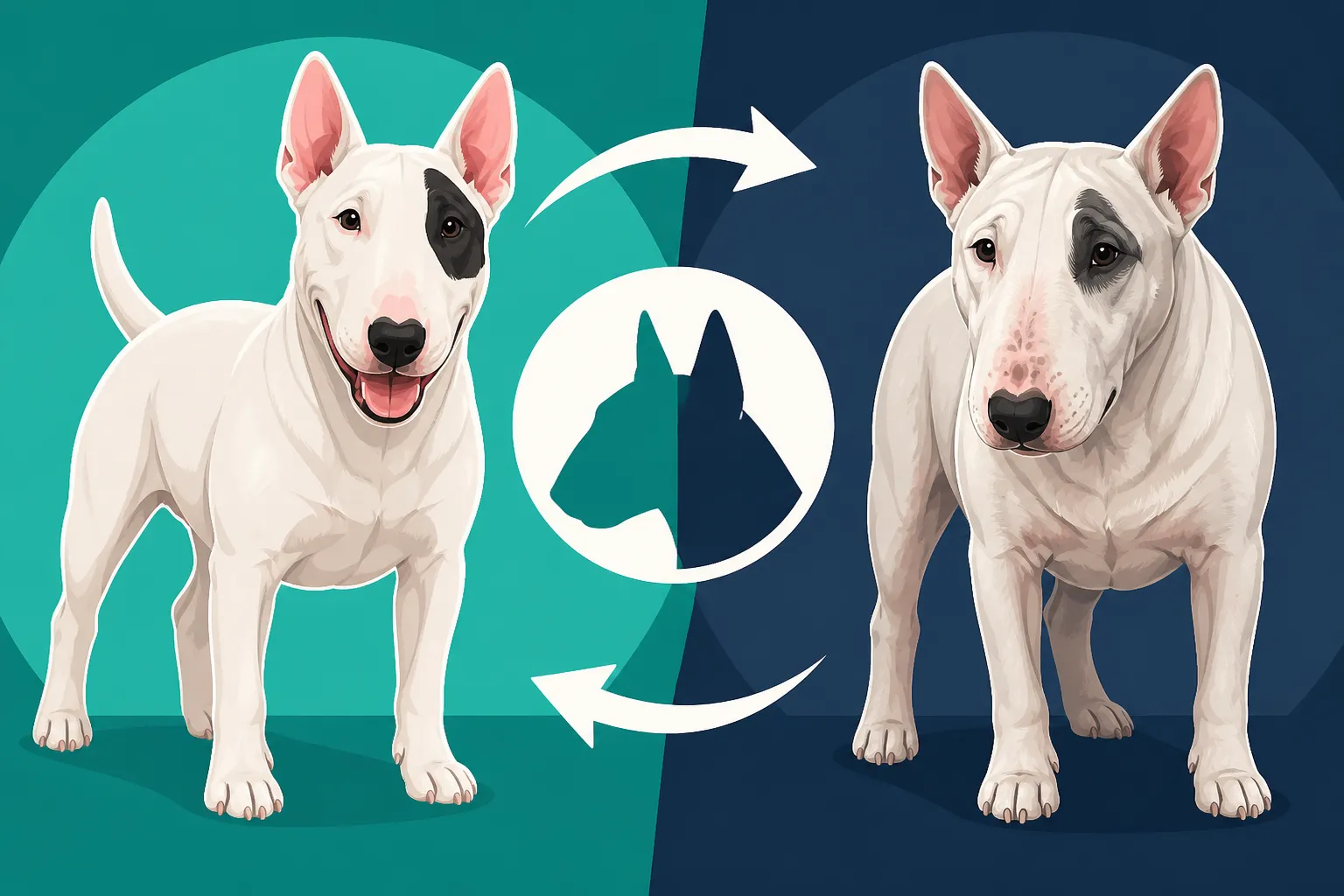
As your Bull Terrier moves past their prime, typically around the age of eight, their body begins to slow down, just like ours does. This isn't a sudden transformation, but rather a gradual shift that can impact everything from their glossy coat to their once-boundless energy. Understanding these changes can help you provide the best possible care and keep them comfortable for as long as possible. Caring for a Bull Terrier Past Eight involves recognizing these subtle cues.
Coat and Skin Transformations
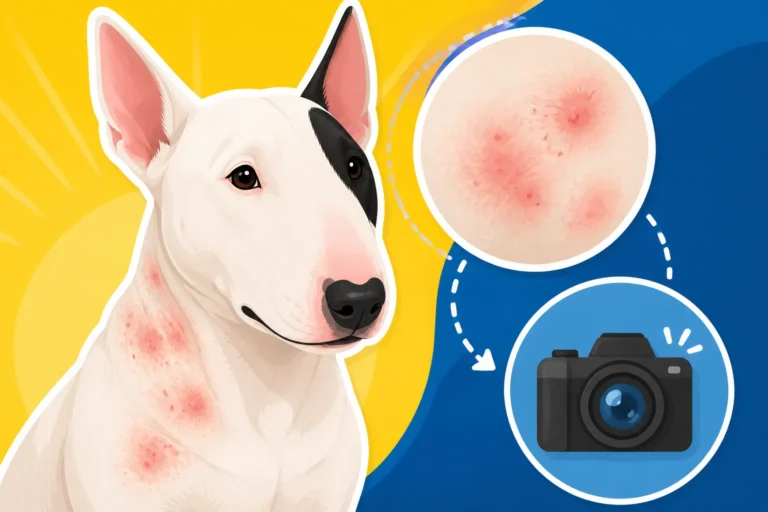
One of the first things many owners notice is a change in their Bull Terrier's signature sleek coat and resilient skin. What was once a vibrant, dense covering might become a bit thinner, coarser, or even show more gray, particularly around the muzzle and eyes. You might find more shedding than usual, or the hair might just feel less substantial when you pet them. This thinning coat can also expose their already sensitive skin more readily, leading to other issues.
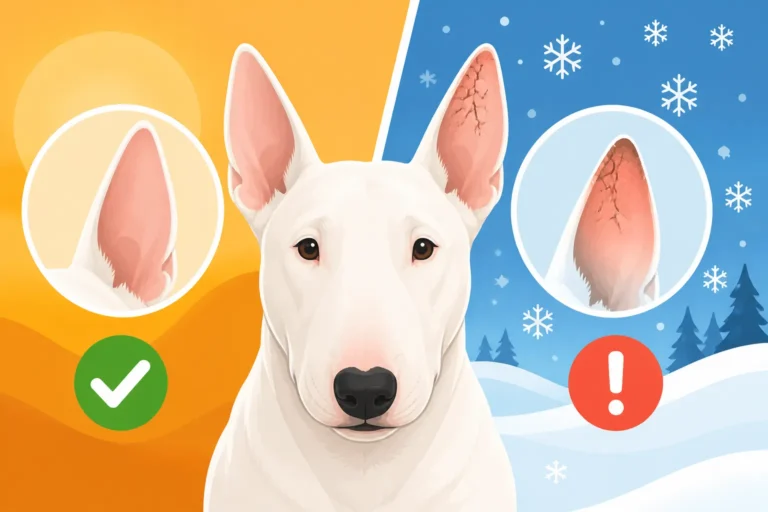
Beyond the coat, the skin itself undergoes changes. You might observe a loss of elasticity, making their skin a bit looser or drier. Older Bull Terriers can be more prone to developing benign skin growths, such as fatty lumps (lipomas), or experiencing increased dryness and flakiness. Their skin, especially in white Bull Terriers, can also become more fragile and susceptible to damage. What used to be a minor scrape might now take longer to heal, and dry patches might appear more frequently. Keeping an eye on their skin during your regular checks is crucial, especially as they age, as their skin is often considered A Bull Terrier's Skin Is Its Weakest Point.
Musculoskeletal System and Mobility
The powerful, athletic build of a Bull Terrier is something to behold in their youth, but with age, this strength can wane. You might notice your senior Bull Terrier being a bit stiff after naps, taking longer to stand up, or hesitant to jump into the car or onto the sofa – activities they once performed with ease. Their gait might become a little less fluid, perhaps with a slight shuffle or a reduced enthusiasm for long walks. This is often due to age-related changes in their joints, such as arthritis, and a natural reduction in muscle mass.
The robust musculature that defines the Bull Terrier often starts to diminish in their senior years. Even if they remain active, you'll likely observe a subtle loss of muscle tone, particularly over their hindquarters. This can make them seem a bit less "chunky" and more angular. Whether an Aging Bull Terrier Loses Muscle is a common concern, and while some muscle loss is natural, significant changes can indicate pain or an underlying condition. This decreased muscle support can, in turn, put more strain on their joints, exacerbating any existing or developing orthopedic issues. It’s important to distinguish between normal aging stiffness and pain, which can significantly impact their quality of life.
Sensory Decline: Sight, Hearing, and Smell
The world can become a little less vibrant for an aging Bull Terrier as their senses begin to dull. Vision changes are common, ranging from a slight cloudiness in the lenses of their eyes (nuclear sclerosis, which often doesn't affect vision much) to more serious conditions like cataracts or glaucoma. You might notice them bumping into furniture in dim light, being more cautious on stairs, or being startled by things they normally wouldn't react to if their vision is declining.
Hearing loss is also a very real possibility, especially for white Bull Terriers who have a predisposition to deafness. What started as perfect hearing might slowly fade, making them less responsive to verbal commands, the doorbell, or even their own name. Deafness in an Aging Bull Terrier can lead to frustrations for both dog and owner, as communication becomes more challenging. Their sense of smell, while often remaining quite keen, can also diminish, which might affect their interest in food or their ability to track scents during walks. These sensory changes require patience and adaptation from us as owners, as our dogs rely on us even more for safety and comfort.
Internal Health Shifts and Monitoring for Senior Bull Terriers
Beyond the visible external changes, a Bull Terrier's internal systems are also undergoing significant shifts as they age. Many of these changes are not immediately obvious, making regular veterinary check-ups and specific diagnostic tests incredibly important. Early detection of potential health issues can lead to better management and a higher quality of life for your senior companion.
Kidney and Urinary Health
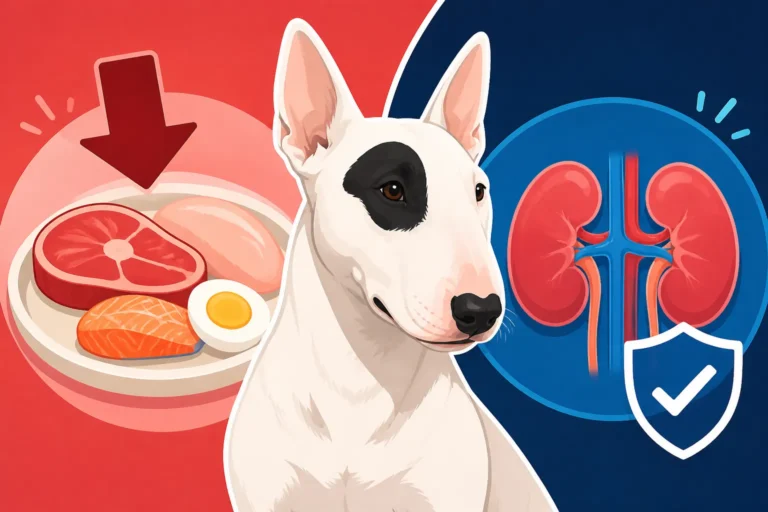
Kidney disease is a silent thief, often progressing stealthily in older dogs before outward signs become apparent. For Bull Terriers, this concern is particularly poignant due to the breed's unfortunate predisposition to hereditary nephritis, even if an individual Bull Terrier doesn't get that specific form of the disease. As your Bull Terrier ages, their kidneys naturally become less efficient at filtering waste products from their blood. You might start to notice them drinking more water and, consequently, needing to urinate more frequently or having accidents indoors. These can be Signs a Bull Terrier's Kidneys Are Failing, and they should never be ignored.
This is precisely why proactive monitoring is so vital. A yearly or even twice-yearly urine protein-creatinine (UPC) ratio test is invaluable for screening for kidney issues. The Yearly Urine Test Every Bull Terrier Owner Should Book can catch problems early, often before any clinical symptoms manifest, allowing for dietary changes or medications to be introduced sooner. How Often an Aging Bull Terrier's Kidneys Should Be Checked usually means at least annually, but often more frequently once they hit their senior years, especially if initial results are borderline. Regular blood work will also check kidney values like BUN and creatinine.
Cardiac Health Concerns
The powerful heart of a young Bull Terrier can, over time, develop its own set of challenges. While heart murmurs might be detected in puppies, sometimes new cardiac issues emerge in senior dogs. Conditions like degenerative valve disease, where the heart valves thicken and leak, or an enlargement of the heart muscle, can develop. These conditions can compromise the heart's ability to pump blood effectively, leading to symptoms that might be mistaken for general aging, such as reduced stamina, coughing, or difficulty breathing.
Listen to your vet when they suggest regular cardiac auscultation during wellness exams. They might hear a new murmur or a change in an existing one. If concerns arise, further diagnostics like an echocardiogram might be recommended. Early diagnosis of heart conditions allows for supportive treatments, dietary modifications, and medications to help manage the disease and maintain your Bull Terrier's comfort. Understanding The Heart Murmur a Bull Terrier Puppy Should Be Checked For gives context to why ongoing cardiac monitoring is important throughout their life.
Digestive and Metabolic Adjustments
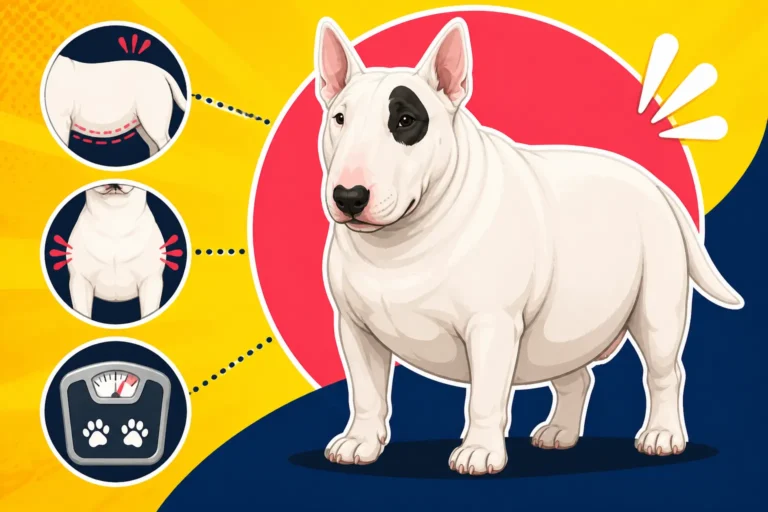
As your Bull Terrier gets older, their digestive system can become a bit more sensitive. Their metabolism slows down, meaning they don't burn calories as efficiently as they once did. This can make them prone to weight gain, even if their activity levels have decreased. On the flip side, some senior Bull Terriers might experience a reduced appetite or struggle to absorb nutrients as effectively, leading to unintended weight loss. You might also notice changes in stool consistency or frequency.
Maintaining an ideal body weight becomes critical in their senior years to prevent putting undue strain on their joints and organs. Adjusting their diet to a lower-calorie, easily digestible senior formula is often recommended. If weight loss is a concern, or if they're showing signs of digestive upset, your vet might explore options like specialized diets or supplements. Monitoring their weight and appetite closely is key, and any significant changes warrant a veterinary consultation.
Behavioral and Cognitive Evolution in Older Bull Terriers
While your Bull Terrier's physical body changes, so too can their personality and mental sharpness. The goofy, stubborn, and often boisterous Bull Terrier might mellow out considerably, or they might develop new quirks that come with age. These behavioral shifts are just as important to recognize and address as physical ailments, as they impact your dog's overall well-being and your bond with them.
Energy Levels and Sleep Patterns
The legendary "Bull Terrier zoomies" might become a thing of the past, or at least far less frequent and intense. One of the most noticeable behavioral changes in an aging Bull Terrier is a significant decrease in their overall energy levels. They'll spend more time napping, seeking out cozy spots, and generally preferring a quieter pace of life. A quick stroll around the block might replace a vigorous hike, and prolonged play sessions might be cut short by an impromptu snooze.
However, it's not always just more sleep. While total sleep time might increase, the quality of that sleep can sometimes decline. Some older Bull Terriers might become restless at night, wandering, pacing, or seeming disoriented, even though they were exhausted during the day. This can be a sign of discomfort, needing to relieve themselves more frequently, or even a symptom of cognitive decline. You might even notice How Much a Bull Terrier Snores might increase as they age due to changes in their airways or weight gain, which can impact sleep quality for them and you!
Personality and Social Interactions
Your Bull Terrier's temperament might also undergo subtle shifts. Many senior Bull Terriers become even more affectionate and clingy, craving extra cuddles and reassurance. Others might become a bit more withdrawn, less tolerant of boisterous young children or other pets, and prefer their own space. What was once a highly social dog might become a bit more particular about who they interact with and for how long.
Patience and understanding are key during this period. If your Bull Terrier suddenly shows less tolerance for situations they once enjoyed, it could be due to pain, sensory loss, or simply a desire for peace. Their famous stubborn streak might even become more pronounced, or conversely, they might become more compliant as their energy wanes. Observing these changes closely and adapting your interactions accordingly will help maintain a happy household. If they're guarding their space more, it might be their way of communicating discomfort or a need for a quieter environment.
Cognitive Decline and Senior Moments
Just like humans, dogs can experience cognitive decline as they age. This isn't always dementia, but it can manifest in various ways, often referred to as Canine Cognitive Dysfunction (CCD). You might start to notice your Bull Terrier getting disoriented in familiar surroundings, staring blankly at walls, or struggling to navigate around furniture they've known their whole life. They might forget routines, like where the back door is for potty breaks, or even fail to recognize familiar faces.
Other signs of cognitive changes can include changes in their sleep-wake cycle (being awake at night, sleeping more during the day), increased anxiety, more frequent vocalization (barking or whining for no apparent reason), or a decrease in their overall interest in interaction or play. It can be heartbreaking to watch your once sharp and engaging Bull Terrier seem "lost," but recognizing these signs early can allow your vet to rule out other medical causes and potentially suggest therapies, diets, or supplements that can help slow the progression of cognitive decline and improve their quality of life.
Nutritional and Dietary Adaptations for the Senior Bull Terrier
Feeding an aging Bull Terrier isn't just about sticking with the same food they've always loved; their nutritional needs fundamentally change. A thoughtfully adjusted diet can play a pivotal role in managing age-related health conditions, maintaining a healthy weight, and supporting their overall well-being during their golden years. This is a critical area where proactivity truly pays off.
Adjusting Caloric Intake and Nutrient Needs
As your Bull Terrier's metabolism naturally slows down and their activity levels decrease, their caloric requirements will also drop. Continuing to feed them the same amount of food as their younger, more active selves can quickly lead to unhealthy weight gain. This excess weight puts unnecessary strain on their joints, heart, and other organs, exacerbating age-related issues. The challenge is often balancing reduced calories with ensuring they still get adequate nutrition.
Beyond calories, the balance of macronutrients might need to shift. Many senior dog foods are formulated with slightly lower fat content to manage weight, and often contain higher quality, easily digestible protein to help maintain muscle mass without overtaxing their kidneys. They may also be enriched with specific vitamins, minerals, and antioxidants to support their aging immune system and combat cellular damage. Pay close attention to How Much Weight an Aging Bull Terrier Loses or gains, and adjust their portions accordingly, always consulting your vet.
Specialized Senior and Renal Diets
For Bull Terriers with specific health concerns, a specialized diet might become necessary. For instance, if your vet detects early signs of kidney disease, transitioning to a renal-specific diet is often one of the most impactful interventions. These diets are typically lower in phosphorus and protein, precisely formulated to reduce the workload on compromised kidneys and slow disease progression. Which Diet a Bull Terrier With Kidney Disease Needs will be a specific recommendation from your veterinarian, and brands like Chewy and Ollie often carry these prescription formulations.
Similarly, senior formulas are designed to address general aging needs, often including joint-supporting ingredients like glucosamine and chondroitin, and Omega-3 fatty acids for skin, coat, and cognitive health. Some older Bull Terriers might also benefit from softer food textures, especially if they have dental issues or a decreased appetite. Transitioning slowly and monitoring their response is crucial, ensuring they maintain a healthy weight and appetite.
Hydration and Supplementation
Hydration becomes even more critical for senior Bull Terriers, especially if they are prone to kidney issues or are on certain medications that can increase thirst or urination. Always ensure they have access to fresh, clean water. Consider adding water to their dry food or incorporating wet food into their diet to boost fluid intake. Water fountains can also entice some dogs to drink more.
Supplements can play a supportive role, but they should always be discussed with your veterinarian first. Common supplements for aging dogs include those for joint health (glucosamine, chondroitin, MSM), Omega-3 fatty acids (fish oil) for anti-inflammatory benefits and cognitive function, and antioxidants. For Bull Terriers specifically, ensuring they are not zinc deficient is also sometimes considered due to breed sensitivities, though this is distinct from the lethal acrodermatitis zinc absorption issue. Never start new supplements without professional guidance, as some can interact with medications or be detrimental in certain health conditions. Finding reputable brands for these, whether through your vet or online retailers like Amazon, is key.
Adapting Your Home and Routine for an Aging Bull Terrier
As your Bull Terrier ages, the world around them might present new challenges. Their once effortless movements can become stiff, their keen senses can dim, and their need for comfort and security grows. Adapting their environment and daily routine is a compassionate and practical step to ensure their comfort, safety, and continued enjoyment of life.
Creating a Comfortable and Accessible Environment
Think about your Bull Terrier's daily navigation through your home. Are there slippery floors that could lead to falls? Laying down non-slip rugs or runners, particularly in high-traffic areas or leading to their favorite spots, can make a huge difference in their confidence and stability. For dogs struggling with stairs or jumping onto furniture, investing in ramps or steps can prevent injury and allow them to maintain access to their favorite elevated spots, like their cherished sofa cuddle time or getting into the car. Companies like Amazon offer a wide variety of durable dog ramps and steps suitable for different sizes and uses.
Their sleeping arrangements also deserve attention. Orthopedic beds provide superior support for aching joints and help alleviate pressure points, offering a much more comfortable rest. Position their bed in a quiet, easily accessible spot, away from drafts but still close to family activity if that's what they prefer. As their vision or hearing declines, keeping furniture in consistent locations can reduce anxiety and prevent bumps. For an aging Bull Terrier, their home becomes their sanctuary, and making it safe and accessible is paramount.
Adjusting Exercise Routines
The instinct might be to reduce exercise dramatically as your Bull Terrier slows down, but complete cessation can actually be detrimental. Instead, the goal is to adapt their exercise routine. Shorter, more frequent walks at a gentle pace are often more beneficial than one long, strenuous outing. The focus should shift from high-impact activities to maintaining mobility and muscle mass through low-impact movements. Swimming, if accessible and enjoyed, can be an excellent non-weight-bearing exercise.
Listen to your dog. If they show signs of fatigue, stiffness, or pain, cut the walk short. Warm-ups and cool-downs become more important. Gentle stretching after a walk can help maintain flexibility. Continue to engage their minds with puzzle toys or short, engaging training sessions that don't put strain on their bodies. Mental stimulation is just as important as physical activity for overall well-being. Even if they are still inclined to zoom, keeping exercise appropriate for their age helps manage joint health and energy levels.
Prioritizing Regular Veterinary Check-ups
This cannot be stressed enough: routine veterinary care becomes even more critical for senior Bull Terriers. While younger dogs might get away with an annual check-up, many vets recommend twice-yearly visits for older dogs. These frequent visits allow your veterinarian to monitor subtle changes, catch potential issues early, and adjust care plans as needed. This proactive approach can significantly impact the quality and longevity of your Bull Terrier's senior years. How Often a Bull Terrier Needs a Wellness Exam should definitely increase in their senior years.
During these visits, your vet will perform a thorough physical examination, discuss any changes you've observed, and recommend age-appropriate screenings such as comprehensive blood work, urinalysis (including that all-important UPC ratio), and blood pressure checks. Early detection of conditions like kidney disease, heart issues, or thyroid imbalances can mean the difference between effective management and a rapidly progressing illness. Your vet is your most valuable partner in navigating the complexities of senior dog care. How a Bull Terrier Hides Pain can make these regular checks even more essential, as early signs of discomfort might only be detected by a professional.
| Area of Change | Common Observations in Senior Bull Terriers | Potential Implications / What to Watch For | Owner Adaptations |
|---|---|---|---|
| Coat & Skin | Thinner coat, drier skin, graying, benign lumps | Increased susceptibility to injury, slower healing, discomfort | Regular grooming, moisturizing shampoos, sunscreen for white dogs, skin checks |
| Mobility | Stiffness after rest, reluctance to jump, slower gait, muscle loss | Joint pain, decreased balance, difficulty with daily activities | Orthopedic beds, ramps, non-slip flooring, gentle exercise, joint supplements |
| Senses | Cloudy eyes, reduced hearing, less responsive to sounds/sights | Disorientation, startle reflex, reduced environmental awareness | Consistent routines, clear communication, safety gates, gentle approaches |
| Internal Health | Increased thirst/urination, coughing, changes in appetite | Kidney disease, heart issues, digestive problems, weight fluctuations | Regular vet checks, blood/urine tests, specialized diets (e.g., Chewy's prescription options), hydration |
| Behavior/Cognition | Increased sleep, restlessness at night, confusion, less social | Discomfort, anxiety, cognitive dysfunction, altered personality | Create quiet spaces, consistent routine, mental stimulation, vet consultation |
Disclaimer
This article is for general informational purposes only and does not constitute professional advice. Laws, prices and regulations vary by location and change over time. Consult a qualified professional for guidance on your specific situation.