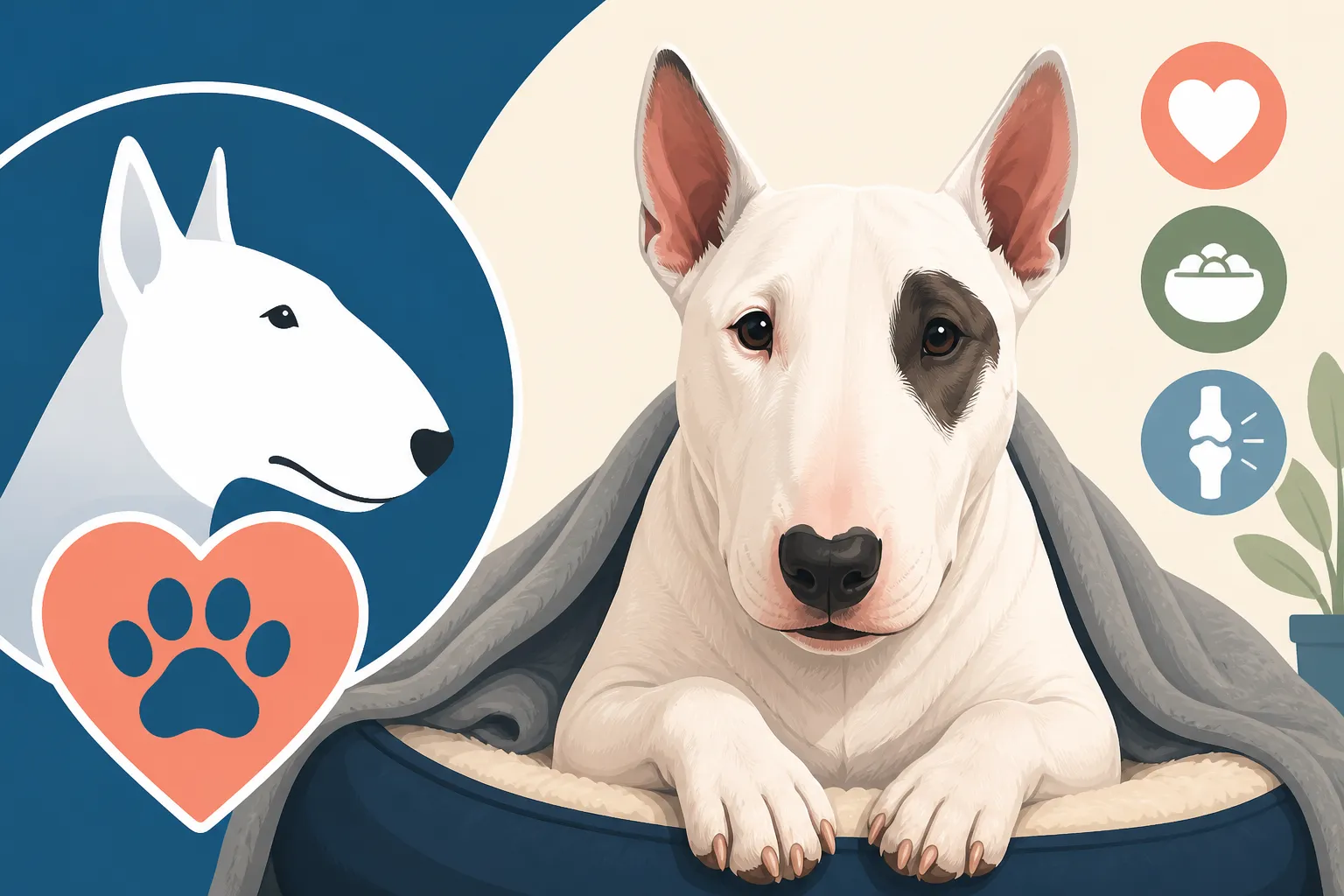
Caring for a Bull Terrier Past Eight
It's a tough truth to face: one day, you look at your Bull Terrier, that boundless bundle of energy and mischief, and realize they're not quite the puppy they once were. The bounce in their step might be a little less pronounced, the zoomies a tad shorter, and their once-relentless pursuit of fun now includes longer, deeper naps. Many of us see our Bull Terriers as eternal clowns, forever young at heart, and it can be genuinely upsetting when the signs of aging begin to creep in. This comprehensive guide is here to walk you through what to expect when your beloved Bull Terrier crosses the threshold into their senior years, typically past eight, offering practical, empathetic advice on how to keep them comfortable, healthy, and happy for as long as possible.
Understanding the Bull Terrier's Senior Years
For most Bull Terrier owners, the idea of their quirky, boisterous companion slowing down seems impossible. They’re often affectionately called a "three-year-old in a dog suit" because of their perpetual puppy-like antics and seemingly endless zest for life. Yet, like all living creatures, Bull Terriers do age, and understanding this transition is the first step in providing them with the best possible senior care.
When a Bull Terrier Is Considered Senior
While some larger breeds are considered senior around five or six years old, Bull Terriers, being a medium-sized breed, generally start showing signs of aging around the age of eight. This isn't a hard and fast rule, of course. Some individual Bull Terriers might maintain their youthful vigor well into double digits, while others might begin to slow down a little earlier. It’s less about a specific calendar date and more about observing subtle changes in their behavior, energy levels, and physical capabilities.
Around this time, you might notice them sleeping more deeply and for longer periods. Their once-insatiable curiosity for every leaf on a walk might diminish slightly, replaced by a preference for a steady, comfortable pace. Perhaps they’re not as eager to jump onto the sofa, or they take a moment longer to rise after a nap. These aren't necessarily signs of illness, but rather indicators that their body is starting to feel the effects of time. Their metabolism might begin to slow, making weight management a bit more challenging, and their cognitive functions might not be quite as sharp as they once were. It's a gradual shift, often so subtle that you might only truly notice it when looking back at old photos or comparing them to a younger dog. This is precisely why recognizing the benchmark of eight years as the start of senior life is so crucial for proactive care.
The Silent Language of Aging in Bull Terriers
One of the most frustrating and heartbreaking aspects of owning a Bull Terrier as they age is their remarkable ability to hide pain. Bull Terriers are incredibly stoic, a trait often attributed to their historical lineage, where showing weakness was not an option. This means that by the time they explicitly show signs of discomfort, an underlying issue might be quite advanced. This inherent toughness, while admirable, places a huge responsibility on owners to become keen observers of their dog's nuanced behavior.
You won't often hear a whimper or see overt limping until the pain is severe. Instead, you'll need to look for minute changes. Maybe they hesitate before taking stairs that were once an easy leap. Perhaps their tail, usually a vibrant indicator of their mood, hangs a little lower, or wags with less enthusiasm. A slight shift in their posture, a change in how they lie down or get up, or even a decrease in their typical "lean" against your leg could be a signal. Even a subtle change in their chewing habits or an increased fussiness with food could indicate dental pain. This is why knowing your individual Bull Terrier's baseline — their normal quirks, habits, and expressions — is so profoundly important. Any deviation, no matter how small, warrants attention. If you’re ever in doubt, remember that it's always better to consult your vet. Early detection of issues, even when hidden, can make a world of difference in managing discomfort and improving their quality of life. Understanding how a Bull Terrier hides pain is truly key to their senior care.
Proactive Veterinary Care for the Aging Bull Terrier
As your Bull Terrier enters their golden years, the routine vet visits that seemed sufficient in their youth simply won't cut it anymore. Their bodies are undergoing physiological changes that demand more frequent and thorough professional oversight. This shift from reactive care to proactive monitoring is arguably the single most impactful thing you can do for your aging companion.
The Importance of More Frequent Vet Checks
For years, a once-a-year wellness visit was probably all your Bull Terrier needed. However, past the age of eight, it's highly recommended that they see their veterinarian every six months, or at least every nine months. Why the increased frequency? Because age-related diseases, such as kidney disease, heart conditions, arthritis, and even certain cancers, can progress incredibly rapidly. A condition that might be minor at one annual check-up could become significant and much harder to manage just twelve months later.
During these more frequent visits, your vet will perform a comprehensive physical examination, paying close attention to their weight, muscle mass (as an aging Bull Terrier loses muscle sometimes rapidly), joint flexibility, dental health, and any new lumps or bumps. Beyond the physical, these visits should involve regular diagnostic screenings. What a Bull Terrier's yearly bloodwork should cover in their senior years typically includes a complete blood count (CBC) to check for anemia and infection, and a comprehensive chemistry panel to assess organ function, particularly the kidneys and liver, and to monitor blood sugar levels. Thyroid function tests are also critical, as hypothyroidism can develop with age, affecting energy levels, coat quality, and weight. Catching these changes early, sometimes even before your Bull Terrier shows outward symptoms, allows for timely intervention and better management, potentially adding comfortable, happy years to their life.
Monitoring Kidney and Heart Health
Kidney disease and heart conditions are two of the most prevalent and serious health concerns for aging Bull Terriers. Both can progress silently, making consistent monitoring absolutely vital.
For kidney health, the yearly urine test every Bull Terrier owner should book becomes even more critical in senior dogs. This simple, non-invasive test, particularly the Urine Protein:Creatinine (UPC) ratio, can be an early indicator of kidney issues, sometimes even before blood tests show significant changes. A rising UPC ratio tells a Bull Terrier owner that there might be protein leaking into the urine, which is a sign of kidney damage. Bull Terriers are predisposed to Hereditary Nephritis takes Bull Terriers in their prime, a genetic kidney disease. While often diagnosed earlier in life, diligent monitoring remains important as they age, even for those without the hereditary form. Regular blood pressure checks are also crucial, as high blood pressure can damage the kidneys and heart, and is often a symptom of underlying kidney disease.
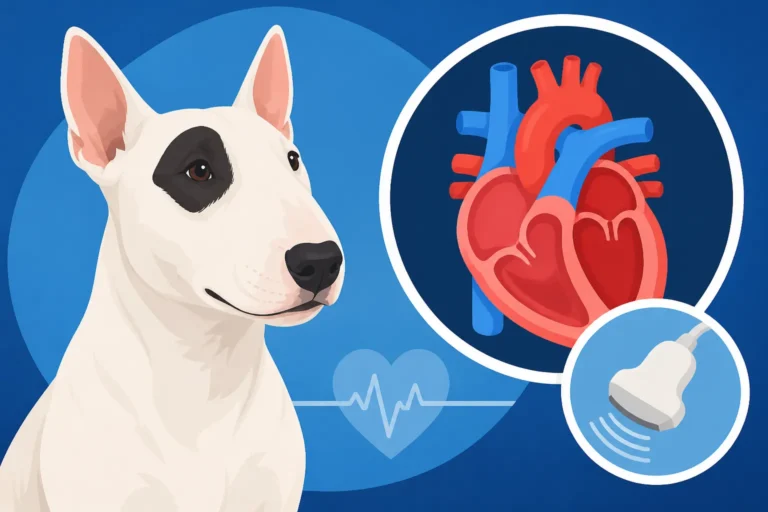
Heart health, similarly, requires close attention. While the heart murmur a Bull Terrier puppy should be checked for is important from a young age, new murmurs or worsening existing ones can develop as they get older. Regular auscultation by your vet is essential. If a murmur is detected or worsens, or if your Bull Terrier shows signs like coughing, lethargy, or reduced exercise tolerance, when a Bull Terrier should have an echocardiogram becomes a key question. This ultrasound of the heart provides detailed information about its structure and function. Following a diagnosis of heart disease, how often a Bull Terrier's heart should be rechecked will depend on the specific condition and its severity, but it often means regular follow-up echocardiograms and medication adjustments. Early diagnosis and management of both kidney and heart conditions can significantly extend your Bull Terrier's lifespan and improve their quality of life, allowing them to remain comfortable and happy for longer. Many owners find having a pet insurance plan, such as those offered by Healthy Paws, immensely helpful in managing the costs of these specialized diagnostics and ongoing treatments.
Nutrition and Weight Management for Senior Bull Terriers
As your Bull Terrier ages, their dietary needs shift dramatically. What worked for them as a rambunctious young adult might not be appropriate for their slower, more sedentary senior years. Addressing their nutrition is key to preventing obesity and managing age-related health issues.
Adjusting Their Diet as They Age
One of the most common physiological changes in an aging Bull Terrier is a slowdown in their metabolism. They simply don't burn calories with the same efficiency or enthusiasm as they once did. Coupled with often decreased activity levels, this makes weight gain a significant concern. Obesity in senior dogs can exacerbate joint problems, contribute to heart disease, make breathing more difficult, and even shorten their lifespan. It's truly a silent enemy.
This is where adjusting their diet comes into play. Many commercial pet food brands offer "senior" formulations, which are typically lower in calories and sometimes higher in fiber to promote satiety, while still providing essential nutrients. The goal is to maintain an ideal body weight and condition, which means being able to easily feel their ribs without seeing them, and observing a clear waist tuck. If you're unsure how to feel a Bull Terrier's ribs to assess their weight, ask your vet or a trusted breeder for guidance. They can show you how to properly assess body condition score. Beyond general senior diets, specific health conditions might necessitate specialized foods. For instance, which diet a Bull Terrier with kidney disease needs will be very particular, focusing on controlled protein levels, reduced phosphorus, and often higher moisture content to support kidney function. It's crucial to consult your veterinarian before making any significant dietary changes, as they can recommend the best food tailored to your Bull Terrier's individual health status and activity level. Remember, even a small reduction in calories or a switch to a senior-specific food can make a big difference.
Hydration and Appetite Changes
While we often focus on what goes into the food bowl, hydration is equally, if not more, important for aging Bull Terriers. Older dogs can be more susceptible to dehydration, and adequate water intake is vital for kidney function and overall well-being. Keeping fresh, clean water readily available at all times is paramount. If you notice signs a Bull Terrier is drinking more than it used to, it’s a red flag that warrants immediate veterinary attention, as it can be a symptom of kidney disease, diabetes, or other serious conditions. Encouraging water intake might involve adding a splash of low-sodium broth to their water, using multiple water bowls around the house, or even investing in a pet drinking fountain which some dogs find more appealing.
On the flip side, some senior Bull Terriers might experience a decrease in appetite or become pickier eaters. This can be due to a variety of factors, including dental pain, a declining sense of smell or taste, or underlying medical conditions that cause nausea or discomfort. If your Bull Terrier suddenly shows a disinterest in food, it's never something to ignore. A vet visit is essential to rule out any medical causes. Once medical issues are addressed, you might need to get creative to stimulate their appetite. Warming their food slightly, adding palatable toppers like cooked chicken or wet food (if not on a strict therapeutic diet), or even offering smaller, more frequent meals can sometimes help. The key is to ensure they are getting adequate nutrition while keeping an eye out for any persistent changes that might signal a deeper health concern.
Managing Mobility and Joint Health
The boundless energy and athletic prowess of a young Bull Terrier can make the onset of joint stiffness and reduced mobility in their senior years particularly jarring for owners. It's a sad reality that their powerful, compact bodies can start to feel the wear and tear of a lifetime of enthusiastic play.
Recognizing Signs of Joint Discomfort
One of the most disheartening aspects of an aging Bull Terrier is watching them struggle with activities they once performed with ease. What often starts as a subtle hesitation before jumping into the car or a slightly slower pace on walks can gradually progress into more pronounced signs of discomfort. You might notice them having difficulty getting up after lying down, especially on cold mornings, or appearing stiff after a long nap. Reluctance to take the stairs, decreased interest in playing fetch, or even a change in their preferred sleeping position can all be indicators of joint pain.
Bull Terriers, with their stoic nature, are masters at concealing discomfort, making early detection a challenge. Conditions like arthritis, hip or elbow dysplasia (which might have been subclinical in their youth), and spondylosis in an aging Bull Terrier (a degenerative condition affecting the spine) can all contribute to reduced mobility. Even patellar luxation in a Bull Terrier, if present, can worsen with age. Instead of overt limping, you might observe a general stiffness, a shorter stride, or a less enthusiastic wag of the tail. They might even become a bit grumpier or more irritable if touched in a painful area. Because how a Bull Terrier hides pain so effectively, it's essential for owners to be incredibly attuned to these subtle shifts. If you suspect any joint discomfort, a veterinary examination is crucial. Your vet can assess their gait, manipulate their joints, and recommend X-rays or other diagnostics to pinpoint the exact source of the pain.
Supporting Joint Health Through Exercise and Supplements
Once joint discomfort is identified, managing it effectively becomes a priority to maintain your Bull Terrier's quality of life. The temptation might be to reduce exercise to prevent further pain, but complete inactivity can actually worsen stiffness and muscle loss. The key is appropriate, low-impact exercise. Instead of vigorous, high-intensity games, opt for shorter, more frequent walks on soft surfaces like grass. Swimming, if accessible and enjoyed by your Bull Terrier, is an excellent non-weight-bearing exercise that can strengthen muscles without stressing joints. The question of how far an aging Bull Terrier should still run depends entirely on the individual dog and their specific condition, but generally, sustained running should be replaced with controlled walking.
Beyond controlled exercise, nutritional support and supplements play a significant role. Many owners wonder whether a Bull Terrier needs joint supplements as they age. Ingredients like glucosamine, chondroitin, MSM, and omega-3 fatty acids (fish oil) are commonly used to support cartilage health and reduce inflammation. Brands like Nutramax Dasuquin or Cosequin are often recommended by veterinarians. However, it's vital to consult your vet before starting any supplements, as not all products are created equal, and some might interact with other medications. Additionally, physical therapy, therapeutic laser treatments, acupuncture, or even prescribed anti-inflammatory medications can provide significant relief. Creating a comfortable environment at home, with orthopedic beds to cushion their joints and ramps or steps to help them access furniture or vehicles, can also make a huge difference in their daily comfort. Remember, the goal is to keep them as active and comfortable as possible, not to eliminate all movement.
Cognitive Function and Behavioral Changes
It's easy to assume that aging only affects the physical body, but our Bull Terriers' minds also undergo changes as they get older. Just like in humans, cognitive decline can manifest in subtle, and sometimes not-so-subtle, ways, impacting their daily life and your bond.
Spotting Cognitive Decline
As your Bull Terrier moves past eight, you might start noticing changes that aren't purely physical. They might seem a little more disoriented in familiar surroundings, sometimes getting "stuck" in a corner or staring blankly at a wall. Their once predictable routine might shift – perhaps they're awake and restless at night, wandering or vocalizing, and then sleep deeply during the day. Their interactions with you and other pets might change; they could become less responsive to commands, or even appear to forget familiar faces. Sometimes, these changes are misattributed to "just getting old," but they can be signs of Canine Cognitive Dysfunction (CCD), essentially doggy dementia.
Another subtle indicator of broader decline can be observed in their physique. While we often think of muscle loss as a purely physical ailment, how an aging Bull Terrier loses muscle can sometimes be a symptom of a systemic issue or reduced activity due to cognitive changes. A dog that is less engaged or more disoriented might move less, leading to muscle atrophy. They might also begin to struggle with house training, having "accidents" indoors despite being perfectly trained for years. These aren't intentional acts of defiance, but rather a loss of cognitive control over bladder and bowel function, or simply forgetting where the appropriate place to eliminate is. It's heartbreaking to witness, but recognizing these signs early allows you and your vet to intervene, potentially slowing the progression of CCD and improving their quality of life. Early diagnosis allows for treatments that can help manage symptoms and support brain health, making life easier for both your Bull Terrier and your family.
Keeping Their Minds Active
Managing cognitive changes in an aging Bull Terrier requires a thoughtful approach, balancing routine with gentle mental stimulation. Maintaining a consistent daily schedule for meals, walks, and potty breaks can provide a sense of security and familiarity, which is incredibly important for a dog experiencing disorientation. However, routine shouldn't mean a lack of mental engagement. Gentle, low-stress enrichment activities can help keep their minds sharp and engaged.
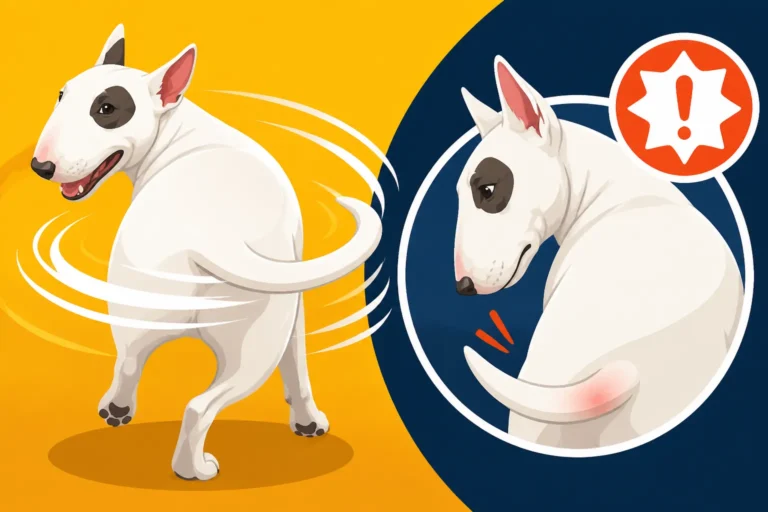
This might involve simple puzzle toys with treats, which encourage problem-solving and sniffing. Short, familiar walks in different, safe environments can provide new scents and sights without overtaxing their physical abilities. Even engaging in familiar, simple training commands like "sit" or "stay" can be beneficial, reinforcing learned behaviors and providing positive interaction. For Bull Terriers known for their unique behaviors, you might wonder whether an aging Bull Terrier still spins. Some may continue, albeit with less intensity, while for others, the spinning might decrease or change in nature. If spinning continues or new repetitive behaviors emerge, it’s worth discussing with your vet to rule out any underlying medical or neurological causes. The goal is to provide mental stimulation that is appropriate for their age and cognitive level, avoiding frustration while encouraging engagement. These gentle activities not only help maintain cognitive function but also strengthen the bond you share, ensuring their senior years are filled with comfort and companionship.
Skin, Coat, and Sensory Changes
A Bull Terrier’s famously easy-care coat often lulls owners into a false sense of security, making them forget that a Bull Terrier's skin is its weakest point. As they age, their skin becomes even more vulnerable, and their senses, once sharp, can begin to dull, requiring adjustments to their care routine.
Addressing Skin and Coat Issues
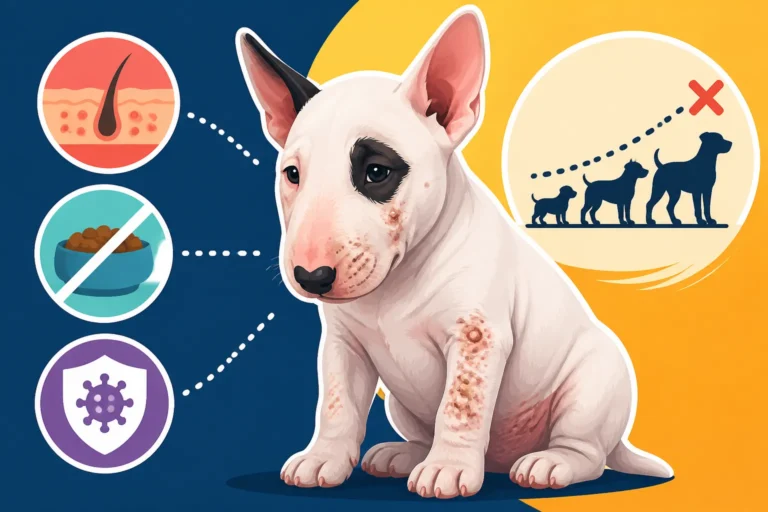
The sleek, short coat of a Bull Terrier is relatively low maintenance, but their skin beneath it is notoriously sensitive. As they age, this sensitivity can increase, and new issues can emerge. You might notice their skin becoming drier, flakier, or more prone to developing sebaceous cysts and benign fatty tumors (lipomas). While many of these lumps and bumps are harmless, any new growth should always be examined by your veterinarian to rule out malignancy. How a Bull Terrier's skin changes with age often includes reduced elasticity, slower healing, and a thinning of the coat in some areas.
Older Bull Terriers can also become more susceptible to skin infections or conditions like demodectic mange in a Bull Terrier, especially if their immune system is no longer as robust. Allergies, which might have been mild in their youth, can intensify, leading to persistent itching, redness, or hot spots. Regular, gentle grooming sessions become more than just cosmetic; they're an opportunity to perform a thorough "skin check," looking for any changes, irritations, or unusual odors. Using a gentle, moisturizing shampoo and perhaps a leave-in conditioner can help combat dryness. If your Bull Terrier is a white variety, remember that their pink skin remains highly susceptible to sunburn, even with some graying of the coat, so continued vigilance and appropriate sun protection are vital when outdoors. Early intervention for any skin issue, whether a simple dry patch or a suspicious lump, can prevent minor irritations from escalating into more serious problems.
Managing Vision and Hearing Loss
Just like us, our Bull Terriers can experience a decline in their sensory faculties as they get older. This often manifests as gradual vision and hearing loss, which can be disorienting and sometimes frightening for them. Recognizing and accommodating these changes is crucial for their safety and well-being.
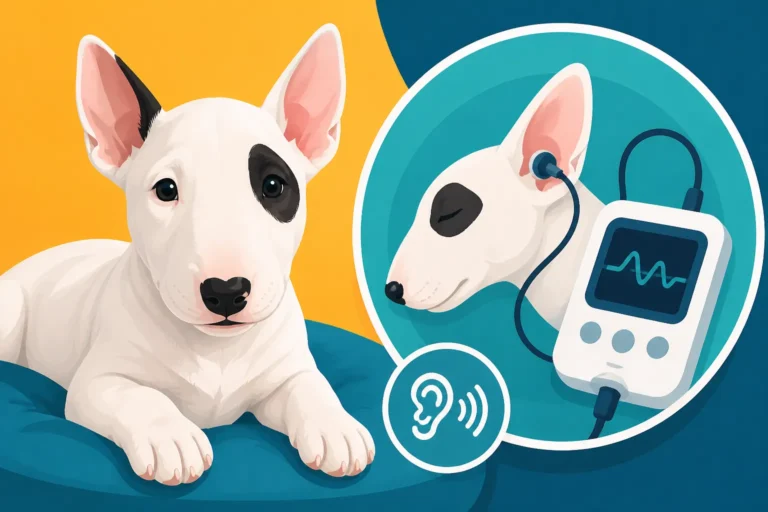
Deafness in an aging Bull Terrier can occur gradually, or sometimes quite suddenly. You might notice they no longer respond to their name or the doorbell, or they seem startled when approached from behind. While many white Bull Terriers are predisposed to congenital deafness, hearing loss can affect any Bull Terrier in their senior years. For vision, cataracts are a common age-related condition, causing cloudiness in the lens of the eye and eventually impairing sight. Other conditions like glaucoma or progressive retinal atrophy can also impact vision. You might notice them bumping into furniture, hesitating in unfamiliar environments, or having difficulty finding dropped toys.
Adapting your home and communication methods is key. For hearing-impaired Bull Terriers, rely more on visual cues and hand signals. A gentle tap on the shoulder can replace a verbal command. For those with reduced vision, try to keep furniture in consistent locations to minimize confusion and potential injuries. Ensure pathways are clear, and consider using nightlights in areas they frequent. When approaching them, do so slowly and speak gently to avoid startling them, especially if they are also hard of hearing. Remember, a dog relying on other senses will be more sensitive to sudden movements or sounds. By being patient, understanding, and making small adjustments, you can help your senior Bull Terrier navigate their world safely and confidently, maintaining their independence and comfort despite their sensory limitations.
Quality of Life and End-of-Life Considerations
Facing the reality of your Bull Terrier's mortality is one of the hardest parts of pet ownership. As they move deeper into their senior years, the focus shifts from preventing disease to managing comfort and ensuring their days are still filled with joy and dignity.
Assessing Your Bull Terrier's Quality of Life
This is perhaps the most challenging aspect of caring for an aging Bull Terrier. There comes a point where their quality of life must be continually assessed. It's not about how long they live, but how well they live. This often involves taking an objective look at their physical comfort, mental state, and overall happiness. Several tools, often called "quality of life scales," are available online or can be provided by your veterinarian. These scales typically ask you to rate aspects such as their pain levels, appetite, hydration, hygiene, happiness, mobility, and ability to engage with the family.
Open and honest communication with your veterinarian is paramount during this time. They can help you interpret subtle signs of discomfort and provide guidance on palliative care options. It's easy to focus on one bad day, but try to look at the overall trend over a week or a month. Are they still interested in their favorite activities, even if modified? Do they still greet you with enthusiasm, even if it's a slow wag instead of a full body wiggle? Are they still comfortable enough to rest peacefully? These are deeply personal questions, and there's no right or wrong answer, but the goal is always to maximize their comfort and minimize their suffering. Considering comprehensive pet insurance from providers like Healthy Paws throughout their life can alleviate financial stress during these difficult periods, allowing you to focus on care rather than cost.
Making Difficult Decisions
As much as we wish our beloved Bull Terriers could live forever, there comes a time when difficult decisions must be made. When the "bad days" consistently outweigh the "good days," and medical interventions are no longer able to provide adequate comfort or joy, considering humane euthanasia becomes an act of profound love and compassion. This is an emotionally wrenching decision, and it’s okay to feel overwhelmed, guilty, or heartbroken. Many owners grapple with "knowing when it's time."
Hospice care options can be incredibly valuable during this period. Veterinary hospice focuses on providing comfort and support for terminally ill or very frail senior pets, allowing them to remain at home surrounded by their loved ones for as long as possible. This can include pain management, appetite stimulation, fluid therapy, and mobility assistance. The goal is to ensure dignity and peace during their final days. When the time does come to say goodbye, many veterinary clinics offer compassionate euthanasia services, often in a quiet, private setting. Some even offer in-home euthanasia, allowing your Bull Terrier to pass peacefully in their most familiar and comforting environment. Remember, you are not alone in this journey. Support groups, pet loss hotlines, and compassionate veterinarians are available to help you navigate this incredibly difficult time, honoring the love and companionship your Bull Terrier brought into your life.
| Area of Concern | Common Signs in Senior Bull Terriers (8+ Years) | Recommended Proactive Actions |
|---|---|---|
| Energy & Activity | Increased napping, shorter play sessions, reluctance to move | Adjust exercise to shorter, more frequent low-impact walks; consider senior-friendly toys. |
| Mobility & Joints | Stiffness, difficulty rising, hesitation with stairs, subtle lameness | Biannual vet checks, joint supplements (vet-approved), orthopedic bedding, physical therapy. |
| Appetite & Weight | Weight gain/loss, pickiness, slower eating, increased thirst | Adjust to senior-specific diet (lower calories), monitor weight, ensure constant fresh water, biannual bloodwork. |
| Kidney & Heart | Increased drinking/urination, coughing, lethargy | The Yearly Urine Test Every Bull Terrier Owner Should Book (especially UPC ratio), annual bloodwork, blood pressure checks, echocardiograms if recommended. |
| Cognitive Function | Disorientation, changed sleep patterns, house-training accidents | Maintain routine, gentle puzzle toys, short familiar walks, discuss medication with vet if CCD suspected. |
| Skin & Coat | Dryness, lumps/bumps, thinning coat, increased allergies | Weekly skin checks, moisturizing shampoos, vet checks for new growths/rashes, allergy management. |
| Sensory Organs | Reduced vision (cloudy eyes), unresponsiveness to sounds | Use visual cues for deaf dogs, keep furniture consistent for blind dogs, gentle approaches, regular eye exams. |
| Overall Health | Any subtle change in behavior, temperament, or daily habits | Biannual vet check-ups, open communication with vet, pet insurance (e.g., Healthy Paws) for unexpected costs. |
Disclaimer
Please remember that the information provided in this guide is for general informational purposes only and is not intended as a substitute for professional veterinary advice, diagnosis, or treatment. Always seek the advice of your qualified veterinarian or other animal health provider with any questions you may have regarding a medical condition or the health and welfare of your Bull Terrier. Never disregard professional veterinary advice or delay in seeking it because of something you have read here.