How Much a Bull Terrier Snores
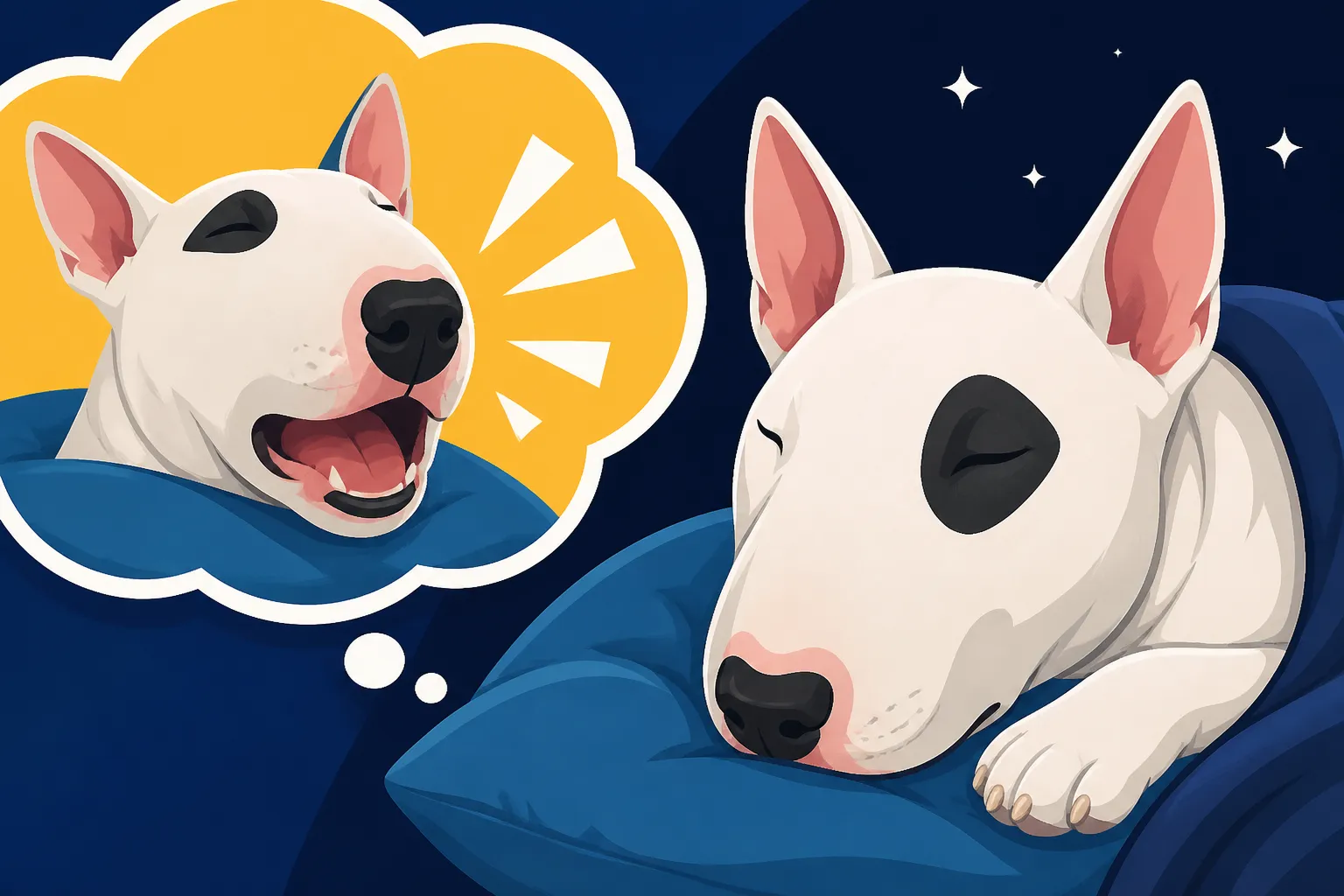
Oh, the Bull Terrier snore! If you're reading this, chances are you've experienced the glorious, rumbling, wall-shaking serenade your beloved Bull Terrier produces night after night. It's often endearing, sometimes hilarious, but let's be honest, it can also be a serious test of your sleep deprivation limits. You love them dearly, but sometimes you just wish they came with a mute button, right? This guide is going to dive deep into why our unique Bull Terriers seem to be champions of the snore, what might be making it worse, and crucially, when that adorable rumble might actually be a red flag that needs a vet's attention.
The Bull Terrier Snore: More Than Just a Cute Quirky Habit
Bull Terriers are known for their distinctive egg-shaped heads, their muscular builds, and their undeniable charm. But tucked within that unique physique are some anatomical quirks that make them particularly prone to snoring. It's not just a random happenstance; there are real physical reasons why your Bull Terrier might be rattling the windows.
The Unique Anatomy of a Bull Terrier's Airway
When you look at a Bull Terrier's profile, that magnificent "downface" and broad skull are part of their breed standard. What you can't see is how this specific head shape might impact their internal airway structures. While they aren't considered a "brachycephalic" (short-nosed) breed in the same way a Pug or a Bulldog is, their skull structure can still lead to a somewhat compressed or unique upper respiratory tract. Their strong, thick necks and often substantial tongues can contribute to a narrowing of the pharyngeal area when they relax into a deep sleep.
Think of it like this: when they lie down and their muscles completely relax, especially on their backs, the soft tissues in their throat—the soft palate, the tongue, even excess fatty tissue—can sag. This creates an obstruction, forcing air through a smaller opening, and voila! The vibrations we know as snoring begin. It's the same principle as in humans, but amplified by their particular build. It’s not always a problem, but it’s certainly a design feature many Bull Terrier owners become intimately familiar with.
Why Some Bull Terriers Snore More Than Others
Even within the breed, you'll find variations. Some Bull Terriers are relatively quiet sleepers, maybe just a soft grumble now and then, while others sound like a freight train barreling through your bedroom. This individual difference often comes down to the subtle nuances of their soft palate and throat tissue. Some dogs might have a slightly longer or thicker soft palate, which is the fleshy part at the back of the roof of the mouth. When relaxed, this can vibrate more intensely against the back of the throat.
Genetics can also play a role. If a Bull Terrier comes from a line where robust snoring is common, it's a good bet their puppies might inherit that trait too. It’s rarely something a breeder specifically screens for, but it’s a lived reality for many of us. Moreover, the sheer volume of a Bull Terrier's snore can also be perceived differently by owners. What one owner considers a gentle rumble, another might find thunderous. But regardless of perception, the underlying anatomical predispositions are very real for our beloved bullies. They're built strong, and sometimes that strength comes with a very resonant exhale.
Common Factors Amplifying Bull Terrier Snoring
It's not just anatomy. While your Bull Terrier's unique build sets the stage for snoring, several lifestyle and environmental factors can turn that occasional snuffle into an incessant nocturnal racket. Understanding these can be the first step towards a quieter, more restful night for everyone in the house.
Weight, Diet, and Allergies: The Lifestyle Contributors
One of the biggest culprits in amplified snoring is excess weight. Just like in humans, extra pounds on a Bull Terrier don't just sit on their frame; they distribute internally, including around the throat and airway. This added fatty tissue can further constrict the breathing passages, making the vibrations louder and more frequent. If your Bull Terrier is on the heavier side, even a few extra pounds can make a noticeable difference in their snoring volume. It’s a tough balance to strike with a breed that carries so much muscle, but keeping them lean is vital for their overall health, not just snoring. If you're noticing they're getting a bit rounder, you might want to revisit Keeping a Bull Terrier Lean When It Carries This Much Muscle.
Diet can also play a subtle role. While not a direct cause of snoring, certain ingredients might lead to inflammation or sensitivities that contribute to nasal or throat congestion, thereby increasing snoring. For instance, if your Bull Terrier has underlying food sensitivities, even mild inflammation in their nasal passages or throat can exacerbate snoring. Similarly, environmental allergies can cause swelling and mucus production in the respiratory tract. If you suspect your Bull Terrier might be struggling with allergies, it’s worth investigating Whether a Bull Terrier Gets Skin Allergies, as respiratory irritation can sometimes go hand-in-hand with skin issues in susceptible dogs. High-quality, appropriate nutrition, like the kind offered by brands like Ollie, which provides customized meal plans, could potentially help reduce inflammation and keep their weight in check, though always consult your vet before making significant dietary changes.
Sleeping Positions and Environmental Triggers
Have you ever noticed your Bull Terrier's snoring seems loudest when they're sprawled out on their back, paws in the air? That's no coincidence! Sleeping on their back allows gravity to pull their soft palate and tongue further back into their throat, creating maximum obstruction. Side sleeping or curling up often provides a clearer airway, leading to less intense snoring. It’s a simple mechanical effect.
Beyond position, the environment itself can be a major player. Dust, pollen, mold, and other airborne allergens can irritate your Bull Terrier's respiratory system, leading to congestion and inflammation that makes snoring worse. If you notice their snoring flares up during allergy season or after they've been in a particularly dusty area, these environmental factors are likely culprits. Even low humidity in your home can dry out their nasal passages, making breathing less smooth.
The type of bedding your Bull Terrier uses can also contribute. Old, dusty beds can harbor allergens, and some materials might not offer adequate support, causing them to settle into positions that encourage snoring. Investing in a clean, supportive bed can make a world of difference. When considering a new bed, durability is key for Bull Terriers, so you might find some excellent, robust options on Chewy or Amazon, but always prioritize one that's easy to clean and offers good support. Don't forget to check out Which Bed Survives a Bull Terrier for tips on picking the right one.
When a Snore Signals Something More Serious
While much of Bull Terrier snoring is a benign, if loud, part of their charm, there are definitely times when it can be a symptom of an underlying health concern. It’s crucial for us as owners to differentiate between the usual Bull Terrier rumble and a snore that warrants a closer look from your vet. Ignoring changes could mean missing something important for their long-term health.
Distinguishing Normal Snoring from Potential Health Issues
Normal Bull Terrier snoring is usually consistent: a regular, rhythmic sound that might vary in volume but doesn't typically involve gasping, choking, or extreme effort. It's often worse in certain positions, or when they're very tired. However, if you notice a sudden increase in the volume or frequency of their snoring, or if their snoring pattern changes dramatically, it's time to pay closer attention.
Signs that snoring might be indicative of a deeper problem include:
- Gasping or choking sounds: These suggest their breathing is being interrupted, potentially leading to oxygen deprivation.
- Restlessness during sleep: If your Bull Terrier is constantly shifting, waking up abruptly, or can't seem to get comfortable, they might be struggling to breathe.
- Daytime lethargy or excessive sleepiness: Poor sleep quality at night, due to interrupted breathing, can lead to your dog being tired and sluggish during the day, even if they seem to be "sleeping" a lot.
- Changes in breathing patterns while awake: If you observe labored breathing, noisy breathing, or unusual panting even when they haven't been exercising, that's a significant red flag.
- Nasal discharge or sneezing: These could point to an infection, allergies, or other obstructions in the nasal passages that are making snoring worse.
These symptoms, especially in combination, can be indicative of conditions like sleep apnea, chronic respiratory infections, or even structural issues in the throat or nasal passages that are more severe than typical breed predispositions. While Bull Terriers aren't primarily known for severe brachycephalic airway syndrome, individual variations and other factors can certainly lead to similar symptoms.
Veterinary Consultation: When to Seek Professional Advice
It’s always better to be safe than sorry when it comes to your Bull Terrier's health. If you're concerned about your Bull Terrier's snoring, particularly if you're seeing any of the red flags mentioned above, don't hesitate to make an appointment with your veterinarian. They can conduct a thorough physical examination, paying close attention to their respiratory system, throat, and nasal passages. They'll look for signs of inflammation, polyps, elongated soft palates, or other obstructions.
Your vet might recommend diagnostic tests depending on their findings. This could include blood work to check for underlying systemic issues, allergy testing if environmental irritants are suspected, or imaging like X-rays or even a specialized scope (rhinoscopy or pharyngoscopy) to get a clearer view of their airways. In some cases, if an elongated soft palate is severe and causing significant breathing difficulty, a surgical procedure to trim it might be discussed. This is usually a last resort for severe cases, but it's an option that can dramatically improve a dog's quality of life and sleep.
Remember, early intervention is always best. Addressing these issues can prevent them from escalating into more serious health complications down the line. A healthy Bull Terrier might snore a bit, but they shouldn't be struggling to breathe, awake or asleep. Consider their overall health trajectory by checking out The Ten to Fourteen Years a Bull Terrier Gets, as sustained poor sleep can impact their longevity.
Practical Strategies for a Quieter Night (for Everyone!)
Okay, so your Bull Terrier is a snorer, and you've either ruled out serious medical issues or you're managing them with your vet. Now what? There are plenty of practical steps you can take at home to help reduce the volume and frequency of their nocturnal symphonies, making for a happier, more rested household.
Lifestyle Adjustments for Snoring Reduction
One of the most impactful changes you can make is managing your Bull Terrier’s weight. As we discussed, extra pounds equal extra tissue, which equals more airway obstruction. Work with your vet to ensure your Bull Terrier is at a healthy, lean weight. This might involve adjusting their food portions, choosing a lower-calorie, high-quality dog food (brands like Ollie offer tailored plans that can help with weight management), and increasing their activity level. For guidance on assessing their weight, you might find Signs a Bull Terrier Is Overweight helpful, and Getting Weight Off a Bull Terrier offers great advice on how to start that journey.
Regular exercise is also crucial. A well-exercised Bull Terrier is a deeply tired Bull Terrier, and sometimes that deep sleep can be less snore-filled, simply because they're not restless. Exercise also helps maintain a healthy weight and overall cardiovascular health. Just be mindful of their unique needs; you can explore How Much Exercise a Bull Terrier Actually Needs for tailored advice. Beyond physical activity, ensuring good air quality in your home can help. If dust or pollen are triggering their snoring, using an air purifier in the bedroom can make a noticeable difference. Regular vacuuming, especially if you have carpets, and washing their bedding frequently can reduce irritants.
Comfort and Environmental Hacks
Sometimes, a simple change in sleeping arrangements can work wonders. If your Bull Terrier typically sleeps on their back, try encouraging them to sleep on their side. You might even find success with an orthopedic dog bed that has raised sides, which can gently encourage side sleeping or provide a natural headrest, slightly elevating their head and opening the airway. There are some fantastic options for these on Amazon or Chewy that are also built to withstand the robust nature of a Bull Terrier.
Consider elevating their head slightly with a small, firm pillow. Just ensure it’s comfortable and doesn't cause neck strain. Humidifiers can be incredibly helpful, especially in dry climates or during winter when indoor heating dries out the air. Moist air can soothe irritated nasal passages and throats, making breathing easier and reducing the likelihood of loud, dry snores. Remember, a comfortable, breathable environment helps not just with snoring, but also with their general well-being. Keeping their sleep area clean, free from dust mites and allergens, is a low-cost, high-impact strategy.
Products that Might Help (and Where to Find Them)
Beyond the general tips, specific products can offer relief for your snorting Bull Terrier and your sleep-deprived ears. Here’s a quick rundown of what might be worth investing in:
| Product Category | Benefit for Snoring | Where to Find It (Examples) |
|---|---|---|
| Orthopedic Beds | Support proper spinal alignment, encourage side sleeping, reduce pressure points. | Chewy, Amazon |
| Elevated Dog Beds | Improves air circulation, can encourage specific sleeping positions, reduces allergen exposure from floor. | Amazon, Pet supply stores |
| Air Purifiers | Filters out dust, pollen, and other allergens that can irritate airways. | Amazon, Electronics stores |
| Humidifiers | Adds moisture to the air, preventing dry nasal passages and soothing throats. | Amazon, Drugstores |
| Hypoallergenic Bedding | Reduces exposure to dust mites and other common allergens in their sleep space. | Chewy, Specialty pet stores |
| Slow Feeders | Can help with weight management by slowing down eating, indirectly aiding airway health. | Chewy, Amazon |
You might also consider discussing specific dietary supplements with your vet, such as those that support respiratory health or help manage allergies. While no supplement is a magic bullet for snoring, a holistic approach to their health can often yield positive results. Just remember to introduce any new food or supplement gradually and monitor your Bull Terrier's response. A little bit of thoughtful adjustment can go a long way in ensuring your Bull Terrier (and you!) gets a more peaceful night's rest. And if you're caring for an older Bull Terrier, these comfort measures become even more crucial, so consider insights from Caring for an Old Bull Terrier.
Disclaimer
This article is for general informational purposes only and does not constitute professional advice. Laws, prices and regulations vary by location and change over time. Consult a qualified professional for guidance on your specific situation.