Why a Bull Terrier’s Coat Feels Harsh
If you're a Bull Terrier owner, or even just an admirer, you might have noticed something particular about their coat: it’s not exactly soft and cuddly. In fact, many people describe it as feeling rather harsh or bristly to the touch, and it can leave you wondering if your beloved Bull Terrier's coat is actually healthy or if there's something you should be doing differently. This feeling is a completely normal characteristic of the breed, and in this guide, we're going to dive deep into exactly why that is, what influences it, and how to best care for your Bull Terrier's unique coat.
Understanding the Bull Terrier Coat Standard
When you first run your hand over a Bull Terrier's sleek, short coat, you might be surprised by its texture. It's not like the plush fur of a Golden Retriever or the silky strands of a Yorkshire Terrier. Instead, it often feels quite coarse, almost wiry, which can be a little counter-intuitive if you're used to other breeds. But this isn't a flaw; it's a feature, directly tied to the breed's history and purpose.
The Double Coat Myth vs. Reality
One common misconception among new dog owners is that all dogs have a soft undercoat, especially short-haired breeds, and if they don't, something is amiss. However, Bull Terriers largely defy this expectation. They generally do not possess the dense, insulating double coat you'd find on breeds designed for colder climates, like a Husky or a German Shepherd. Their coat is primarily a single layer, or perhaps has a very sparse, almost undetectable undercoat that doesn't contribute much to softness.
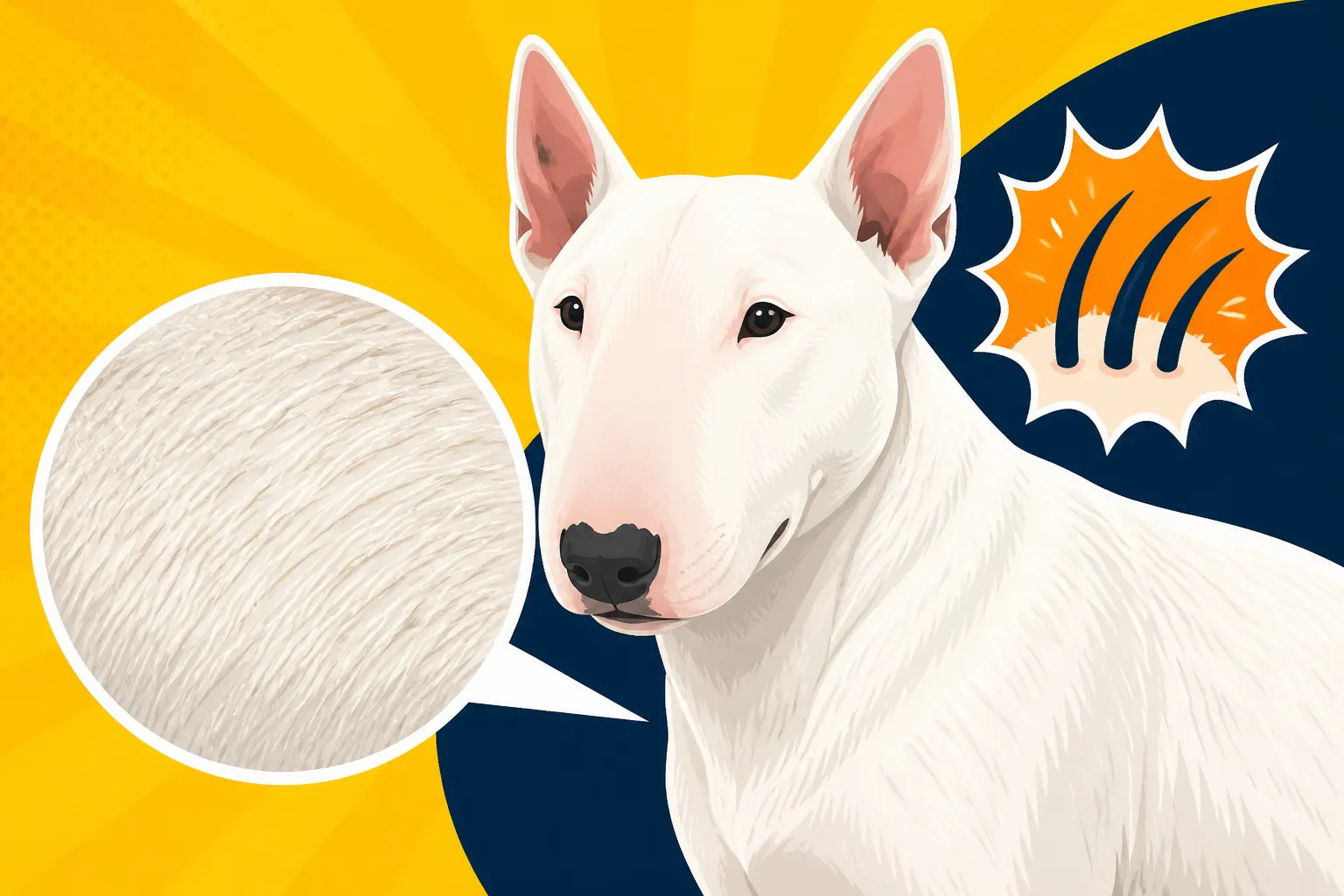
The breed standard itself explicitly describes the desired texture: "short, flat, harsh to the touch and with a fine gloss." This "harshness" isn't a genetic accident; it was an intentional characteristic in their development. The coat was designed to be protective, durable, and relatively easy to maintain. Imagine a dog that was once used in various working capacities; a coat that repelled dirt and offered some protection against minor scrapes and scratches would have been highly valued. It's a coat built for resilience, not for luxurious petting sessions (though we still do plenty of those, don't we?).
How a Bull Terrier's Coat Differs from Other Breeds
To truly appreciate the Bull Terrier's coat, it helps to compare it to others. Think of a Labrador Retriever, which has a short but very dense, almost velvety double coat designed to keep them warm and dry during water retrieves. Or a Pug, with its fine, soft, and sleek fur. The Bull Terrier's coat, by contrast, feels more like a stiff brush than a plush blanket. This unique texture is quite distinct.
The absence of a substantial undercoat means a few things for owners. Firstly, while Bull Terriers do shed, it tends to be finer, needle-like hair rather than clumps of fluffy undercoat. Secondly, it means their skin is more exposed and requires more attention, a topic we'll delve into shortly. This unique short, stiff coat also impacts their tolerance to extreme temperatures. They don't have that thick insulation, making them more susceptible to cold in winter and prone to sunburn in summer, particularly the white varieties. This specific texture is part of their iconic look and feel. What a Bull Terrier's Coat Is Like goes into more detail about its characteristics.
Genetic Factors Behind the Texture
The specific genes that dictate coat type are complex, but in the Bull Terrier, selective breeding played a significant role in establishing their characteristic coat. Early breeders, like James Hinks, weren't necessarily looking for a soft coat. They were breeding for specific physical attributes – robustness, agility, and a distinctive appearance – for the tasks these dogs were intended for. A short, dense, and naturally harsh coat would have been advantageous for a dog working in varied environments, offering protection without trapping excessive dirt or water.
It's similar to how some terriers have a wiry coat; it's a genetic trait that serves a functional purpose. For the Bull Terrier, this particular gene expression results in the stiff, strong individual hairs that give the coat its "harsh" feel. It’s simply how their hair grows, from the follicle up, endowed with a natural robustness that contributes to its overall durability and appearance. This genetic predisposition means that no matter how much you condition or groom, you're unlikely to turn a Bull Terrier's coat into something soft and fluffy; it's just not in their DNA.
Factors Influencing Coat Texture Beyond Genetics
While genetics undeniably set the baseline for a Bull Terrier's coat texture, several external and internal factors can subtly influence how that coat actually feels and looks day-to-day. A naturally harsh coat can still be a healthy harsh coat, or it can become an unhealthy harsh coat, which is where careful attention comes in.
Diet and Nutrition's Role
Just like with us, what a Bull Terrier eats profoundly impacts their overall health, including the quality of their skin and coat. A diet lacking in essential nutrients can turn an already naturally harsh coat into one that's dry, brittle, dull, and even flaking.
High-quality protein is paramount, as hair is primarily made of protein. Beyond that, essential fatty acids, particularly Omega-3s and Omega-6s, are crucial for skin health and a lustrous coat. These fatty acids help maintain the skin's barrier function, reducing dryness and inflammation, which in turn supports healthy hair growth. If your Bull Terrier's diet is low in these, you might notice their coat feels excessively dry, even for a Bull Terrier, and lacks that characteristic "fine gloss."
Choosing a premium dog food that lists a good quality meat source as the first ingredient is a great starting point. Some owners find success supplementing with fish oil, which is rich in Omega-3s. Brands like Ollie, known for their fresh, human-grade ingredients, often provide a well-balanced nutritional profile that supports skin and coat health. You can also explore options on Chewy or Amazon for high-quality kibble or supplements specifically formulated for skin and coat support. Remember, a healthy foundation starts from within, and Whether a Bull Terrier's Skin Improves With Diet is a great read on this topic.
Environmental Impact and Skin Health
The environment your Bull Terrier lives in can also play a role. Dry climates, low humidity, or even harsh indoor heating can contribute to dry skin, which inevitably affects the coat. If the skin beneath the coat is dry and irritated, the hair growing from it will reflect that unhealthiness.
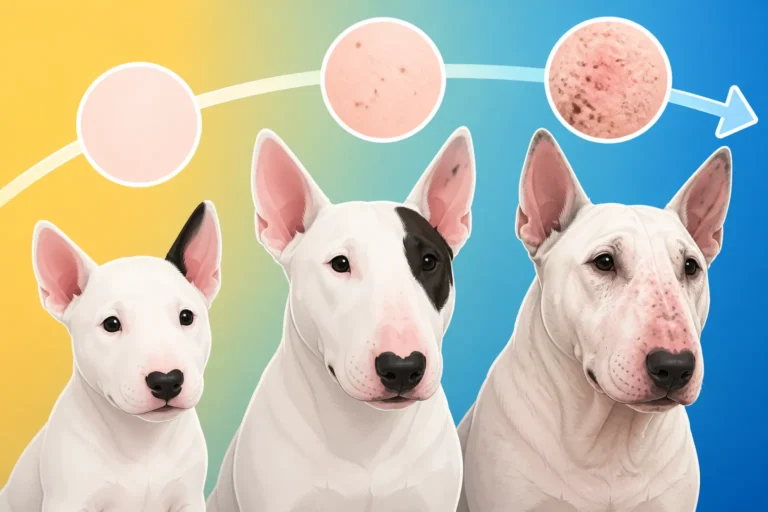
Furthermore, environmental allergens (like pollen, dust mites, or certain grasses) can cause skin reactions, leading to itching, redness, and inflammation. When a Bull Terrier scratches excessively, it can damage the hair follicles and disrupt the natural oil production, making the coat appear duller and feel rougher than its natural state. Regularly checking your Bull Terrier's skin for any signs of irritation is a vital part of their care, as A Bull Terrier's Skin Is Its Weakest Point can attest.
Bathing frequency and the type of products you use also matter. Over-bathing, especially with harsh shampoos designed for humans or those containing strong detergents, can strip away the natural oils that protect your dog's skin and coat. This leads to dryness, irritation, and a coat that feels even more brittle. Opt for gentle, moisturizing dog-specific shampoos and conditioners, and don't bathe too often – generally, once every few weeks or as needed is plenty for a Bull Terrier. How Often a Bull Terrier Should Be Bathed offers practical advice here.
Hormonal Balance and Overall Health
Underlying health conditions, particularly those involving hormonal imbalances, can dramatically impact a Bull Terrier's coat quality. For example, hypothyroidism, a condition where the thyroid gland doesn't produce enough hormones, can lead to a dull, dry, brittle coat, hair loss, and even changes in skin texture. Whether a Bull Terrier Gets Hypothyroidism is a good resource if you suspect this.
Other systemic illnesses, nutritional deficiencies, or even chronic stress can manifest in a poor coat condition. If you notice a sudden change in your Bull Terrier's coat – it becomes significantly duller, much drier, patchy, or if there's excessive shedding beyond what's normal for them – it's always a good idea to consult your veterinarian. They can rule out any medical issues and recommend appropriate diagnostic tests or treatments. Maintaining a healthy coat is a visible sign of overall good health, so paying attention to these subtle shifts is important.
Living With and Caring for a Naturally Harsh Coat
Accepting that your Bull Terrier's coat is meant to be harsh doesn't mean you can neglect it. In fact, understanding its unique nature allows you to provide the best care possible, ensuring it remains healthy, shiny, and comfortable for your dog. Your goal isn't to make it soft, but to make it the best version of a Bull Terrier coat it can be.
Appropriate Grooming Practices
Regular grooming, even for a short-coated breed, is essential. While you won't be dealing with mats and tangles like a long-haired dog, consistent care helps remove loose hair, distribute natural oils, and stimulate circulation in the skin.
For Bull Terriers, a rubber curry brush or a grooming mitt works wonders. These tools are gentle on the skin but effective at collecting shed hairs. A quick brush a few times a week is usually sufficient. This helps to prevent fine, needle-like hairs from accumulating on your furniture and clothing, which is a common complaint among Bull Terrier owners, despite their short coat. Which Brush Suits a Bull Terrier provides specific recommendations.
When it comes to bathing, less is often more. As mentioned earlier, frequent bathing can strip essential oils. Aim for baths only when your Bull Terrier is truly dirty, perhaps once a month or every few weeks, using a mild, dog-specific shampoo designed for sensitive skin. Follow up with a good quality canine conditioner to help moisturize the skin and coat. After bathing, simply towel-dry, as their short coat dries relatively quickly.
Maintaining Skin Hydration
Because their coat is so short and sparse, a Bull Terrier's skin is more exposed and can be prone to dryness and sensitivity. Keeping their skin hydrated is key to a healthy coat, even a harsh one.
Internal hydration is fundamental: always ensure your Bull Terrier has access to fresh, clean water. For external hydration, if your dog experiences dry skin, you might consider dog-specific moisturizing sprays or balms, particularly in dry weather. Some owners use coconut oil (in small, lick-safe amounts) or specialized paw and nose balms for dry patches. However, always check with your vet before applying new products, especially if your dog has sensitive skin or allergies.
Ensuring your dog’s diet includes enough healthy fats, such as Omega-3 and Omega-6 supplements (like fish oil), can also contribute significantly to skin moisture from the inside out. These fatty acids help maintain the skin's natural barrier, keeping moisture in and irritants out. For options, you can often find a good selection of these supplements on Amazon or Chewy.
When to Consult the Vet About Coat Changes
It's crucial to distinguish between a Bull Terrier's naturally harsh coat and one that has become unhealthy due to underlying issues. While a harsh coat is normal, a dull, flaky, itchy, or patchy coat is not.
Signs that warrant a trip to the vet include:
- Excessive scratching, licking, or chewing: This could indicate allergies, parasites, or an infection.
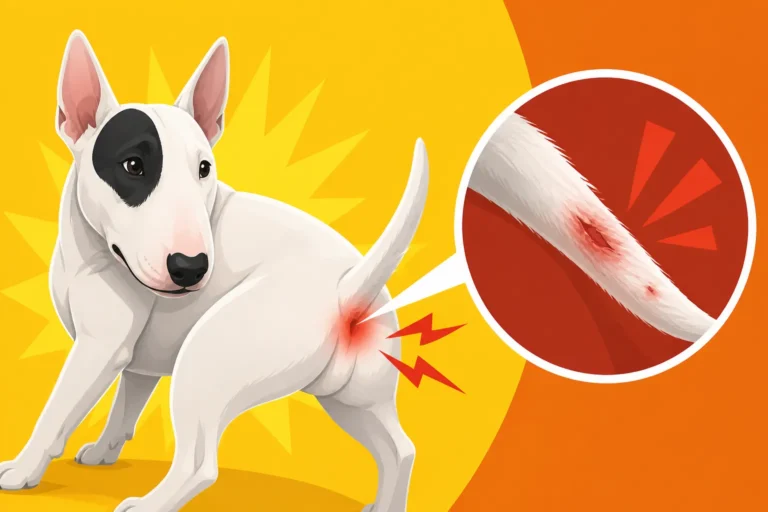
- Redness, bumps, or sores on the skin: These are clear signs of irritation or infection.
- Significant hair loss or bald patches: While some shedding is normal, unexplained patches of missing hair are concerning. What a Bull Terrier's Bald Patch Means can offer insight.
- A suddenly very dull, brittle, or extremely dry coat: If the texture changes noticeably from its usual healthy harshness to something much worse, it might point to dietary deficiencies or internal health problems.
- Foul odor from the skin or coat: This can be a sign of bacterial or yeast infections.
Regular, proactive checks of your Bull Terrier's skin and coat are also important. The Weekly Skin Check Every Bull Terrier Needs guide is an excellent resource for learning how to monitor for subtle changes that might indicate a problem. Your vet is your best partner in ensuring your Bull Terrier's health, and they can provide tailored advice and treatments if something is genuinely amiss.
Debunking Common Misconceptions
There are a few myths and misunderstandings that often swirl around the Bull Terrier's coat. Let's clear those up to give you peace of mind and help you provide the most appropriate care.
Harsh Doesn't Mean Unhealthy
This is perhaps the biggest takeaway: the naturally harsh texture of a Bull Terrier's coat is part of its healthy, breed-standard makeup. It doesn't mean your dog is unwell, nor does it mean you're doing something wrong. In fact, a truly healthy Bull Terrier coat will have that distinctive short, flat, and harsh feel, often accompanied by a lovely, healthy sheen. The "fine gloss" mentioned in the breed standard is that healthy shine that indicates good nutrition and proper care, even on a harsh coat.
Trying to achieve a soft, fluffy coat on a Bull Terrier is like trying to make a Bulldog run a marathon – it goes against their natural design. Instead, focus on supporting the health of the skin and the integrity of the hair follicles, and the result will be a beautifully maintained coat that is characteristic for the breed, harshness and all. A Bull Terrier's Coat Is Easy and Its Skin Is Not reminds us that while the coat itself is low maintenance, the skin requires vigilant care.
No, You Can't "Soften" It Permanently
Many new owners wish they could make their Bull Terrier's coat feel as soft as a puppy's fur, or like the coat of a Golden Retriever. While you might temporarily improve the feel of the coat with conditioning treatments or certain supplements that boost overall skin health, you cannot permanently change its fundamental genetic texture.
Any product or diet that claims to transform a Bull Terrier's harsh coat into a silky one is likely overpromising. The best you can do is ensure the coat is as healthy as possible within its genetic parameters. This means it will be clean, free of flakes, and have a natural shine, but it will still retain that characteristic bristly feel. Embracing this unique aspect of your Bull Terrier is part of appreciating the breed for what it is.
The Practical Benefits of a Harsh Coat
Beyond just being part of the breed standard, that harsh, short coat actually offers some distinct practical advantages that many owners come to appreciate.
Firstly, it's quite efficient at repelling dirt and grime. Mud, dust, and debris tend to shake off easily or can be wiped away with a damp cloth, rather than getting deeply embedded as it would in a longer or softer coat. This means less time spent on intensive grooming after outdoor adventures. While they do shed, the hair is short, and regular brushing can manage it effectively. How Much a Short Coated Bull Terrier Actually Sheds might surprise some owners, but the type of shed hair is different from other breeds.
Secondly, this type of coat is less prone to matting or tangling, eliminating a common headache for owners of many other breeds. There's no need for elaborate detangling sprays or hours spent with a dematting comb. A simple curry brush keeps their coat in tip-top condition. This makes the Bull Terrier a relatively low-maintenance dog from a purely grooming perspective, freeing up more time for play and snuggles – even if those snuggles involve a slightly bristly companion!
| Coat Characteristic | Description for Bull Terrier | Implication for Owners |
|---|---|---|
| Texture | Short, flat, harsh to the touch | Normal, not a sign of ill health; won't be soft like other breeds |
| Undercoat | Very sparse or absent | Less insulation, higher risk of sunburn/cold; less fluffy shedding |
| Shedding | Moderate, fine, needle-like hairs | Regular brushing helps manage loose hair; not prone to matting |
| Maintenance | Relatively low, quick to dry, repels dirt | Easy to keep clean; requires consistent skin checks and gentle products |
| Health Indicator | A healthy harsh coat has a 'fine gloss' and no flakes/redness | Dullness, excessive dryness, or irritation signals potential issues |
Ultimately, your Bull Terrier's harsh coat is a fundamental part of its identity, a legacy of its breeding, and perfectly normal. By understanding its unique needs and providing consistent, appropriate care, you can ensure your Bull Terrier enjoys a healthy, gleaming coat that reflects their vibrant personality.
Disclaimer
This article is for general informational purposes only and does not constitute professional advice. Laws, prices and regulations vary by location and change over time. Consult a qualified professional for guidance on your specific situation.