Signs a Bull Terrier Is Overweight
Oh, the joy of a Bull Terrier! They're such magnificent, muscular clowns, full of life and that unique, powerful build. But let's be honest, that very muscularity can be a sneaky camouflage when it comes to noticing a few extra pounds creeping on. It’s a common frustration for Bull Terrier owners to look at their solid, sturdy dog and wonder if that's healthy muscle or if the biscuits have started to add up around the middle. This guide is all about helping you decode those subtle (and not-so-subtle) signs that your beloved Bull Terrier might be carrying a little too much weight, ensuring they stay healthy and happy for years to come.
Why Spotting Weight Gain in a Bull Terrier Is Tricky
It’s not just you. Many Bull Terrier owners find it genuinely challenging to tell if their dog is gaining weight. These aren't delicate, fine-boned breeds where a slight increase in flesh is immediately obvious. Bull Terriers are built like little tanks, incredibly dense and powerful, which can easily fool the eye.
The Muscular Misconception
Bull Terriers are renowned for their incredible strength and impressive musculature. They are, quite simply, very stocky, compact, and powerful dogs. This natural, athletic build means they carry a lot of muscle mass, which often gets mistaken for overall "solidity." When you look at a Bull Terrier, your brain registers "strong" and "robust," which can make it hard to then differentiate between lean muscle and unwanted fat accumulation.
This misconception is a major hurdle. You might feel your dog's side and think, "Yep, he's solid," without realizing that underneath that impressive muscle, there's a layer of fat that shouldn't be there. Their natural musculature fills out their frame so well that the subtle signs of fat padding become much harder to detect than they would on, say, a Greyhound or a Poodle. Owners often struggle with that mental hurdle of accepting that their powerhouse might actually be over the healthy limit. How to Tell Bull Terrier Muscle From Fat dives deeper into how to make that distinction.
The Breed's Unique Body Shape
Beyond their muscle, Bull Terriers have a distinctly unique body shape that further complicates weight assessment. Their deep, broad chest, combined with that iconic egg-shaped head and relatively short, strong back, gives them a very distinct silhouette. This deep chest, in particular, can make it difficult to assess the "tuck-up" or waistline that is a key indicator in many other breeds.
When you look at a Bull Terrier from the side, their chest plunges quite low, which can make their belly appear tucked up even if it isn't truly lean. From above, their broad shoulders and powerful hindquarters can mask the absence of a defined waist. These are not dogs with delicate, hourglass figures. Their natural shape is robust and blocky, making the visual cues for overweight difficult to interpret without a keen eye and a hands-on approach. It's truly a puzzle that requires understanding the nuances of their specific anatomy.
The Hands-On Body Condition Score (BCS) for Bull Terriers
Forget just looking at your Bull Terrier; the most accurate way to assess their weight is by getting your hands on them. This hands-on method, often referred to as a Body Condition Score (BCS), helps you feel for what your eyes might miss. It’s about learning what a healthy Bull Terrier feels like underneath that dense coat and muscle.
Feeling for Ribs, Spine, and Hip Bones
This is where the rubber meets the road. Gently run your hands along your Bull Terrier's sides, over their rib cage. For a healthy weight, you should be able to feel their ribs quite easily, almost like feeling the knuckles on your hand, without having to press hard. If you have to really dig your fingers in to locate them, or if you can't feel them at all, that's a red flag. The ribs shouldn't be visibly prominent like a skeleton, but they should be easily palpable beneath a thin layer of muscle and fat.
Next, move your hands along their spine, from the base of their neck to their tail. You should be able to feel the individual bumps of their vertebrae without much effort. If their spine feels like a smooth, flat surface, or if there's a noticeable layer of padding over it, your Bull Terrier is likely carrying too much weight. Finally, gently feel over their hip bones at the very top of their hind legs. Like the ribs and spine, these should be palpable without being sharply protruding. If they're completely hidden under a cushion of flesh, it's a clear sign of excess fat. This gentle palpation is key – you're feeling for contours, not bruising them!
Assessing the Waistline and Abdominal Tuck
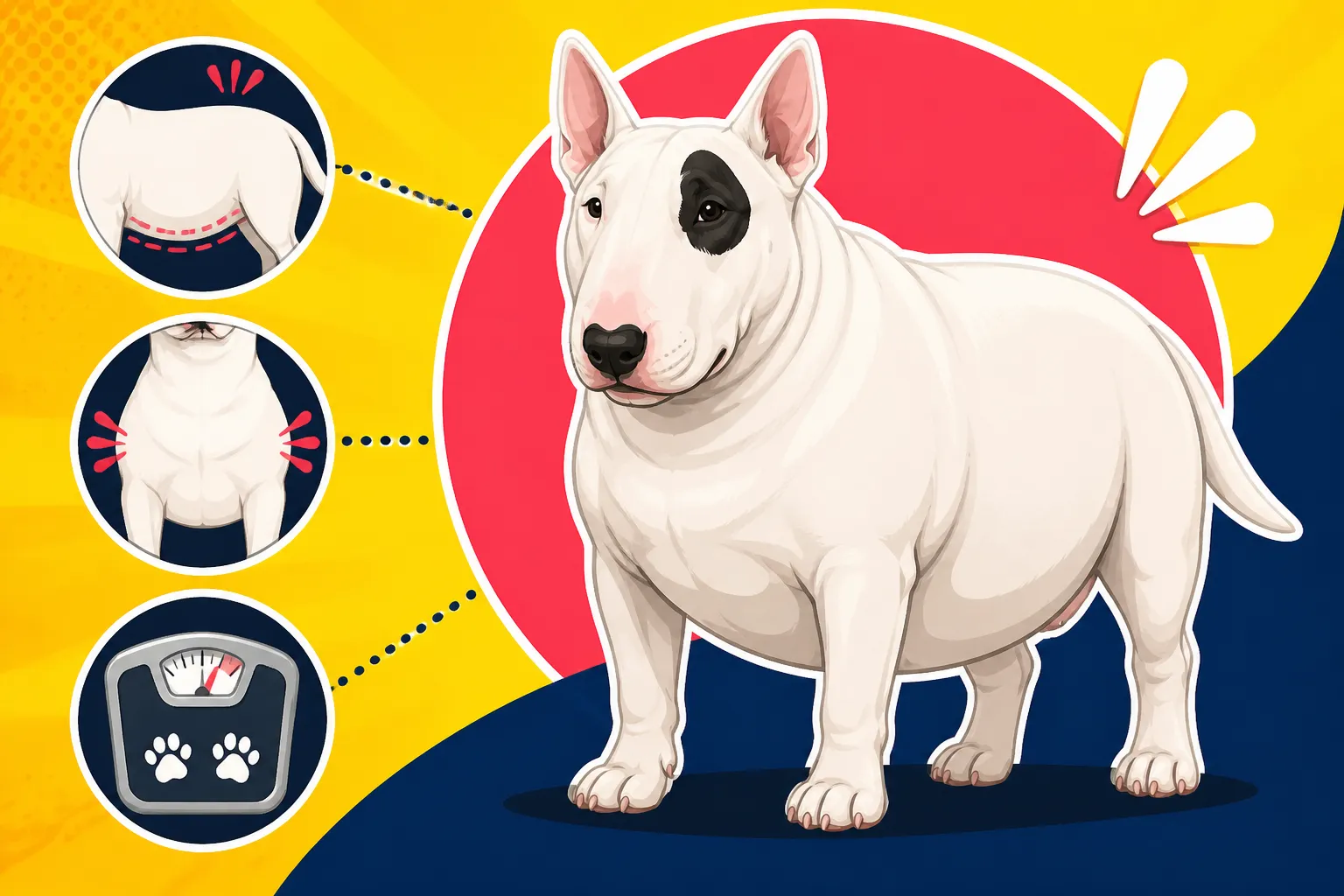
Even with their deep chests, a Bull Terrier at a healthy weight will still have a discernible waist. Stand above your dog and look down at their back. You should see a subtle inward curve or "waist" just in front of their hips, where their abdomen narrows slightly. If your Bull Terrier's body appears more like a straight cylinder from chest to tail, with no narrowing, they are probably overweight. That defined waistline gives them a more athletic and proportioned appearance.
Now, let's talk about the abdominal tuck. View your Bull Terrier from the side while they're standing. The line of their belly, from their ribs to their hind legs, should gently rise upwards, creating what's called an "abdominal tuck." It shouldn't be a dramatic tuck like a sight hound, but it shouldn't be straight or, even worse, sagging downwards. If their belly hangs low or looks distended, or if that gentle upward slope is absent, it’s a strong indication of extra weight. Remember, their deep chest can obscure some of this, but the tuck should still be present. This is a crucial visual cue when combined with the hands-on rib check.
Visual Cues: What to Look For Beyond the Touch Test
While the hands-on approach is paramount, there are still visual signs that can help you confirm your suspicions about your Bull Terrier's weight, especially as the excess pounds become more significant. These are the things you might notice in their day-to-day appearance.
Changes in Overall Body Shape
A healthy Bull Terrier has a distinct, powerful silhouette. When they start to gain weight, that crisp definition begins to soften. You'll notice a loss of that subtle waistline from above, making their body appear more barrel-like or rectangular. Instead of a strong, athletic build, they might start to look more uniformly thick from front to back. Their back might also appear wider and flatter, losing the subtle curve that signifies good muscle tone and healthy weight.
Imagine your Bull Terrier standing – do they still have that confident, agile stance, or do they look a bit more "squat"? The unique proportions of the breed mean that extra weight can really change their characteristic outline. You might also notice their neck seeming thicker or less defined, blending into their shoulders rather than having a clear demarcation. These are visual shifts that, once you learn to spot them, become undeniable indicators that it's time to assess their diet and exercise.
Fat Deposits in Specific Areas
Bull Terriers, like people, tend to store fat in certain "trouble spots." Even if their overall frame still looks sturdy, you might spot soft, squishy areas where fat is accumulating. Common places include over the hips, at the base of the tail, and around the neck or shoulders. Gently pinch the skin and tissue at the base of your Bull Terrier's tail. If you can grab a substantial roll of fat there, it's a pretty strong indicator that they're carrying extra weight.
You might also feel rolls of fat along their flanks or even a thicker padding over their shoulders that wasn't there before. This isn't muscle; it's a softer, more yielding tissue. Pay attention to how their skin feels when you pet them – does it feel tighter and more stretched, particularly around the belly or chest? These specific fat deposits are telling signs that the calories in are outweighing the calories out, and it's time to make some adjustments to their routine.
Behavioral and Activity Level Indicators
Sometimes, the first signs your Bull Terrier is gaining weight aren't physical, but behavioral. Their zest for life and characteristic antics might start to dim, and it’s often due to the burden of carrying extra pounds. Pay close attention to changes in their energy and enthusiasm.
Reduced Stamina and Exercise Intolerance
One of the most disheartening signs of weight gain in a Bull Terrier is a noticeable drop in their stamina. These are dogs known for bursts of incredible energy – those famous "zoomies" or sudden, joyous sprints around the yard. If you notice your Bull Terrier tiring out much faster on walks, lagging behind, or needing more frequent breaks, it's a significant indicator. They might not be able to keep up with their usual play sessions, cutting them short or simply lying down sooner than usual.
This reduced stamina isn't just about their joy; it's a physical burden. Their heart and lungs have to work harder, and their joints bear more strain with every step. What might seem like "getting older" could actually be the direct consequence of excess weight. A Bull Terrier should still be eager for their adventures, and if they're not, it's worth considering their physical condition. How Much a Bull Terrier Should Walk Before It Gets Silly explores their exercise needs and can help you gauge if they're performing as they should.
Increased Lethargy and Reluctance to Move
Beyond simply tiring out, an overweight Bull Terrier might become generally more lethargic and reluctant to engage in activities they once loved. You might notice them sleeping more throughout the day, showing less enthusiasm for walks, or even struggling with everyday movements like getting up from a lying position or jumping into the car. This is particularly noticeable in older dogs, where owners might mistakenly attribute these changes solely to age. However, extra weight can significantly exacerbate age-related stiffness and discomfort. What Changes in an Aging Bull Terrier can offer more context on normal aging vs. weight-induced issues.
It's a vicious cycle: the less they move, the more weight they gain, which then makes them even less inclined to move. If your usually boisterous Bull Terrier seems content to just snooze on the sofa when a walk is offered, or if they take longer to "rev up" for playtime, it’s a strong signal that their body is under strain. This isn't just about appearance; it's about their overall quality of life and comfort.
Health-Related Signs and Risks of Excess Weight
Carrying extra weight isn't just about aesthetics; it comes with a host of serious health implications for your Bull Terrier. Recognizing these health-related signs can be a wake-up call and motivate you to address their weight proactively.
Breathing Difficulties and Snoring
Just like in humans, excess weight around the chest and neck can restrict airflow and put additional strain on your Bull Terrier's respiratory system. You might notice them breathing harder, even after minimal exertion, or panting more excessively than usual in warm weather. A particularly telling sign can be an increase in snoring. While some Bull Terriers are naturally prone to a bit of a snore due to their skull shape, a significant increase in volume or frequency, especially if accompanied by more labored breathing during sleep, could indicate that fat deposits are narrowing their airways. How Much a Bull Terrier Snores discusses normal snoring versus problematic breathing patterns.
This isn't just an annoyance; it means their body isn't getting adequate oxygen, which impacts every organ system. In severe cases, it can lead to sleep apnea and chronic oxygen deprivation, further stressing their heart and overall health. If your Bull Terrier sounds like a freight train at night or seems to struggle for breath even when resting, it’s definitely time for a vet check, and weight will almost certainly be part of the conversation.
Skin Issues and Joint Strain
Bull Terriers already have sensitive skin, making them prone to various dermatological challenges. When they carry extra weight, skin folds can develop or become more pronounced, particularly around the neck, armpits, and groin. These folds trap moisture, heat, and dirt, creating a perfect breeding ground for bacteria and yeast, leading to painful skin infections, irritation, and hot spots. What might start as a small rash can quickly escalate into a persistent problem. A Bull Terrier's Skin Is Its Weakest Point details how delicate their skin can be and how important it is to keep it healthy.
Beyond skin, the strain on their joints is immense. Bull Terriers are already solidly built, and every extra pound places increased pressure on their hips, knees, and elbows. This accelerates the wear and tear on cartilage, leading to or exacerbating conditions like arthritis, hip dysplasia, or patellar luxation. You might notice them limping, showing stiffness after rest, or being reluctant to jump or run. Spondylosis in an Aging Bull Terrier shows how joint issues can manifest, and excess weight will only make these problems worse. It truly impacts their mobility and comfort.
Impact on Internal Organs and Lifespan
The hidden dangers of obesity in Bull Terriers are perhaps the most concerning. Excess fat isn't just inert tissue; it's metabolically active, releasing inflammatory chemicals and hormones that negatively affect almost every internal organ. It increases the risk of serious conditions such as diabetes, heart disease, high blood pressure, and even certain types of cancer. The extra burden on their cardiovascular system can lead to problems like congestive heart failure.
Their kidneys, which are already susceptible to conditions like hereditary nephritis, can also be impacted by the systemic inflammation and increased workload associated with obesity. The Ten to Fourteen Years a Bull Terrier Gets highlights their typical lifespan, and unfortunately, being overweight can significantly shorten this precious time. Managing your Bull Terrier’s weight isn't just about their current comfort; it's a direct investment in their long-term health, ensuring they can stay vibrant and active for as many years as possible.
Practical Steps for Assessment and Management
So, you've gone through the signs, felt for the ribs, and now you have a strong suspicion that your Bull Terrier might be carrying too much weight. Don't panic! This is the most crucial step – recognizing the problem. The next steps involve practical assessment and working towards a healthier future for your dog.
Regular Weigh-Ins and Vet Consultations
The first and most objective tool you have is a scale. Establish a baseline by weighing your Bull Terrier regularly, ideally once a week or every two weeks, at the same time of day. You can use a dedicated dog scale, or if your Bull Terrier is small enough, weigh yourself, then weigh yourself holding your Bull Terrier, and subtract the difference. Keeping a log of their weight can help you track trends, both up and down. Small changes can indicate a need for adjustment before the problem becomes significant. Many vets have large, easily accessible scales in their waiting rooms, so you can pop in for a quick weigh-in, sometimes even without an appointment.
However, the most important step is scheduling a consultation with your veterinarian. They can provide an unbiased, professional assessment of your Bull Terrier’s Body Condition Score and discuss ideal weight ranges for the breed. They can rule out any underlying medical conditions that might be contributing to weight gain (like hypothyroidism) and help you formulate a safe, effective weight loss plan tailored to your individual dog. Your vet is your best ally in this journey, offering expert guidance and support.
Diet and Exercise Adjustments
Once you've confirmed your Bull Terrier is overweight, the path to a healthier weight involves a two-pronged approach: diet and exercise. On the dietary front, this usually means reducing calorie intake. Your vet might recommend a specific prescription weight-loss diet, or suggest reducing portions of their current food. Always measure food accurately; guessing can easily lead to overfeeding. Be mindful of treats, which often contain hidden calories. Opt for low-calorie alternatives like plain green beans or small pieces of carrot, or simply reduce the amount of high-value treats you offer. You can find a wide range of healthy treats and slow feeder bowls on sites like Chewy or Amazon to help manage their intake. Getting Weight Off a Bull Terrier provides a more detailed roadmap for these changes.
For exercise, the key is gradual and consistent increases. Don't suddenly launch into marathon runs with a dog that's been sedentary; this can cause injury. Start with slightly longer walks, or add an extra short walk to their day. Incorporate more active playtime with toys that encourage movement. Even short bursts of fetch in the yard can add up. The goal is to burn more calories and build lean muscle without overtaxing their joints or cardiovascular system. Many brands, like Ollie, offer carefully portioned, high-quality dog food that can be tailored to a weight-loss plan. Remember, slow and steady wins the race when it comes to healthy weight loss for your Bull Terrier.
| Indicator | Healthy Bull Terrier | Overweight Bull Terrier |
|---|---|---|
| Ribs (felt by hand) | Easily felt with light pressure, like knuckles. | Difficult to feel without pressing hard, or not felt at all. |
| Spine (felt by hand) | Individual vertebrae bumps easily palpable. | Smooth or padded over, difficult to distinguish vertebrae. |
| Waistline (from above) | Visible, subtle inward curve just before the hips. | Appears straight or bulging, no defined waist. |
| Abdominal Tuck (from side) | Gentle upward slope of the belly from chest to hips. | Straight or sagging belly line, little to no tuck. |
| Fat Deposits | Minimal, taut skin over bone; no squishy rolls. | Noticeable padding over hips, tail base, and neck; squishy feel. |
| Stamina/Activity | Energetic, eager for walks, maintains pace, active play. | Tires quickly, lags on walks, less enthusiasm for play, increased napping. |
| Breathing/Snoring | Normal breathing, occasional light snoring. | Heavier panting, increased and louder snoring, labored breathing. |
Disclaimer
This article is for general informational purposes only and does not constitute professional advice. Laws, prices and regulations vary by location and change over time. Consult a qualified professional for guidance on your specific situation.