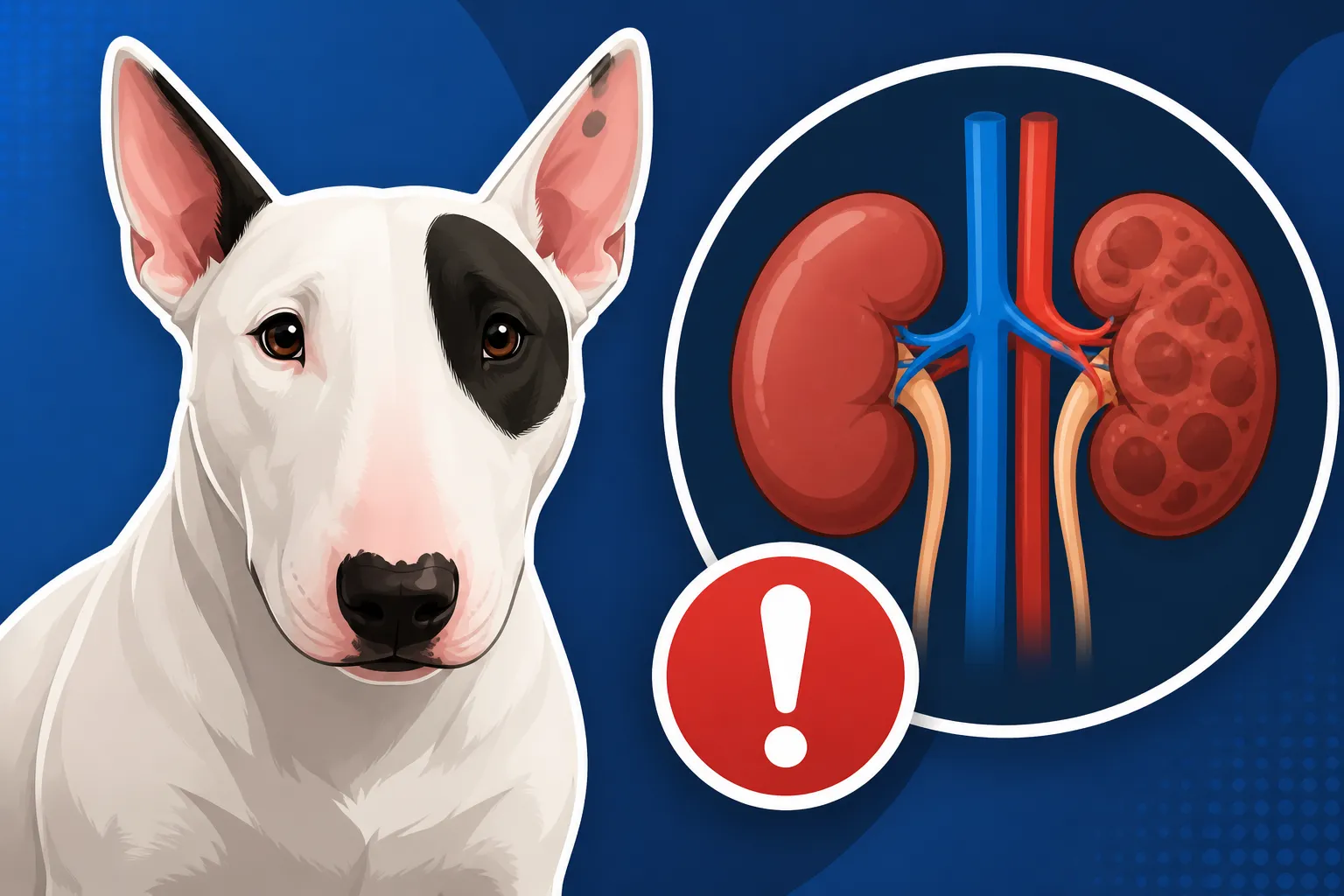
Signs a Bull Terrier’s Kidneys Are Failing
It's incredibly distressing to watch your beloved Bull Terrier change, noticing subtle shifts that hint at something deeper than just getting older. When kidney disease starts to creep in, it often does so quietly, making it incredibly hard for us devoted owners to catch the problem before it's advanced. This comprehensive guide is here to shine a light on the specific signs that a Bull Terrier's kidneys might be failing, helping you recognize these crucial indicators so you can act quickly and give your companion the best chance at a longer, more comfortable life.
Understanding Kidney Disease in Bull Terriers
Kidney disease, particularly conditions like hereditary nephritis, is unfortunately a significant concern for Bull Terrier owners. It's not just a simple infection; it's a progressive, often irreversible deterioration of the kidneys' ability to filter waste from the blood and regulate bodily functions. As a Bull Terrier parent, understanding what this means is the first step in being vigilant.
What Kidney Failure Actually Means for Your Bull Terrier
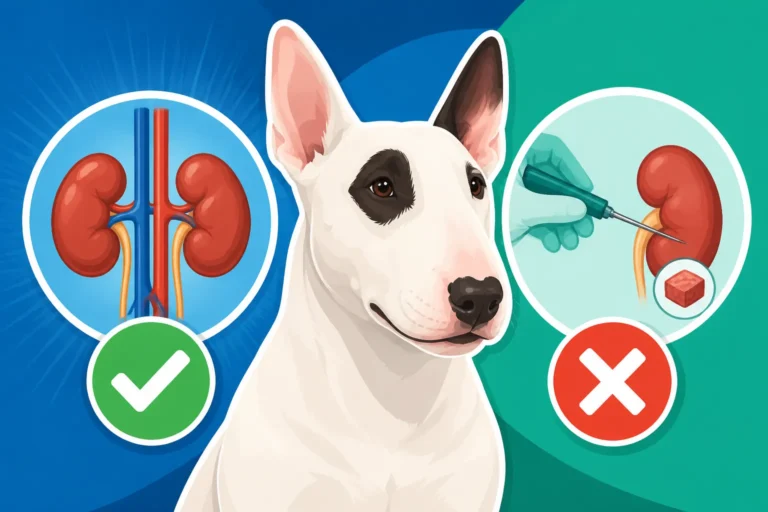
When we talk about kidney failure, we're really talking about a loss of function in these vital organs. Your Bull Terrier's kidneys are powerhouses, responsible for filtering toxins from the blood, maintaining proper fluid balance, regulating blood pressure, and producing hormones essential for red blood cell production. Imagine a highly efficient plumbing system suddenly springing multiple leaks and blockages; that's essentially what happens when the kidneys start to fail. Toxins that should be flushed out begin to accumulate in the bloodstream, leading to a condition called uremia. This buildup of waste products is what ultimately causes many of the noticeable symptoms, making your dog feel increasingly unwell. Early on, the kidneys can compensate for a significant loss of function, sometimes up to 75%, before signs become obvious. This incredible resilience is a double-edged sword, as it means by the time you see clear symptoms, the disease is often well-established.
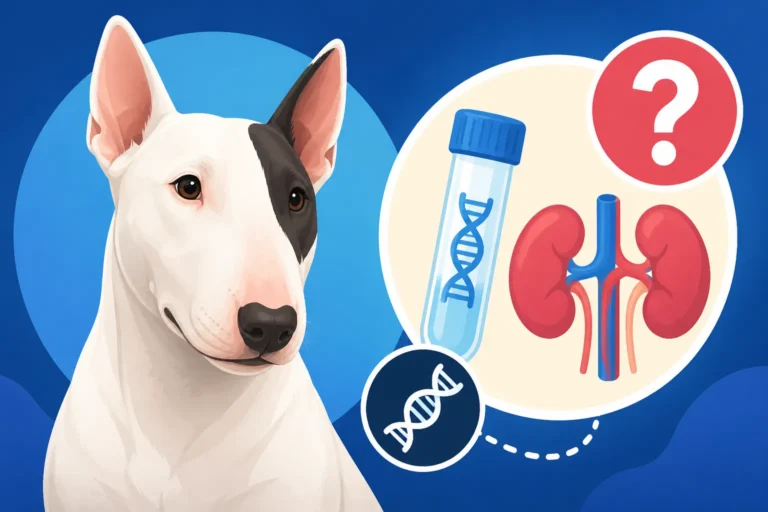
The specific challenge for our breed is that Bull Terriers are predisposed to certain types of kidney disease. One of the most devastating is Hereditary Nephritis Takes Bull Terriers in Their Prime, an inherited condition where the filtering units (glomeruli) within the kidneys are structurally defective. This leads to protein leaking into the urine, which is a hallmark of the disease. Over time, this constant damage escalates, eventually leading to full kidney failure. This genetic predisposition means that even a young Bull Terrier can be affected, not just the seniors, making early screening and awareness paramount for every owner, regardless of their dog's age.
The Silent Nature of Early Kidney Problems
One of the most frustrating and heartbreaking aspects of kidney disease in Bull Terriers is its silent progression. Many owners, myself included, have recounted stories of their dog appearing relatively normal until a sudden, sharp decline. This isn't because we weren't paying attention, but because the kidneys are incredibly efficient at masking their distress. They have a vast reserve capacity, meaning that a significant portion of kidney function can be lost before your dog shows any overt signs of illness. It’s like a car running perfectly on five cylinders; you don't realize one is out until the engine struggles under a heavy load or more cylinders start to fail.
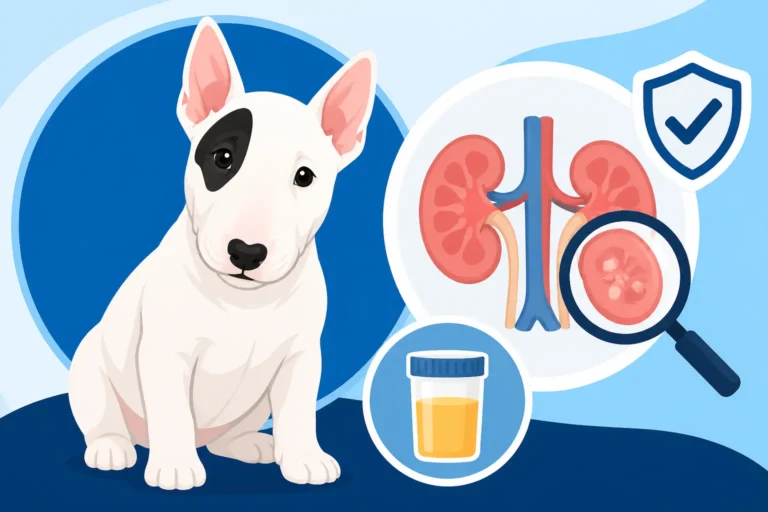
This silent nature is why routine veterinary check-ups and specific screenings are absolutely non-negotiable for Bull Terriers. A The Yearly Urine Test Every Bull Terrier Owner Should Book can be a literal lifesaver, as it can detect changes in urine concentration or the presence of protein long before your Bull Terrier starts acting sick. Detecting protein in the urine, specifically through a Urine Protein-Creatinine (UPC) ratio test, is a crucial early indicator, especially for breeds prone to hereditary nephritis. Without these proactive tests, owners are often left scrambling to understand what’s happening once the disease has progressed to a more advanced, and often less manageable, stage. This emphasizes the need for consistent, preventative care rather than waiting for obvious symptoms to appear.
Early Behavioral and Physiological Red Flags
While early kidney disease is notoriously subtle, there are indeed some crucial signs that, when pieced together, can paint a clearer picture. These are often changes in your Bull Terrier's daily habits that might seem minor on their own but become significant when viewed as part of a larger pattern. Paying close attention to these nuances can give you a vital head start.
Changes in Thirst and Urination Patterns
This is often one of the very first, and most easily overlooked, indicators that something is amiss with your Bull Terrier's kidneys. You might notice your dog seems unusually thirsty, constantly seeking out water bowls, or drinking for longer periods than usual. This increased thirst, medically known as polydipsia, goes hand-in-hand with increased urination, or polyuria. The reason this happens is straightforward but critical: as the kidneys lose their ability to concentrate urine and efficiently filter waste, more water is needed to flush out the accumulating toxins. This results in your Bull Terrier drinking more to compensate for the fluid loss and producing larger volumes of more dilute urine.
You might observe your Bull Terrier asking to go outside more frequently, having accidents indoors despite being house-trained, or producing surprisingly large puddles of urine when they do go. It’s not uncommon for owners to mistakenly attribute these changes to anxiety, age, or even behavioral issues, rather than a medical problem. However, if you find yourself refilling the water bowl multiple times a day when you didn't before, or if your dog's urination schedule becomes erratic and demanding, it's a serious red flag. For Bull Terriers, who are often so robust, any shift in their fundamental bodily functions warrants immediate attention. Remember, signs a Bull Terrier is drinking more than it used to is never just a quirk; it’s a symptom.
Unexplained Weight Loss and Appetite Changes
Another set of early warning signs revolves around your Bull Terrier's eating habits and body condition. If you notice your typically food-motivated Bull Terrier suddenly turning up their nose at mealtime, or simply not finishing their food with their usual gusto, this should raise a concern. This loss of appetite, or anorexia, can be subtle at first, perhaps just a slight pickiness, but it can quickly escalate. Coupled with this, you might observe a gradual, unexplained weight loss. Even if your Bull Terrier is a healthy weight, a consistent downward trend on the scale without any changes to their diet or exercise routine is a significant indicator.
The accumulation of toxins in the bloodstream due to failing kidneys can lead to a general feeling of nausea and malaise, which directly impacts appetite. Your Bull Terrier might feel constantly queasy, making food unappealing. They might also develop a metallic or ammonia-like taste in their mouth, further deterring them from eating. This can create a vicious cycle: reduced food intake leads to weight loss, which further weakens their body and makes them more susceptible to the systemic effects of kidney disease. It's a challenging situation, because as an owner, you want to tempt them to eat, but the underlying nausea can make it a losing battle without medical intervention. Regular weighing at home, coupled with meticulous tracking of their food intake, can help you spot these crucial changes much earlier.
Recognizing More Advanced Symptoms
As kidney disease progresses, the symptoms become more pronounced and less ambiguous. These are the signs that typically prompt an urgent vet visit, and they reflect a more significant compromise of kidney function and a higher accumulation of toxins in your Bull Terrier’s system.
Gastrointestinal Upset and Oral Health Issues
When the kidneys can no longer effectively filter waste, these toxins begin to affect other bodily systems, and the gastrointestinal tract is often one of the first to show severe distress. You might notice your Bull Terrier experiencing frequent vomiting, sometimes accompanied by diarrhea. The vomiting might not be immediately after eating; it could be bile or foamy liquid at various times throughout the day. This is due to the uremic toxins irritating the lining of the stomach and intestines. This persistent gastrointestinal upset can be incredibly debilitating, leading to dehydration and further nutrient loss, exacerbating the weight loss issues.
Beyond digestive troubles, kidney failure often manifests with striking oral health issues. You might detect an unpleasant, strong odor coming from your Bull Terrier’s mouth, often described as an ammonia-like or metallic smell, sometimes referred to as "uremic breath." This is a direct result of the breakdown of urea into ammonia in the saliva. Furthermore, the accumulation of toxins can cause painful ulcers to form on the tongue, gums, and inside of the cheeks. These uremic ulcers are not only incredibly uncomfortable, making eating even more difficult, but they can also be a source of secondary infections. If your Bull Terrier suddenly has extremely bad breath, beyond the typical "dog breath," and especially if accompanied by red, raw patches or sores in their mouth, it's a critical sign that requires immediate veterinary attention.
Lethargy, Weakness, and Changes in Mobility
A dramatic decline in your Bull Terrier's energy levels and overall demeanor is another strong indicator of advanced kidney disease. Your once-playful, energetic companion might become noticeably lethargic, sleeping more than usual and showing little interest in walks, games, or other activities they once loved. They might seem generally subdued, less responsive, and simply "not themselves." This profound tiredness stems from several factors: the buildup of toxins making them feel unwell, dehydration, and often, anemia, which is a common complication of kidney failure because the kidneys produce erythropoietin, a hormone vital for red blood cell production.
As the disease progresses, this lethargy can deepen into generalized weakness. Your Bull Terrier might struggle to climb stairs, jump onto furniture, or even walk for extended periods. Their movements might appear stiff or uncoordinated, and they might seem unsteady on their feet. In severe cases, muscle wasting can become evident, particularly over the hindquarters. This physical decline can be particularly heartbreaking to witness in a breed known for its robust and active nature. If your Bull Terrier, a dog typically full of zest, suddenly seems to have lost their spark and is struggling with basic movements, it's a clear sign that their body is under severe strain, and immediate veterinary assessment is essential. This level of weakness indicates that the systemic effects of the disease are profoundly impacting their quality of life.
Physical Manifestations and Distinctive Signs
While behavioral changes are often the first clues, advanced kidney failure can also lead to a variety of physical manifestations that are more outwardly visible. These signs can be alarming and unequivocally point to a serious underlying health crisis.
Coat Quality, Skin Issues, and Odor
When a Bull Terrier's kidneys are failing, it’s not just internal systems that suffer; the impact often shows on their external appearance too. You might notice a marked deterioration in your dog’s coat quality. Their usually sleek, short coat might become dull, dry, and brittle, losing its natural luster. It can even take on a greasy or unkempt appearance, and you might observe increased shedding, often without new healthy hair growing in to replace it. This is a direct consequence of metabolic imbalances and poor nutrient absorption due to the buildup of toxins. The skin itself can become dry and flaky, or conversely, develop a greasy texture due to impaired glandular function.
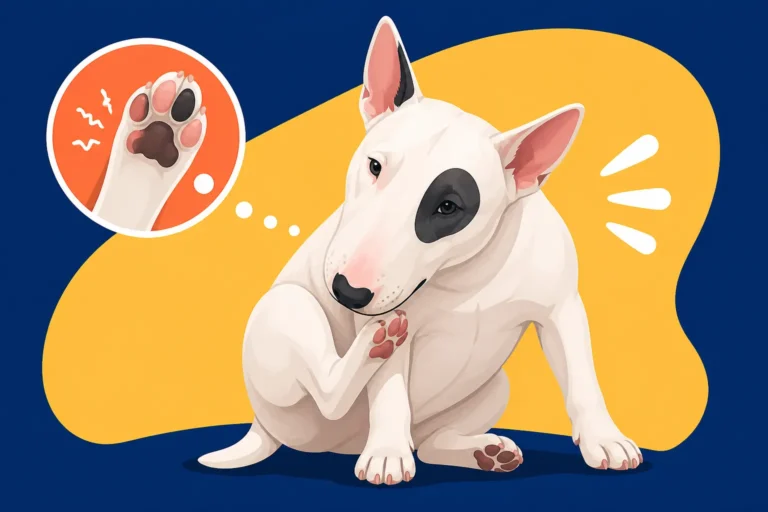
Beyond the visible changes, a pervasive and distinct odor can emanate from your Bull Terrier’s skin, not just their breath. This "uremic odor" is often described as a faint but persistent ammonia-like smell, resulting from the body attempting to excrete waste products through the skin when the kidneys are overwhelmed. You might notice it most when you pet them, or even simply when they are near. This is different from the smell of a dirty dog or a typical skin infection; it's a deeper, more systemic odor that indicates internal distress. Additionally, some Bull Terriers might develop patches of hair loss or areas of skin discoloration, particularly if they are incessantly licking or scratching due to generalized discomfort or dry, irritated skin. These symptoms are a clear signal that the body's largest organ, the skin, is reflecting the internal crisis of kidney failure.
Swelling, Anemia, and Seizure Activity
As kidney disease progresses, more critical and life-threatening symptoms can emerge. Swelling, particularly in the limbs or abdomen, known as edema or ascites, can occur due to the kidneys’ inability to properly regulate fluid balance and protein levels in the blood. If you press a finger into a swollen area and it leaves an indentation (pitting edema), this is a significant concern. This fluid retention can also lead to increased blood pressure, which further damages the kidneys and other organs. For some Bull Terriers with kidney disease that involves significant protein loss through the urine, like in hereditary nephritis, severe edema can be a prominent sign.
Anemia is another very common and serious complication of chronic kidney failure. Healthy kidneys produce erythropoietin, a hormone that stimulates the bone marrow to produce red blood cells. When the kidneys fail, this hormone production diminishes, leading to a reduction in red blood cells. Your Bull Terrier's gums might appear pale or even whitish instead of their usual healthy pink color. They may seem even more lethargic and weak due to the lack of oxygen-carrying red blood cells. In the most severe and advanced stages of kidney failure, the buildup of toxins can become so overwhelming that it affects the central nervous system, leading to neurological symptoms. These can range from disorientation and tremors to full-blown seizures. Witnessing your Bull Terrier experience a seizure is terrifying and is an undeniable emergency, signaling that the body is in profound crisis. Such neurological events often occur when the disease has reached its terminal stages.
Here's a quick overview of potential signs to watch for:
| Symptom Category | Early Signs (Subtle) | Advanced Signs (Prominent) |
|---|---|---|
| Thirst & Urination | Increased drinking, more frequent urination | Accidents, large volume of dilute urine, constant thirst |
| Appetite & Weight | Pickiness, slight decrease in appetite, mild weight loss | Refusal to eat, significant weight loss, muscle wasting |
| GI Issues | Occasional soft stools | Frequent vomiting, diarrhea, gastrointestinal ulcers |
| Oral Health | None or mild bad breath | Ammonia breath, oral ulcers (tongue, gums), dental pain |
| Energy & Mood | Slight decrease in playfulness, more napping | Profound lethargy, weakness, disinterest, depression |
| Physical Appearance | Dull coat | Dry, brittle or greasy coat, skin odor, hair loss, pale gums |
| Other | Swelling (edema), tremors, seizures, disorientation |
Why Early Veterinary Intervention is Crucial
Catching kidney disease early in Bull Terriers isn't just about managing symptoms; it's about slowing progression and preserving quality of life. The irreversible nature of kidney damage means that time is truly of the essence, and proactive care can make a world of difference.
Diagnostic Tools and Regular Screenings
Given the silent nature of early kidney disease, especially conditions like What Hereditary Nephritis Does to a Bull Terrier, regular veterinary screenings are not just a good idea – they are absolutely essential for Bull Terriers. A comprehensive annual wellness exam for your Bull Terrier should always include specific tests to monitor kidney function, starting even in puppyhood for some families. The most critical of these is a full urinalysis, looking at specific gravity (a measure of how concentrated the urine is), pH, and the presence of protein, glucose, or blood. An elevated Urine Protein-Creatinine (UPC) ratio is a particularly powerful early indicator for Bull Terriers, as protein in the urine often precedes other signs of kidney damage. Learning What a UPC Ratio Tells a Bull Terrier Owner can literally be a game changer for early detection.
Beyond urine tests, routine bloodwork provides critical insights. A biochemistry panel will measure kidney values like Blood Urea Nitrogen (BUN) and creatinine. While these are important, it's vital to remember that BUN and creatinine levels typically only rise significantly once about 75% of kidney function is lost, meaning they are indicators of more advanced disease. A newer, more sensitive marker called Symmetric Dimethylarginine (SDMA) can detect kidney disease much earlier, often when only 25-40% of kidney function is compromised. Many veterinarians now recommend yearly SDMA testing for all breeds, but especially for those predisposed to kidney issues like our Bull Terriers. Additionally, monitoring blood pressure is crucial, as high blood pressure is both a cause and a consequence of kidney disease, and can accelerate its progression. How Often a Bull Terrier's Urine Should Be Tested is usually annually, but sometimes more often if there's any suspicion of issues.
Managing Kidney Disease and Improving Quality of Life
Once kidney disease is diagnosed, even in its early stages, the focus shifts to management rather than cure, as kidney damage is typically irreversible. The goal is to slow the progression of the disease, alleviate symptoms, and maintain the best possible quality of life for your Bull Terrier for as long as possible. The cornerstone of kidney disease management is often a prescription renal diet. These diets are carefully formulated with restricted protein, phosphorus, and sodium levels, and often supplemented with omega-3 fatty acids, antioxidants, and B vitamins. The aim is to reduce the workload on the kidneys, minimize the buildup of waste products, and counteract nutritional deficiencies. Implementing Which Diet a Bull Terrier With Kidney Disease Needs requires commitment, but it’s one of the most impactful interventions.
Beyond diet, your veterinarian might prescribe various medications to manage specific symptoms or complications. These can include anti-nausea medications, phosphorus binders to prevent excess phosphorus accumulation, potassium supplements, and medications to control high blood pressure (e.g., ACE inhibitors like benazepril or enalapril, or amlodipine). If anemia is present, synthetic erythropoietin might be considered. Fluid therapy, often administered subcutaneously at home, becomes essential in more advanced cases to combat dehydration and help flush out toxins. Regular monitoring through blood and urine tests is vital to adjust treatments as the disease progresses. While this journey can be challenging and involves a lot of ongoing care, and the costs can add up (knowing What a Bull Terrier's First Kidney Workup Costs is a good start), many Bull Terriers can live comfortably for extended periods with dedicated management. Pet insurance providers like Healthy Paws can often provide invaluable financial support for these ongoing medical expenses, helping you focus on your Bull Terrier's care without the added stress of overwhelming vet bills.
Distinguishing Kidney Issues from Other Health Concerns
It's important to remember that many of the symptoms of kidney failure can mimic other conditions. This is why a thorough veterinary diagnosis is absolutely paramount and self-diagnosis should always be avoided.
Overlapping Symptoms with Other Conditions
The non-specific nature of many early kidney disease symptoms can be incredibly misleading. For example, increased thirst and urination – a classic sign of kidney trouble – can also be indicative of other serious health issues like diabetes mellitus, Cushing's disease, or even certain types of cancer. Similarly, unexplained weight loss and a decrease in appetite aren't unique to kidney disease; they can accompany a wide array of conditions, from dental pain to gastrointestinal parasites, inflammatory bowel disease, or other systemic illnesses. Lethargy and weakness could point to heart disease, hypothyroidism, or simply advanced age. This overlap makes it challenging for owners to pinpoint the problem on their own and underscores why a professional veterinary assessment is indispensable.
Even more advanced signs can have multiple causes. Vomiting and diarrhea, while common in kidney failure, are also prevalent symptoms of acute gastroenteritis, pancreatitis, or even obstructions from a Bull Terrier's tendency to chew and swallow things they shouldn't. The bad breath and oral ulcers could, in some cases, be severe periodontal disease rather than uremia. This diagnostic puzzle means that your vet will likely need to perform a series of tests to rule out other conditions and confirm a diagnosis of kidney disease. It's not about jumping to conclusions, but systematically investigating all possibilities to arrive at an accurate diagnosis and appropriate treatment plan. This is where comprehensive pet insurance like Healthy Paws can be a tremendous asset, as it can help cover the costs of these often extensive diagnostic workups, ensuring you can pursue every avenue to find answers.
When to Seek Immediate Veterinary Attention
While routine screenings are for early detection, there are definitely times when waiting for your annual check-up isn't an option. Certain clusters of symptoms, or the sudden onset of severe signs, warrant an emergency visit to your veterinarian. If your Bull Terrier suddenly stops eating or drinking entirely, is experiencing persistent vomiting or severe diarrhea, or becomes acutely weak and unable to stand, do not delay. These are signs of a critical medical emergency that could indicate rapid progression of kidney disease or another life-threatening condition.
Additionally, any neurological signs like disorientation, tremors, or seizures are urgent. These suggest severe toxic buildup affecting the brain and require immediate medical stabilization. A rapidly developing distended abdomen or significant swelling of the limbs could also signal a serious fluid imbalance that needs prompt attention. While any single change in your Bull Terrier's health is worth noting and discussing with your vet, the combination of several worsening symptoms, especially those impacting their ability to eat, drink, or move, should always prompt an immediate call to your veterinary clinic or a visit to an emergency veterinary hospital. Early detection and aggressive management, even in acute crises, can sometimes buy your Bull Terrier precious time and improve comfort. Having a good relationship with your vet and knowing their emergency procedures is crucial for any Bull Terrier owner. If you have any concerns at all, it's always better to err on the side of caution and get your beloved companion checked out.
Conclusion
Navigating the complexities of kidney disease in your Bull Terrier can feel overwhelming, but armed with knowledge and a proactive approach, you can make a significant difference in their life. Recognizing the subtle, early changes in thirst, urination, appetite, and energy, then connecting them to more advanced signs like gastrointestinal upset, oral issues, and overall weakness, is key. Remember, our Bull Terriers are masters at hiding discomfort, so consistent veterinary check-ups, including crucial urine and blood tests, are their best defense. With diligent care, proper diet, and ongoing medical management, many Bull Terriers can still enjoy a good quality of life for a considerable time after a kidney disease diagnosis. Stay vigilant, stay informed, and always advocate for your incredible companion's health.
Disclaimer
The information provided in this article is for educational purposes only and is not a substitute for professional veterinary advice. Always consult with a qualified veterinarian for any health concerns or before making any decisions related to your Bull Terrier's care.