Whether a Bull Terrier’s Ear Tips Crack in Winter
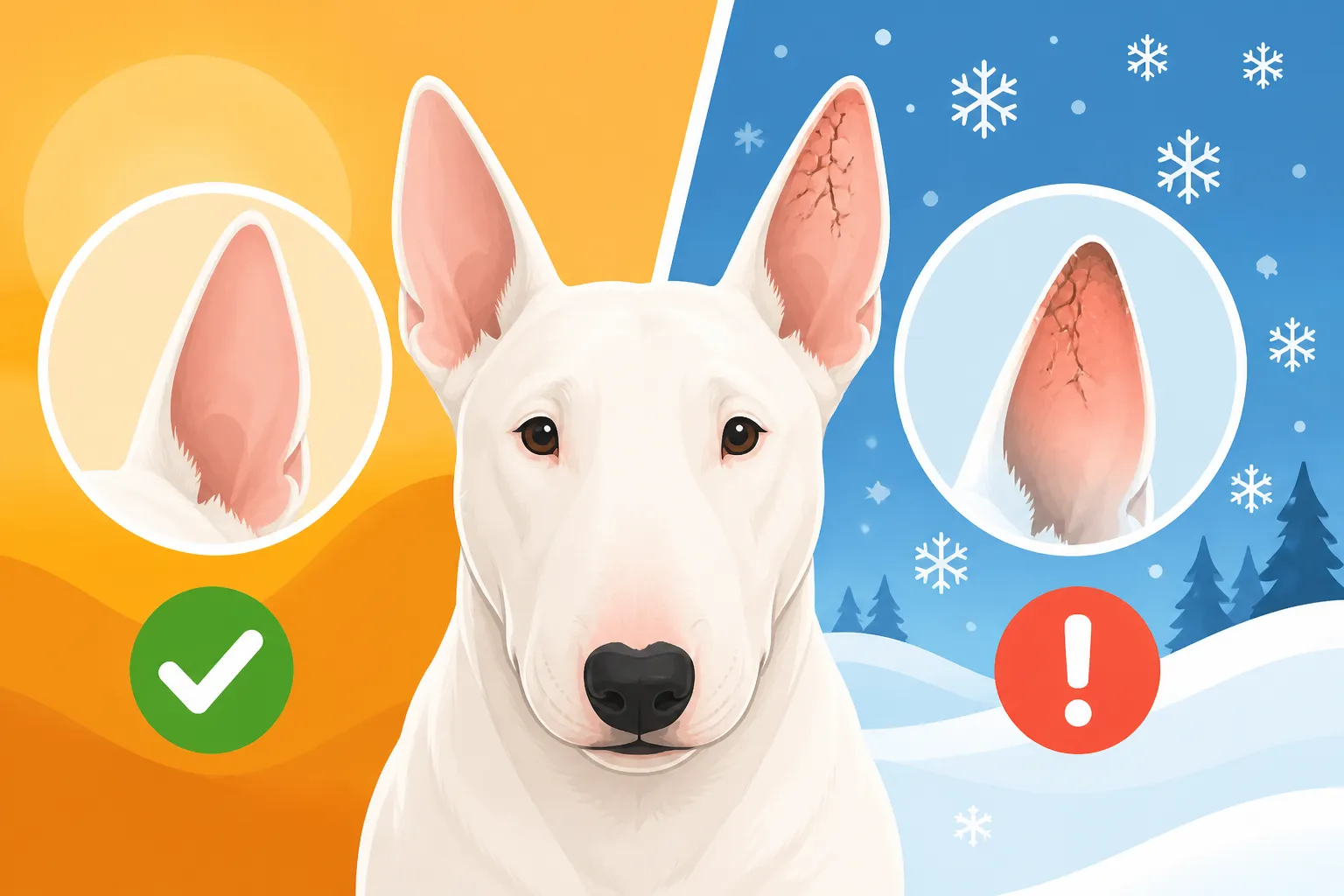
It’s a heartbreaking sight for any Bull Terrier parent: seeing those magnificent, erect ears, so characteristic of our beloved breed, looking dry, flaky, or even worse, cracked and bleeding, especially when winter truly bites. You pour so much love and care into your dog, and to see any part of them suffering, particularly something as prominent and seemingly delicate as their ear tips, can be genuinely frustrating and concerning. You’re not imagining things – winter weather can be tough on those ears, and it’s important to understand why and what we can do about it. This guide will walk you through the specifics of why your Bull Terrier's ear tips might be cracking in the colder months, how to prevent it, and what to do if it happens.
The Anatomy of a Bull Terrier's Ear and Why It's Vulnerable
Bull Terriers are renowned for their distinctive, upright ears. Unlike breeds with drop ears that offer some natural protection, a Bull Terrier's ears stand tall and proud, which, while beautiful, also leaves them more exposed to the elements. Understanding the unique structure and characteristics of these ears can help us grasp why they might be particularly susceptible to cracking during winter.
The Erect, Unprotected Ear
Think about a dog with long, floppy ears, like a Basset Hound or a Cocker Spaniel. Their ears hang down, providing a natural curtain that shields the delicate skin and cartilage from direct exposure to wind, cold, and even harsh sunlight. Now, picture your Bull Terrier's ears: firm, triangular, and standing straight up, almost like little radar dishes. There's no protective flap, no thick layer of insulating fur on the very tips to act as a barrier. This architectural difference means that the skin on the tips of a Bull Terrier's ears is constantly facing the brunt of whatever the weather throws at it.
During winter, this becomes a significant factor. When your Bull Terrier steps outside, those ear tips are immediately hit by cold air, freezing gusts of wind, and sometimes even sleet or snow. While the rest of their body might be covered by a coat or insulated by a thicker layer of fur, the ear tips are often left completely bare. This sustained, direct exposure can rapidly strip moisture from the skin, leaving it vulnerable to dryness and cracking. It's a bit like us going out in winter without a hat or ear muffs – our ears would feel the chill and dryness first.
Thin Skin and Poor Circulation
Beyond the lack of physical protection, the actual composition of the skin on a Bull Terrier's ear tips contributes to their fragility. The skin here is often quite thin and delicate, lacking the robust, thicker dermal layers found on other parts of their body, like their back or flanks. This thinness means there's less natural cushioning and fewer layers to prevent moisture loss or protect against environmental stressors. It's a finely tuned, sensitive area.
Furthermore, extreme cold can have a significant impact on blood circulation to the extremities, including the ear tips. When temperatures drop, the body naturally prioritizes keeping vital organs warm, leading to vasoconstriction – the narrowing of blood vessels – in areas further from the core. While this is a survival mechanism, it means less blood flow, and therefore less warmth and oxygen, reaches the delicate skin of the ear tips. Reduced circulation hinders the skin's ability to repair itself and maintain its natural moisture balance, making it much more prone to becoming dry, brittle, and eventually, cracking. It’s a vicious cycle where cold causes poor circulation, which then exacerbates the effects of the cold on already delicate skin.
Pigmentation and Overall Skin Health
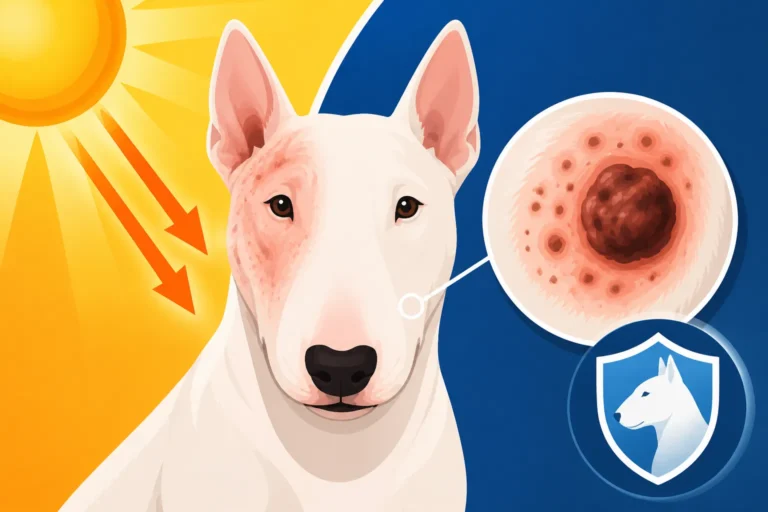
While not exclusively a winter issue, the pigmentation of your Bull Terrier’s skin, especially in white Bull Terriers, can influence its overall resilience to environmental stressors, including winter conditions. White Bull Terriers, in particular, often have very pink, unpigmented skin on their ears and other areas. This lack of melanin means the skin offers less natural protection against UV radiation in summer, but it can also indicate a generally more sensitive skin type that is quicker to react to harsh environmental changes, like the cold and wind of winter. Why a White Bull Terrier Sunburns dives deeper into the specific vulnerabilities of unpigmented skin.
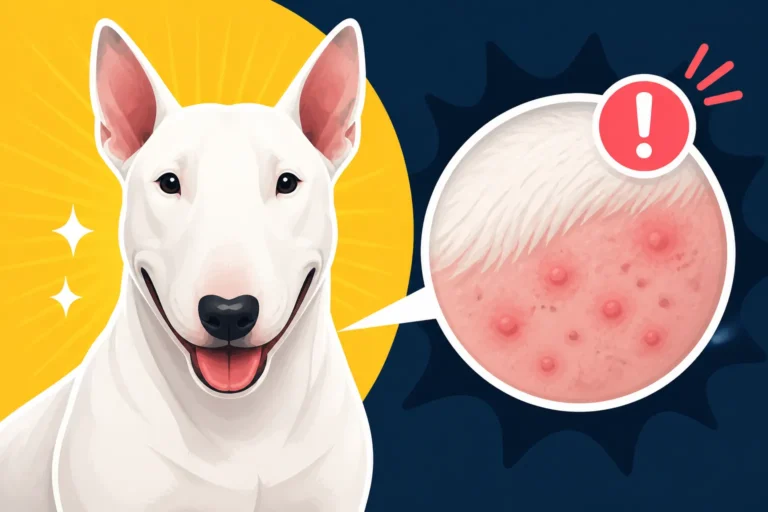
Any Bull Terrier, regardless of coat color, can have sensitive skin, and the ear tips are a prime example of where this sensitivity shows. If your Bull Terrier already experiences other skin issues, their ear tips might be even more predisposed to cracking. Factors like underlying allergies or a compromised skin barrier can weaken the skin's natural defenses, making it less able to withstand the drying and irritating effects of cold, dry, and windy winter weather. A Bull Terrier's Skin Is Its Weakest Point is a good read if you're concerned about general skin health.
Common Causes of Ear Tip Cracking in Winter
When the cold weather hits, our Bull Terriers can face a barrage of environmental challenges that directly impact their delicate ear tips. It’s not just one factor, but often a combination, that leads to those uncomfortable cracks.
Dry Air and Low Humidity
One of the biggest culprits behind cracked skin in winter, not just for dogs but for humans too, is the pervasive dry air. In winter, the outdoor air naturally holds less moisture, and when we crank up our indoor heating, it further strips humidity from the air inside our homes. This creates an environment where moisture is constantly being wicked away from anything exposed, including your Bull Terrier's skin.
The thin, delicate skin on their ear tips is particularly susceptible to this dehydration. When the skin loses its natural oils and moisture, it becomes stiff, inelastic, and brittle. Imagine a dry sponge – it’s much more likely to crumble and break than a damp one. The same principle applies to skin. As the skin on the ear tips dries out, it loses its suppleness, making it prone to developing tiny fissures and cracks, especially with movement or minor irritation. These small cracks can be painful and, if left unaddressed, can deepen and become more problematic.
Windburn and Frostbite Risk
Winter winds are not just chilly; they can be incredibly abrasive. When strong, cold winds whip around your Bull Terrier's exposed ear tips, it's essentially a constant assault that can lead to windburn. Windburn is characterized by redness, tenderness, and further drying of the skin, much like chapped lips in humans. The combination of low temperatures and high winds accelerates moisture loss from the skin, leaving it raw and irritated.
In more extreme cases, or during prolonged exposure to very cold temperatures, there’s also the risk of frostbite. While serious frostbite is less common for many well-cared-for indoor dogs, mild frostbite can affect extremities like ear tips. Initial signs might include the ear tips looking pale or waxy, feeling unusually cold or numb to the touch. As the tissue thaws, it can become red, swollen, painful, and blistered. Frostbitten skin is severely damaged and will be highly prone to cracking, peeling, and potential long-term issues. It's crucial to minimize your Bull Terrier's time outdoors in truly frigid, windy conditions, and certainly to avoid leaving them out unattended when the weather is severe.
Trauma and Secondary Infections
Once the ear tips become dry, irritated, or start to crack, a new set of problems can emerge, largely driven by your Bull Terrier's natural reactions. Dry, chapped skin is inherently itchy and uncomfortable. Your dog might try to relieve this irritation by excessively scratching their ears with their hind paws, or by shaking their head vigorously. While these actions provide temporary relief, they can inadvertently worsen the problem.
The force of scratching or head shaking can cause existing tiny cracks to widen and deepen, or create new ones. This self-inflicted trauma breaks the skin barrier, making it an open invitation for bacteria or yeast to enter. A minor crack can quickly become a full-blown secondary infection, characterized by redness, swelling, warmth, pain, and potentially a foul odor or discharge. Infections not only increase the dog’s discomfort but also complicate treatment, often requiring veterinary intervention with antibiotics or antifungal medications. Therefore, addressing dryness promptly is key to preventing this escalation.
Preventing and Treating Cracked Ear Tips
The good news is that with a bit of proactive care and attention, you can significantly reduce the risk of your Bull Terrier's ear tips cracking in winter, and effectively treat them if they do. It’s all about creating a protective barrier and providing ample moisture.
Protective Measures for Winter Walks
When the weather outside is frightful, those exposed ear tips need a little extra help. For short, brisk walks, simply monitoring the weather and limiting exposure time is a good first step. On particularly cold, windy, or snowy days, consider investing in some dog-specific winter gear. While many might picture sweaters and booties, there are also options designed to protect ears.
Dog snoods or ear coverings, often made of soft, stretchy fleece or similar materials, can be incredibly effective. These slip over your Bull Terrier's head and cover their ears, shielding them from the harsh wind and cold. You can find these at pet supply stores or online retailers like Chewy or Amazon. Make sure to choose one that fits snugly enough to stay on, but isn't so tight that it causes discomfort or restricts circulation. Test it out indoors first to ensure your Bull Terrier tolerates it before heading out on a chilly adventure. For very sensitive dogs, even a light layer of petroleum jelly or a specialized paw balm (which can also be used on ear tips) applied before a walk can provide a bit of a moisture barrier against the elements. Whether a Bull Terrier Needs a Coat in Winter discusses other protective measures for the whole body.
Moisturizing and Hydration Strategies
Just like our hands get chapped in winter, your Bull Terrier's ear tips need regular moisturizing. The key is to use products that are safe for dogs. Avoid human lotions, as they can contain ingredients that are toxic if ingested when your dog licks them, or irritants that aren't formulated for canine skin. Look for dog-specific balms, waxes, or moisturizers that are designed for paws, noses, or general dry skin. Brands that focus on natural ingredients, like shea butter, coconut oil, or beeswax, are often good choices.
Apply a small amount of the balm gently to the ear tips once or twice a day, especially after outdoor excursions. Focus on the very edges where cracks are most likely to appear. Consistency is more important than quantity. Beyond topical treatments, addressing the overall dryness in your home environment can make a big difference. Running a humidifier, especially in the rooms where your Bull Terrier spends most of their time or sleeps, can add much-needed moisture back into the air, benefiting not only their ears but their entire skin and respiratory system. Finally, always ensure your Bull Terrier has constant access to fresh, clean water. Good internal hydration is foundational to healthy skin.
When to Seek Veterinary Attention
While routine dryness and minor cracking can often be managed at home, there are definite signs that indicate it's time to call your veterinarian. Don't hesitate if you observe any of the following:
- Persistent Bleeding: If the cracks are deep and bleed regularly, or if the bleeding doesn't stop quickly with gentle pressure, it suggests a more severe issue than simple dryness.
- Deep Fissures: Large, deep cracks or open sores are painful and highly susceptible to infection, requiring professional cleaning and possibly medication.
- Signs of Infection: Look for redness that spreads beyond the immediate crack, significant swelling, warmth to the touch, pus, a foul odor, or if your Bull Terrier is excessively scratching, shaking their head, or yelping when the ear is touched. These are all indicators of a secondary bacterial or yeast infection.
- Obvious Pain or Lethargy: If your Bull Terrier is showing signs of intense pain, is reluctant to be touched, or seems generally unwell or lethargic, it could be related to severe ear discomfort or an spreading infection.
Your vet can accurately diagnose the cause, rule out other conditions (like ear mites, which can also cause irritation), and prescribe appropriate medications, such as topical antibiotics, anti-inflammatories, or oral medications if an infection has taken hold. Early intervention can prevent minor issues from escalating into much more serious and uncomfortable problems for your beloved Bull Terrier. Remember, a The Weekly Skin Check Every Bull Terrier Needs is vital for early detection.
General Ear Health Beyond Winter
While winter certainly brings its own unique challenges for your Bull Terrier's ears, maintaining good ear health is a year-round commitment. Addressing overall skin wellness and understanding other potential ear issues can keep those distinctive ears in top condition, regardless of the season.
Regular Ear Checks and Cleaning
Making routine ear checks a regular part of your grooming schedule is paramount. Don't just wait for winter to scrutinize those ear tips! Aim for a weekly inspection of the entire ear, both inside and out. Gently lift the ear flap and look into the ear canal (without inserting anything, of course). You're looking for signs of redness, swelling, unusual discharge, or a strong, yeasty odor, which could indicate an ear infection. Pay close attention to the delicate skin on the ear tips for any dryness, flaking, scabs, or new cracks, even during warmer months. Early detection of any issue makes treatment much simpler and more effective.
For routine cleaning, you should only clean the outer parts of the ear and the visible portions of the ear canal. Use a veterinarian-approved ear cleaner and a soft cotton ball or gauze. Avoid cotton swabs, as they can push debris further into the ear canal or even damage the eardrum. If you notice excessive wax, debris, or any signs of discomfort or infection, it's always best to consult your vet. They can properly assess the situation and recommend the best course of action. For more on this, check out How Often a Bull Terrier's Ears Need Checking.
Nutritional Support for Skin Health
Believe it or not, what goes into your Bull Terrier’s food bowl can have a profound impact on the health and resilience of their skin, including those sensitive ear tips. A diet rich in essential fatty acids, particularly Omega-3 and Omega-6, is crucial for maintaining a healthy skin barrier. These fatty acids help to keep the skin supple, hydrated, and reduce inflammation, making it less prone to dryness and cracking.
Many high-quality dog foods, like those from brands such as Ollie, incorporate these beneficial fats. You can also supplement your Bull Terrier's diet with fish oil (salmon oil, cod liver oil), flaxseed oil, or other Omega-rich supplements, often available through retailers like Chewy or Amazon. Always discuss any dietary changes or supplements with your vet to ensure they are appropriate for your dog's specific needs and health status. A healthy skin barrier, supported by good nutrition, acts as a stronger defense against environmental stressors like the dry, cold air of winter. This can also help reduce the impact of other skin sensitivities. Read more about this in Whether a Bull Terrier's Skin Improves With Diet.
Recognizing Other Ear Conditions
It's important to differentiate simple winter dryness from other ear conditions that can present with similar symptoms of irritation and discomfort. While cracked ear tips are often directly related to environmental factors, there are other issues that can cause your Bull Terrier to scratch at their ears or have red, inflamed skin.
Allergies are a common culprit for skin irritation in Bull Terriers, manifesting as itchy, red, or inflamed skin, which can certainly extend to the ears. This might be due to environmental allergens (like pollen or dust mites) or food sensitivities. Ear infections, both bacterial and yeast, are also frequent. These typically cause redness, odor, discharge, and intense itching within the ear canal, but the inflammation can sometimes spread to the outer ear and tips. Parasites, such as ear mites, can cause severe itching and dark, crumbly discharge. How Often a Bull Terrier Gets Ear Mites details how to spot and treat these tiny pests. If you're unsure whether your Bull Terrier's ear discomfort is just dryness or something more, always err on the side of caution and consult your vet. A proper diagnosis ensures your beloved companion gets the right treatment for their specific issue.
Here’s a quick overview of common ear issues and how to approach them:
| Condition | Primary Symptoms | Common Causes | Management/Treatment | When to See a Vet |
|---|---|---|---|---|
| Dry/Cracked Ear Tips | Flaky, red, sensitive skin, visible cracks, minor bleeding | Cold, dry air, windburn, low humidity | Dog-safe balms/moisturizers, snoods, humidifiers | Deep cracks, persistent bleeding, signs of infection |
| Ear Infection (Bacterial/Yeast) | Redness, swelling, foul odor, discharge, intense itching inside ear | Moisture, allergies, foreign bodies, wax buildup | Vet-prescribed ear drops (antibiotic/antifungal), cleaning | Always, as proper diagnosis and medication are crucial to clear infection |
| Allergies (Environmental/Food) | Generalized itching, redness, inflammation, can affect ears | Pollen, dust mites, specific food ingredients | Antihistamines, allergy shots, dietary changes, medicated shampoos | If itching is severe, chronic, or unresponsive to over-the-counter remedies |
| Ear Mites | Intense itching, head shaking, dark, crumbly discharge (like coffee grounds) | Contagious parasites, especially in puppies | Vet-prescribed ear drops | Always, as mites require specific parasiticides for eradication |
| Frostbite | Pale, waxy skin (initially), redness, swelling, blistering, pain upon thawing | Prolonged exposure to extreme cold and wind | Gradual warming, pain relief, wound care (vet supervised) | Immediately, especially if skin is discolored, swollen, or blistering |
Disclaimer
This article is for general informational purposes only and does not constitute professional advice. Laws, prices and regulations vary by location and change over time. Consult a qualified professional for guidance on your specific situation.