Whether a Bull Terrier Needs Its Teeth Brushed
One of the most common questions I hear from fellow Bull Terrier owners, right after "How do you manage their energy?" and "Is that a pig?", is almost always about their teeth. You look at that magnificent, powerful jaw and those impressive chompers, and you might think, "Surely a dog like this just chews bones and keeps their teeth clean, right?" The truth is, ignoring your Bull Terrier's oral hygiene can lead to significant pain, expense, and serious health problems down the line. This guide will walk you through why dental care is crucial for your beloved Bull Terrier, how to approach it effectively, and what options are available to keep those unique teeth healthy for a lifetime.
The Harsh Reality of Canine Dental Health
It’s easy to overlook dental care in our dogs. After all, they don't complain about cavities or toothaches in the same way we do, and their breath can always be a bit, well, "doggy." But beneath the surface, a silent battle is often raging in their mouths, and for a breed like the Bull Terrier with its particular jaw structure and propensity for certain health issues, dental neglect can be particularly detrimental.
Why Our Dogs Need Dental Care
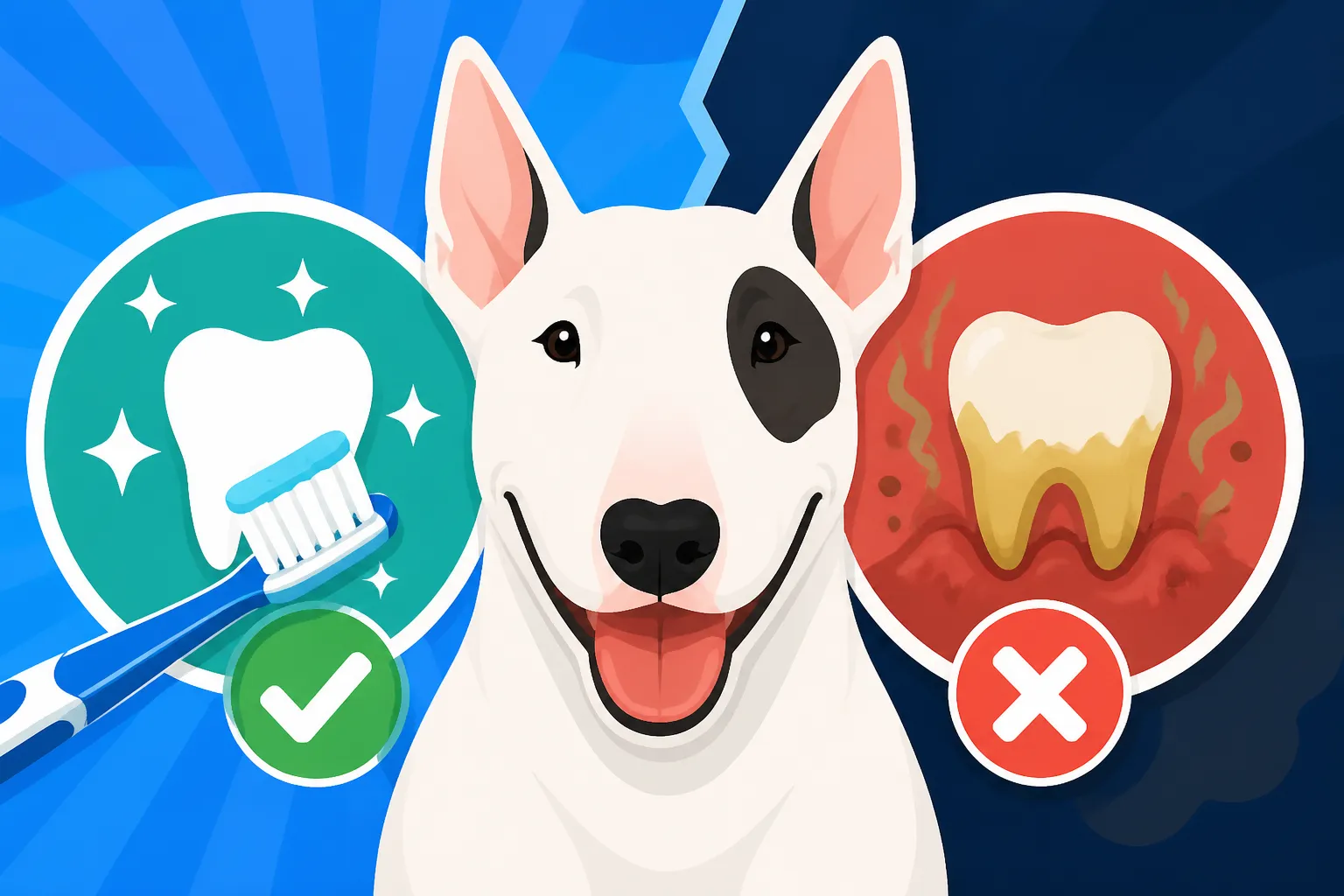
Just like us, dogs accumulate plaque and tartar on their teeth. Plaque is a sticky film of bacteria, food particles, and saliva that constantly forms on teeth. If it's not removed regularly, it hardens into tartar (or calculus), which is a rough, porous deposit that firmly adheres to the tooth surface, often visible as a yellowish-brown crust. This tartar acts as a rough surface for more plaque to stick to, creating a vicious cycle. What many people don't realize is that this isn't just a cosmetic issue or a cause of bad breath; it's a gateway to serious systemic health problems.
The bacteria thriving in plaque and tartar can inflame the gums, leading to gingivitis—a reversible form of gum disease. If left untreated, gingivitis progresses to periodontal disease, where the inflammation spreads beneath the gum line, affecting the supporting structures of the teeth. This irreversible condition can destroy the bone and ligaments that hold teeth in place, leading to pain, infection, and ultimately, tooth loss. Imagine living with that kind of constant discomfort. It's not something we'd wish on our worst enemy, let alone our loyal Bull Terriers.
The Silent Threat of Periodontal Disease
Periodontal disease is insidious because its early stages are often painless and therefore go unnoticed by owners. By the time you see visible signs like red, bleeding gums, excessive drooling, difficulty eating, or truly foul breath, the disease is usually quite advanced. But the problems don't stop in the mouth. The bacteria from severe periodontal disease can enter the bloodstream and travel to major organs, including the heart, kidneys, and liver, causing infections and potentially leading to life-threatening conditions. This is a crucial point that veterinarians emphasize: oral health is intrinsically linked to overall systemic health.
For Bull Terriers, who can be prone to conditions like Hereditary Nephritis Takes Bull Terriers in Their Prime or The Heart Murmur a Bull Terrier Puppy Should Be Checked For, adding the stress of chronic infection from dental disease is a risk no owner should take. It's a contributing factor that can complicate existing health issues or even trigger new ones. Recognizing this silent threat is the first step toward proactive care.
Understanding Your Bull Terrier's Unique Jaw and Teeth
Bull Terriers are known for their distinct appearance, and nowhere is this more evident than in their head and jaw structure. This unique anatomy, while striking, can sometimes present particular considerations when it comes to their dental health.
The Power of That "Egg-Shaped Head" Jaw
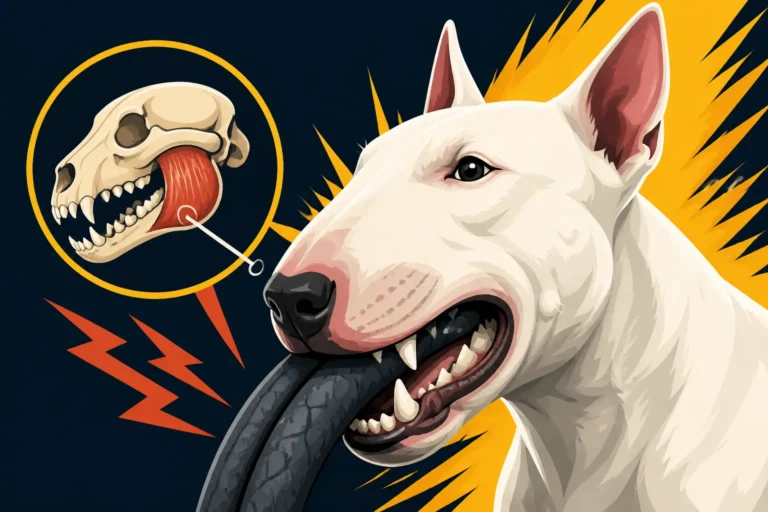
The Bull Terrier's "egg-shaped head," often described as having a "Roman finish," gives them an incredibly strong and deep jaw. This powerful bite, a remnant of their fighting dog ancestors, means they can exert immense pressure with their teeth. While impressive, this strength also means they are perfectly capable of destroying objects that other dogs might merely gnaw on, which can sometimes lead to broken teeth if they chew on inappropriate items like antlers, real bones, or rocks. Which Chews Are Safe for a Bull Terrier is a good question to explore if you want to protect those powerful teeth.
Their teeth are typically strong and well-aligned in a scissor bite, where the outer surface of the lower incisors just touches the inner surface of the upper incisors. However, the shape of their muzzle and the strong closing action of their jaw can create tight spaces, particularly between molars. These tight spaces can be prime locations for food particles to get trapped and for plaque and tartar to accumulate, making them harder to reach with brushing. It's not just about the strength of their bite, but also the intricacies of their tooth placement within that unique head.
Common Dental Issues Specific to Bull Terriers
While Bull Terriers can suffer from all the general canine dental problems, some issues might be more prevalent or require special attention due to their breed characteristics. Beyond periodontal disease, issues like fractured teeth from over-enthusiastic chewing are a real concern. A chipped or broken tooth exposes the sensitive pulp, leading to intense pain and a high risk of infection.
Another consideration, though not strictly dental, is how their full-bodied play style can impact their mouth. They are known for being boisterous, sometimes Living With a Bull Terrier That Body Slams You for Fun, and in their rough-and-tumble interactions with other dogs or even toys, accidental mouth injuries can occur. Regular oral examinations, both at home and by your vet during their annual check-up, are essential to catch these issues early. Remember, they can be stoic animals, often How a Bull Terrier Hides Pain, so outward signs of dental discomfort might be subtle until a problem is quite advanced.
The Argument For and Against Brushing Your Bull Terrier's Teeth
When it comes to brushing your dog's teeth, there's a spectrum of opinions and experiences among Bull Terrier owners. Some swear by daily brushing, while others find it an impossible task. Let's look at why it's so highly recommended and what challenges owners face.
The Benefits of Regular Brushing
Veterinary dental specialists consistently advocate for daily tooth brushing as the "gold standard" of canine oral hygiene. Why? Because it's the most effective way to mechanically remove plaque before it hardens into tartar. Think of it like brushing your own teeth; no amount of mouthwash or chewing on crunchy foods replaces the physical removal of plaque with a brush. Regular brushing significantly reduces the risk of gingivitis and periodontal disease, preserving your Bull Terrier's teeth and gums.
Beyond the preventative health benefits, there are other advantages. A consistent brushing routine can improve your Bull Terrier's breath dramatically, making those close-up snuggles much more pleasant. It also allows you to regularly inspect their mouth for any abnormalities—broken teeth, swollen gums, unusual growths, or anything else that might warrant a trip to the vet. Early detection of oral issues can save your Bull Terrier from pain and you from significant veterinary bills down the line. It truly is the most proactive step you can take for their dental well-being.
Why Some Owners Struggle (and Alternatives)
Let's be real: convincing a grown Bull Terrier, especially one who views the world as their personal playground, to sit still for a tooth brushing session isn't always easy. Their stubborn streak, famously described as being like "a three-year-old in a dog suit," means that if they don't see the point, they might not cooperate. Many owners struggle with a Bull Terrier who resists having their mouth handled, making daily brushing feel like an impossible battle. This can be especially true if they weren't introduced to it positively as puppies.
Some Bull Terriers are simply not keen on having a foreign object in their mouth unless it's a chew toy. If brushing becomes a highly stressful event for both you and your dog, it defeats the purpose. The goal is to reduce stress, not add to it. For these reasons, many owners seek out alternatives or supplementary methods. While these alternatives are generally not as effective as brushing, they can play a vital role when brushing isn't feasible or as an added layer of protection. It's about finding a routine that works for your individual dog and household, rather than giving up entirely.
| Dental Care Method | Effectiveness for Plaque Removal | Primary Benefits | Potential Drawbacks |
|---|---|---|---|
| Daily Tooth Brushing | High | Most effective at plaque/tartar prevention, owner inspection | Can be challenging, requires consistency & training |
| Veterinary Dental Cleaning | Very High | Removes all tartar, addresses existing issues, X-rays | Requires anesthesia, costly, not a preventative for daily care |
| Dental Chews/Treats | Moderate | Helps scrape teeth, enjoyable for dog | Not all effective, high calorie, some risk of breakage (for toys) |
| Water Additives/Rinses | Low to Moderate | Easy to administer, freshens breath | Less effective than mechanical removal, not all dogs like taste |
| Prescription Dental Diets | Moderate | Kibble designed to scrub teeth as chewed | Can be costly, only one part of diet, not all dogs tolerate |
How to Approach Brushing Your Bull Terrier's Teeth
So, you're convinced that brushing is the way to go. Fantastic! Now, how do you actually do it without turning it into a wrestling match worthy of its own pay-per-view event? The key is patience, positive reinforcement, and starting slow.
Getting Started: Tools and Techniques
First, let's talk tools. You'll need a dog-specific toothbrush and toothpaste. Never, ever use human toothpaste, as it contains ingredients like xylitol that are toxic to dogs. Dog toothpastes come in appealing flavors like poultry, beef, or peanut butter, which can help make the experience more palatable for your Bull Terrier. Toothbrushes designed for dogs often have softer bristles, angled heads, or even finger brushes that slip over your finger for easier maneuverability. Brands like Virbac and Petrodex offer a good range of options. You can often find these readily available through online retailers like Amazon or pet supply stores like Chewy.
Start by simply letting your Bull Terrier sniff and lick the toothpaste off your finger. Once they're comfortable with that, introduce the finger brush or a small dog toothbrush, letting them lick the paste off the brush. Gradually, begin to gently rub the brush over their canine teeth (the big pointy ones) and then the outside surfaces of their back molars. Focus on the outer surfaces, as this is where plaque tends to accumulate most heavily. You don't need to worry too much about the inside surfaces, as their tongue usually keeps those relatively clean. Keep sessions very short initially—just 10-20 seconds—and always follow with praise and a favorite reward. Build up the duration and coverage slowly over days or weeks.
Making it a Positive Experience for Your Bull Terrier
The secret to success with a Bull Terrier lies in making dental care a positive experience. This breed responds incredibly well to positive reinforcement and a sense of "game." Avoid force, as this will only create a negative association and make future attempts more difficult. If your Bull Terrier pulls away or tries to mouth the brush, stop, reset, and try again when they are calm. Use a calm, reassuring voice throughout the process.
Consider brushing when your Bull Terrier is already relaxed, perhaps after a good walk or a play session. Incorporate it into a routine, so they begin to anticipate it. A small, high-value treat immediately after brushing can work wonders. If they tolerate it, you can even use a small amount of toothpaste as the reward itself. The goal is for your Bull Terrier to associate brushing with good things, making them more cooperative. Consistency is more important than perfection in the beginning; even a few seconds of gentle brushing each day is better than nothing at all. Remember, A Bull Terrier Trains When It Sees the Point, and if the "point" involves tasty toothpaste and treats, they'll be far more receptive.
Beyond the Toothbrush: Other Dental Care Strategies
While brushing is king, it's not the only tool in your dental care arsenal. For Bull Terriers, who are often enthusiastic chewers, harnessing that natural instinct can be a smart way to support oral health.
Dental Chews and Appropriate Toys
Many products on the market claim to clean teeth, but it’s essential to choose wisely. Look for dental chews and treats that have been approved by the Veterinary Oral Health Council (VOHC). These products have been scientifically tested to prove they reduce plaque and/or tartar. Brands like Greenies, Dentastix, and Purina DentaLife are popular examples often found at stores like Chewy or Amazon. However, remember these are treats and can be high in calories, so factor them into your Bull Terrier's daily food intake to avoid them becoming Signs a Bull Terrier Is Overweight.
When it comes to toys, choose durable options that encourage chewing but aren't so hard they risk breaking your Bull Terrier's teeth. Avoid natural antlers, real bones, or extremely hard nylon toys, as these can easily cause fractures in a Bull Terrier's powerful jaw. Look for rubber chew toys from brands like Kong or Nylabone that are designed for aggressive chewers. These can help scrape plaque off teeth as your dog chews, providing both mental stimulation and a little dental benefit. A good chew session can also be a calming activity for a Bull Terrier, especially if they are prone to issues like Tail Chasing in a Bull Terrier Is a Medical Problem or generally need a job to do.
Professional Dental Cleanings and Vet Care
No matter how diligent you are with home care, most Bull Terriers will eventually need a professional dental cleaning under anesthesia. This is because once plaque hardens into tartar, it cannot be brushed away; it requires scaling with specialized veterinary tools. During a professional cleaning, your vet will thoroughly examine your Bull Terrier's mouth, scale away tartar above and below the gum line, polish the teeth to smooth out any rough surfaces that could attract plaque, and often take dental X-rays to check for problems below the gum line that aren't visible to the naked eye. This could include abscesses, bone loss, or unerupted teeth.
Your veterinarian will advise you on how often your Bull Terrier might need these cleanings, which can vary based on genetics, diet, and your home care routine. Some dogs need them yearly, while others might go longer. These cleanings are vital for addressing existing problems and getting a "reset" on their oral health. While the thought of anesthesia can be daunting, modern veterinary practices use advanced monitoring equipment and protocols to make the procedure as safe as possible. Discuss any concerns you have with your vet, especially if your Bull Terrier has other health conditions. Remember, What a Bull Terrier's Dental Costs can be significant, but it's an investment in their long-term health and comfort.
Integrating Dental Care into Your Bull Terrier's Overall Health Routine
Thinking about dental care as a standalone task is a mistake. It's truly an integral piece of your Bull Terrier's overall health puzzle, affecting everything from their quality of life to their longevity.
The Link Between Dental Health and General Well-being
We've touched on how oral bacteria can affect vital organs, but good dental health also directly impacts a Bull Terrier's comfort and ability to enjoy life. Imagine trying to eat your favorite meal with a throbbing toothache, or the constant irritation of inflamed gums. Dogs experience this too. Untreated dental disease can lead to chronic pain, difficulty eating, weight loss, and a general decline in their playful, exuberant spirit. A Bull Terrier thrives on interaction and activity, and discomfort in their mouth can severely dampen their enthusiasm for life.
Regular oral care, including home brushing and professional cleanings, contributes significantly to their overall well-being. It helps prevent pain, maintains their ability to chew and enjoy their food, and reduces the risk of secondary infections throughout their body. This preventative approach aligns with the comprehensive care we strive for, especially as our Bull Terriers age. Caring for a Bull Terrier Past Eight often involves increased vigilance regarding dental health, as older dogs tend to accumulate more tartar and are at higher risk for advanced periodontal disease.
Long-Term Dental Health Planning
Establishing a long-term dental health plan for your Bull Terrier from puppyhood is the most effective strategy. This includes:
- Early Introduction to Brushing: Start handling your Bull Terrier puppy's mouth and introducing the toothbrush and paste early, even if you're just doing a quick swipe. This builds a positive association.
- Annual Veterinary Check-ups with Oral Exam: Your vet will assess their dental health during yearly wellness visits and recommend professional cleanings when necessary. These regular check-ups are also crucial for other health screens, like The Yearly Urine Test Every Bull Terrier Owner Should Book.
- Appropriate Diet and Chews: Feed a high-quality diet and provide VOHC-approved dental chews or appropriate chew toys. Consider whether your Bull Terrier might benefit from a prescription dental diet, which has specially designed kibble to help reduce plaque.
- Awareness and Observation: Regularly check your Bull Terrier's mouth yourself. Look for red gums, broken teeth, excessive tartar, or any unusual smells. Your weekly skin check, for example, is also a great time to quickly peek at their teeth.
- Budgeting for Dental Care: Professional cleanings can be a significant expense. Factoring this into your pet care budget or considering pet insurance that covers dental illness is a smart financial move. What a Bull Terrier Costs Over Its Lifetime includes these often-overlooked costs.
By taking a holistic and proactive approach to your Bull Terrier's dental health, you're not just ensuring sparkling teeth; you're safeguarding their general health, comfort, and happiness for all the clownish, lovable years you have together.
Disclaimer
This article is for general informational purposes only and does not constitute professional advice. Laws, prices and regulations vary by location and change over time. Consult a qualified professional for guidance on your specific situation.