Whether an Aging Bull Terrier Loses Muscle
It’s a heart-wrenching moment for any Bull Terrier owner when you notice your once boisterous, powerful companion slowing down, perhaps struggling a bit more to jump onto the sofa, or seeing a subtle shift in their muscular frame. You might find yourself wondering, "Is this just old age, or is something else happening?" This guide dives deep into age-related muscle loss in Bull Terriers, helping you understand what to look for and how to support your beloved senior.
Understanding Muscle Loss in Aging Bull Terriers
Just like us, our canine companions experience changes as they age, and one of the most common, yet often overlooked, issues is muscle loss. It’s not just about getting a little softer around the edges; it's a physiological process that can significantly impact their comfort and mobility.
What is Sarcopenia and Why Does It Happen?
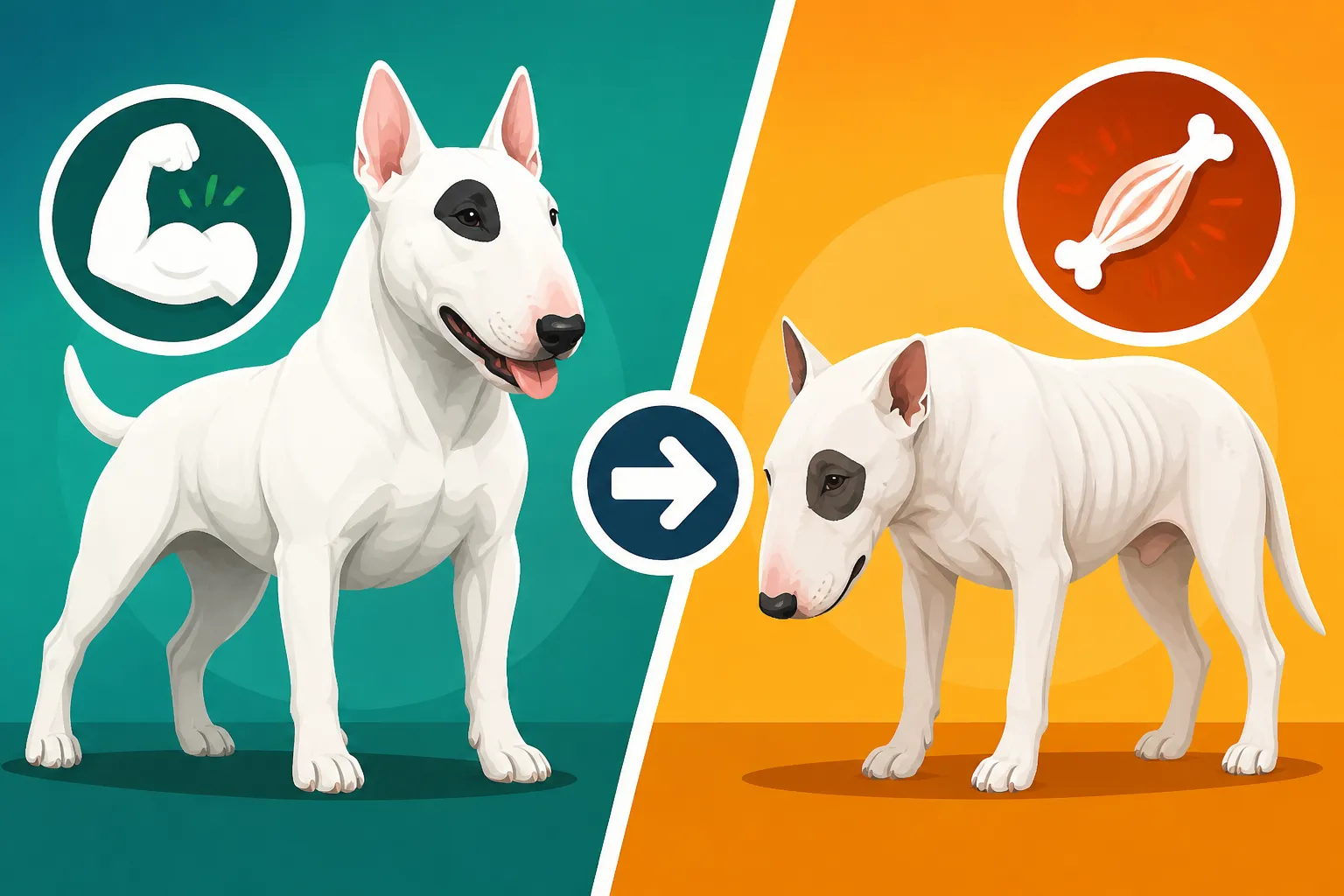
The fancy term for age-related muscle loss is sarcopenia, and it’s something almost all senior dogs experience to some degree. It's a natural, progressive degeneration of muscle tissue that isn't directly related to illness or disuse, though those can certainly exacerbate it. Think about it this way: your Bull Terrier’s body starts becoming less efficient at repairing and rebuilding muscle fibers, even if they’re still getting regular exercise and a good diet. The rate of muscle protein synthesis decreases, and the rate of muscle protein breakdown stays the same or even increases. This imbalance leads to a gradual, often insidious, loss of lean muscle mass.
For a Bull Terrier, a breed renowned for its powerful, athletic build, this can be particularly frustrating for both the dog and the owner. Their very identity is tied to that strong, muscular physique, and seeing it diminish can be a stark reminder of their advancing years. It’s not your fault, and it's not a sign you haven't done enough; it's simply a part of the aging process that we need to acknowledge and address.
Differentiating Muscle Loss from Weight Loss or Illness
This is where it can get tricky, and many owners struggle to pinpoint exactly what they're seeing. Is your Bull Terrier looking thinner because they've lost fat, or because they've lost muscle? The distinction is crucial because it informs how you respond.
- Muscle Loss (Sarcopenia): This usually manifests as a decrease in the bulk of specific muscle groups, particularly over the spine, hips, and shoulders. You might notice their spine and hip bones becoming more prominent, not because they're skin and bones everywhere, but because the muscle cushioning those areas has diminished. Their legs might look thinner, especially the hindquarters. Their overall body condition might still seem okay, perhaps even maintaining a healthy weight, but the composition of that weight has changed. They may have less muscle and more fat, even at the same weight.
- Weight Loss (Cachexia/General Thinness): This is a more generalized reduction in both fat and muscle, often associated with an underlying illness, poor appetite, or inadequate nutrition. If your Bull Terrier is genuinely losing weight, you'll likely see ribs, hips, and spine protruding, and they might seem gaunt overall. Their energy levels might plummet, and they might show other signs of sickness.
It’s vital to consult your vet if you're seeing any significant weight or muscle loss, as it could be a sign of something more serious than just sarcopenia. For example, conditions like kidney disease can lead to muscle wasting, and knowing "What Changes in a Bull Terrier After Eight" can help you differentiate. Early detection of underlying issues is key to effective management, and a good pet insurance policy, like those offered by Healthy Paws, can provide peace of mind for unexpected veterinary diagnostics.
The Specific Challenges for Bull Terriers
Bull Terriers are built like canine powerhouses. Their thick, muscular necks, broad chests, and powerful hindquarters are hallmarks of the breed. This incredible musculature serves them well in their youth, but it can also present unique challenges as they age and muscle loss sets in.
Their robust build means that when they start losing muscle, the impact on their mobility and stability can be profound. They might lose that characteristic "oomph" in their step, their powerful jumps might become hesitant hops, and their balance might be slightly compromised. Because they're naturally strong, owners might not notice the subtle declines as quickly as they would in a more lightly built breed. Their sheer determination can also mask discomfort or weakness for a while. Imagine a dog that loves to body slam you for fun suddenly hesitating before a playful bump – that’s a big sign something has changed. Keeping an eye on "Caring for a Bull Terrier Past Eight" involves being acutely aware of these subtle shifts.
Recognizing the Signs of Muscle Loss
Spotting sarcopenia early can make a big difference in how effectively you can support your Bull Terrier. It's not always obvious, especially in the early stages, but once you know what to look for, you'll be better equipped.
Visible Changes in Body Shape
Take a good, honest look at your Bull Terrier's physique. Run your hands over their body, feeling the contours.
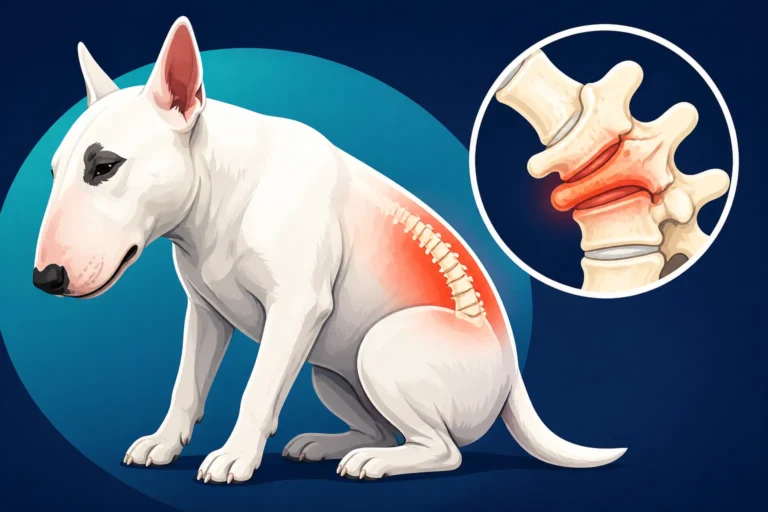
- Spinal Prominence: One of the earliest signs is often a decrease in muscle along the top of their spine. Where once you felt a smooth, well-muscled back, you might now feel the individual vertebrae becoming more noticeable. It’s like their "top line" is no longer as full or level.
- Hindquarter Thinning: Their powerful rear legs, which are usually bursting with muscle, might start to look thinner. The muscles on their thighs, particularly, can lose their roundness and definition. This can make their hips seem more angular.
- Shoulder and Foreleg Changes: While less common than hindquarter loss initially, you might also notice a subtle decrease in muscle bulk around their shoulders and front legs. Their chest might still be broad, but the muscles supporting it might become less defined.
- Head and Facial Muscles: In very advanced stages, even the muscles around their head, especially their temporal muscles (on the sides of their skull), can atrophy, making their cheekbones more prominent. This is a later sign and usually indicative of more widespread muscle wasting.
Regularly assessing their body condition is critical. Your vet can show you how to do a "body condition score" and a "muscle condition score" at home, giving you objective benchmarks.
Changes in Movement and Activity Levels
Sarcopenia doesn’t just change how they look; it changes how they move. These are often the first behavioral indicators you'll notice.
- Stiffness and Slowness: They might seem stiffer, particularly after lying down or in the mornings. Getting up might take a bit more effort, and their initial steps might be slower or more deliberate. Their overall pace on walks might decrease.
- Difficulty with Stairs or Jumping: That effortless leap onto the bed or into the car might become a struggle, or they might stop attempting it altogether. Stairs, once a non-issue, might now be navigated cautiously, or they might refuse them. This loss of vertical power is a classic sign of hindquarter muscle weakening.
- Reduced Enthusiasm for Play: While a Bull Terrier often retains their playful spirit well into their senior years, the intensity of their play might wane. They might still chase a ball, but they won't explode into action with the same ferocity, or their stamina might be shorter. You might notice they tire more quickly during games. This can often be confused with general aging, but it can also be a direct result of weakened muscles. It's similar to how "How Far an Aging Bull Terrier Should Still Run" decreases.
- Subtle Gait Changes: Watch them walk from behind. Do their hips sway more than they used to? Do their back legs seem less coordinated or powerful? These subtle shifts in gait can be an indicator of muscle loss impacting their stability.
Behavioral Shifts Related to Discomfort
Sometimes, muscle loss can lead to discomfort or pain, which manifests as changes in behavior. A Bull Terrier is notoriously stoic and can often hide pain, making these signs even more important to recognize.
- Reluctance to Engage: If your Bull Terrier suddenly seems less interested in activities they once loved – maybe they don't greet you at the door with the same wild enthusiasm, or they prefer to lie down rather than join you in another room – it could be due to discomfort from weakened muscles. "How a Bull Terrier Hides Pain" often involves a reduction in overall activity rather than overt limping.
- Changes in Resting Positions: They might seek out softer, more supportive beds, or find new, sometimes awkward, positions that take pressure off certain joints or muscles. They might avoid lying on hard floors entirely.
- Lethargy or Increased Sleep: While older dogs naturally sleep more, a significant increase in lethargy or a reluctance to get up could be a sign that muscle weakness is making movement tiresome or painful.
- Irritability or Snapping: In some cases, chronic discomfort can make a normally good-natured Bull Terrier irritable, especially if they are handled in a way that exacerbates their muscle soreness or joint pain. This is a later and more serious sign and warrants immediate vet attention.
If you observe these behavioral changes, it's crucial to schedule a veterinary visit to rule out other medical conditions and discuss pain management options.
Strategies to Mitigate and Manage Muscle Loss
The good news is that while sarcopenia is a natural process, there's a lot you can do as an owner to slow its progression and improve your Bull Terrier's quality of life.
Tailored Exercise Regimens for Seniors
Gone are the days of endless zoomies and marathon runs for your senior Bull Terrier. Now, it's all about smart, consistent, and gentle exercise that supports muscle tone without overtaxing their aging body.
- Short, Frequent Walks: Instead of one long walk, consider several shorter, gentle strolls throughout the day. This keeps their muscles active and joints mobile without causing excessive fatigue. Focus on flat, even surfaces to prevent slips and falls.
- Controlled Leash Walking: Even if your Bull Terrier had perfect off-leash recall in their prime, keeping them on a leash in their senior years offers control and prevents them from overdoing it or getting into situations where their reduced agility could lead to injury.
- Swimming (If They Enjoy It): Swimming is fantastic for seniors because it’s non-weight bearing, meaning it supports muscle development without stressing their joints. If your Bull Terrier is a natural swimmer, even short, supervised sessions in warm water can be incredibly beneficial. Always ensure safety with a dog life vest and easy entry/exit points.
- Gentle Play Sessions: Continue to engage in play, but adapt it. Soft toy retrieval, gentle tug-of-war (if their teeth and neck allow), or hide-and-seek with treats can provide mental and physical stimulation. Just keep them short and stop before they show any signs of fatigue.
- Canine Physical Therapy: A certified canine rehabilitation therapist can develop a personalized exercise plan, using techniques like underwater treadmills, therapeutic exercises, and massage to specifically target and strengthen weakening muscle groups. This can be a game-changer for many older dogs. This kind of specialized care can be costly, but good pet insurance like Healthy Paws often covers these rehabilitation services.
Nutritional Support for Muscle Maintenance
Diet plays a huge role in supporting muscle health in aging dogs. Their nutritional needs shift, and what worked for them as a young adult might not be optimal for their senior years.
- Increased High-Quality Protein: Counterintuitively, many senior dogs actually need more high-quality protein than younger adults to combat sarcopenia. Protein provides the building blocks for muscle. Look for senior dog foods that list a high-quality animal protein (like chicken, beef, or fish) as the first ingredient. Discuss this with your vet, as dogs with certain health conditions (like advanced kidney disease) might have different protein recommendations, which is why "Which Diet a Bull Terrier With Kidney Disease Needs" is so important to understand.
- Omega-3 Fatty Acids: These powerful anti-inflammatory agents can help reduce joint pain and support overall health, making exercise more comfortable. Fish oil supplements are a common way to provide EPA and DHA.
- L-Carnitine: This amino acid derivative plays a role in energy metabolism and can help maintain lean muscle mass. Some senior dog foods include it, or it can be supplemented.
- Antioxidants: Vitamins E and C, along with other antioxidants, help combat oxidative stress, which can contribute to cellular aging and muscle damage.
- Glucosamine and Chondroitin: While not directly for muscle, these supplements support joint health, which is often intertwined with muscle function in older dogs. If their joints are more comfortable, they’ll be more willing and able to move, which in turn helps maintain muscle.
Always talk to your veterinarian before making significant changes to your Bull Terrier's diet or adding supplements. They can help you choose the best options based on your dog's individual health profile.
The Role of Regular Veterinary Check-ups
You simply cannot overstate the importance of consistent veterinary care for an aging Bull Terrier. These check-ups are your front-line defense against the insidious creep of age-related issues.
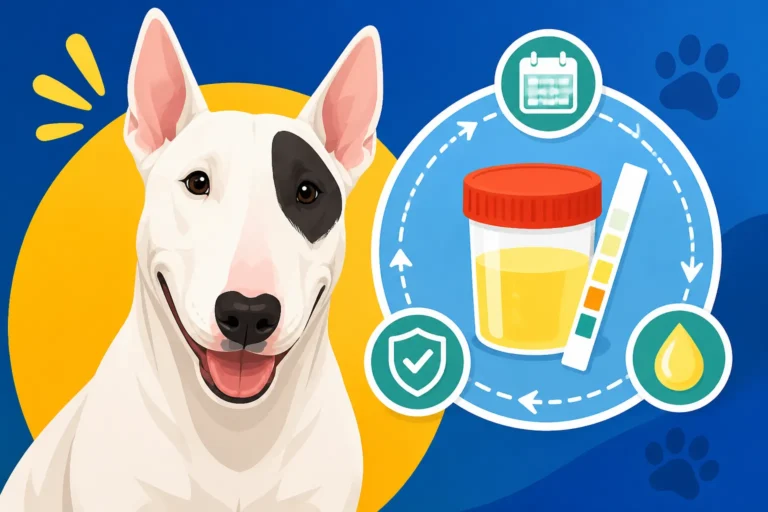
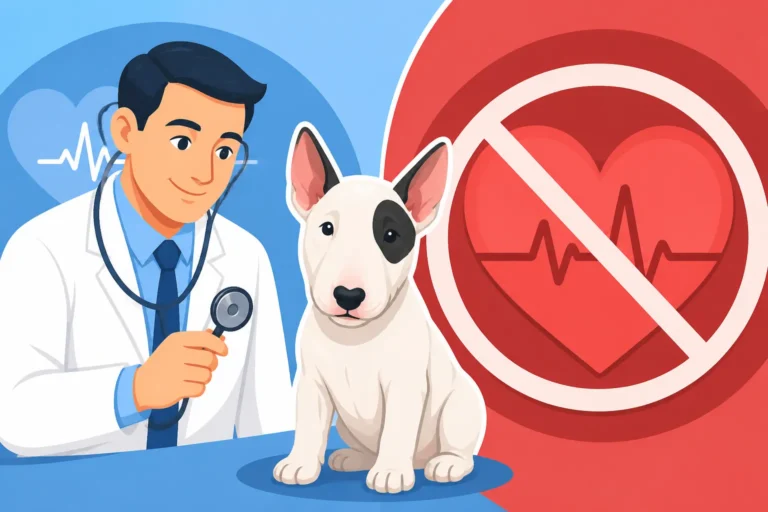
- Early Detection of Underlying Issues: Many medical conditions, from hypothyroidism to subtle cardiac issues, can contribute to lethargy, weakness, and muscle loss. Regular wellness exams, including "The Yearly Urine Test Every Bull Terrier Owner Should Book" and bloodwork, can catch these problems early, allowing for timely intervention. A dog whose heart is struggling, for instance, might not have the energy to maintain muscle. "What a Bull Terrier's Yearly Bloodwork Should Cover" often includes thyroid panels and organ function tests that become even more critical with age.
- Pain Management: Joint pain (arthritis) is incredibly common in senior dogs and can severely impact their willingness to move, directly leading to disuse atrophy on top of sarcopenia. Your vet can assess for pain and recommend appropriate medications (NSAIDs), joint supplements, or other therapies to keep your Bull Terrier comfortable and mobile.
- Monitoring Progress: During these visits, your vet can objectively assess your Bull Terrier's muscle condition score, track their weight, and discuss any changes you've observed. This ongoing monitoring allows for adjustments to their care plan as needed.
- Nutritional Guidance: As mentioned, a vet can help you navigate the complex world of senior dog nutrition, ensuring your Bull Terrier gets the right balance of nutrients to support their aging body.
A routine check-up for a senior Bull Terrier should be a comprehensive experience, allowing for thorough evaluation of all systems.
Living with an Aging Bull Terrier and Supporting Their Quality of Life
As our Bull Terriers age, our role as their caregiver shifts. It's about adapting their environment and our routines to support their changing needs, ensuring their comfort, dignity, and joy.
Home Modifications for Senior Dogs
Making your home senior-friendly can prevent accidents and make life much easier for your aging Bull Terrier.
- Ramps and Steps: If your Bull Terrier struggles with jumping onto beds, sofas, or into the car, invest in ramps or pet steps. This reduces strain on their joints and prevents injuries that can further exacerbate muscle loss due to inactivity.
- Non-Slip Surfaces: Hardwood floors and tiles, while beautiful, can be treacherous for a senior dog with weakening muscles and reduced balance. Place non-slip rugs or runners in high-traffic areas to provide better traction. Nail trims are also essential to help with grip, so regularly trimming "Trimming a Bull Terrier's Nails While It Fights You" is even more important.
- Supportive Bedding: Orthopedic beds are a must for senior dogs. They provide crucial support for aching joints and muscles, preventing pressure sores and ensuring a comfortable, restorative sleep. Look for beds with thick memory foam that don't flatten out.
- Easy Access to Essentials: Ensure their food, water, and potty spots are easily accessible. If they struggle to get outside quickly, consider a doggy door or more frequent potty breaks.
These small changes can significantly improve their daily comfort and reduce the physical effort required for everyday tasks, which in turn helps them preserve their remaining muscle.
Mental Stimulation and Emotional Well-being
An aging body doesn't mean an aging mind – or at least, it doesn't have to. Keeping your Bull Terrier's mind engaged is just as important as keeping their body active.
- Puzzle Toys and Treat Dispensers: These are fantastic for keeping their brains working and preventing boredom. Fill them with their regular kibble or healthy, low-calorie treats.
- Gentle Training Sessions: Continue with short, positive reinforcement training sessions. Reviewing known commands or teaching a new, simple trick can keep their cognitive function sharp and strengthen your bond. Remember "How Short a Bull Terrier's Training Session Has to Be" is key, especially for seniors.
- Scent Work and Sniffing Games: Bull Terriers have excellent noses! Hide treats around the house or yard and let them sniff them out. This is mentally tiring without being physically demanding.
- Consistent Routine, With Flexibility: Senior dogs thrive on routine, which provides a sense of security. However, be flexible and responsive to their needs. If they’re having an off day, don’t push them. Respect their desire for rest.
- Affection and Quality Time: More than anything, your aging Bull Terrier needs your love and attention. Spend quiet time together, gentle petting, and reassuring words. Their emotional well-being is paramount.
When to Seek Professional Guidance
While this guide provides a wealth of information, there will come a time when you need to lean on veterinary professionals for more intensive support.
- Persistent or Worsening Symptoms: If you notice significant, rapid muscle loss, persistent lameness, increased pain, or a severe decline in activity despite your best efforts, it’s time for another vet visit. Don't dismiss it as "just old age."
- Specialist Referrals: Your primary vet might recommend a referral to a veterinary specialist, such as a physical rehabilitation vet, a neurologist, or an internal medicine specialist. These experts have advanced training and equipment to diagnose and treat complex conditions.
- Financial Planning: Veterinary care for senior dogs can become costly, especially with specialist visits, ongoing medications, or physical therapy. This is where pet insurance can be a lifesaver. Companies like Healthy Paws can help mitigate these expenses, allowing you to make medical decisions based on what’s best for your dog, rather than solely on your wallet. They often cover accidents, illnesses, and even some alternative therapies, which can be crucial for an aging dog. Considering "What an Aging Bull Terrier's Medication Costs" and "What a Bull Terrier's Lifetime Kidney Bill Runs" (if they have that condition) truly brings home the importance of being prepared.
- Quality of Life Discussions: One of the hardest, yet most important, conversations you’ll have with your vet will be about your Bull Terrier's quality of life. As muscle loss progresses and other age-related issues accumulate, there may come a point where comfort and dignity become the primary focus. Your vet can help you assess their current state and guide you through these difficult decisions.
Remember, you are your Bull Terrier’s best advocate. By being vigilant, proactive, and seeking professional help when needed, you can help them navigate their golden years with comfort and happiness.
Here's a quick comparison of general aging signs versus specific indicators of muscle loss:
| Characteristic | General Aging Signs | Muscle Loss (Sarcopenia) Indicators |
|---|---|---|
| Activity Level | Increased sleep, less endurance | Difficulty with stairs/jumps, slower to rise, reduced "oomph" |
| Body Shape | Greying muzzle, fatty lumps, thicker waist | Prominent spine/hips, thin hindquarters/legs, less muscle definition |
| Energy | Generalized slowing down, tires more easily | Weakness making movement arduous, visible muscle atrophy |
| Appetite | May remain strong or decrease slightly | Can be normal, but body condition changes |
| Coat/Skin | Duller coat, drier skin, potential bald patches | No direct link, but overall health decline may affect skin |
| Behavior | Less tolerant of change, some cognitive decline | Reluctance to play due to physical effort, seeking softer spots |
| Mobility | Stiffer joints, slower gait | Visible thinning of muscles, less power in hindquarters |
Disclaimer
This article is for general informational purposes only and does not constitute professional advice. Laws, prices and regulations vary by location and change over time. Consult a qualified professional for guidance on your specific situation.