Whether a Rubber Curry Suits a Bull Terrier
It’s a common frustration for Bull Terrier owners to feel like they’re constantly battling a blizzard of fine, stiff hairs, despite their dog’s seemingly short coat. You might look at your smooth-coated companion and wonder why your home is perpetually fuzzy, and then find yourself scratching your head about which grooming tools actually stand a chance against that relentless shedding without irritating their notoriously sensitive skin. Many of us have been there, buying brush after brush, only to find them ineffective or worse, causing redness. This guide will walk you through the specifics of grooming a Bull Terrier, focusing on whether a rubber curry comb is the unsung hero you’ve been searching for, and how to use it effectively to manage that shedding and keep their skin healthy.
Understanding Your Bull Terrier's Unique Coat and Skin Needs
Bull Terriers are known for their distinctive look, and that includes their coat. It’s short, lies close to the body, and often feels quite harsh or stiff to the touch, not soft and silky like some other breeds. While this coat type might seem low-maintenance at first glance, it comes with its own set of challenges, particularly when it comes to shedding and skin health.
The reality is, Bull Terriers shed, and they shed a lot. It's not the fluffy, easy-to-gather kind of hair you might get from a double-coated breed; it's short, needle-like hair that weaves its way into every fabric imaginable. You'll find it embedded in your sofa, clinging to your clothes, and magically appearing in your morning coffee. This constant shedding is part of their natural cycle, and while it might not be as visibly dramatic as a husky blowing its coat, it’s certainly persistent. The challenge isn't just about collecting hair, but doing so efficiently and gently, because a Bull Terrier's skin is often its weakest point. They are prone to various skin issues, from allergies to irritations, which means any grooming routine needs to be approached with care and consideration. Aggressive brushing or using the wrong tools can quickly turn a simple grooming session into a skin flare-up.
The Bull Terrier's Shedding Cycle
Unlike dogs with thick undercoats that "blow" their coat seasonally, Bull Terriers tend to shed pretty consistently year-round. You might notice a slight increase in spring as they prepare for warmer weather, or in autumn as they transition to a denser winter coat, but don't expect a clear "shedding season" where it all happens at once. Instead, it's a slow, steady release of individual hairs that keeps your vacuum cleaner perpetually busy. Each hair shaft has a relatively short lifespan before it's replaced, leading to this continuous cycle.
This constant turnover of hair means that regular grooming isn't just about aesthetics; it's crucial for managing the amount of loose hair in your home and on your dog. Left unchecked, those shed hairs can build up on the skin, potentially leading to dullness, skin irritation, and even exacerbating conditions like Demodectic Mange in a Bull Terrier if the skin barrier isn't healthy. Many owners mistakenly think their Bull Terrier doesn't need much brushing because the hair is so short, but that couldn't be further from the truth. In fact, due to the nature of their shedding, tools designed to gently lift and collect those short, stiff hairs are often more effective than traditional brushes.
Why Skin Health is Paramount
A Bull Terrier's skin is incredibly sensitive, often quite pale beneath their short coat, especially in white or heavily pied individuals. This sensitivity makes them susceptible to everything from sunburn – a real concern for white Bull Terriers – to a myriad of allergic reactions and irritations. You'll often hear owners discussing Whether a Bull Terrier Gets Skin Allergies because it's such a common struggle. Their short, single coat provides less protection against environmental irritants, moisture, and even friction.
Because of this predisposition to skin issues, choosing the right grooming tools is not just about hair removal; it's about stimulating healthy blood flow, distributing natural skin oils, and gently exfoliating the skin without causing abrasions or undue stress. A tool that's too harsh can easily scratch or redden their delicate skin, potentially leading to secondary infections or chronic discomfort. This is why a tool like a rubber curry comb, designed to be gentle yet effective, becomes a strong candidate for their grooming arsenal. You want a tool that can get to the root of the problem – literally, the hair follicles – without causing surface damage. Regular checking of their skin is vital, and brushing can be an excellent opportunity for The Weekly Skin Check Every Bull Terrier Needs.
The Rubber Curry Comb: How It Works for Bull Terriers
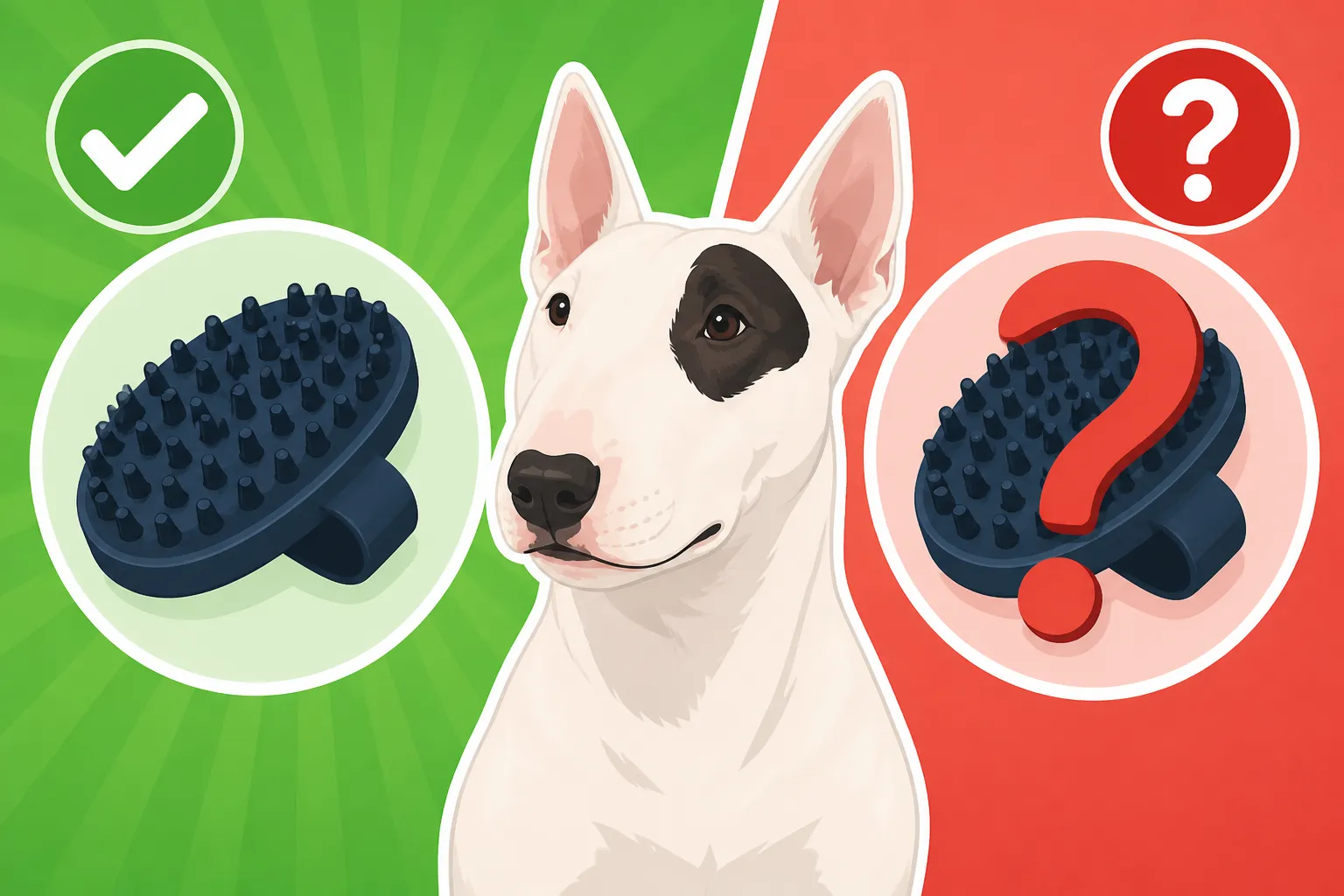
So, let's get down to the brass tacks: does a rubber curry comb actually work for a Bull Terrier? The short answer is a resounding yes, and it often works better than many other conventional brushes precisely because of their unique coat and skin type. A rubber curry comb is not your typical bristled brush. It usually features a series of soft, rubbery teeth or nubs designed to flex with your dog's body, rather than digging in.
When you use a rubber curry comb on a Bull Terrier, its flexible nubs gently massage the skin and work through the short, stiff hairs. This action helps to loosen and collect dead hairs that might otherwise remain trapped in the coat or fall onto your furniture. Unlike wire slicker brushes or metal shedding blades, which can be too abrasive on sensitive skin, the rubber material is soft enough to stimulate the skin without scratching or causing irritation. It's like giving your dog a gentle massage while simultaneously tackling the shedding problem. This dual action of effective hair removal and skin stimulation is what makes it such a valuable tool for Bull Terrier owners. It encourages circulation, which is beneficial for overall skin health, and helps spread natural oils, contributing to a healthy, shiny coat.
How a Rubber Curry Comb Compares to Other Brushes
When you're trying to figure out Which Brush Suits a Bull Terrier, the options can be overwhelming. Let's compare the rubber curry comb to some other popular grooming tools:
| Grooming Tool | Description | Suitability for Bull Terriers | Pros | Cons |
|---|---|---|---|---|
| Rubber Curry Comb | Flexible rubber nubs/teeth, often palm-held. | Excellent. Gentle, effective for shedding and skin stimulation. | Gentle, good for sensitive skin, massages, distributes oils, removes loose hair. | May not remove deeply embedded debris as effectively as a stiff brush. |
| Slicker Brush | Fine, short wire bristles on a flat surface. | Not recommended. Too harsh for their short, sensitive coat; can scratch skin. | Good for dematting and fluffing longer coats. | Bristles too sharp for Bull Terrier skin, can cause irritation and damage. |
| Bristle Brush | Soft to medium stiff natural or synthetic bristles. | Good for polishing. Can distribute oils and add shine, but less effective for shedding. | Good for finishing, adding shine, general light brushing. | Less effective at removing significant amounts of shed hair. |
| Deshedding Tool | Blades with fine, short teeth (e.g., Furminator-style). | Use with extreme caution, if at all. Can be overly aggressive on their short, single coat. | Very effective at removing undercoat on double-coated breeds. | Can strip healthy guard hairs and irritate sensitive Bull Terrier skin if used incorrectly or too often. |
| Grooming Mitt/Glove | Fabric glove with rubber nubs on the palm. | Good. Similar to a curry comb but less intensive, great for puppies or nervous dogs. | Gentle, tactile, good for sensitive dogs, easily removes light shedding. | Less effective for heavy shedding or deep massage compared to a dedicated curry comb. |
As you can see, the rubber curry comb stands out as a top choice. While a bristle brush can be lovely for a final polish and A Bull Terrier's Coat Is Easy and Its Skin Is Not makes their coat seem simple, the curry comb actively addresses the shedding issue without the risks associated with harsher tools. Deshedding tools, in particular, should be approached with extreme caution; they are designed for breeds with undercoats, which Bull Terriers do not have. Using them can actually damage their healthy guard hairs and irritate their skin, making shedding worse or causing skin problems.
Benefits Beyond Hair Removal
The advantages of using a rubber curry comb extend far beyond just collecting shed hair. One of the most significant benefits is the gentle massage it provides. This isn't just a feel-good bonus for your Bull Terrier; it actively stimulates blood circulation to the skin. Improved circulation means better nutrient delivery to the hair follicles, which can contribute to a healthier, shinier coat and stronger hair growth. It also aids in the distribution of natural skin oils, preventing dry patches and promoting a healthier skin barrier.
Moreover, the massaging action can be a fantastic way to bond with your dog. Many Bull Terriers absolutely adore the feeling of a good curry comb session, turning what could be a chore into a relaxing, enjoyable experience for both of you. This positive association with grooming can make future sessions much easier. It's also an excellent opportunity for you to perform The Weekly Skin Check Every Bull Terrier Needs, feeling for any lumps, bumps, hot spots, or irritations that might be hiding under that short coat. Catching these issues early can save a lot of discomfort and vet visits down the line. It's about proactive care, not just reactive fixes.
Best Practices and Alternatives for Grooming Your Bull Terrier
Incorporating a rubber curry comb into your Bull Terrier's grooming routine is a fantastic step, but like any tool, it's most effective when used correctly. Consistency is key, and understanding the nuances of their sensitive skin means approaching each session with a gentle hand and keen observation.
For optimal results, aim to use the rubber curry comb two to three times a week, or even daily during periods of heavier shedding. When you're brushing, use short, firm strokes that follow the direction of hair growth. Don't press too hard; the goal is a gentle massage and lift, not aggressive scrubbing. Start from the head and work your way down the body, making sure to cover all areas, including the legs and tail. Pay particular attention to areas where shed hair tends to accumulate, such as along the back and haunches. The beauty of the rubber curry comb is that the shed hair often clings to the comb itself or gathers into neat little piles on your dog's coat, making cleanup a breeze. After a good curry comb session, you might follow up with a soft bristle brush to collect any remaining loose hairs and add a final polish to their coat. You'll be amazed at how much hair you collect, even from a short-coated dog.
When to Be Extra Cautious or Consider Other Tools
While the rubber curry comb is generally safe and beneficial, there are times when you need to exercise extra caution or consider alternative approaches. If your Bull Terrier has any open sores, scabs, rashes, or active skin infections, it's best to avoid brushing that area altogether. The friction could further irritate the skin or spread infection. In such cases, a vet visit is paramount to address the underlying skin issue, which could range from allergies to something more serious like Lethal Acrodermatitis Kills a Bull Terrier Puppy Before It Grows Up (though rare, always good to be vigilant with any persistent skin issues). Once the skin is healing, you can slowly reintroduce gentle brushing around the affected area.
Additionally, if your Bull Terrier is unusually sensitive to touch, perhaps due to past negative experiences or general anxiety, introduce the curry comb slowly and with lots of positive reinforcement. Start with very light strokes and short sessions, pairing it with treats and praise. The goal is for them to associate grooming with a pleasant experience, not a stressful one. For very delicate areas, or for dogs who just aren't keen on the curry comb, a soft grooming mitt or even just your bare, damp hand can be a great alternative for removing light shedding and distributing oils.
Complementary Grooming Products
Beyond the brush, a Bull Terrier's grooming routine should always consider their sensitive skin. Choosing the right shampoo and conditioner is crucial. Look for mild, hypoallergenic formulas specifically designed for sensitive skin, free from harsh chemicals, dyes, and strong fragrances. Brands like those available on Chewy or Amazon often carry a good selection of gentle, veterinary-recommended grooming products. Which Shampoo Suits a Bull Terrier's Skin is a really important question to ask yourself.
Bathing frequency should be balanced; too often can strip natural oils and dry out their skin, but too infrequently can allow allergens and irritants to build up. Generally, bathing every 4-6 weeks is a good starting point, adjusting as needed based on your dog's activity level and any skin conditions. If your Bull Terrier struggles with dry skin, a good quality fish oil supplement, as discussed in Whether a Bull Terrier's Skin Improves With Diet, can work wonders from the inside out to support skin and coat health. Always consult your vet before adding any supplements to ensure they are appropriate for your dog's individual needs.
Maintaining Optimal Skin and Coat Health Beyond Brushing
Grooming is more than just brushing; it's an integral part of your Bull Terrier's overall health and well-being. A healthy coat and skin are often indicators of internal health, and a holistic approach ensures your Bull Terrier looks good and feels good. Thinking about their diet, protecting them from environmental factors, and being diligent with routine checks all play a massive role.
Remember, every element of care for your Bull Terrier is interconnected. What they eat, how much exercise they get, and even the products you use in your home can impact their skin and coat. Don’t get discouraged if you don’t see immediate results; consistency over time is what truly makes a difference. Your Bull Terrier relies on you to be their advocate, especially when it comes to their comfort and health. Taking the time to understand their specific needs and responding with thoughtful care will ensure you have a happy, healthy companion for years to come.
The Role of Diet and Supplements
What goes into your Bull Terrier's bowl profoundly impacts their skin and coat health. A high-quality diet, rich in essential fatty acids (like Omega-3 and Omega-6), vitamins, and minerals, is the foundation for a healthy skin barrier and a shiny coat. Look for dog foods that list a named meat source as the first ingredient and avoid fillers, artificial colors, and preservatives that can sometimes trigger sensitivities in susceptible dogs. Some owners even consider fresh food diets, like those offered by Ollie, consulting with a vet to ensure complete and balanced nutrition tailored to their Bull Terrier's needs.
If your Bull Terrier is prone to dry, flaky skin or a dull coat, supplementing their diet can often help. Fish oil, as mentioned earlier, is a popular choice for its anti-inflammatory properties and its ability to boost skin hydration and coat luster. Zinc is another mineral crucial for skin health, though caution should be exercised with supplementation, as excessive zinc can be harmful. In cases of specific deficiencies or skin conditions like Zinc Responsive Dermatosis in a Bull Terrier, a veterinarian might prescribe specific supplements or dietary changes. Always discuss any dietary changes or supplements with your vet to ensure they're appropriate and to determine the correct dosage.
Environmental Protection and Awareness
Your Bull Terrier's environment also plays a significant role in their skin and coat health. For white or light-colored Bull Terriers, sun protection is non-negotiable. Their pale skin is highly susceptible to sunburn, which can lead to discomfort, peeling, and long-term skin damage, including an increased risk of skin cancer. Sunburn on a White Bull Terrier is a serious concern. During peak sun hours, limit their outdoor exposure, seek shade, and consider applying a pet-safe sunscreen to vulnerable areas like the nose, ear tips, and thinly furred areas. Pet-specific sunscreens can be found on platforms like Amazon.
Beyond the sun, be mindful of environmental allergens like pollen, dust mites, and certain grasses, which can trigger skin reactions. Regularly washing bedding, vacuuming, and wiping down your dog's paws after walks can help reduce their exposure to these irritants. If you notice persistent itching or redness, even after consistent grooming, it's always wise to consult your vet. They can help identify the root cause, which might involve allergy testing or a more specialized treatment plan. Whether a Bull Terrier's Skin Improves With Diet or requires specific medications will be something your vet can help you navigate.
Regular Vet Check-ups and Monitoring
Even with the best at-home grooming and care, regular veterinary check-ups are essential for maintaining your Bull Terrier's skin and coat health. Your vet can spot subtle changes that you might miss, such as early signs of skin infections, parasitic infestations, or underlying health issues that manifest as skin problems. They can also offer professional advice tailored to your dog's specific needs, recommend appropriate treatments, and guide you on the best grooming practices.
During these visits, discuss any concerns you have about shedding, skin irritation, or coat quality. Sometimes, what seems like a simple grooming issue can be a symptom of a larger health problem, such as a thyroid imbalance or an autoimmune condition. For instance, sometimes Whether a Bull Terrier Gets Hypothyroidism can manifest with coat changes. Proactive monitoring and open communication with your vet are your best defense against serious health issues. Remember, a Bull Terrier's robust appearance can sometimes mask underlying sensitivities, so being vigilant about their health from head to paw is crucial for their long, happy life.
Disclaimer
This article is for general informational purposes only and does not constitute professional advice. Laws, prices and regulations vary by location and change over time. Consult a qualified professional for guidance on your specific situation.