How Much Weight an Aging Bull Terrier Loses
One of the most heartbreaking things we face as Bull Terrier owners is watching our energetic, powerful companions start to slow down. As they enter their senior years, many owners notice a subtle, and sometimes not so subtle, shift in their dog's weight. It’s a common worry – is this just a normal part of aging, or is it a sign of something more serious brewing beneath that sleek, muscular exterior? This guide will dive deep into why senior Bull Terriers might lose weight, how to tell if it's a concern, and what steps you can take to keep your older bully healthy and happy for as long as possible.
Understanding Normal Weight Changes in Aging Bull Terriers
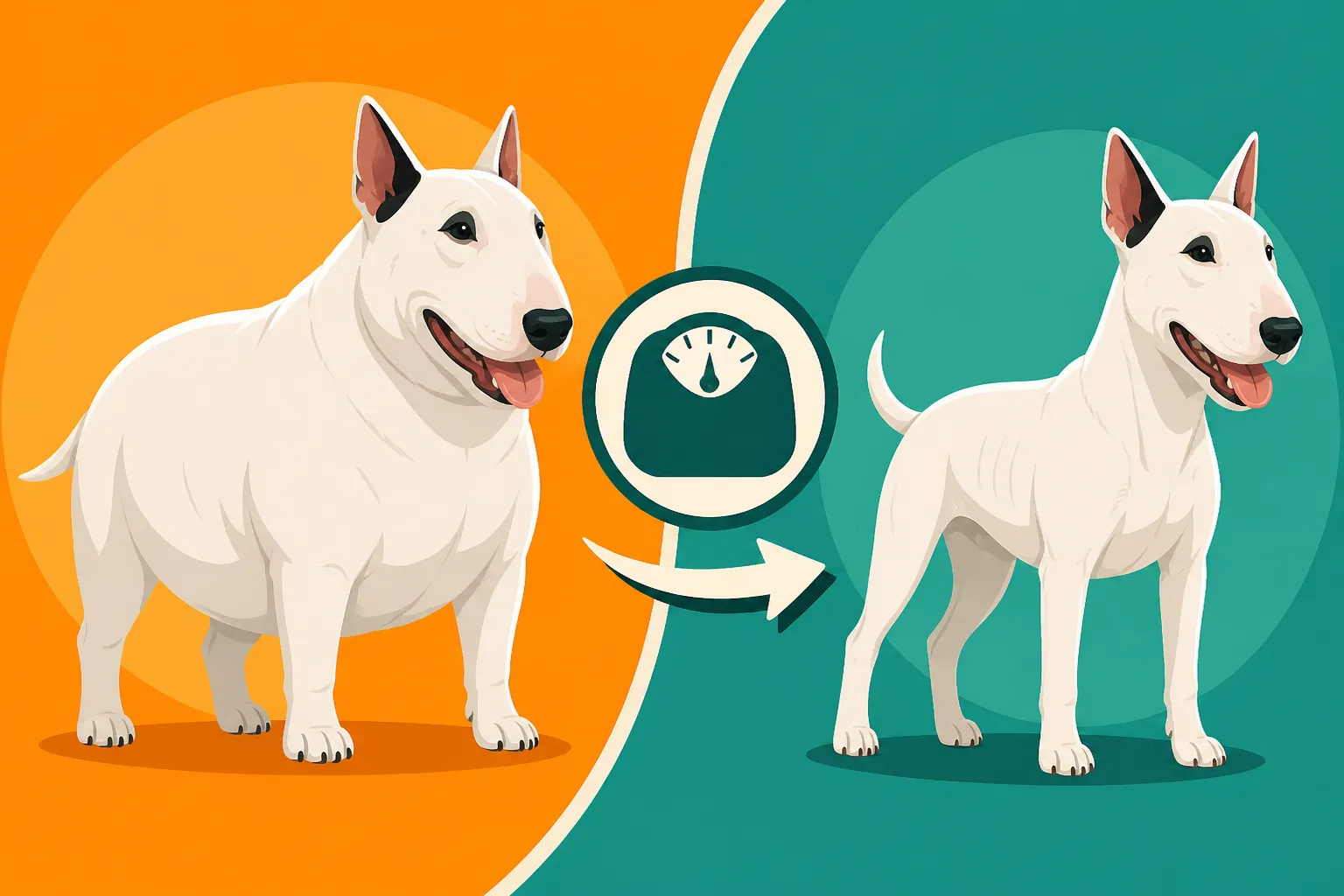
It's a common misconception that all dogs gain weight as they get older. While many do become less active and prone to packing on the pounds, for some breeds, including our beloved Bull Terriers, the opposite can be true. As they cross into their golden years, typically around eight years old, you might start noticing a gradual decline in their overall body mass. This isn't always a cause for alarm, but it certainly warrants a closer look.
Think about it from a physiological perspective. An aging Bull Terrier's metabolism can change, often becoming less efficient at absorbing nutrients from food. Their muscle mass, which is a hallmark of the breed, naturally starts to diminish over time, even with regular exercise. This loss of lean muscle contributes significantly to overall weight reduction. It's a natural part of the aging process, much like in humans, where muscle atrophy can occur. We've all seen those vibrant, youthful bullies, full of boundless energy, and it's easy to forget that gravity and time eventually catch up to everyone. This shift can be gradual, almost imperceptible at first, perhaps just a slightly less rounded rib cage or a more prominent hip bone. Understanding The Age a Bull Terrier Is Considered Senior can help you prepare for these changes.
However, "normal" weight loss is usually very slow and proportionate. We're talking about a few pounds over many months or even a year, not a sudden drop. It's a gentle tapering, not a steep decline. If your Bull Terrier has always been a robust eater, suddenly becoming finicky could signal something deeper. It’s important to establish a baseline of what is "normal" for your individual dog so you can spot deviations. Regular weigh-ins and consistent body condition scoring are invaluable tools in this regard. This is part of Caring for an Old Bull Terrier, which involves paying close attention to these subtle cues.
Distinguishing Healthy Weight Loss from Red Flags
So, how do you know if your Bull Terrier's weight loss is merely a gentle drift into old age, or a flashing red light warning you of trouble? The key lies in observation and understanding the accompanying signs. Normal, age-related weight loss often occurs without other symptoms. Your dog might be a little slower, sleep more, and their coat might not be quite as lustrous, but they still have good energy for their age, a decent appetite, and their overall demeanor remains positive. Their eyes are bright, and they still enjoy their favorite activities, albeit perhaps at a slower pace.
However, if the weight loss is rapid, significant, or accompanied by other symptoms, it’s time to raise an eyebrow – and likely pick up the phone to your vet. Look for things like a sudden loss of appetite or refusal to eat, excessive drinking or urination, vomiting, diarrhea, lethargy that isn't typical for your dog's age, difficulty getting up or down, or any new lumps or bumps. These are all potential indicators that something more serious is at play than simple aging. For instance, sometimes Bull Terriers are masters at How a Bull Terrier Hides Pain, so you need to be extra vigilant.
One of the most common serious culprits behind unexplained weight loss in senior dogs is kidney disease. Our Bull Terriers are predisposed to certain kidney issues like hereditary nephritis, so this is always a top concern. A declining appetite combined with increased thirst and urination could be tell-tale signs. Another significant worry is cancer, which can manifest in various forms and often leads to cachexia – a wasting syndrome that causes severe weight and muscle loss. Endocrine disorders, such as Whether a Bull Terrier Gets Hypothyroidism, can also play a role, though hypothyroidism more often leads to weight gain, hyperthyroidism (less common in dogs than cats) can cause weight loss. Dental disease is another frequently overlooked factor; if eating becomes painful, even the most food-motivated Bull Terrier will start to lose weight. Regular check-ups are key to catching these issues early, and knowing What Changes in an Aging Bull Terrier can help you spot when something is amiss.
Here’s a quick comparison table to help you differentiate:
| Indicator | Normal Aging Weight Loss | Concerning Weight Loss |
|---|---|---|
| Speed of Loss | Gradual, subtle, over months/years | Rapid, noticeable, over weeks/few months |
| Appetite | Generally good, might decrease slightly, still enjoys food | Poor, picky, refusal to eat, unusually low interest |
| Energy Level | Reduced but still active for their age, enjoys walks | Lethargic, unwilling to move, significant decrease |
| Other Symptoms | Few to none, perhaps mild stiffness | Vomiting, diarrhea, excessive thirst/urination, coughing, limping, behavioral changes |
| Muscle Mass | Gradual, even decline | Significant muscle wasting, prominent bones |
| Overall Demeanor | Content, engaged, happy | Depressed, withdrawn, irritable, signs of pain |
If you’re unsure, always err on the side of caution and consult your veterinarian. They can perform a thorough physical exam and recommend diagnostics such as blood work and urinalysis. This is why How Often an Aging Bull Terrier's Kidneys Should Be Checked is so vital.
Nutritional Adjustments for an Aging Bull Terrier Losing Weight
When your aging Bull Terrier is losing weight, whether it’s a natural process or a symptom of an underlying condition, diet plays a crucial role in managing their health and comfort. It's not just about more calories; it's about the right kind of calories and nutrients that are easily digestible and highly palatable. Their digestive system might not be as robust as it once was, and their sense of smell and taste can diminish, making food less appealing.
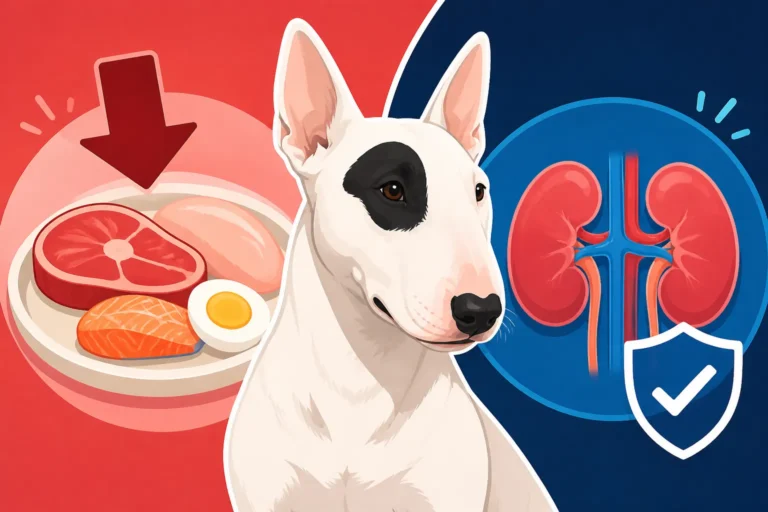
First and foremost, consider the food quality. Many senior dogs benefit from a diet that is highly digestible, meaning their body can absorb more nutrients from it. Look for foods with quality protein sources and appropriate fat levels. Some senior diets are formulated with higher protein to help maintain muscle mass, while others might be lower in phosphorus if kidney issues are a concern. This is especially important if your vet has suggested Which Diet a Bull Terrier With Kidney Disease Needs. You might find that wet food or a fresh food diet like Ollie is more appealing and easier to chew and swallow for an older dog, particularly if they have dental issues. Even simply adding warm water or low-sodium broth to their kibble can make a huge difference in palatability.
Supplements can also play a role. Omega-3 fatty acids, often found in fish oil, can support joint health, skin, and coat, and may even help reduce inflammation, which is common in older dogs. Probiotics can aid digestion and nutrient absorption. However, always consult your vet before introducing any new supplements to ensure they are appropriate for your Bull Terrier's specific health needs and won't interact with any existing medications. Many quality options are available on Chewy or Amazon.
Increasing meal frequency can also be helpful. Instead of two large meals, try offering three or four smaller meals throughout the day. This can be easier on their digestive system and maintain a more consistent energy level. Make sure they always have access to fresh, clean water, as hydration is paramount, especially if they are also experiencing increased thirst due to kidney issues. Monitor their intake closely and track their weight. Investing in a pet scale, or simply taking them to the vet for regular weigh-ins, can help you monitor trends and react quickly if the weight loss accelerates. Knowing How Many Calories a Bull Terrier Needs might change as they age, so reassessing their energy expenditure and adjusting accordingly is a must.
When to Consult Your Veterinarian About Weight Loss
It’s easy to dismiss weight loss in an older dog as "just old age," but doing so can mean missing crucial opportunities for intervention. While some decline is normal, a responsible owner knows when to call in the professionals. Any significant, rapid, or unexplained weight loss in your senior Bull Terrier absolutely warrants a veterinary visit. Don't wait until your dog looks emaciated; early detection of underlying conditions can significantly improve the prognosis and quality of life.
When you schedule that appointment, be prepared to provide your vet with as much information as possible. Keep a journal of your Bull Terrier's eating habits, water intake, bathroom frequency, and any other symptoms you've noticed. Note when the weight loss started and how much you estimate they've lost. Bring a list of all medications and supplements they are currently taking. Your vet will likely perform a comprehensive physical examination, carefully checking their body condition, feeling for any masses, and assessing their overall health. They will likely feel How to Feel a Bull Terrier's Ribs and other bony prominences to gauge muscle mass.
Diagnostic tests are often necessary to pinpoint the cause. This might include a full blood panel to check organ function (kidneys, liver), blood sugar levels (for diabetes), and thyroid hormones. A urinalysis is critical, especially given the breed's predisposition to kidney issues. Fecal tests can rule out parasites or malabsorption problems. X-rays or ultrasound may be recommended to look for internal masses or changes in organ size. These tests can help uncover conditions like Which Cancers a Bull Terrier Gets, advanced dental disease, or other systemic illnesses. What a Bull Terrier's Yearly Bloodwork Should Cover will likely expand as your bully ages to catch these issues.
The goal isn't just to identify the problem, but to manage it effectively. If an underlying condition is found, your vet will discuss treatment options, which could range from dietary changes and medication to more specialized interventions. Even if it's simply age-related muscle loss, they can help you formulate a plan to maximize comfort and nutritional support. For example, they might suggest Whether an Aging Bull Terrier Needs Softer Food or specific supplements to boost appetite and muscle retention. Never underestimate the power of a good veterinary team in extending the happy, healthy years with your beloved Bull Terrier.
Disclaimer
This article is for general informational purposes only and does not constitute professional advice. Laws, prices and regulations vary by location and change over time. Consult a qualified professional for guidance on your specific situation.