Why a Bull Terrier Shuts Down Under Pressure
It’s a truly disheartening experience when your usually boisterous and confident Bull Terrier suddenly deflates, looking lost or completely disengaged during a training session or a new situation. Owners often describe this as their dog "shutting down," a behavior that can be incredibly frustrating if you don't understand the unique wiring of this breed. This guide is here to shed light on why Bull Terriers are particularly prone to this emotional withdrawal and how you can prevent it, fostering a more positive and productive relationship with your beloved companion.
Understanding the Bull Terrier Psyche: Why Pressure Backfires
Bull Terriers are not your average "follow the leader" dog. They possess a unique blend of intelligence, stubborn independence, and surprising sensitivity that makes traditional, heavy-handed training methods completely ineffective. What might motivate other breeds can cause a Bull Terrier to simply switch off, retreating into themselves. It's not defiance; it's often a defense mechanism against perceived pressure or confusion.
The Independent Thinker, Not the Obedient Robot
Many breeds were developed to work in close partnership with humans, readily taking instruction and thriving on repetitive tasks. Bull Terriers, on the other hand, were originally bred for a different purpose, and while they are deeply affectionate and loyal companions, they maintain a strong sense of self-preservation and a desire to understand the why behind a command. They're thinkers, not rote learners. If a task feels pointless, or if the communication is unclear, they often won't just keep trying. They'll pause, evaluate, and if the pressure continues, they'll disengage entirely. This is often misinterpreted as stubbornness, but it’s more akin to a human hitting a wall when asked to do something illogical or repeatedly misunderstood. You see, a Bull Terrier needs to A Bull Terrier Trains When It Sees the Point. They're not going to perform simply because you asked with a stern voice; they need to believe it's worth their while.
The Surprising Sensitivity Beneath the Tough Exterior
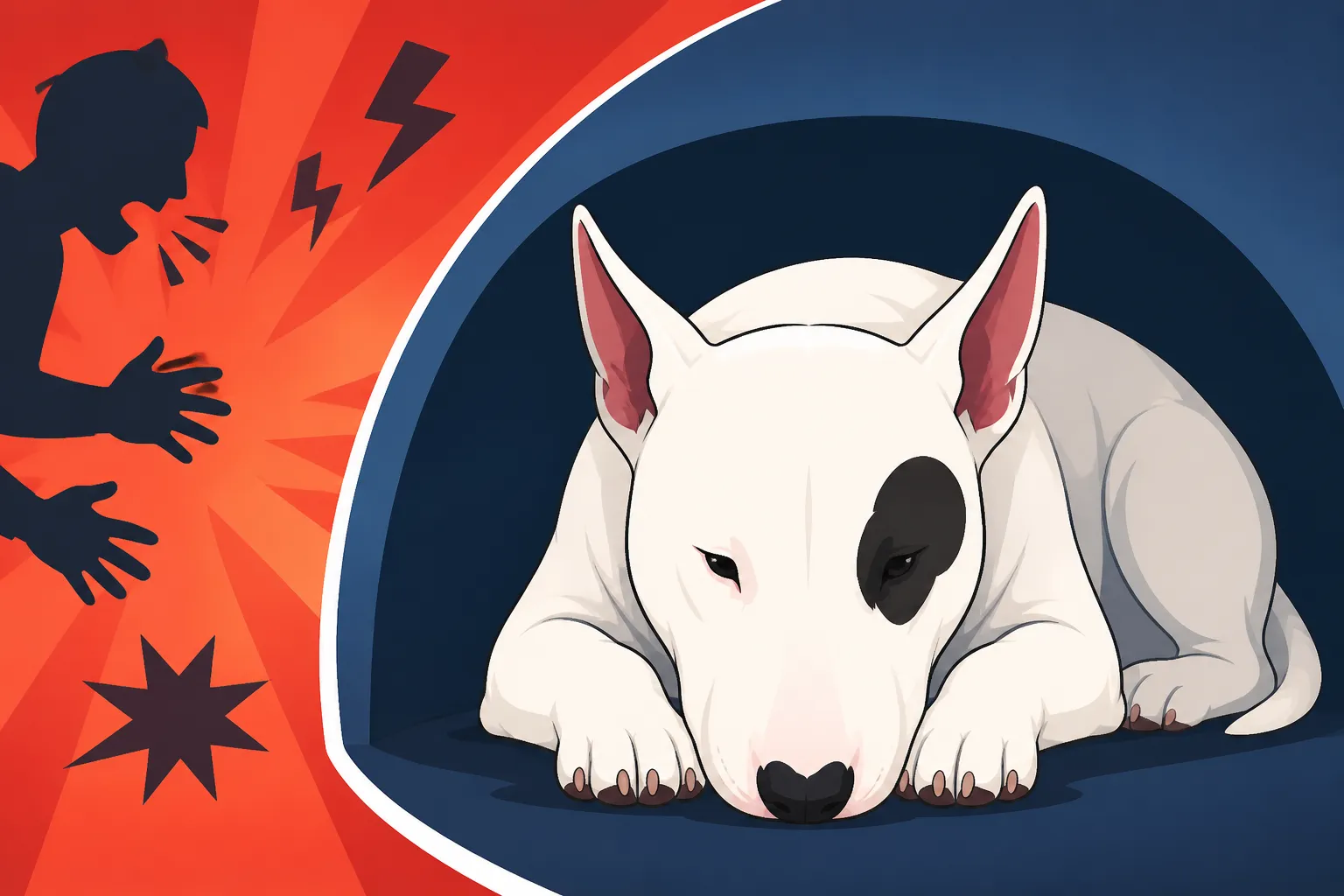
Beneath that famously tough, egg-shaped head and muscular physique lies a surprisingly soft and sensitive soul. Bull Terriers are often described as having the emotional maturity of a three-year-old in a dog suit, and this isn't just about their playful exuberance; it extends to their emotional responses. They are incredibly attuned to their owner's tone and body language. How Sensitive a Bull Terrier Is to Tone cannot be overstated. A harsh word, a frustrated sigh, or an impatient tug on the leash can be far more impactful on a Bull Terrier than you might realize. They don't react to perceived unfairness or discomfort by lashing out or becoming aggressive in most cases; instead, they often internalize it and shut down, becoming withdrawn, dull-eyed, or even physically stiff. It's their way of saying, "I don't understand, and this feels bad, so I'm just going to stop."
The "Clown" Persona as a Coping Mechanism
Their famous "clownish" nature, while endearing, can sometimes mask a deeper sensitivity. They love to entertain and be the center of attention, but if that attention turns negative or demanding, they often don't have the emotional tools to push through. Instead of pushing back, they withdraw. This isn't laziness; it’s a form of self-preservation. When faced with sustained pressure they can't process, their default isn't to escalate but to go still, quiet, and try to make themselves invisible, hoping the perceived threat or discomfort will pass. This can be particularly confusing for owners who are used to dogs that might try harder when pressed. For a Bull Terrier, more pressure often leads to less engagement, creating a frustrating loop for both dog and owner.
Recognizing the Red Flags: What "Shutdown" Actually Looks Like
Identifying when your Bull Terrier is shutting down is crucial for intervention. It's not always as obvious as a dog cowering in a corner. Sometimes it’s subtle, like a loss of their characteristic sparkle, while other times it's more pronounced, appearing almost catatonic. Learning to read these signals means you can adjust your approach before the behavior becomes ingrained or the emotional damage is done.
Subtle Signs of Disengagement
The earliest signs of a Bull Terrier shutting down are often subtle, easily missed if you're not paying close attention. Their usually bright, triangular eyes might lose their sparkle, becoming dull or averted. They might stop making eye contact, instead looking at the ground or away from you. Their body language, typically bold and confident, can become stiffer, or they might subtly shrink their posture, pulling their head back slightly. Instead of their usual eagerness, they might respond slowly to cues, or pretend not to hear you. They might also start to mouth objects or themselves excessively, as if trying to self-soothe. Imagine trying to explain complex calculus to someone who only speaks Portuguese – eventually, they're not going to engage, they're just going to try to cope with the mental strain. This is often the precursor to a full shutdown, a moment where you can still pivot and prevent further emotional distress.
Overt Signs of Withdrawal and Overwhelm
When a Bull Terrier moves past subtle disengagement, the signs of shutdown become much more overt. They might lie down and refuse to move, even when offered their favorite treat or toy. Their breathing might become shallow, and their muscles tense, even if they appear still. They might ignore all cues, no longer offering any behaviors, even those they know perfectly well. In extreme cases, they might seem "frozen," staring blankly, unresponsive to sound or touch. This is the canine equivalent of hitting the emotional emergency brake. It's a clear signal that the dog is completely overwhelmed and has resorted to immobility as its only coping mechanism. This is particularly common in environments that are too loud, too busy, or when faced with training that feels too demanding or confusing. Think of a shy child at a boisterous party; they might eventually just retreat under a table and refuse to participate.
The Contrast with Other Behaviors
It’s important to distinguish shutdown from other behaviors like stubbornness or fear aggression. A truly stubborn Bull Terrier might refuse a command but will still be engaged, perhaps even looking at you defiantly, or testing boundaries. A fear-aggressive Bull Terrier might growl, snap, or try to escape. Shutdown, however, is marked by a lack of active response. There’s no defiance, no aggression, just a profound stillness and emotional absence. If you ask your Bull Terrier to "sit" and they know it, but they just stare blankly into space, that's often a shutdown. If they bark once, then turn their head away and try to get a squirrel, that's more likely their characteristic independence at play. Understanding this distinction is key to choosing the correct response.
Navigating the Triggers: Common Scenarios That Lead to Shutdown
Recognizing what causes your Bull Terrier to shut down is the first step toward preventing it. These triggers often involve situations where they feel a lack of control, excessive pressure, or overwhelming sensory input.
High-Pressure Training Environments
One of the most common triggers for shutdown in Bull Terriers is a training environment that puts too much pressure on them. This could be a class with a trainer who uses harsh corrections, a highly competitive atmosphere, or even just repeated drills of a difficult skill without enough breaks or positive reinforcement. For a Bull Terrier, being forced to perform when they don't understand, or being corrected harshly for a mistake, can quickly lead to disengagement. They thrive on positive reinforcement and clear, consistent communication. If you're constantly repeating cues, getting frustrated, or using physical force, you're building a wall, not a bridge. What a Harsh Correction Does to a Bull Terrier is often to make them internalize stress and withdraw, rather than learn. Programs like BAXTER & Bella, which focus on positive reinforcement and building a strong relationship, often resonate better with the sensitive nature of a Bull Terrier.
Overwhelming Sensory Experiences
Bull Terriers, despite their strong physical presence, can be quite sensitive to their environment. Loud noises, chaotic public spaces, or even too many unfamiliar people trying to interact with them can be overwhelming. A dog park packed with boisterous dogs, a busy city street, or a new home full of strangers can quickly push a sensitive Bull Terrier past its threshold. When their senses are overloaded, and they feel they have no escape or control, they may retreat into themselves. This is especially true for puppies or adult Bull Terriers who haven't had gradual, positive exposure to varied environments. What one dog might find exciting, a Bull Terrier might find terrifyingly intense.
Lack of Clear Communication and Structure
Bull Terriers are smart, and they want to understand what you're asking. However, if your cues are inconsistent, your expectations are unclear, or your emotions are erratic, they can become confused and frustrated. Imagine trying to do a job where your boss constantly changes the rules, uses different terms for the same task, and gets angry when you don't magically know what they want. You'd likely feel helpless and eventually stop trying. A lack of predictable routine or clear leadership can also contribute. While independent, they need to know what to expect and what their role is. Without this, the world can seem unpredictable and anxiety-inducing, leading to a tendency to shut down rather than try to navigate the chaos.
Building Resilience: Gentle Approaches to Training and Management
Preventing shutdown involves a shift in perspective and method, focusing on empathy, clear communication, and positive experiences. It’s about building confidence, not forcing compliance.
Embracing Positive Reinforcement and Choice
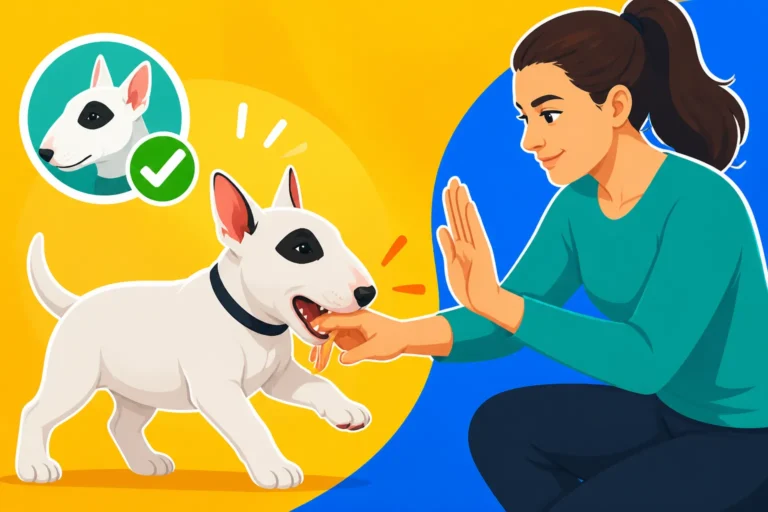
The cornerstone of successful Bull Terrier training is positive reinforcement. This means rewarding desired behaviors generously and consistently. Find what truly motivates your Bull Terrier – is it a specific toy, a high-value treat, or a vigorous game of tug? Use these rewards to make learning fun and rewarding. Avoid punishment, scolding, or physical corrections, as these are the quickest routes to shutdown. Instead of correcting a "wrong" behavior, redirect to a desired one and reward it. This builds a dog who is eager to try, rather than fearful of failure. Giving your Bull Terrier choices, where appropriate, can also build confidence. For example, allowing them to choose which toy to play with or which path to take on a walk can empower them and reduce feelings of being constantly directed. Remember, How Short a Bull Terrier's Training Session Has to Be is important; keep them brief and fun to maintain engagement.
Creating a Safe and Predictable Environment
A stable, predictable environment is vital for a Bull Terrier's emotional well-being. This includes a consistent daily routine for feeding, exercise, and training, so they know what to expect. Provide a "safe space" in your home, like a comfortable crate or a dog bed in a quiet corner, where they can retreat when feeling overwhelmed. This space should never be used for punishment. If you know you're heading into a potentially overwhelming situation, like a busy vet visit or a new social gathering, prepare your Bull Terrier. Consider bringing their favorite blanket, a high-value chew, or a familiar toy. Sometimes, simply finding a quiet corner in a busy place for a few minutes of calm can make all the difference. For enrichment at home, look for engaging toys on Amazon that challenge their minds without being overly frustrating, or that offer a calming chewing experience. Which Puzzle Toys Occupy a Bull Terrier can be a great way to build confidence and reduce boredom-related stress.
Gradual Exposure and Desensitization
For Bull Terriers prone to shutdown in specific environments, gradual exposure and desensitization are key. This means introducing them to triggers in small, manageable doses, always keeping them below their emotional threshold. For example, if your Bull Terrier gets overwhelmed by city sounds, start by sitting in your car parked a block or two away from a busy street, just observing. Reward calm behavior. Over days or weeks, slowly move closer, always watching for signs of stress and retreating if necessary. The goal is to build positive associations, not to force them to "get over it." This method is about building positive experiences and confidence, teaching them that these situations are not threatening. If you feel out of your depth, consider consulting a certified professional dog trainer who uses positive reinforcement methods. They can provide personalized guidance and help you navigate these situations safely and effectively.
Knowing When to Step Back
Perhaps the most crucial strategy is knowing when to simply stop and step back. If you see your Bull Terrier beginning to show signs of disengagement or shutdown, pushing through will only make things worse. Instead, end the session on a positive note, even if it's just rewarding a simple "sit." If they're completely shut down, move them to a quiet space, offer a comforting presence if they seek it, and give them time to decompress without any demands. Learning to read your dog's body language and respecting their emotional limits is a sign of a strong bond, not a weakness. Sometimes, the best training is no training at all, just a calm moment together. Remember, your Bull Terrier isn't being difficult; they're communicating that they need a different approach.
| Sign of Disengagement | Description | What to Do |
|---|---|---|
| Averted Gaze | Avoiding eye contact, looking away, or staring blankly. | Reduce pressure, change activity, offer a break. |
| Slow or No Response | Hesitation or complete failure to respond to known cues. | Simplify the task, increase reward value, use clearer cues. |
| Stiff Body Language | Tense muscles, low tail, lowered head, rigid posture. | Remove from trigger, provide comfort and space. |
| Excessive Licking | Licking lips, nose, or paws repeatedly without other obvious cause. | Offer a calming chew or puzzle, seek a quieter environment. |
| Seeking Solitude | Actively trying to move away, hide, or retreat to a safe space. | Respect their need for space, ensure their safe zone is available. |
| Panting/Yawning | Panting when not hot or tired, repetitive yawning. | Assess stress level, provide water, reduce demands. |
This table helps illustrate the different levels of shutdown and provides actionable steps for each. It's a quick reference to help you identify and respond appropriately to your Bull Terrier's needs.
Disclaimer
This article is for general informational purposes only and does not constitute professional advice. Laws, prices and regulations vary by location and change over time. Consult a qualified professional for guidance on your specific situation.