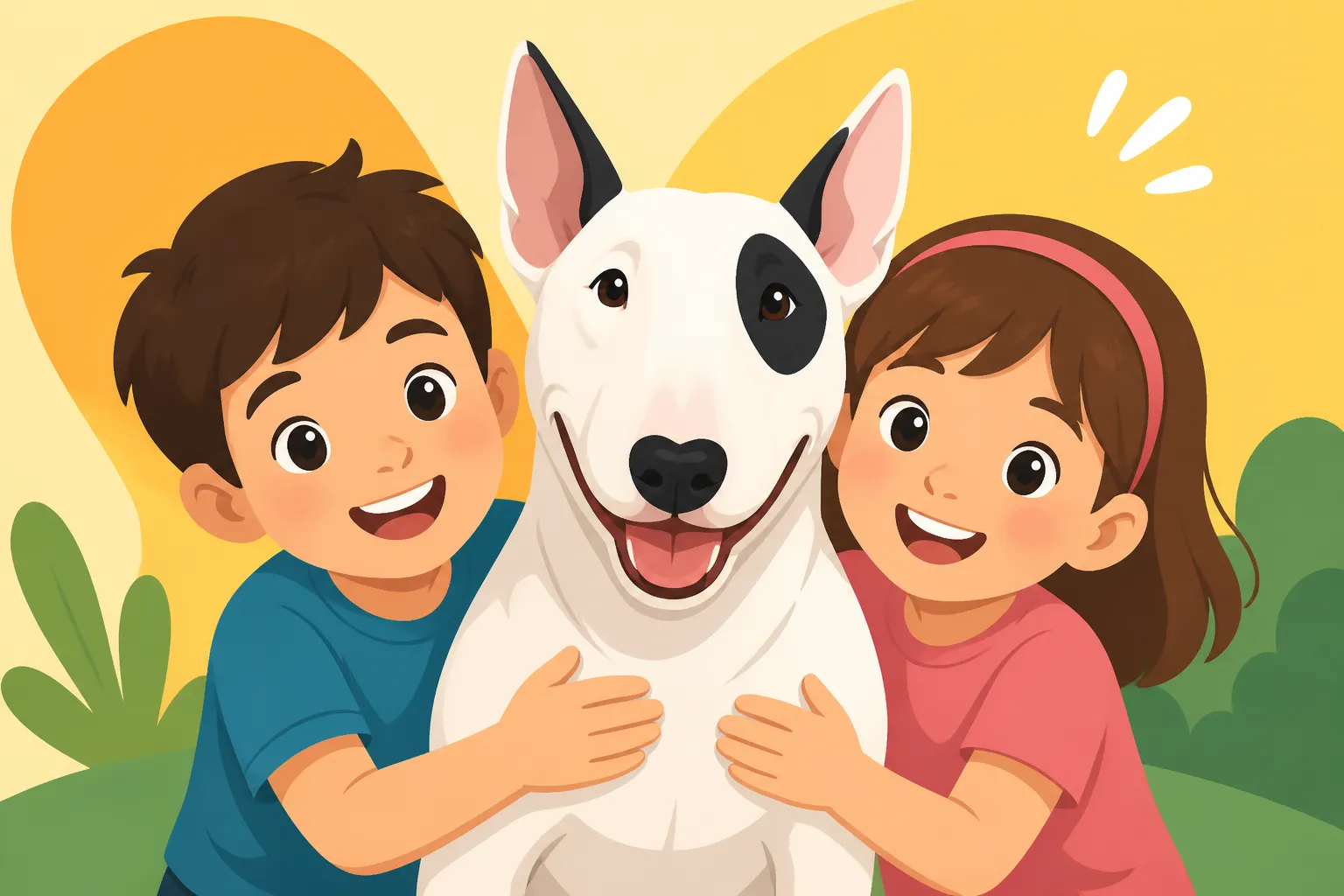
A Bull Terrier With Children
Many families dream of adding a Bull Terrier to their home, envisioning a loyal, clownish companion for their children. However, the reality of integrating a powerful, energetic, and sometimes headstrong breed with kids can bring a host of anxieties and legitimate concerns. This comprehensive guide is here to walk you through everything you need to know about successfully raising a Bull Terrier alongside children, ensuring a safe, harmonious, and joyful home for everyone.
Understanding the Bull Terrier Temperament with Children
It’s easy to get caught up in the stereotypes surrounding Bull Terriers, but when it comes to living with children, their true nature often surprises people. They aren't just muscle and mischief; they possess a unique blend of traits that can make them fantastic family dogs, provided you understand and manage them appropriately.
Their Loving and Loyal Nature
Beneath that distinctive egg-shaped head and muscular frame lies a heart of pure devotion. Bull Terriers are incredibly affectionate with their families, often forming deep, unwavering bonds with every member. They thrive on companionship and genuinely want to be involved in whatever their humans are doing, which includes playtime, cuddles on the sofa, or even just supervising homework from a comfy dog bed nearby. This inherent loyalty means they often see children as part of their cherished "pack" and will instinctively protect them, albeit sometimes clumsily. They love to be the center of attention and adore having little hands to offer ear scratches or toss a toy. This isn't a breed that enjoys being relegated to the backyard; they want to be right there in the thick of family life, soaking up all the affection they can get.
If you’re wondering How Physically Affectionate a Bull Terrier Is, you’ll find they aren’t subtle about it. They lean, they nudge, they climb into laps, and they insist on being close. This can be wonderful, but it also means they need to be taught boundaries, especially with smaller children who might be overwhelmed by a seventy-pound lap dog. Their desire for connection is a huge asset when fostering a good relationship with kids, as they genuinely want to please and be loved by their younger human counterparts.
The "Three-Year-Old in a Dog Suit" Persona
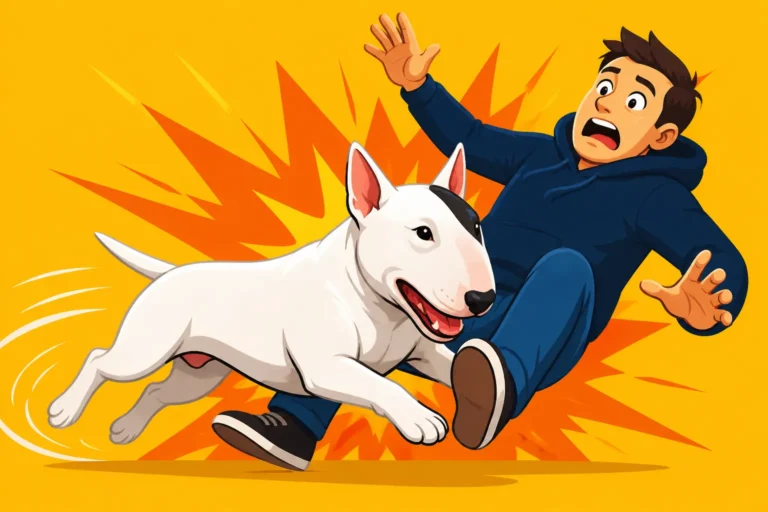
Anyone who has spent time with a Bull Terrier knows the phrase "a three-year-old in a dog suit" rings incredibly true. They possess an almost childlike exuberance and a comical, sometimes mischievous, personality. This means boundless energy, a propensity for clownish antics, and an often-poor understanding of their own size and strength. A Bull Terrier might body-slam you with pure joy, not malice, simply because they haven't quite grasped the concept of personal space or delicate human bones. Why a Bull Terrier Is Called a Three Year Old in a Dog Suit is rooted in this playful, often boisterous, nature.
This characteristic can be delightful with older, sturdy children who can handle a playful bump or tumble, but it presents a clear challenge with toddlers or infants. Their clumsy enthusiasm means accidental knocks or tumbles are a real possibility if interactions aren't carefully managed. They don't mean harm; they just get carried away in the moment, much like a boisterous preschooler. Understanding this inherent personality trait is crucial for setting realistic expectations and implementing appropriate supervision and training strategies to ensure everyone's safety.
Their Sensitivity and Desire for Inclusion
Despite their tough-guy appearance, Bull Terriers are surprisingly sensitive creatures. They respond best to positive reinforcement and gentle handling, and harsh corrections can cause them to shut down or become stubborn. They are highly intelligent, but they often have their own ideas about how things should be done, which can sometimes look like stubbornness. However, they genuinely want to be included in family activities and can even "sulk" if they feel left out. This means they are often very attuned to the emotions and activities of their human family members, including children.
They thrive in environments where they feel like a valued part of the household, not just an outdoor pet. This desire for inclusion can be a powerful motivator for good behavior when children are involved. If kids are part of the training process (under adult supervision, of course), a Bull Terrier will often try harder to please. This sensitivity also means they can be easily startled by sudden loud noises or quick movements, which children, especially younger ones, are prone to making. It's vital to teach children how to approach and interact calmly to avoid any reactive responses from your Bull Terrier.
Safety First: Essential Preparations Before Bringing a Bull Terrier Home with Kids
Bringing a Bull Terrier into a home with children isn't something to do on a whim. It requires thoughtful preparation, clear boundaries, and a commitment to creating a safe and respectful environment for both dog and child. This proactive approach minimizes risks and sets the stage for a positive relationship.
Setting Up Safe Spaces for Both Dog and Child
One of the most critical steps in integrating a Bull Terrier into a family with children is establishing clear, safe zones for everyone. This means your Bull Terrier needs a designated "den" where they can retreat and be undisturbed, and your children need areas where they can play freely without constant dog interaction. A sturdy crate, appropriately sized for your Bull Terrier, can become their sanctuary. This isn't a punishment space; it's their safe haven where they can relax, chew on a favorite toy, and get away from the hustle and bustle, especially when children are active. You can find excellent, heavy-duty crates on platforms like Amazon that can stand up to a Bull Terrier's strength.
Beyond the crate, baby gates are your best friend. They allow you to easily separate spaces, giving the dog quiet time while the children are playing, or vice versa. For instance, the dog might be crated during mealtimes or when small children are having floor time with delicate toys. Conversely, children should be taught that the Bull Terrier's crate or bed is off-limits. This respects the dog's need for personal space and prevents potential issues arising from a child disturbing a resting dog. Establishing these physical boundaries from day one makes managing interactions much simpler and less stressful for everyone.
Teaching Children How to Interact Respectfully
Just as important as training your Bull Terrier is educating your children on how to behave around their new canine companion. Children, by nature, are curious and sometimes clumsy, and they need to learn appropriate dog etiquette. This includes teaching them to use gentle hands, to avoid pulling ears or tails, and never to climb on or ride the dog. Explain that the dog is a living being with feelings and personal space, not a toy.
A crucial lesson is to teach children to approach the dog calmly and let the dog come to them. No running up and grabbing! Show them how to offer a hand for sniffing before petting gently on the shoulders or chest, rather than reaching over the head. How to Teach a Child to Play With a Bull Terrier involves setting these ground rules early and consistently. Emphasize that when the dog walks away or goes to its crate, it means they need space and should not be followed. Consistent reinforcement of these respectful interactions by adults is key to building trust and preventing misunderstandings that could lead to negative encounters.
Child-Proofing Your Home for a Curious Bull Terrier
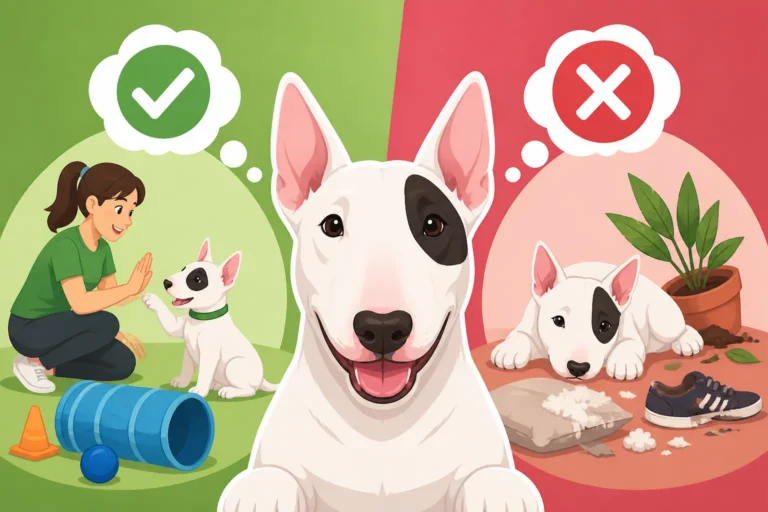
While we often think of child-proofing for kids, a Bull Terrier-proofed home is equally important, especially when kids' toys and belongings are scattered about. Bull Terriers are notoriously curious and can be destructive, particularly if bored or left unsupervised. Small toys, doll parts, or building blocks can easily become choking hazards or cause intestinal blockages if swallowed. Their powerful jaws can make short work of anything from a teddy bear to a table leg.
Ensure that children's toys are picked up and stored in dog-proof containers or rooms when not in use. This protects both the toys and, more importantly, your Bull Terrier. Consider the location of food bowls and water dishes, making sure they are not in high-traffic areas where a child could trip or inadvertently get in the dog's space during feeding, which could trigger resource guarding. Think about anything at dog-level that a Bull Terrier might be tempted to chew or swallow, from electrical cords to shoes. A proactive approach to safeguarding both child and dog belongings will save you headaches and potential vet bills down the line.
Supervision and Interaction: Guiding Positive Relationships
The foundation of a successful relationship between a Bull Terrier and children lies in diligent supervision and thoughtful guidance of their interactions. It’s not enough to simply have them in the same room; you must actively teach them how to coexist.
The Importance of Constant Adult Supervision
This point cannot be stressed enough: never leave a Bull Terrier unsupervised with children, especially young ones. Bull Terriers are strong, energetic, and can be unintentionally rough, even when playing. A sudden surge of excitement, a playful bump, or a poorly timed leap can easily knock over a small child. They don't have a malicious bone in their body, but their sheer power needs to be respected. This vigilance is particularly important with babies and toddlers, who can't advocate for themselves or understand dog signals. Whether a Bull Terrier Is Safe With a Baby is a common concern, and the answer is always only under direct, active adult supervision.
Supervision means more than just being in the same room; it means actively observing and being ready to intervene at a moment's notice. This might involve redirecting overly boisterous play, separating the dog and child if either seems overwhelmed, or reinforcing good behavior from both sides. Think of yourself as the director of their interactions, ensuring that every scene unfolds safely and positively. As children grow and learn, and as your Bull Terrier matures and becomes more predictable, the level of direct intervention might lessen, but constant awareness remains paramount.
Reading Your Bull Terrier's Body Language Around Children
Understanding your Bull Terrier's body language is a critical skill for preventing issues before they escalate. Dogs communicate constantly, and learning their subtle cues can tell you if they are happy, stressed, anxious, or uncomfortable around children. Look for signs like yawning, lip-licking, turning their head away, stiffening of the body, a tucked tail, or ears flattened back. These are all signals that your Bull Terrier might be feeling uneasy and needs a break or more space.
Conversely, a relaxed posture, a gently wagging tail (not a stiff, high one), soft eyes, and an open mouth (looking like a "smile") indicate comfort and enjoyment. If you see signs of stress or discomfort, immediately create distance between your Bull Terrier and the child. This isn't about blaming the dog; it's about recognizing their emotional state and acting responsibly. Teaching children to also recognize these signals can empower them to give the dog space when needed, further fostering a respectful relationship.
Involving Children in Responsible Dog Care
A wonderful way to build a positive bond between children and your Bull Terrier is to involve kids in age-appropriate dog care tasks. This teaches them responsibility, empathy, and respect for their canine companion. For older children, this might mean helping with feeding routines (under supervision to prevent resource guarding), assisting with gentle grooming like brushing their short coat, or being part of supervised walks. Even younger children can help by fetching the leash or a favorite toy.
When children are actively involved in caring for the dog, they develop a sense of ownership and connection. It helps them understand that the dog isn't just there for their entertainment but relies on the family for its well-being. This participation should always be positive and never feel like a chore. Celebrate their contributions and praise both the child and the dog for their good interactions. Remember to use sturdy equipment, perhaps looking on Amazon for strong, comfortable leashes or brushes that even smaller hands can manage.
Training Your Bull Terrier for a Child-Friendly Home
Effective training is the bedrock of a safe and happy home with a Bull Terrier and children. This isn't just about obedience; it's about teaching your dog appropriate manners and impulse control, especially when little ones are around.
Foundational Obedience for Predictable Behavior
A well-trained Bull Terrier is a safer Bull Terrier, especially around children. Establishing a strong foundation of obedience commands is non-negotiable. Commands like "sit," "stay," "down," "come," and "leave it" are not just party tricks; they are crucial safety cues. "Stay" can keep your dog calmly in place while children enter or exit a room, and "leave it" can prevent them from snatching a dropped toy or food. A reliable recall, taught through consistent positive reinforcement, is also essential. Teaching a Bull Terrier to Come Back Mid Zoomie can literally save lives if they bolt toward something dangerous with a child nearby.
Consistency is key. Everyone in the household, including older children, should use the same commands and reward system. This creates clarity for your Bull Terrier and reinforces good habits. Consider enrolling in an online training program, such as those offered by BAXTER & Bella, which can provide structured lessons and support for integrating your Bull Terrier into a family environment. Positive reinforcement, using high-value treats and praise, works wonders with Bull Terriers, who thrive on making their humans happy (when they see the point!).
Managing Excitement and Jumpy Greetings
Bull Terriers are known for their enthusiastic, sometimes overwhelming, greetings. When a child, especially one they adore, enters the room, they might express their joy by jumping up or body slamming. While this is rarely malicious, it can easily injure a child or knock them over. It's crucial to teach your Bull Terrier an alternative, polite greeting. This means rewarding all four paws on the floor.
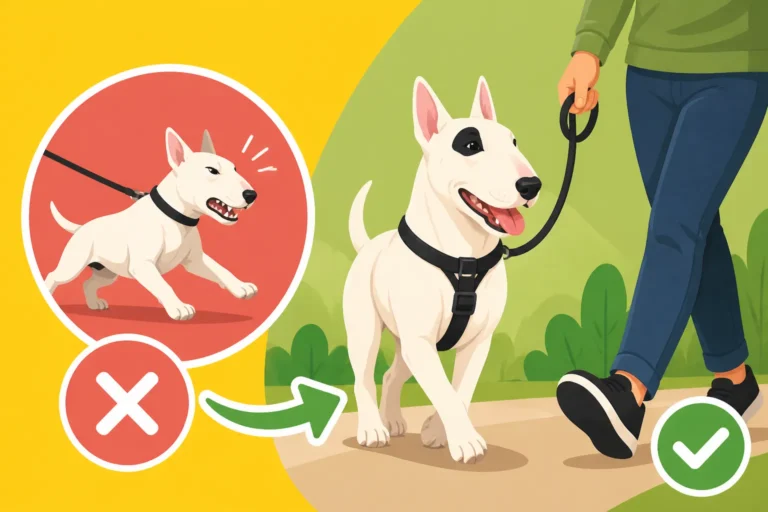
Practice greeting people calmly. When a child approaches, ask your Bull Terrier to "sit" or "down" and reward them for staying in place. If they jump, turn your back, wait for them to calm down, and then try again. Involve older children in this training, always supervised, so the dog learns that calm behavior from everyone earns rewards. How to Stop a Bull Terrier Greeting at Full Speed is a common challenge, but consistent training and managing the environment can make a huge difference. You might use a leash initially during greetings to prevent jumping, rewarding them when they remain calm and then releasing the leash for a calm interaction.
Desensitization to Children's Noises and Movements
Children are unpredictable. They shriek, they drop things, they run, they wobble, and they often move in jerky, erratic ways that can startle a dog. It’s important to desensitize your Bull Terrier to these common childhood behaviors to prevent fear-based reactions. This process involves controlled, positive exposure. Start by playing recordings of children's noises (crying, laughing, yelling) at a low volume while your Bull Terrier is engaged in a positive activity, like eating or chewing a favorite treat. Gradually increase the volume as your dog remains relaxed.
Similarly, expose your Bull Terrier to typical children's movements from a distance, rewarding calm behavior. Have a child (or even an adult imitating a child) move around, then approach calmly, then run a short distance, always at a distance where your Bull Terrier remains comfortable. If your Bull Terrier shows any signs of stress, you've gone too fast; reduce the intensity and try again. The goal is for your Bull Terrier to associate the presence and actions of children with positive experiences, not fear or anxiety.
Managing Playtime and Energy Levels
Bull Terriers are energetic dogs with a strong play drive. Channeling this energy appropriately is vital to ensure safe and fun interactions with children. Without proper outlets, their boisterous play can become overwhelming or even accidentally harmful.
Appropriate Play Styles for Bull Terriers and Children
Not all play is created equal, especially when a powerful Bull Terrier is involved. Rough-and-tumble games, wrestling, or chasing games that involve nipping should generally be avoided between Bull Terriers and children. These activities can inadvertently encourage rough behavior and can quickly escalate beyond safe limits. Instead, focus on structured, supervised games that allow the Bull Terrier to expend energy without direct physical contact with the child.
Games like fetch, where a child throws a ball or toy for the dog to retrieve, are excellent. Tug-of-war can also be appropriate, but with strict rules: the game starts and stops on your command, and the dog must release the toy when asked. This teaches impulse control. Always use sturdy, dog-specific toys (you can find a huge selection on Amazon) for these games, not children's toys, to avoid confusion. How a Bull Terrier Plays With Children should always involve adult oversight, ensuring fair play and preventing over-excitement. Teach children to roll the ball instead of throwing it overhand, especially with smaller kids, to prevent accidental hits.
Channeling Their Energy Safely to Prevent Rough Play
Bull Terriers have a lot of stamina and a high need for physical and mental stimulation. If they don't get enough appropriate exercise, they will invent their own fun, which often involves destructive chewing or overly boisterous behavior. Regular, vigorous exercise is paramount. This can include long walks, runs (once they are mature enough), structured playtime in a secure yard, or dog sports like flirt pole games.
Consider using puzzle toys or treat-dispensing toys to provide mental stimulation, especially when children are occupied with other activities. These can keep your Bull Terrier engaged and mentally tired, reducing the likelihood of them seeking attention through unwanted rough play. How Much Exercise a Bull Terrier Actually Needs is more than just a quick stroll around the block; it's about channeling their boundless energy into productive outlets. A tired Bull Terrier is generally a well-behaved Bull Terrier, which is crucial when sharing a home with active children.
Recognizing When Play Becomes Too Much
It’s important for adults to recognize the subtle cues that indicate play is becoming too intense or stressful for either the Bull Terrier or the child. For the dog, signs of over-arousal can include persistent nipping (even if playful), lunging, hard staring, or an inability to respond to commands. For the child, tears, fear, or attempts to get away from the dog are clear signals.
Immediately intervene if you notice these signs. Separate the dog and child, giving both a chance to calm down. This might mean crating the Bull Terrier for a brief "time out" with a chew toy or redirecting the child to a different activity in a separate space. The goal is to prevent negative experiences and reinforce that play should always be fun and safe for everyone. Teach older children to also recognize these signs and to respectfully disengage from play if they feel uncomfortable or if the dog seems too excited.
Addressing Potential Challenges and Misunderstandings
Even with the best intentions and preparations, challenges can arise when Bull Terriers and children live together. Knowing how to address common issues calmly and effectively is crucial for long-term harmony.
Resource Guarding Prevention
Resource guarding is when a dog becomes possessive over food, toys, sleeping spots, or even people, displaying aggression if approached while possessing these items. This can be a significant concern, especially in homes with children who might unknowingly trespass on a dog's perceived territory. Prevention is key. Start by teaching your Bull Terrier that human presence around their resources is a good thing. Practice "trade-up" games: approach your dog while they are eating or chewing a toy, offer a higher-value treat, and take the original item. Return the original item (or a new, equally exciting one) immediately after. This teaches them that humans approaching their resources means something better is coming, not that their item will be taken away.
Always ensure children respect the Bull Terrier's eating space and "safe zone." No disturbing them while they eat or sleep in their crate or on their bed. Supervise any interactions involving toys, especially high-value ones. If resource guarding is already present, seek professional help from a certified dog trainer or behaviorist. Never try to punish a dog for guarding, as this can escalate the behavior.
Dealing with Accidental Nips or Roughhousing
Given a Bull Terrier's playful nature and powerful jaws, accidental nips or roughhousing can occur, even from a well-meaning dog. A Bull Terrier puppy, like any puppy, will explore the world with its mouth and can be quite "mouthy." Teaching a Bull Terrier Puppy to Stop Nipping involves redirection, consistent bite inhibition training, and ensuring the puppy always has appropriate chew toys. If an accidental nip happens, react calmly and swiftly. A loud "ouch!" and immediately walking away, ignoring the dog for a moment, teaches them that rough play ends the fun.
For older dogs, if roughhousing becomes too intense, immediately separate the dog and child. Review your training protocols for polite greetings and appropriate play. If the roughhousing seems to stem from over-excitement or lack of impulse control, increase their structured exercise and mental stimulation. If you suspect the nip was not accidental, but rather a warning or fear response, this is a serious issue that requires immediate consultation with a professional behaviorist to assess the underlying cause and develop a safety plan.
When to Seek Professional Help
While this guide offers extensive advice, some situations warrant professional intervention. If you are experiencing persistent behavioral issues such as aggression (growling, snapping, biting), severe resource guarding, extreme separation anxiety when children are present, or uncontrollable rough play that you cannot manage on your own, it's time to call in the experts. A certified professional dog trainer or a veterinary behaviorist can provide tailored guidance, assess your specific situation, and help you implement a safe and effective management and modification plan.
Don't wait for a serious incident to occur. Early intervention is always best. Look for professionals who use positive, force-free training methods and have experience with Bull Terriers or strong, energetic breeds. Online platforms like BAXTER & Bella often connect you with certified trainers who can offer virtual consultations, which can be a fantastic resource for busy families. Investing in professional help is an investment in the safety and happiness of both your children and your beloved Bull Terrier.
Different Age Groups: Bull Terriers with Babies, Toddlers, and Older Children
The dynamic between a Bull Terrier and children changes significantly as the children grow. What works for a baby might not work for a toddler, and what's fine with an older child might be too much for an infant. Tailoring your approach to each age group is essential.
Introducing a Bull Terrier to a Newborn or Infant
Bringing a new baby home is a huge transition for everyone, including your Bull Terrier. Preparation should begin before the baby arrives. Introduce baby-related smells (lotions, powders, blankets) to your Bull Terrier ahead of time. Play recordings of baby sounds to desensitize them. When the baby comes home, manage the initial introductions carefully and calmly. Keep your Bull Terrier on a leash during the first few supervised meetings, rewarding calm behavior. Let them sniff the baby from a distance, never forcing interaction.
Establish clear boundaries from day one. Your Bull Terrier should not have unsupervised access to the baby. Use baby gates to create physical barriers. Ensure the Bull Terrier's crate remains their safe, undisturbed space. Always ensure the dog is calm and tired before any supervised interaction. Whether a Bull Terrier Is Safe With a Baby hinges entirely on your vigilant supervision and proactive management to prevent any accidental bumps or over-excitement. Remember, infants are fragile and entirely dependent on you to protect them.
Navigating the Toddler Years: Patience and Supervision for Both
Toddlers are a unique challenge for any dog. They are often unsteady on their feet, unpredictable in their movements, and naturally curious, often grabbing, poking, or pulling. This is arguably the most critical period for active supervision. A Bull Terrier, with its "three-year-old in a dog suit" personality, might find a toddler's erratic movements exciting and want to join in the rough-and-tumble, not understanding the toddler's vulnerability. Whether a Bull Terrier Is Too Rough for a Toddler is a common concern, and the answer is that their natural play style can be too rough if not carefully managed.
Reinforce boundaries constantly. Teach your toddler how to be gentle and respectful, using words like "gentle hands." Never allow them to climb on the dog, pull its ears or tail, or disturb it while it's eating or sleeping. Have your Bull Terrier practice "place" or "stay" commands frequently when your toddler is active. Always be within arm's reach to intervene immediately if play becomes too enthusiastic or if either the dog or the child shows signs of stress. This period requires immense patience and consistent oversight to ensure positive and safe interactions.
Older Children and Bull Terriers: Building Strong, Respectful Bonds
As children mature into elementary school age and beyond, the relationship with a Bull Terrier can truly blossom. Older children can understand dog behavior better, follow rules, and participate more actively in the dog's care and training. This is where those strong, loyal bonds really form. Encourage your older children to get involved in structured playtime, like throwing a frisbee in the park, or helping with obedience training sessions. How a Bull Terrier Bonds to a Child deepens when they have shared, positive experiences.
Teach older children about their Bull Terrier's individual quirks and needs. Discuss body language and how to respect the dog's personal space. They can learn to understand the Bull Terrier's desire for affection and its need for appropriate exercise. While supervision is still important, it can shift from constant intervention to more observational guidance. This age allows for more independent interaction, but it's vital that children understand that they are still responsible for treating the dog with kindness and respect.
Long-Term Harmony: Fostering a Lasting Bond
The journey of living with a Bull Terrier and children is a marathon, not a sprint. Fostering a lasting, harmonious bond requires ongoing effort, understanding, and adaptability as both your dog and your children grow and change.
Continued Socialization and Training
Training and socialization aren't one-time events; they are lifelong commitments. As your Bull Terrier matures, and as children grow, new challenges and situations will arise. Continue to reinforce good manners and obedience commands. Regularly expose your Bull Terrier to new people, places, and experiences in a positive way to maintain their confidence and adaptability. If new family members or friends with children visit, make sure you facilitate calm introductions.
Consider advanced obedience classes or even dog sports like agility (if your vet clears it) to keep your Bull Terrier mentally stimulated and physically fit. This ongoing engagement helps maintain their responsiveness and focus, which is always a good thing when managing interactions with children. A well-adjusted, well-trained Bull Terrier is better equipped to handle the dynamic and often chaotic nature of a family home with kids.
Creating Shared Experiences
The strongest bonds are built on shared experiences. Make your Bull Terrier a central part of family life. Include them in family outings, like walks in the park, trips to dog-friendly stores, or even quiet evenings cuddling on the sofa. Create rituals that involve both your Bull Terrier and your children, such as supervised feeding times, evening play sessions, or bedtime snuggles. These shared moments reinforce the idea that they are all part of the same loving family unit.
Encourage gentle, quiet interactions too. Not every interaction needs to be high-energy play. A child reading quietly next to a resting Bull Terrier, or gently petting them while watching TV, fosters a sense of calm companionship. These moments of peaceful coexistence are just as important as energetic play in building a deep, trusting relationship.
Understanding the Bull Terrier's Lifespan and Stages
Bull Terriers typically live The Ten to Fourteen Years a Bull Terrier Gets, and during this time, they will go through various life stages, just like children. A boisterous puppy will eventually become a more settled adult, and then an aging senior. Each stage brings different needs and considerations. An older Bull Terrier might be less tolerant of rough play or sudden movements, and their patience might wane. They might also develop health issues that impact their temperament or mobility.
As your Bull Terrier ages, be mindful of their comfort levels around children. Provide them with comfortable, quiet resting spots away from busy household areas. Teach children to be extra gentle and understanding with an older dog, recognizing that they might have aches or pains. Regular vet check-ups become even more crucial to manage any age-related health concerns. Caring for a Bull Terrier Past Eight often means adjusting expectations and ensuring everyone respects their need for peace and quiet. By understanding and adapting to these stages, you can ensure a positive relationship between your Bull Terrier and your children throughout their entire shared life.
Disclaimer
This article is for general informational purposes only and does not constitute professional advice. Laws, prices and regulations vary by location and change over time. Consult a qualified professional for guidance on your specific situation.