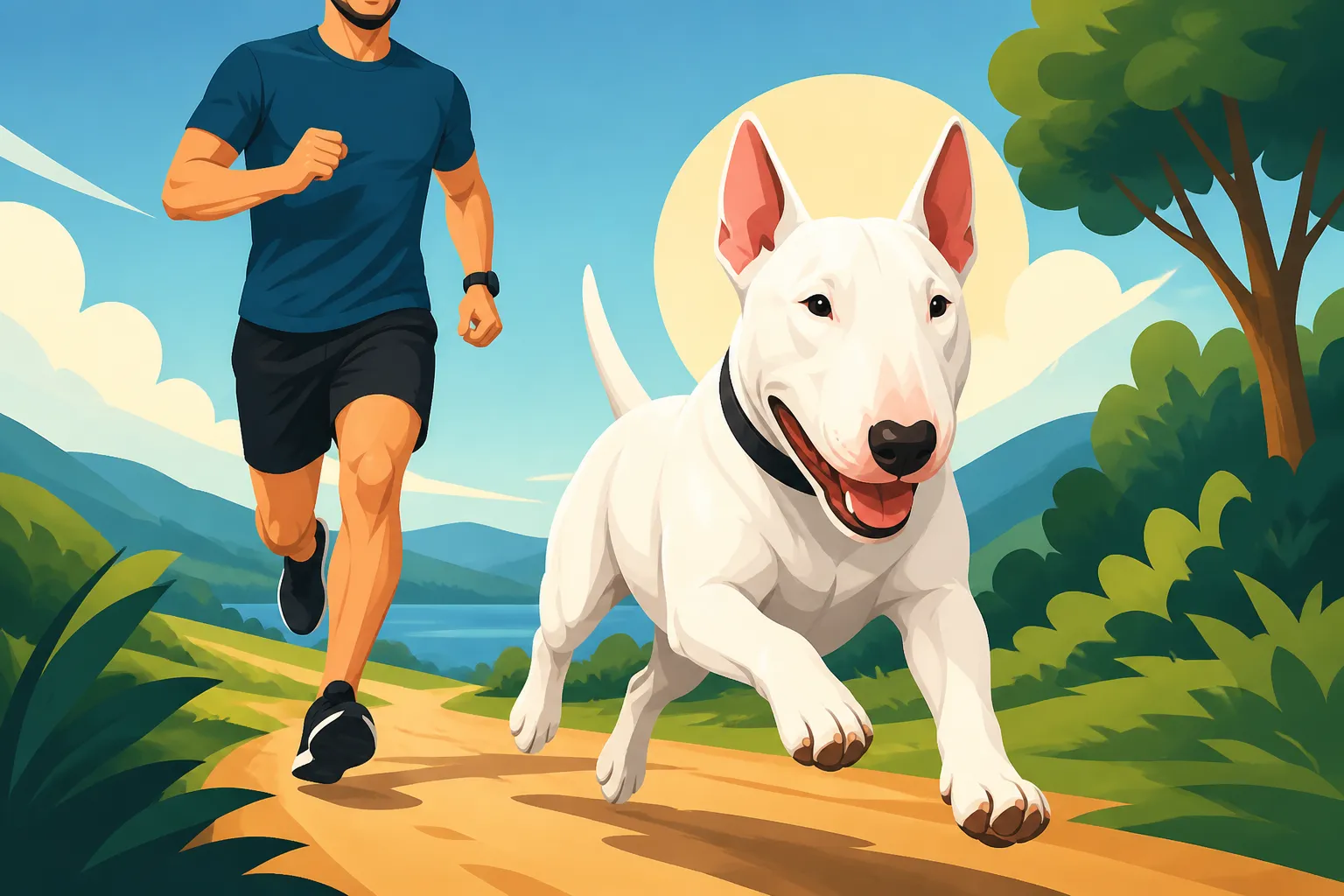
How Far a Bull Terrier Can Run With You
Many Bull Terrier owners dream of hitting the pavement with their energetic, muscular companions, envisioning long, satisfying runs together. However, the reality is that while Bull Terriers are undoubtedly strong and active, their unique physical characteristics and potential genetic predispositions mean that sustained, high-impact running isn't always the best fit for every individual, and definitely not without careful consideration. This guide will help you understand your Bull Terrier's capabilities, identify potential risks, and outline how to safely incorporate running into their exercise routine, ensuring both your enjoyment and their long-term health.
Before You Lace Up: Understanding Your Bull Terrier's Unique Build for Running
Before you even think about putting on your running shoes, it's crucial to understand that a Bull Terrier's physique, while robust, has specific features that impact their suitability for long-distance or high-intensity running. They're built for power and short bursts of speed, not necessarily endurance.
The Bull Terrier Physique: Power vs. Endurance
Bull Terriers possess a compact, muscular build with a deep chest and sturdy bone structure. This powerful frame is fantastic for quick acceleration and short, intense play, like a vigorous game of fetch or a spirited romp in the park. However, this same build can present challenges for sustained running. Their heavier body mass means more impact on their joints with every stride, especially on hard surfaces. Unlike a sighthound built for long, efficient strides, a Bull Terrier's gait is more purposeful and less designed for endless miles.
Imagine trying to run a marathon while carrying a heavy backpack; that's a bit like what it can feel like for a Bull Terrier on a long run if they're not conditioned properly or if their structure isn't ideal. We also need to remember that their unique "egg-shaped" head, while iconic, doesn't directly affect their running mechanics, but their overall brachycephalic (shorter snout) tendencies, even if subtle, can sometimes impact breathing efficiency, especially in warmer weather. This means monitoring them for signs of overheating becomes even more critical.
Health Considerations: What to Check Before Running
No matter how enthusiastic your Bull Terrier seems, a thorough veterinary check-up is non-negotiable before starting any serious running program. This is especially true given the breed's predispositions to certain health conditions that could be exacerbated by rigorous exercise.
First and foremost, a healthy heart is paramount. Bull Terriers can be prone to congenital heart defects like mitral valve dysplasia or aortic stenosis. A hidden heart condition could turn a seemingly routine run into a medical emergency. You should always ensure your vet has performed a thorough cardiac auscultation, listening carefully for any murmurs. For a puppy, this is a standard check, but for an adult or rescue dog, it's worth requesting specifically if you plan on vigorous activity. If a murmur is detected, a specialist's echocardiogram might be recommended to assess the severity. The Heart Murmur a Bull Terrier Puppy Should Be Checked For and What an Echocardiogram Costs on a Bull Terrier offer more detailed information on this vital check.
Joint health is another major concern. Conditions like patellar luxation, where the kneecap slips out of place, or issues with hips and elbows, can make running painful and potentially worsen over time. While Bull Terriers aren't as notoriously prone to hip dysplasia as some larger breeds, it's still a possibility. Regular vet checks and discussions about joint supplements or specific exercises to strengthen supporting muscles can be helpful. Patellar Luxation in a Bull Terrier provides a deeper dive into this specific joint issue. Pay close attention to any limping, stiffness, or reluctance to move, as these are clear signals that something isn't right.
Finally, while less common, hereditary nephritis is a serious kidney disease found in Bull Terriers. While it doesn't directly impact running ability in its early stages, a dog with compromised kidney function might have less stamina or could be more susceptible to dehydration, which heavy exercise can worsen. It’s always good practice to keep up with yearly urine screens, as discussed in The Yearly Urine Test Every Bull Terrier Owner Should Book, to monitor overall health.
The Age-Old Question: When and How Far Your Bull Terrier Can Safely Run
Deciding when and how much your Bull Terrier can run is largely dependent on their age, physical maturity, and individual conditioning. There's no one-size-fits-all answer, and patience is definitely a virtue here.
Puppyhood: No Long Runs, Please!
This is perhaps the most critical stage. Bull Terrier puppies, with their boundless energy, might seem like they're ready for anything, but their bodies are still growing and developing. Their growth plates, soft areas of cartilage at the ends of long bones, are incredibly vulnerable to damage from high-impact activities like sustained running on hard surfaces. Too much stress too soon can lead to lifelong orthopedic problems.
For puppies under 12-18 months, the focus should be on free-play in a safe, soft environment like grass. Short bursts of zoomies, gentle walks, and games are perfect. Avoid forced, sustained running alongside a bicycle or long jogs on pavement. Think of it as letting them develop their own pace and stopping when they want to stop, not when you decide the run is over. A good rule of thumb is about five minutes of structured exercise per month of age, twice a day. So, a four-month-old puppy would get two 20-minute walks, but not intense running sessions. This period of gradual, low-impact exercise allows their bones and joints to mature properly, setting them up for a healthier adult life.
Adult Bull Terriers: Building Stamina Gradually
Once your Bull Terrier is fully grown, typically between 18 months and two years old, you can gradually introduce them to running. However, "gradually" is the operative word. Don't expect them to go from couch potato to 5K partner overnight.
Start with short distances, perhaps a half-mile or a mile, interspersed with walking. Pay close attention to their breathing, pace, and eagerness. If they're lagging, panting excessively, or showing any signs of discomfort, it's time to stop or slow down significantly. Over several weeks, you can slowly increase the distance and duration.
A healthy, well-conditioned adult Bull Terrier can typically handle short to moderate runs, usually up to 2-3 miles at a comfortable pace. Some individuals might be capable of more, especially if they have a leaner build and are specifically conditioned for it, but pushing beyond this without expert guidance can lead to strain. Remember, their enthusiasm might mask discomfort, so it's up to you to be observant. Their drive to please or their sheer stubbornness can sometimes override their physical limits. How Much Exercise a Bull Terrier Actually Needs delves into their general exercise requirements, which is a good baseline.
Senior Bull Terriers: Gentle Exercise is Key
As Bull Terriers age, typically starting around eight years old, their bodies naturally begin to slow down. Their joints may ache, stamina decreases, and underlying health conditions might become more apparent. Running, especially long distances or on hard surfaces, should be significantly reduced or stopped altogether.
For senior Bull Terriers, gentle walks, swimming (if they enjoy it and can swim, as many Bull Terriers famously sink!), and low-impact play are far more beneficial. Listen intently to their body. A bit of stiffness after a walk is one thing; limping or persistent pain is another. Regular vet check-ups become even more crucial, as discussed in Caring for a Bull Terrier Past Eight, to monitor for arthritis, heart conditions, or kidney issues that can impact their mobility and energy levels. The goal is to keep them comfortable, mobile, and happy in their golden years, not to achieve new personal bests.
Here's a quick overview of running suitability by age:
| Age of Bull Terrier | Running Recommendations | Key Considerations |
|---|---|---|
| 0-18 Months | No sustained running. Short, supervised free-play on soft surfaces (grass). | Growth plates are open; high impact can cause irreversible damage. Focus on mental stimulation and short, positive training sessions. |
| 18 Months – 7 Years | Start with short, slow jogs (0.5-1 mile) and gradually increase. Most can comfortably manage 2-3 miles. | Requires good health checks (heart, joints). Monitor for overheating. Consider softer surfaces. |
| 8 Years + | Limit to slow, short jogs or brisk walks. Prioritize low-impact activities like swimming. | Arthritis and decreased stamina are common. Consult vet for joint pain management. Watch for signs of discomfort closely. |
Gearing Up for Success: Essential Considerations for Running with Your Bull Terrier
Running with your Bull Terrier isn't just about lacing up your shoes; it's about preparation, the right gear, and creating a safe environment.
The Right Equipment: Harnesses, Leashes, and Comfort
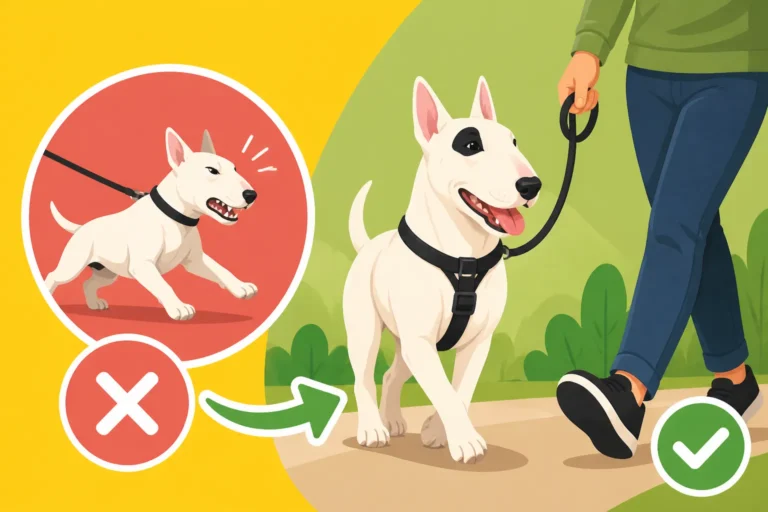
A secure and comfortable harness is paramount for running with a Bull Terrier. Their strong necks and unique head shape mean a collar might put undue pressure on their throat if they pull, and could even lead to tracheal damage over time. A well-fitting, Y-front harness distributes pressure evenly across their chest and shoulders, allowing for free movement. Brands like Ruffwear or similar durable, comfortable options found on Amazon are often good choices for their robustness and design that prevents rubbing. Avoid harnesses that restrict shoulder movement, as this can impede their gait and potentially lead to injury over long distances.
A hands-free leash can be a game-changer, especially for their powerful lean and tendency to suddenly change direction when they spot a squirrel. A bungee leash clipped to a running belt keeps your hands free and absorbs some of the shock if your Bull Terrier lunges, making the experience more comfortable for both of you. This can also help you maintain better balance and control, preventing those sudden body slams for fun that Bull Terriers are known for! Which Harness Holds a Bull Terrier offers more insights into choosing the right equipment.
Environmental Factors: Surface, Weather, and Hydration
The surface you run on makes a huge difference. Pavement and concrete are hard and unforgiving, increasing impact on joints. Softer surfaces like dirt trails, grass, or even a track are much kinder to their paws and joints. If you must run on pavement, keep distances shorter and consider dog booties if your Bull Terrier will tolerate them to protect their pads.
Weather conditions are equally crucial. Bull Terriers, especially those with shorter snouts or denser coats, are prone to overheating. Avoid running in direct sunlight during the hottest parts of the day, particularly in summer. Early mornings or late evenings are often best. Always carry water for both you and your dog, and offer it frequently. Signs a Bull Terrier Is Overheating is an essential read for any owner, as heatstroke can be deadly. Even in cooler weather, remember that their short coat offers little insulation, so a light dog coat might be necessary for winter runs to prevent them from getting too cold. Whether a Bull Terrier Needs a Coat in Winter gives more information on this.
Training and Conditioning: Beyond Just Running
Running is just one component of a holistic fitness plan. Before you even start running, your Bull Terrier should have a solid foundation of obedience and leash manners. A dog that pulls incessantly or tries to chase every distraction isn't a safe running partner. Companies like BAXTER & Bella offer online puppy and dog training programs that can help build this foundational obedience, ensuring your Bull Terrier understands cues like "leave it" and walks politely on a leash before you add the complexity of running.
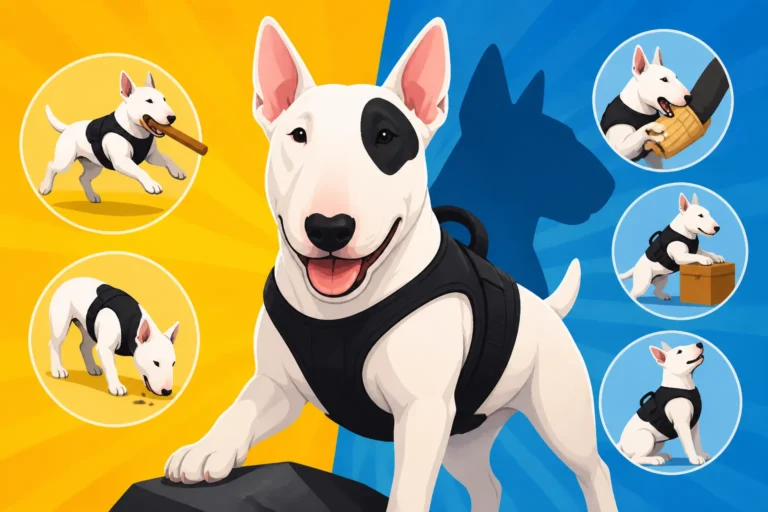
Beyond obedience, incorporate varied exercise. Cross-training helps build different muscle groups and reduces repetitive strain. Think swimming, scent work, or even engaging puzzle toys to keep their minds sharp. Regularly inspecting their paws for cuts, cracks, or excessive wear is also vital. Their tough pads can still be injured, and hot asphalt or sharp debris can cause significant problems.
Listen to Your Bull Terrier: Recognizing Limits and Avoiding Overexertion
Your Bull Terrier might be the most stoic creature you know, but they will give you signs when they're reaching their limit or feeling discomfort. Learning to read these signals is perhaps the most important aspect of running together safely.
Warning Signs of Overexertion or Discomfort
Bull Terriers, with their tough-guy exterior and high pain tolerance, can be notoriously good at hiding discomfort. It's up to you to be vigilant. Watch for:
- Excessive Panting: More than usual, especially if it doesn't subside quickly after stopping.
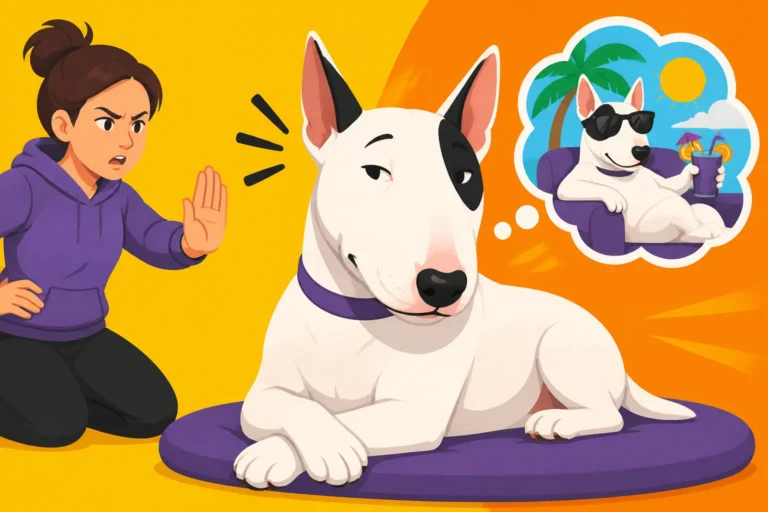
- Slowing Down or Lagging Behind: A clear sign they're tiring. Don't mistake this for stubbornness; it's often a physical signal.
- Changes in Gait: Limping, stiffness, or an altered stride. This could indicate joint pain or a muscle strain.
- Bright Red Gums or Tongue: A serious sign of overheating.
- Dark Urine: Could indicate dehydration or even muscle breakdown in severe cases of overexertion.
- Reluctance to Get Up or Move After the Run: Lingering soreness or pain.
- Excessive Drooling: Another sign of potential overheating or nausea.
If you observe any of these signs, stop immediately. Seek shade, offer water, and allow your dog to rest. If symptoms are severe or persist, contact your veterinarian. It’s always better to err on the side of caution.
The Importance of Warm-ups and Cool-downs
Just like human athletes, Bull Terriers benefit immensely from proper warm-up and cool-down routines. Before a run, a brisk 5-10 minute walk helps warm up their muscles and prepare their cardiovascular system. This reduces the risk of strains and sprains.
After the run, a similar 5-10 minute cool-down walk allows their heart rate to return to normal and helps prevent muscle stiffness. Gentle stretching of their legs (if they tolerate it and you know how to do it safely) can also be beneficial. This routine is not just a nicety; it’s a crucial part of preventing injuries and ensuring your Bull Terrier recovers well from their exercise. Remember that the ultimate goal is not speed or distance, but a shared, healthy activity that strengthens your bond without compromising their well-being. Knowing How a Bull Terrier Hides Pain can make you a more observant owner, ensuring you catch subtle cues that others might miss.
Disclaimer
This article is for general informational purposes only and does not constitute professional advice. Laws, prices and regulations vary by location and change over time. Consult a qualified professional for guidance on your specific situation.