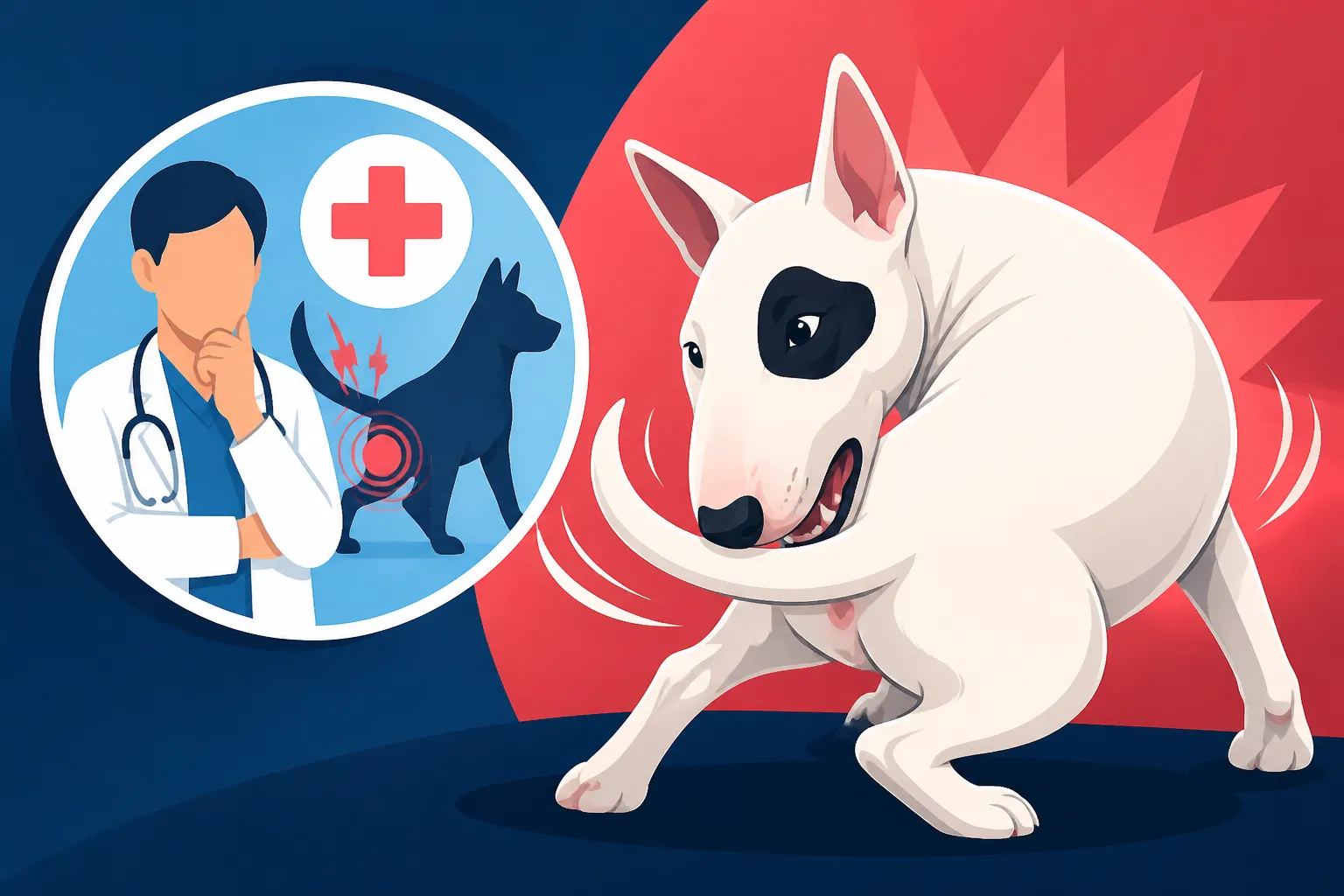
Tail Chasing in a Bull Terrier Is a Medical Problem
It’s easy to dismiss a Bull Terrier frantically chasing its tail as just another one of their endearing, often hilarious, quirks. We've all seen videos of dogs spinning in circles, and it seems like harmless fun. But for Bull Terrier owners, this seemingly innocent behavior can quickly escalate into a distressing and deeply concerning pattern, often indicating a serious underlying medical problem rather than just playful antics. This guide delves into the complex reasons why tail chasing in Bull Terriers is rarely just play, exploring its potential medical, neurological, and behavioral roots, and offering a pathway to understanding and managing this challenging issue.
Understanding the Enigma: When Tail Chasing Isn't Just "Playing"
Many Bull Terrier owners, myself included, have watched their goofy, egg-headed companions engage in moments of playful exuberance. A quick spin to catch their tail, a little pounce, and then they're off to the next adventure. This is normal, healthy play. But there's a distinct, often heartbreaking, line where this behavior transforms into something more ominous. When tail chasing becomes repetitive, difficult to interrupt, or causes distress to the dog, it's a huge red flag that we need to pay attention to. It’s not just a "funny thing they do"; it’s a symptom.
The Difference Between Normal Play and Compulsive Behavior
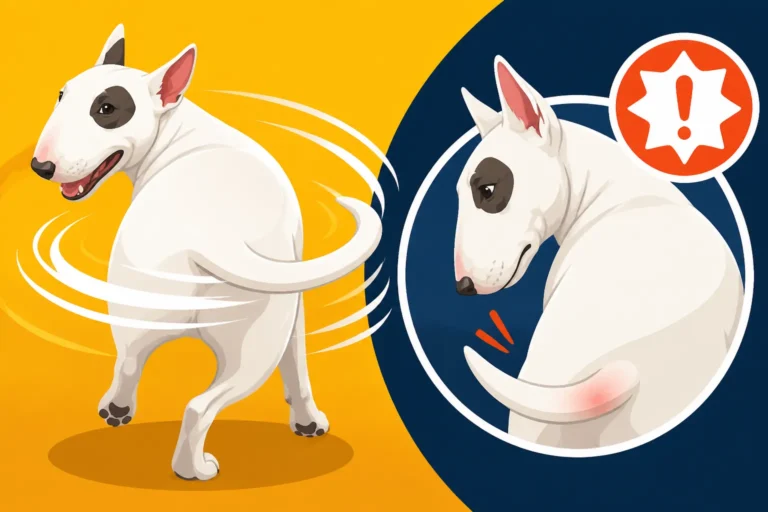
Imagine your Bull Terrier, full of beans, suddenly spots its tail wiggling. It might give a playful chase, perhaps even catch it, and then quickly move on to sniffing a toy or demanding a belly rub. That's typical dog play – brief, easily interrupted, and a clear sign of joy and engagement with its environment. The dog is in control, and its actions are responsive to its surroundings.
Now, picture this: your Bull Terrier starts spinning, not just once or twice, but continuously. Its eyes might seem glazed over, its body tense, and it might even ignore your calls or attempts to distract it. This is where we enter the realm of compulsive behavior. It’s often a relentless, repetitive, and exaggerated action that seems to have no clear purpose or end goal. The dog appears to be "stuck" in the behavior, almost as if it's trapped in its own mind. This isn't fun for them; it's often a manifestation of anxiety, stress, or a neurological imbalance. Owners often describe a desperate, almost frantic quality to the spinning, far removed from any joyous play.
Initial Signs That Something More Is Going On
Recognizing the early warning signs is absolutely critical. Often, tail chasing that moves into the compulsive realm doesn't start out of nowhere. You might notice subtle shifts first. Perhaps your Bull Terrier starts chasing its tail more frequently, or for longer durations. Maybe it becomes harder to get their attention when they're in the throes of a spin. They might develop raw spots or even lesions on their tail from constant nipping, which can be a clear indicator that Whether a Spinning Bull Terrier Damages Its Tail For many owners, the initial thought might be "Oh, they're just bored" or "They need more exercise," and while those factors can contribute, the intensity and uninterruptibility of the behavior are key indicators of a deeper issue.
Another significant red flag is if the behavior appears to be triggered by seemingly benign things, like excitement, anticipation of food, or even a sudden noise. You might also notice that The Age Bull Terrier Tail Chasing Starts This can often be between 6 months and 3 years, a period of significant neurological development. If you start to see these patterns emerging, especially if your Bull Terrier seems distressed or "not quite there" during these episodes, it’s time to consult your vet. Don’t wait until it becomes a full-blown, daily struggle.
The Deep Dive: Neurological Roots of Bull Terrier Tail Chasing
For years, many vets and owners alike treated excessive tail chasing as purely behavioral, suggesting more exercise or obedience training. While those can sometimes help with milder cases, they often fall short when the problem is deeply rooted in the brain. Increasingly, research and clinical experience point to neurological underpinnings, particularly for breeds like the Bull Terrier. Their unique genetics and brain structure make them more susceptible to certain conditions that manifest as compulsive behaviors.
The Role of Seizure Activity and Partial Seizures
It might sound alarming to associate tail chasing with seizures, but in Bull Terriers, it's a very real and extensively studied connection. Many instances of compulsive tail chasing are, in fact, partial seizures, sometimes referred to as focal seizures. Unlike a grand mal seizure where a dog might lose consciousness and convulse violently, partial seizures can be much more subtle. They might manifest as repetitive, abnormal behaviors because they affect only a specific part of the brain. The dog often remains conscious but is not fully aware of its surroundings or responsive to commands.
These seizures can manifest as intense spinning or tail chasing, often accompanied by dilated pupils, drooling, or a glazed, unfocused stare. The key distinction from normal behavior is the dog's inability to break out of it. Owners often describe their dog as being "in a trance." Understanding Whether Bull Terrier Tail Chasing Is a Seizure is critical, because if it is, the treatment approach changes dramatically from behavioral modification to anticonvulsant medication. It can be incredibly difficult to differentiate a pure behavioral spin from a seizure to the untrained eye, making veterinary expertise absolutely essential.
How Brain Chemistry Influences Compulsive Disorders
Beyond overt seizure activity, imbalances in brain chemistry play a significant role in compulsive disorders in Bull Terriers. Think of the brain as a complex symphony orchestra; when certain sections are out of tune or playing too loudly, the whole performance suffers. Neurotransmitters like serotonin, dopamine, and GABA are crucial for regulating mood, impulse control, and anxiety. When these are out of whack, a dog can develop obsessive-compulsive disorder (OCD)-like behaviors, and tail chasing is a classic example in Bull Terriers.
For instance, low serotonin levels are often linked to anxiety and compulsive behaviors in humans and animals. This isn't just a "naughty dog" issue; it’s a physiological one. The dog isn’t choosing to spin; its brain is compelling it to. This understanding is liberating for owners, as it shifts the blame from the dog's "stubbornness" to a medical condition. This also explains why traditional obedience training often fails to resolve severe spinning; you can't train away a chemical imbalance. Medications that help regulate these neurotransmitters can be incredibly effective in bringing relief to these dogs, highlighting the importance of a medical diagnosis.
Beyond the Brain: Other Medical Causes to Consider
While neurological issues are a strong contender for Bull Terrier tail chasing, it's crucial not to tunnel vision. The body is a complex system, and sometimes what looks like a psychological or neurological issue can be triggered or exacerbated by physical discomfort or pain. A comprehensive veterinary workup needs to rule out these possibilities before focusing solely on the brain.
Physical Irritations and Pain as Triggers
Imagine having an incessant itch or pain that you can't quite reach. You'd likely become obsessive about trying to alleviate it. The same goes for our dogs. A variety of physical irritations can cause a Bull Terrier to obsessively focus on its tail. This could include allergies causing skin irritation, flea infestations leading to constant itching, or even anal gland issues causing discomfort in the hindquarters. If their tail itself is painful or itchy, from an injury or skin condition, they might repeatedly try to lick, chew, or chase it in an attempt to find relief.
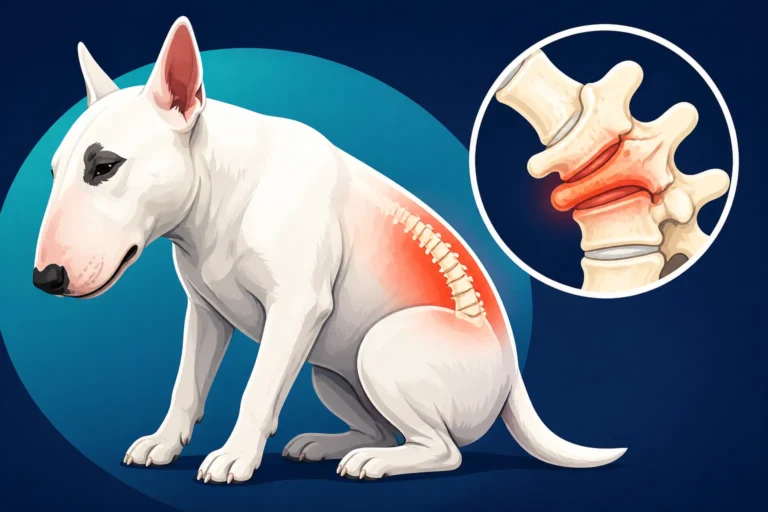
For example, a Bull Terrier with a severe flea allergy might feel constant irritation around its tail base. While the dog might initially scratch, the relentless itching could escalate into a compulsive tail chase as a displacement behavior or a desperate attempt to "catch" the source of the discomfort. Similarly, an undiagnosed injury, like a strained muscle in the hindquarters or even a nerve impingement in the spine, could cause referred pain that the dog interprets as originating from its tail, leading to a relentless pursuit. A thorough physical exam, including checking for parasites, skin issues, and musculoskeletal pain, is always the first step.
Hormonal Imbalances and Their Impact
Hormones are powerful chemical messengers that regulate almost every bodily function, including behavior. An imbalance in thyroid hormones, for instance, can lead to a myriad of behavioral changes, including anxiety, irritability, and even compulsive behaviors. Hypothyroidism, a common condition in dogs where the thyroid gland doesn't produce enough hormones, can make a dog feel sluggish, anxious, and prone to skin issues that could indirectly trigger tail chasing.
Beyond thyroid, other hormonal shifts, particularly those related to reproductive cycles, can sometimes influence behavior. An intact female Bull Terrier might exhibit more anxious or compulsive behaviors around her heat cycles, or a male dog might react to hormonal surges. While less commonly the sole cause of severe compulsive tail chasing, hormonal imbalances can certainly act as a contributing factor or exacerbate existing predispositions. A full blood panel, checking thyroid levels and other relevant markers, is an important part of a diagnostic workup, ensuring no stone is left unturned in understanding your Bull Terrier's health.
The Genetic Link: Why Bull Terriers Are Predisposed
It’s no secret that certain breeds are predisposed to certain health conditions, and Bull Terriers are unfortunately high on the list for a variety of unique quirks, both physical and behavioral. Their distinctive genetic makeup, a result of selective breeding for specific traits, also carries with it a higher risk for conditions like compulsive tail chasing. This isn't a fault of the dog or the owner; it's simply a part of their genetic lottery.
Inherited Tendencies and Breed-Specific Traits
Bull Terriers are known for their strong personalities, intense focus, and often a quirky, clownish demeanor. However, lurking beneath this charming exterior is a genetic predisposition for certain neurological and behavioral conditions, including tail chasing and other compulsive behaviors like spinning or trancing. It's often passed down through generations, indicating a clear genetic component. If a Bull Terrier’s parents or grandparents exhibited severe tail chasing, the puppy has a higher likelihood of developing it. This is why responsible breeders are so vital – they should be transparent about such issues in their lines.
The genetic link is complex and likely involves multiple genes rather than just one simple gene. Researchers are still working to fully understand the exact genetic markers. However, the consistent prevalence of this behavior within the breed points strongly towards an inherited tendency. This isn't something a Bull Terrier "learns" from another dog; it's something they are born with a predisposition for, and certain environmental factors or stressors can then "turn on" or intensify the behavior.
What the Research Says About Genetic Predisposition
Scientific studies have consistently highlighted the genetic predisposition for compulsive tail chasing in Bull Terriers. Research published in veterinary journals often points to a complex inherited basis, suggesting a polygenic trait, meaning multiple genes are involved, possibly interacting with environmental factors. Some studies have even explored specific chromosomal regions that might be associated with these behaviors in Bull Terriers, distinguishing them from other breeds with different compulsive disorders.
This research reinforces the understanding that this is a medical condition, not a training deficit. It means that while behavioral management techniques are helpful, they are often insufficient on their own for genetically predisposed dogs. Knowing this can be a huge relief for owners who have felt frustrated or guilty, believing they were failing their dog. It validates their experience and shifts the focus towards medical and specialized behavioral interventions. This genetic understanding also emphasizes the importance of carefully selecting a breeder who is aware of these tendencies and actively works to breed away from them, or at least is transparent about their lines.
Diagnosis is Key: Working With Your Veterinarian
If you suspect your Bull Terrier's tail chasing is more than just playful fun, the very first step, and arguably the most crucial, is a thorough diagnostic process with your veterinarian. This isn't a self-diagnosis situation; you need professional help to rule out other conditions and pinpoint the most likely cause. A good vet will approach this systematically, leaving no stone unturned.
The Importance of a Thorough Veterinary Examination
When you bring your spinning Bull Terrier to the vet, expect a comprehensive physical examination. Your vet will look for any external signs of irritation, injury, or pain. This includes checking the tail itself for any lesions, cuts, or infections that might be causing discomfort. They will also meticulously examine the anal glands, skin, ears, and musculoskeletal system to rule out any underlying physical issues mentioned earlier. A Bull Terrier's skin is often its weakest point, so dermatological issues can't be overlooked.
Beyond the physical, your vet will ask detailed questions about the behavior itself: When did it start? How often does it happen? How long do the episodes last? What, if anything, seems to trigger it? Can you interrupt it? Does your dog seem aware of you during the episode? Gathering this history is vital for differentiating between play, general anxiety, or a potential seizure disorder. Don't be shy about providing videos of the behavior; they can be incredibly helpful for your vet to assess the nature and intensity of the spinning.
Advanced Diagnostic Tools: From Bloodwork to MRIs
Once physical causes have been largely ruled out, or as part of a comprehensive diagnostic plan, your vet will likely recommend further testing. Bloodwork is essential to check for hormonal imbalances, particularly thyroid function, and to ensure overall organ health. A urinalysis can also provide insights into metabolic health. If your vet suspects a neurological component, they might recommend more advanced diagnostics.
This could include a consultation with a veterinary neurologist. The neurologist might suggest an electroencephalogram (EEG) to detect abnormal brain activity, or a magnetic resonance imaging (MRI) scan of the brain. An MRI can help identify structural abnormalities in the brain that might be contributing to seizure activity or compulsive disorders. While these advanced tests can be costly, and your pet insurance like Healthy Paws might be a lifesaver here, they provide invaluable information that can lead to an accurate diagnosis and, most importantly, effective treatment. Understanding Whether a Bull Terrier Should Have an MRI can help you prepare for this discussion with your vet.
Management Strategies: A Multi-Faceted Approach
Once a diagnosis is made, managing compulsive tail chasing in Bull Terriers typically requires a multi-faceted approach. There’s rarely a single magic bullet, and often the most successful outcomes come from combining medical interventions with environmental and behavioral modifications. This requires patience, consistency, and a deep understanding of your dog's needs.
Medical Interventions and Pharmacological Treatments
If the tail chasing is determined to have a neurological basis, such as partial seizures or an underlying chemical imbalance, medication will likely be a cornerstone of treatment. Anticonvulsant medications, similar to those used in humans with epilepsy, can be prescribed to help control seizure activity. Your vet or a veterinary neurologist will determine the most appropriate medication and dosage. It's important to understand that finding the right drug and dose can take time, often requiring adjustments and monitoring.
For compulsive behaviors rooted in neurotransmitter imbalances, selective serotonin reuptake inhibitors (SSRIs) or tricyclic antidepressants (TCAs) are often used. These medications help regulate brain chemistry, reducing anxiety and the compulsion to spin. Brands like Prozac (fluoxetine) or Clomicalm (clomipramine) are commonly prescribed in veterinary medicine. These aren't sedatives; they work by slowly altering brain chemistry over several weeks, so patience is key. It's worth learning Which Medication Stops a Bull Terrier Spinning to discuss options with your vet. Combining these medications with environmental management is often the most effective strategy.
Environmental Enrichment and Behavioral Modification
Medication alone is often not enough. A spinning Bull Terrier, particularly one with a genetic predisposition, needs a carefully managed environment and consistent behavioral support. This means providing plenty of mental and physical enrichment to channel their energy and intellect productively. Bull Terriers are intelligent dogs who need a job, and without one, they can develop undesirable behaviors. This is why understanding Why a Bull Terrier Needs a Job is so crucial. Puzzle toys, interactive feeders, scent work, and short, engaging training sessions can help satisfy their cognitive needs.
Regarding behavioral modification, the goal isn't to punish the spinning (which can exacerbate anxiety) but to redirect and manage it. When you see your Bull Terrier starting to spin, try to interrupt gently and immediately redirect them to an appropriate activity, like a durable chew toy or a short training exercise. Creating a consistent routine, providing a safe and quiet space, and ensuring adequate, but not excessive, physical exercise can also help. Some owners find that Whether Exercise Reduces Bull Terrier Spinning depends on the individual dog and the severity of the condition; too much intense activity can sometimes trigger spinning in an overtired dog, so balance is key.
Living With a Spinning Bull Terrier: Support and Long-Term Care
Caring for a Bull Terrier with compulsive tail chasing can be incredibly challenging, both practically and emotionally. It requires a significant commitment of time, resources, and patience. However, with the right approach and support, many Bull Terriers can lead full and happy lives, even if their spinning never completely disappears.
Creating a Safe and Predictable Environment
A stable and predictable environment is paramount for a Bull Terrier prone to compulsive tail chasing. Sudden changes, loud noises, or chaotic households can be significant stressors that trigger or worsen spinning episodes. Establish a consistent daily routine for feeding, walks, play, and rest. This predictability can greatly reduce anxiety, which often underlies compulsive behaviors. Provide a designated "safe space" – a crate, a cozy bed in a quiet room – where your Bull Terrier can retreat when they feel overwhelmed or need to decompress.
Ensure their living space is free from hazards. If your Bull Terrier tends to injure its tail during spinning episodes, you might need to pad corners or remove furniture with sharp edges. Supervise outdoor time, as overstimulation can be a trigger. If you notice What Sets Off a Bull Terrier's Spinning, like visitors arriving or being over-excited, try to preemptively manage these situations. This might mean crating them with a special chew toy when guests arrive or avoiding dog parks that might be too stimulating.
Understanding the Emotional Toll on Owners
It's easy to get caught up in managing the dog's condition, but it's important to acknowledge the emotional toll that living with a dog with a chronic behavioral or neurological disorder can take on owners. You might feel frustrated, guilty, sad, or isolated. You might worry about your dog's quality of life or the financial burden of ongoing veterinary care. These feelings are completely valid. Don't underestimate the impact this has on you.
Seek support from online Bull Terrier communities, local breed clubs, or even a support group for pet owners dealing with chronic animal health issues. Sharing experiences with others who understand can be incredibly validating. Remember, you are doing your best for your dog, and seeking help for your emotional well-being is just as important. With a good veterinary team, behavioralist, and a strong support system, you can navigate the complexities of this condition and continue to provide a loving home for your special Bull Terrier. Remember that pet insurance like Healthy Paws can also help alleviate some of the financial stress associated with chronic conditions, allowing you to focus more on your dog's care and less on the rising bills.
Disclaimer
The information provided in this article is for educational and informational purposes only and does not constitute veterinary medical advice. Always consult with a qualified veterinarian for any health concerns or before making any decisions related to your Bull Terrier's health or treatment.