How Well a Bull Terrier Handles Heat
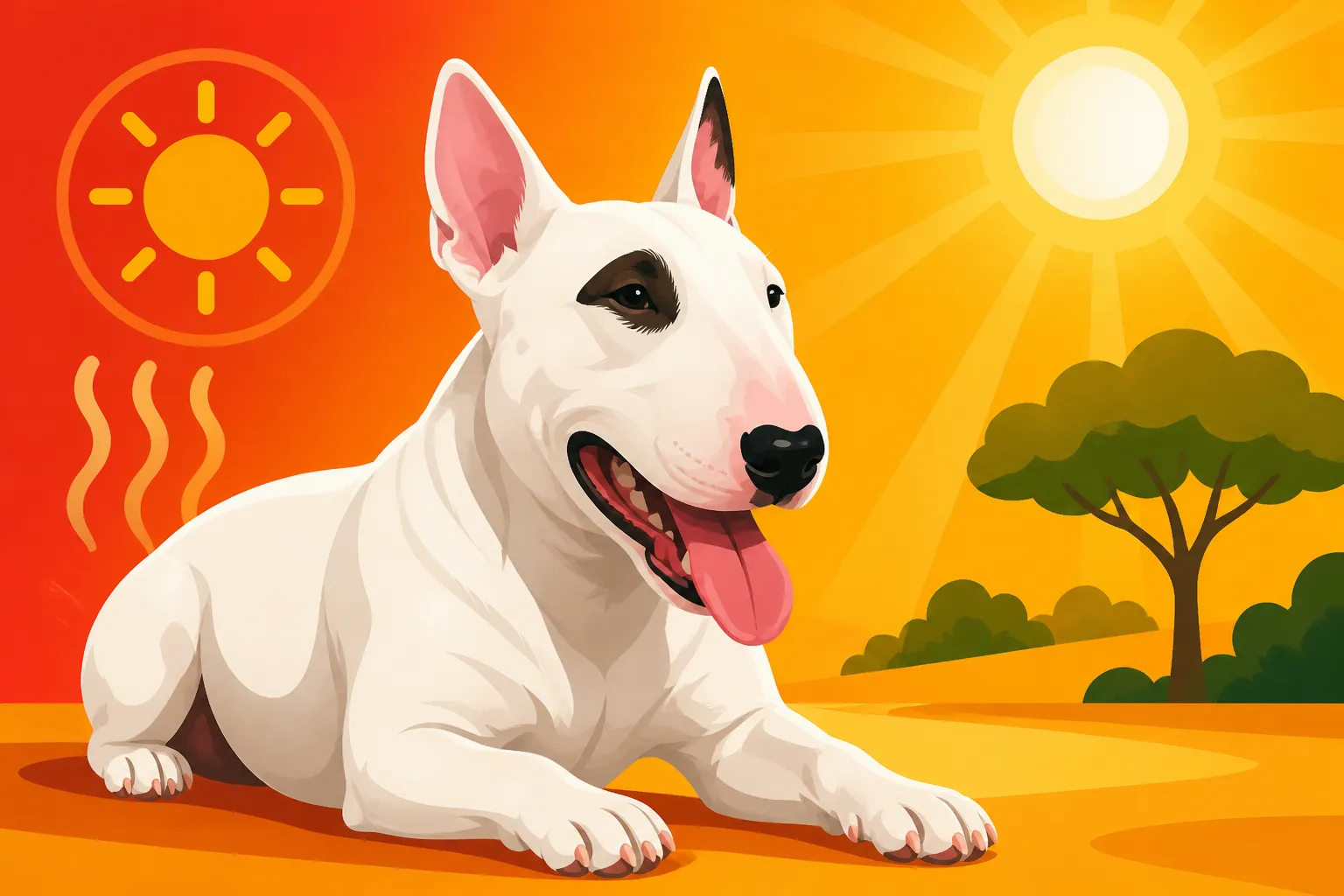
Oh, the summer months, they can be such a joy for us humans with our iced teas and air-conditioned homes, but for our beloved Bull Terriers, they often bring a significant challenge: the heat. It’s a common frustration for Bull Terrier owners to feel like they’re constantly battling the rising temperatures, worrying about their quirky, energetic companions. This guide will walk you through exactly why Bull Terriers can struggle in the heat, how to spot the crucial signs of overheating, and, most importantly, what practical steps you can take to keep your furry friend safe and comfortable when the mercury climbs.
The Bull Terrier's Unique Challenges in the Heat
When you look at a Bull Terrier, you see that distinctive egg-shaped head, those small, triangular eyes, and a coat that, while short, is surprisingly dense. These physical traits, combined with their boundless energy, mean they aren't always built for scorching summer days. Unlike some breeds with longer snouts that act like natural evaporative coolers, a Bull Terrier's head shape, while not truly brachycephalic, still means their cooling system isn't as efficient as a longer-nosed dog. They can't pant as effectively to exchange hot air for cool, making them more susceptible to heat stress.
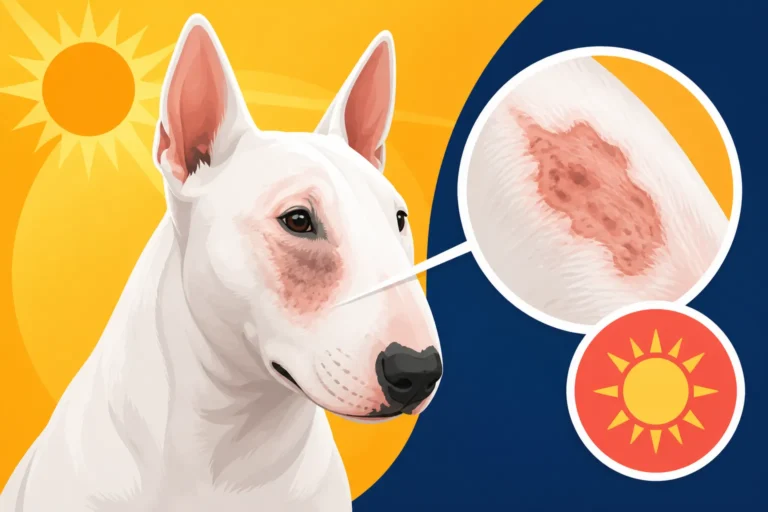
Their short, dense coat, often smooth and shiny, might look like it would offer little insulation, but it can actually trap heat close to their bodies. Imagine wearing a tight-fitting, thick shirt on a hot day; it feels much warmer than a loose, breathable one. This is similar for our Bull Terriers. While they don't have a thick undercoat like a Northern breed, their single coat still needs to be considered when assessing their heat tolerance. Plus, many white Bull Terriers have pink skin underneath that is particularly vulnerable to sunburn, adding another layer of concern during sunny months. Why a White Bull Terrier Sunburns goes into more detail on that.
Then there's the personality! Bull Terriers are often described as "a three-year-old in a dog suit" – full of life, playful, and sometimes utterly oblivious to their own physical limits, especially when a good game of fetch is involved. This enthusiasm can lead them to push themselves too hard, too fast, even when their body is screaming for a break. They're not always the best at self-regulating, which means it falls to us, their devoted guardians, to be vigilant and manage their activity levels strictly in warmer weather. This combination of physical predispositions and their high-drive nature makes heat management a critical part of Bull Terrier ownership.
Recognizing the Red Flags: Signs Your Bull Terrier Is Overheating
It’s absolutely vital to be able to recognize the signs that your Bull Terrier is getting too hot. Early detection can literally be a lifesaver. What might start as mild discomfort can escalate rapidly into a dangerous situation. Don't ever assume your dog is "just tired" or "a bit warm." Look for these specific indicators, and if you see them, act immediately.
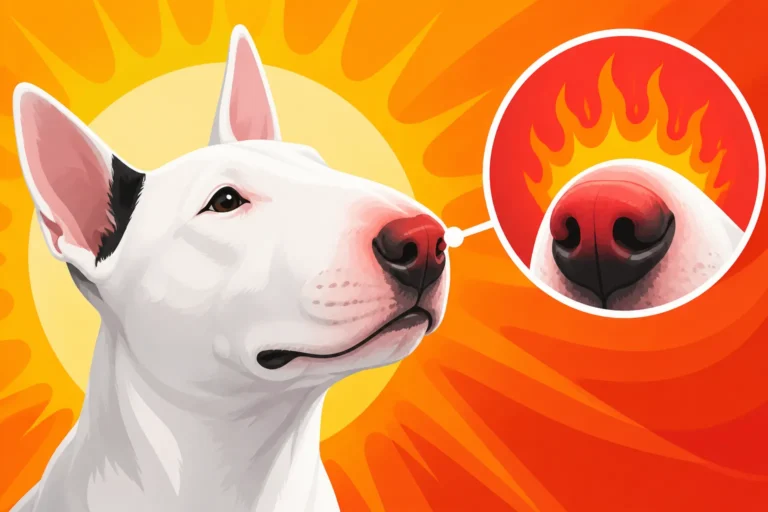
One of the first and most obvious signs is excessive panting. We're not talking about the normal panting after a brisk walk on a cool morning. This is panting that's heavy, rapid, and doesn't seem to slow down even when they're resting in the shade. Their breathing might sound labored, almost like they're struggling for air. Another tell-tale sign is their gums and tongue appearing bright red or even bluish-purple in severe cases. Normally, their gums should be a healthy pink. If they're a deep, angry red, it means their blood vessels are dilating in an attempt to cool down, and it's a major warning sign.
Other critical symptoms include lethargy, weakness, or stumbling. A Bull Terrier who is usually bouncing off the walls suddenly lying motionless, struggling to get up, or walking unsteadily is in serious trouble. They might also become disoriented, confused, or unresponsive. You might notice profuse drooling, thicker than usual, as their body tries to cool itself through evaporation. Vomiting or diarrhea can also occur as their internal organs begin to suffer from the heat stress. If you see any of these signs, especially the rapid panting, bright red gums, or neurological changes, it’s not a moment too soon to take action. You can learn more about specific indicators in Signs a Bull Terrier Is Overheating.
Here's a quick reference table for identifying heat stress:
| Symptom Category | Mild Heat Stress Indicators | Moderate Heat Stress Indicators | Severe Heatstroke Indicators |
|---|---|---|---|
| Breathing | Increased panting, slightly faster than normal | Heavy, rapid panting, some labor evident | Extreme, uncontrollable panting; gasping; shallow breathing or collapse |
| Gums & Tongue | Bright pink, slightly darker than usual | Bright red, possibly dry | Deep red, bluish (cyanotic), or very pale; sticky/dry gums |
| Energy Level | Less enthusiastic, seeks shade, drinks more | Noticeably lethargic, weak, reluctant to move | Collapse, inability to stand, disorientation, seizures, unconsciousness |
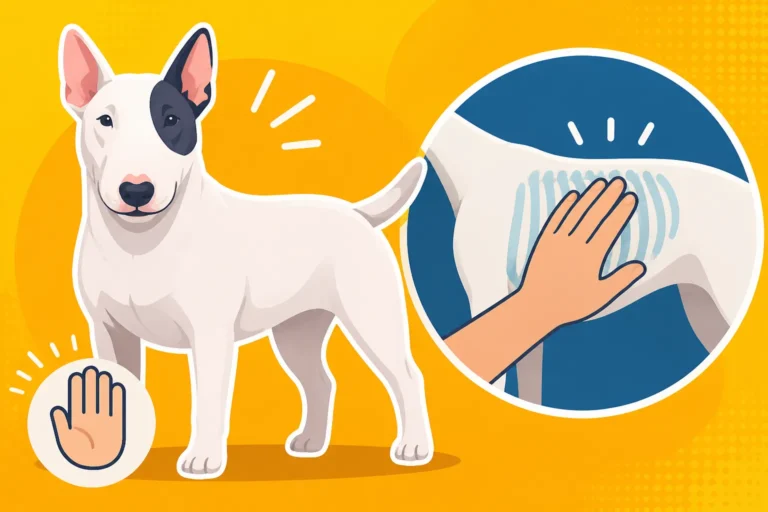
| Body Temperature | Feels warm to the touch | Very warm, perhaps visibly distressed | Extremely hot to the touch (rectal temperature above 104°F / 40°C is critical) |
| Other | Increased thirst | Excessive drooling, thick saliva, mild vomiting/diarrhea | Severe vomiting/diarrhea (possibly bloody), muscle tremors, loss of coordination |
Proactive Cooling: Strategies to Keep Your Bull Terrier Safe in Summer
Preventing overheating is always easier and safer than treating it. With a Bull Terrier, you need to be especially proactive during warmer months. It starts with simple common sense but extends to specific measures that can make all the difference.
First and foremost, timing is everything when it comes to exercise. Those midday walks or vigorous play sessions are absolutely off-limits. Plan walks for the very early morning, before the sun has had a chance to heat everything up, or late in the evening once temperatures have dropped significantly. This isn't just about air temperature; asphalt and concrete can get incredibly hot, burning their sensitive paw pads even if the air feels tolerable to you. Test the pavement with your bare hand; if you can't hold it there comfortably for five seconds, it's too hot for your Bull Terrier's paws. Whether a Bull Terrier Should Walk at Midday offers more insight into ideal walking times.
Hydration is another critical component. Always, always carry fresh water with you on walks, even short ones, and offer it frequently. At home, ensure multiple bowls of cool, fresh water are available, perhaps adding a few ice cubes. Some Bull Terriers enjoy a splash in a shallow kiddie pool or a sprinkle with the hose, which can be a great way to cool them down after a supervised outdoor potty break. For water on the go, a portable water bottle with an attached bowl, easily found on Chewy or Amazon, is a fantastic investment.
Consider incorporating cooling aids into their routine. Cooling vests or bandanas, which you soak in water and then wring out, use evaporative cooling to draw heat away from their body. Cooling mats, available on sites like Amazon, are another excellent option; they contain a gel that activates with pressure, providing a cool spot for your Bull Terrier to lounge on indoors. These can be particularly beneficial for Caring for a Bull Terrier Past Eight, as senior dogs often have a harder time regulating their body temperature. Make sure any products you choose are durable enough for a Bull Terrier, as they can be quite destructive! Which Toys Survive a Bull Terrier might offer some ideas for durable distractions.
Indoors, air conditioning or fans are not a luxury, but a necessity for Bull Terriers in hot climates. Never leave them in a car, even for a few minutes, with the windows cracked – temperatures can skyrocket dangerously fast. If your power goes out or your AC breaks, have a backup plan, whether that's going to a friend's house or a dog-friendly business that has air conditioning. A frozen Kong stuffed with peanut butter or plain yogurt can also provide a refreshing, mentally stimulating treat that encourages them to stay calm and cool.
When Heat Becomes an Emergency: What to Do If Your Bull Terrier Overheats
Despite all your best efforts, sometimes a Bull Terrier can still succumb to the heat. If you suspect your Bull Terrier is experiencing heatstroke, this is an immediate veterinary emergency. Do not delay. Call your vet or the nearest emergency animal hospital while you are taking steps to cool them down. Getting them to professional medical care as quickly as possible is paramount.
Here are the immediate steps to take if you believe your Bull Terrier is overheating:
- Move them to a cooler environment immediately. Get them into the shade, an air-conditioned car, or indoors.
- Begin active cooling. Do NOT use ice water, as this can cause blood vessels to constrict, trapping heat inside and potentially causing shock. Instead, use cool (not cold) water to wet their entire body, paying special attention to their ears, paws, and groin area. You can use a hose, wet towels, or even just pour water from bottles.
- Use a fan. If available, direct a fan onto their wet body to increase evaporative cooling. If you’re in a car, blast the AC.
- Offer small amounts of cool water. Do not force them to drink, especially if they are disoriented or struggling to breathe, as they could aspirate it. Just make it available.
- Monitor their temperature if you can. If you have a rectal thermometer, aim to cool them until their temperature drops to about 103°F (39.4°C), then stop active cooling to avoid hypothermia, which is also dangerous. Even without a thermometer, continue cooling until you see significant improvement in their breathing and alertness.
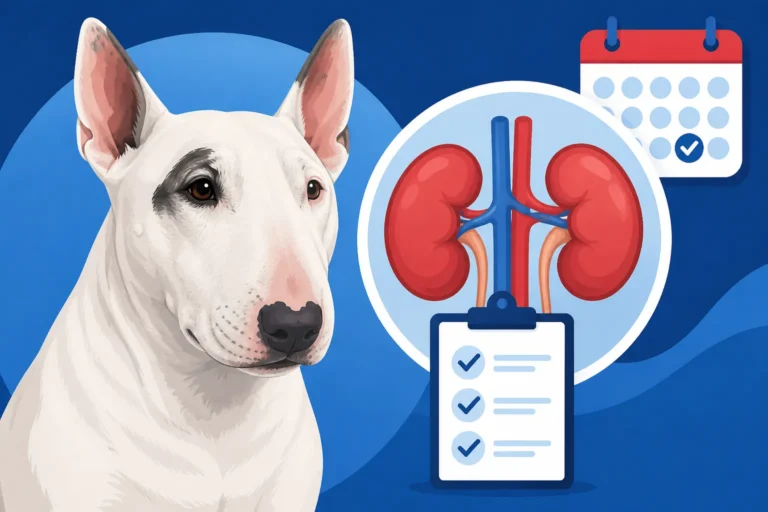
- Transport them to the vet. Even if your Bull Terrier seems to recover, an immediate vet visit is crucial. Heatstroke can cause internal organ damage that isn't immediately visible, including kidney failure (a particular concern for Bull Terriers, as covered in Hereditary Nephritis Takes Bull Terriers in Their Prime), liver damage, and blood clotting issues. Your vet will need to assess their internal health and provide supportive care.
Remember, every second counts in a heatstroke situation. Acting quickly and calmly can be the difference between a scary incident and a tragic outcome for your beloved Bull Terrier. Their goofy grins and endless energy are what make them so special, but it's up to us to protect them from the dangers of the summer sun.
Disclaimer
This article is for general informational purposes only and does not constitute professional advice. Laws, prices and regulations vary by location and change over time. Consult a qualified professional for guidance on your specific situation.