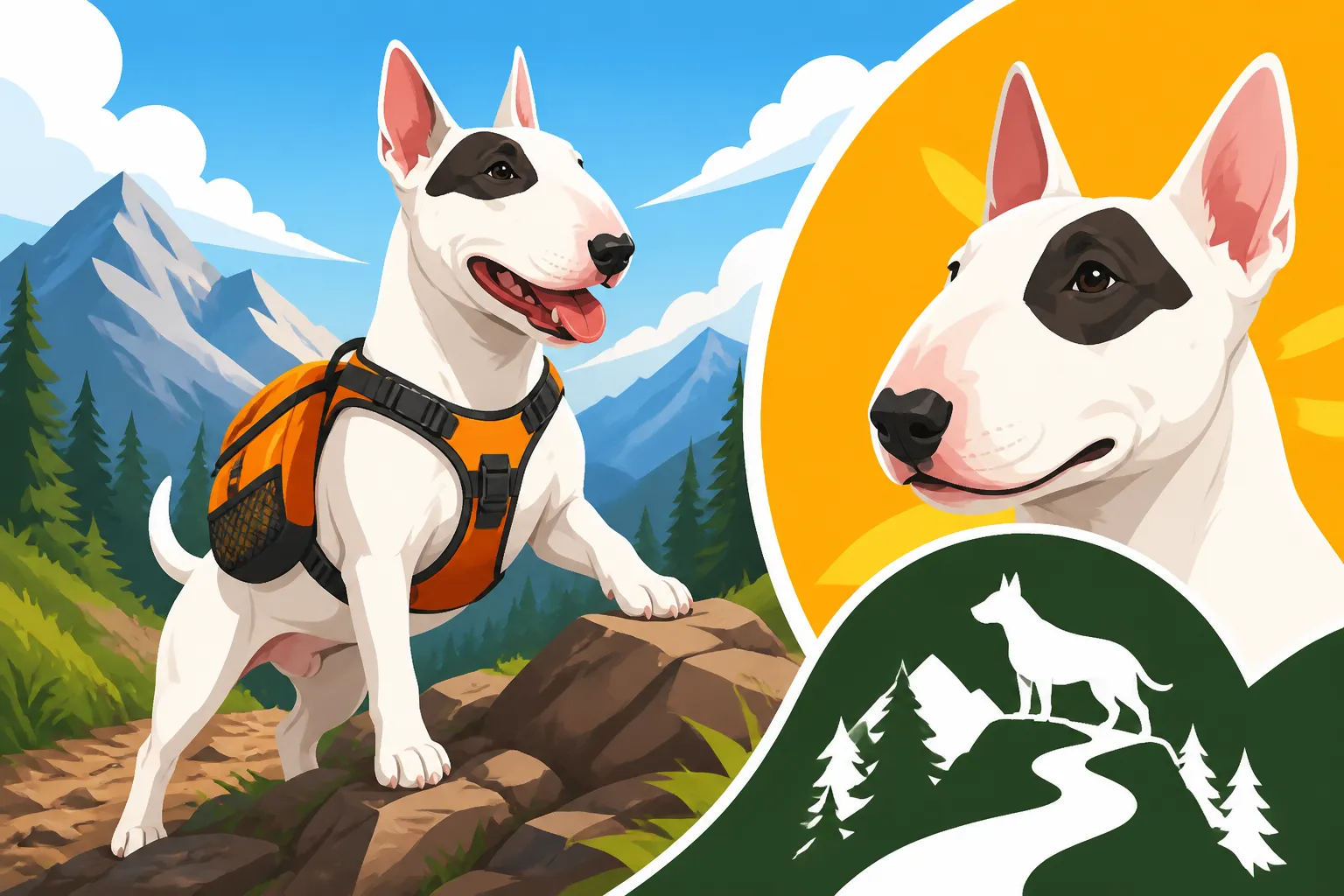
Whether a Bull Terrier Can Hike
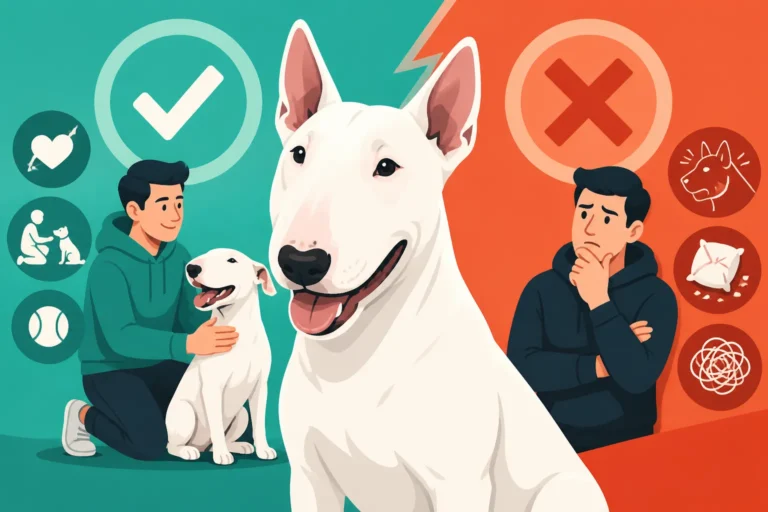
Many Bull Terrier owners wonder if their energetic, often bulldozing companions can join them on a peaceful hike, only to envision a pulling, overheating, or distracted dog that turns a relaxing outing into a stressful ordeal. The truth is, with proper preparation, understanding, and realistic expectations, a Bull Terrier can absolutely be a wonderful hiking buddy. This guide will walk you through preparing your unique companion for the trails, from physical considerations to essential gear and managing their spirited personality in the wilderness.
Understanding Your Bull Terrier's Physical Capabilities for Hiking
Bull Terriers are undeniably athletic, brimming with energy and a robust, muscular build. However, their physical attributes are uniquely suited to certain types of activity, and it's crucial to understand these nuances before hitting the trails. They're not built for endless, marathon-like treks, but rather for bursts of activity and sturdy, resilient movement. Their distinctive physique, while charming, comes with specific considerations for sustained physical exertion, especially in varying outdoor conditions.
Built for Power, Not Endurance
Unlike breeds specifically designed for long-distance running or sustained endurance activities, the Bull Terrier's stocky, powerful frame and deep chest are more geared towards short bursts of speed and incredible strength. Think of them as the powerlifters of the dog world, not the marathon runners. They can cover ground quickly and with enthusiasm, but maintaining a steady, fast pace for miles and miles might prove challenging and even detrimental. Their muscle mass requires significant energy, and while they have plenty of it, it depletes more rapidly on long, repetitive movements compared to lighter, more agile breeds. This means planning shorter, more frequent hikes initially and gradually building up their stamina, always prioritizing quality over sheer distance. You'll often find they're ready to go again after a good rest, rather than being completely spent after one very long session.
When considering a hike, remember that How Much Exercise a Bull Terrier Actually Needs isn't just about total time, but about the type of exercise. A vigorous 30-minute off-leash run in a safe area might be more beneficial and less taxing on their joints than an hour-long, relentless trek up a steep incline. Their drive to explore and play is immense, so incorporating interactive elements into a hike, like short bursts of retrieving a stick (if appropriate for the trail), can be more engaging than just continuous walking. Always watch for signs of fatigue, such as lagging behind, excessive panting, or a noticeable drop in their characteristic zest.
Heat Sensitivity and Brachycephalic Tendencies
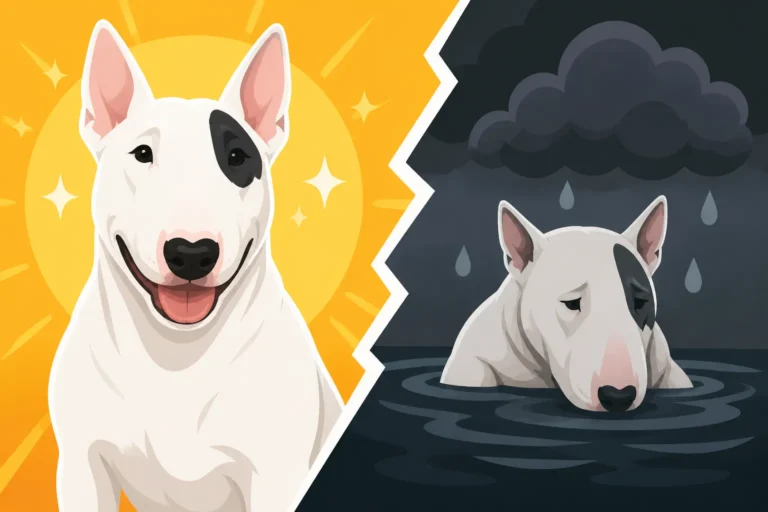
While Bull Terriers aren't considered a severely brachycephalic (short-nosed) breed like a Bulldog or Pug, their facial structure is certainly not as long and open as a Greyhound or a Labrador. This can mean they aren't quite as efficient at cooling themselves through panting. Combine this with their dense, muscular bodies, and you have a dog that can overheat much more easily than you might expect, especially on warm days or during intense activity. Humidity exacerbates this issue significantly, as it makes evaporative cooling less effective.
Hiking in hot weather can quickly turn dangerous for a Bull Terrier. Their enthusiasm can often mask early signs of overheating, making it critical for owners to be vigilant. Signs a Bull Terrier Is Overheating can include excessive panting, drooling, a dark red tongue, weakness, stumbling, or even collapsing. Choosing cooler parts of the day, such as early mornings or late evenings, is absolutely essential during warmer months. Seek out shaded trails and ensure constant access to fresh, cool water. Consider bringing a portable water bowl and ample water for both you and your dog. Some owners even use cooling vests or bandanas, easily found on platforms like Amazon, to help manage their body temperature on the trail.
Joint Health and Impact
Like many medium to large breeds, Bull Terriers can be prone to certain joint issues, such as patellar luxation. The constant impact of hiking, especially on uneven or hard surfaces, can exacerbate these conditions or contribute to their development over time. While the occasional hike isn't likely to cause immediate problems, regular, high-impact excursions on challenging terrain without proper conditioning could put undue stress on their joints.
Before embarking on serious hiking adventures, it's wise to discuss your Bull Terrier's joint health with your veterinarian. They can advise on appropriate levels of activity and identify any existing vulnerabilities. For dogs prone to conditions like Patellar Luxation in a Bull Terrier, choosing softer trails with fewer steep ascents or descents can be beneficial. Avoid trails with sharp rocks or long stretches of pavement, which can be particularly hard on paws and joints. Integrating joint supplements into their diet, under vet guidance, might also be a proactive measure. Always remember that a Bull Terrier, with their incredible pain tolerance, might not outwardly show discomfort until a problem is quite advanced, so observing subtle changes in gait or enthusiasm is key. How a Bull Terrier Hides Pain is a real concern, making preventative care and careful observation paramount.
Mental Preparedness and Training for the Trail
A Bull Terrier's mind is a powerful, quirky, and sometimes stubborn force. Their intelligence is undeniable, but it's often paired with an independent streak that can make trail manners a bit more challenging than with other breeds. Beyond their physical prowess, their mental state and training are paramount to a safe and enjoyable hiking experience for everyone involved. Without a solid foundation of obedience and an understanding of their natural instincts, even the most physically capable Bull Terrier can become a trail hazard.
The Importance of a Solid Recall
Let's be honest: a Bull Terrier off-leash is a force of nature, driven by curiosity and an innate desire to explore. Their "selective hearing" is legendary, especially when something more interesting (like a squirrel or another dog) captures their attention. This means a rock-solid recall isn't just a good idea for hiking; it's non-negotiable for their safety and the peace of mind of other trail users. A Bull Terrier bounding off into the woods after wildlife isn't just dangerous for the wildlife; it can lead to your dog getting lost, injured, or encountering venomous creatures or dangerous terrain.
Building a bomb-proof recall takes consistent training, patience, and high-value rewards. Start in a controlled, fenced area, using enthusiastic praise and treats or a favorite toy every single time they come when called. Gradually introduce distractions, always setting your dog up for success. Programs like those offered by BAXTER & Bella can provide structured online guidance to help build this foundational skill, working on engagement and responsiveness even when distractions are present. Remember, for a Bull Terrier, coming when called needs to be the absolute best decision they can make, outranking any other temptation the trail might offer. Until their recall is reliable in every conceivable scenario, keeping them on a leash is the safest and most responsible choice.
Managing Prey Drive on the Trail
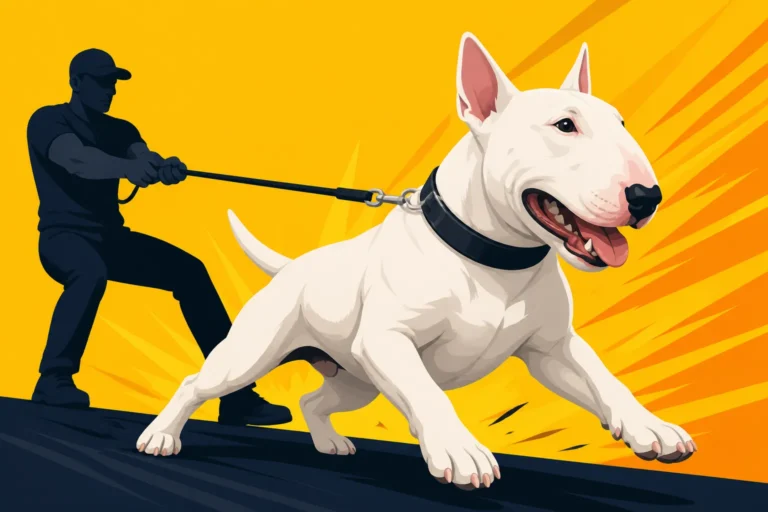
The Bull Terrier's heritage as a tenacious bull-and-terrier type dog means they often possess a significant prey drive. That darting squirrel, scurrying rabbit, or even a bird fluttering out of a bush can trigger an instinctive chase response that overrides all training. On a hike, this can manifest as sudden, powerful lunges, making it nearly impossible to hold onto the leash if you're not prepared. How Strong a Bull Terrier's Prey Drive Is isn't something to underestimate; it's a powerful instinct.
Managing this prey drive on the trail involves a combination of environmental awareness, strong leash handling skills, and proactive distraction. Before heading out, research the local wildlife in the area. Are there deer, rabbits, or groundhogs that might tempt your dog? Stay vigilant, scanning ahead for potential triggers. If you spot something, redirect your Bull Terrier's attention before they notice it, using a high-value treat or a favorite squeaky toy. A well-fitting, sturdy harness (more on that later) and a secure grip on the leash are your best defenses. Practicing "leave it" and "watch me" commands in distracting environments can also build their focus on you, even when temptations arise.
Leash Manners and Trail Etiquette
A Bull Terrier with poor leash manners can turn a picturesque hike into a wrestling match. Their strength and enthusiasm mean that even a moderate puller can quickly tire out an owner, making the experience unpleasant for both. Furthermore, respecting other trail users, whether they are hikers, cyclists, or other dog walkers, is crucial for fostering a positive reputation for Bull Terriers. A dog that lunges or barks excessively at passersby can create stressful encounters and reinforce negative stereotypes.
The goal is to teach your Bull Terrier to walk politely on a loose leash, even with the myriad of exciting smells and sights a trail offers. This requires consistent training, often starting in less distracting environments before moving to the trail. Techniques like "stop and go," rewarding a loose leash with treats, and changing direction frequently can help your Bull Terrier learn that attention to you pays off. Investing in a good quality, comfortable harness designed for strong pullers can also provide better control and distribute pressure more evenly across their chest, rather than their neck. Platforms like Amazon offer a wide variety of no-pull harnesses and training aids specifically designed for powerful breeds. Remember, a Bull Terrier that walks nicely on a leash is not only a joy to hike with but also a great ambassador for the breed. If your Bull Terrier pulls like a freight train, our guide on Teaching a Bull Terrier to Walk Without Pulling might offer some invaluable tips.
Essential Gear and Safety for Bull Terrier Hikers
Just as you wouldn't head into the wilderness unprepared, your Bull Terrier needs the right gear and safety considerations to ensure a successful and enjoyable hiking experience. Their unique physical characteristics and boisterous nature demand durable, reliable equipment that can stand up to their strength and keep them safe. Skimping on quality here can lead to frustrating gear failures or, worse, dangerous situations.
Harnesses, Leashes, and Backpacks
Forget those flimsy clip-on collars for hiking; a Bull Terrier requires serious hardware. A well-fitting, sturdy harness is paramount. It provides better control, distributes pressure across their chest rather than their neck, and significantly reduces the risk of them slipping out if they suddenly decide to bolt after a squirrel. Look for harnesses with multiple adjustment points and durable buckles. Front-clip harnesses can be particularly effective for mitigating pulling, as they redirect your dog's momentum back towards you. Our guide Which Harness Holds a Bull Terrier can offer more detailed recommendations.
When it comes to leashes, think strong and reliable. A 6-foot nylon or biothane leash with a heavy-duty clip is usually ideal, offering enough length for exploration without too much slack to get tangled. Avoid retractable leashes on trails, as they offer minimal control and can snap or cause injury. For longer adventures, a dog backpack can be a great addition, allowing your Bull Terrier to carry their own water, treats, or even a small first aid kit. Just ensure the pack fits well, is evenly weighted, and that your dog is properly conditioned to wear it. Introduce it gradually at home before hitting the trails.
Paw Protection and Hydration
A Bull Terrier's paws are tough, but they're not invincible. Sharp rocks, thorny underbrush, hot asphalt, or even prolonged exposure to wet conditions can cause cuts, blisters, or abrasions. While many Bull Terriers resist them at first, dog boots can be invaluable for protecting their paws on challenging terrain. Introduce them slowly at home, making them a positive experience with treats and praise, before expecting your dog to hike miles in them. Even without boots, routinely checking their paw pads before, during, and after a hike for any signs of injury is critical. A Bull Terrier's Skin Is Its Weakest Point extends to their paw pads as well, making them susceptible to damage.
Hydration is also non-negotiable. Bull Terriers can overheat quickly, and access to fresh water is crucial. Always carry more water than you think you'll need for both yourself and your dog. A collapsible silicone bowl that clips to your pack is a simple, effective solution. Encourage your Bull Terrier to drink regularly, even if they don't seem thirsty. If hiking near natural water sources, assess their safety before allowing your dog to drink; stagnant water or fast-moving currents can pose risks.
Trail Dangers and First Aid
The wilderness, while beautiful, is full of potential hazards. These can include venomous snakes, poisonous plants (like poison ivy or oak), ticks, sharp objects, or even encounters with aggressive wildlife or unleashed dogs. Before you go, familiarize yourself with the common dangers in your chosen hiking area. Carry a basic canine first aid kit with essentials like antiseptic wipes, gauze, vet wrap, tweezers (for ticks or splinters), and any prescribed medications your Bull Terrier might need.
Knowing basic canine first aid can make a critical difference in an emergency. Be aware of how to remove a tick safely, what to do if your dog gets a cut, or how to identify symptoms of heatstroke or allergic reactions. It's also wise to carry your veterinarian's contact information and the address of the nearest emergency vet clinic, especially if you're hiking in a remote area. A fully charged phone (and a portable charger) is also a good safety measure. Being prepared for the unexpected is part of being a responsible Bull Terrier owner on the trail.
Choosing the Right Hike and Managing Expectations
Successful hiking with a Bull Terrier isn't just about their physical ability or the gear you bring; it's also about setting realistic expectations and choosing trails that align with their unique temperament and needs. Not every trail is a "Bull Terrier trail," and pushing them beyond their comfort zone can turn an adventure into a negative experience for everyone. Understanding how to select appropriate routes and when to call it a day is key to fostering a love for the outdoors in your spirited companion.
Matching the Trail to Your Bull Terrier
When planning a hike, consider your Bull Terrier's current fitness level, age, and individual quirks. For a young, energetic Bull Terrier, a relatively flat, well-maintained trail of moderate length (2-4 miles) might be a great starting point. For an older dog, or one with known joint issues, opt for shorter, gentler paths. Always prioritize shaded trails, especially during warmer months, to mitigate the risk of overheating.
| Trail Type | Bull Terrier Suitability | Considerations |
|---|---|---|
| Flat, Paved Paths | Moderate | Easy on paws if short, but long stretches can be hard on joints. Can get hot for paws. Less mentally engaging. |
| Gravel/Dirt Trails | High | Good footing, varied terrain, easier on joints than pavement. Excellent for scent work and exploration. |
| Moderate Elevation | Moderate | Good for building stamina, but monitor for breathing difficulty and joint strain. Shorter climbs are better. |
| Steep, Rocky Trails | Low | High impact on joints, risk of paw injury, increased risk of overheating due to exertion. Avoid until very fit. |
| Water Features | High | Streams for cooling off are great, but be mindful of strong currents and water quality. Not all Bull Terriers love to swim, Why Most Bull Terriers Sink is a common joke for a reason! |
| Heavy Brush | Low | Increased risk of ticks, burrs, and skin irritations. Can hide wildlife that triggers prey drive. |
Consider the foot traffic on the trail as well. If your Bull Terrier tends to get over-aroused by other dogs, choosing less crowded trails or hiking during off-peak hours can lead to a more peaceful experience. For Bull Terriers, who can sometimes be particular about other canines, avoiding highly trafficked dog parks or popular dog-walking routes can prevent unwanted tension. Remember that even if your Bull Terrier is friendly, How Rough a Bull Terrier Plays With Other Dogs can be a concern for other hikers with smaller or more timid dogs.
Recognizing Limits and When to Turn Back
Bull Terriers are famously stoic and eager to please, often pushing themselves beyond their physical limits without complaint, especially if they're having fun with their favorite human. This means it's entirely up to you, the owner, to be their advocate and recognize the subtle signs that they've had enough. Don't wait for obvious lameness or collapse. Look for decreased tail wagging, lagging behind, increased panting (even if it's not extreme), stumbling, or an unwillingness to continue.
If you notice any of these signs, it's time to take a break, offer water, and potentially turn back. There's no shame in cutting a hike short to ensure your dog's well-being. A negative experience, especially one involving pain or exhaustion, can quickly sour their enthusiasm for future adventures. Always prioritize their health and happiness over completing a planned distance. Carrying a small, lightweight emergency blanket can also be useful if your dog needs to rest and cool down in a shaded spot, or warm up if the weather unexpectedly shifts.
Post-Hike Recovery and Care
After an invigorating hike, your Bull Terrier will need some dedicated recovery time. Even if they bounced back immediately after getting home, their muscles and joints have been working hard. Provide them with a comfortable, quiet place to rest. A thorough check for ticks is essential, especially after hiking through wooded or grassy areas. Run your hands over their entire body, paying close attention to ears, paws (between the toes), armpits, and groin.
Inspect their paw pads for any cuts, scrapes, or embedded debris. If the pads are dry or cracked, consider applying a paw balm. Offer fresh water and a well-deserved meal. While they might be ravenously hungry, avoid overfeeding immediately after intense exercise. Keep an eye on them for the next 24-48 hours for any signs of stiffness, limping, lethargy, or changes in appetite, which could indicate overexertion or injury. A gentle massage can help soothe tired muscles and deepen your bond. By taking these post-hike steps, you ensure your Bull Terrier recovers properly and stays ready for the next adventure.
Disclaimer
This article is for general informational purposes only and does not constitute professional advice. Laws, prices and regulations vary by location and change over time. Consult a qualified professional for guidance on your specific situation.