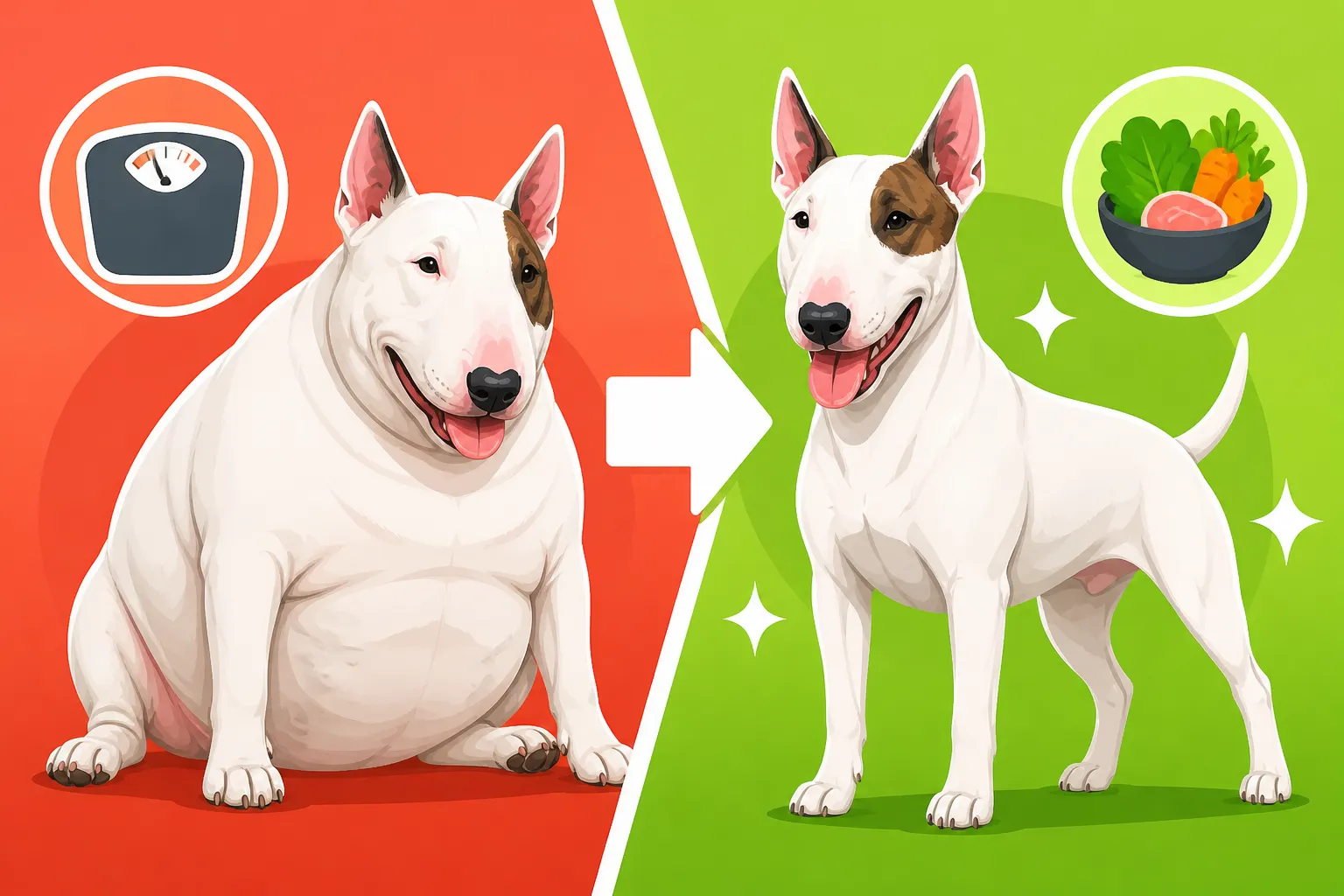
Getting Weight Off a Bull Terrier
It’s a frustrating scenario many Bull Terrier owners face: you look at your beloved, solidly built companion, and you start to wonder if that "muscle" is actually a little extra padding. Bull Terriers are known for their powerful, athletic builds, and it can be incredibly tricky to tell if they're carrying too much weight until it becomes a significant problem. This comprehensive guide will walk you through the subtle signs of weight gain in your Bull Terrier, help you understand why it happens, and provide actionable strategies to safely and effectively get them back to a healthy, lean physique.
The Sneaky Creep: Why Bull Terriers Pack on Pounds So Easily
Bull Terriers are phenomenal dogs, full of zest and energy, but their unique build and enthusiastic approach to food can often lead to weight gain if owners aren't vigilant. It's not always about outright overfeeding; sometimes, subtle shifts in lifestyle or metabolism can tip the scales.
Bull Terriers and Their Unique Metabolism
Our Bull Terriers are incredible athletes, but like many breeds, they can be prone to a slower metabolism as they mature or if their activity level dips. It’s easy to look at their dense, muscular frame and assume they can burn off anything, but that's not always the case. Their bodies are incredibly efficient at storing energy, which means even a slight caloric excess can translate into unwanted pounds over time. We often see them as energetic clowns, but that energetic burst might not be sustained throughout the day in a way that truly offsets their caloric intake. Understanding How Many Calories a Bull Terrier Needs is crucial because it can be surprisingly less than you think for maintaining a healthy weight, especially if their daily routine isn't packed with high-intensity exercise.
Beyond just the general metabolic rate, some Bull Terriers, much like people, can be predisposed to certain conditions that impact weight. For instance, while less common than in some other breeds, thyroid issues can sometimes play a role. If your Bull Terrier seems to be gaining weight despite a reasonable diet and exercise, it's always worth a conversation with your vet to rule out any underlying medical causes such as Whether a Bull Terrier Gets Hypothyroidism. It’s easy to blame ourselves or the dog’s “laziness,” but sometimes biology is at play, making it harder for them to maintain a healthy weight without careful intervention.
Lifestyle Factors: The Sedentary Trap
Let's be honest, life gets busy. Those long, invigorating walks and play sessions might dwindle down to quick potty breaks and a bit of indoor frolicking. For a Bull Terrier, who thrives on activity and mental engagement, this reduction in exercise can have a profound impact on their waistline. A Bull Terrier might seem content to lounge on the sofa with you, but beneath that calm exterior, their body is designed for action. A decrease in physical activity directly translates to fewer calories burned, and if their food intake doesn't adjust accordingly, weight gain is an almost inevitable outcome.
Furthermore, boredom can lead to inactivity and even comfort eating in some dogs. A Bull Terrier that isn't sufficiently stimulated, either physically or mentally, might become more prone to napping, less inclined to play, and perhaps more interested in whatever food-related activity is available. We need to remember that How Much Exercise a Bull Terrier Actually Needs isn't just a suggestion; it's a fundamental part of their well-being, both physically and mentally. If their daily burn isn't meeting their daily intake, those pounds will creep on, silently, almost unnoticed until it's a real issue.
Treats, Scraps, and "Just a Little Bit More"
This is often the biggest culprit, isn't it? We love our Bull Terriers fiercely, and expressing that love often involves sharing food or handing out treats. A few extra kibbles here, a taste of your dinner there, a couple of "dental chews" that are actually packed with calories, and suddenly, the "little bits" add up to a significant portion of their daily caloric needs. Many owners are meticulous about measuring out main meals but completely overlook the calories hidden in treats and table scraps.
Even seemingly healthy treats, when given in abundance, can derail a weight loss effort. A single high-value treat might contain as many calories as a small meal portion. And let's not forget how skilled Bull Terriers are at getting us to cave in – those soulful eyes, that hopeful head tilt! It's incredibly hard to say no. But being aware of Which Treats Suit a Bull Terrier on a Diet and understanding their caloric impact is a game-changer. Every little bit counts, and unfortunately, it counts more towards weight gain than we often realize.
Beyond the Eye Test: Accurately Assessing Your Bull Terrier's Weight
It's really tough to look at your dog and objectively say, "Yes, they're overweight." Our perception can be clouded by love, familiarity, and the sheer challenge of judging condition on such a unique breed. But truly understanding Signs a Bull Terrier Is Overweight goes beyond just guessing.
The Rib Test and Body Condition Scoring
Forget the number on the scale for a moment. The best way to assess your Bull Terrier’s condition is through a hands-on approach called Body Condition Scoring (BCS). This method focuses on what you can feel and see, rather than just raw weight, which can vary wildly between individuals of the same breed and height.
Start by gently running your hands along your Bull Terrier's sides. You should be able to How to Feel a Bull Terrier's Ribs without pressing too hard. If you can't feel them at all, or have to press firmly, your dog is likely carrying too much weight. Next, feel along their spine and hip bones. You shouldn't see these bones protruding sharply, but you should be able to feel them with minimal fat covering. When you look down at your dog from above, you should see a discernible waistline tucking in behind the ribs, and when viewed from the side, their abdomen should tuck up slightly, rather than hanging low.
Here’s a simplified breakdown of the Body Condition Score (BCS) for Bull Terriers:
| BCS Score | Description | What You Feel/See on a Bull Terrier |
|---|---|---|
| 1-2 (Underweight) | Ribs, spine, and pelvic bones easily visible from a distance, with no palpable fat. Severe waist tuck. Muscle mass loss evident. | You'd see ribs and hip bones very distinctly, almost sharp. There would be a severe hourglass shape, and your Bull Terrier would likely have a gaunt appearance, which is incredibly rare and concerning for this breed unless there's an underlying illness. Their powerful muscles would look wasted. |
| 3 (Ideal) | Ribs easily palpable with minimal fat covering. Waist easily noted when viewed from above. Abdominal tuck evident when viewed from the side. | You can feel the ribs distinctly, like feeling the knuckles on your hand, but they aren't visually prominent. When you look down from above, you see that characteristic "Bull Terrier waist" after the rib cage. From the side, the belly tucks up slightly. This is where you want your Bull Terrier to be, allowing them to showcase their powerful, athletic build without excess bulk. This is what What an Adult Bull Terrier Should Weigh aims for. |
| 4-5 (Overweight) | Ribs palpable with difficulty or not at all due to moderate to excessive fat covering. Waist absent or barely visible. Abdominal tuck absent or slightly rounded. Obvious fat deposits over lumbar area and tail base. | You have to press firmly to feel the ribs, if at all. The waistline from above is either straight or slightly bulging. From the side, the belly is flat or even droops a bit, without that athletic tuck. You might notice padding over their hips and at the base of their tail. Their signature muscular appearance starts to soften, becoming more rounded, and they might seem a bit sluggish or less inclined to move with their usual spring. |
| 6-7 (Obese) | Massive fat deposits over chest, spine, and tail base. Ribs not palpable. Abdominal distention. Loss of waist and obvious rounding of the entire body. | Ribs are impossible to feel, even with firm pressure. The body appears broadly rounded, with no discernible waist. Significant fat hangs from the belly, and their powerful neck seems to blend into their shoulders. This level of obesity puts immense strain on their joints, heart, and other organs, severely impacting their quality of life and potentially shortening The Ten to Fourteen Years a Bull Terrier Gets. This is beyond just "chunky"; it's a serious health risk. |
Don't just use your eyes; get your hands on your Bull Terrier weekly. This tactile assessment is far more accurate than just looking.
The "Waistline" Illusion in a Bull Terrier
Bull Terriers are renowned for their robust, muscular build, and that can sometimes create an illusion of health even when they are carrying extra weight. Unlike some sighthound breeds that have very defined tuck-ups, a Bull Terrier's natural shape is very solid. This means that a slight thickening around the middle, which might be glaringly obvious in another breed, can be subtle in a Bull Terrier. Their deep chest and powerful loin can sometimes mask the early signs of a widening waist.
It's common for owners to mistake their dog's broad ribs and powerful musculature for being at an ideal weight, but the key is the tuck behind the ribs and the definition of the waist. If your Bull Terrier's body from above looks more like a sausage than a lean, athletic oval that narrows slightly at the hips, it's time to take action. This is why the hands-on rib check is so critical; it bypasses the visual biases that their unique conformation can create. We're looking for Keeping a Bull Terrier Lean When It Carries This Much Muscle, not just a general roundness.
When to Call the Vet: Professional Assessment
If you're unsure about your Bull Terrier's body condition score, or if you suspect weight gain might be a symptom of a deeper issue, a visit to your veterinarian is always the best first step. They can provide an objective assessment, weigh your dog on a calibrated scale, and confirm if your Bull Terrier is indeed overweight or obese. More importantly, they can perform a physical examination and possibly blood tests to rule out any underlying medical conditions, such as hypothyroidism or Cushing's disease, which can contribute to unexplained weight gain.
Your vet can also help you calculate an ideal target weight and formulate a safe and effective weight loss plan tailored to your individual Bull Terrier's needs, activity level, and any existing health concerns. They can advise on specific caloric intake, recommend appropriate diet foods, and discuss safe exercise modifications. Think of your vet as your essential partner in this journey, providing expert guidance and support every step of the way. It's not a sign of failure to ask for help; it's a responsible choice for your Bull Terrier's long-term health.
Dietary Overhaul: Crafting a Meal Plan for a Lean Bull Terrier
The cornerstone of any successful weight loss program for your Bull Terrier will be a critical look at what, when, and how much they eat. It's often where the biggest, most impactful changes can be made.
Choosing the Right Food: Quality Over Quantity
When your Bull Terrier needs to shed pounds, simply reducing their current food might not be the best solution, as it can leave them feeling hungry and deprived of essential nutrients. The key is often to switch to a food specifically formulated for weight management. These diets are typically lower in calories, fat, and sometimes higher in fiber to help your dog feel full without overeating. Look for ingredients that are whole and recognizable, not just fillers.
There are many excellent options available on the market. Brands like Purina Pro Plan Veterinary Diets, Royal Canin Veterinary Diet, or Hill's Prescription Diet offer specific "Metabolic" or "Weight Loss" formulas that are backed by science and designed to help dogs lose weight effectively. You can often find these specialized diets through your vet or on pet supply sites like Chewy, which carries a wide range of prescription and non-prescription weight management foods. For those interested in a fresh food approach, services like Ollie can offer portion-controlled, human-grade meals that can be customized for weight loss goals, though it's always best to consult your vet before making a drastic dietary change, especially with a fresh food diet.
Portion Control: Precision is Key
This is where the rubber meets the road. Even the best diet food won't work if you're feeding too much. Measuring your Bull Terrier's food precisely is absolutely critical. Don't rely on guesswork or a "scoop" that isn't standardized; invest in a kitchen scale to weigh their food for maximum accuracy, or at least use a precise measuring cup. The difference between a slightly overfilled scoop and an accurately measured one can be hundreds of calories over the course of a day, leading to stagnation in weight loss.
Your veterinarian will help you determine the ideal daily caloric intake for your Bull Terrier's target weight. Once you have that number, divide it into two or three smaller meals throughout the day. This not only helps manage hunger but can also help prevent your Bull Terrier from inhaling their food too quickly, a common trait in many enthusiastic eaters. If your Bull Terrier eats very fast, a slow feeder bowl, readily available on Amazon, can also be a fantastic tool to prolong mealtime and increase satiety. Remember that consistency is paramount; every member of the household needs to adhere to the strict portion sizes. How Many Cups a Day an Adult Bull Terrier Eats will change significantly when aiming for weight loss, so accurate measurement is non-negotiable.
Smart Snacking: Healthy Treats and Alternatives
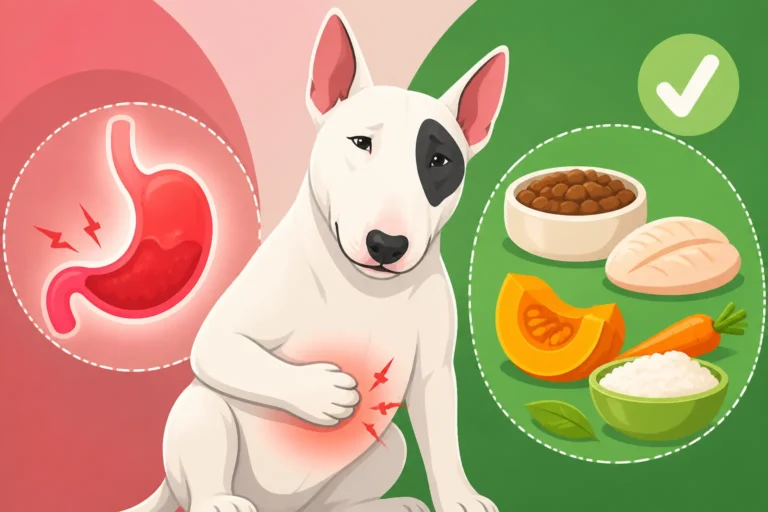
We all love to treat our Bull Terriers, but those extra calories from traditional treats are often the downfall of a weight loss plan. The good news is that you don't have to eliminate treats entirely; you just need to be smarter about them. Instead of high-calorie biscuits, opt for low-calorie, healthy alternatives. Small pieces of plain cooked chicken breast, green beans, carrots, or apple slices (without seeds) make excellent, satisfying treats. Many commercial training treats are also very low in calories, designed for frequent rewards.
When you do use commercial treats, make sure to factor their calories into your Bull Terrier's daily allowance. This is where Which Treats Suit a Bull Terrier on a Diet becomes a vital consideration. Furthermore, consider non-food rewards! A favorite toy, a quick game of fetch, enthusiastic praise, or a belly rub can be just as rewarding for your Bull Terrier as a treat. These non-food rewards are calorie-free and strengthen your bond without adding to their waistline. You can even use some of their daily kibble allowance as training treats throughout the day to avoid adding extra calories.
Moving and Motivating: Effective Exercise for Weight Loss
Diet is crucial, but exercise is the powerful partner that not only burns calories but also builds lean muscle, improves cardiovascular health, and boosts your Bull Terrier’s mood. It's about finding activities they love and making them a consistent part of their routine.
Structured Walks and Play: More Than Just a Stroll
For a Bull Terrier, a quick jaunt around the block often isn't enough to make a dent in their calorie count, especially when they're carrying extra weight. You need structured, purposeful exercise. Aim for at least two vigorous walks a day, each lasting 30-45 minutes. These shouldn't be leisurely strolls where they stop to sniff every blade of grass (though sniff time is important too!). Instead, aim for a brisk pace that gets their heart rate up and their muscles working. If you're out of breath, they're probably getting a good workout!
In addition to walking, integrate play sessions. Fetch, tug-of-war (with rules, of course!), or chasing a flirt pole can be excellent ways to burn energy in short, high-intensity bursts. Think about how How a Spinning Bull Terrier Is Treated often includes increased physical and mental activity; the principle of tiring them out applies broadly. If you have access to a secure, fenced yard, letting them zoom around for 15-20 minutes, supervised, can also be a great energy burner. Remember that consistency over intensity, especially at the beginning, is key to preventing injury in an overweight dog.
Mental Stimulation: Tiring Out the Bull Terrier Mind
Physical exercise is vital, but don't underestimate the power of mental stimulation for your Bull Terrier. A mentally tired dog is often a physically calmer dog. Puzzle toys, snuffle mats, and scent work engage their brains and can burn a surprising amount of energy. Hiding treats (from their daily allowance!) around the house for them to "hunt" can turn mealtime into an enriching activity. This is particularly helpful on days when weather prevents extensive outdoor exercise.
Enroll in an obedience class or try a dog sport like scent work or even beginner agility (once they've lost some weight and your vet approves). Learning new commands or practicing existing ones in novel environments can be incredibly stimulating. A Bull Terrier thrives on having a job, and engaging their clever minds can make them feel more fulfilled, reducing boredom-driven behaviors that might otherwise lead to inactivity or begging. These activities can be easily found on sites like Amazon or Chewy, which offer a huge variety of puzzle toys and interactive feeders designed to keep dogs engaged.
Avoiding Overexertion: Safe Exercise Practices
While increasing exercise is necessary for weight loss, it's crucial to approach it safely, especially with an overweight Bull Terrier. Carrying extra pounds puts added strain on their joints, heart, and respiratory system. Start slowly and gradually increase the duration and intensity of their workouts. A sudden surge in activity could lead to injury, soreness, or even heatstroke in warmer weather.
Always monitor your Bull Terrier for signs of fatigue, overheating, or pain during exercise. Look for excessive panting, lagging behind, or limping. Provide plenty of fresh water before, during, and after walks. Avoid exercising during the hottest parts of the day. If your Bull Terrier has any pre-existing conditions, such as joint issues like Patellar Luxation in a Bull Terrier or a heart murmur like The Heart Murmur a Bull Terrier Puppy Should Be Checked For, consult your veterinarian for specific exercise recommendations. They can help you devise a safe and effective plan that minimizes risk while maximizing calorie burn. Remember, slow and steady wins the race when it comes to getting a Bull Terrier fit again.
Common Hurdles: What Trips Up Bull Terrier Owners on the Weight Loss Journey
The journey to a healthier weight for your Bull Terrier isn't always a straight line. There are common obstacles that can make it feel like an uphill battle, often stemming from our own habits or misunderstandings about our dogs.
Owner Consistency: The Toughest Challenge
Let's face it, we are often our Bull Terriers' biggest enablers. The biggest hurdle in a weight loss program is often the human element – us! It takes immense discipline and consistency from every member of the household to stick to a strict diet and exercise regimen. One person slipping up with an extra treat, or letting a walk slide, can undermine days of effort. It’s hard to resist those pleading Bull Terrier eyes, and it’s even harder when we feel guilty about restricting their food.
The trick is to reframe how we view food. Instead of a primary way to show love, think of it as fuel. Your love is expressed through playtime, cuddles, training, and providing them with a healthy, active life. Being consistent means sticking to the measured portions, choosing healthy treats, and ensuring exercise happens, even when you're tired. Remember, you're doing this for your Bull Terrier's health and longevity, helping them to avoid painful issues like arthritis and extending The Ten to Fourteen Years a Bull Terrier Gets.
Recognizing Behavioral vs. Medical Causes
Sometimes, despite your best efforts, your Bull Terrier might struggle to lose weight, or even continue to gain. While diet and exercise are the primary drivers, it's important to consider if there's something else going on. As mentioned earlier, medical conditions can sometimes be the culprit. A thyroid imbalance, for instance, can drastically slow metabolism, making weight loss incredibly difficult. Cushing's disease, though less common, can also lead to weight gain and a pot-bellied appearance.
Conversely, some "weight gain" can actually be related to conditions like fluid retention, which is a symptom of heart or kidney issues. If your Bull Terrier is drinking more or urinating more, these could be signs of kidney problems, for which a specific diet is often prescribed. Which Diet a Bull Terrier With Kidney Disease Needs is very different from a standard weight loss diet. This is why a vet visit is paramount, not just for a diagnosis, but for ensuring the weight issue isn't masking a more serious health concern that requires a different approach entirely. Never assume it's "just fat" if your efforts aren't yielding results.
The Myth of "Just a Big Bone"
We hear it all the time: "Oh, he's just big-boned!" While Bull Terriers are indeed robust and solid, there's a difference between a powerfully built dog and an overweight one. "Big-boned" is rarely a legitimate excuse for carrying excess fat. Bones don't weigh that much more, and even a heavily muscled dog should still have a discernible waist and easily palpable ribs.
This myth can be dangerous because it normalizes extra weight, preventing owners from addressing the issue until it's more severe. Your Bull Terrier's ideal weight is one where their body condition score is a healthy 3, where their athleticism isn't hampered, and their joints aren't under undue stress. Focus on the body condition score rather than comparing your dog to other, potentially overweight, Bull Terriers. A fit Bull Terrier is a lean, defined, athletic Bull Terrier, not a "big-boned" chunky one.
The Long Game: Maintaining Your Bull Terrier's Ideal Weight
Reaching your Bull Terrier's ideal weight is a huge accomplishment, but the journey doesn't end there. Maintaining that healthy physique requires ongoing vigilance, just like it does for us! It's a lifestyle change, not a temporary diet.
Regular Weigh-Ins and Adjustments
Once your Bull Terrier reaches their target weight, it’s not time to revert to old habits. Regular monitoring is key to preventing weight creep. Continue to perform the hands-on body condition assessment weekly, and weigh your Bull Terrier once a month. Keep a log of their weight to easily spot any trends or small gains before they become significant.
If you notice their weight slowly starting to climb, don't panic. This is your cue to make minor adjustments. Perhaps a slight reduction in meal portions, a little more activity, or a stricter stance on treats. It’s much easier to address a gain of a pound or two than to tackle five or ten. Your vet can advise on the long-term caloric needs for maintenance, which will likely be slightly higher than their weight loss calories, but still carefully controlled. Staying proactive means your Bull Terrier can enjoy their healthy weight for years to come.
Long-Term Dietary Management
Maintaining a healthy weight for your Bull Terrier means embracing a long-term approach to their diet. This isn't about deprivation; it's about balance and conscious choices. Continue to feed a high-quality, balanced diet. You might transition from a specific weight-loss formula to a "light" or "senior" formula if appropriate, but always ensure the food is nutrient-dense without excessive calories. Remember, How Much an Adult Bull Terrier Eats at their ideal weight will be different from their weight loss amount, but it still needs to be precisely managed.
Think about how treats are incorporated. Can they be earned during training sessions rather than just given freely? Can you swap out processed treats for healthy vegetable options most of the time? Consider using interactive feeders or puzzle toys for daily meals, even in maintenance, to slow down eating and provide mental enrichment. Investing in quality slow-feeder bowls or puzzle toys from Chewy or Amazon can make mealtime more engaging and prevent How Fast a Bull Terrier Eats from causing digestive upset or bloat, while also extending the enjoyment of their food.
Integrating Activity into Daily Life
Exercise shouldn't feel like a chore for either of you; it should be an ingrained part of your Bull Terrier's daily life. Continue to prioritize those structured walks and play sessions. Explore new walking trails, visit dog-friendly parks, or even try doggy daycare a few times a week if your Bull Terrier enjoys the company of other dogs. A Bull Terrier thrives on routine, so building activity into their daily schedule will help them expect and enjoy it.
As your Bull Terrier gets fitter, you might explore more vigorous activities like hiking (if approved by your vet), or even just longer, more energetic games of fetch. The goal is to keep them moving and engaged, both physically and mentally. A well-exercised Bull Terrier is a happy Bull Terrier, less prone to destructive behaviors born of boredom and more likely to live a long, vibrant life by your side. Remember, it's about creating a sustainable, active lifestyle for both of you.
Disclaimer
This article is for general informational purposes only and does not constitute professional advice. Laws, prices and regulations vary by location and change over time. Consult a qualified professional for guidance on your specific situation.