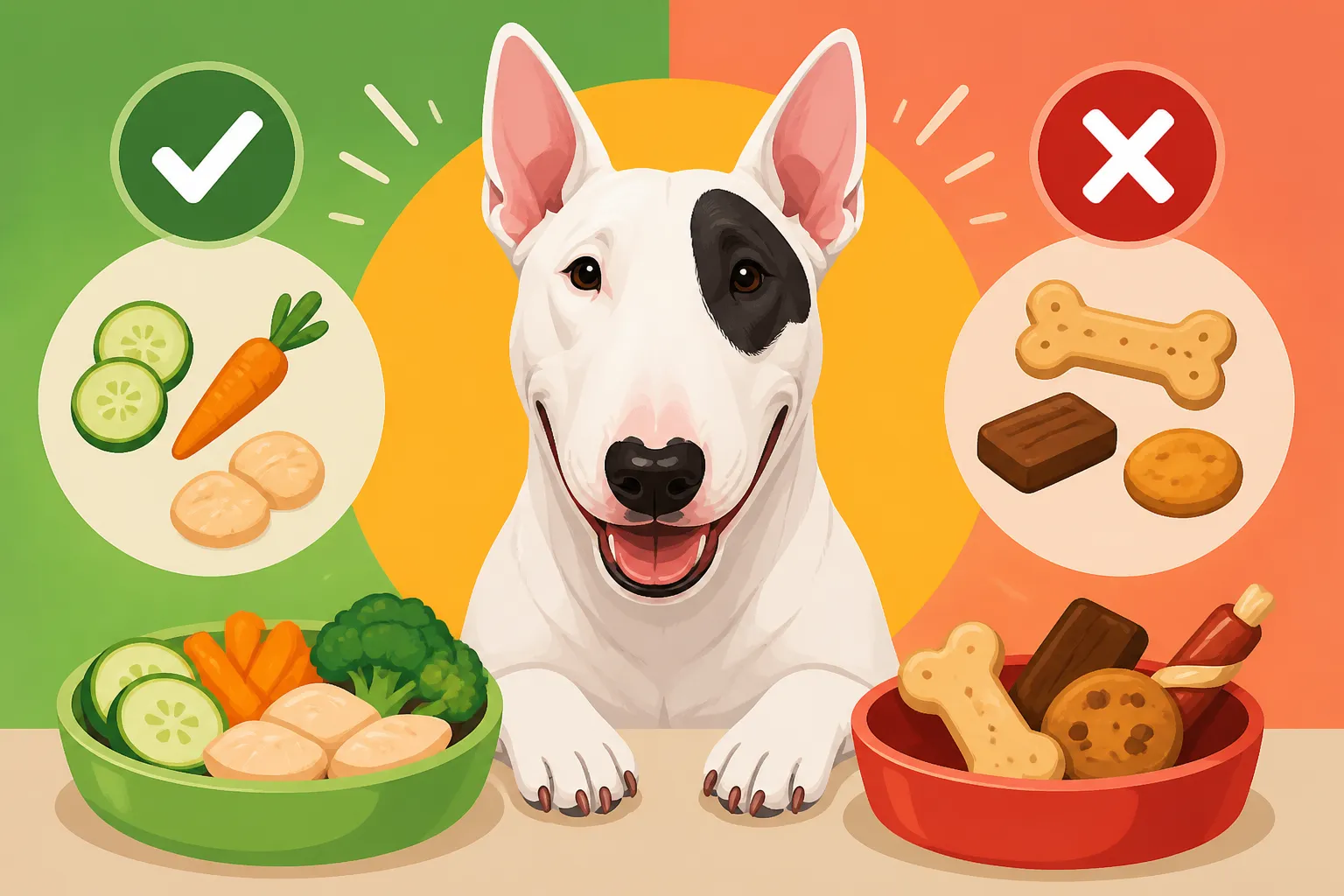
Which Treats Suit a Bull Terrier on a Diet
Oh, the diet struggle with a Bull Terrier! It's a tale as old as time for many of us. You want to reward your beloved, goofy companion, but you also know that every extra calorie counts, especially when they're already carrying a bit too much weight or prone to certain health conditions. Finding suitable treats that won't derail their healthy eating plan can feel like searching for a needle in a haystack, leaving you frustrated and your Bull Terrier looking at you with those intensely expressive, triangular eyes, wondering why the good stuff has suddenly disappeared. This guide is here to cut through the confusion and help you discover a variety of treats that are both delicious for your Bull Terrier and perfectly aligned with their dietary needs, ensuring you can still show your love without sabotaging their health.
The Treat Conundrum: Why Dieting with a Bull Terrier is Tricky
Let's be honest, Bull Terriers are often food motivated. They live for mealtime, and if you're not careful, they'll happily convince you they're starving, even after a full bowl. This intense love for food, coupled with their unique body type and common health predispositions, makes managing their weight a constant balancing act. It’s not just about looking svelte; it’s about their joints, their heart, and their overall lifespan.
Bull Terriers and Their Love for Food (and Mischief)
If you've ever owned a Bull Terrier, you know they approach everything with boundless enthusiasm – and that definitely includes food. They're often voracious eaters, inhaling their meals in seconds if given the chance. This strong drive for food can be a fantastic asset for training, as they'll often work for even the smallest morsel. However, it also means they're always on the lookout for extra snacks, crumbs, or any unattended plate of human goodies. They have a knack for getting into places they shouldn't, and a dieting Bull Terrier, much like a dieting human, might feel particularly motivated to seek out forbidden treats. This isn't naughtiness; it's simply their instinct and their intense connection to food.
Moreover, their sheer strength and determination mean that if they decide they want something, they'll put a surprising amount of effort into getting it. That "indestructible" chew toy filled with peanut butter? They'll find a way. The securely latched pantry door? A challenge, not a barrier. This persistent nature, combined with a hearty appetite, means that every treat you offer needs to be carefully considered. It’s not just about what they should eat, but what they can eat without causing issues or leading to weight gain.
The Importance of Weight Management in Bull Terriers
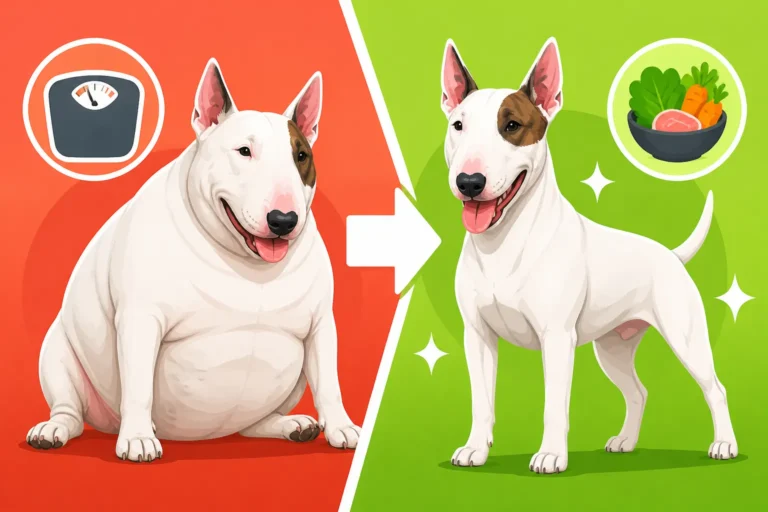
Keeping your Bull Terrier at a healthy weight is absolutely crucial for their long-term well-being. Their distinctive, muscular build can sometimes hide a few extra pounds, making it harder to notice when they're tipping into being overweight. However, those extra pounds put unnecessary strain on their joints, which can exacerbate conditions like patellar luxation or simply contribute to arthritis as they age. An overweight Bull Terrier is also more prone to other health issues, including heart problems and diabetes. Keeping a Bull Terrier Lean When It Carries This Much Muscle is a constant effort, especially as they get older and their metabolism naturally slows down.
Regular exercise is part of the equation, but diet, including treats, plays an enormous role. It's easy to overlook how many calories are in those seemingly small training treats or evening chews. A few extra biscuits here and there can quickly add up, turning a healthy weight into an unhealthy burden. For a breed that already has specific health considerations, like potential kidney issues or heart murmurs, maintaining an ideal body condition is one of the best preventative measures you can take. Every decision about what goes into their bowl, or into their mouth as a treat, directly impacts their quality of life and longevity.
Understanding What Makes a "Good" Diet Treat
When your Bull Terrier is on a diet, not all treats are created equal. You can't just grab any old biscuit from the shelf and assume it's suitable. It requires a bit more thought and label-reading, but once you know what to look for, it becomes second nature. The goal is to maximize satisfaction and nutritional value while minimizing calorie intake.
Low Calorie, High Value: The Golden Rule
The most fundamental principle for dieting treats is simple: low calorie, high value. "Low calorie" is self-explanatory; you want treats that don't add significant energy to their daily intake. This often means smaller pieces, or treats made from ingredients with naturally few calories. But "high value" is just as important, especially for a Bull Terrier. A treat needs to be enticing enough to capture their attention and motivate them, whether it's for training or just a moment of quiet enjoyment. If it's too bland, your Bull Terrier might turn up their nose, or worse, decide it's not worth the effort and look for something else (like your unattended snack).
Consider vegetables like green beans, carrot sticks, or cucumber slices. These are typically very low in calories but offer a satisfying crunch and a novel taste experience for many dogs. For a Bull Terrier that devours everything, the texture and the effort of chewing can also add to the 'value' perception, making a small, crunchy piece feel more substantial than a soft, quickly swallowed bite. Many commercial low-calorie treats are designed to be crunchy or chewy precisely for this reason.
Nutritional Content: Beyond Just Calories
While calories are king when it comes to dieting, the nutritional content of a treat is also incredibly important. You want treats that offer some benefit beyond just being a vehicle for flavor. Look for treats that are high in fiber, which can help your Bull Terrier feel fuller for longer, aiding in weight loss. Fiber also supports digestive health, which is always a bonus. Lean protein is another excellent component, as it helps maintain muscle mass while your dog is losing fat.
Avoid treats that are loaded with fillers, artificial colors, or excessive amounts of fat or sugar. These contribute empty calories and offer little to no nutritional benefit. Think about treats as tiny supplements to their main diet. For instance, if your Bull Terrier is prone to skin issues, a low-calorie treat with added omega-3s could be a thoughtful choice, assuming it aligns with their overall dietary plan. When you're browsing options, whether on Amazon, Chewy, or your local pet store, take a moment to scan the ingredient list. A short, recognizable list of ingredients is often a good sign.
The Chew Factor: Durability and Engagement
For many Bull Terriers, the act of chewing is immensely satisfying. It's a natural behavior that helps relieve stress, keeps them occupied, and even contributes to dental health. Incorporating treats with a good "chew factor" into their diet can be a game-changer. These aren't necessarily edible treats in the traditional sense, but rather long-lasting chews or puzzle toys that dispense small amounts of approved food. The mental and physical engagement can be just as rewarding as a quick bite, without adding a significant number of calories. Which Chews Are Safe for a Bull Terrier is an important consideration here, as you want something durable but not so hard it risks dental fractures.
Things like frozen Kongs filled with a tiny smear of peanut butter (very tiny!), plain yogurt, or even just mashed sweet potato can provide extended enjoyment. Bully sticks, while not calorie-free, offer a long-lasting chew that some Bull Terriers adore. However, always factor their calories into the daily allowance. The key is to provide an outlet for their strong chewing instincts in a way that supports their diet. A distracted Bull Terrier, happily working on a safe chew, is a Bull Terrier less likely to be begging for extra food. This mental stimulation is vital, especially when their usual high-calorie rewards are limited.
Top Treat Picks for Your Dieting Bull Terrier
So, what exactly can you give your Bull Terrier when they're watching their waistline? There's a surprising variety of options that are both safe and satisfying. From fresh produce to specially formulated commercial products, you have more choices than you might think.
Fresh, Whole Food Options: Vegetables and Fruits
Nature provides some of the best low-calorie, nutrient-rich treats. Many vegetables and some fruits are perfectly safe and often enjoyed by Bull Terriers. These offer crunch, fiber, and vitamins without packing on the pounds.
- Green Beans: A classic go-to for many dog owners. Green beans are extremely low in calories, high in fiber, and offer a satisfying crunch. You can feed them fresh, steamed, or frozen. Many Bull Terriers love them straight from the freezer on a hot day!
- Carrot Sticks: Another crunchy favorite. Carrots are great for dental health and provide vitamins. Cut them into manageable sticks to prevent choking, especially for enthusiastic eaters.
- Cucumber Slices: Hydrating and low in calories, cucumber is a refreshing snack. Just make sure to remove any seeds if they're particularly large, though generally, this isn't an issue.
- Apple Slices: Apples are a fantastic source of fiber and vitamins, but remember to remove the core and seeds, which contain small amounts of cyanide. Feed in moderation due to the natural sugars.
- Broccoli Florets: Can be fed raw or lightly steamed. Broccoli is packed with nutrients, but introduce it slowly as too much can cause gas in some dogs.
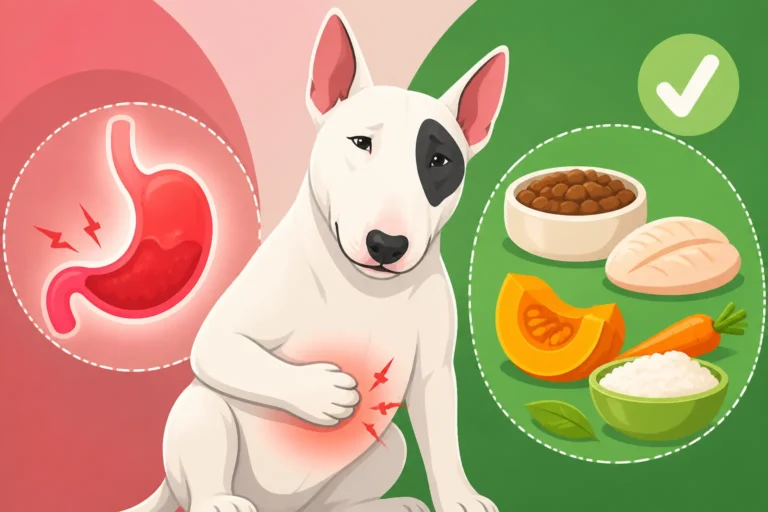
- Pumpkin (canned, plain): Not a fruit or veggie slice, but plain canned pumpkin (not pie filling!) is a fantastic source of fiber. A spoonful can be a great, low-calorie treat or added to a Kong.
Always introduce new foods slowly and in small quantities to ensure your Bull Terrier tolerates them well. Avoid foods that are toxic to dogs, such as grapes, raisins, onions, garlic, and avocado. When selecting produce, aim for organic if possible, and always wash them thoroughly.
Commercial Low-Calorie Treats: Navigating the Market
The pet food market has responded to the need for healthier options, and there are many commercial low-calorie treats available specifically designed for weight management. These can be convenient and often formulated with specific nutritional goals in mind.
- Weight Control Biscuits/Soft Chews: Brands like Hill's Science Diet, Royal Canin, and Purina often have specific lines of treats that complement their weight management kibble. These are usually lower in fat and calories per piece. Always check the calorie count per treat, as they can vary wildly even within the "diet" category. When shopping on sites like Chewy, you can often filter by "low calorie" or "weight management" to narrow down your options quickly.
- Freeze-Dried Meats/Single-Ingredient Treats: While not always explicitly "low calorie," treats like freeze-dried chicken or liver are often very high in protein and have no fillers. Because they are so intensely flavorful, you can often break them into much smaller pieces, making a little go a long way. This makes them excellent high-value, low-volume training rewards. Companies like Stella & Chewy's offer popular freeze-dried options.
- Dental Chews (in moderation): Some dental chews are lower in calories than traditional treats and can offer the added benefit of cleaning teeth. However, dental chews are not calorie-free, and their contribution to the daily intake must be factored in, especially for a Bull Terrier on a strict diet. Always read the packaging for calorie information and choose appropriately sized chews.
When choosing commercial treats, it's vital to become a label detective. Look for clear calorie counts per treat, and opt for products with natural ingredients and minimal additives. Remember that even a "low-calorie" treat, if given in excess, can contribute to weight gain. Think of them as tiny tools in your weight management arsenal.
DIY and Novelty Treats: Getting Creative
Sometimes, the best diet treats are the ones you make yourself or present in a fun, engaging way. Getting creative can prevent boredom for your Bull Terrier and ensure they're still excited about their rewards.
- Frozen Broth Cubes: Take low-sodium chicken or beef broth (make sure it's onion/garlic-free) and freeze it in ice cube trays. These are incredibly low in calories, hydrating, and offer a flavorful, long-lasting cool treat, perfect for summer days or keeping your Bull Terrier occupied.
- Food-Stuffed Puzzle Toys: A classic for a reason! Fill a durable rubber toy (like a Kong) with approved diet foods. This could be plain pumpkin, plain yogurt, a tiny bit of cottage cheese, or mashed sweet potato. You can mix in a few pieces of their regular kibble too. Freezing the stuffed toy makes the challenge last even longer, providing mental stimulation and extending the "treat" experience. This is a fantastic way to engage your Bull Terrier without relying on high-calorie snacks. You can find a vast selection of these types of toys on Amazon.
- Dehydrated Veggies/Fruit: If you have a dehydrator, you can make your own healthy chews from sweet potatoes, apples, or green beans. This allows you to control the ingredients completely, ensuring no added sugars or preservatives. Sweet potato chews, in particular, can offer a satisfying chewiness without being overly caloric.
- Plain Air-Popped Popcorn: A small amount of plain, air-popped popcorn (without butter, salt, or oil) can be a surprisingly fun, low-calorie, and high-volume treat. It's light and fluffy, giving the illusion of more food than it actually is. Use this sparingly, but it can be a novel reward.
The beauty of DIY treats is the control you have over ingredients and portion sizes. It also taps into your Bull Terrier's natural curiosity and love for a good challenge, turning a simple snack into an enriching activity.
Smart Treating Strategies for Success
It's not just about what treats you choose, but how you use them. Smart treating strategies are essential for a successful diet, ensuring your Bull Terrier stays motivated and happy without overeating.
Portion Control is Paramount: Even Diet Treats Add Up
This might seem obvious, but it's often where diets go awry. Even the lowest-calorie treats still contain some calories. A small handful of green beans here, a few pieces of training kibble there, a frozen broth cube later – it all adds up. The most effective strategy is to measure out your Bull Terrier's total daily food allowance, including their kibble and any treats, at the start of the day. Then, you know exactly how much you have to work with.
If you're using treats for training, break them into the tiniest possible pieces. A pea-sized crumb of freeze-dried liver can be just as motivating as a whole biscuit for a Bull Terrier, especially when paired with enthusiastic praise. Remember that a Bull Terrier's stomach can be a bottomless pit, so you need to be their responsible calorie counter. Resist those pleading eyes and stick to your allocated portions. Over time, your Bull Terrier will adjust to the new normal, and you'll feel better knowing you're supporting their health.
| Treat Type | Typical Calories per Serving (Estimate) | Chew Time (Engagement) | Nutritional Benefits | Availability |
|---|---|---|---|---|
| Fresh Green Beans | Very Low (e.g., 5-10 kcal/cup) | Low to Medium | Fiber, Vitamins C/K/A | Grocery Store, Farmers Market |
| Baby Carrots | Low (e.g., 20-30 kcal/cup) | Medium | Fiber, Vitamin A | Grocery Store, Farmers Market |
| Cucumber Slices | Very Low (e.g., 5-10 kcal/cup) | Low | Hydration, Vitamins K/C | Grocery Store, Farmers Market |
| Plain Canned Pumpkin | Low (e.g., 40-50 kcal/cup) | Low (when licked) | High Fiber, Vitamins A/C | Grocery Store |
| Low-Calorie Commercial Bikkies | Moderate (e.g., 5-15 kcal/treat) | Low | Specific formulation (e.g., fiber, protein) | Pet Stores, Online Retailers (Chewy) |
| Freeze-Dried Chicken | Moderate (e.g., 2-5 kcal/tiny piece) | Low | High Protein, No Fillers | Pet Stores, Online Retailers (Amazon) |
| Frozen Broth Cubes | Extremely Low (negligible) | Medium to Long | Hydration | Homemade |
| Sweet Potato Chews (DIY) | Moderate (e.g., 10-20 kcal/slice) | Medium to Long | Fiber, Vitamins, Carbs | Homemade |
Note: Calorie counts are estimates and vary greatly by size, brand, and preparation. Always check specific product labels.
Timing and Context: When and Why You Treat
Treats aren't just for casual snacking; they are powerful tools, especially for Bull Terriers, who thrive on clear communication and positive reinforcement. Thinking strategically about when and why you offer a treat can make a huge difference in their diet success and their overall behavior. For instance, using low-calorie treats for training sessions ensures you can reward frequently without overfeeding. Teaching a Bull Terrier to Sit and Stay becomes much easier when they know a tasty (and diet-friendly) reward is coming.
- Training Rewards: This is where small, high-value, low-calorie treats shine. Using tiny pieces of carrot, green bean, or freeze-dried meat allows you to provide consistent positive reinforcement without blowing their calorie budget. This builds a strong association between good behavior and reward, which is vital for a breed that "trains when it sees the point."
- Distraction/Chew Time: As mentioned, prolonged chewing is a huge mental and physical outlet for Bull Terriers. A frozen Kong or a long-lasting, appropriate chew given during times when they might otherwise be bored or destructive (like when you leave for work) can be a caloric bargain compared to, say, a handful of high-calorie biscuits.
- "Good Dog" Moments: Sometimes, you just want to acknowledge your Bull Terrier being a good, calm presence. Instead of a calorific snack, a single green bean or a small piece of apple can convey your approval effectively.
By being mindful of the context, you transform treats from mindless munchies into purposeful tools for behavioral enrichment and dietary compliance.
Beyond Edible Rewards: Non-Food Motivators
Even the best diet treats won't fully compensate for a Bull Terrier's strong desire for food. That's why it's incredibly important to broaden your definition of "reward" beyond just edibles. Bull Terriers are often highly people-oriented and love engagement, making non-food motivators incredibly effective.
- Praise and Affection: A happy, enthusiastic "Good dog!" and a loving scratch behind the ears or a belly rub can be incredibly rewarding for a Bull Terrier. They thrive on attention from their people. Make your praise heartfelt and immediate.
- Playtime: For many Bull Terriers, a quick game of tug or fetch with their favorite toy is far more valuable than any treat. A short burst of energetic play can be a fantastic reward for good behavior, and it helps them burn calories too! How Much Exercise a Bull Terrier Actually Needs can vary, but even short, intense play sessions are beneficial.
- Walks and Outings: The opportunity for a sniff walk, a trip to the park, or even just a ride in the car can be a huge motivator. If your Bull Terrier is behaving well, use these activities as rewards. "Sit politely, and we'll go for a walk" can be much more impactful than a piece of kibble.
- Access to Toys/Chews: Sometimes, the reward isn't the food inside the toy, but the toy itself. Presenting a favorite toy or a new, safe chew can be a wonderful non-edible reward.
By incorporating a variety of rewards, both edible and non-edible, you create a richer, more diverse motivational landscape for your Bull Terrier. This means you can reduce the reliance on food, making their diet journey smoother and more sustainable, and ultimately contributing to a longer, healthier life for your unique companion.
Disclaimer
This article is for general informational purposes only and does not constitute professional advice. Laws, prices and regulations vary by location and change over time. Consult a qualified professional for guidance on your specific situation.