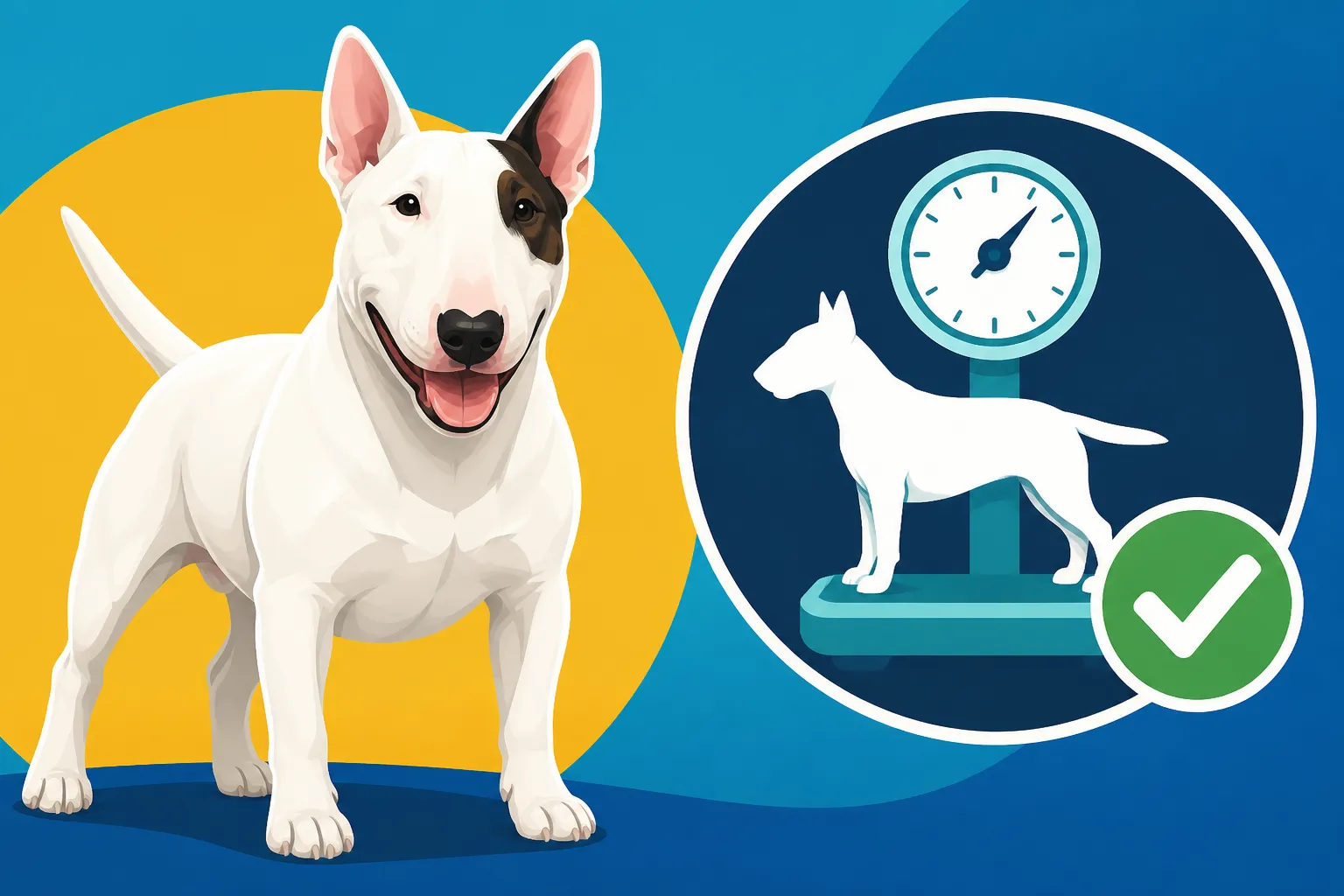
What an Adult Bull Terrier Should Weigh
One of the biggest head-scratchers for Bull Terrier owners, especially new ones, is figuring out if their beloved clown dog is at a healthy weight. Their unique, muscular build, coupled with that solid, egg-shaped head, can make it surprisingly tricky to assess their physique. You look at them, see all that muscle, and wonder: is this hefty or healthy? This guide is here to unravel that mystery, helping you understand what an adult Bull Terrier should weigh, how to accurately assess their body condition, and why keeping them at their ideal weight is crucial for their long, happy life.
Understanding the Bull Terrier Standard for Weight
When you first dive into the world of Bull Terriers, you'll quickly learn that they're a breed unlike any other. Their distinctive appearance, from their egg-shaped head to their deep chest and muscular frame, is iconic. But when it comes to weight, the official breed standard isn't as prescriptive as you might expect. It’s less about a magic number on a scale and more about overall balance and condition.
Breed Standard Guidelines
The Bull Terrier breed standard, whether you’re looking at the American Kennel Club or the UK Kennel Club, typically describes the breed as robust, muscular, and strongly built. However, it rarely gives a specific weight range. Instead, it emphasizes proportionality: a Bull Terrier should be symmetrical, active, and powerful, with substance appropriate to its size and sex. The standard often states that there is "no weight limit," but that the dog should be "of maximum substance for its size, consistent with quality and sex." This means that a perfectly healthy, well-conditioned male Bull Terrier could easily weigh significantly more than a female, even if both are considered "ideal."
This lack of a hard-and-fast weight can be a source of confusion for owners. You might see a range of adult Bull Terriers at a dog show or in the park, all looking distinctly different in terms of sheer mass, yet all appearing healthy. What judges and experienced breeders look for isn't a numerical figure, but rather a dog that is well-muscled, without being over-fat or appearing too light-boned. They want to see an athletic dog, capable of sustained activity, rather than a bulky or slight one. It’s a very visual and tactile assessment, focusing on the dog’s overall "type" and functional fitness.
Standard vs. Miniature Bull Terrier
It's absolutely essential to clarify that when we talk about Bull Terrier weight, we are almost always referring to the Standard Bull Terrier. The Miniature Bull Terrier, while sharing many of the Standard’s charming characteristics and unique looks, is a completely separate breed with its own distinct size and weight expectations. Many people don't realize there are two varieties, and mixing up their weight guidelines can lead to some serious misunderstandings about your dog's health.
The Miniature Bull Terrier Is a Different Breed is a topic that truly highlights this distinction. While a Standard Bull Terrier can easily tip the scales into the 50-70 pound range, and sometimes even more for larger males, the Miniature Bull Terrier has a definite height limit. According to most standards, Miniature Bull Terriers should not exceed 14 inches at the shoulder. This naturally puts their ideal weight in a much lower bracket, typically ranging from 20 to 35 pounds. Trying to apply the weight expectations of a Standard Bull Terrier to a Miniature would be like comparing apples and oranges – and potentially lead to an unnecessarily overweight or underweight Mini! Always be clear which variety of Bull Terrier you own when seeking advice on their ideal size and condition.
Factors Influencing a Bull Terrier's Ideal Weight
Since the breed standard offers a general guideline rather than a strict number, understanding the individual factors that influence your Bull Terrier’s ideal weight is key. Every Bull Terrier is an individual, and while they share that iconic look, their optimal weight can vary significantly based on their unique characteristics and lifestyle.
Sex and Build
Just like humans, male and female Bull Terriers typically have different average weights. Males are generally larger and more heavily muscled than females. A healthy adult male Bull Terrier might comfortably weigh anywhere from 50 to 70 pounds, with some exceptional individuals pushing even higher, especially if they have a particularly solid build. These larger males often possess a greater bone density and overall mass that naturally puts them at the higher end of the spectrum, without being overweight.
Females, on the other hand, tend to be a bit daintier, though still robust. A healthy adult female Bull Terrier usually falls within the 40 to 60 pound range. Of course, there will always be exceptions; a smaller-boned male might weigh less than a heavily built female. The key is to assess the individual dog's build. Some Bull Terriers simply have lighter bone structure and a more athletic, leaner frame, while others are naturally more "cobby" and substantial. It's about finding the healthy weight for their specific frame, not just hitting an arbitrary number that might apply to the average of their sex. Their unique build means their weight range is broad, and what's lean for one might be perfectly healthy for another.
Age and Activity Level
A Bull Terrier’s age and how active they are play a huge role in determining their ideal weight. A growing puppy's weight is a moving target, constantly changing as they develop. When a Bull Terrier Reaches Full Weight, they generally hit their adult size between 12 and 18 months, though they can continue to fill out and add muscle until they're around two or even three years old. During this growth phase, ensuring they're receiving appropriate nutrition for large breed puppies is vital to support healthy bone and muscle development without encouraging too rapid growth, which can stress developing joints.
Once they're adults, their activity level becomes a primary determinant. A Bull Terrier who gets regular, vigorous exercise – daily walks, play sessions, maybe even some dog sports – will naturally have a more muscular, leaner physique and likely a higher caloric need than a Bull Terrier who is more of a couch potato. An active dog burns more calories, maintaining a healthy metabolism. Conversely, a less active Bull Terrier will require fewer calories, and without careful portion control, can quickly put on excess weight.
As Bull Terriers age, their metabolism often slows down, and their activity levels may naturally decrease due to joint stiffness or other age-related changes. What Changes in an Aging Bull Terrier covers some of these shifts. It's not uncommon to see How Much Weight an Aging Bull Terrier Loses or gains as they transition into their senior years. A senior Bull Terrier might need adjustments to their diet to maintain muscle mass and prevent unnecessary weight gain, or even to help them gain weight if they're struggling with appetite or illness. Regular monitoring and veterinary consultation are particularly important during these life stages to ensure their weight remains appropriate for their changing needs.
Genetics and Lineage
The genetic blueprint of your Bull Terrier, passed down through generations, significantly influences their potential adult size and build, and consequently, their ideal weight. Even within the breed, there can be noticeable differences in stature and bone structure that are directly attributable to their lineage. Some lines are known for producing larger, more substantial dogs, while others consistently produce slightly more refined or smaller individuals.
When you acquire a Bull Terrier puppy from a reputable breeder, they can often give you insights into the typical size and build of their adult dogs, based on the parents and previous generations. They might tell you if a particular line tends to mature into 65-pound males or 45-pound females. This historical data, while not a guarantee, offers a valuable predictive tool for your puppy's potential adult weight. It's a reminder that while diet and exercise play crucial roles, your Bull Terrier's inherent genetic predisposition sets the stage for their general size. You can encourage a lean, muscular physique, but you can't fundamentally change their genetic potential for being a larger or smaller example of the breed.
Assessing Your Bull Terrier's Body Condition (Beyond the Scale)
While it's tempting to rely solely on the number on the bathroom scale, that's rarely the most accurate way to determine if your Bull Terrier is at a healthy weight. Their dense musculature can easily mislead you. A far more effective and widely used method is the Body Condition Score (BCS), combined with a hands-on assessment. This approach focuses on feeling and seeing the fat and muscle distribution on your dog's body, providing a more nuanced and accurate picture of their health.
The Body Condition Score (BCS)
The Body Condition Score (BCS) is a universally recognized tool used by veterinarians and experienced dog owners to assess a dog's fat reserves. It typically uses a 5-point scale (with 3 being ideal) or a 9-point scale (with 4-5 being ideal), helping you categorize your dog as underweight, ideal, or overweight. The beauty of the BCS is that it's breed-neutral and focuses on observable physical characteristics rather than an arbitrary weight number.
Here's a simplified look at a 5-point BCS scale:
| Score | Description | Visual Cues | Palpation Cues |
|---|---|---|---|
| 1 | Severely Underweight | Ribs, spine, pelvic bones prominent from a distance. Obvious waist. No body fat. | No fat; bones feel sharp. Severe muscle loss. |
| 2 | Underweight | Ribs easily visible. Waist easily noted. Minimal fat covering. | Ribs easily felt with no fat. Slight muscle loss. |
| 3 | Ideal Weight | Ribs easily felt but not visible. Waist apparent when viewed from above. Abdominal tuck. | Ribs felt without excess fat. Smooth muscle mass. |
| 4 | Overweight | Ribs difficult to feel under moderate fat. Waist discernible but not prominent. Abdomen may not tuck. | Ribs felt with pressure, covered by fat. Back broadens. |
| 5 | Obese | Ribs, spine, pelvic bones very difficult to feel under heavy fat. No waist or abdominal tuck. Distended abdomen. | Heavy fat layer over ribs and back. Obvious fat deposits. |
Your goal is for your Bull Terrier to be in that "Ideal Weight" category (typically a 3/5 or 4-5/9). This means their body is efficiently using its energy stores, and they're not carrying unnecessary strain on their joints or organs. Learning to use the BCS effectively is one of the most powerful tools you have as a Bull Terrier owner for monitoring their health.
Hands-on Assessment
A true hands-on assessment is indispensable for a Bull Terrier because of their muscular physique. Just looking at them can be deceptive. You need to feel their body to accurately gauge their condition.
First, let's talk about the ribs. To correctly assess this, you need to know How to Feel a Bull Terrier's Ribs. Gently run your hands along their sides, just behind their shoulders. In an ideal Bull Terrier, you should be able to easily feel their ribs under a thin layer of skin and muscle, without having to press hard. The ribs shouldn't be visibly prominent or "pokey," but you should have no trouble distinguishing each individual rib. If you can't easily feel them, or if you have to apply significant pressure, your Bull Terrier is likely carrying too much fat. If you can see their ribs without pressing, they might be underweight.
Next, consider their waist and abdominal tuck. When looking down at your Bull Terrier from above, you should see a discernible waistline just behind their ribcage, before their hips. It won't be as dramatic as some sighthounds, but it should be present. From the side, their abdomen should tuck up slightly from their chest to their hind legs, rather than hanging straight down or bulging. A flat or bulging underside can be a tell-tale sign of excess weight.
Finally, feel along their spine and hip bones. In an ideal weight Bull Terrier, you should be able to feel the bony prominences of their spine and hips, but they shouldn't feel sharp or jutting out. There should be a smooth, muscular covering. If these bones feel too prominent, it indicates a lack of body fat and possibly muscle, suggesting they are underweight. Conversely, if you can barely feel them under a thick layer of padding, they are likely overweight. This tactile examination is crucial because a muscular dog can appear "thick" even when at an ideal weight, but the feel of the ribs and spine will tell the true story.
Visual Cues
Beyond the hands-on assessment, there are also important visual cues that can help you determine your Bull Terrier's body condition. While their powerful build can sometimes mask weight changes, certain indicators become evident once you know what to look for.
When you view your Bull Terrier from above, you want to see that subtle but present waistline. Signs a Bull Terrier Is Overweight often become apparent when this waist disappears entirely, and their body appears more barrel-shaped from ribs to hips. If their back looks broad and flat all the way down, rather than tapering slightly, that's a red flag. From the side, the abdominal tuck is another key indicator. A healthy Bull Terrier should have a noticeable upward curve from the bottom of their ribcage to their hind legs. If their belly hangs low or looks full, even after digestion, it's a sign they might be carrying too much weight.
Pay attention to their overall energy and movement too. While not a direct measure of fat, a Bull Terrier that is struggling to keep up on walks, seems lethargic, or has trouble jumping onto the sofa when they usually would, could be indicating that their body is under strain from excess weight. Also, observe their facial structure. While Bull Terriers have full cheeks, an overweight dog might have excessive fat deposits around their face and neck, making their head appear less distinct from their powerful neck. These visual assessments, combined with the hands-on check, provide a comprehensive way to monitor your Bull Terrier's weight without constant reliance on a scale that might not tell the whole story.
The Dangers of Underweight and Overweight Bull Terriers
Maintaining an ideal weight isn't just about aesthetics; it's about safeguarding your Bull Terrier's health and quality of life. Both extremes—being significantly underweight or overweight—come with a host of serious health risks that can diminish their lifespan and lead to chronic discomfort. As their guardian, understanding these dangers is paramount to providing them with the best possible care.
Health Risks of Obesity
The sad truth is, obesity is one of the most preventable health issues in dogs today, and it's rampant. For a Bull Terrier, whose breed already carries a solid, muscular frame, even a few extra pounds can quickly tip the scales into the "overweight" category, leading to significant health consequences.
One of the most immediate impacts of excess weight is on their joints. Bull Terriers, like many larger breeds, can be prone to conditions like Patellar Luxation in a Bull Terrier. Carrying extra weight puts immense strain on their knees, hips, and elbows, exacerbating existing joint issues or even precipitating new ones, leading to arthritis, pain, and reduced mobility. Imagine carrying a heavy backpack all day, every day – that's what it feels like for an overweight dog.
Beyond joint problems, obesity significantly increases the risk of serious metabolic and cardiovascular diseases. Overweight Bull Terriers are more susceptible to diabetes, heart disease (which can worsen conditions like The Heart Murmur a Bull Terrier Puppy Should Be Checked For), high blood pressure, and respiratory problems. The extra fat tissue isn't just inert; it's metabolically active, releasing inflammatory compounds that can damage organs throughout the body. Their tolerance for exercise also drops, creating a vicious cycle where less activity leads to more weight gain. An overweight Bull Terrier is also at higher risk during anesthesia for any necessary surgeries, and their overall immune function can be compromised, making them more susceptible to infections. It's a cascade of problems that can drastically shorten their vibrant lives.
Health Risks of Being Underweight
While obesity often gets more attention, being underweight can be just as dangerous for a Bull Terrier. An underweight dog isn't just "lean"; they lack the necessary body fat and muscle reserves to maintain optimal health and withstand illness.
One of the primary concerns for an underweight Bull Terrier is a compromised immune system. Without adequate nutrition and energy stores, their body struggles to fight off infections, heal from injuries, and respond effectively to vaccinations. They might appear lethargic, have a dull coat, and generally lack the vitality you expect from a healthy Bull Terrier.
Being underweight also often indicates underlying issues, such as poor diet, malabsorption problems, or a chronic illness. If your Bull Terrier is consistently thin despite adequate food intake, it's crucial to consult your veterinarian to rule out conditions like parasitic infections, inflammatory bowel disease, or other systemic diseases that prevent nutrient absorption. Very thin dogs can also struggle with regulating their body temperature, making them more susceptible to cold. In growing puppies, being underweight can lead to stunted growth and developmental problems, impacting their skeletal and muscular development for life. It's a sign that their body isn't getting the building blocks it needs to thrive, making them vulnerable to a host of other health complications.
Impact on Bull Terrier Specific Conditions
For Bull Terriers, maintaining an ideal weight is even more critical because of certain health predispositions inherent in the breed. Their unique musculature and compact build can make them susceptible to specific issues, which are often worsened by carrying too much or too little weight.
Take cardiac health, for instance. Bull Terriers can be prone to heart conditions like mitral valve dysplasia or aortic stenosis. While weight doesn't cause these congenital issues, an overweight Bull Terrier's heart has to work much harder to pump blood throughout the body. This added strain can accelerate the progression of existing heart disease, worsen symptoms, and reduce their quality of life. Keeping them at a lean, healthy weight helps to minimize the burden on their cardiovascular system, potentially slowing the advancement of such conditions.
Similarly, musculoskeletal issues are a concern. While Patellar Luxation in a Bull Terrier is common, ensuring your Bull Terrier is at an ideal weight helps reduce the stress on their knee joints. This can lessen the pain and inflammation associated with luxation and, in some cases, even delay the need for surgical intervention. For any dog, especially a Bull Terrier known for its powerful, active nature, maintaining strong, healthy joints is paramount to their mobility and overall happiness. Too much weight places unnecessary pressure, while too little could indicate muscle wasting that makes them more vulnerable to injury. Essentially, their weight directly impacts their ability to cope with, and potentially mitigate, the effects of breed-specific health challenges, underscoring the importance of vigilant weight management throughout their lives.
Maintaining a Healthy Weight for Your Bull Terrier
Once you've determined your Bull Terrier's ideal body condition, the next step is to consistently maintain it. This isn't a one-time fix but an ongoing commitment that involves careful nutrition, an appropriate exercise regimen, and regular veterinary oversight. It’s about creating a balanced lifestyle that supports their robust health and high spirits.
Appropriate Diet and Nutrition
Feeding your Bull Terrier correctly is the cornerstone of weight management. It's not just about what you feed, but how much and how often. High-quality dog food, whether kibble, wet, or a combination, provides the necessary nutrients, but portion control is critical. Don't just follow the bag's recommendations blindly; these are often generalized and don't account for your specific dog's metabolism, activity level, or individual needs.
First, identify how many calories your Bull Terrier truly needs. How Many Calories a Bull Terrier Needs depends heavily on their age, activity level, and whether they are spayed/neutered. A highly active, intact male will need significantly more calories than a sedentary, spayed female. Work with your vet to calculate an appropriate daily caloric intake. Then, measure their food precisely. Using a kitchen scale to weigh food portions is far more accurate than scooping by volume, which can vary wildly. Break their daily ration into two meals to help manage hunger and metabolism.
Consider the type of food as well. Some Bull Terriers thrive on grain-inclusive formulas, while others may do better on grain-free, depending on their individual sensitivities. Look for foods with quality protein sources as the first ingredient. If you're struggling to find the right balance, or if your Bull Terrier has specific dietary needs, your vet might recommend a particular brand or type. Many pet supply stores, like Chewy, offer a vast selection of premium dog foods and often have dietitians or customer service reps who can offer guidance on choosing the right product for your Bull Terrier's specific needs. Some even offer fresh, pre-portioned meals, like Ollie, which can make portion control much simpler, especially for owners who want to avoid the guesswork.
Exercise Regimen
A Bull Terrier is a powerful and energetic breed, and a robust exercise regimen is absolutely vital for maintaining their ideal weight and overall well-being. How Much Exercise a Bull Terrier Actually Needs can sometimes be surprising to new owners; they're not just couch potatoes. They thrive on activity that engages both their body and their clever, sometimes mischievous, minds.
Aim for at least 45 to 60 minutes of moderate to vigorous exercise daily, broken into one or two sessions. This could include brisk walks, jogging, playing fetch in a securely fenced yard, or even dog sports like obedience or agility. Remember, Bull Terriers have boundless energy, and inadequate exercise can lead not only to weight gain but also to boredom-induced destructive behaviors. They are powerful dogs, so ensuring their exercise is safe and controlled, perhaps with a sturdy harness, is important.
Mental stimulation is also crucial and complements physical exercise. Puzzle toys, training sessions, or even scent work can help burn energy and keep their minds sharp. A mentally tired Bull Terrier is often a physically content Bull Terrier. If you have a busy day, even a short training session indoors or a focused play session with a favorite toy can help. Regular, consistent exercise helps burn calories, build and maintain muscle mass, and keeps their metabolism ticking along efficiently. It also supports joint health by strengthening the muscles around them, which is especially important for a breed with their build.
Regular Vet Checks
Even with the most diligent home care, regular veterinary check-ups are non-negotiable for maintaining your Bull Terrier’s healthy weight and overall health. Your veterinarian is your most valuable partner in this journey, offering professional insight and guidance that goes beyond what you can observe at home.
How Often a Bull Terrier Needs a Wellness Exam is typically once a year for adult dogs, and more frequently for puppies or senior Bull Terriers. During these visits, your vet will weigh your Bull Terrier, perform a physical examination, and assess their Body Condition Score. They can spot subtle changes you might miss and help you adjust their diet or exercise plan as needed. For instance, if your Bull Terrier is putting on weight unexpectedly, your vet might want to rule out medical causes like an underactive thyroid. If they're losing weight, they can investigate for underlying illnesses.
Your vet can also provide tailored advice on portion sizes, discuss specific dietary needs, and recommend supplements if appropriate. They can guide you on the best types and amounts of exercise for your Bull Terrier's age and health status. They can even provide referrals to specialized dog nutritionists or trainers if more intensive help is needed. Think of these vet visits as essential check-ins to ensure you're on the right track, catching potential issues before they become major problems. Many vet clinics also have veterinary-specific scales that are more accurate for larger dogs than home scales. And if you need to purchase a quality scale for home monitoring, places like Amazon offer various options, though a vet visit should always confirm your assessment.
Disclaimer
This article is for general informational purposes only and does not constitute professional advice. Laws, prices and regulations vary by location and change over time. Consult a qualified professional for guidance on your specific situation.