How Much an Adult Bull Terrier Eats
One of the most common questions I hear from fellow Bull Terrier owners, especially those new to our wonderfully quirky breed, is a frustrated sigh followed by, "Just how much should my adult Bull Terrier eat?" It feels like every bag of food gives a different recommendation, and your Bull Terrier, with their incredible strength and seemingly bottomless pit for a stomach, always seems to be asking for more. This isn't just about avoiding a hungry stare, though; it's about ensuring they get the right nutrition without packing on too much weight, a common struggle given their solid build. This guide will help you decipher the puzzle of feeding your adult Bull Terrier, providing practical advice and understanding their unique needs.
Understanding Your Bull Terrier's Unique Appetite
It’s easy to look at your Bull Terrier, with their muscular frame and boundless energy, and assume they need an enormous amount of food. While they are powerful dogs, their dietary needs aren't always as straightforward as their enthusiastic approach to mealtime might suggest. They aren't just big eaters; they're smart eaters who will convince you they're starving, even when they're perfectly sated. This breed truly has a way of working its charm for an extra kibble or two, so understanding their actual requirements is key to their long-term health.
Factors Influencing Food Intake
Feeding isn't a "one-size-fits-all" scenario, and this is especially true for our Bull Terriers. Several variables play a significant role in determining how much food your individual dog truly needs. Ignoring these factors can lead to either an undernourished, lethargic dog or, more commonly, an overweight one that's putting unnecessary strain on its joints and organs. You know your dog best, and observing their daily routine and energy levels is crucial to finding that sweet spot.
First and foremost, your Bull Terrier's age plays a huge role. A young adult, still full of puppy energy but past the rapid growth phase, might burn through calories differently than a senior dog who spends more time napping in a sunbeam. Younger Bull Terriers, usually up to about three years old, are often still very active and developing their full muscle mass, which requires a higher caloric intake. As they mature and especially as they reach their senior years – typically around eight years old – their metabolism can slow down, and their activity levels naturally decrease. At this point, continuing to feed them the same amount they ate in their prime can quickly lead to unwanted weight gain, even if they still act like they want to run a marathon every day.
Secondly, their activity level is perhaps the most significant determinant. Is your Bull Terrier a champion agility dog, tearing up the practice field daily, or are they more of a "Netflix and chill" companion, content with a leisurely stroll around the block? A working Bull Terrier, or one engaged in intense daily exercise like long runs, bikejoring, or vigorous play sessions, will naturally require more calories to fuel their body and maintain their weight. Conversely, a Bull Terrier that spends most of its day indoors with moderate walks will need considerably less. It's easy to overestimate how much "exercise" a dog gets if it has a few bursts of energy indoors, but true calorie-burning activity is sustained and vigorous.
Lastly, and critically, your Bull Terrier's overall health and individual metabolism are paramount. Some Bull Terriers are simply built with faster metabolisms and can eat more without gaining weight, while others seem to look at food and gain a pound. Underlying health conditions, such as hypothyroidism or certain digestive issues, can also impact how efficiently their body processes food and nutrients. It's important to keep an eye on their body condition and adjust their food intake accordingly. For example, if your Bull Terrier is prone to skin issues, certain dietary changes might be recommended by your vet, which could also influence the type and amount of food.
The Bull Terrier Metabolism Myth
There’s a common misconception, often fueled by their muscular build and boundless enthusiasm, that Bull Terriers have incredibly fast metabolisms and can eat anything without gaining weight. I’ve certainly known Bull Terriers who seem to be constantly burning energy, but it's a dangerous myth to believe that all Bull Terriers are immune to weight gain. In reality, while many are active, their metabolism can be quite efficient, and they can pack on pounds faster than you'd think, especially if their energy output doesn't match their caloric intake.
Many Bull Terrier owners, myself included, have fallen into the trap of overfeeding. We see their pleading eyes, their intense focus on our dinner plates, or their sheer joy at mealtime, and it’s hard to deny them. But just because they want more food doesn't mean their body needs it. Their musculature can also hide excess weight initially, making it harder to spot a problem until it's become quite significant. You might think that their lean, athletic look means they're burning everything off, but that extra layer of fat can creep on subtly, often around the ribs and base of the tail, before you truly notice it.
The truth is, like any breed, Bull Terriers have individual metabolic rates. Some might be naturally leaner and more active, requiring a bit more food, while others are more laid-back and prone to weight gain. It's not a universal "fast metabolism" that dictates their needs but a careful balance of genetics, age, activity, and diet. Relying on the myth can lead to serious health problems down the line, including increased risk of joint issues, heart strain, and other complications. It’s far better to err on the side of caution and maintain a healthy weight than to treat obesity after it becomes an issue. This is where understanding What an Adult Bull Terrier Should Weigh becomes incredibly important.
General Guidelines for Feeding an Adult Bull Terrier
Moving beyond the myths and individual factors, there are some fundamental guidelines that can help you establish a healthy feeding routine for your adult Bull Terrier. Think of these as your starting point, a baseline from which you'll make nuanced adjustments based on your dog's specific needs. Getting this foundation right is crucial for their overall well-being, energy levels, and even their temperament.
Calculating Caloric Needs
Forget simply looking at the back of the dog food bag and taking it as gospel – those are averages and often lean towards the higher side. To truly understand your Bull Terrier's caloric needs, you need to do a little math and a lot of observation. The goal is to provide enough energy for their daily activities without creating a surplus that turns into excess fat. It’s a delicate balance, and it changes throughout their lives.
A common method veterinarians use is to start with a resting energy requirement (RER) and then multiply it by an activity factor. The RER is the energy needed for basic life functions like breathing and digestion. For an adult dog, a rough formula for RER in calories is: (body weight in kg)^0.75 x 70. Once you have that, you apply an activity factor:
- Sedentary/Neutered: RER x 1.4-1.6
- Active/Intact: RER x 1.6-1.8
- Working/Highly Active: RER x 2.0-5.0 (this can vary wildly)
For example, a Bull Terrier weighing 25 kg (about 55 lbs) who is moderately active might need somewhere around (25^0.75 x 70) x 1.6-1.8 calories per day. This might sound complicated, but many online pet calorie calculators can help you with this starting calculation. The key is that this is just a starting point. You then need to observe your Bull Terrier's body condition and adjust. Are they gaining weight? Reduce by 10%. Losing weight? Increase by 10%. It’s an ongoing process of fine-tuning.
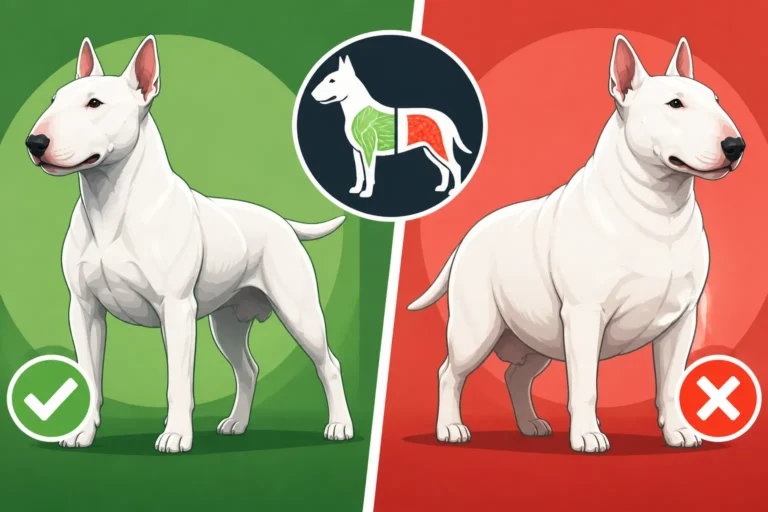
Beyond the numbers, actively assess your dog’s body condition. You should be able to feel their ribs easily without seeing them sharply. There should be an obvious waist when viewed from above, and an abdominal tuck when viewed from the side. If you have trouble finding those ribs or feel a thick layer of fat over them, it’s time to cut back. Conversely, if ribs are prominently visible and there’s no fat covering, they might need more food. This hands-on assessment is far more reliable than any generic feeding chart.
Typical Daily Portions
So, what does this translate to in practical terms? While exact amounts will vary based on calorie density of the food and your dog's specific needs, we can talk in generalities to give you a clearer picture. Most adult Bull Terriers, depending on their size, activity level, and the caloric density of their food, will eat somewhere between 2 to 3.5 cups of high-quality dry kibble per day. This typically provides between 800 to 1,400 calories.
It's usually best to divide this daily amount into two meals. Many owners find that feeding their Bull Terrier How Many Meals a Day a Bull Terrier Needs split into morning and evening portions helps with digestion, prevents them from getting overly hungry between meals, and can also help manage potential issues like bloat in deeper-chested breeds (though Bull Terriers aren't as prone as some). Sticking to a consistent schedule also helps with house training and regulating their digestive system.
Remember, the quality of the food profoundly impacts how much they need. A kibble with high-quality protein and fats will be more nutrient-dense, meaning your Bull Terrier will get more nutritional bang for their buck per cup. Cheaper foods often contain more fillers, requiring you to feed larger quantities to meet caloric needs, which can lead to larger stools and less efficient nutrient absorption. When you're first figuring this out, don't be afraid to measure precisely for a week or two, using an actual measuring cup, not just scooping. This gives you an accurate baseline to work from.
| Activity Level | Daily Calorie Estimate (approx.) | Typical Dry Kibble (cups/day) | Body Condition |
|---|---|---|---|
| Low (Senior, Sedentary) | 800-1000 | 2.0 – 2.5 | Ribs easily felt, slight waist, minimal abdominal tuck. |
| Moderate (Typical Pet) | 1000-1200 | 2.5 – 3.0 | Ribs easily felt with light pressure, definite waist, good abdominal tuck. |
| High (Active, Working) | 1200-1400+ | 3.0 – 3.5+ | Ribs felt without effort, pronounced waist, significant abdominal tuck, lean muscle visible. |
Note: These are general estimates. Always consult your veterinarian for precise recommendations based on your Bull Terrier's individual needs and the specific food you are feeding.
Choosing the Right Food for Your Bull Terrier
Deciding what to put in that bowl is just as important as how much. The market is saturated with options, from budget kibbles to gourmet fresh food subscriptions, and navigating it can feel overwhelming. For a Bull Terrier, who can be prone to certain sensitivities, making an informed choice is paramount for their health, energy, and even the quality of their coat and skin – which for a Bull Terrier, as we know, can sometimes be A Bull Terrier's Skin Is Its Weakest Point.
The Importance of Quality Ingredients
When I talk about "quality ingredients," I'm not just talking about fancy marketing terms on the bag. I'm talking about real, recognizable food sources that provide optimal nutrition for a carnivore. This means prioritizing protein and healthy fats, and minimizing fillers that offer little to no nutritional value. Your Bull Terrier's powerful muscles and energetic antics depend on a diet that fuels them properly.
Look for a named meat source, like "chicken meal," "lamb," or "beef," as the first ingredient. This indicates that protein forms the foundation of the food. Avoid foods where corn, wheat, or soy are among the first few ingredients, as these are often used as cheap fillers and can be common allergens for some dogs. While grains aren't inherently bad, too many low-quality grains can lead to digestive upset, poor coat quality, and can make it harder for your Bull Terrier to maintain a healthy weight because they're consuming empty calories.
Healthy fats, like omega-3 and omega-6 fatty acids, are also incredibly important for skin and coat health, joint lubrication, and overall cellular function. Ingredients like fish oil, flaxseed, and chicken fat are good sources. For a breed like the Bull Terrier, known for some skin sensitivities, these healthy fats can make a noticeable difference in reducing dryness and itchiness. Just like with humans, a diet rich in quality whole foods translates to better health outcomes, fewer vet visits for skin issues, and a Bull Terrier who feels and looks their best.
Wet vs. Dry vs. Raw
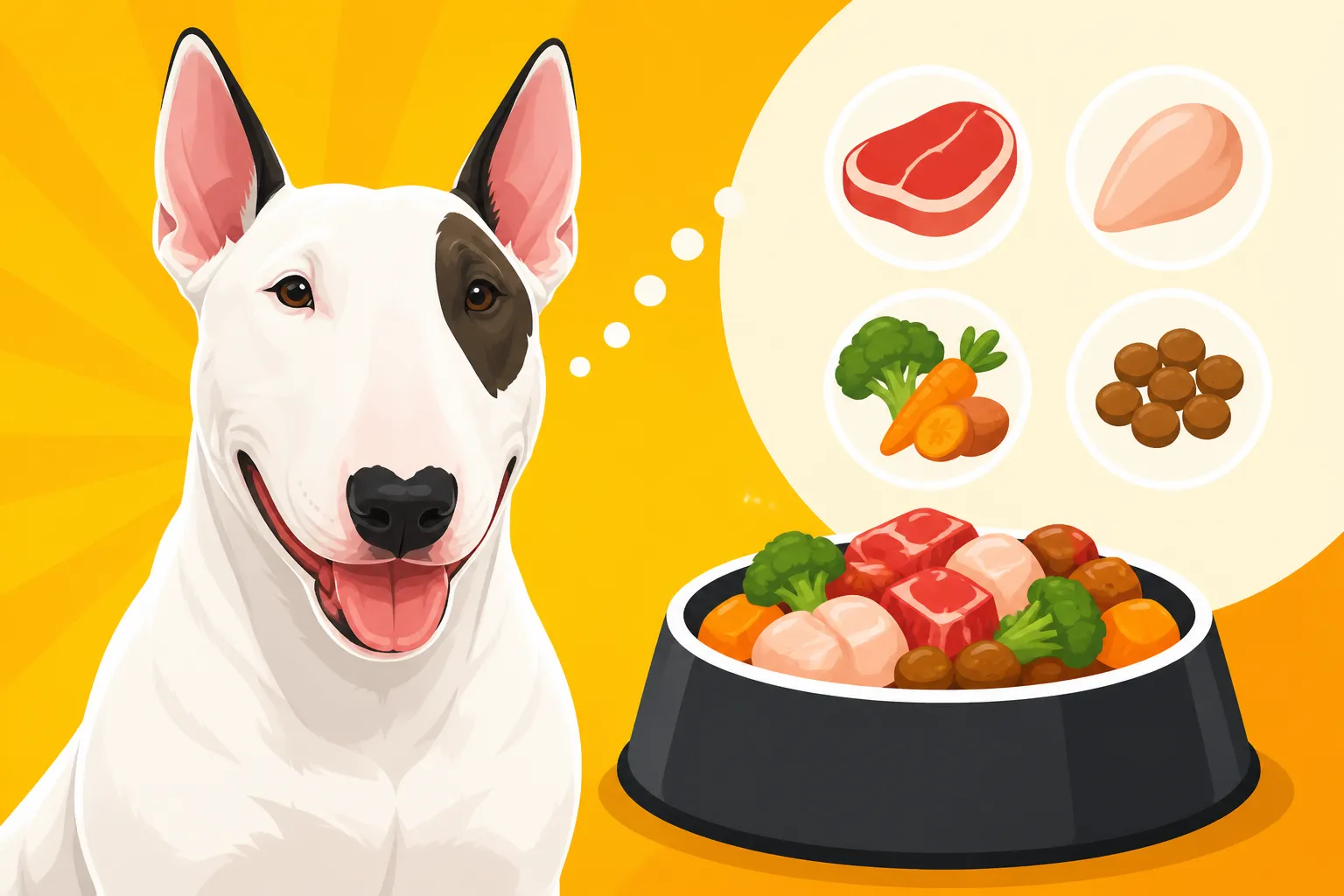
The debate over kibble, wet food, and raw diets is a passionate one among dog owners, and each has its pros and cons for Bull Terriers. There's no single "best" answer, but understanding the differences can help you make the right choice for your specific dog and lifestyle.
Dry Kibble: This is the most common and often most convenient option. High-quality kibbles are formulated to be nutritionally complete and balanced, offering a good blend of protein, fats, and carbohydrates. The crunchy texture can also help with dental hygiene, though it’s no substitute for brushing. When choosing a kibble, look for reputable brands that conduct feeding trials and have strong quality control. Companies like Royal Canin or Purina Pro Plan often come recommended by veterinarians for their scientific approach to pet nutrition. The convenience of buying in bulk from places like Chewy or your local pet store, and its ease of storage, makes it a popular choice for busy Bull Terrier owners.
Wet Food: Wet food is typically more palatable and hydrating than kibble, which can be a huge benefit, especially if your Bull Terrier is a picky eater or needs extra moisture in their diet. It often contains higher protein and less carbohydrate content than dry kibble, but it’s usually more expensive per serving. It also spoils faster once opened. Some owners use wet food as a topper for kibble to increase palatability, while others feed it exclusively. For a Bull Terrier who might be recovering from an illness or simply needs a little extra encouragement to eat, wet food can be a great option.
Raw and Fresh-Cooked Diets: These diets, like those offered by services such as Ollie, have gained popularity, emphasizing whole, unprocessed ingredients. Proponents believe they mimic a dog’s ancestral diet and can lead to improved digestion, shinier coats, and better energy levels. However, raw diets require careful planning to ensure they are nutritionally balanced, and there are risks associated with handling raw meat, including bacterial contamination. Fresh-cooked diets offer similar benefits with fewer risks, but they require significant time and effort if prepared at home, or a substantial financial investment if using a subscription service. If you're considering a raw or fresh-cooked diet, it's absolutely crucial to consult with a veterinary nutritionist to ensure it's balanced for your Bull Terrier’s specific needs. Improperly balanced raw diets can lead to serious deficiencies or excesses over time.
Special Dietary Considerations and Adjustments
Feeding an adult Bull Terrier isn't just about providing a general amount of food; it's also about being responsive to their changing life stages, health conditions, and activity levels. What works perfectly for one Bull Terrier might be completely wrong for another, and even the same Bull Terrier will have different needs over its lifetime. Being able to adapt their diet is a mark of a truly dedicated owner.
Managing Weight: Overweight vs. Underweight
Weight management is a big one for Bull Terriers, largely due to their dense, muscular build, which can sometimes mask subtle weight changes. It's a fine line between a robust, healthy Bull Terrier and one carrying a few extra, detrimental pounds. Keeping a Bull Terrier Lean When It Carries This Much Muscle is a constant dance.
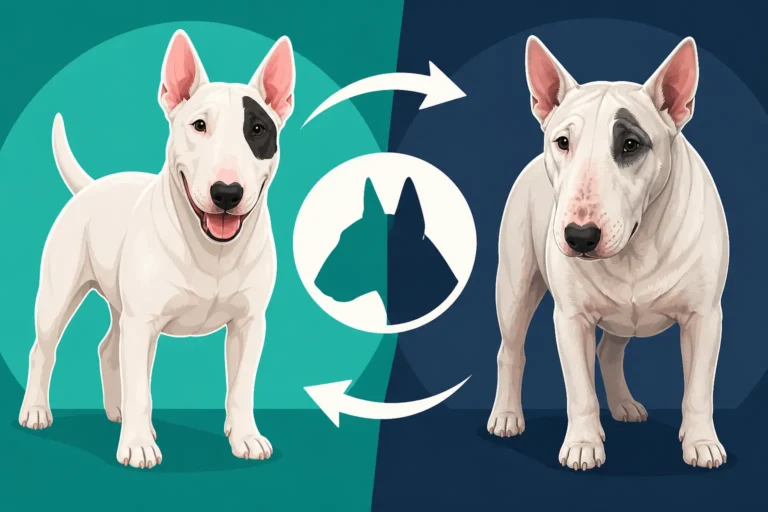
An overweight Bull Terrier is at higher risk for a host of health problems, including joint issues (especially patellar luxation, which some Bull Terriers are prone to), heart disease, diabetes, and even reduced lifespan. If you’re struggling to feel their ribs, or if their waistline has disappeared, it’s time for a diet. This usually means reducing their overall caloric intake by about 10-20% and increasing their exercise. Switch to a lower-calorie, high-fiber food that helps them feel full without adding excess calories. Portion control is absolutely essential here; no free-feeding! Measure every single meal and treat. Small, consistent changes are more sustainable than drastic cuts. Remember, a Bull Terrier often hides pain, so the added strain of extra weight on their joints could be silently causing discomfort. For more guidance on this, check out Signs a Bull Terrier Is Overweight.
Conversely, an underweight Bull Terrier can also be concerning, although it’s less common for this breed unless there's an underlying health issue. If your Bull Terrier's ribs, spine, and hip bones are visibly prominent with no fat covering, and they appear to lack muscle mass, they might be underweight. First, rule out any medical conditions with your vet, such as parasites, digestive issues, or other illnesses. If health is not an issue, then you'll need to increase their caloric intake gradually. This might mean feeding more frequent meals, increasing their portion size slightly, or switching to a higher-calorie, nutrient-dense food specifically formulated for active or underweight dogs. Sometimes, simply ensuring they are actually consuming all their food and not being too picky is the first step.
Health-Specific Diets
Bull Terriers, like many purebred dogs, can be predisposed to certain health conditions that require specific dietary adjustments. Being aware of these and working with your vet can significantly improve their quality of life.
One of the most critical areas for Bull Terriers is kidney health. Unfortunately, Bull Terriers are known to be susceptible to hereditary nephritis, a severe kidney disease. If your Bull Terrier has been diagnosed with kidney disease, even in its early stages, a veterinary-prescribed renal diet is essential. These diets are carefully formulated with controlled protein levels (not necessarily low, but high-quality and easily digestible), reduced phosphorus, and often higher levels of omega-3 fatty acids to support kidney function. Which Diet Suits a Bull Terrier With Kidney Disease is a conversation you’ll absolutely need to have with your veterinarian, and they will likely recommend specific therapeutic diets. You can often find these specialized foods on Chewy or through your vet's office. The cost of a What a Bull Terrier's Renal Diet Costs a Month can be significant, but it's vital for managing the condition.
Another common concern for Bull Terriers can be skin allergies and sensitivities. Many Bull Terriers, particularly white ones, can have sensitive skin, and sometimes dietary allergens can exacerbate these issues. If your Bull Terrier suffers from chronic itching, redness, or ear infections, your vet might suggest an elimination diet to identify potential food triggers. This often involves feeding a novel protein source (one your dog hasn't eaten before, like duck or venison) or a hydrolyzed protein diet where the proteins are broken down into particles too small to trigger an immune response. Supplementing with Whether a Bull Terrier Needs Zinc can also be important, as some Bull Terriers can suffer from zinc-responsive dermatosis, though this is distinct from the severe condition of Lethal Acrodermatitis.
Activity Level and Food Adjustments
We touched on activity levels earlier, but it bears repeating: your Bull Terrier's daily energy expenditure should directly correlate with their food intake. It's a dynamic relationship, not a static number written on a bag. Failing to adjust means either a hungry, underfueled dog or an overweight one.
For a highly active Bull Terrier, perhaps one that enjoys rigorous dog sports, long hikes, or daily intense play, you'll need to increase their caloric intake. This doesn't just mean more food, but potentially food that is higher in protein and fat to support muscle repair and sustained energy. Think about dogs who are regularly training for agility or competitive obedience; their nutritional demands are vastly different from a casual family pet. They might benefit from performance-oriented dog foods designed for highly active breeds, which are generally more calorie-dense.
On the other end of the spectrum, if your Bull Terrier has a less active period, perhaps due to injury, illness, or simply a change in your lifestyle, their food intake needs to be reduced. Maintaining the same portions for a suddenly sedentary dog is a surefire way to see the pounds creep on. This could mean reducing their regular portions by 10-15% or switching to a less calorie-dense "light" formula. It's important to make these adjustments gradually to avoid upsetting their digestive system. A sudden drop in activity is also a good time to reconsider the amount of treats you're giving, as those extra calories can quickly add up.
Feeding Habits and Practical Tips
Beyond what and how much to feed, how you feed your Bull Terrier can make a significant difference in their health, safety, and overall mealtime experience. Bull Terriers, with their powerful jaws and sometimes singular focus on food, can benefit from a few smart feeding strategies that promote slower eating and mental engagement.
Slow Feeder Bowls and Preventing Bloat
If you’ve ever watched your Bull Terrier eat, you’ve likely seen them inhale their food as if it might disappear at any second. How Fast a Bull Terrier Eats can be alarming, and while Bull Terriers aren’t as notoriously prone to bloat (Gastric Dilatation-Volvulus or GDV) as some other deep-chested breeds, rapid eating can still lead to digestive upset, gassiness, and discomfort. This is where slow feeder bowls become an absolute game-changer.
A slow feeder bowl is designed with ridges, mazes, or pillars inside, forcing your Bull Terrier to eat around obstacles to get to their food. This simple design significantly slows down their eating pace, promoting better digestion and reducing the amount of air they swallow with each mouthful. Many Bull Terrier owners swear by them, not only for preventing potential issues but also for making mealtime a little more mentally stimulating. You can find a wide variety of slow feeder bowls on platforms like Amazon or Chewy, ranging from simple designs to more intricate puzzles.
Another strategy, especially if your Bull Terrier is particularly prone to scarfing, is to divide their meal into even smaller portions and offer them a few minutes apart, or spread their food out on a large baking sheet. This isn't always practical for every meal, but it can be effective. Also, ensure your Bull Terrier has a quiet, undisturbed place to eat. Rushing them or having other pets/people constantly hovering can increase their anxiety and lead to faster eating. And while it's tempting to think that Whether a Slow Feeder Suits a Bull Terrier is obvious, nearly all Bull Terriers benefit from slowing down at meal times.
Treats, Chews, and Supplements
Treats and chews are an integral part of most Bull Terriers' lives – they're great for training, enrichment, and simply showing affection. However, they are also a significant source of calories that many owners overlook when calculating daily intake. Supplements, while not always necessary, can also play a role in targeted health support.
When it comes to treats, moderation is key. Aim for treats that are low in calories and high in nutritional value. Many vets recommend that treats should make up no more than 10% of your dog's daily caloric intake. If you're giving a lot of treats for training, consider breaking them into smaller pieces or using a portion of their daily kibble allowance as training rewards. Fruits and vegetables like carrots, green beans, or apple slices (without seeds) can make excellent low-calorie, healthy treats that most Bull Terriers love. Always remember to check if a specific food is safe for dogs before offering it.
Chews are fantastic for Bull Terriers, satisfying their strong chewing instinct and providing mental stimulation. But again, calories count! Bully sticks, dental chews, and certain types of bones can be quite calorie-dense. Factor these into your Bull Terrier's daily intake, especially if you're managing their weight. Opt for durable, appropriate-sized chews that are safe and won’t splinter. Supervise your Bull Terrier with new chews to ensure they don’t try to swallow large pieces. A long-lasting chew from a brand like Benebone or Kong, available on Amazon, can keep your Bull Terrier happily occupied for a while without adding excessive calories quickly.
Finally, supplements should always be discussed with your veterinarian. While some over-the-counter supplements are generally safe, a "more is better" approach can be dangerous. Your Bull Terrier's high-quality dog food should already be providing a complete nutritional profile. However, in certain cases, such as an aging Bull Terrier with joint pain (they can get Spondylosis in an Aging Bull Terrier), your vet might recommend a joint supplement. Similarly, if your Bull Terrier has specific skin issues, they might suggest an omega fatty acid supplement. Never start a supplement regimen without professional guidance, as imbalances can sometimes cause more harm than good.
Disclaimer
This article is for general informational purposes only and does not constitute professional advice. Laws, prices and regulations vary by location and change over time. Consult a qualified professional for guidance on your specific situation.