Patellar Luxation in a Bull Terrier
There's nothing quite like the boundless energy of a Bull Terrier, but when you notice a sudden skip in their step, or a reluctance to jump, a cold knot of worry can form. You start replaying their last walk, wondering if they twisted something, or if it's something more serious. Patellar luxation, often simply called a 'slipped kneecap,' is a surprisingly common orthopedic issue in our beloved Bull Terriers, and understanding it is key to getting your companion back to their happy, bouncy self.
What Exactly Is Patellar Luxation?
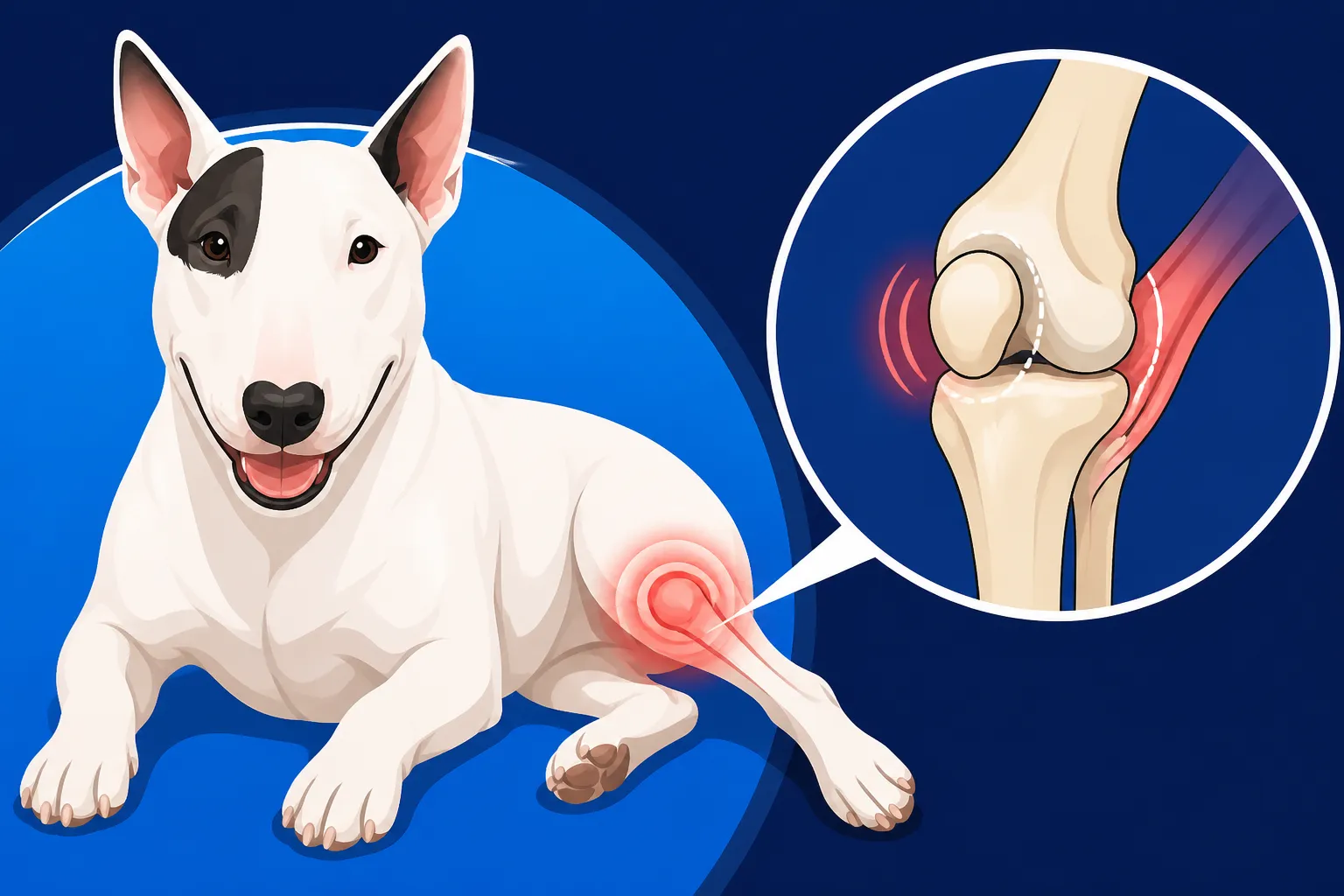
Patellar luxation is a condition where the patella, or kneecap, dislocates or slips out of its normal groove in the femur (thigh bone). This might sound alarming, but it's a relatively common issue in many dog breeds, including our robust Bull Terriers. Imagine your kneecap not staying put, but instead sliding to one side – that's essentially what happens to your Bull Terrier. It can be a source of discomfort, instability, and, if left unaddressed, more serious long-term problems for their mobility and joint health.
Understanding the Anatomy of the Stifle Joint
To truly grasp patellar luxation, it helps to visualize the stifle joint, which is a fancy veterinary term for the knee. The stifle is a complex hinge joint involving three bones: the femur (thigh bone), the tibia (shin bone), and the patella (kneecap). The patella sits within a groove on the end of the femur, called the trochlear groove, and is held in place by ligaments and tendons, particularly the patellar ligament that connects it to the tibia. When everything is working correctly, the patella glides smoothly up and down this groove as your Bull Terrier bends and straightens its leg, acting like a pulley to extend the leg effectively.
However, in Bull Terriers predisposed to patellar luxation, there's often an underlying anatomical abnormality. This might be a trochlear groove that isn't deep enough, or the attachment point of the patellar ligament on the tibia might be slightly off-center. These subtle differences mean the kneecap doesn't have a secure channel to slide in, making it prone to popping out. This isn't just a random event; it's often a structural issue that has been present since birth, though signs might not appear until later in life.
Grades of Patellar Luxation
Veterinarians classify patellar luxation into four grades, from mild to severe, which helps guide treatment decisions. These grades describe how easily the kneecap slips out and how stable it is once it's luxated. A Grade I luxation might be barely noticeable to an owner, perhaps just a momentary skip, while a Grade IV can be debilitating.
A Grade I luxation means the patella can be manually pushed out of the groove, but it pops right back in on its own. It might only happen occasionally, causing minimal discomfort. A Bull Terrier with a Grade II luxation will have the patella slip out spontaneously, perhaps when they turn quickly or jump, but it will still return to its normal position either on its own or with a little manipulation. You might see them 'skip' for a few steps before they're back to normal. Grade III is more severe; the patella is out of the groove most of the time but can be manually repositioned. However, it will pop right back out again once the manual pressure is released. This often leads to a more consistent limp or abnormal gait. Finally, Grade IV is the most serious, where the patella is permanently luxated and cannot be manually returned to its groove. This grade often results in significant lameness and a crouched posture, as the leg cannot be fully straightened.
| Grade | Description | Clinical Signs | Impact on Mobility |
|---|---|---|---|
| I | Patella can be manually luxated but reduces spontaneously. | Often asymptomatic; occasional "skipping" or stiffness. | Minimal to none. |
| II | Patella spontaneously luxates but can be manually reduced, or reduces with limb manipulation. | Intermittent lameness, skipping, shaking of the leg, reluctance to bear full weight. | Sporadic impairment; can worsen over time. |
| III | Patella is luxated most of the time but can be manually reduced, only to reluxate immediately. | Persistent lameness, crouched stance, difficulty straightening leg, noticeable discomfort. | Consistent impairment; affects quality of life. |
| IV | Patella is permanently luxated and cannot be manually reduced. | Severe, continuous lameness; marked crouched gait; significant pain and dysfunction. | Severe and debilitating; surgical intervention often crucial. |
Medial vs. Lateral Luxation
Patellar luxation can occur in two main directions: medial or lateral. Medial patellar luxation (MPL) is by far the most common type, especially in smaller breeds, but it's also seen in Bull Terriers. This is when the kneecap slips towards the inside of the leg. It's thought to be more prevalent due to the slight inward rotation of the tibia or a shallower outer edge of the trochlear groove.
Lateral patellar luxation (LPL), where the kneecap slips towards the outside of the leg, is less common overall but can occur, particularly in larger breeds or in cases where there are more complex limb deformities. While both types result in similar symptoms of lameness and discomfort, the precise surgical approach may differ depending on the direction of luxation. Your veterinarian will carefully assess the direction of the luxation during their examination, which is a critical piece of information for planning effective treatment.
Recognizing the Signs and Symptoms
Catching patellar luxation early can make a real difference in your Bull Terrier's comfort and long-term prognosis. Our Bull Terriers are notoriously stoic, often hiding pain until it's quite advanced, which means you need to be a vigilant observer of their everyday movements and habits. Don't dismiss a subtle change; it could be their way of communicating discomfort.
Intermittent Limping and Skipping
The most classic and often the first sign you'll notice is an intermittent limp or "skipping" gait. Your Bull Terrier might be trotting along happily, and then suddenly lift one hind leg for a few steps, shaking it, before putting it back down as if nothing happened. This is precisely when the kneecap has slipped out and then popped back into place. It’s usually a short-lived event, perhaps lasting only seconds, which is why it can be so easy to miss or dismiss as just a quirky Bull Terrier movement.
You might see this happen when they're running, jumping, or even just getting up from a nap. The frequency can vary greatly; some dogs might only do it once a month, while others might skip multiple times a day. As the condition progresses, or if the luxation becomes more severe (Grade II or III), the skipping episodes tend to become more frequent and last longer, potentially evolving into a more consistent limp where they avoid putting full weight on the affected leg. Keeping an eye on these subtle shifts is crucial, especially if your Bull Terrier has a history of orthopedic issues or comes from a line where What a Bull Terrier breeder should have tested for common genetic conditions.
Pain and Reluctance to Move
While the skipping might seem painless to an outside observer, patellar luxation can be painful, especially if the kneecap gets "stuck" out of the groove or if there's concurrent arthritis developing. Your Bull Terrier might start showing a general reluctance to engage in activities they once loved. This could manifest as hesitation before jumping into the car, avoiding stairs, or being less enthusiastic about long walks or playing fetch. You might notice they're stiff after resting or seem uncomfortable when trying to stretch out their hind legs.
Some Bull Terriers might vocalize with a yelp or whimper when the kneecap slips, but many will simply change their posture or try to walk differently to compensate. You might see them holding the affected leg up more often, or they might develop a "bow-legged" or "knock-kneed" appearance as they try to shift weight to find a more comfortable stance. In some cases, owners report their dog snapping or growling when touched around the knee area, which is a clear sign of pain. It’s important to remember that How a Bull Terrier Hides Pain very well, so any behavioral change or decreased activity level should prompt a closer look.
Deformity and Chronic Issues
In more advanced cases, particularly Grade III or IV luxations, you might notice more persistent issues beyond just intermittent limping. The affected leg might start to appear bowed or twisted, or your Bull Terrier might adopt a consistently crouched or abnormal posture. This happens because the chronic displacement of the patella puts abnormal stress on the surrounding bones and soft tissues, leading to gradual changes in the limb's alignment over time.
Over time, this constant instability and abnormal movement can lead to the development of osteoarthritis in the stifle joint, which can cause chronic pain, stiffness, and further limit mobility. The cartilage in the joint wears down, and bone spurs can form, exacerbating the problem. Muscle atrophy in the affected leg is also common, as the dog naturally avoids using the limb fully. This cascade of issues underscores why early diagnosis and intervention are so important. Ignoring the early signs not only causes ongoing discomfort but sets the stage for more complex and difficult-to-treat problems down the road.
Diagnosing Patellar Luxation in Your Bull Terrier
When you suspect patellar luxation, getting a professional veterinary diagnosis is the crucial next step. Don't try to diagnose or treat this at home, as misdiagnosis can lead to inappropriate care and worsen your Bull Terrier's condition. Your vet has the expertise and tools to accurately assess the situation and recommend the best course of action.
The Veterinary Examination
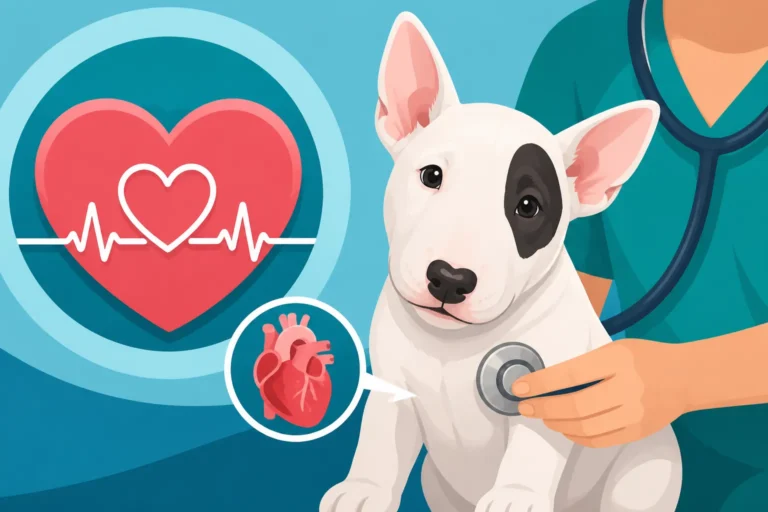
When you bring your Bull Terrier in, your veterinarian will start with a thorough physical examination, which includes a detailed orthopedic assessment. They will watch your Bull Terrier walk, trot, and stand to observe their natural gait and posture. They'll be looking for any signs of limping, skipping, or unusual leg carriage. Then, they'll carefully palpate (feel) your Bull Terrier's stifle joints, flexing and extending the legs, and gently manipulating the patella.
During this hands-on examination, your vet will attempt to luxate the patella manually to determine if it slips out of the trochlear groove, and if so, how easily it does so and whether it returns to its normal position. This is how they determine the grade of the luxation (Grade I, II, III, or IV). They will also check for any signs of pain, swelling, muscle atrophy, or crepitus (a crackling sound) within the joint, which can indicate cartilage damage or arthritis. This physical exam is often enough to strongly suspect patellar luxation, and it's a critical part of the diagnostic process.
Diagnostic Imaging: X-rays and Beyond
While the physical examination is incredibly informative, veterinarians will almost always recommend diagnostic imaging, primarily X-rays, to confirm the diagnosis and assess the full extent of the problem. X-rays provide a clear picture of the bone structure, allowing the vet to see if the trochlear groove is shallow, if the tibia is rotated, or if there are any signs of bone deformity that contribute to the luxation. They can also reveal the presence of secondary issues like osteoarthritis, which is a common long-term complication.
In some complex cases, or if surgery is being considered, your vet might recommend more advanced imaging techniques. These could include a CT scan or an MRI, which provide even more detailed images of the soft tissues, cartilage, and bone structures. These advanced scans can be invaluable for surgical planning, allowing the veterinary surgeon to visualize the exact anatomical abnormalities and plan a precise corrective procedure. Remember, investing in these diagnostics can be a significant cost, but having pet insurance, like a comprehensive plan from Healthy Paws, can really help mitigate the financial burden of these essential procedures.
Ruling Out Other Conditions
It's important for your veterinarian to rule out other orthopedic conditions that can cause similar symptoms, as proper diagnosis dictates proper treatment. For instance, a Bull Terrier might exhibit limping due to a cruciate ligament tear, hip dysplasia, or even a soft tissue injury. While the 'skipping' gait is quite characteristic of patellar luxation, other conditions can sometimes mimic it or occur concurrently.
For example, a partial tear of the cranial cruciate ligament (CCL) can cause instability and lameness in the knee, which might initially be confused with patellar luxation, or even occur alongside it. Likewise, some Bull Terriers might also be prone to Patellar Luxation in a Bull Terrier, a condition that shares genetic links in many breeds. Your vet will perform specific tests and maneuvers during the physical exam to differentiate between these conditions. Sometimes, a blood test might even be recommended to rule out inflammatory conditions or other systemic issues that could contribute to lameness. A thorough diagnostic work-up ensures that your Bull Terrier receives the most accurate diagnosis and the most effective treatment plan.
Treatment Options for Luxating Patellas
Once patellar luxation has been diagnosed, your veterinarian will discuss the available treatment options. The choice of treatment often depends on the grade of the luxation, the severity of the clinical signs, your Bull Terrier's age, and any other co-existing health issues. The goal is always to restore comfort, function, and prevent further joint damage.
Conservative Management Strategies
For Bull Terriers with very mild patellar luxation (typically Grade I, and sometimes Grade II if symptoms are infrequent and mild), a conservative management approach might be recommended. This primarily focuses on supportive care and preventing the condition from worsening. Weight management is paramount; maintaining a lean body condition reduces stress on the knee joint. This goes hand-in-hand with Keeping a Bull Terrier Lean When It Carries This Much Muscle. Your vet may also suggest a controlled exercise regimen, avoiding high-impact activities like jumping or sudden stops, but encouraging regular, moderate leash walks to build muscle tone around the joint.
Supplements like glucosamine, chondroitin, and omega-3 fatty acids can be beneficial for joint health, helping to support cartilage and reduce inflammation. Your vet might recommend a specific brand or formulation that is scientifically backed. Additionally, anti-inflammatory medications (NSAIDs) may be prescribed during episodes of pain or flare-ups to manage discomfort. The key to conservative management is vigilant monitoring and adapting the plan as needed. If your Bull Terrier's symptoms worsen despite these efforts, surgical intervention will likely be the next step.
Surgical Interventions and Techniques
For more severe cases (Grade II with significant symptoms, and almost always for Grades III and IV), surgical correction is often the most effective treatment. The aim of surgery is to realign the patella within the trochlear groove, creating a stable joint that allows for normal function and reduces pain. There are several surgical techniques that can be used, often in combination.
One common procedure is trochlear wedge recession or chondroplasty, where the trochlear groove is deepened to provide a more secure channel for the patella. Another technique is tibial crest transposition, which involves carefully cutting the part of the tibia where the patellar ligament attaches, moving it to a more appropriate position, and then reattaching it with pins. This corrects the alignment of the quadriceps mechanism. Soft tissue release, where tight ligaments on one side of the patella are cut and the joint capsule on the opposite side is tightened, may also be performed to help balance the kneecap. The exact combination of techniques will be tailored by a board-certified veterinary surgeon to your Bull Terrier's specific anatomical abnormalities. This type of specialized surgery can be costly, and this is where having pet insurance, such as from Healthy Paws, can provide invaluable financial support, allowing you to choose the best care without undue financial stress.
Post-Operative Care and Rehabilitation
Surgery is just the beginning of the recovery journey for a Bull Terrier with patellar luxation. Post-operative care is critical for a successful outcome. Immediately after surgery, your Bull Terrier will need strict rest and confinement for several weeks to allow the tissues and bone to heal. This usually means kennel rest or a small, enclosed space, with very short, controlled leash walks for bathroom breaks only. Pain medication and anti-inflammatories will be prescribed to keep your dog comfortable during this period.
Following the initial healing phase, a gradual rehabilitation program will be initiated, often with the guidance of a veterinary physical therapist. This might include gentle range-of-motion exercises, controlled therapeutic exercises to build muscle strength without stressing the joint, and eventually, exercises to improve balance and coordination. Hydrotherapy (underwater treadmill) is often a fantastic option as it allows for weight-bearing exercise with reduced impact. This rehabilitation process can take several months, requiring dedication and patience from you as the owner. Regular follow-up appointments with your veterinarian or surgeon will be necessary to monitor progress and ensure a smooth recovery.
Living With and Preventing Patellar Luxation
While some aspects of patellar luxation are inherited, there's a lot you can do as an owner to manage the condition, whether your Bull Terrier has been diagnosed or you're hoping to prevent it. A proactive approach to health and well-being is key.
Exercise and Weight Management
One of the most impactful things you can do for a Bull Terrier prone to or recovering from patellar luxation is to manage their weight diligently. Every extra pound puts additional stress on their knee joints, increasing the likelihood of luxation or exacerbating existing discomfort. Aim for a lean body condition where you can easily feel their ribs but not see them prominently. Your vet can help you determine an ideal weight and calorie intake for your individual Bull Terrier.
When it comes to exercise, the goal is to build strong, supportive muscles around the knee without causing undue stress or high-impact movements. Avoid activities that involve sharp turns, sudden stops, or high jumps, especially on slippery surfaces. Instead, focus on consistent, moderate exercise like brisk leash walks, swimming, or controlled trotting on soft ground. These activities help build hind limb strength and stability. Remember, How Much Exercise a Bull Terrier Actually Needs can vary, but quality of movement often trumps sheer quantity when dealing with joint issues.
Nutritional Support and Supplements
Nutrition plays an important role in overall joint health. A high-quality diet provides the essential nutrients for strong bones and healthy cartilage. For Bull Terriers with patellar luxation, specific supplements can be beneficial. As mentioned earlier, glucosamine and chondroitin sulfates are often recommended as they are building blocks for cartilage and may help slow its degradation. Omega-3 fatty acids, particularly EPA and DHA found in fish oil, are powerful anti-inflammatory agents that can help reduce joint pain and stiffness.
Other supplements sometimes suggested include MSM (methylsulfonylmethane) and green-lipped mussel extract, which also have anti-inflammatory properties. Always discuss any supplements with your veterinarian before adding them to your Bull Terrier's regimen, as they can advise on appropriate dosages and ensure there are no contraindications with other medications or existing health conditions. This proactive approach to diet and supplements can contribute significantly to managing symptoms and improving your Bull Terrier's comfort. For discussions on overall diet considerations, you might find our guide on Whether a Bull Terrier Needs Joint Supplements particularly helpful.
The Role of Responsible Breeding
Since patellar luxation has a significant hereditary component, responsible breeding practices are critical in reducing its incidence in Bull Terriers. Reputable breeders understand the importance of screening their breeding stock for orthopedic conditions. This involves having their breeding dogs examined by a veterinarian, often a board-certified orthopedic specialist, who can assess the knee joints and certify them as free from luxating patellas.
Organizations like the Orthopedic Foundation for Animals (OFA) maintain databases of these health screenings, allowing prospective puppy buyers to verify the health clearances of the parents. When looking for a Bull Terrier puppy, always ask the breeder about the orthopedic health of the parents and their lineage. A responsible breeder will be transparent about their health testing results, including patellar evaluations. This is why it’s so important to ask Which health tests a Bull Terrier breeder should run before committing to a puppy. By choosing a puppy from health-tested parents, you significantly reduce the risk of your Bull Terrier developing this condition and contribute to improving the overall health of the breed.
Prognosis and Long-Term Outlook
Understanding the long-term outlook for a Bull Terrier with patellar luxation can help you prepare for the journey ahead. While it can be a challenging condition, with proper management and care, many Bull Terriers go on to lead full, active, and comfortable lives.
Recovery Expectations
For Bull Terriers who undergo successful surgical correction, the prognosis for a good recovery is generally excellent, especially for Grades II and III luxations. Many dogs regain full or near-full function of the affected limb. The recovery period, as discussed, requires dedication, strict adherence to post-operative instructions, and a consistent rehabilitation program. Typically, it can take anywhere from 8 to 12 weeks for the initial healing, with full functional recovery often extending over several months.
It's important to have realistic expectations. While surgery aims for a permanent fix, no surgery can guarantee 100% perfect function, and some dogs may still have a slight alteration in their gait or occasional stiffness, especially in colder weather. Regular follow-ups with your vet are crucial to monitor progress and address any concerns early. The proactive choices you make during the recovery phase will significantly impact the long-term success of the treatment.
Potential Complications and Arthritis
Even with successful treatment, there are potential long-term complications to be aware of. One of the most common is the development or progression of osteoarthritis in the affected stifle joint. Even after surgical correction, the joint may have experienced abnormal wear and tear prior to the procedure, which can predispose it to arthritis later in life. This is especially true for higher-grade luxations or cases that went undiagnosed for a longer period.
Other potential complications, though less common, can include surgical site infections, implant failure (if pins or plates were used), or, in rare cases, a recurrence of luxation. Your veterinarian will discuss these risks with you before surgery. Long-term management of potential arthritis often involves ongoing weight control, joint supplements, and possibly periodic anti-inflammatory medications, especially as your Bull Terrier enters their senior years. This is a crucial aspect of Caring for an Old Bull Terrier.
Quality of Life Considerations
Ultimately, the goal of managing patellar luxation in your Bull Terrier is to ensure they maintain a good quality of life. For many Bull Terriers, successful treatment means a significant reduction in pain, improved mobility, and the ability to enjoy their favorite activities again. Whether through conservative management or surgical intervention, the aim is to minimize discomfort and maximize their ability to move freely and happily.
A Bull Terrier with well-managed patellar luxation can still be an enthusiastic companion, capable of enjoying walks, playtime, and all the things that make them such a joyous part of your family. Regular veterinary check-ups, ideally annually, including a discussion about their joint health, are vital. Your vet can assess for early signs of arthritis and adjust management strategies as needed. It's an ongoing commitment, but one that ensures your loyal Bull Terrier can continue to thrive.
Disclaimer
This article is intended for informational purposes only and does not constitute veterinary advice. Always consult with a qualified veterinarian for any health concerns or before making any decisions about your Bull Terrier's medical care.