How a Spinning Bull Terrier Is Treated
Witnessing your beloved Bull Terrier suddenly launch into a relentless, dizzying spin can be incredibly alarming and frankly, heartbreaking. It's not just a cute quirk or a case of the zoomies gone wild; for many Bull Terrier owners, this intense, often compulsive behavior signals a deeper issue that needs attention. This comprehensive guide will walk you through understanding what causes spinning in Bull Terriers, how to get an accurate diagnosis, and the various medical and behavioral strategies available to help your unique companion find peace.
Understanding Bull Terrier Spinning
Before we dive into treatment, it’s crucial to truly understand what Bull Terrier spinning is and why it's so different from other canine behaviors. This isn't just a dog getting excited; it's a specific, often compulsive behavior that can have significant impacts on a dog's quality of life and an owner's peace of mind.
What Exactly is Bull Terrier Spinning?
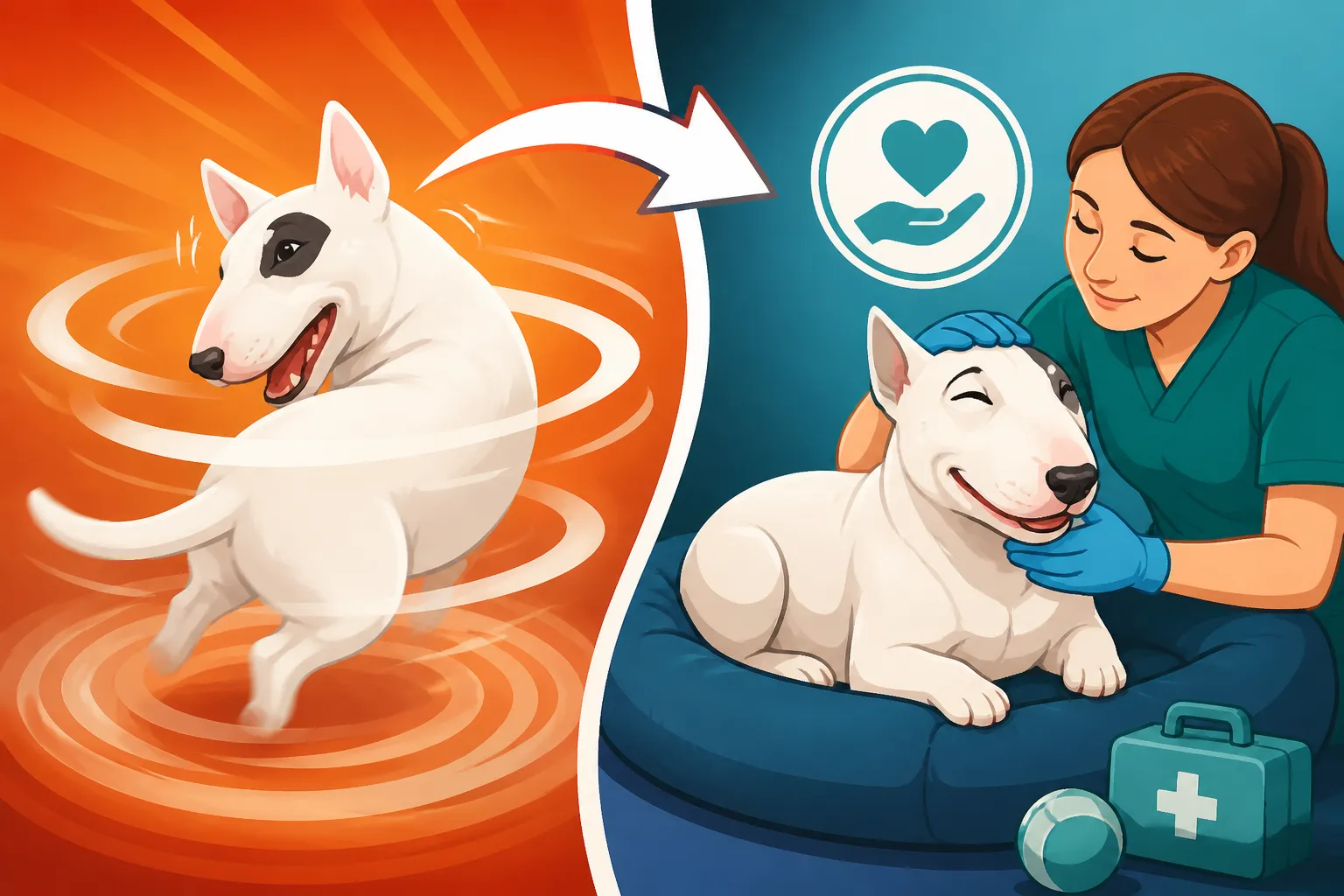
Bull Terrier spinning, often referred to as tail chasing or obsessive circling, is a repetitive, self-directed behavior where a Bull Terrier fixates on its tail or an invisible object, then spins rapidly in tight circles. This isn't just a brief burst of energy; it can last for minutes, sometimes even hours, often accompanied by intense focus, dilated pupils, and an inability to be easily interrupted. Unlike typical play, where a dog might playfully nip at its tail for a moment and then move on, a Bull Terrier engaging in compulsive spinning appears almost trance-like. The dog often seems to be caught in a loop, unable to disengage even when called or offered a favorite toy.
It's a distressing sight for owners because the dog appears so consumed by the action, sometimes even injuring itself by repeatedly striking objects or wearing down its paw pads. Understanding what sets off a Bull Terrier's spinning is often the first step in helping them. While it might look like a harmless, if eccentric, habit, prolonged or intense spinning is a form of compulsive disorder, akin to obsessive-compulsive disorder (OCD) in humans. It can escalate from an occasional oddity to a consuming activity that interferes with normal eating, sleeping, and interaction, significantly impacting the dog’s welfare.
Why Does My Bull Terrier Spin?
The reasons behind a Bull Terrier's spinning behavior are complex and often multi-faceted, ranging from genetic predispositions to environmental factors. For many Bull Terriers, there's a strong genetic component, suggesting a neurological basis for the compulsive behavior. This breed is unfortunately prone to certain behavioral issues, and spinning is one of them. Studies have indicated a hereditary link, meaning it can run in certain lines. If your Bull Terrier comes from a breeder, it's worth asking about the history of spinning in their lineage, although not all breeders are forthcoming or even aware.
Beyond genetics, stress, anxiety, and insufficient mental or physical stimulation can all contribute. A bored Bull Terrier, much like a bored human, might create its own entertainment, and for some, that manifests as spinning. High-stress environments, a lack of predictable routines, or even specific triggers like loud noises, certain objects, or particular times of day can initiate or exacerbate spinning episodes. For some dogs, it's a coping mechanism for underlying anxiety or frustration. They might spin when left alone, when anticipating a walk, or when they are overstimulated by visitors. Think of it as an outlet for intense internal feelings that they don't know how to process in a more constructive way.
Differentiating Spinning from Other Behaviors
It’s essential to distinguish true compulsive spinning from other, less concerning behaviors. A young puppy might chase its tail playfully for a few seconds, which is normal puppy behavior. Even an adult Bull Terrier might get a burst of "zoomies," running in circles or around the yard, which is usually a sign of exuberant joy and dissipates quickly. The key difference lies in the intensity, duration, and the dog's ability to disengage.
Normal play is often interactive and easily interrupted. If you call your dog, it stops. If you offer a treat or a toy, its focus shifts. Compulsive spinning, however, is often characterized by a dog that seems "stuck." They might ignore commands, treats, or even physical redirection. Their eyes might be glazed over, their body rigid, and they may even growl if approached during an episode. This isn't playful; it's an indication of an internal struggle. It's also important to rule out more serious medical conditions. Sometimes, neurological issues, such as focal seizures, can manifest as repetitive circling or unusual movements. While a Bull Terrier seizure differs from a spin, they can be confused. A dog experiencing a seizure might drool, lose bladder control, or appear disoriented afterward. If you notice any of these accompanying symptoms, it's an immediate trip to the vet. For more insights into how these behaviors differ, you might want to read about Whether Bull Terrier Tail Chasing Is a Seizure.
When to Seek Veterinary Help
It can be tempting to dismiss early signs of spinning as "just a Bull Terrier thing," but waiting too long can allow the behavior to become more ingrained and harder to treat. Knowing when to escalate your concerns to a professional is key to timely intervention.
Recognizing Warning Signs and Severity
The moment you notice any consistent spinning, especially if it's escalating in frequency or intensity, it's time to take action. Early warning signs might include your Bull Terrier beginning to chase its tail more often than usual, perhaps several times a day, or if these episodes last longer than a minute or two. The Age Bull Terrier Tail Chasing Starts can vary, but often it emerges in adolescence. You might observe a heightened focus during these spells, where your dog seems oblivious to its surroundings. This is markedly different from the casual, easily interrupted tail-nips of a playful pup.
Severity can be gauged by several factors:
- Frequency: Is it happening once a week, daily, or multiple times an hour?
- Duration: Do the episodes last a few seconds, several minutes, or even longer?
- Interruptibility: Can you easily distract your dog with a verbal cue or a treat, or does it seem unresponsive?
- Self-harm: Is your dog biting or damaging its tail, or bumping into furniture during spins?
- Impact on daily life: Is the spinning interfering with eating, sleeping, or social interactions?
- Emotional state: Does your dog appear distressed, anxious, or unusually agitated before or after spinning?
If the behavior is becoming more frequent, lasting longer, harder to interrupt, or causing any physical harm, these are definite red flags that warrant immediate veterinary attention. Tracking these details in a journal can be incredibly helpful for your vet. This log can give a clear picture of How Often a Bull Terrier Spins in a Day, which is crucial for diagnosis.
The Importance of a Full Veterinary Workup
When you bring your Bull Terrier to the vet for spinning, a thorough medical examination is the first and most critical step. Even though spinning is often behavioral, it's imperative to rule out any underlying medical conditions that could be causing or exacerbating the behavior. Your vet will likely start with a comprehensive physical exam, checking for any signs of pain, neurological abnormalities, or other physical ailments. They'll probably want a detailed history from you, so be prepared to discuss when the spinning started, its frequency, duration, triggers, and any other behavioral changes.
Beyond the physical exam, a vet may recommend several diagnostic tests:
- Blood work: This can check for systemic issues like thyroid imbalances (hypothyroidism can sometimes manifest with behavioral changes), liver disease, or other metabolic problems.
- Urinalysis: To rule out urinary tract infections or kidney issues, although less directly related to spinning, it’s part of a complete health picture.
- Neurological exam: This involves checking reflexes, gait, balance, and cognitive function to pinpoint any neurological deficits.
- Imaging: In some cases, X-rays or even an MRI might be recommended to look for structural brain abnormalities, tumors, or spinal issues, especially if seizures are suspected. Understanding Whether a Bull Terrier Should Have an MRI can shed more light on this diagnostic tool.
A thorough workup is vital because treating a behavioral problem without addressing a potential underlying medical cause will be ineffective and frustrating for both you and your dog. It's like putting a band-aid on a broken leg.
Consulting with Specialists
If your primary veterinarian suspects a complex behavioral or neurological issue, or if initial treatments aren't yielding results, they will likely recommend a referral to a specialist. This is a common and often necessary step for complex Bull Terrier health concerns.
- Veterinary Neurologist: If there's any suspicion of a seizure disorder, brain anomaly, or other neurological condition, a veterinary neurologist is the expert you need. They have advanced training and diagnostic tools (like MRI and EEG) to identify and treat conditions of the brain and nervous system.
- Certified Veterinary Behaviorist (CVB): For cases where medical causes have been ruled out, or if the behavioral component is severe, a CVB is invaluable. These are veterinarians with specialized training in animal behavior, similar to a psychiatrist for humans. They can accurately diagnose compulsive disorders, develop tailored behavior modification plans, and prescribe appropriate psychotropic medications. They understand the nuances of canine cognition and the environmental factors that contribute to these complex behaviors.
Consulting with a specialist can be an investment, but it provides the most accurate diagnosis and the most effective, evidence-based treatment plan. Many pet insurance providers, such as Healthy Paws, recognize the importance of specialist care and may cover a portion of these consultations and advanced diagnostics, which can significantly ease the financial burden of managing a chronic condition. Early intervention with a specialist often leads to better outcomes and a higher quality of life for your Bull Terrier.
Medical Treatments for Spinning
Once any underlying physical causes have been ruled out, or if they are contributing factors, medical intervention often becomes a key part of managing compulsive spinning in Bull Terriers. These treatments are usually part of a broader strategy that also includes behavioral modification.
Pharmaceutical Interventions
When spinning is diagnosed as a compulsive disorder, often with a strong genetic or neurological basis, medication can be incredibly effective in reducing the frequency and intensity of the episodes. These aren't "magic bullets" that cure the problem, but they help to rebalance brain chemistry, making your Bull Terrier more receptive to behavioral training and less driven by the compulsive urge.
Common classes of medications used include:
- Selective Serotonin Reuptake Inhibitors (SSRIs): Drugs like fluoxetine (Prozac for dogs) are frequently prescribed. They work by increasing the amount of serotonin in the brain, which helps regulate mood, anxiety, and compulsive behaviors. It can take several weeks to see the full effect, and dosage often needs careful titration by a vet or behaviorist.
- Tricyclic Antidepressants (TCAs): Medications such as clomipramine (Clomicalm) are another option. Like SSRIs, TCAs affect neurotransmitters in the brain, primarily serotonin and norepinephrine, to reduce anxiety and compulsive tendencies.
- Anxiolytics: In some cases, especially when anxiety is a major trigger, anxiolytic (anti-anxiety) medications might be used, either short-term for specific stressful events or as an adjunct to SSRIs/TCAs. Examples include benzodiazepines, though these are typically used with caution due to potential side effects and dependency.
Your vet or veterinary behaviorist will choose the most appropriate medication based on your Bull Terrier's specific symptoms, overall health, and potential interactions with other medications. It's crucial to follow their instructions precisely and never adjust dosages or discontinue medication without professional guidance. Finding Which Medication Stops a Bull Terrier Spinning effectively often involves a process of trial and error, as each dog responds differently.
Exploring Underlying Health Conditions
While we've touched on the importance of ruling out medical issues, it bears repeating that a thorough medical investigation is paramount. Sometimes, seemingly unrelated physical discomfort or disease can manifest as behavioral changes, including compulsive behaviors like spinning. For instance, chronic pain from conditions like arthritis, hip or elbow dysplasia, or even dental issues could lead a dog to self-soothe through repetitive actions. Similarly, gastrointestinal discomfort or allergies might create a pervasive unease that a dog tries to alleviate by spinning.
Even rarer, but still possible, are certain neurological conditions that aren't outright seizures but cause disoriented or repetitive behaviors. For example, some ear infections that affect balance could lead to circling, though usually in one direction. Your veterinarian will carefully assess your Bull Terrier for any subtle signs of discomfort or disease that might be contributing to the spinning. This comprehensive approach ensures that you're not just treating a symptom but addressing the root cause, leading to more sustainable and humane treatment.
The Role of Diet and Supplements
While diet isn't typically the primary treatment for compulsive spinning, certain dietary adjustments and supplements can play a supportive role, especially if there are underlying sensitivities or deficiencies. It's important to approach these with a critical eye and always in consultation with your vet or a veterinary nutritionist, as not all popular supplements have strong scientific backing.
Some owners explore:
- Hypoallergenic diets: If allergies or food sensitivities are suspected to contribute to overall discomfort or anxiety, a novel protein or hydrolyzed protein diet might be suggested. Reducing inflammation or gut irritation can sometimes positively impact a dog's overall well-being and reduce stress-related behaviors.
- Omega-3 Fatty Acids: Supplements like fish oil are known for their anti-inflammatory properties and benefits for brain health. While not a direct treatment for spinning, improving overall neurological health and reducing systemic inflammation might contribute to a calmer demeanor.
- L-Tryptophan: This amino acid is a precursor to serotonin, a neurotransmitter that helps regulate mood. While L-Tryptophan supplements are marketed for calming effects, the evidence for their significant impact on severe compulsive disorders is limited. They are generally considered safe and might offer mild support for anxiety in some dogs.
- Probiotics: A growing body of research points to the "gut-brain axis," suggesting that gut health can influence behavior. Improving gut microbiome balance with probiotics might indirectly support overall mental well-being, but again, it's not a standalone treatment for severe spinning.
It's crucial to understand that these dietary changes and supplements are adjunctive therapies, meaning they are used in addition to primary medical and behavioral treatments, not as replacements. Always discuss any dietary changes or supplements with your vet to ensure they are safe and appropriate for your Bull Terrier.
Behavioral Management Strategies
Medical treatment is often only one part of the solution for a spinning Bull Terrier. Equally important are the behavioral management strategies that you implement at home. These focus on modifying the environment, teaching alternative behaviors, and reducing the triggers that lead to spinning.
Environmental Enrichment and Stimulation
A bored Bull Terrier is often a troubled Bull Terrier. These intelligent, high-energy dogs thrive on mental and physical stimulation. A lack of appropriate outlets for their energy and intellect can lead to frustration, anxiety, and the development or exacerbation of compulsive behaviors like spinning.
- Physical Exercise: Regular, vigorous exercise is non-negotiable for a Bull Terrier. This means more than just a quick stroll around the block. They need opportunities to run, play, and burn off steam. Structured walks, trips to a secure dog park (if appropriate for your dog's temperament), or even vigorous games of fetch in the yard are essential. Consider whether exercise reduces Bull Terrier spinning. For some, increased appropriate physical activity can significantly reduce the internal pressure that leads to spinning.
- Mental Stimulation: Bull Terriers are smart, and their minds need to be worked as much as their bodies. Puzzle toys that dispense treats, sniffari walks where they can explore scents, obedience training sessions, or even learning new tricks can provide valuable mental enrichment. Rotate toys frequently to keep things interesting. Engage their powerful chewing instincts with appropriate, long-lasting chews. Brands like Kong and Nylabone offer heavy-duty options that stand up to a Bull Terrier's formidable jaw.
- Structured Play: Engage your Bull Terrier in interactive play that reinforces positive behaviors. Tug-of-war (with rules), fetch, or even hide-and-seek can be great ways to build your bond and direct their energy constructively.
The goal is to provide a stimulating, predictable, and engaging environment that meets your Bull Terrier's specific needs, reducing the likelihood that they resort to spinning out of boredom or frustration.
Structured Training and Counter-Conditioning
Behavior modification is a cornerstone of treating compulsive spinning. This involves using positive reinforcement to teach your Bull Terrier more appropriate coping mechanisms and to associate triggers with positive outcomes rather than spinning.
- Positive Reinforcement: This is crucial. Never punish your Bull Terrier for spinning, as this can increase anxiety and make the problem worse. Instead, reward calm behavior. When your dog is not spinning, even for a brief moment, mark that behavior with a "yes!" or a clicker and reward generously with high-value treats.
- Teaching Alternative Behaviors: Identify behaviors that are incompatible with spinning, such as "sit," "down," or "stay on mat." Practice these behaviors in various contexts, especially when your dog is calm. Then, when you see the very first signs of an impending spin, try to redirect your dog to one of these alternative, calm behaviors and reward heavily. This is a form of How to Interrupt a Bull Terrier's Tail Chasing effectively. The goal is to build a strong history of positive reinforcement for not spinning.
- Counter-Conditioning: This involves changing your dog's emotional response to a trigger. If certain situations or objects consistently trigger spinning, expose your dog to those triggers at a very low intensity while simultaneously providing something highly positive, like their absolute favorite treat or toy. The exposure should be so mild that your dog doesn't spin. Gradually increase the intensity of the trigger over many sessions, always pairing it with something positive, so the dog learns to associate the trigger with good things instead of anxiety.
- "Go to Mat" or "Place" Training: Teaching your Bull Terrier to go to a designated "safe place" like a mat or bed can be incredibly useful. This gives them a calm, predictable retreat and allows you to redirect them before a full-blown spinning episode begins. Practice this frequently when they are relaxed, making the mat a highly rewarding place to be.
Consistency is key with all training. Every family member needs to be on board with the chosen strategies and apply them uniformly. Consider working with a certified professional dog trainer or a veterinary behaviorist who has experience with compulsive disorders to help you develop and implement these specialized training plans.
Managing Triggers and Routines
Identifying and managing the specific triggers that set off your Bull Terrier's spinning is a vital part of the treatment plan. This requires careful observation and often involves keeping a detailed log of when and where the spinning occurs.
- Trigger Identification: Pay close attention to what happens right before your Bull Terrier starts spinning. Is it a certain sound, like the doorbell or a siren? Is it a specific time of day, perhaps when you're preparing to leave? Does it happen when they are over-excited, under-stimulated, or when visitors arrive? Documenting these patterns can help you pinpoint the precise triggers.
- Avoidance and Management: Once you identify triggers, the first step is to avoid them where possible. If the doorbell sets them off, teach visitors to knock instead, or desensitize your dog to the sound of the doorbell using counter-conditioning. If overstimulation is an issue, manage interactions with guests or other dogs more carefully. If it's a specific time of day, proactively engage your Bull Terrier in a calm, enriching activity during that window.
- Establish a Predictable Routine: Bull Terriers, like many dogs, thrive on routine. A consistent schedule for meals, walks, play, training, and rest can significantly reduce anxiety and the unpredictability that might contribute to spinning. Knowing what to expect can be incredibly calming.
- Safe Spaces: Ensure your Bull Terrier has a quiet, comfortable "safe space" where they can retreat if feeling overwhelmed. This could be a crate, a specific bed in a low-traffic area, or a dog-proofed room. This space should be associated only with positive experiences and calm.
- Enrichment for Spinning Bull Terriers: While working on reducing triggers, remember that a spinning Bull Terrier still needs outlets for its energy. Enrichment a Spinning Bull Terrier Needs can include puzzle toys, chew items, and short, focused training sessions that build confidence and provide mental engagement without over-stimulating them.
Managing triggers and establishing a predictable, calming routine creates a foundation of security and reduces the opportunities for compulsive behavior to manifest. It’s a proactive approach that helps your Bull Terrier feel more in control of their environment, leading to a calmer and happier life.
Living with a Spinning Bull Terrier
Caring for a Bull Terrier with compulsive spinning can be challenging, but it's also incredibly rewarding to see them improve. This journey requires immense patience, understanding, and a commitment to ongoing care.
Owner Support and Patience
Let's be real: living with a Bull Terrier who spins can be incredibly frustrating, bewildering, and sometimes even embarrassing. It's easy to feel like you're doing something wrong, or that your dog is "broken." Please know that you are not alone in these feelings. This is a recognized issue in the breed, and it's not a reflection of your abilities as an owner.
The most important thing you can offer your Bull Terrier is unwavering patience and support. This isn't a behavior they can simply "stop" on command; it's a deeply ingrained compulsive urge. Yelling, punishing, or getting angry will only heighten their anxiety and worsen the spinning. Instead, cultivate a calm, consistent demeanor. Celebrate every small victory – a shorter spinning episode, an easier interruption, or a longer period of calm.
It's okay to feel overwhelmed. Seek out support from other Bull Terrier owners who have dealt with similar issues, or join online forums where experiences and advice are shared. Sometimes, just knowing others understand your struggle can make a huge difference. Remember, your Bull Terrier needs you to be their calm, steadfast leader, guiding them through this challenge with compassion. The journey to managing spinning is often a marathon, not a sprint, and your patience is their greatest asset.
Safety Measures and Home Modifications
During intense spinning episodes, a Bull Terrier can be a danger to itself and potentially to objects in your home. Implementing safety measures and making minor home modifications can prevent injury and damage.
- Clear the Space: When you notice your Bull Terrier starting to spin, try to gently guide them to an open area, free of furniture, sharp corners, or fragile items. This prevents them from colliding with objects and injuring themselves.
- Protect Their Tail: If your Bull Terrier is tail-biting or consistently hitting their tail on surfaces, discuss tail protection with your vet. A soft bandage or a protective cone (Elizabethan collar) might be necessary short-term to prevent injury while other treatments take effect.
- Secure Environment: For severe cases, consider having a designated "safe room" or a sturdy crate (like those from Impact Dog Crates or Ruffland Kennels, known for their durability) where your Bull Terrier can go if they cannot be interrupted, ensuring they can't injure themselves or destroy property. This is especially important if you need to leave them unsupervised for a short period.
- Supervision: Never leave a Bull Terrier prone to intense spinning unsupervised, especially in environments with potential hazards. Close supervision allows you to intervene early, redirect the behavior, and ensure their safety.
- Chew Toys: Have a variety of appropriate, durable chew toys readily available. Sometimes, offering a high-value chew can redirect a spinning dog, providing an acceptable outlet for their oral fixation and reducing the compulsive urge to spin.
These measures aren't meant to be permanent solutions but offer a layer of safety and management while you work on the underlying causes and behavioral modifications.
Long-Term Outlook and Ongoing Care
The long-term outlook for a Bull Terrier with compulsive spinning varies depending on the severity, the underlying causes, and the consistency of treatment. For many, it's a condition that can be successfully managed, allowing them to lead a high-quality, relatively normal life. However, it's important to understand that it's often a chronic condition requiring ongoing care rather than a complete "cure."
What you can expect:
- Reduced Episodes: With a combination of medication, behavioral modification, and environmental management, most Bull Terriers will experience a significant reduction in the frequency and intensity of their spinning episodes.
- Lifelong Management: Medications may be required long-term, and behavioral strategies will need to be maintained consistently throughout your dog's life. Relapses can occur, especially during periods of stress or change, so vigilance is always necessary.
- Regular Veterinary Check-ups: Ongoing monitoring by your veterinarian is crucial. This includes regular check-ups to assess the effectiveness of medication, monitor for side effects, and adjust dosages as needed. This also allows for early detection of any new health issues. What a Bull Terrier's Yearly Bloodwork Should Cover will become particularly important for dogs on long-term medications.
- Adaptation: You and your Bull Terrier will learn to adapt. You'll become adept at recognizing early warning signs and redirecting behavior. Your Bull Terrier will learn healthier coping mechanisms and associate your interventions with comfort and reward.
- Quality of Life: The ultimate goal is to enhance your Bull Terrier's quality of life. Even if spinning isn't entirely eliminated, reducing its impact allows your dog to engage more fully in life, enjoy their family, and experience less internal distress. Many pet insurance plans, like Healthy Paws, are designed to support chronic conditions, which can be invaluable for covering the ongoing costs of medication, specialist visits, and regular monitoring that a spinning Bull Terrier might require throughout its life.
Living with a spinning Bull Terrier requires dedication, but with the right approach and a strong partnership with your veterinary team, you can provide your unique companion with a fulfilling and happy life.
Treatment Options for Bull Terrier Spinning
Here's a summary of the common approaches to treating compulsive spinning in Bull Terriers, keeping in mind that a multi-modal approach is often most effective.
| Treatment Category | Description | Key Considerations |
|---|---|---|
| Veterinary Diagnosis | Thorough physical exam, blood work, neurological exam, potential imaging (MRI). | Essential to rule out underlying medical causes (e.g., pain, thyroid issues, neurological conditions, seizures). |
| Specialist Consultation | Referral to a Veterinary Neurologist or Certified Veterinary Behaviorist. | Highly recommended for complex cases, accurate diagnosis, and specialized treatment plans. |
| Pharmaceuticals | SSRIs (e.g., fluoxetine), TCAs (e.g., clomipramine), anxiolytics. | Helps rebalance brain chemistry; requires veterinary prescription and careful monitoring; takes weeks for full effect. |
| Environmental Enrichment | Provide ample physical exercise and mental stimulation. | Reduces boredom and frustration; includes puzzle toys, structured play, consistent training. |
| Behavior Modification | Positive reinforcement, counter-conditioning, teaching alternative behaviors. | Never punish; reward calm behavior; work with a professional trainer/behaviorist. |
| Trigger Management | Identify and avoid/desensitize to specific triggers. | Keep a log of spinning episodes; establish predictable routines; create a safe space for your dog. |
| Diet & Supplements | Hypoallergenic diets, Omega-3s, L-Tryptophan, Probiotics. | Adjunctive therapy only; consult vet for appropriate use; limited evidence for severe cases. |
| Safety Measures | Clear spinning area, protect tail, use durable crates, close supervision. | Prevents self-injury or damage to property during episodes. |
Disclaimer
The information provided in this article is for general informational purposes only and is not a substitute for professional veterinary advice, diagnosis, or treatment. Always seek the advice of your veterinarian or other qualified animal health provider with any questions you may have regarding a medical condition or treatment plan for your Bull Terrier.