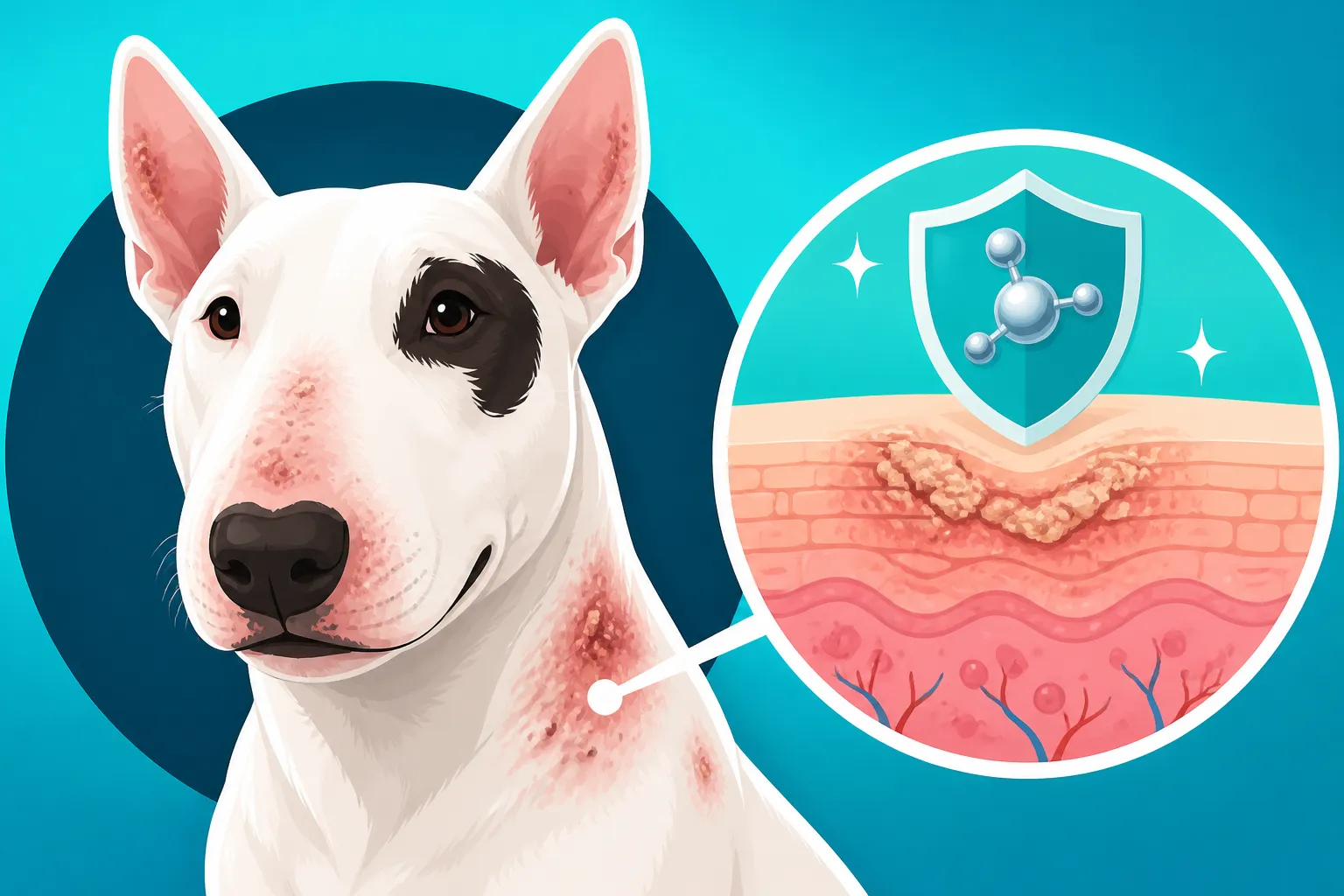
Zinc Responsive Dermatosis in a Bull Terrier
It's incredibly frustrating when your beloved Bull Terrier starts developing skin issues. One minute they're romping around, full of life, and the next you're noticing crusty patches, hair loss, and constant itching that just doesn't seem to go away, no matter what you try. This guide is here to shed light on a specific, often misunderstood condition: Zinc Responsive Dermatosis (ZRD) in Bull Terriers. We’ll delve into what it is, how to spot it, and most importantly, how to manage it so your goofy companion can get back to being their happy, healthy self.
What Exactly is Zinc Responsive Dermatosis in Bull Terriers?
Zinc Responsive Dermatosis (ZRD) is a skin condition that results from an inability to properly absorb or utilize zinc in the body. While zinc is a trace mineral vital for healthy skin, immune function, and overall metabolism, ZRD isn't always about a simple lack of zinc in the diet. It's often a complex issue of absorption, especially in certain breeds like our beloved Bull Terriers. When the body can't process zinc correctly, the skin, being a rapidly regenerating organ, is often the first place to show signs of trouble. Think of it like a faulty engine that has plenty of fuel but can't deliver it to where it's needed – the body might be getting enough zinc, but it's not making it to the cells that need it most.
Type I vs. Type II Zinc Responsive Dermatosis
When we talk about ZRD, it’s helpful to understand that there are generally two types, each with slightly different underlying causes, though they present similarly on the surface.
Type I Zinc Responsive Dermatosis is the form most commonly associated with a genetic predisposition in certain breeds, and yes, Bull Terriers are unfortunately on that list. In these dogs, even if their diet contains adequate levels of zinc, their bodies struggle to absorb it from the intestinal tract. It's an inherited metabolic defect that means the internal machinery for zinc uptake just isn't working as efficiently as it should. This isn't something you can simply fix by switching to a "better" dog food; it requires direct intervention to overcome the absorption hurdle. It often presents early in life, sometimes even as puppies, and can be a lifelong management issue. This hereditary component is crucial to understand, especially if you're working with a reputable breeder who screens their lines for such health concerns.
Type II Zinc Responsive Dermatosis, on the other hand, is usually diet-related. This type occurs when there is indeed a deficiency of available zinc in the dog's food. This could be due to a poor-quality diet that simply doesn't contain enough zinc, or more commonly, due to dietary factors that interfere with zinc absorption. For example, diets that are excessively high in calcium, like those with too much raw bone or certain supplements, can bind to zinc in the gut, making it unavailable for absorption. Similarly, high levels of phytates, found in some plant-based ingredients, can also block zinc uptake. Fast-growing puppies, or dogs on imbalanced homemade diets, can sometimes develop this type. While Bull Terriers can certainly develop Type II ZRD if on an inappropriate diet, their genetic makeup makes them more susceptible to Type I. It's important not to confuse ZRD with other skin conditions, such as Whether Zinc Helps a Bull Terrier With Acrodermatitis, which, while sometimes responsive to zinc in some dogs, is a completely different genetic disorder primarily affecting Bull Terrier puppies.
Identifying the Symptoms: What Does ZRD Look Like?
Spotting Zinc Responsive Dermatosis in its early stages can be tricky because its symptoms can mimic other common skin ailments that affect Bull Terriers, such as allergies or even infections. But there are specific patterns and characteristics that often point toward ZRD, and knowing what to look for can help you get your dog diagnosed and treated sooner. You might already be familiar with the struggles many Bull Terriers face with their skin, as A Bull Terrier's Skin Is Its Weakest Point is a known vulnerability for the breed.
Common Presentation Areas and Skin Changes
The hallmark of ZRD involves specific lesions that tend to appear around certain parts of the body. You’ll often notice dry, red, crusty, and scaly patches of skin. These lesions frequently develop in areas of friction or where the skin folds, as well as on mucosal junctions. Keep a close eye on the skin around your Bull Terrier’s eyes, muzzle, and lips – these are prime spots for ZRD to manifest. The ear flaps, especially the tips, and the scrotum or vulva can also show severe crusting and hair loss.
Beyond the face, these tell-tale crusts can also form on pressure points like the elbows, hocks (the joint at the back of their rear leg), and even their paw pads. When it affects the paw pads, they can become thickened, cracked, and very painful, making walking uncomfortable for your usually boisterous Bull Terrier. You might observe a dull, coarse coat quality and widespread hair thinning or loss in affected areas. The skin itself can appear hyperpigmented (darkened) and lichenified (thickened and leathery) over time, a clear sign of chronic irritation and inflammation. It's distinct from the appearance of paws in a condition like acrodermatitis (What an Acrodermatitis Bull Terrier's Paws Look Like), though both involve paw issues.
Progression and Secondary Infections
Without proper treatment, ZRD lesions tend to worsen over time. What starts as a few dry, flaky patches can progress to severe scaling, thickening, and deep fissuring of the skin. These cracked areas are not just unsightly; they are incredibly painful and serve as open invitations for secondary bacterial and yeast infections. You might notice an unpleasant odor emanating from the affected skin, excessive licking or chewing, and pus or discharge, all indicating that opportunistic microbes have moved in.
These secondary infections are a major source of discomfort for your dog and can complicate the diagnostic process. A vet might initially treat the infection, which offers temporary relief, but if the underlying ZRD isn't addressed, the infections will simply keep returning. The constant itching and pain can also lead to behavioral changes – your normally cheerful Bull Terrier might become withdrawn, irritable, or even show signs of aggression due to chronic discomfort. This emphasizes why a thorough diagnostic process is so crucial, rather than just treating symptoms on the surface.
Diagnosis and Treatment: Getting Your Bull Terrier Back on Track
When you see persistent skin issues in your Bull Terrier, the first and most critical step is a trip to your veterinarian. Self-diagnosing based on online information can lead to delays in effective treatment, and with conditions like ZRD, early intervention makes a significant difference in your dog's comfort and recovery. Your vet will conduct a thorough physical examination, discuss your dog's history, diet, and any previous treatments you’ve tried. This initial conversation is vital for narrowing down the possibilities, as many conditions, from Demodectic Mange in a Bull Terrier to various Whether a Bull Terrier Gets Skin Allergies, can present with similar symptoms.
Getting a Definitive Diagnosis
Because ZRD symptoms can mimic other skin conditions, your vet will likely want to rule out other possibilities through diagnostic tests. This might include skin scrapings to check for mites (like Demodex), fungal cultures, or cytology (examining skin cells under a microscope) to look for bacterial or yeast infections. Blood tests might be performed to check overall health, including zinc levels, although serum zinc levels aren't always definitive for ZRD as they don't always reflect cellular zinc availability.
The most definitive diagnostic tool for ZRD is usually a skin biopsy. This involves taking a small sample of affected skin, typically under local anesthetic, and sending it to a veterinary dermatopathologist for examination. The pathologist will look for specific microscopic changes in the skin that are characteristic of zinc deficiency, such as parakeratosis (retention of nuclei in the stratum corneum) and follicular atrophy. The good news is that What a Bull Terrier's Skin Biopsy Costs is often a manageable expense, especially when weighed against weeks or months of ineffective treatments for other conditions. Once ZRD is confirmed, your vet can then prescribe a targeted treatment plan.
Supplementation Strategies and Monitoring
The cornerstone of ZRD treatment is zinc supplementation. It's not as simple as giving a human zinc supplement, though. Your vet will prescribe the appropriate form and dosage of zinc, often starting with higher doses to bring the condition under control, and then tapering to a maintenance dose. Common forms include zinc sulfate, zinc methionine, or zinc picolinate, each with slightly different absorption rates. It's vital to follow your vet's instructions precisely, as too much zinc can also cause problems, including gastrointestinal upset and even anemia. Never start zinc supplementation without veterinary guidance.
You should expect to see improvement in your Bull Terrier's skin within a few weeks to a couple of months. The crusting should diminish, hair should start to regrow, and the skin should look less inflamed. However, ZRD, especially the Type I inherited form, is often a lifelong condition requiring continuous supplementation. Regular follow-up appointments with your vet will be crucial to monitor your dog's progress, adjust zinc dosages as needed, and ensure they are responding well. Sometimes, How Often a Bull Terrier's Skin Should Be Photographed can be a useful way to track improvement over time. It’s a marathon, not a sprint, but with consistent care, your Bull Terrier can live a comfortable, happy life.
Managing Secondary Infections
While zinc supplementation addresses the root cause of ZRD, secondary bacterial and yeast infections are often present and contributing significantly to your Bull Terrier's discomfort. These infections need to be treated concurrently to allow the skin to heal properly. Your vet may prescribe oral antibiotics or antifungals, as well as topical treatments like medicated shampoos, such as those recommended in Which Shampoo Suits a Bull Terrier's Skin, or ointments.
It’s incredibly important to complete the full course of any prescribed antibiotics or antifungals, even if the skin appears to be clearing up. Stopping treatment too early can lead to a relapse and contribute to antibiotic resistance. Regular bathing with appropriate medicated shampoos, as directed by your vet, can also help to soothe the skin, remove crusts, and control microbial overgrowth. This multi-pronged approach – addressing both the underlying zinc absorption issue and the secondary infections – is key to bringing your Bull Terrier relief and restoring their skin health.
Living with ZRD: Long-Term Care and Prevention
For many Bull Terriers with Type I ZRD, this condition requires lifelong management. It's not something that just goes away, but with consistent care, it's absolutely manageable. The goal is to keep your Bull Terrier comfortable, prevent flare-ups, and ensure their quality of life remains high. This means a partnership between you, your vet, and a commitment to ongoing observation and treatment.
Dietary Management and Supplement Consistency
For Bull Terriers with ZRD, consistency in zinc supplementation is paramount. Missing doses can lead to a quick relapse of symptoms, bringing back all that discomfort. You’ll need to incorporate zinc into their daily routine, making it as seamless as possible. Some owners find giving it with a meal helps prevent stomach upset.
While the primary issue is often absorption rather than dietary deficiency (especially with Type I ZRD), what you feed your Bull Terrier still matters. Avoiding diets high in calcium, particularly from excessive bone content or certain dairy products, can be beneficial, as calcium can interfere with zinc absorption. Similarly, commercial foods with high levels of phytates (often found in legumes and grains) can also hinder zinc uptake. Your vet might recommend a high-quality, balanced commercial diet or work with you to ensure a homemade diet is nutritionally complete and doesn't exacerbate the zinc issue. Discussions around Whether Protein Should Be Lowered for a Bull Terrier's Kidneys or other specific dietary needs are common for Bull Terrier owners, highlighting the importance of tailored nutritional advice.
Monitoring and Relapse Prevention
Even with regular supplementation, it’s crucial to remain vigilant for any signs of a ZRD flare-up. Stress, changes in diet, or even other health issues can sometimes trigger a return of symptoms. You’ll become an expert in your Bull Terrier’s skin, noticing subtle changes like new redness, flakiness, or hair thinning. Regular The Weekly Skin Check Every Bull Terrier Needs is more important than ever.
Scheduled veterinary check-ups are also non-negotiable for a Bull Terrier with ZRD. Your vet will want to assess their skin condition, general health, and potentially re-evaluate zinc levels or adjust medication dosages. Don't be shy about asking questions or reporting any concerns – you're their advocate, and open communication with your veterinary team is essential. Remember, proactive monitoring can prevent minor issues from escalating into painful, widespread skin problems.
Financial Considerations for Lifelong Care
Managing a chronic condition like ZRD does come with financial implications. The cost of lifelong zinc supplements, potential medications for secondary infections, and regular veterinary visits can add up over time. This is where pet insurance can be a real lifeline. Companies like Healthy Paws are well-regarded for covering a wide range of illnesses and accidents, which can significantly ease the financial burden of managing a condition like ZRD.
Understanding What Insuring a Bull Terrier Costs a Month and selecting a comprehensive plan before any symptoms appear is a smart move for any Bull Terrier owner. While ZRD can be a pre-existing condition if diagnosed before coverage, a good policy can help cover future flare-ups, diagnostic tests, and ongoing medication needs if you enroll your puppy early. Planning for the potential long-term costs of chronic conditions, much like preparing for The Yearly Kidney Screen a Bull Terrier Needs for Life, is just a responsible part of Bull Terrier ownership. Having that financial safety net in place allows you to focus on your dog's health without the added stress of unexpected vet bills, ensuring your companion receives the best possible care throughout their life, right up to Caring for an Old Bull Terrier.
| Symptom Feature | Typical ZRD Presentation | Why It Matters |
|---|---|---|
| Skin Lesions | Dry, red, scaly, crusty patches, hair loss | Causes discomfort, itching, often leads to secondary infections |
| Location of Lesions | Around eyes, muzzle, lips, ear flaps, scrotum/vulva, paw pads, elbows, hocks | Specific pattern helps differentiate from generalized allergies or other issues |
| Progression | Worsens over time without treatment; skin thickens, fissures | Indicates chronic inflammation and invites opportunistic infections |
| Secondary Infections | Common bacterial/yeast infections, odor, discharge | Contributes significantly to pain and discomfort; requires concurrent treatment |
| Paw Pad Changes | Thickened, cracked, painful pads | Can severely impact mobility and quality of life |
| Response to Treatment | Significant improvement with appropriate zinc supplementation | Key to confirming diagnosis after ruling out other conditions and long-term management |
Disclaimer
The information provided in this article is for educational and informational purposes only and does not constitute veterinary medical advice. Always consult with a qualified veterinarian for any health concerns or before making any decisions about your pet's health or treatment.